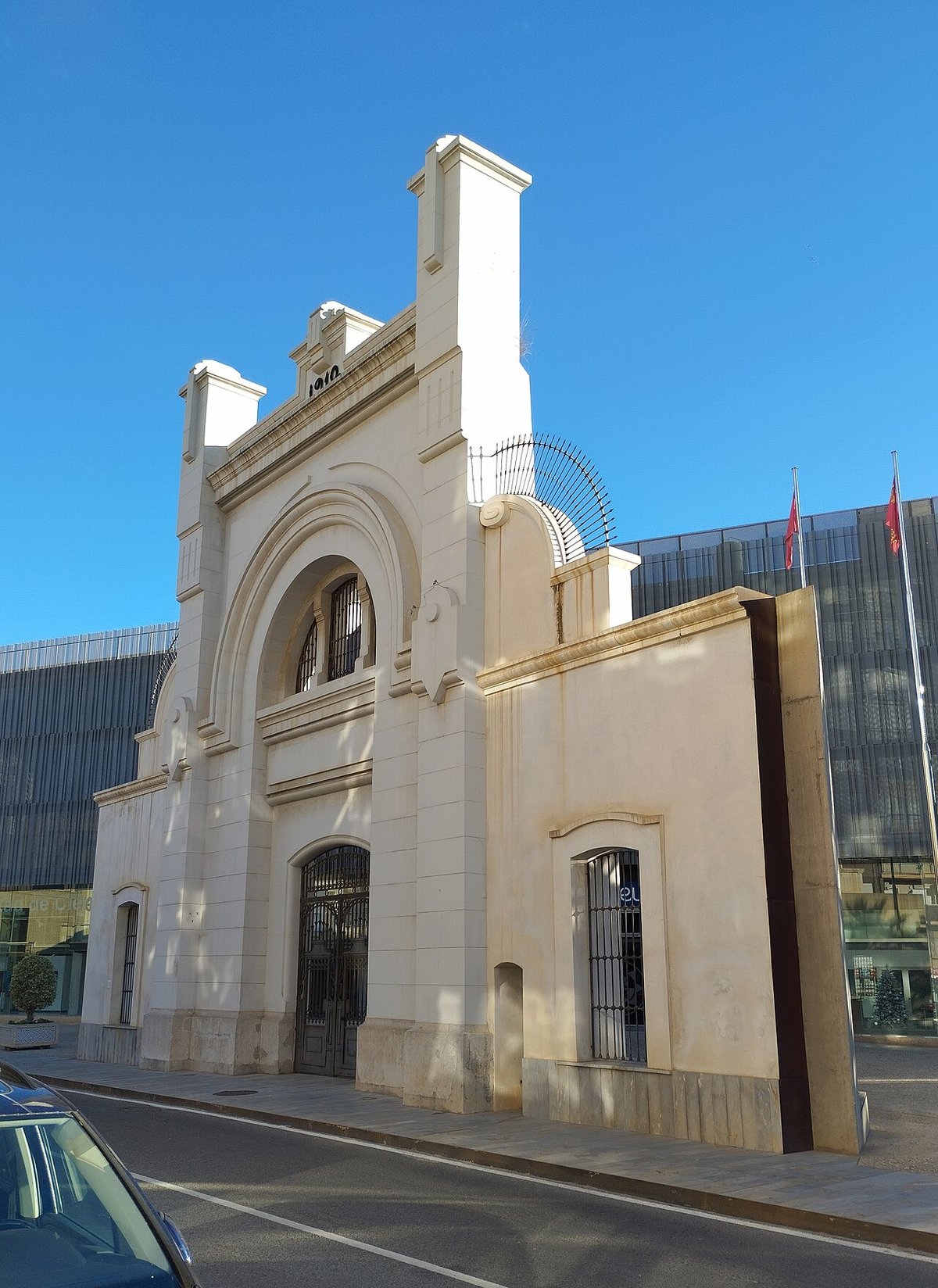
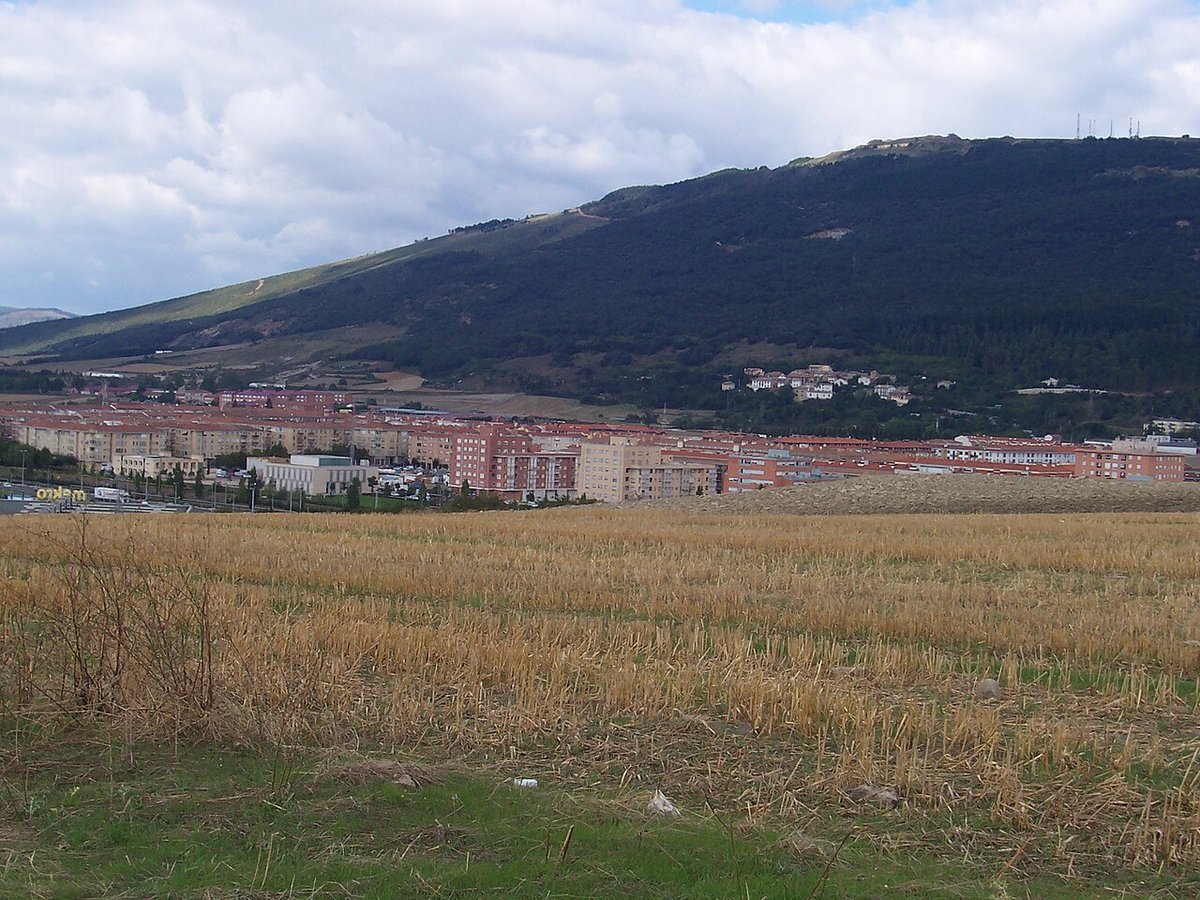
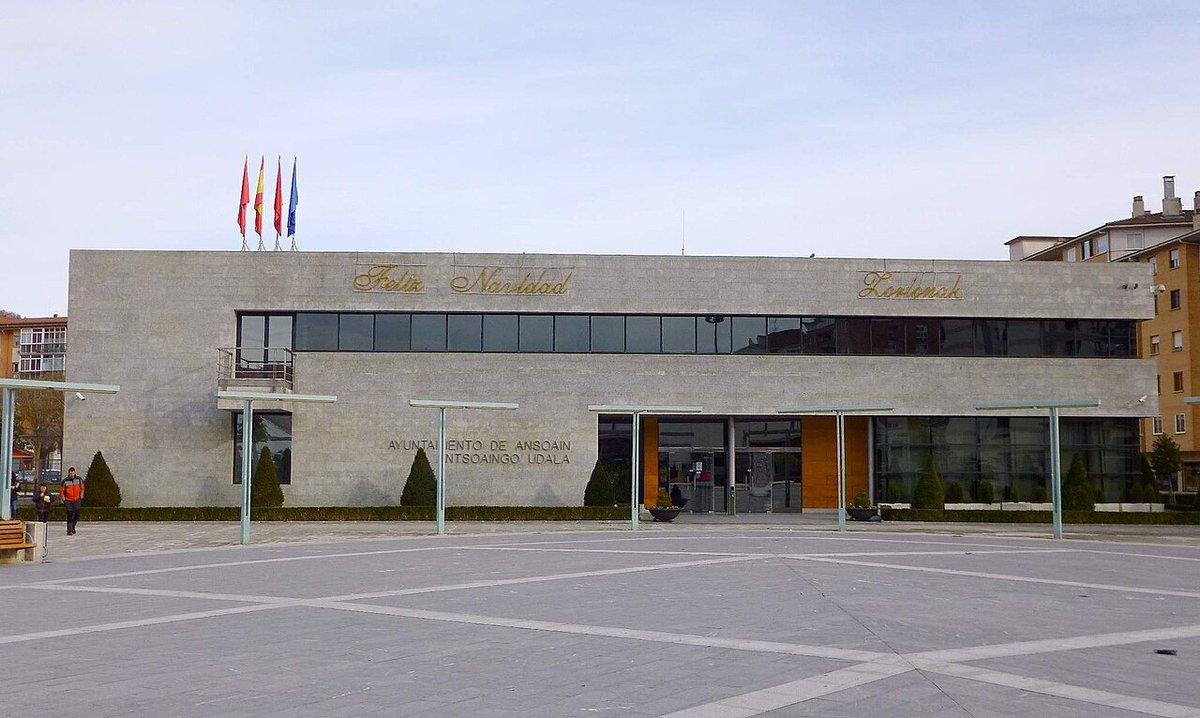
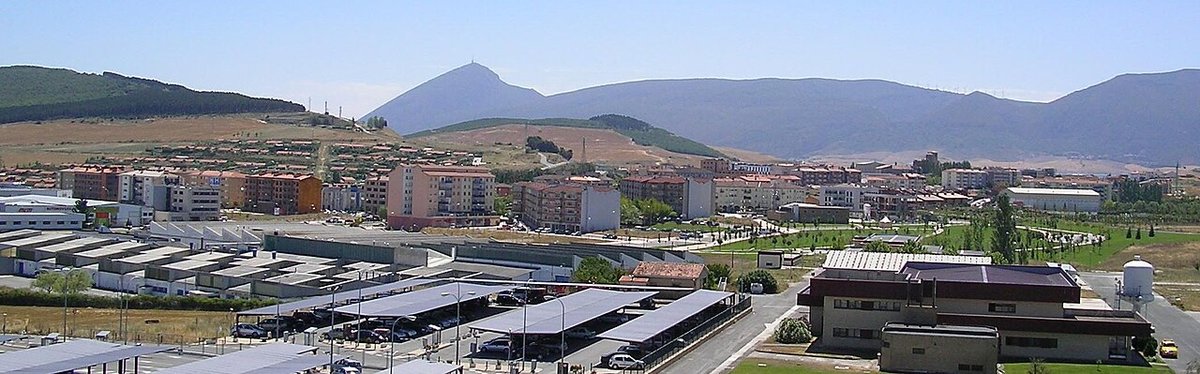
Huarte - Humilladero.JPG
Navarra · Kingdom of Diversity

Huarte

The 7:15 a.m. bus from Huarte carries more laptops than shopping baskets. Forty minutes later, the same vehicle disgorges its passengers into Pampl...

7,900 inhabitants · INE 2025
440m Altitude

Why Visit

Contemporary Art Center Shopping in Itaroa

Best Time to Visit

year-round

Brotherhood Festival (September) septiembre

Things to See & Do
in Huarte

Heritage

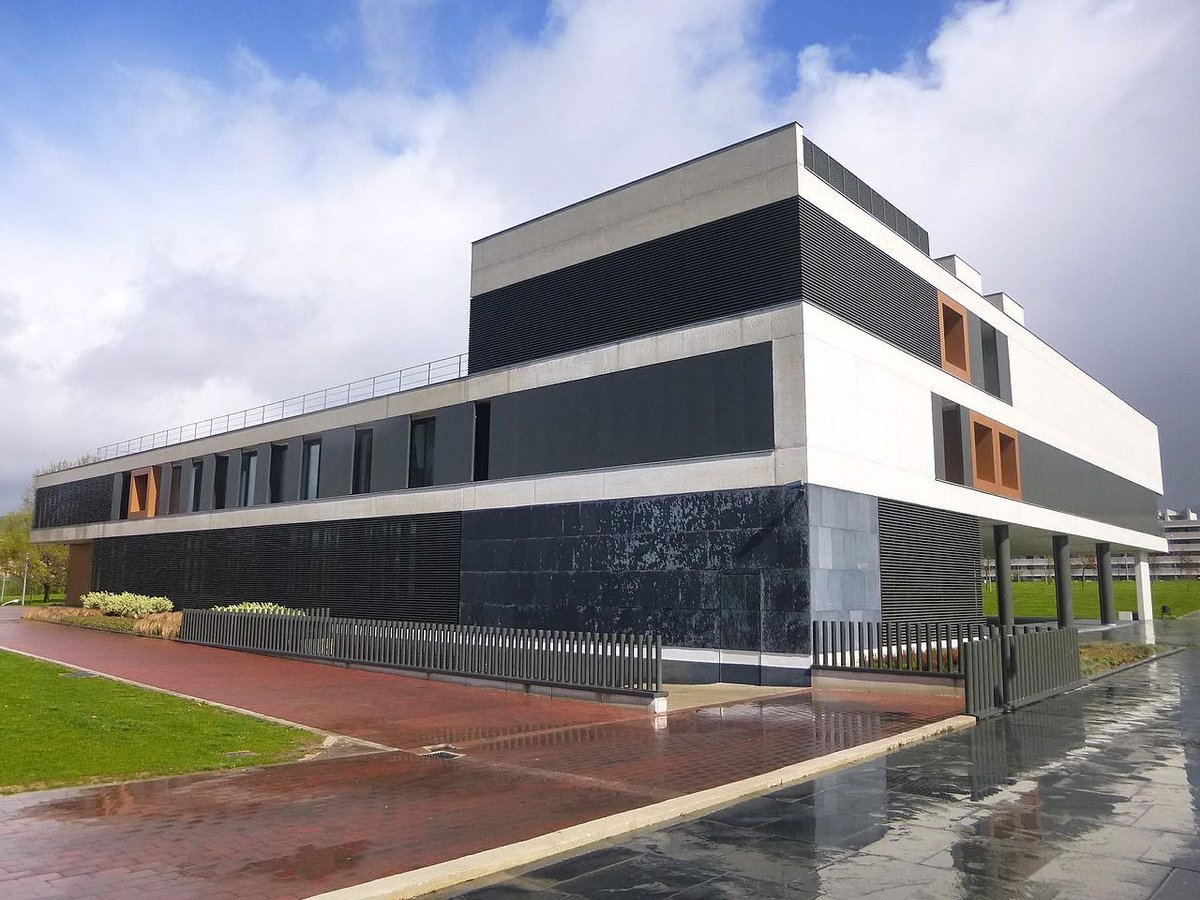
  • Contemporary Art Center
  • Church of San Juan

Activities

  • Shopping in Itaroa
  • Culture

Festivals
& & Traditions

Fecha septiembre

Fiestas de la Hermandad (septiembre)

Las fiestas locales son el momento perfecto para vivir la autenticidad de Huarte.

Full Article
about Huarte

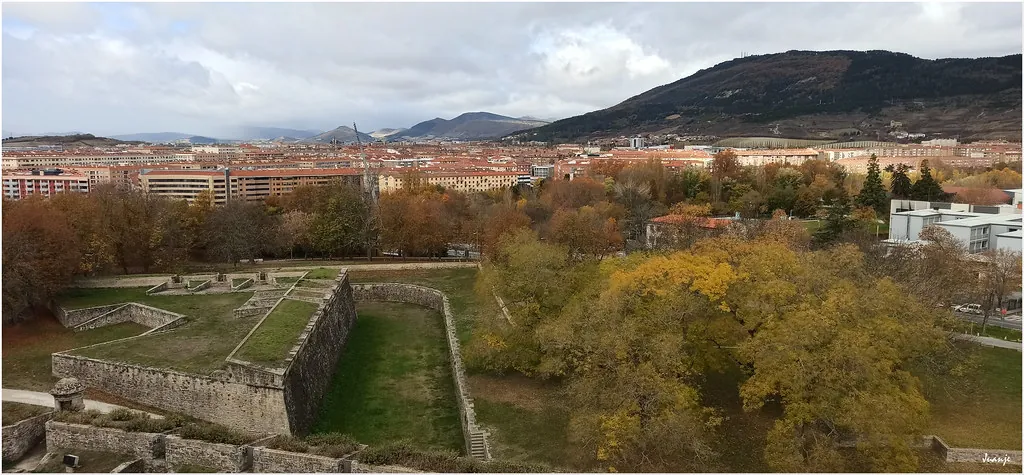
Industrial and commercial town next to Pamplona; it still has an interesting old quarter and the Centro de Arte Contemporáneo.

Ocultar artículo Leer artículo completo

The 7:15 a.m. bus from Huarte carries more laptops than shopping baskets. Forty minutes later, the same vehicle disgorges its passengers into Pamplona's bustling centre—teachers, hospital workers, tech employees who've discovered that 440 metres of altitude and seven kilometres of distance buys them something increasingly rare in modern Spain: a vegetable patch that actually produces vegetables.

Huarte sits in the Ultzama river valley, its 7,367 residents spread across gentle slopes that once grew wheat for Roman garrisons. Today's economy runs on a different rhythm. Weekday mornings feel like a dormitory town on autopilot. By 9 a.m., the streets empty and stay that way until the bus starts its return loop at 2 p.m. The silence isn't eerie—it's purposeful. People here have chosen proximity over pressure, keeping one foot in urban paychecks while maintaining the other in soil that their grandparents worked.

The river rules everything

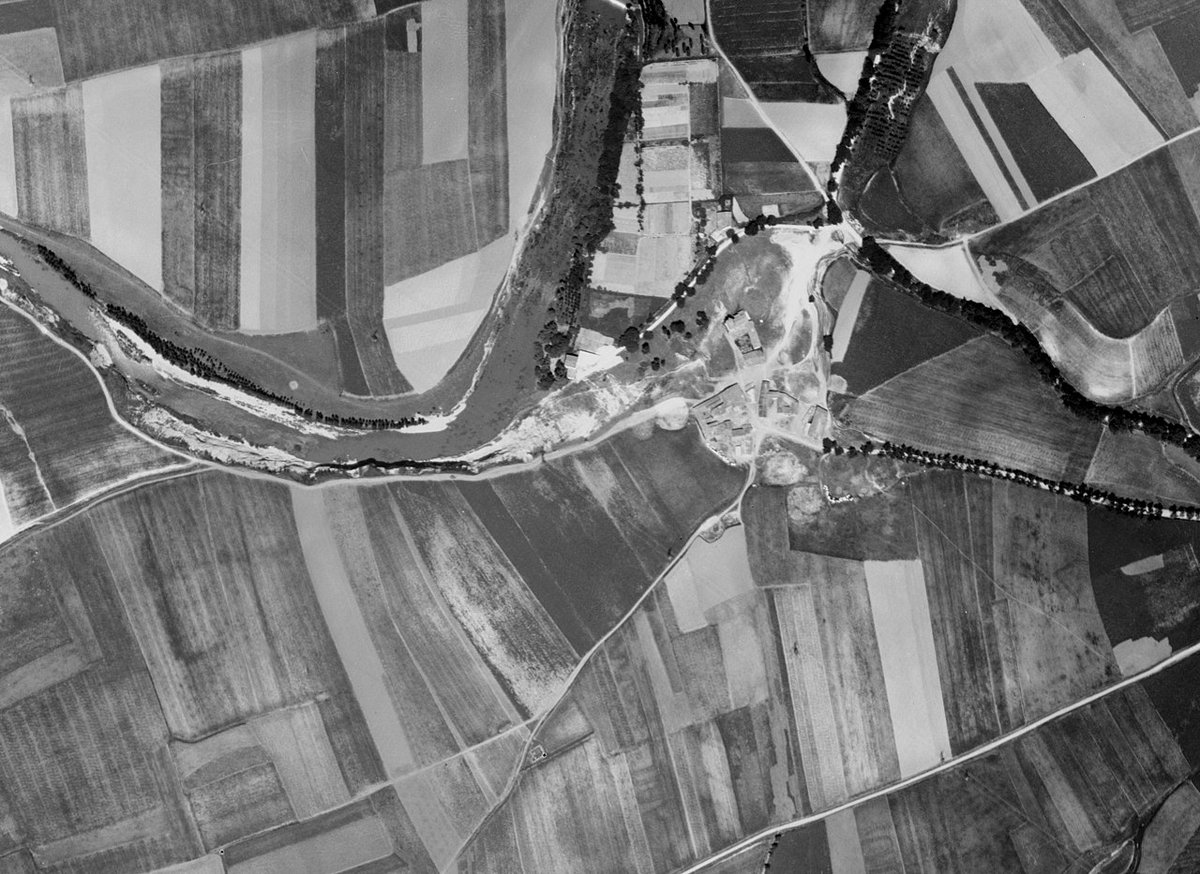
The Ultzama doesn't photograph well. It's neither dramatic nor crystalline, running brown and steady through poplar plantations that farmers planted for quick cash decades ago. But the river's 14-kilometre path through Huarte territory shapes daily life more than any monument or museum could. When temperatures hit 25°C, office workers extend lunch breaks to 90 minutes. They drive home, change into swimming costumes, and wade into shaded pools where the water reaches waist-height. Children learn early that "going to the river" isn't recreation—it's maintenance, like brushing teeth or checking email.

Walking tracks follow both banks, though signage assumes local knowledge. The left bank path connects to Villava in 45 minutes, passing through allotments where elderly residents still plant by the moon. Right bank trails climb more steeply, reaching ridge-top farms after 20 minutes of calf-burning ascent. Neither route appears on tourist maps, which explains why you'll share paths with dogs rather than day-trippers.

Winter changes the equation completely. November rains swell the Ultzama until it claims portions of the walking track. January brings the opposite problem—frozen mud ruts that turn an evening stroll into an ice-skating misadventure. Locals switch to road walking or drive to Pamplona's indoor pool. The river becomes something to observe rather than enter, its brown waters reflecting grey skies that press down like a poorly-fitted lid.

Stone, wood and the spaces between

San Juan Bautista church squats in the geographical centre, its 16th-century tower visible from anywhere in the old quarter. The building won't overwhelm anyone who's visited Burgos or León, but its proportions reveal local priorities. The nave fits 300 people—roughly half the village's 17th-century population—suggesting Sunday attendance once approached universal. Interior chapels display retablos rescued from closed monasteries, their gold leaf dulled by centuries of candle smoke and valley humidity.

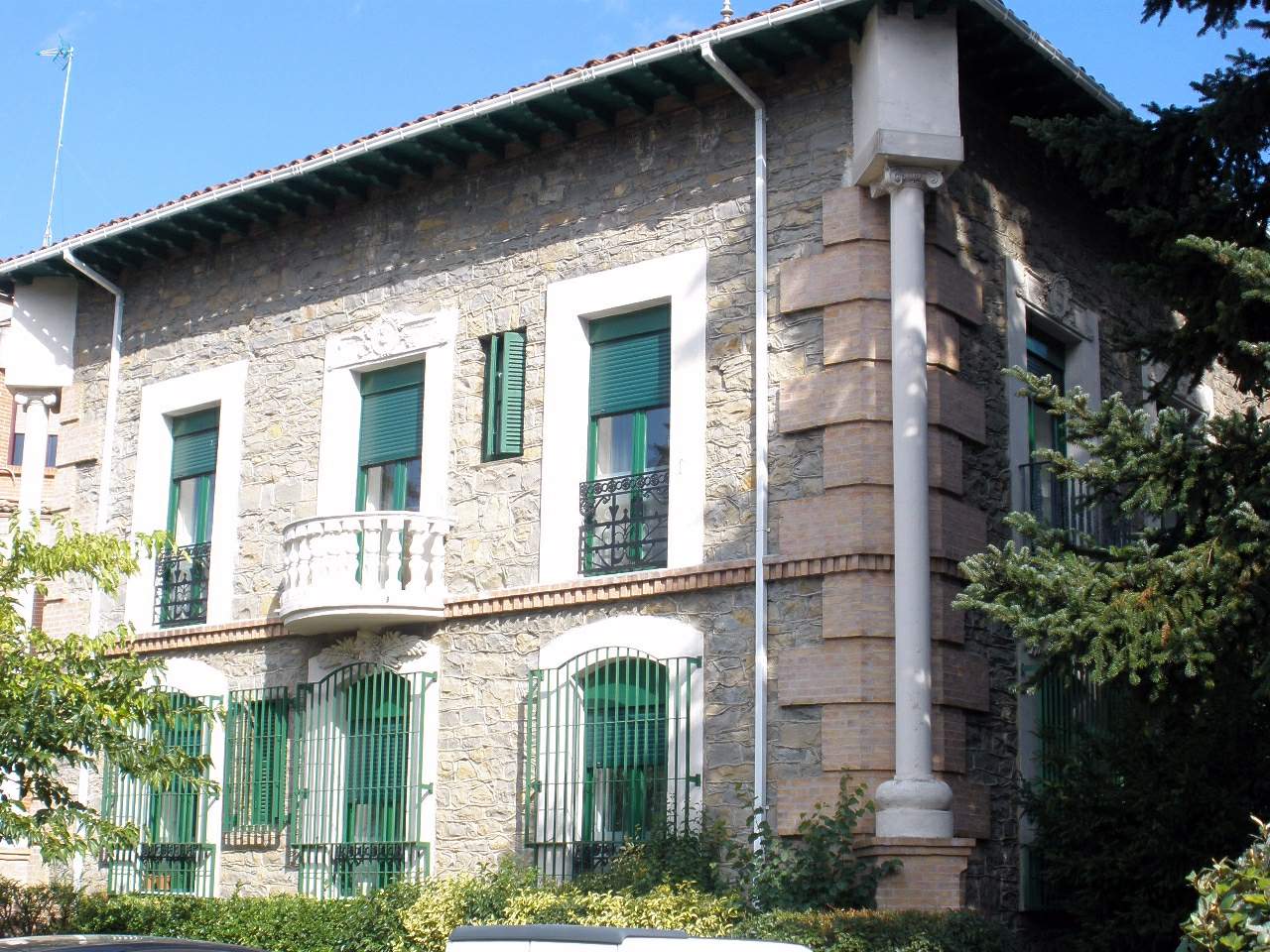
More revealing are the houses radiating outward from the church plaza. Number 7 Calle Mayor hides a 1685 construction date above its doorframe, the numerals carved deep enough to survive 300 years of rain. Next door, someone has inserted plate glass into a stone opening originally designed for a mule. These juxtapositions aren't instagrammable—they're lived-in, representing four centuries of practical adaptations to changing needs.

The newer sections sprawl southward, 1970s apartment blocks rising where orchards once stood. Architecture critics might wince, but residents appreciate central heating and garages. Walk five minutes uphill from these concrete rectangles and you'll find €450,000 stone farmhouses with original chestnut beams and damp problems that never quite resolve. Huarte's property market reflects Spain's broader contradictions: historic houses that wealthy foreigners fantasise about renovating while locals queue for mortgages on flats with double-glazing.

Eating between two worlds

Restaurant options number exactly four, plus two bars serving food. Asador Zubiondo occupies a former blacksmith's forge, its charter dating to 1982 when the current owner's father converted agricultural space into dining room. Wood-fired grills dominate the menu—chuletón steaks weighing 800 grams, pimientos de Padrón that arrive blistered and salted, white asparagus when season permits. Main courses run €18-28, expensive by village standards but reasonable compared to Pamplona equivalents.

The other three establishments cater to different budgets and schedules. Babylon serves €3.50 tortilla portions large enough for lunch, opening at 6 a.m. for construction workers and closing at 11 p.m. when teenagers finish their evening paseo. Weekend queues stretch 40 minutes—Huarte's version of nightlife. Neither Michelin inspectors nor Tripadvisor reviewers have discovered these places, which suits regulars perfectly.

Gastronomy here means vegetables first, meat second. The municipal allotments produce white asparagus that appears on local tables from late March through May. Artichokes follow, then beans, then tomatoes whose seeds families have saved for generations. Supermarkets exist—there's a Spar on the main road—but serious shopping happens Saturday mornings at Pamplona's market, 20 minutes away by bus. Residents carry empty rucksacks downhill and return them bulging with fish, cheese, and specialty items that valley farmers don't grow.

When the valley celebrates

San Juan Bautista festival transforms Huarte for five days each June. The church bell rings continuously from Thursday evening through Monday midnight, not for religious reasons but because someone's cousin volunteers to keep pulling the rope. Streets fill with temporary bars serving kalimotxo (red wine mixed with cola) to teenagers who've been practising this particular drinking ritual since 14. Fireworks start at 1 a.m. and continue hourly, terrifying dogs and delighting children who've been given permission to stay up until dawn.

The programme reveals village demographics. Friday afternoon features a paella contest where 60-something neighbours compete for bragging rights. Saturday night's concert books Spanish pop bands popular during the 1990s—music 40-year-olds danced to before mortgages and school fees. Sunday morning brings children's games using equipment stored 363 days annually in the sports centre basement. Nobody mentions tourism because visitors, beyond adult children returning from Bilbao or Madrid, barely register.

August's summer festival operates differently. Temperatures reach 35°C, sending residents toward the river in unprecedented numbers. The municipality installs temporary lighting along swimming spots, creating nighttime bathing that continues past 2 a.m. Bars set up outdoor terraces. Restaurant kitchens close early—too hot to work—replaced by barbecue smoke drifting across main streets. These evenings represent Huarte at its most social, when farmers discuss rainfall with teachers and software developers while sharing bottles of €4 Navarrese rosé.

Getting here, staying realistic

Huarte makes neither a good day trip nor a week-long destination. The village reveals itself through repetition—morning coffee at the same bar, evening walks that vary by 200 metres daily, conversations that pick up where they left off yesterday. Two hours provides sufficient time to walk river paths, photograph church details, and drink a beer while watching locals play petanca. Anything shorter misses the point entirely.

Accommodation options reflect this reality. There's no hotel, just three rural houses licensed for tourism and a dozen rooms above restaurants. Prices run €60-80 nightly, including breakfast featuring local jam and supermarket croissants. Book only if you plan Pamplona day trips or need valley walking base for three-plus days. Otherwise, stay in the capital and ride bus 17—€1.35 each way, every 30 minutes during commuter periods, hourly off-peak.

Come prepared for mud between October and May. The river path floods regularly; wellies prove more useful than walking boots. Summer requires insect repellent—mosquitoes breeding in irrigation channels don't respect organic sensibilities. Parking works fine except during festivals, when finding space within ten minutes' walk becomes impossible after 7 p.m.

Huarte rewards visitors seeking Spanish ordinary life rather than Instagram moments. The village functions as bedroom community, agricultural holdout, and river playground simultaneously. Nobody will sell you key rings or offer guided tours. Instead, you'll share footpaths with locals walking dogs, buy coffee alongside teachers marking homework, and swim where their children learn front crawl. Manage expectations accordingly. The Ultzama valley delivers exactly what it promises: proximity to urban amenities without urban pressure, plus vegetables that taste like they should.

Key Facts

Region
Navarra
District
Cuenca de Pamplona
INE Code
31122
Coast
No
Mountain
No
Season
year-round

Livability & Services

Key data for living or remote work

2024
ConnectivityFiber + 5G
TransportTrain nearby
HealthcareHospital
EducationHigh school & elementary
Housing~5€/m² rent · Affordable
CoastBeach nearby
Sources: INE, CNMC, Ministry of Health, AEMET

Official Data

Institutional records and open data (when available).

  • Crucero Arleta
    bic Monumento ~1.4 km

Planning Your Visit?

Discover more villages in the Cuenca de Pamplona.

View full region →

More villages in Cuenca de Pamplona

Traveler Reviews