Full Article
about Iza
Large municipality that includes Zuasti with its manor and golf course; a mix of rural and luxury residential areas.
Hide article Read full article
A village close to the capital, yet rooted in the land
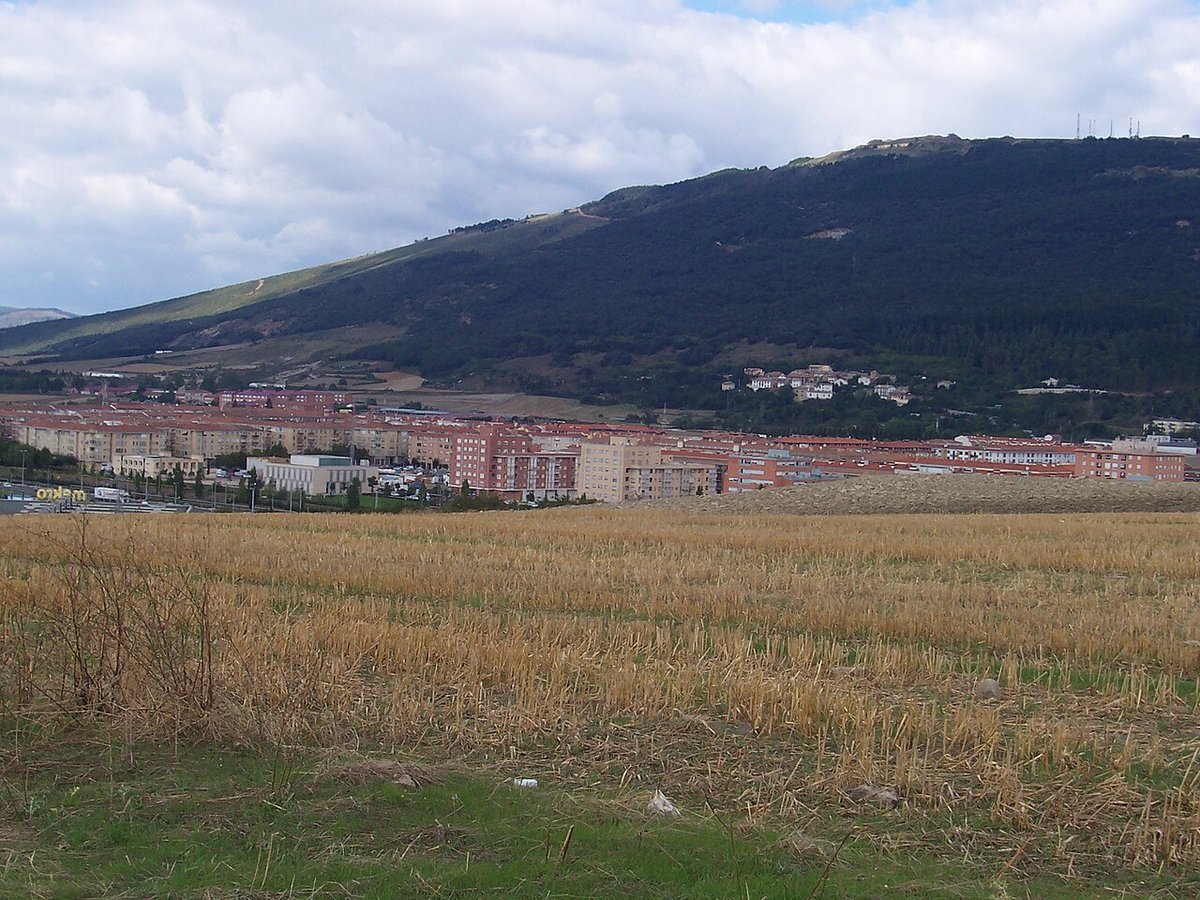
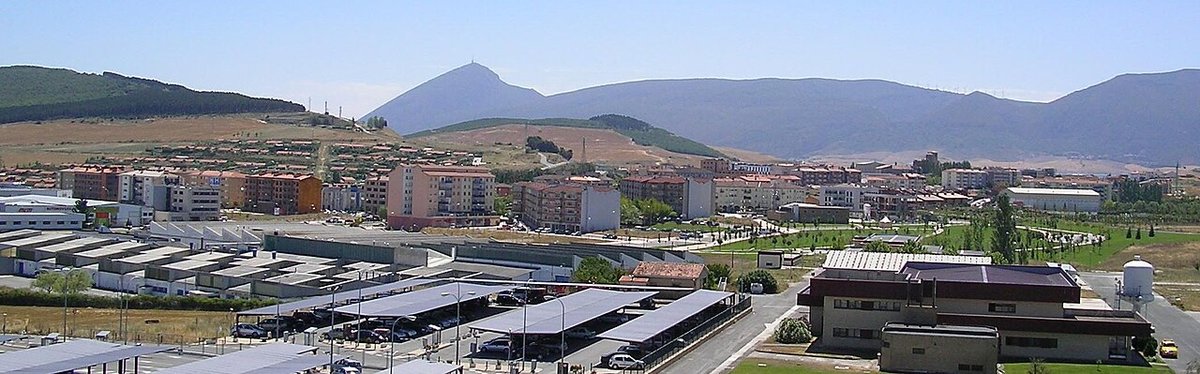
Set within the Cuenca de Pamplona, Iza raises a simple question at first glance: how has such a small municipality kept such a clear rural structure just a few kilometres from Navarra’s capital? The answer reveals itself gradually, in the layout of the village and in the landscape that surrounds it.
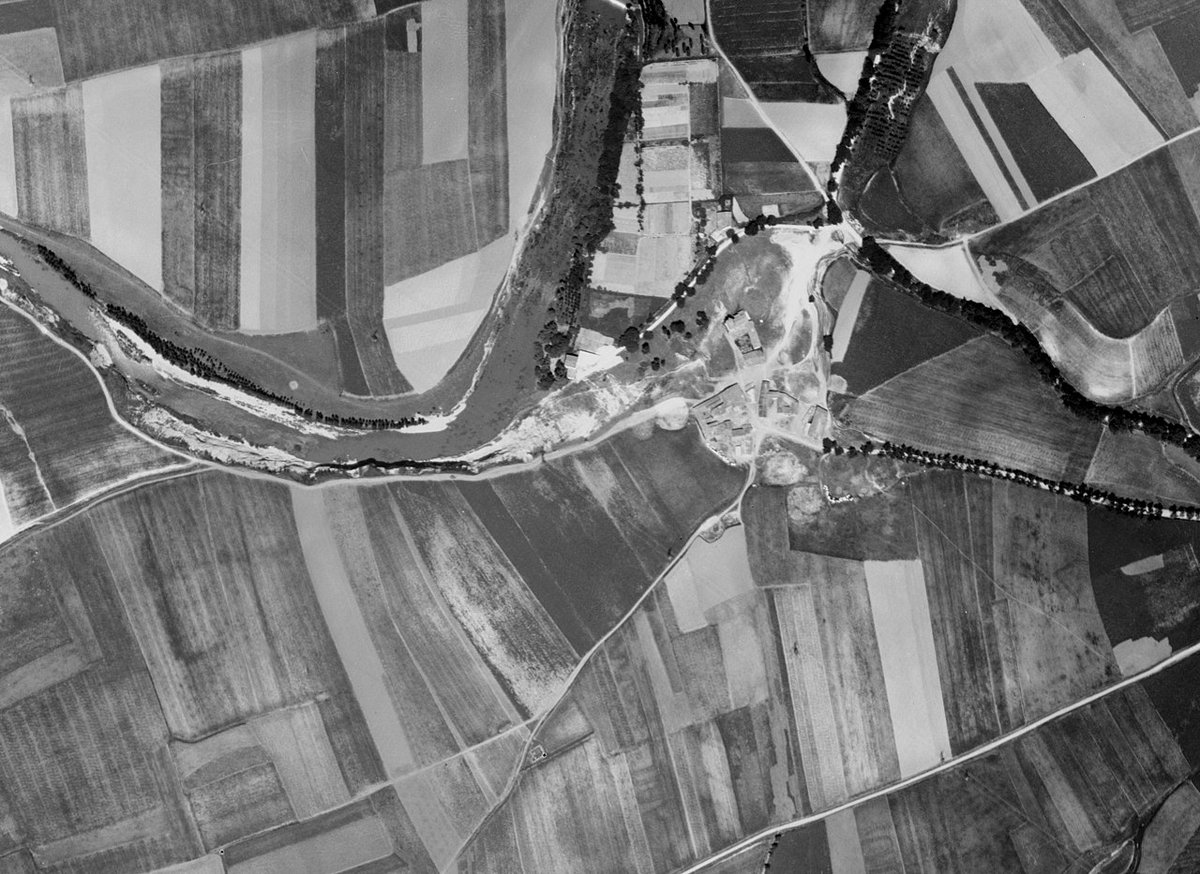
The centre forms a compact cluster of houses, grouped closely together and encircled by cereal fields and agricultural tracks. Pamplona is near enough to shape daily life, but the setting remains firmly tied to farming. Fields still define the horizon, and the pace feels guided more by the seasons than by the nearby city.
San Miguel Arcángel, a modest landmark
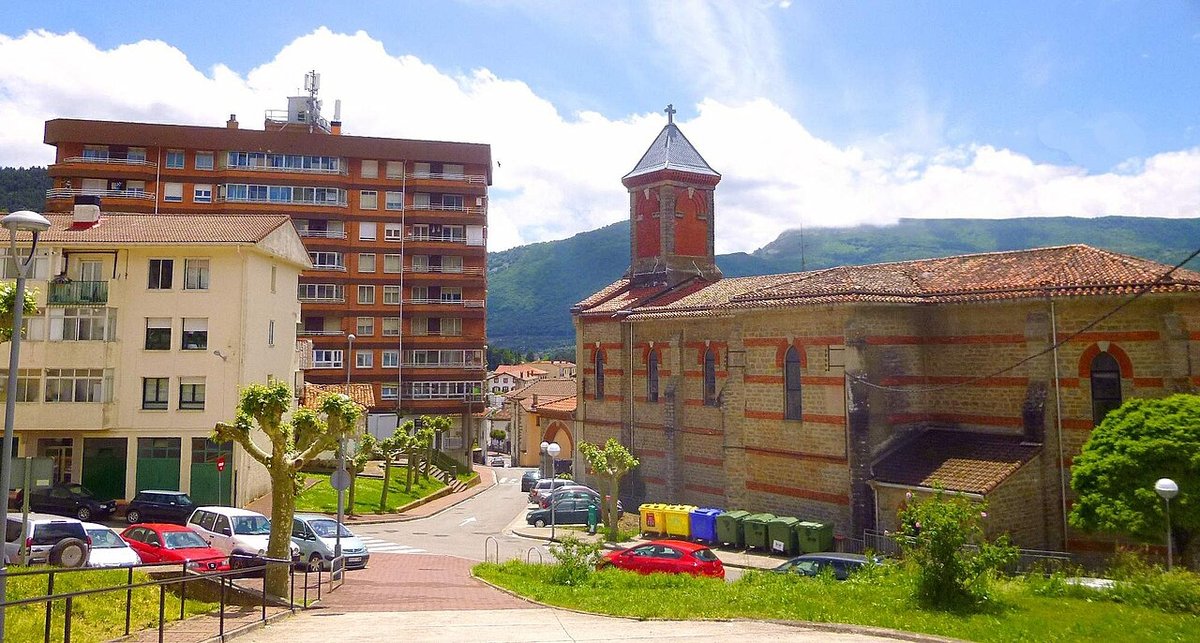
The most visible building in Iza is the church of San Miguel Arcángel. Its origins date back to the 15th century, although later alterations have changed parts of its original appearance.
The façade is restrained, with little ornamentation. A simple bell tower rises above the rooftops and can be spotted from several points around the village. Inside, the church consists of a single nave and a retablo with clean, understated lines. It is not a grand or imposing structure, yet it offers a useful sense of scale for rural parishes in this part of Navarra.
Access to the interior is limited. The church is not always open, and visits are usually possible during religious celebrations or at specific moments in the local calendar.
Streets shaped by everyday life
The layout of Iza follows a pattern seen across many villages in the Cuenca de Pamplona. Short streets, some of them narrow, lead towards a small central space where much of the local activity is concentrated.
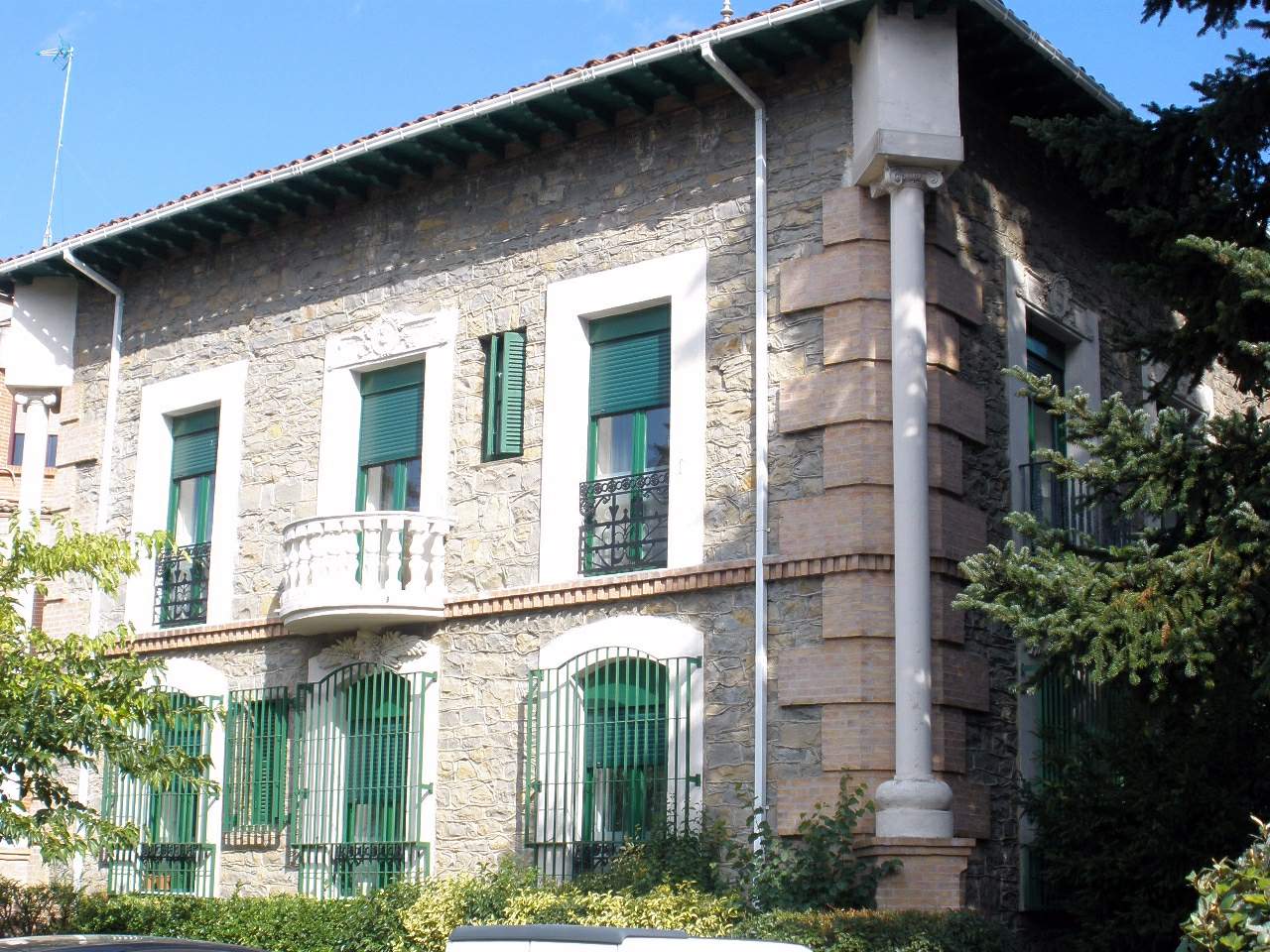
The houses combine stone and brick, creating a varied but cohesive appearance. Several doorways display dates or inscriptions. Some appear to date from the 18th or 19th centuries, although it is not always easy to confirm without documentation. Many buildings have been refurbished over time, yet they retain the structure typical of a traditional Navarrese rural house.
A walk through the village does not take long. What draws attention are the small details: carved doorways, simple coats of arms, and the irregular size of plots. These elements give a sense of how the village has developed over time, without losing its original layout.
Fields, tracks and shifting colours
Leaving the built-up area, agricultural service tracks appear almost immediately. These paths are used by farmers and loop around the village, crossing wide stretches of cereal fields that are characteristic of this part of Navarra.
The landscape changes noticeably with the seasons. In spring, the fields are green and full. By summer, the colour shifts to the golden tones of ripened grain and dry soil. The terrain is generally flat, with no significant slopes, which makes these routes accessible for walking or cycling. Local residents use them regularly for both.
From certain points along these tracks, the relationship between the village and the surrounding farmland becomes especially clear. The fields are not separate from Iza but form part of its structure, reflecting a pattern typical of the Cuenca de Pamplona.
Festive dates and local traditions
The village calendar centres on San Miguel Arcángel, the patron saint, celebrated at the end of September. Another key date is San Isidro in May, traditionally associated with agricultural work.
These are local festivities, focused mainly on the participation of residents and on activities organised within the village itself. The scale remains small, in keeping with the size of the community, and the emphasis is on shared traditions rather than large public events.
Visiting Iza
Iza is a small municipality, and the village centre can be explored in a short amount of time. A visit is often rounded out with a walk along the nearby agricultural paths, which offer a broader view of the area.
The church may be closed outside of religious celebrations, so it is worth checking in advance if the interior is of interest.
Access from Pamplona is straightforward by road, and the journey is brief. Seasonal conditions can shape the experience: in summer, the sun is strong along the exposed tracks, while in winter the wind across the basin can be quite noticeable. Carrying water and planning the timing of a walk makes it easier to explore the area at a relaxed pace.