Church San Bartolomé Granada Spain.jpg
Navarra · Kingdom of Diversity

Juslapeña

The church bell strikes eleven and nobody notices. Not the farmer loading hay onto his tractor, nor the woman shaking tablecloths from a first-floo...

564 inhabitants
550m Altitude

Why Visit

Church of Marcaláin MTB trails

Best Time to Visit

summer

Valley Festival (August) agosto

Things to See & Do
in Juslapeña

Heritage

  • Church of Marcaláin
  • Belzunce Tower

Activities

  • MTB trails
  • Easy rides

Festivals
& & Traditions

Fecha agosto

Fiestas del Valle (agosto)

Las fiestas locales son el momento perfecto para vivir la autenticidad de Juslapeña.

Full Article
about Juslapeña

A valley near Pamplona, still very rural, known for its porched churches and patchwork landscape.

Ocultar artículo Leer artículo completo

The church bell strikes eleven and nobody notices. Not the farmer loading hay onto his tractor, nor the woman shaking tablecloths from a first-floor balcony. At 550 metres above sea level, Juslapeña moves to its own altitude-adjusted clock, fifteen kilometres and several centuries away from Pamplona's rush.

This isn't the Spain of paella promenades or souvenir-filled plazas. It's a scatter of stone hamlets—Juslapeña proper, Bedegieta, Aurizberri—strung across farmland that still pays the bills rather than posing for postcards. The roads between them narrow to single-track lanes where wheat brushes car doors and GPS signals vanish behind hills. Mobile reception follows suit. Consider it nature's way of suggesting you park properly (not in field entrances, however empty they look) and walk.

What the Stones Actually Say

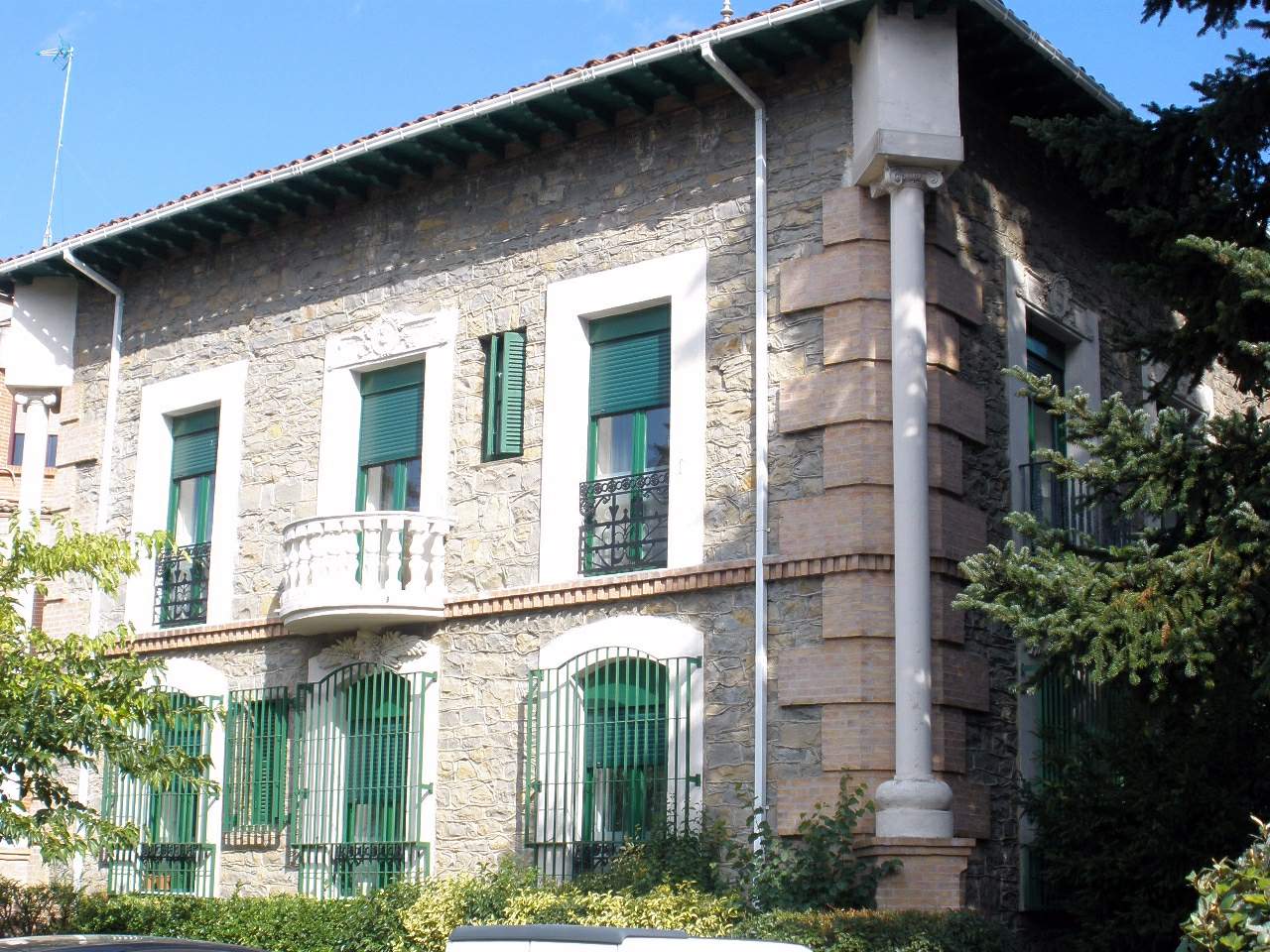
Start anywhere. The parish church won't demand attention—it's the same sober sandstone as half the houses—but stand close and you'll see how its walls lean slightly, compensating for four centuries of valley winds. Nearby, a 1920s townhouse sports an iron balcony painted the exact green of bottle glass. Someone's fitted modern aluminium windows beneath medieval wooden eaves. Conservation here is pragmatic, not picturesque; if a beam rots, it gets replaced, heritage paint chart be damned.

Wander lanes barely two metres wide and you’ll pass vegetable plots protected by waist-high walls built from rocks cleared from fields. Every stone has done three jobs: hindered the plough, defined a boundary, deterred livestock. Recycling long before the word existed. Notice the bread-oven bulges on gable ends, now sealed up or storing garden tools. Smell the damp earth after the water truck has sprayed dust—council budgets don’t stretch to tarmac every camino.

Maps Lie at This Height

That gentle contour line you saw online translates into a two-hour loop once you’re on the ground. Footpaths follow farm tracks, not tourist gradients. One minute you’re beside a barley field rippling like the sea off Cornwall; the next you’re climbing an oak-shaded gully where last night’s rain still drips from leaves. Waymarking is sporadic—look for splashes of yellow paint on barn gables or concrete posts. If the path dives through a gateway, close it. Cows here have no respect for hikers’ sandwiches.

Spring brings the best compensation: orchards foaming with white blossom, meadows so green they’d make a Devon farmer jealous, and temperatures that hover around 18 °C at midday—perfect for the ridge walk south towards Uharte-Arakil. Autumn swaps colour for solitude; only the occasional hunter’s dog breaks the hush. Summer demands an early start. By 11 a.m. the sun is brutal, shade scarce, and the only sound the buzz of irrigation sprinklers. Winter turns paths to slick clay; north-facing tracks hold ice well into March. Come prepared or come another day.

Lunch Appears Only If You're Lucky

There isn’t a menu del día circuit. What exists is seasonal and word-of-mouth. Knock on the right farmhouse door and you might leave with a wheel of Idiazabal smoked by last year’s cherry wood, or a jar of honey from hives tucked among sunflowers. Payment is cash in an envelope, price scribbled on the lid—€8 for cheese, €5 for honey. The village shop (open 9–1, 5–8, closed Thursday afternoons) stocks tinned tuna, local chorizo, and surprisingly good Navarran wine for under €4. Picnic tables? Use the stone bench outside the church; the priest doesn’t mind as long as you take your wrappers home.

If you need a proper lunch, drive ten minutes to Olite where the medieval palace draws coach parties and therefore restaurants. Back in Juslapeña, evening eating is even simpler: someone parks a van selling roast chicken beside the football pitch on Fridays. Queue with locals, accept the greasy paper bag, eat in your accommodation or on the village wall while swallows dive overhead.

Sleep Where the Wi-Fi Flickers

Accommodation totals three self-catering houses and a pair of rooms above the old school, all booked through the municipal website. Expect stone floors that chill bare feet, wood-burners instead of central heating, and broadband that sighs off whenever the wind rattles the phone line. Prices run €70–€90 a night for a two-bedroom house—cheap by UK standards, expensive by rural Spanish ones. Bring slippers and a hot-water bottle for winter stays; insulation is a recent concept here.

The payoff is night silence so complete you’ll hear your own heartbeat, and dawn views across cereal fields that glow like burnished brass. If that feels too isolated, stay in Pamplona and day-trip. The drive takes twenty minutes on the NA-132, but leave before 7 a.m. to beat commuter traffic. Buses exist—twice daily, weekdays only—and drop you a 2 km walk from the village centre. Taxis from Pamplona cost around €25; book by phone because Uber hasn’t discovered the valley yet.

Honesty Hour

Juslapeña will not fill a week unless your idea of bliss is repeating the same four walks and greeting the same three dogs. Rain can strand you indoors with only Spanish daytime TV for company. Mobile signal vanishes in dips. The nearest A&E is back in Pamplona. Accept these limits and the village relaxes into what it does best: providing a pause, not a programme.

Come as a breather between Rioja bodegas and San Sebastián seafood. Use it to practise rusty Spanish on farmers who answer slowly, enunciating around missing teeth. Measure time by church bells and shadow length. Leave before boredom outweighs calm; two hours gives the gist, two days the reset most visitors need.

As you depart, you’ll pass the tractor dealer on the edge of town. He’s closed for siesta, shutters down, sign fading. Somewhere behind them, engines wait for the next sowing season. Juslapeña keeps its back turned to the road, attention fixed on soil and sky. That’s the only invitation you’re getting—take it or take the motorway north.

Key Facts

Region
Navarra
District
Cuenca de Pamplona
INE Code
31136
Coast
No
Mountain
No
Season
summer

Livability & Services

Key data for living or remote work

2024
ConnectivityFiber + 5G
TransportTrain nearby
HealthcareHospital 9 km away
Housing~5€/m² rent · Affordable
CoastBeach nearby
Sources: INE, CNMC, Ministry of Health, AEMET

Planning Your Visit?

Discover more villages in the Cuenca de Pamplona.

View full region →

More villages in Cuenca de Pamplona

Traveler Reviews