Full Article
about Lizoáin-Arriasgoiti
Quiet valley east of Pamplona; transition zone toward the Pyrenees with small stone villages
Hide article Read full article
A Valley Without a Clear Arrival
Lizoáin-Arriasgoiti feels like the kind of place you pass through on the way somewhere else and suddenly think: life must move more slowly here. It sits about twenty kilometres from Pamplona, reached by secondary roads heading east. There is no clear moment when you arrive, no compact centre announcing itself. Instead, the valley unfolds in pieces. Small villages appear one after another, with stone houses and open खेत fields linking them together.
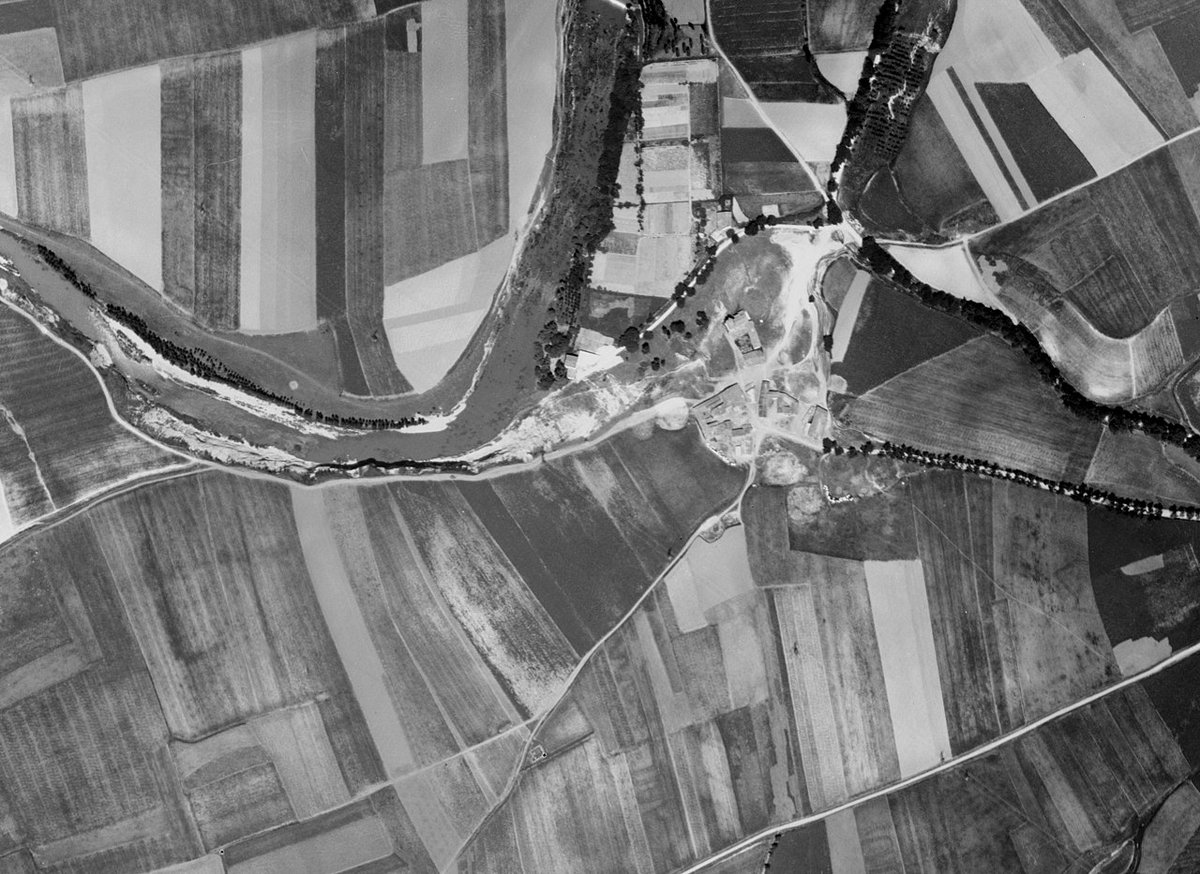
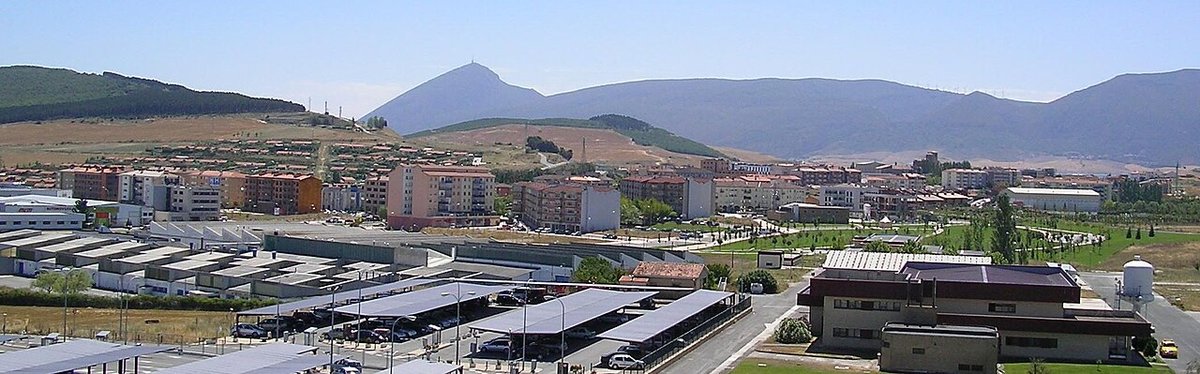
The municipality brings together several rural settlements spread across the valleys of Lizoáin and Arriasgoiti. This is not a destination of grand monuments or crowded streets. Its appeal lies elsewhere, in the way the land is organised and used. Small villages sit among cereal fields, and the tracks between them are still part of everyday working life.
A Municipality Made of Small Villages
One of the first things that stands out is how Lizoáin-Arriasgoiti functions. It does not behave like a single town but as a collection of small villages scattered across the valley. The distances between them are short, just a few minutes by car, yet each has its own identity. Roads can be narrow, sometimes closer to farm tracks than tourist routes.
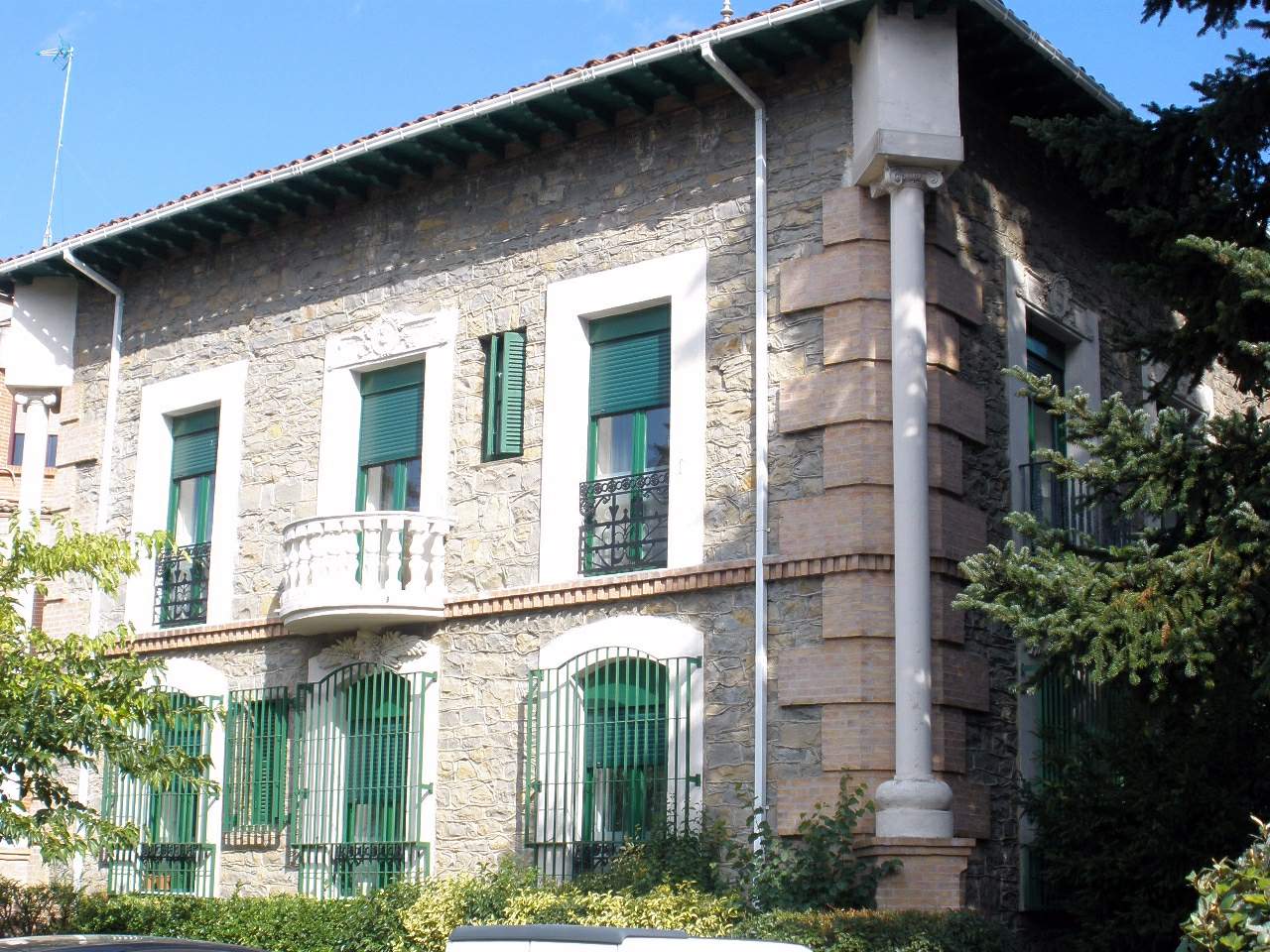
The architecture matches what you would expect in this part of Navarra. Stone houses line the streets, often with large doorways and pitched roofs. Some façades carry carved coats of arms, a reminder of local history without turning the place into a showpiece. Many homes still include barns, yards or agricultural spaces that remain in use today. Nothing feels staged. This is a place where people live and work, not somewhere arranged for visitors.
In several of the villages, the church still defines the centre. These buildings are not always striking, but they anchor the surrounding life. Nearby, there is usually a small square, a frontón and a fountain. The frontón, a common feature in northern Spain, is a wall used for pelota, a traditional ball game. These elements create simple meeting points where daily life unfolds.
Open Fields and Working Paths
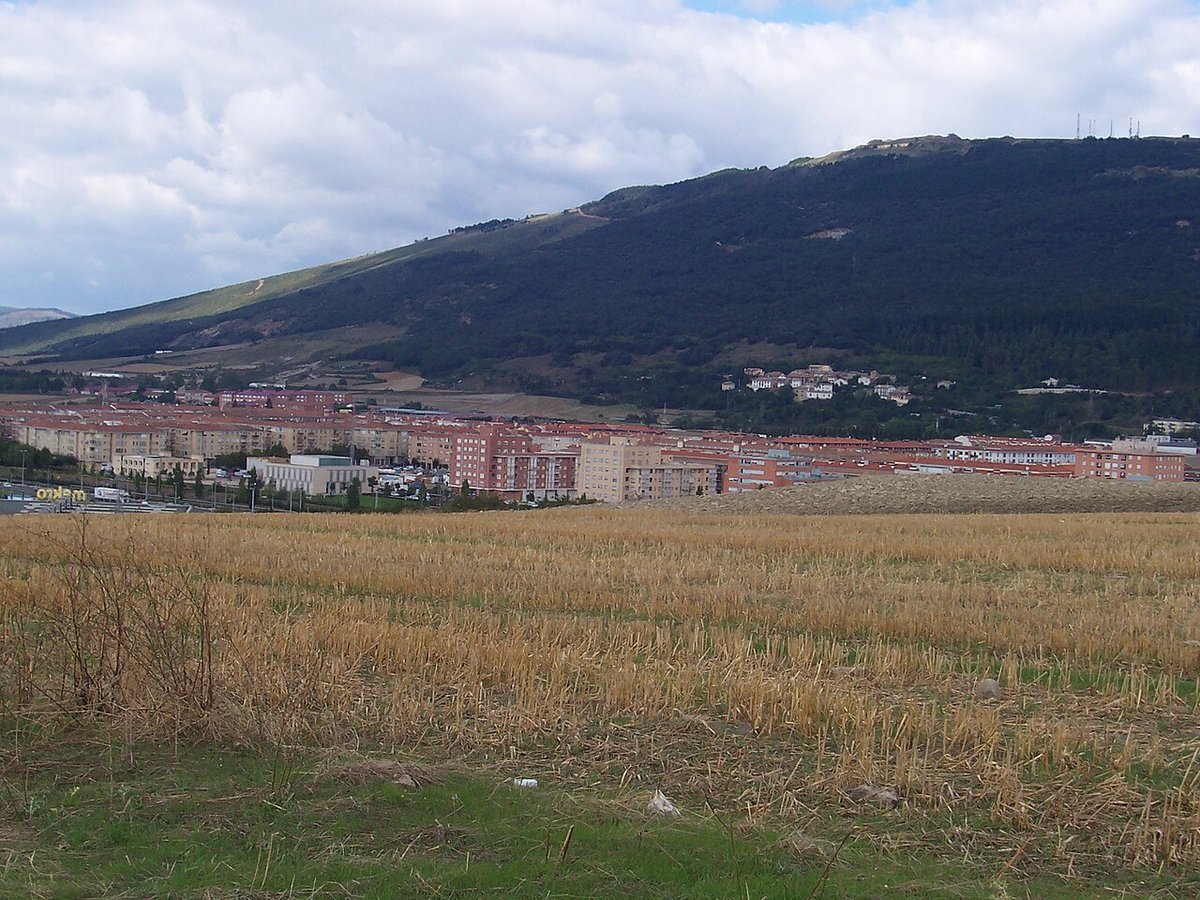
The landscape is clear and open. Cereal fields stretch across the valley, broken up by small patches of woodland. The colours shift noticeably with the seasons. Winter brings muted tones, browns and greys dominating the view. Spring transforms the same land into bright green, almost as if freshly painted.
Dirt tracks run between the fields, linking villages or leading directly into farmland. These are not designed as hiking routes but as working paths. Even so, walking along them offers something straightforward and calm. Silence is common, occasionally interrupted by a passing tractor, with wide skies overhead.
The area also suits those who pay attention to small details in the landscape. Birds typical of open countryside are easy to spot. Small birds of prey, larks and kites can often be seen moving above the fields on quiet days. The setting encourages observation rather than spectacle.
What a Walk Reveals
A walk through one of the villages does not take long. In fact, that brevity is part of the experience. A short loop might include the church, the frontón and the edge of the settlement where the fields begin. Within twenty minutes, it becomes clear how the place works.
The most interesting moments are not tied to specific landmarks. They come from everyday scenes. Someone arriving on a tractor, a neighbour fixing a gate, two people talking by the railing in the square. These small interactions give a clearer sense of the place than any monument could. The villages are not designed for visitors. They exist for the people who live there, and that shapes everything.
Fitting Lizoáin-Arriasgoiti into a Route
Most visitors arrive from Pamplona, following the road towards the Lizoáin valley and the area around Aoiz. The journey is short, under half an hour, and the transition from city to countryside happens quickly.
Lizoáin-Arriasgoiti works best as part of a wider route through the valleys east of Pamplona. It suits a slow plan. Stop in one or two villages, take a short walk, then continue on for a few more kilometres before repeating the pattern. The experience builds gradually rather than focusing on a single highlight.
Spending an entire day here with a packed itinerary does not quite fit the character of the place. The appeal lies in brief pauses and unhurried movement.
Knowing What to Expect
There is no main tourist street lined with shops, and there is no long list of sights to tick off. Services are limited, and the distance between villages makes a car almost essential.
A simple approach works best. Take a short walk, look at the landscape, sit for a while in a square if the weather allows. The experience is similar to stopping in a village during a long journey and staying longer than planned, without quite knowing why.
It may disappoint if the expectation is for major monuments or a structured visit. Lizoáin-Arriasgoiti offers something quieter. It shows a version of rural life that continues without much adaptation for tourism. The valley does not try to draw attention to itself, and that is precisely why it feels convincing.