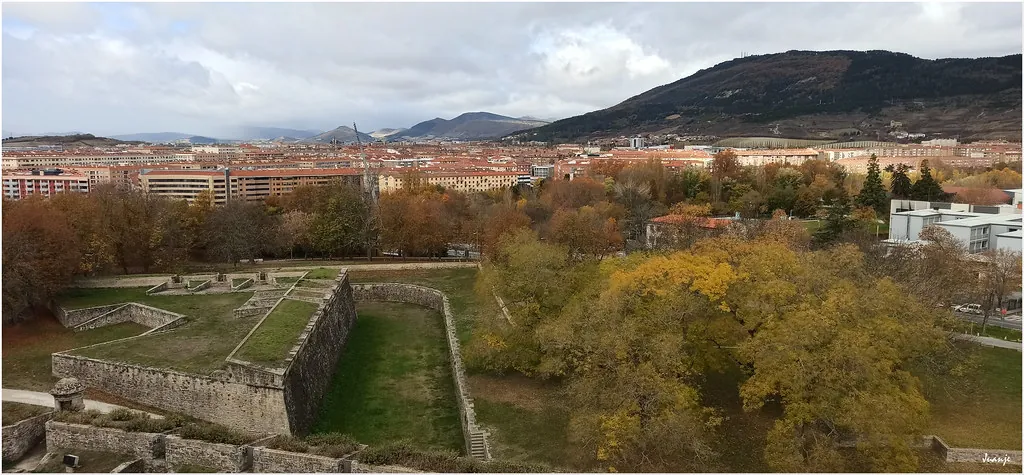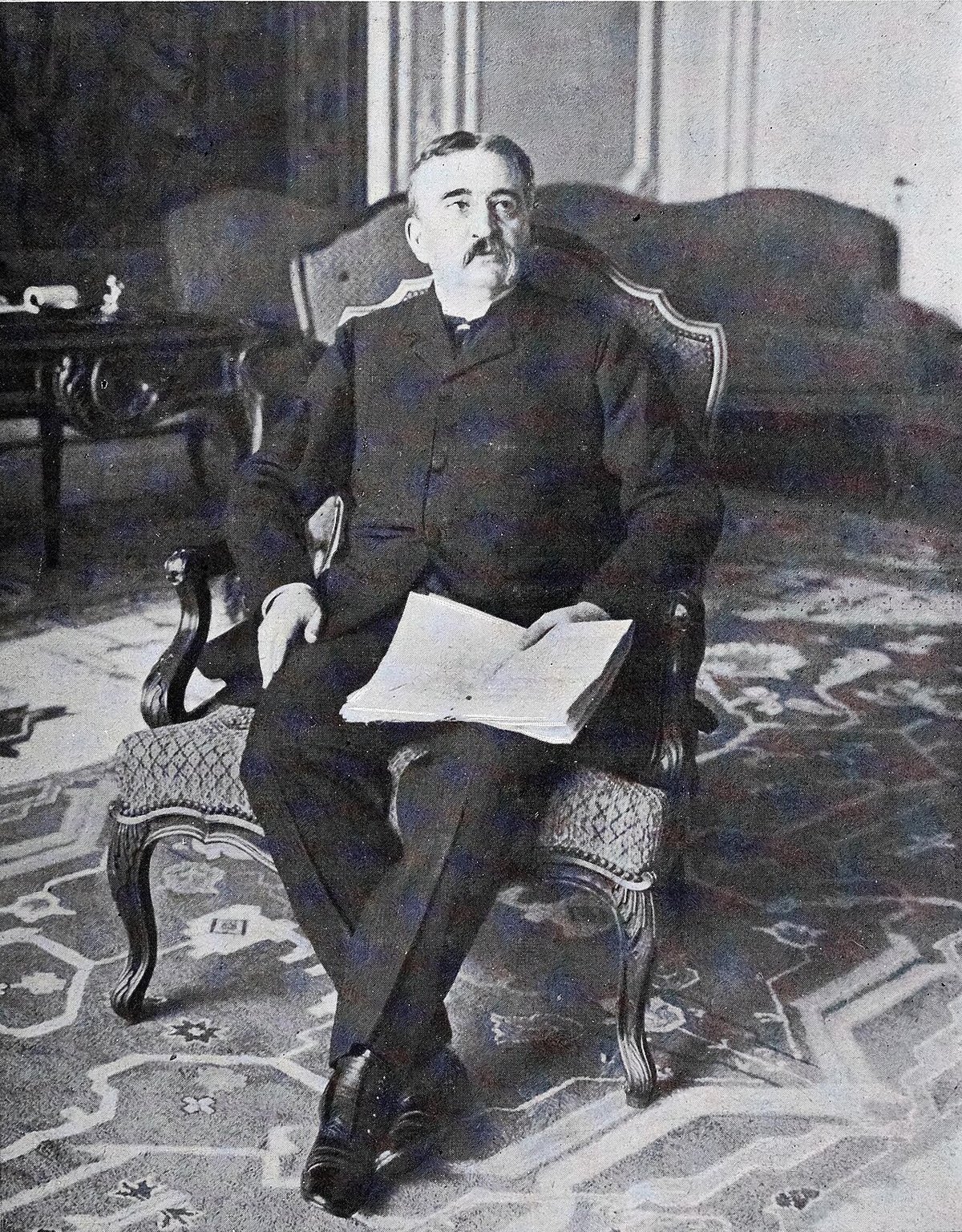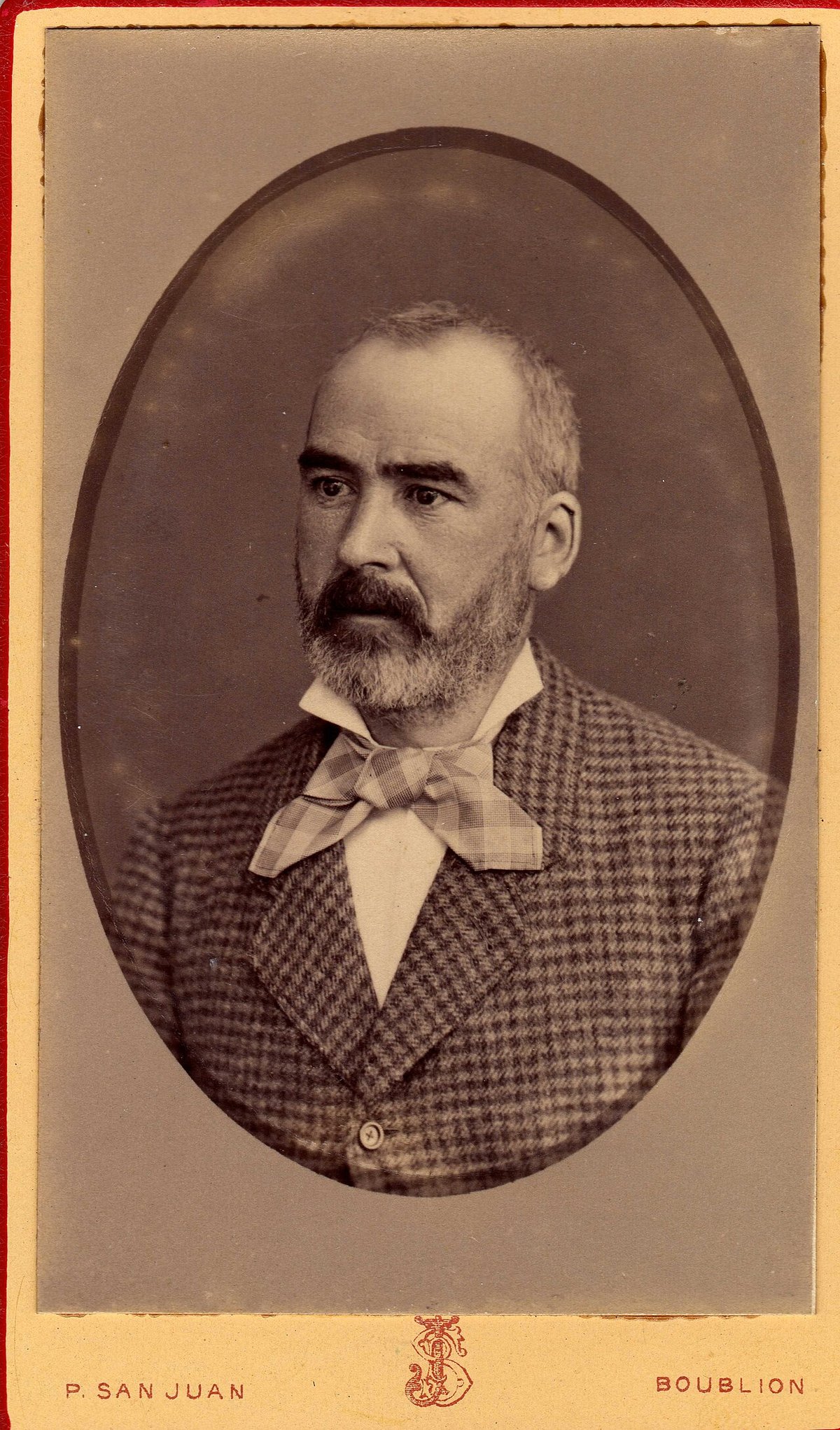
Eusebio Ollo Miranda (2).jpg
Irujo Family · CC0
Navarra · Kingdom of Diversity

Ollo

At 505 metres above the cereal plains, Ollo’s church tower rises just high enough to catch the morning light before the rest of the Cuenca de Pampl...

435 inhabitants
505m Altitude

Why Visit

Mountain Arteta Spring Spring Route

Best Time to Visit

summer

Valley Festival (June) junio

Things to See & Do
in Ollo

Heritage

  • Arteta Spring
  • Ollo Salt Flats

Activities

  • Spring Route
  • Visit to the salt pans

Festivals
& & Traditions

Fecha junio

Fiestas del Valle (junio)

Las fiestas locales son el momento perfecto para vivir la autenticidad de Ollo.

Full Article
about Ollo

Hidden, beautiful valley near Pamplona; home to the Arteta spring and the salt pans.

Ocultar artículo Leer artículo completo

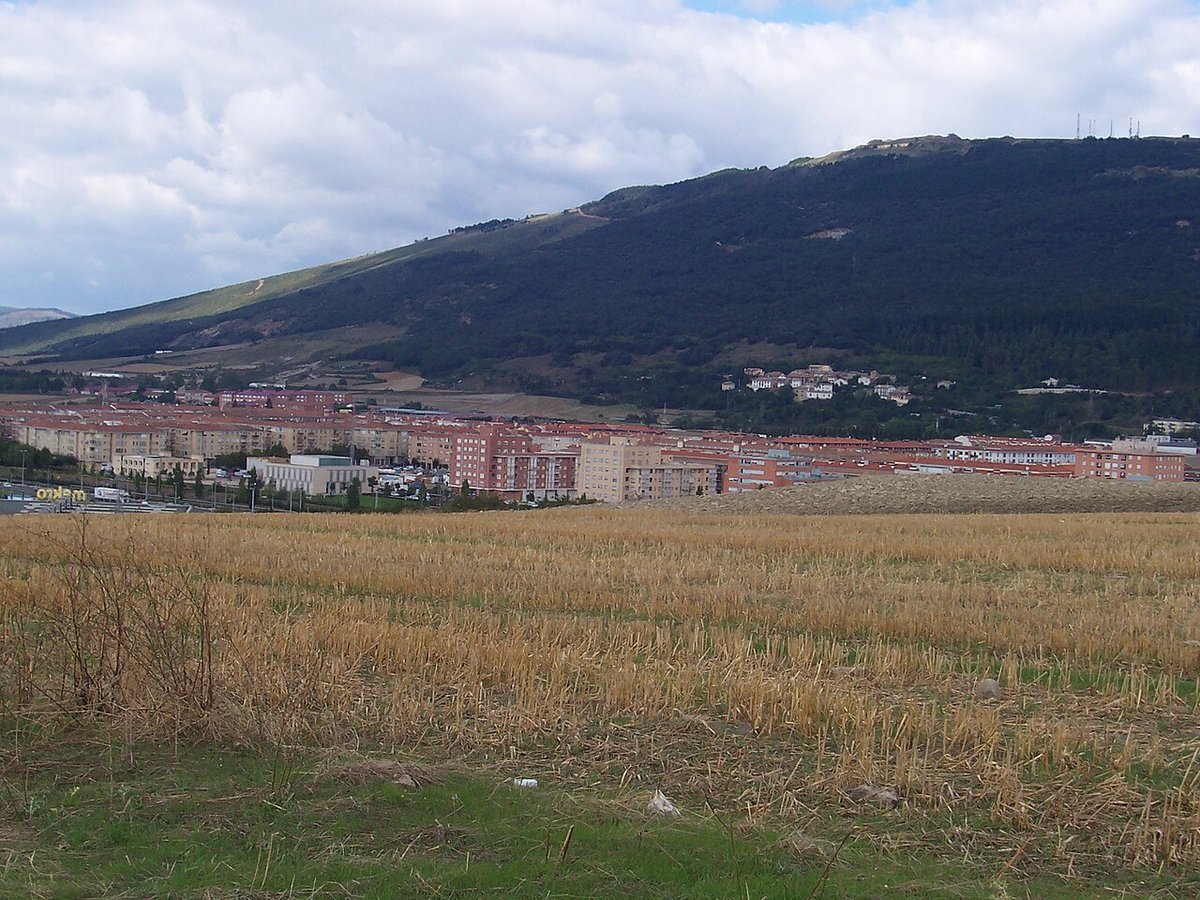
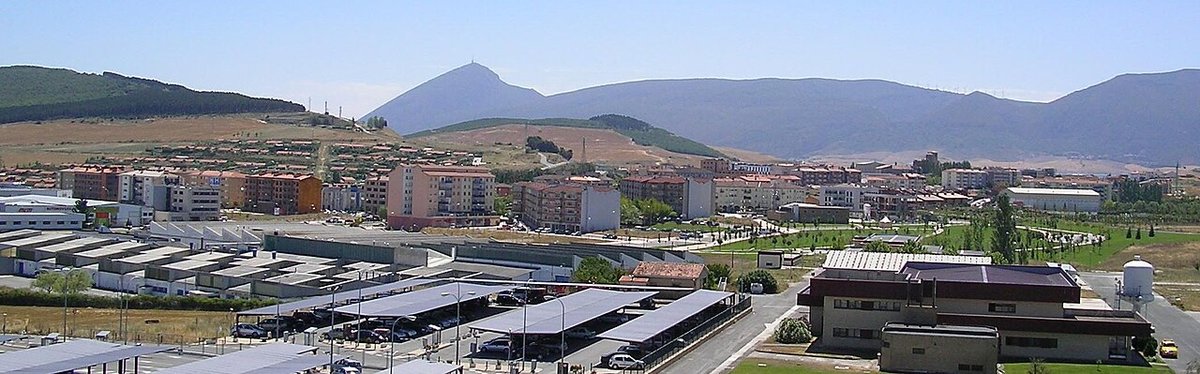
At 505 metres above the cereal plains, Ollo’s church tower rises just high enough to catch the morning light before the rest of the Cuenca de Pamplona stirs. From the single bench in the tiny plaza you can watch the sun climb over wheat stubble and oak scrub, while a pair of berrea echo from the next ridge – stags announcing autumn in a voice that carries for miles. Nothing dramatic, just the sort of quiet that makes you realise how loud a British city actually is.

The village sits twenty minutes south-west of Pamplona by a road that tightens into switchbacks after the last industrial estate. Hire cars cope fine; coaches don’t come here, which is half the point. Park beside the fronton wall – always empty on weekdays – and you’re already on the main street. Five minutes’ walk takes you past the bakery (open 08:30-11:00, closes early if the dough runs out), the red-shuttered village shop that doubles as the lottery counter, and the stone trough where someone has left a bucket of fresh walnuts for whoever wants them. That’s the commercial district dealt with.

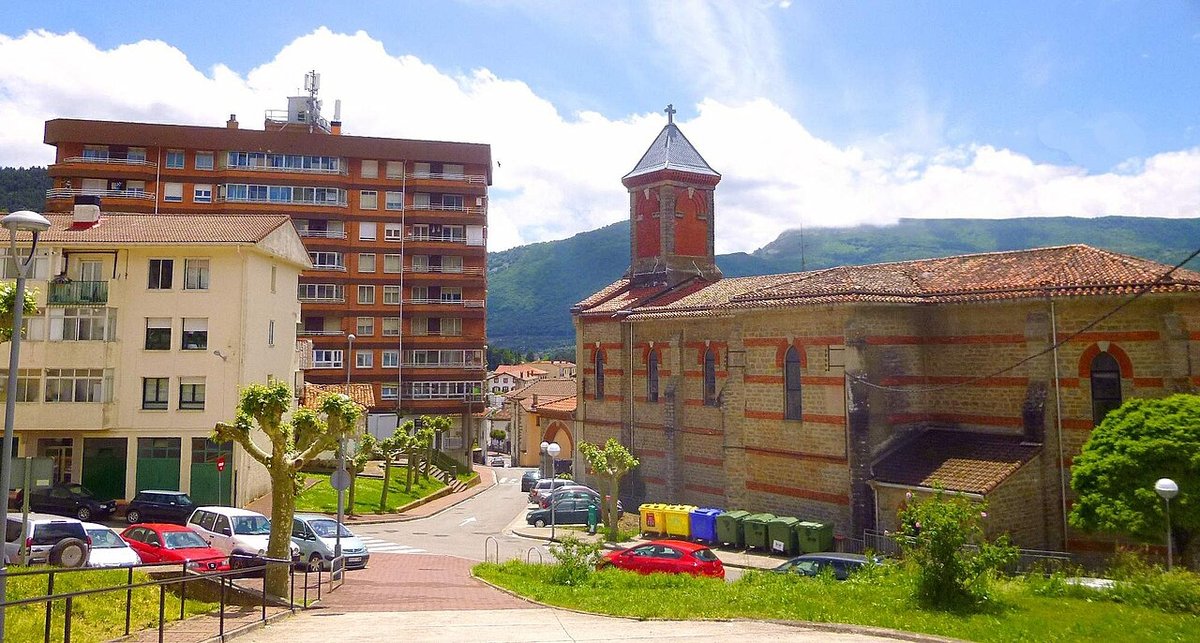
San Martín de Tours, the parish church, is locked unless the sacristan is around, but the door yields to a polite tug on Sunday around noon. Inside, the air smells of beeswax and the stone floors dip like old chopping boards. Medieval bones lie under later Gothic ribs and a Baroque altarpiece slathered in gold leaf that would make a National Trust curator wince. The tower, rebuilt in 1902 after lightning, serves a more useful purpose than worship: it’s the reference point for every country track that radiates from the village. Lose your bearings on the loop to Echarri and the tower re-appears through a break in the poplars, a stone compass guiding you home.

Outside, the streets are narrow enough that neighbours can discuss dinner plans from opposite balconies without raising their voices. Houses are built from the same ochre limestone that peasants once pulled from the surrounding hills; roofs wear the curved Arab tile common to northern Spain, heavier than British clay and better at shrugging off snow. Winter arrives properly here – the altitude nudges night temperatures below freezing from December to February – so locals still stack firewood in orderly walls that smell of resin and give the lanes a faintly Bavarian look. Summer, by contrast, is warm but rarely stifling: Pamplona may swelter at 35 °C while Ollo tops out at 28 °C, the breeze lifting over the Sierra del Perdón saving you from the worst of the heat. Spring and autumn deliver the sweet spot: green wheat in April, crimson vines in October, and enough daylight to walk after lunch without a head-torch.

Those walks are the village’s real stock-in-trade. No ticket office, no gift shop, just a network of farm tracks that link hamlets like beads on a rosary. From the church door, follow the yellow arrow painted on a electricity box and you’re on the GR-1 long-distance path for as little or as long as you like. A forty-minute shuffle uphill brings you to a sandstone lip where the whole Cuenca spreads out: patchwork fields the size of Surrey paddocks, stone barns the colour of digestive biscuits, and the occasional red tractor that looks toy-like until the engine noise carries up the slope. Serious hikers can continue south-east to Ujué, a fortified hill-town that serves a lamb stew worth the extra kilometres, but turn-around timing is forgiving; even slow walkers are back in Ollo before the bakery shutters for the day.

Footpaths double as farm access, so expect to share the track with a quad bike laden with hay bales or a sheepdog that regards humans as slow-moving livestock. Waymarking is sporadic – a faded stripe on a telegraph pole, a cairn where two walls meet – so carry the free IGN base-map on your phone and don’t trust the English-language walking apps; they still show a ford that was replaced by a concrete bridge in 2017. After rain the clay sticks to boots like wet Weetabix; lightweight fabric shoes will be ruined in minutes, so bring something with a Vibram sole or accept the extra laundry bill.

Birdlife rewards patience. Crested tits work the Scots pines behind the cemetery, while red kites tilt overhead on thermals rising from the cereal plain. Dawn is best – the village’s single bar doesn’t open until nine, so early risers have the place to themselves apart from a man with a wheelbarrow of lettuces and opinions about Brexit delivered in thick Navarrese Spanish. Binoculars help, but even without them the soundtrack is free: the soft clap of pigeon wings, the squeaky-bicycle call of the great tit, and, in October, the guttural grunt of the male red deer that carries for kilometres at dusk.

Food is uncomplicated and local. The bar offers a three-course menú del día for €14 (weekdays only, cash preferred) that starts with a bowl of pochas, white haricot beans stewed with onion and chorizo, followed by chuletón – a rib-eye the size of a paperback grilled over vine cuttings. Vegetarians get a roasted piquillo pepper stuffed with goat’s cheese, though you need to ask; the default setting is carnivore. Wine comes from a five-litre plastic container kept behind the counter and tastes better than it should. If you’re self-catering, the shop stocks tinned white asparagus, locally made morcilla spiced with cumin, and a hard sheep’s cheese that crumbles like Wensleydale and smells like a rugby sock. Pair it with the walnut loaf from the bakery and you’ve got a picnic that costs less than a London sandwich.

Staying the night limits you to two options. Posada de Ollo occupies a converted farmhouse opposite the fronton; rooms have beams, under-floor heating and rates that hover around €85 including breakfast (toast, home-made jam, coffee that arrives in individual French presses). The other choice, Ur-Tanta, is cheaper but receives mixed reviews for thin walls and the occasional lukewarm shower. Book ahead for weekends; Pamplona’s office workers treat the village as their rural bolthole and rooms fill when the city temperature spikes. Campers are politely discouraged – there’s no site, and sloping fields belong to farmers who move irrigation pipes at dawn.

Festivals follow the agricultural calendar. San Martín on 11 November combines a solemn mass with a communal slaughter of four pigs whose meat is raffled to raise roof-repair funds; visitors are welcome to buy a €5 ticket but should be prepared for graphic realism. Mid-July brings the fiesta vecinal, essentially a giant garden party: one night of outdoor dancing to 1980s Spanish pop, a paella cooked in a pan two metres wide, and a firework display that lasts eight minutes because the budget only stretches to one box of rockets. Both events attract more locals than tourists, so expect to be greeted with surprised courtesy rather than rehearsed hospitality.

Come prepared. Ollo has no cash machine; the nearest is in Zizur Mayor, fifteen minutes back towards the motorway. Mobile reception is patchy inside stone houses – step into the street if you need to check in for that Ryanair boarding pass. And while the village is safe, the cliffs behind it are not: a British walker died here in 2018 after straying off the path in thick fog. Take a waterproof, even in July; Atlantic weather systems can drag cloud over the Sierra in minutes, turning a sunny ramble into a navigation exercise.

The honest verdict? Ollo won’t change your life. You won’t tick off world-class art or brag about a Michelin star, but you will remember the smell of woodsmoke, the taste of wine poured from a plastic jug, and the moment when the only audible technology is the click of your camera shutter. Use it as a decompressant after the camino crowds of Logroño or the beach towel gridlock of San Sebastián. Spend an afternoon, stay the night if the silence appeals, then drive back to the motorway with lungs full of mountain air and the church tower shrinking in the rear-view mirror. Somewhere between the second and third bend you’ll realise the traffic noise hasn’t started yet – and that, for a small village on a Tuesday in October, is achievement enough.

Key Facts

Region
Navarra
District
Cuenca de Pamplona
INE Code
31194
Coast
No
Mountain
Yes
Season
summer

Livability & Services

Key data for living or remote work

2024
ConnectivityFiber + 5G
TransportTrain 11 km away
HealthcareHospital 18 km away
Housing~5€/m² rent · Affordable
CoastBeach 17 km away
Sources: INE, CNMC, Ministry of Health, AEMET

Official Data

Institutional records and open data (when available).

  • Mortxe IV (Mortxe)
    bic Dolmen ~3.9 km
  • Mortxe III (Mortxe 3)
    bic Túmulo ~4.1 km
  • Mortxe I (Mortxe 1)
    bic Túmulo ~3.8 km
  • Mortxe II (Mortxe 2)
    bic Túmulo ~3.9 km
  • Intrañeta I
    bic Dolmen ~3 km
  • Intrañeta II
    bic Túmulo ~3 km
Ver más (8)
  • Mugarriluz
    bic Túmulo
  • Korostegi
    bic Dolmen
  • Larrola
    bic Dolmen
  • Illarradi Ipar (Illarradi 2 Ipar)
    bic Túmulo
  • Balsa Illarradi I (Balsa Illarradi 1)
    bic Túmulo
  • Arizdia
    bic Túmulo
  • Balsa Illarradi II (Balsa Illarradi 2)
    bic Túmulo
  • Illarradi Hego (Illarradi 1 Hego)
    bic Túmulo

Planning Your Visit?

Discover more villages in the Cuenca de Pamplona.

View full region →

More villages in Cuenca de Pamplona

Traveler Reviews