Full Article
about Valle de Egüés
A rapidly growing municipality that includes Sarriguren; blends modern development with historic rural hamlets.
Hide article Read full article
Between city and open ground
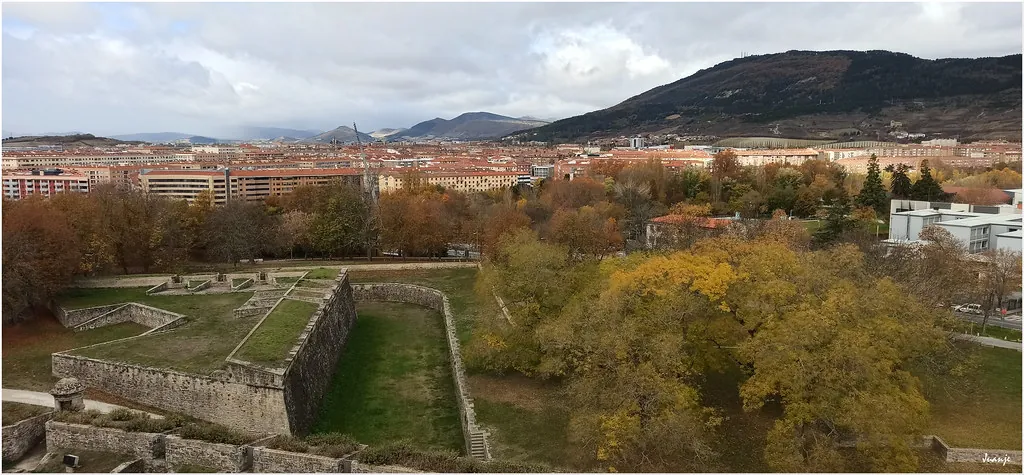
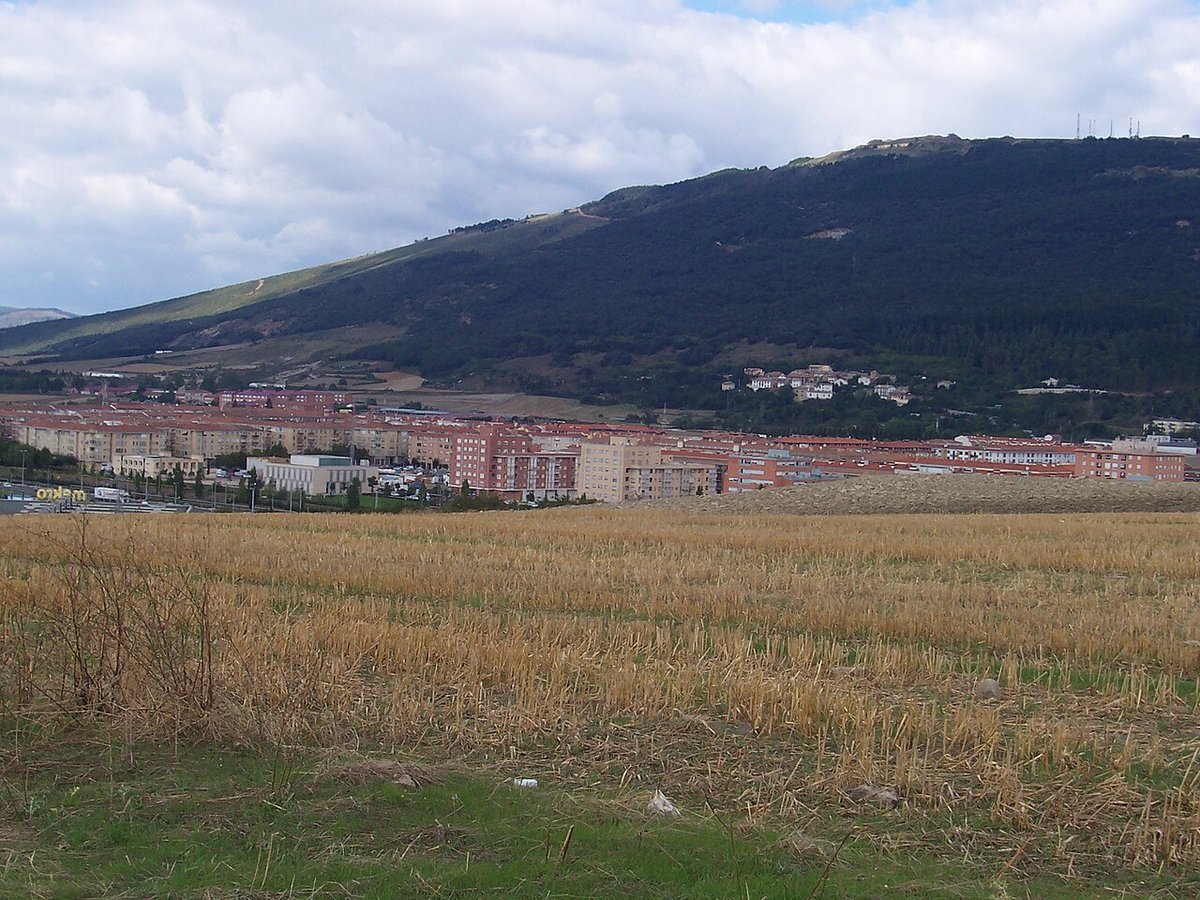
Late in the afternoon, as Pamplona begins to empty towards its newer districts, the air shifts in the Valle de Egüés. It carries the scent of damp grass and freshly turned soil along the edges of tracks. Gentle slopes still hold open fields, narrow streams and small patches of woodland that soften the low sunlight. Tourism in Valle de Egüés is essentially that balance: being only minutes from the city while hearing more birds than traffic.
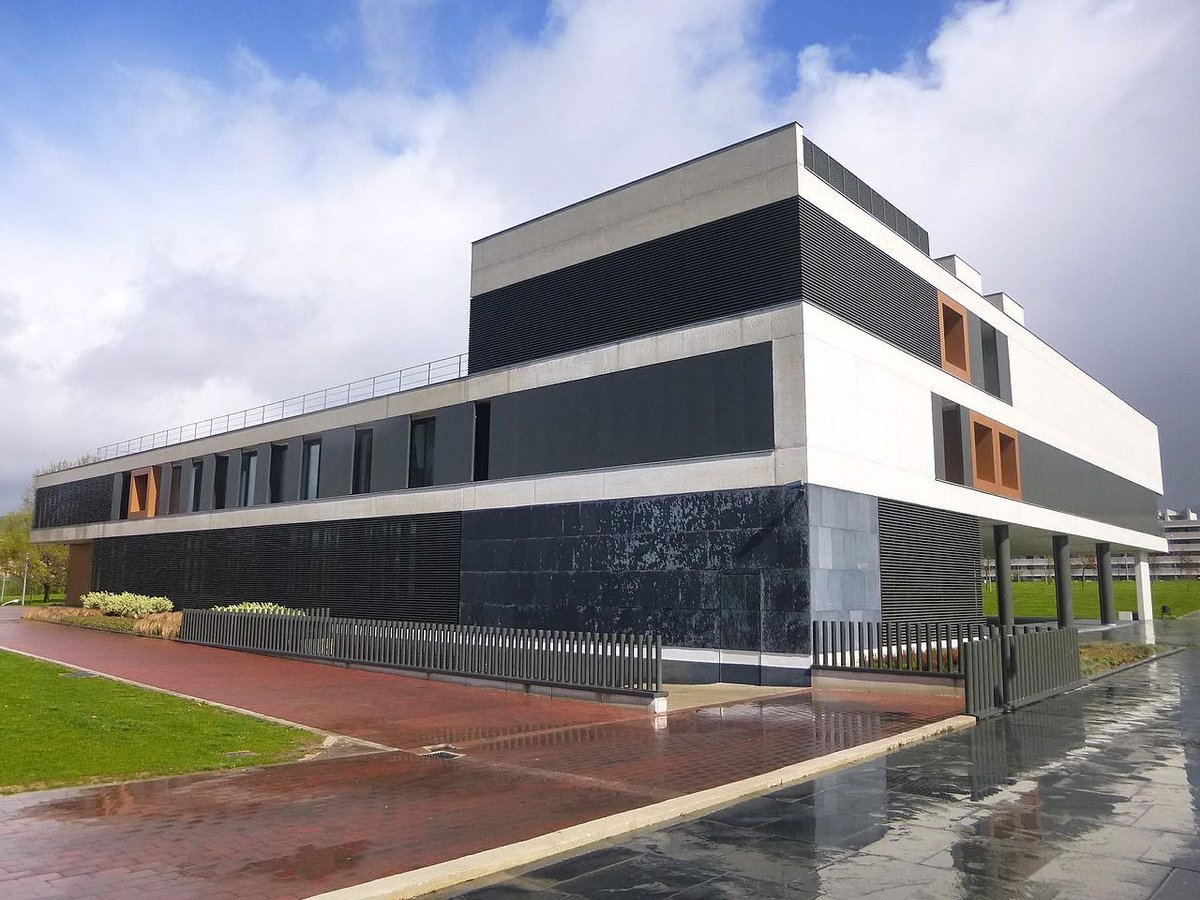
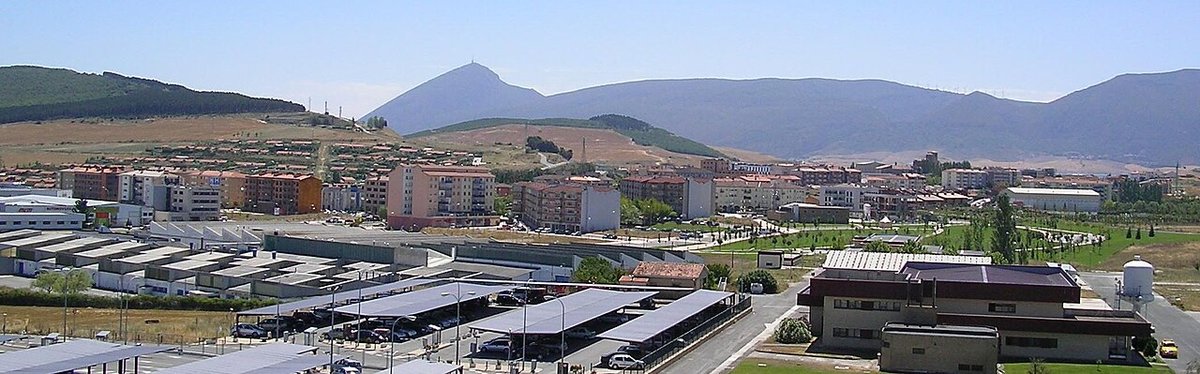
The municipality has more than 22,000 residents and brings together eleven distinct settlements. Some retain the feel of older villages, such as Elcano, Egüés and Alzuza, where short streets and stone houses set the tone. Others, including Sarriguren, have grown more recently and work almost as a residential extension of Pamplona. Moving between them changes the atmosphere quite noticeably.
Traces of a religious past
In Elcano, the outline of the church of San Martín rises above the cluster of houses. Its origin is usually placed in the 16th century. Pale stone reflects the morning light clearly, at a time when the village remains quiet and footsteps echo along the street.
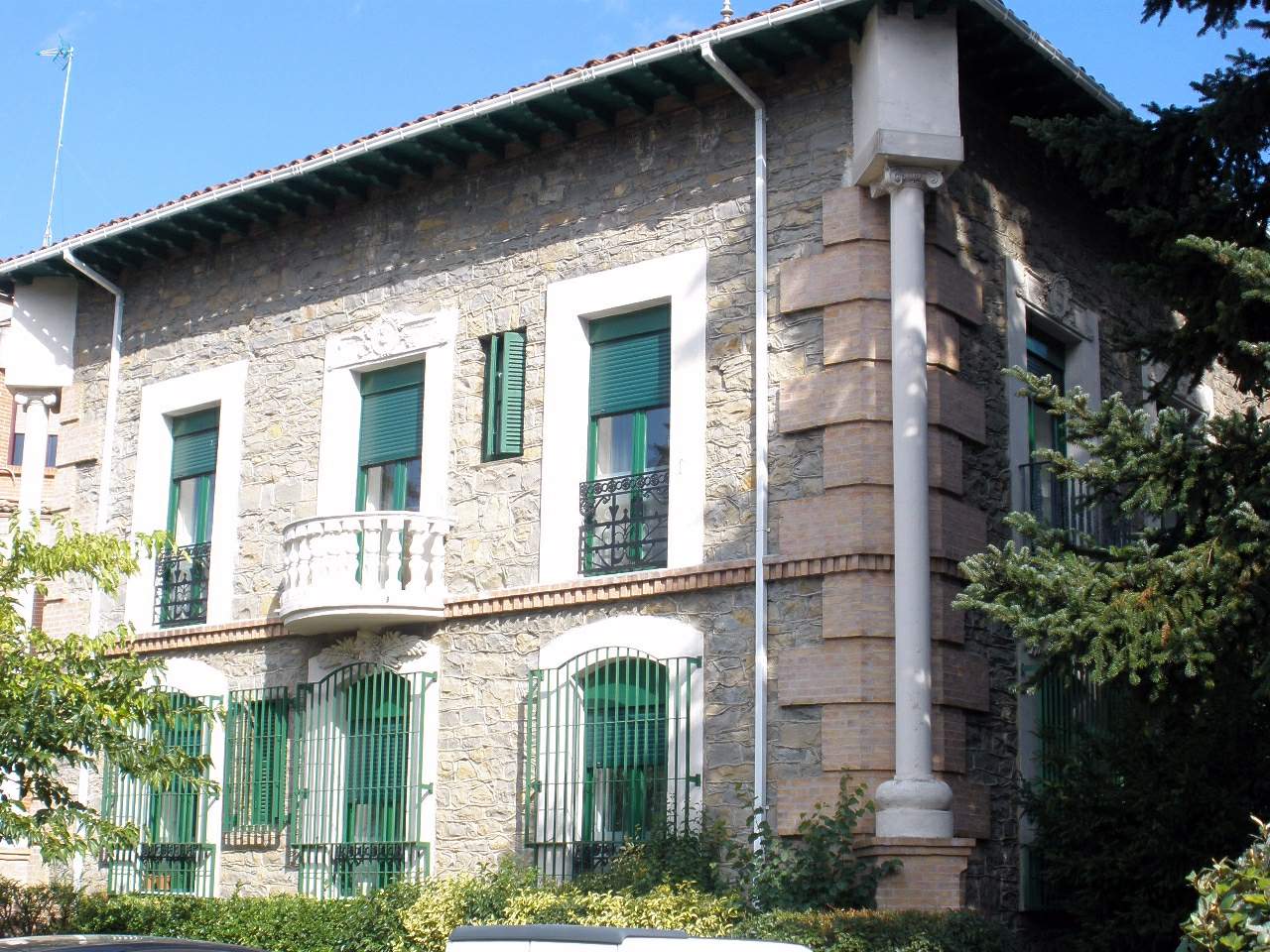
Alzuza offers a similar scene with the church of San Miguel. Parts of the building still show features reminiscent of the Romanesque period, although the structure has evolved over time. Around it stand houses with dark wooden balconies and thick walls. Some still display carved coats of arms above their doorways.
This is not large-scale monumental heritage. These are buildings that continue to form part of everyday village life.
A landscape in fragments
The valley does not present a single, continuous stretch of forest. The landscape appears in pieces. One hillside might hold a small oak wood, while the next opens into cereal fields. A narrow stream runs quietly between brambles and ash trees, often hidden until you are close.
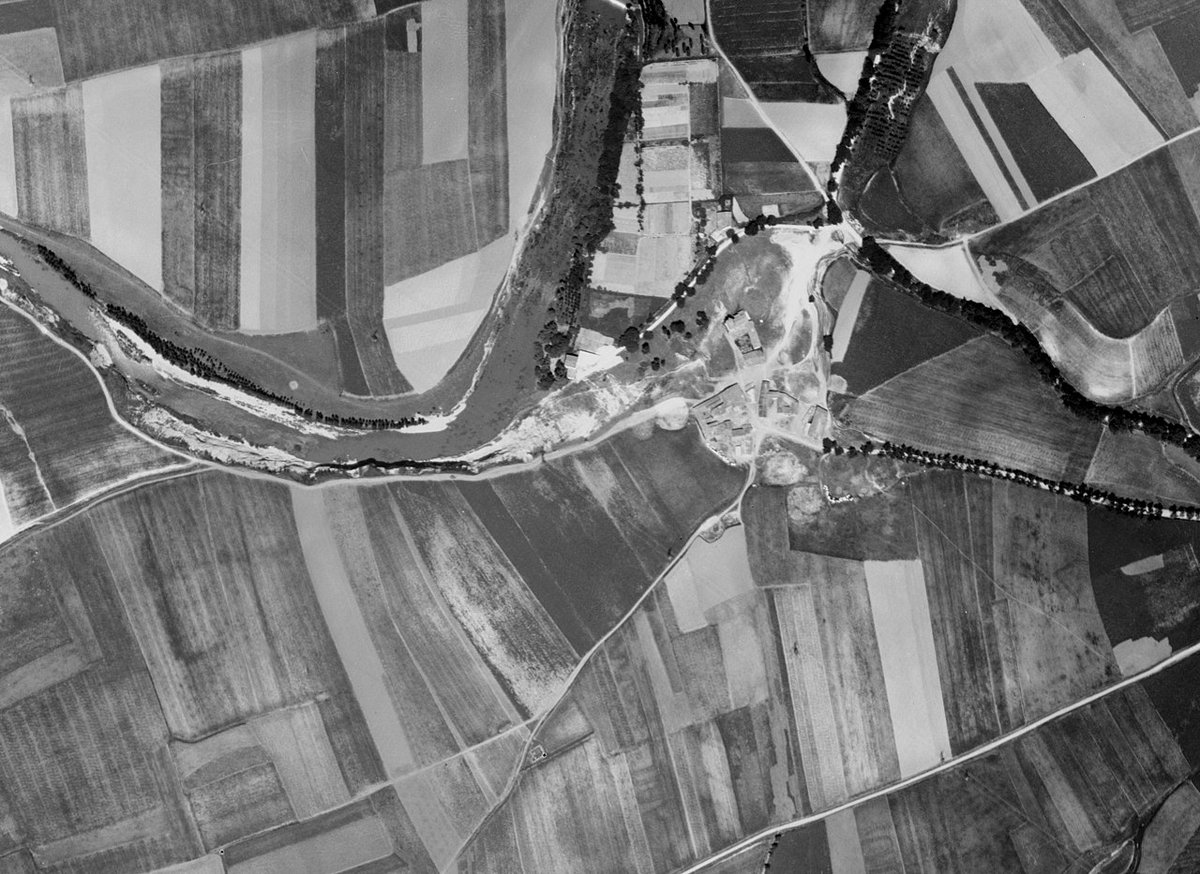
The Egüés river crosses the valley floor in gentle curves. In autumn, its banks fill with damp leaves and the water darkens as it moves. A walk near the river, particularly towards the end of the day, carries a steady background of water against stone that follows the entire route.
Routes linking the villages
The different settlements in the valley sit relatively close to each other. Many are connected by agricultural tracks or minor roads with little traffic.
Between Elcano and Egüés, for instance, the terrain rises and falls softly. Certain stretches open up wide views across the basin, with Pamplona in the distance and mountain ranges closing the horizon.
The area also attracts road cyclists. The slopes are not especially long, but they come one after another. Lights are advisable if travelling at dusk, as some roads are narrow and do not always have a shoulder.
Traditions that still echo
Each settlement keeps its own patron saint festivities during the summer. During those days, open-air dances, shared meals and local groups fill the streets with activity.
In some villages, the auroros can still be heard. These are traditional religious songs sung at dawn on specific dates in the calendar. The voices are deep, almost rough in tone, and they carry strongly through the narrow streets.
Winter brings a quieter rhythm. Activity tends to gather around community centres and small squares. Large-scale events are not the focus. The atmosphere feels closer to that of a neighbourhood.
Moving through the valley
The simplest way to explore the Valle de Egüés is usually by car. From Pamplona, it takes only a few minutes along the road heading north, and many of the settlements lie close together.
Sarriguren works as a practical starting point. It tends to be easier for parking and for getting your bearings before heading towards the smaller villages in the valley.
For walking, spring and autumn are generally the most pleasant times. In spring, the fields turn intensely green and the streams carry more water. Autumn brings lower light and changing colours across the slopes. After several days of rain, some of the dirt tracks can become quite muddy.
The valley does not function as a single compact site. It is better understood as a scattered area. The best approach is to move through it slowly, linking small villages and stopping when the landscape opens up. Sometimes stepping just a few metres away from the road is enough for the silence to return.