Full Article
about Vidaurreta
Small village in the Etxauri valley; quiet and focused on farming.
Hide article Read full article
A small village on the edge of the basin
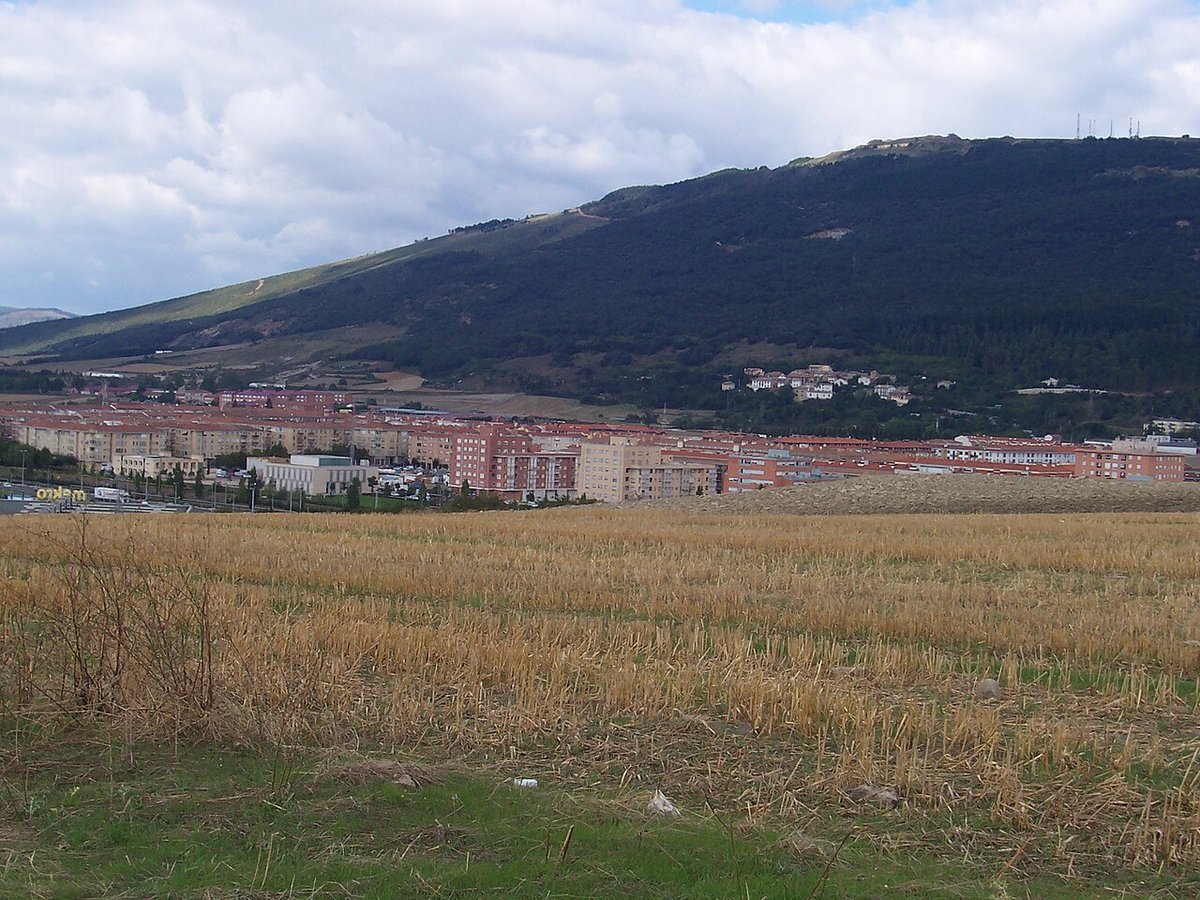
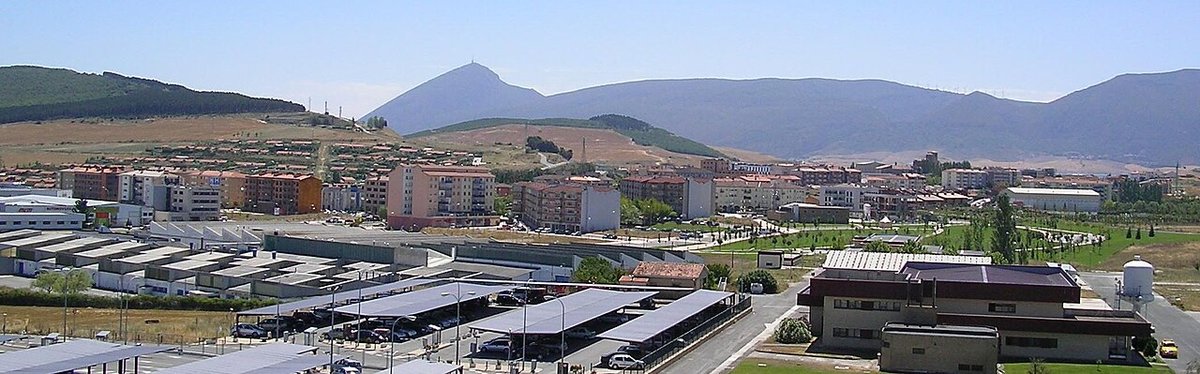
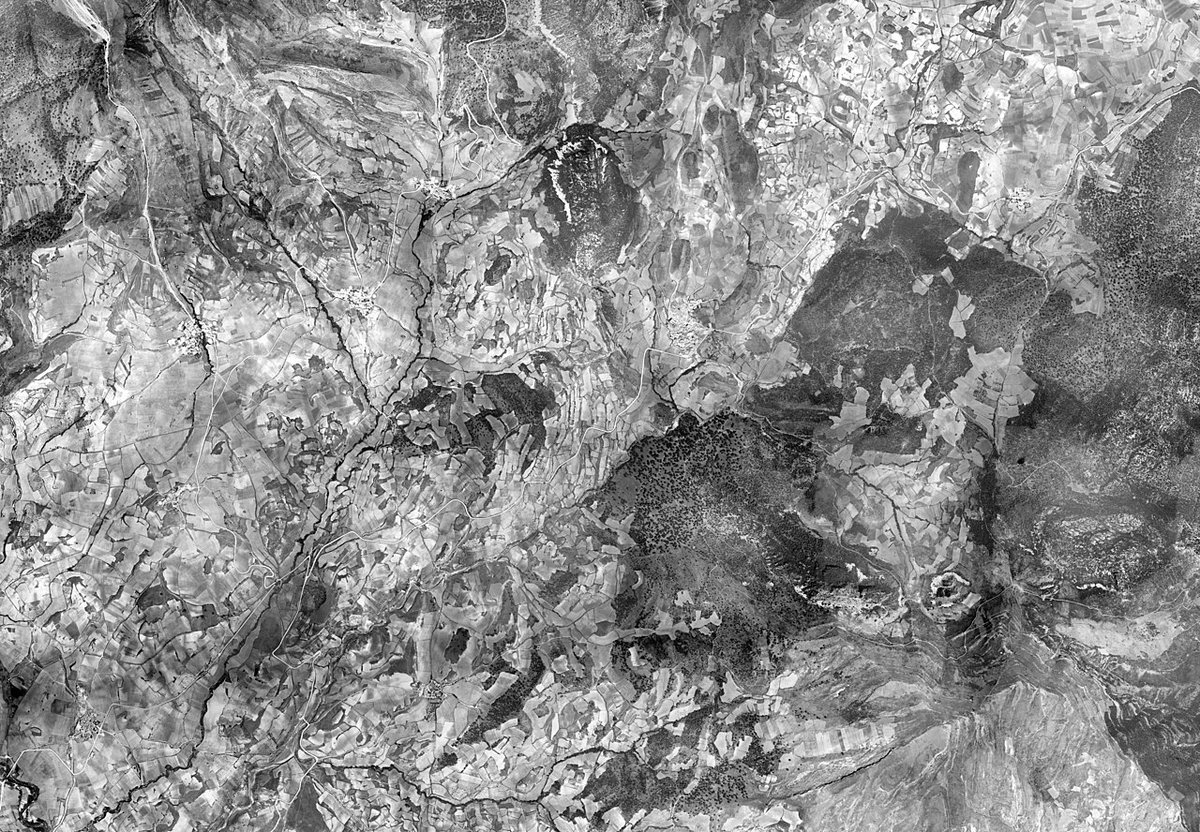
Tourism in Vidaurreta makes most sense when seen in relation to its setting within the Cuenca de Pamplona, the broad basin that surrounds Navarra’s capital. The village belongs to the Cendea de Olza, a group of small rural settlements, and lies around twenty kilometres from Pamplona. This is a transitional landscape. On one side stretch the open agricultural plains of the basin, while on the other rise the reliefs that close the valley towards the sierras of Urbasa and Andía.
Vidaurreta has just over 160 inhabitants and keeps the scale typical of small villages in this part of Navarra. Its proximity to Pamplona is noticeable, yet daily life and the surrounding scenery remain closely tied to the countryside. The result is a place where rural patterns have not been erased by the nearby city, but instead sit alongside it.
The village centre and San Miguel
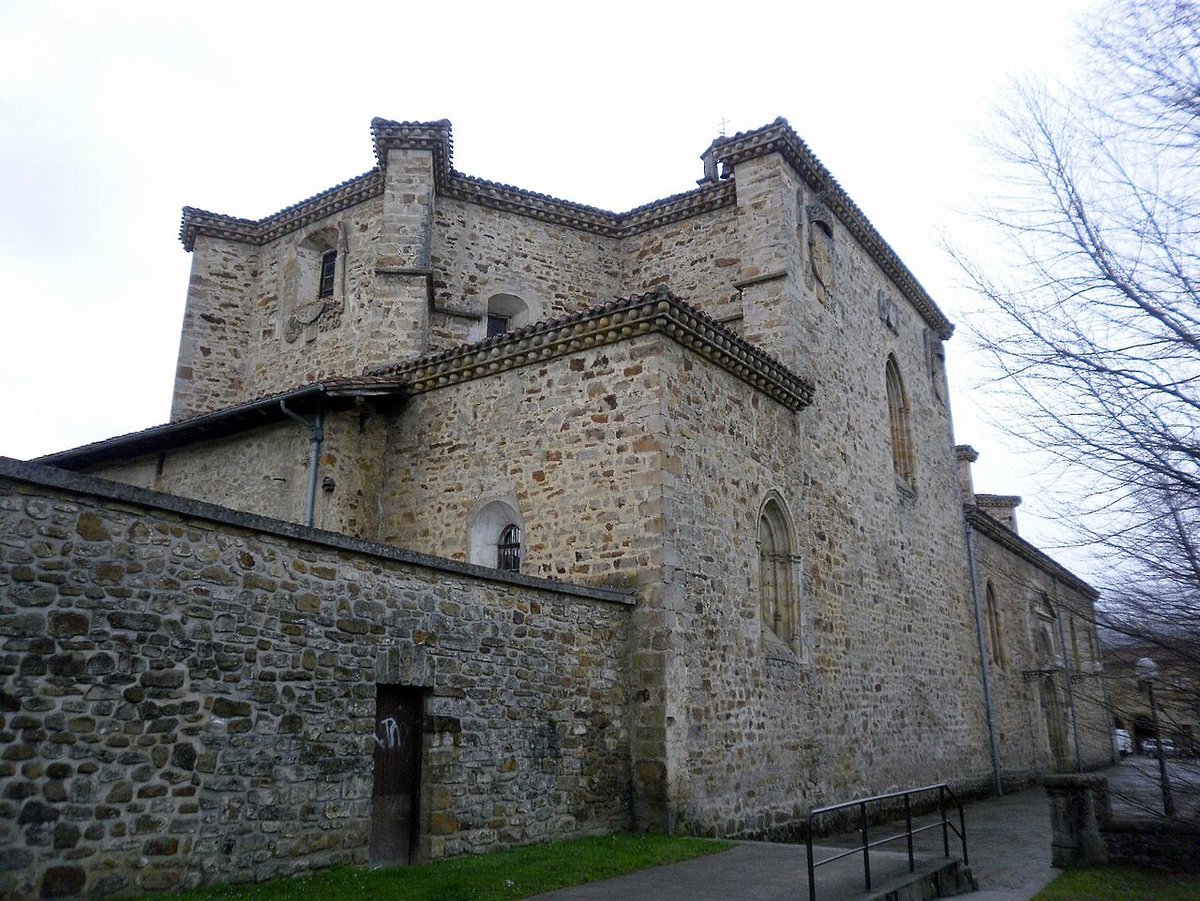
The layout of Vidaurreta revolves around the church of San Miguel. This parish church has an old origin, although it has undergone several alterations over time, something common across many churches in the Pamplona basin. Its tower and the volume of the nave stand out clearly above the rest of the village, forming the main visual reference point.
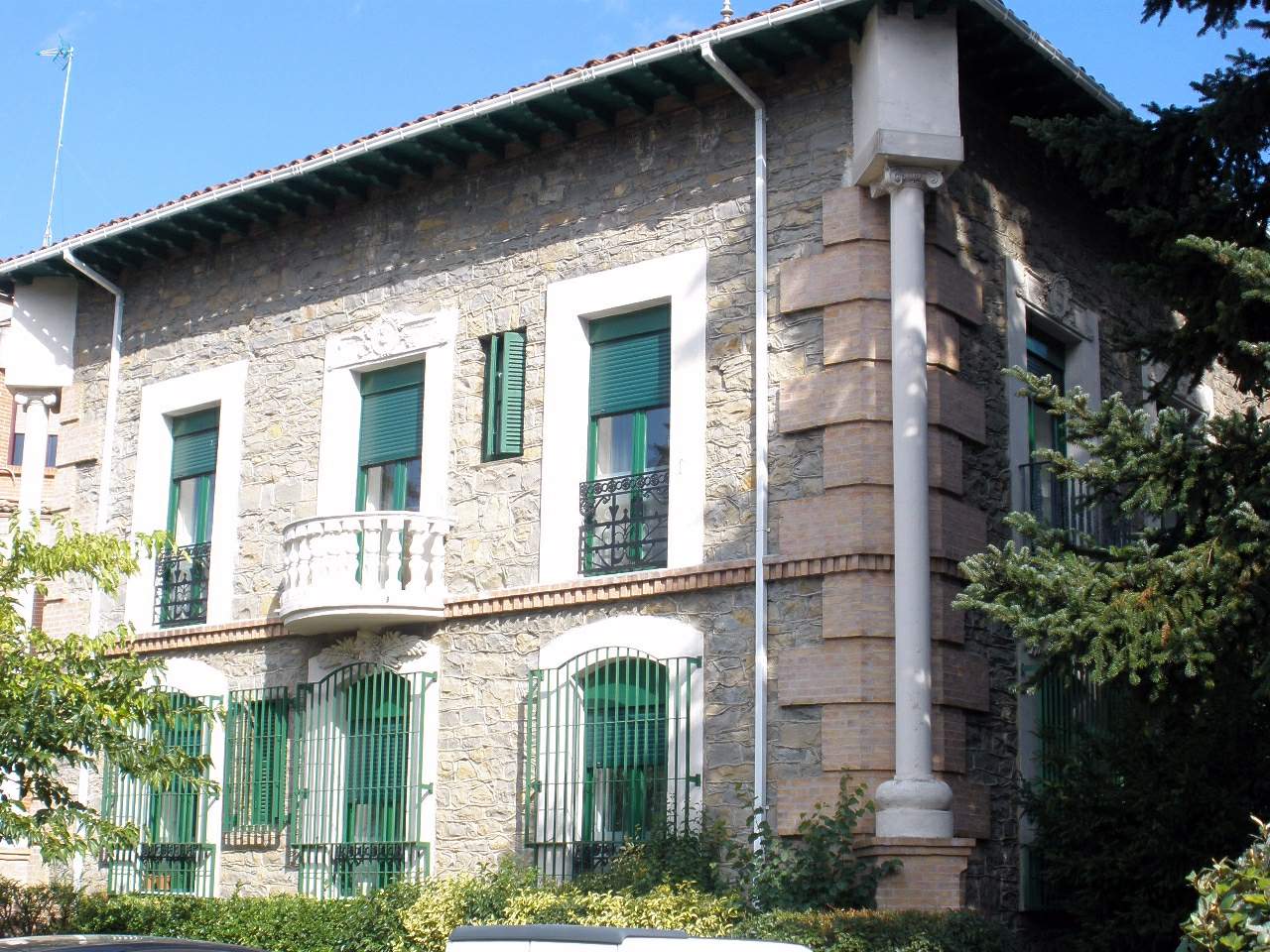
Around it, the houses cluster fairly tightly. Most are built of stone and rise two or three storeys high. Wide entranceways and simple balconies are typical features. Some façades still display coats of arms or carefully worked stone details. These elements hint at a past in which even small villages like this one formed part of a relatively prosperous agricultural network connected to Pamplona.
The streets are short and direct. They quickly lead out towards open land, making it clear that the settlement never expanded far beyond its rural function. There is little sense of urban growth beyond the historic core, and that restraint is part of what defines the place today.
Fields, river and distant sierras
Leaving the built-up area, the transition into farmland happens almost immediately. Plots of cultivation begin at the edge of the village, with cereals as the dominant crop. These fields change markedly through the year. In spring they are green, in summer they turn yellow as harvest approaches, and in winter they appear much barer.
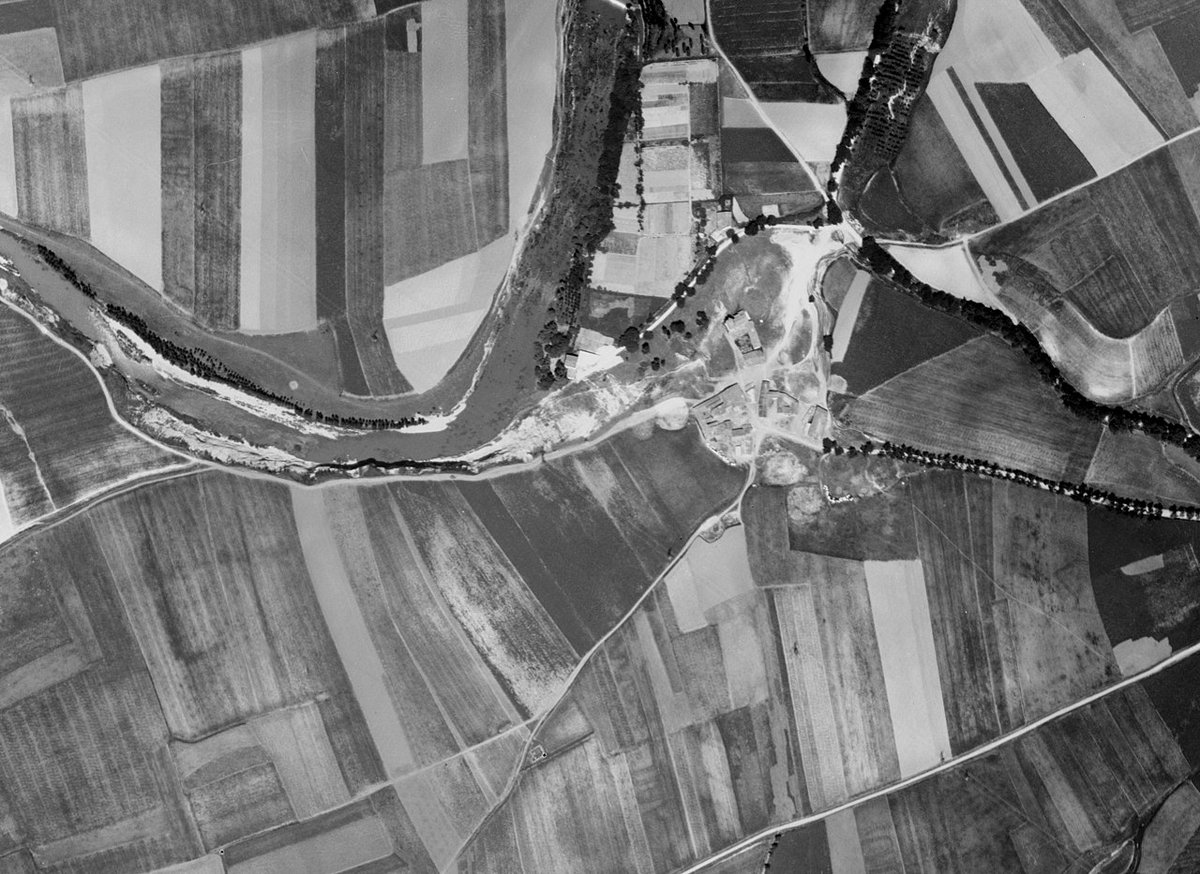
The river Arga flows relatively close to Vidaurreta, although it does not pass through the village itself. Its banks, with denser vegetation, provide a contrast to the openness of the surrounding farmland. This variation in texture gives the landscape more depth than might first appear from the village centre.
On clear days, views extend towards the west and north-west, where the sierras of Urbasa and Andía come into sight. They form a distant backdrop to the basin, framing the otherwise open terrain. Their presence helps define the wider geography of the area, even if they are not immediately nearby.
Walking the surrounding tracks
The area around Vidaurreta is well suited to exploring on foot, although not in the sense of marked hiking routes. The paths here are agricultural tracks, used for work rather than leisure. They link fields, plot boundaries and access points to neighbouring villages within the Cendea de Olza.
A short walk from the church to the outskirts already gives a clear sense of the place. The shift from compact housing to open fields happens quickly and without transition zones. Continuing a little further leads to small rises in the terrain. From these low hills, the overall layout of the village becomes visible, with the church tower rising above the rooftops.
These walks are simple rather than dramatic. Their interest lies in how directly they reflect the relationship between settlement and farmland. The tracks do not try to guide or interpret the landscape, they simply follow its practical logic.
Seasons and atmosphere
Each season changes how Vidaurreta feels. Spring is often the moment when the landscape appears most active, with green fields and mild temperatures. Summer brings hotter conditions, especially in the middle of the day, which is typical across the Pamplona basin.
Autumn introduces a shift in colour after the harvest, and the atmosphere becomes calmer. Winter strips the fields back, leaving the terrain more exposed. The village itself grows very quiet at this time. That stillness has its own appeal, particularly for anyone interested in seeing the structure of the landscape without the movement and colour of other seasons.
A brief and practical visit
Vidaurreta works best as a short stop rather than a full-day destination. The village centre can be explored in a relatively short time, and much of the interest comes from combining a walk through the streets with a stroll along the surrounding tracks or a visit to other nearby villages in the Cendea de Olza.
It is easily reached by car from Pamplona via local roads. Within the village, parking is generally straightforward in the streets near the church or at the entrances to the built-up area. A little over an hour, or a relaxed walk around the surroundings, is enough to get a clear impression of what Vidaurreta is about.
The appeal here is not based on standout sights or a long list of attractions. It lies in the clarity of its setting, the coherence of its small urban core, and the close relationship between the village and the fields that surround it.