Full Article
about Villava
Birthplace of Miguel Induráin; a compact town fused with Pamplona, with a strong identity and cultural life.
Ocultar artículo Leer artículo completo
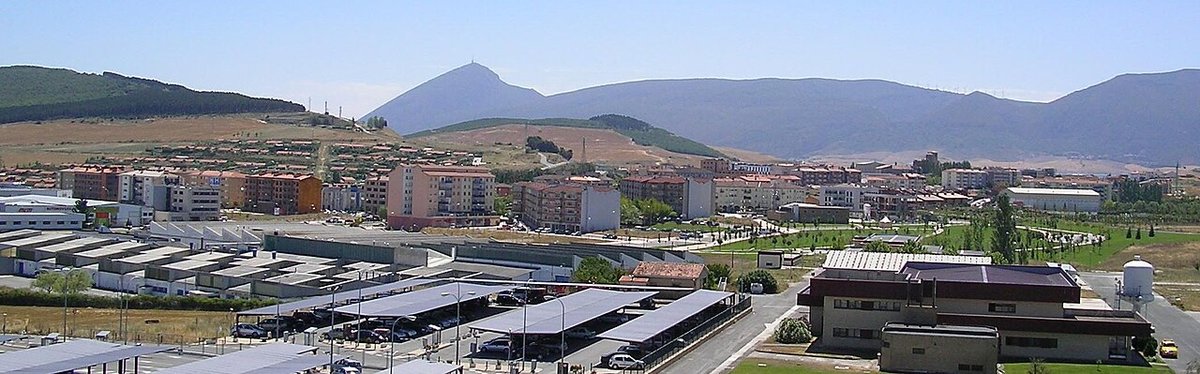
The church bell strikes noon as office workers from Pamplona power-walk past, rucksacks bouncing, heading for the bidegorri that threads back to the city. Six kilometres away yet administratively distinct, Villava has become the place where capital salaries meet small-town rent. This is no chocolate-box village frozen in time—it's Navarra's answer to a Home Counties commuter hub, only with better coffee and mountain air that hasn't yet been bottled.
A Town That Grew Sideways
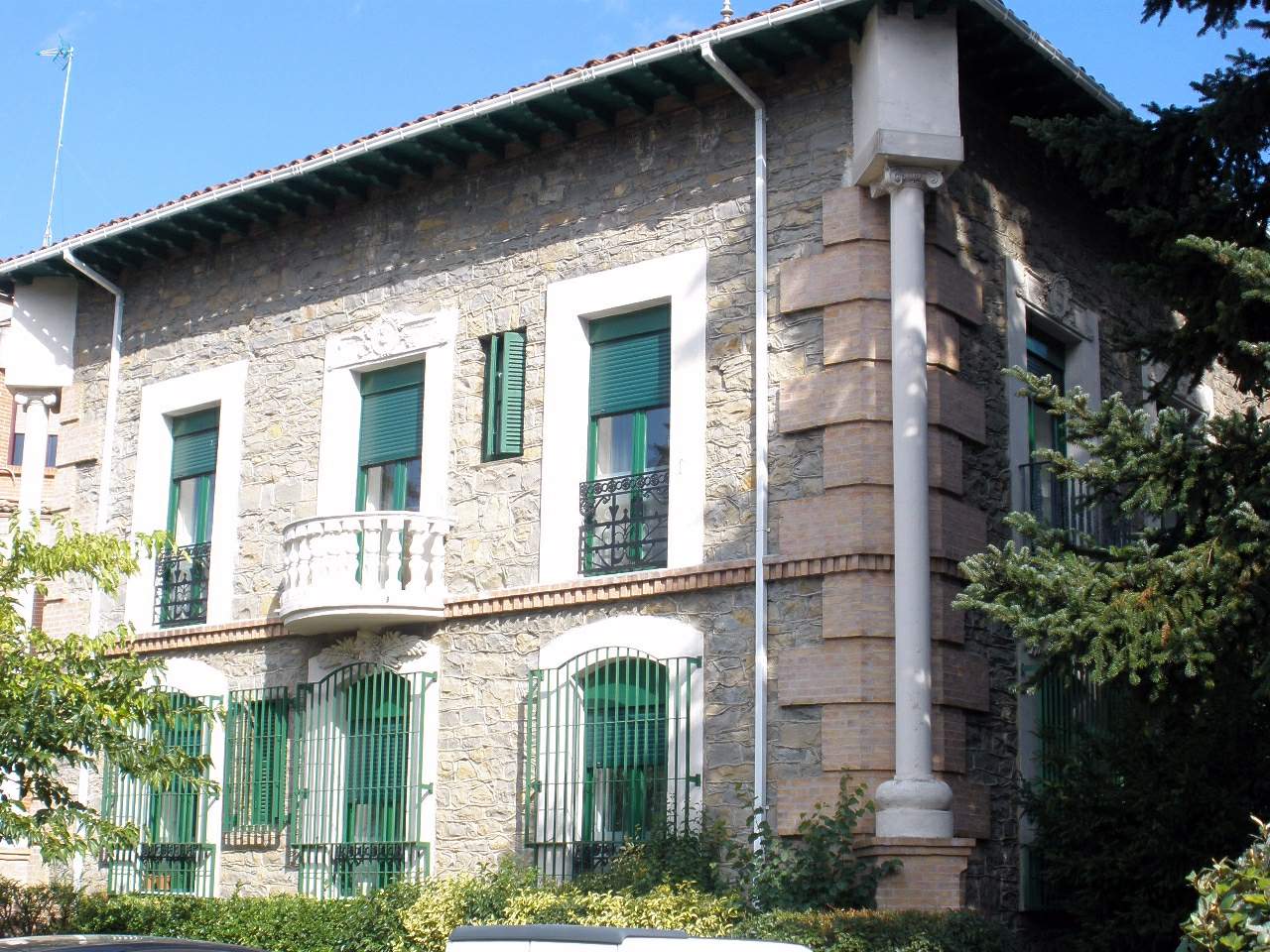
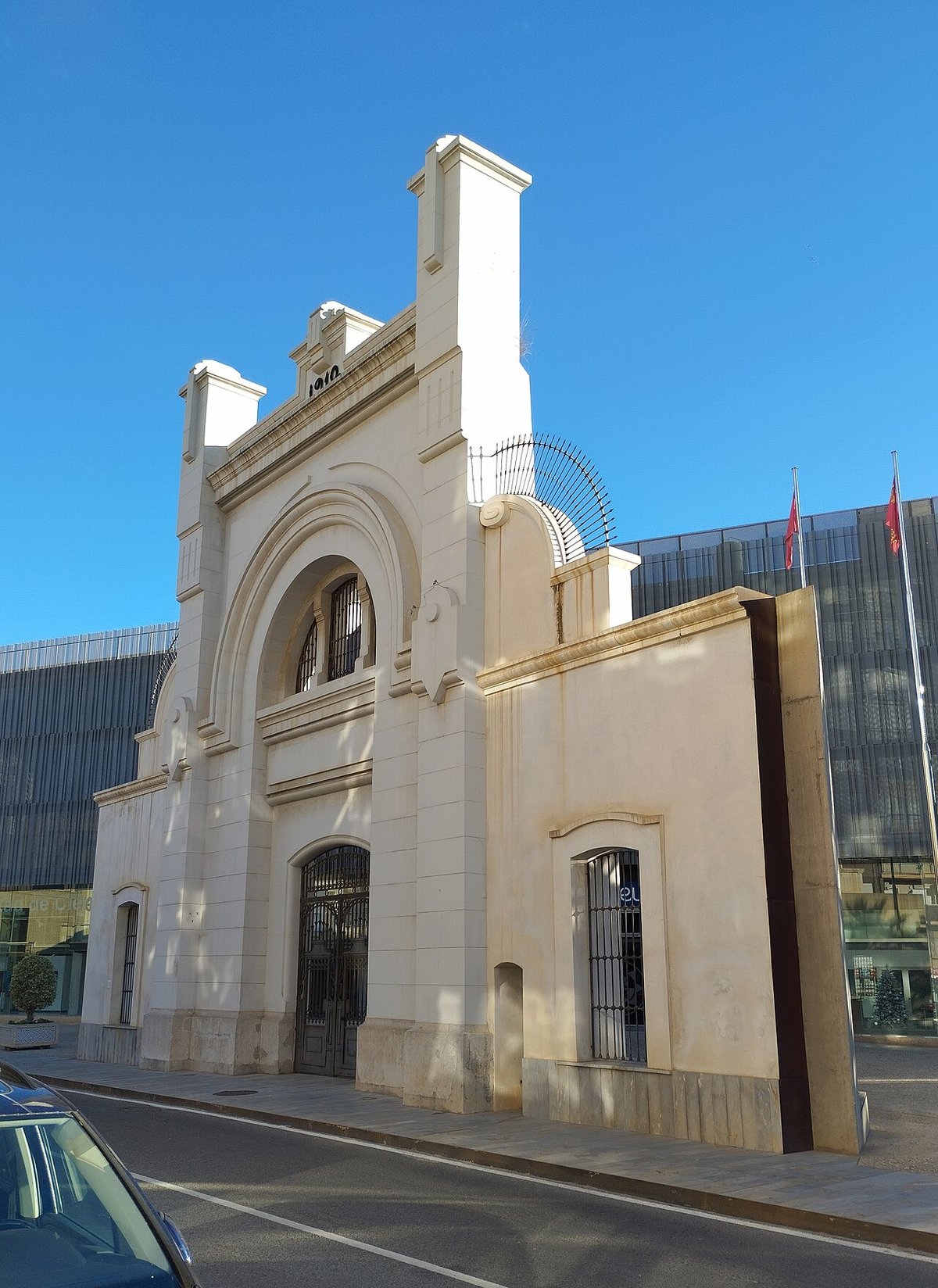
Villava's main street stretches barely 400 metres from the 16th-century Palacio—now private flats—to the Molino de Villava, its waterwheel long since replaced by a children's climbing frame. The palace façade is textbook Spanish modest: stone blocks the colour of burnt cream, iron balconies, zero signage. Peer through the gateway and you'll see a Citroën C4 parked where carriages once waited. Practical, honest, slightly dull.
The church of San Andrés anchors the single plaza. Inside, the nave feels wider than it should thanks to 19th-century knocking-through; the retablo is neo-Baroque, gilded but not garish. Locals use it as a meeting point rather than a photo stop: teenagers share headphones on the steps, grandparents swap vegetable prices. Sunday mass finishes in twenty-five minutes flat—efficiency matters when lunch is at two.
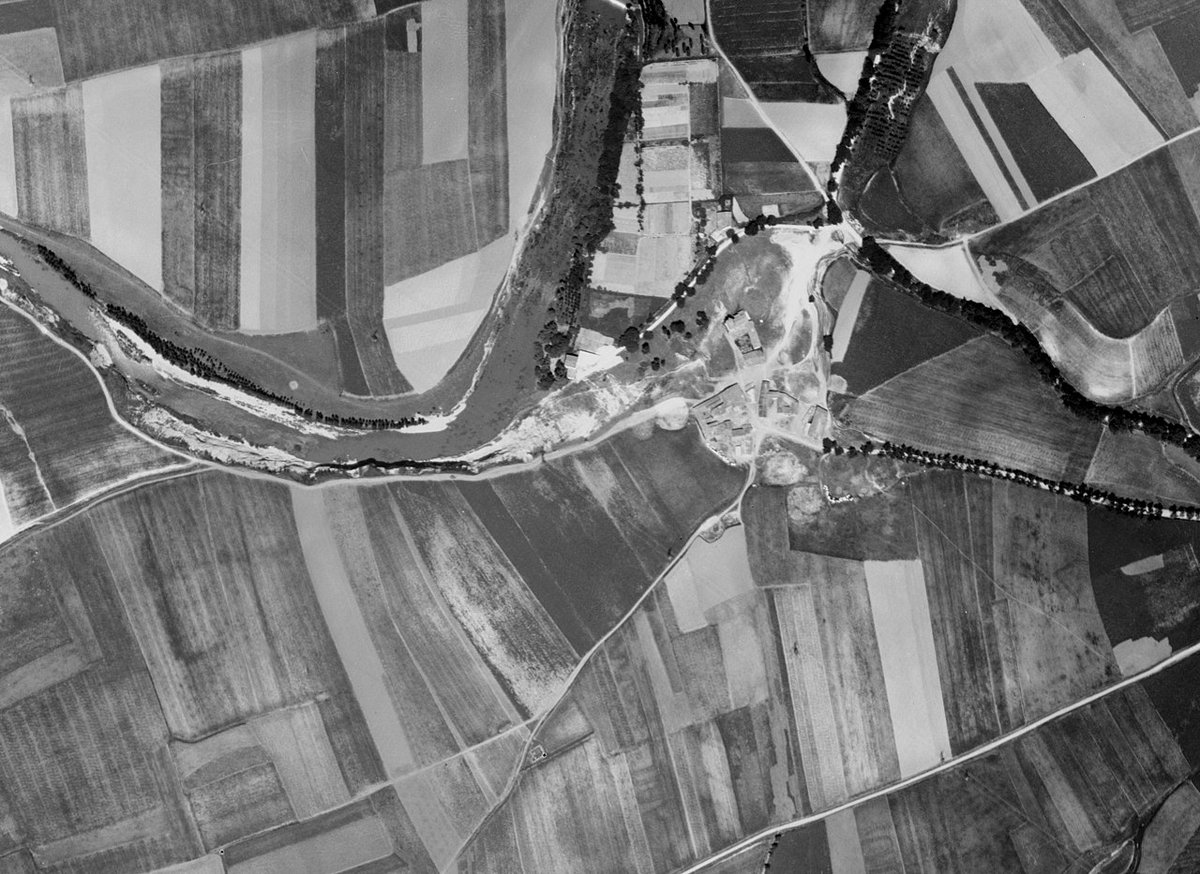
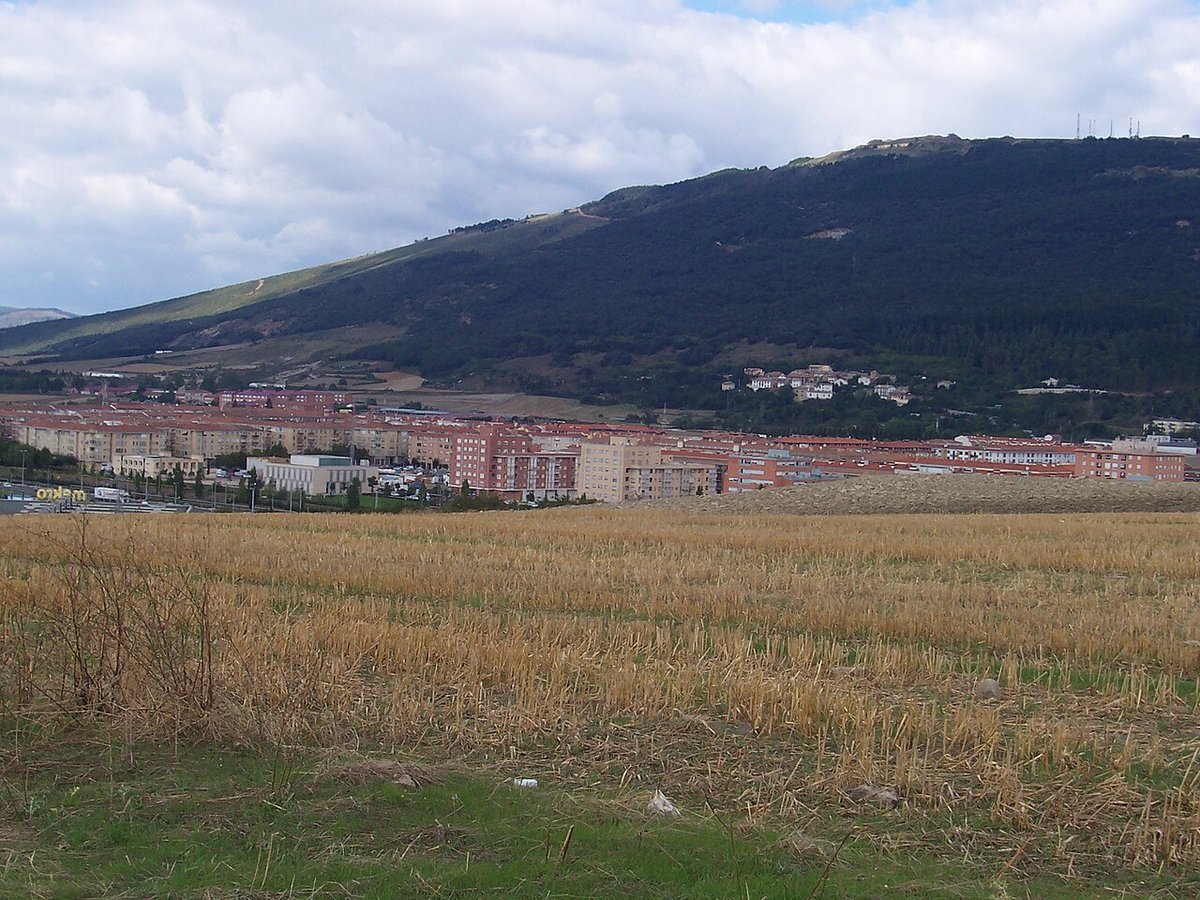
Walk east for three minutes and suburbia dissolves into market gardens. Leek rows run parallel to the river Arga, polytunnels glint like giant slug trails. This is the huerta that supplies Pamplona's restaurants; the soil is alluvial, the water rights medieval. A man in overalls offers a handful of baby carrots—sweet enough to eat unwashed, dirt still clinging. He shrugs when asked about organic certification: "We eat them, that's test enough."
Green Lungs and Cycle Tracks
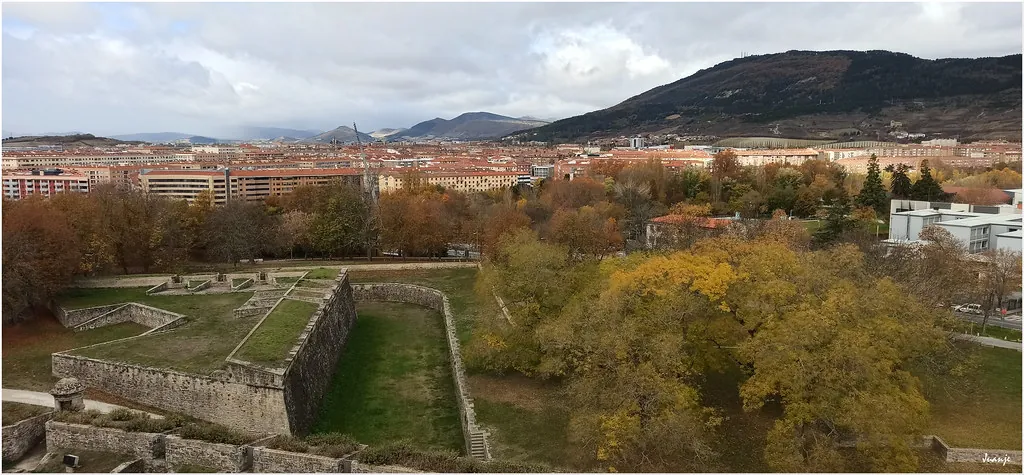
Villava's real asset is the Parque de los Sentidos, a wedge of riverside woodland hedged in by 1980s apartment blocks. Paved loops skirt wildfennel and poplar; interpretation boards encourage you to "touch", "listen", "smell". British visitors may smirk at the prompt, but the scent of crushed eucalyptus is worth the detour. Joggers pound past at commuter pace—this is training territory for Pamplona's office athletes rather than Instagram hikers.
The bidegorri (literally "red way") starts here and runs car-free for 16 km, following the old railway bed to the town of Elizondo in the Pyrenean foothills. Hire bikes from the petrol station on the NA-150—basic hybrids, €18 a day, no lycra required. The gradient is negligible, the surface smoother than most British canal towpaths. Within twenty minutes you're among sunflower fields with only the hum of your free-wheel for company.
Come back via the river path at dusk and you'll understand why Villava's population has doubled since 1990. The light turns butter-yellow, herons flap overhead, and Pamplona's office towers glitter in the distance like a promise of pensions. It's commuter-belt romantic, not wilderness, but the effect is the same: lower pulse rate, deeper breath.
Where to Eat When Nobody's Watching
Forget tasting menus—Villava feeds people who invoice by the hour. Casa Sarasa, opposite the albergue, does a three-course menú del día for €12. Monday's soup is always caldo with pasta shells, the second course either grilled chicken or hake in green sauce. Wine comes in 250 ml carafes; coffee is proper espresso, not the watery stuff served further north. The clientele is split between municipal workers in high-vis and Camino walkers comparing blister tape.
Evening options are limited. Café-bar Bazter stays open until the last customer leaves—usually before midnight. Tortilla is served by the wedge, still warm, with aioli that tastes of actual garlic. A glass of Navarra rosado costs €2.40, roughly half the plaza mayor price in Pamplona. British parents note: they will toast sandwiches for picky offspring without judgement.
If you need something smarter, jump on bus A and be in Pamplona's Michelin quarter within fifteen minutes. Villava residents do exactly that for anniversary dinners, then taxi home before the surcharge kicks in.
Timing Traps and Money Savers
San Fermín (6–14 July) turns the entire metro area into a cash extraction machine. Villava's chain hotels—yes, there are two—triple their rates and still sell out. Book in May or accept a 7 am train from Zaragoza. The running bulls never come near the village, but the economic hooves trample regardless.
Winter is quieter, yet rarely harsh. At 450 m above sea level Villava sits below the snowline; frost whitens the vegetable plots but roads stay open. The municipal albergue closes January–February, so budget pilgrims should plan around that. Spring brings daffodils along the bidegorri and temperatures that British cyclists would call "short-sleeve from ten o'clock". Autumn smells of roasted piquillo peppers and sounds like football matches drifting from basement bars.
Avoid weekday mornings if you drive. The NA-150 functions as Pamplona's outer ring road; traffic queues from 07:45 to 09:15 and again at 18:00. British-style rat-running doesn't work—there's only one bridge. Park by the sports centre and walk five minutes instead.
The Honest Verdict
Villava won't change your life. It has no Gothic cathedrals, no star chef, no souvenir tea towels. What it offers is perspective: how ordinary Navarros live between allotment and office, how a five-kilometre buffer can feel like fifty when the river mist rises. Use it as a lung-cleansing stop after Pamplona's narrow lanes, or as a launch pad for flat cycling through vegetable country. Stay two hours or stay two nights—just don't expect the postcard version of Spain. Here the coffee is strong, the carrots unwashed, and the church bell keeps commuter time.