Full Article
about Zabalza
Small municipality west of Pamplona; includes Arren and Ubani.
Hide article Read full article
Where Zabalza Sits
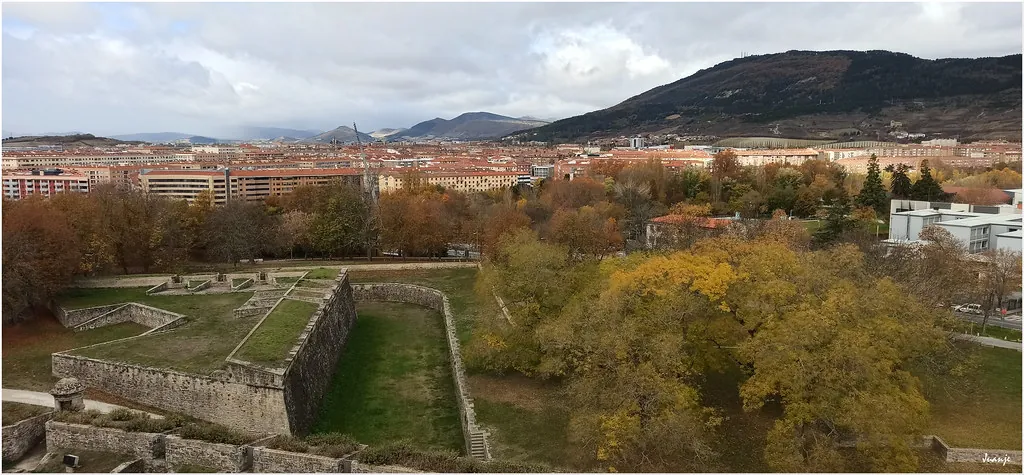
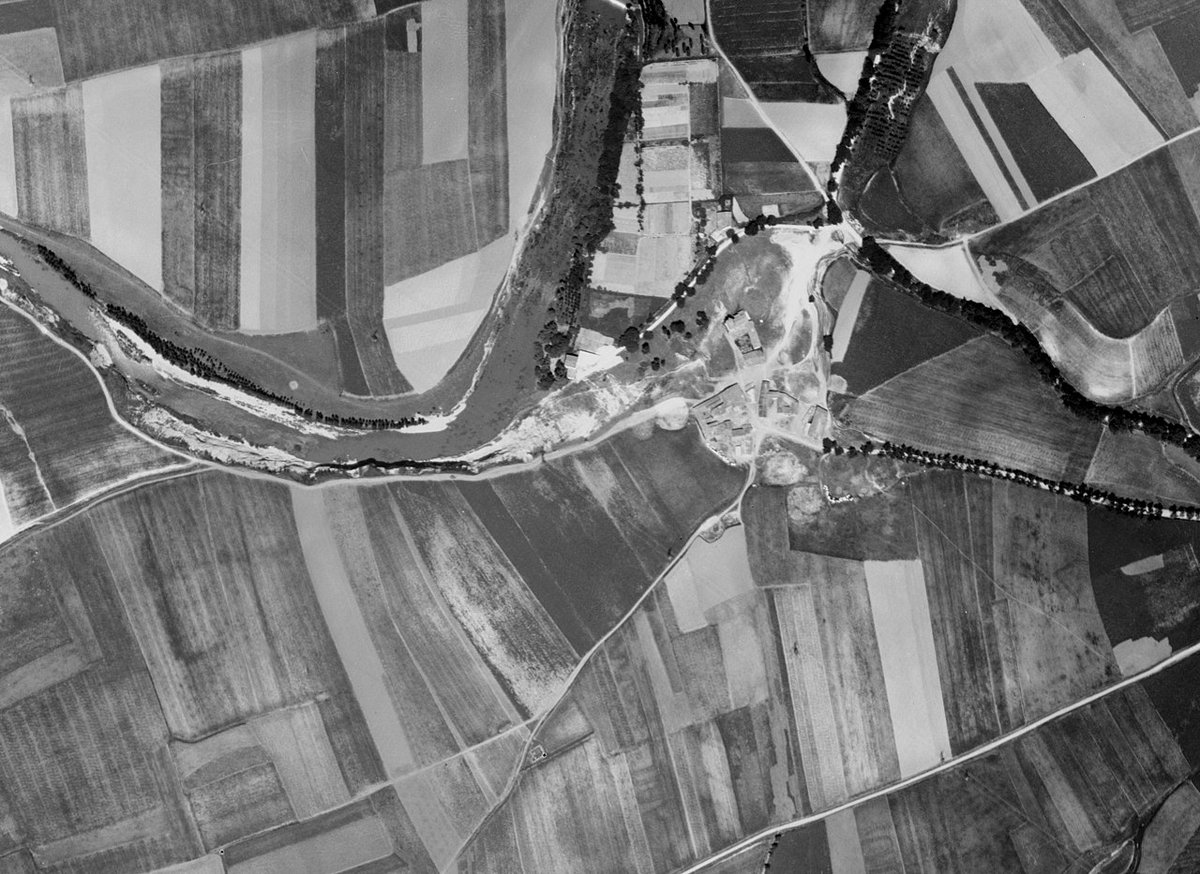
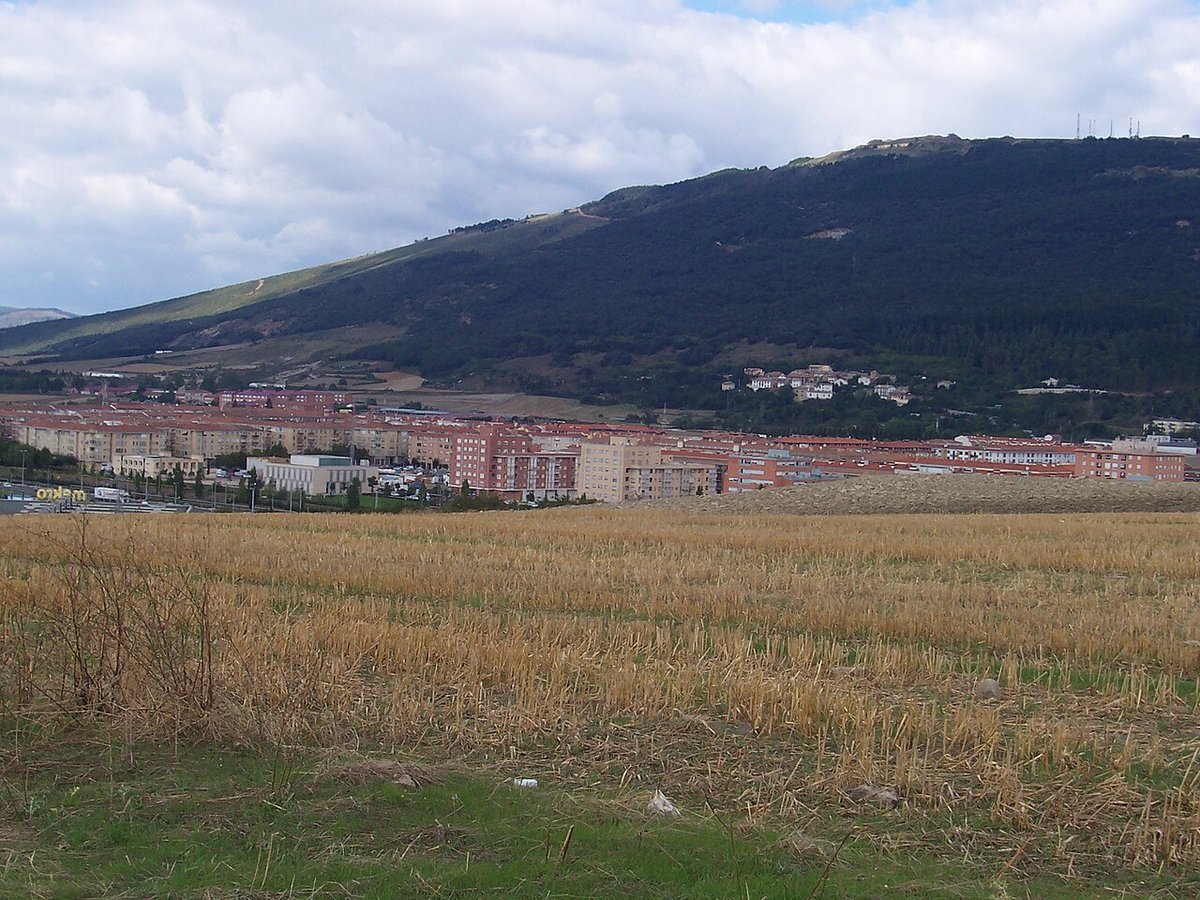
Tourism in Zabalza begins with understanding its setting. The village lies within the Pamplona basin, an area shaped by gentle hills and farmland that has structured the landscape for centuries. Just over 300 people live here, and the scale remains modest: a handful of streets, clustered houses, and open countryside starting almost as soon as the built-up area ends.
Its proximity to Pamplona explains much about how the village functions today. It is close enough to depend on the city in many respects, yet it keeps its own pace, closely tied to agriculture and everyday local life. That balance between connection and independence defines the place more than any landmark.
The Church of San Juan Bautista
The building that organises the village layout is the church of San Juan Bautista. Its origins are usually placed in the 16th century, although its current appearance reflects later alterations. The structure is restrained, in keeping with many rural churches across the Pamplona basin.
A square bell tower rises above the surrounding houses and acts as a point of reference on arrival. From the square, the overall volume of the church is easy to take in. Walking around it reveals older stone walls and a few simple arched windows that are easy to miss from the front.
The square itself works as a small centre for the village. It is not large, yet it gathers everyday activity: brief conversations, neighbours moving in and out of their homes, and the occasional bench where people pause for a moment. Nothing is designed for spectacle, but the space holds the rhythm of daily life.
Short Streets and Working Houses
The layout of the village is compact. Several streets follow the gentle slope of the land, linking back to the square and the church. There are no long avenues or major axes, just short stretches that can be walked in minutes.
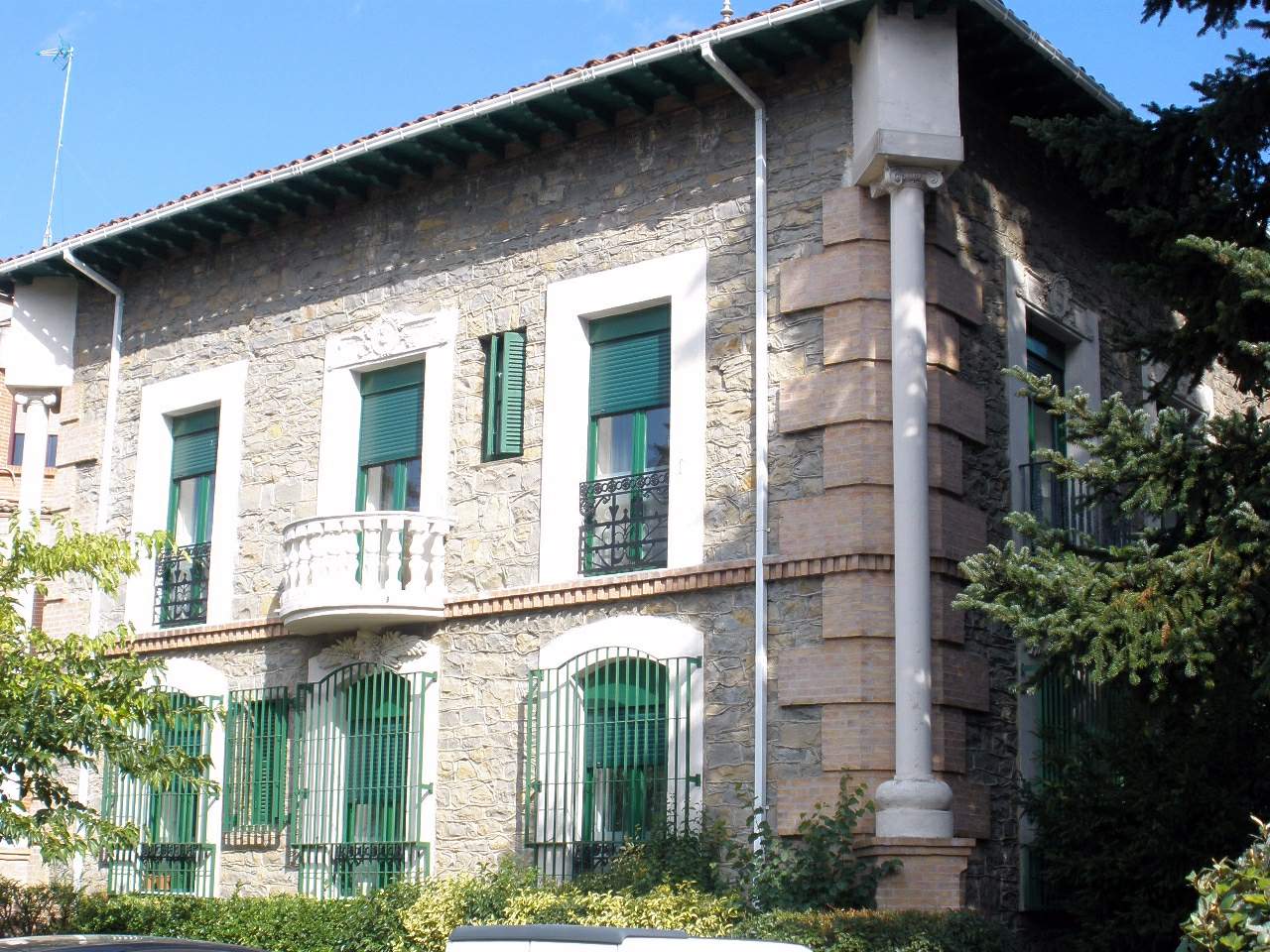
Many of the houses still show their agricultural origins. Wide wooden doors once allowed carts or machinery to pass through. Some façades are rendered over stone, and the roofs extend outward with pronounced eaves. A few buildings retain small balconies or wooden galleries.
At the edges of the village, vegetable plots and animal enclosures appear. They are not separated into a distinct district but sit right beside the houses. This close arrangement reflects how, for a long time, home and work were part of the same space.
Paths Through the Fields
Several agricultural tracks lead out from Zabalza into the surrounding countryside. These are not signposted trails in the formal sense, but working paths used by farmers to reach their land.
Walking along them offers a clear view of how the Pamplona basin is organised. Broad cereal fields stretch across the terrain, broken up by small patches of trees and low hills that create a gentle undulating landscape. In spring, green tones dominate. By late summer, the colours shift to the dry hues of harvest.
The terrain is mild, so walking does not involve steep climbs. Instead, the wind often becomes the defining element of the experience. It is a common presence in this open landscape and can shape the walk more than the slope itself.
Festivities and Daily Life
The festival dedicated to San Juan Bautista usually marks the local calendar. As in many small villages, it combines religious events with shared meals and music in the square.
Outside those dates, life in Zabalza remains quiet. Agricultural work still plays a visible role in the surroundings. This can be seen in the movement of tractors, the timing of harvests, and the steady use of the paths that circle the village.
A Brief Walk
Zabalza can be explored quickly. Within an hour, it is possible to walk its main streets, approach the church, and head slightly out along the surrounding tracks.
It is not a place defined by major monuments. What stands out instead is how the village is organised, its direct relationship with the fields, and the small scale that continues to shape many settlements in the Pamplona basin. A short walk is enough to grasp it.