Full Article
about Zizur Mayor
A major residential and service town next to Pamplona, split between the old quarter and a housing estate.
Ocultar artículo Leer artículo completo
The 07:03 bus to Pamplona swings out of Zizur Mayor’s Plaza de los Fueros already half-full. Office workers balance takeaway coffees and yesterday’s El Diario; two pilgrims, still in hiking boots, stare at the timetable as if it might reveal why the Camino de Santiago chose to bypass this place. By 07:18 the bus is in the capital, leaving the village to its own devices 470 metres above sea level on a wind-scoured plateau that locals simply call la cuenca – the basin.
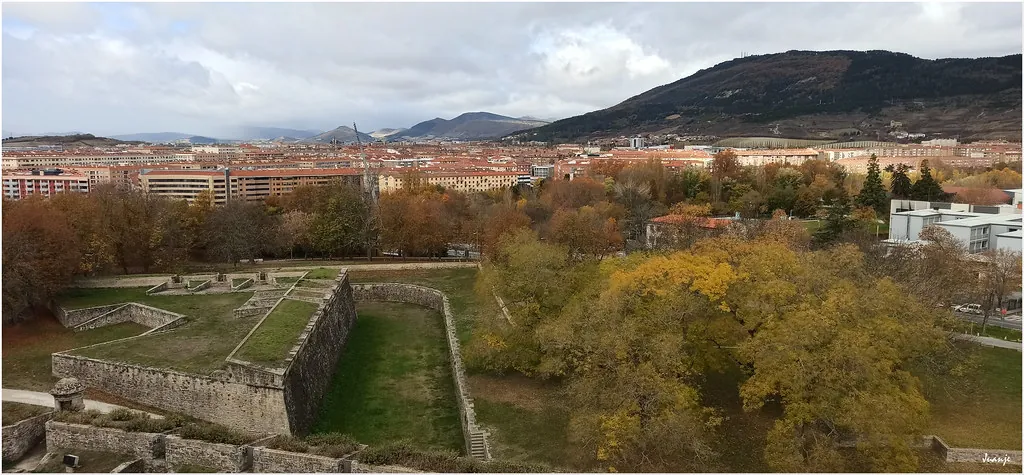
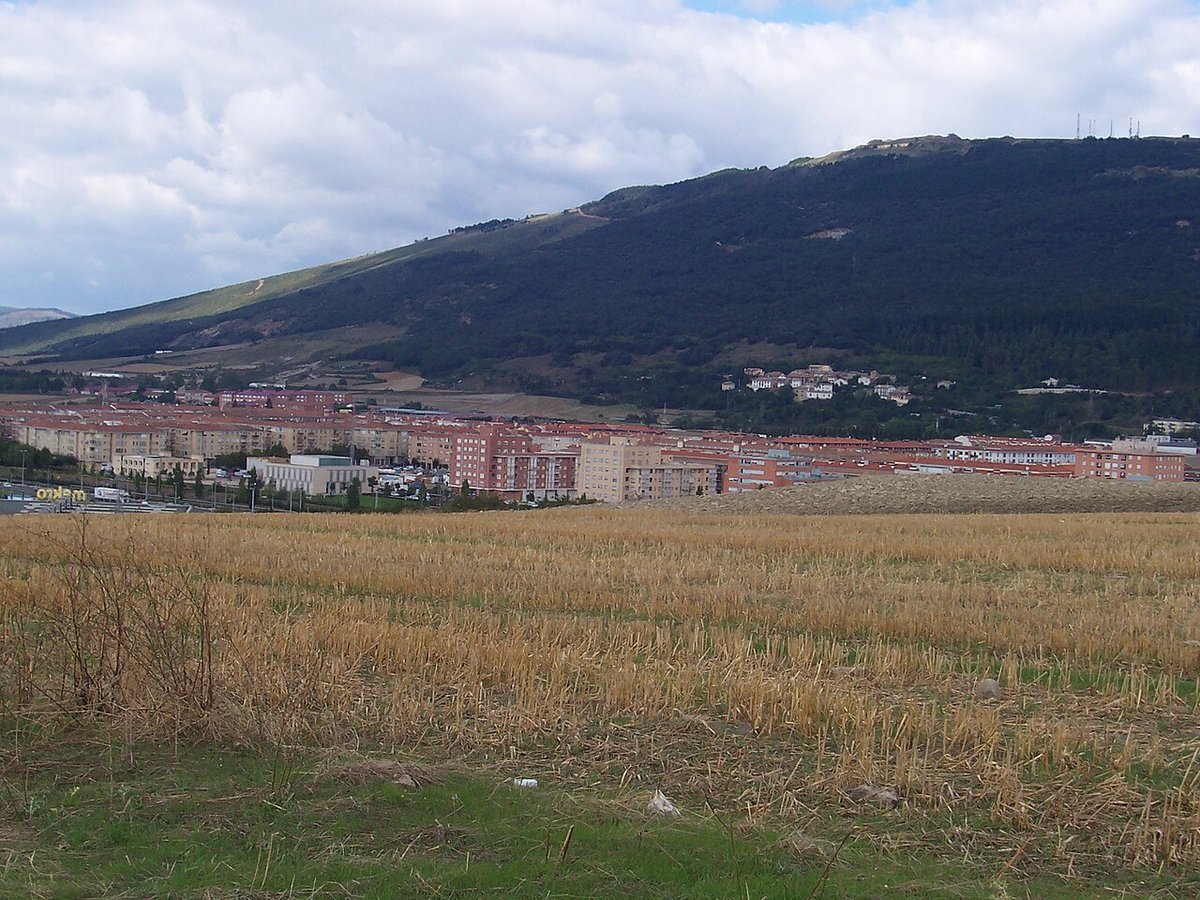
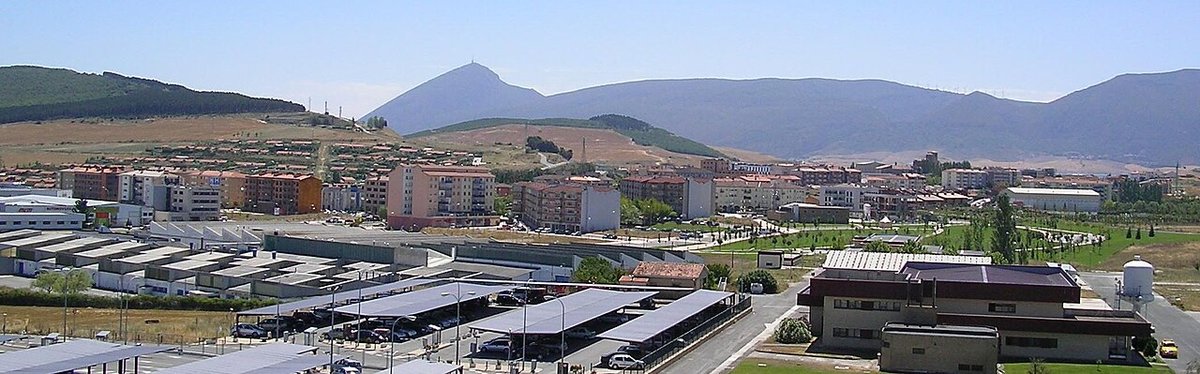
That quarter-hour ride explains most of what you need to know. Zizur Mayor is not a mountain retreat: it is a dormitory that traded sheep for spreadsheets sometime in the 1980s. The altitude keeps summer nights cooler than Pamplona’s sticky centre, but winters bring fog that can sit until lunchtime and a wind straight from the Pyrenees that makes 4 °C feel like minus figures. Come March the cereal fields around town flip from dull brown to luminous green in the space of a week; by late May the colour has already bleached to gold. There are no dramatic peaks, just long views south to the distant ridge of the Sierra del Perdón wind turbines – useful orientation if you plan to walk the farm tracks that radiate out of town.
A thirty-minute old town (forty if you loiter)
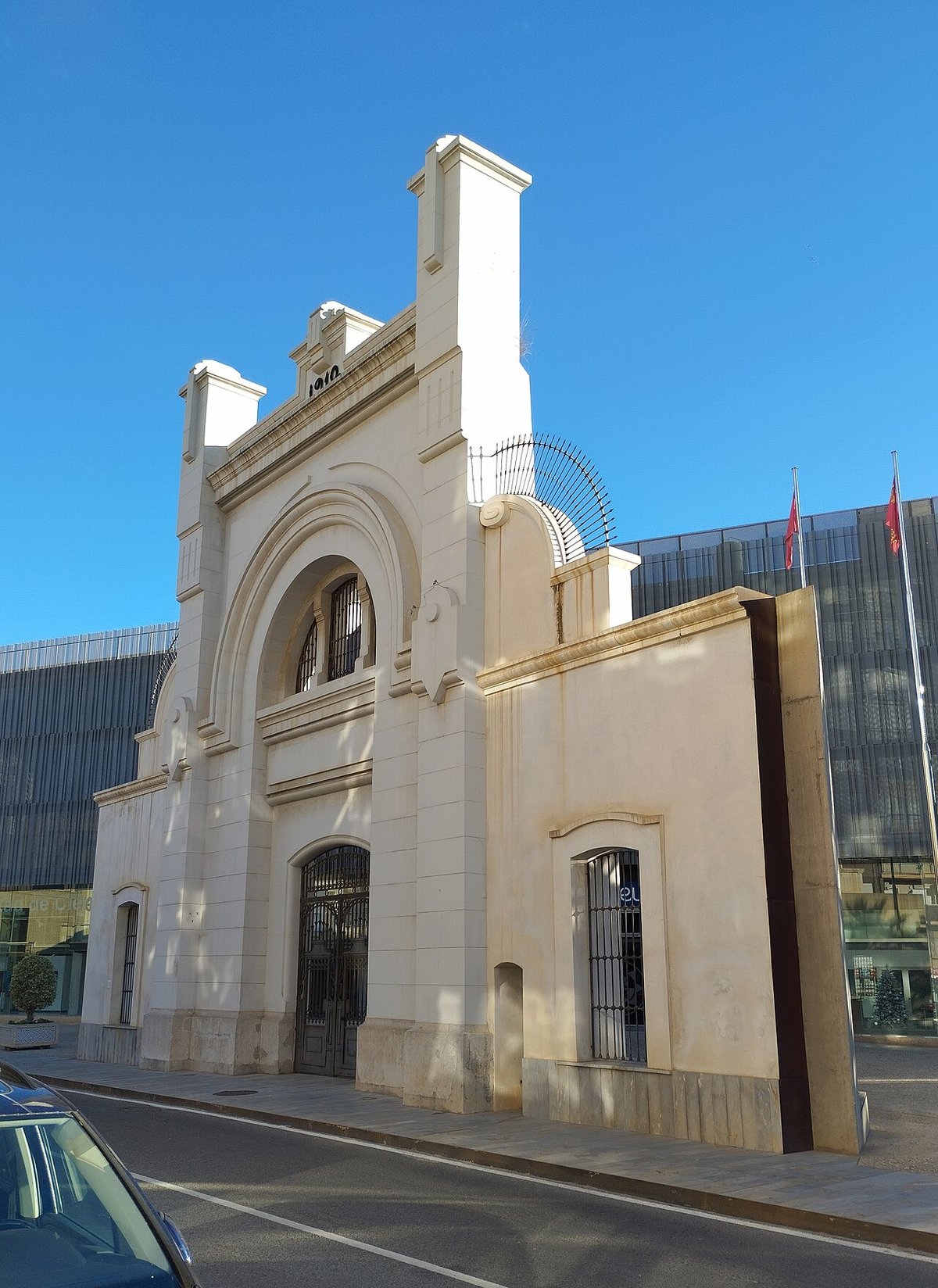
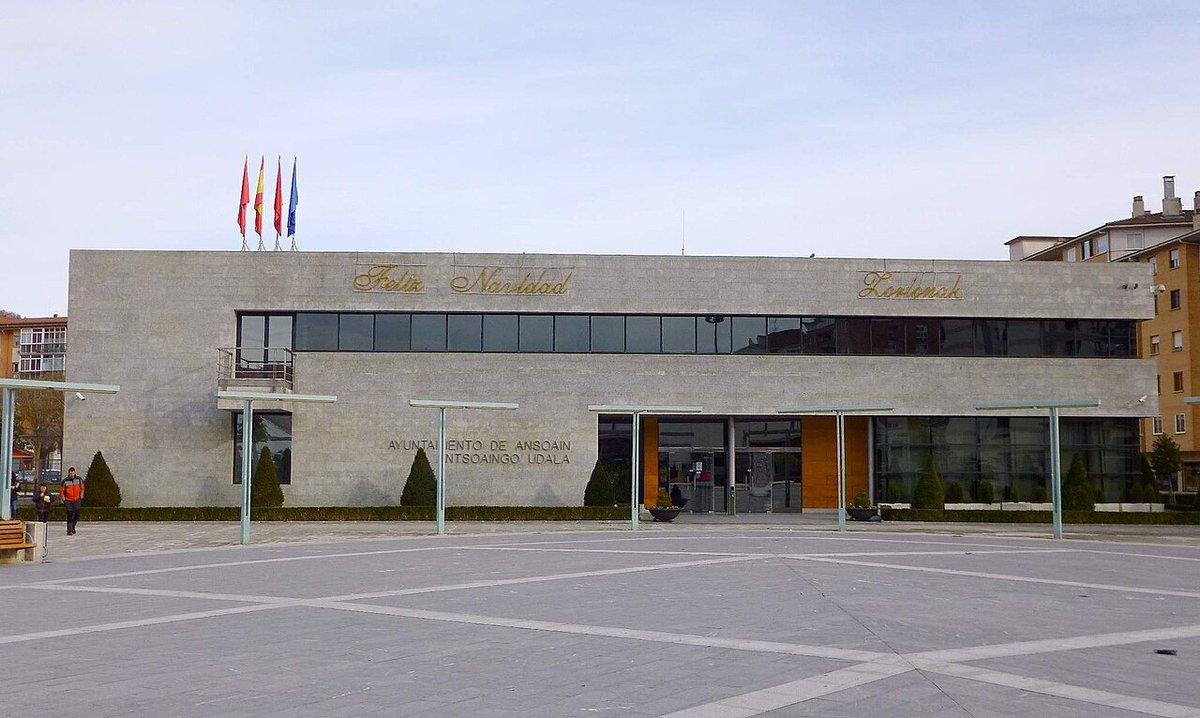
Start at the 1780 stone fountain in Plaza de los Fueros. On market-day Thursdays the square fills with white canvas stalls selling chard, artichokes and jars of white asparagus that cost €4 a pop. Ignore the 1970s brick town hall; look instead for the narrow opening between the chemist and the Caixa bank. That passage spits you into the original grid: two parallel streets barely the width of a Bedford van, lined with timber-eaved houses painted the colour of ox-blood and mustard. The church of San Miguel squats at the far end, its Romanesque doorway scavenged from an earlier building and re-set in 1543. Inside, the single Gothic rib vault is still smoke-blackened from the Carlist wars; someone has left a plastic pot of tulips beneath the plaster Virgin. The whole circuit takes twenty minutes unless you stop to read the bilingual panels that explain, with admirable honesty, that most of the “mediaeval” windows were reopened in 1968.
Outside, follow the alley that smells of fresh bread. The Panadería Amezcoa sells cañas – finger-length custard pastries – for €1.10 each. Buy two: one for now, one for tomorrow’s airport queue. If you need caffeine, Café Bar Obe opens at 06:30 and does a full English only in the sense that the scrambled eggs arrive with a single slice of chistorra, the local paprika sausage that tastes like a mild cousin of chorizo. A café con leche and pastry sets you back €2.40, roughly half what you’d pay in Pamplona’s main square.
Footpaths without postcards
Zizur Mayor’s walking options are practical rather than epic. A farm track, sign-posted “Sendoía de Zizur – Zaratiegui”, leaves from the top of Calle Zaratiegui and follows a gravel lane between wheat and occasional lines of poplars. After 45 minutes you reach the hamlet of Zaratiegui (population 27, stone cross, bench, that’s it). The loop back is 5 km; trainers suffice, boots look eccentric. Cyclists use the same lanes: road bikes cope fine, but don’t expect shade – the only trees are in the dry-stone hedgerows planted by the Diputación in the 1950s.
If you want gradients, you’ll need transport. The Sierra de Urbasa starts 25 km north-west; local bus lines don’t go there on weekends, so you’re looking at a €35 taxi or a hire car from Pamplona airport. In winter the range collects snow down to 900 m, giving the basin a photogenic white backdrop that melts before you can reach it.
Where to eat when you’re not celebrating
There is no Michelin action here. Mid-week lunch menus hover round €12–€14 for three courses, bread and a glass of tinto. Try Restaurante Baserri on Calle San Francisco: Wednesday is alcachofas a la plancha season, and the kitchen will swap chips for salad if you ask nicely. Evening pintxo culture is low-key; bars wheel out the same four plates – tortilla, croquetas, chistorra and bacalao – priced €2–€3 each. Locals eat dinner early by Spanish standards: 20:30 tables fill with families, by 22:00 the television is showing the Navarra news and waiters are mopping floors.
Fiestas change the rhythm. San Miguel at the end of September turns Plaza de los Fueros into a goose-neck fairground ride and sets up a txaranga brass band that marches through the old streets at 02:00. Accommodation prices stay flat – unlike San Fermín in July, when even the two-star Hotel Bed4U on the industrial estate triples its rate to €180 and the 15-minute bus ride becomes a standing-only sweatbox. If you’ve come for the bull-run, stay in Pamplona and visit Zizur on the way out; if you want sleep, do the opposite.
Logistics for the stop-over crowd
Pamplona airport is 8 km south; a radio taxi costs €15–€18 and takes ten minutes. Bus Line 15 leaves every 15 min on weekdays, half-hourly on Saturdays, hourly on Sundays. A transbordo day ticket is €1.35 and works on every urban bus in the region – bargain compared with Bath or Oxford park-and-ride. There is no left-luggage office; the tourist information kiosk in Pamplona’s Plaza Consistorial will store a backpack for €2 if you’re day-tripping.
Accommodation clusters in two spots: the functional chains on the Polígono Industrial (handy for the A-15 motorway) and the smaller guest-houses in the old quarter. Hostal Zizur has twelve rooms above a bakery; double windows keep out the dawn delivery vans, and rates including toast-and-coffee breakfast start at €55 off-season. Book ahead during Easter: Spanish families use the town as a cheaper base for Pamplona processions.
When to come – and when not to
Spring and early autumn give you green wheat, mild afternoons and daylight until 20:30. Summer is dry but wind-scoured; temperatures can hit 35 °C at midday when the cierzo wind drops, and the farm tracks offer zero shade. Winter daylight shrinks to 17:30; fog rolls up the Arga valley and can close Pamplona airport for hours. If you’re flying out early, book the 06:00 taxi the night before – the drivers’ WhatsApp group decides who is awake and who isn’t.
Bottom line
Zizur Mayor will never make the “Top Ten Villages in Spain” list, and it knows it. What it offers is a cheap bed, a fast link to Pamplona airport and a slice of workaday Navarra where the bread is baked at 05:00 and the evening paseo still happens around a square that smells of disinfectant and churros. Stay a night, walk the wheat-ringed loop, eat artichokes in season and catch the 07:03 bus. You’ll leave with no postcards, but your taxi driver might just say “hasta luego” and mean it.