Full Article
about Arano
The only Navarrese town whose waters flow into the Gipuzkoan Urumea; isolated and quiet, with spectacular views toward the coast.
Ocultar artículo Leer artículo completo
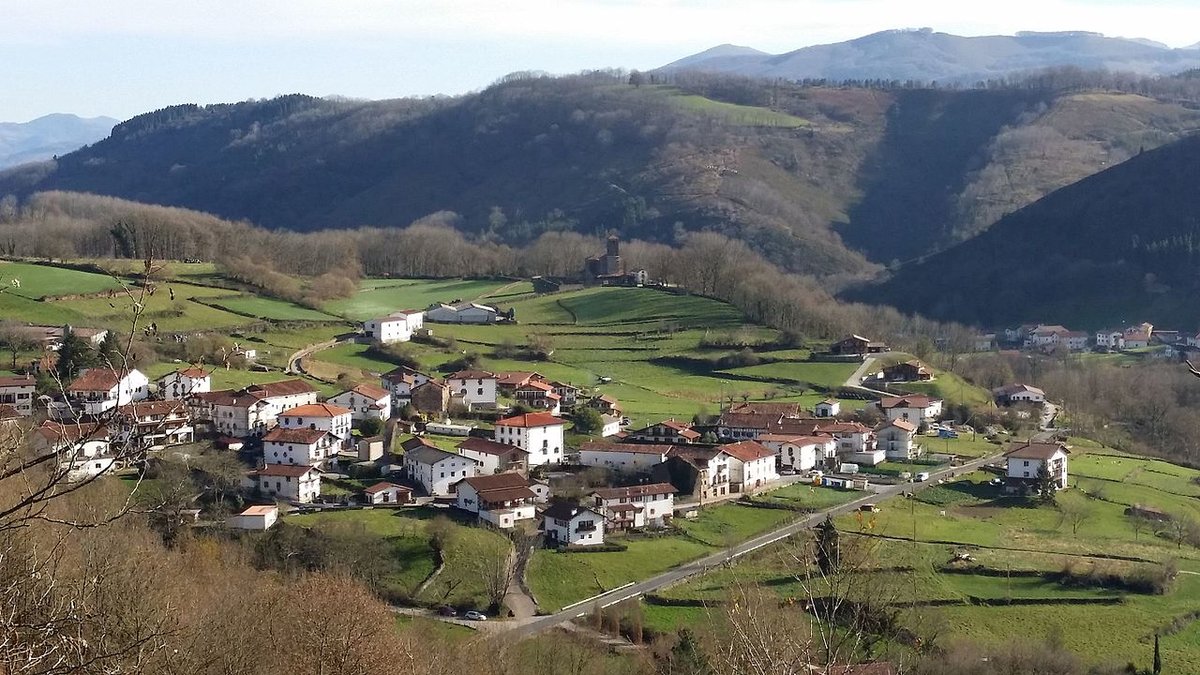
The fog rolls in at eye level, swallowing stone walls that once kept sheep from wandering into vegetable plots. At 450 metres above sea level, Arano hangs between cloud and valley like an afterthought—eleven houses, a church, and the persistent sound of water finding its way downhill through emerald grass. This isn't the Spain of guidebooks. No orange groves here, no flamenco bars. Instead, Atlantic weather systems fling themselves against the Basque hills, turning everything the colour of oxidised copper and wet moss.
The Village That Isn't There
Park where the concrete ends and walk. The road signs still point to Arano, but they've become directional ghosts. Census records claim 110 residents; reality suggests closer to zero. Houses stand shuttered, their stone lintels carved with dates from the 1700s, their balconies sagging under the weight of empty flower boxes. One cottage has fresh shutters—someone's weekend project perhaps—but most have settled into agricultural retirement, roofs patched with corrugated iron that rattles when the wind funnels up from the Oria valley.
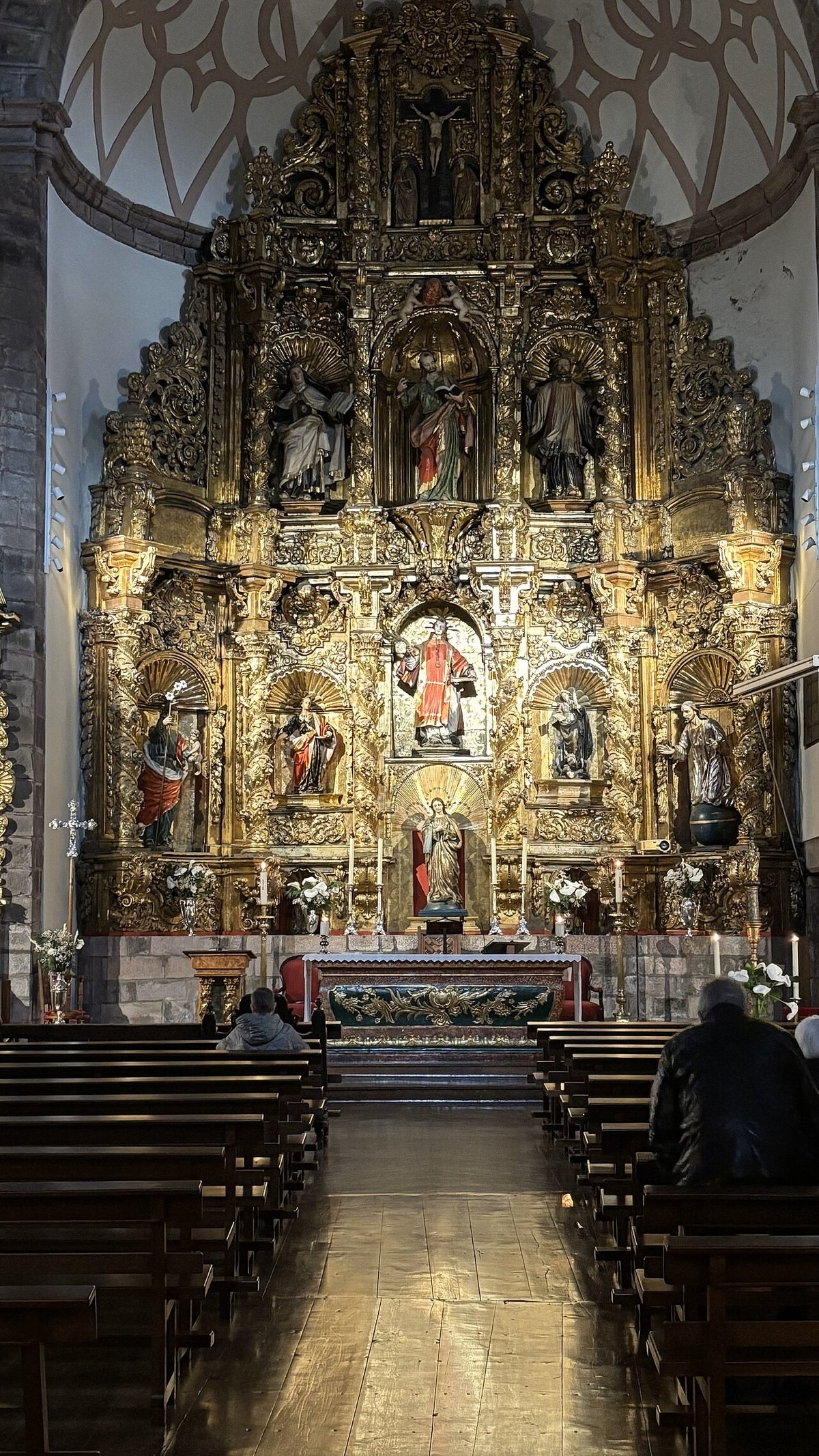
The church of San Martín remains unlocked, its key hanging from a nail so rusted it stains the wall orange. Inside, the air smells of candle wax and damp hymnals. The altar's nothing special—Navarra has grander baroque elsewhere—but the silence carries weight. Sit long enough and you'll hear the building breathe: timber beams expanding, swallow nests rustling in the eaves, rain starting its percussion on clay tiles. When the priest still bothered to make the journey from Amezcoa, parishioners would arrive on foot, boots caked with the red clay that turns every path into a skating rink after October.
Walking Through Someone's Workplace
Footpaths radiate from the plaza like spokes, but these aren't leisure trails designed for Instagram. They're working routes—tracks beaten by generations who carried milk churns downhill before dawn, who brought firewood up on mules when snow blocked the pass to Zubieta. The GR-121 long-distance path skirts the village, but local routes dive straight into the business of the landscape: pasture, beech wood, scrub where wild boar have rooted up the turf.
Start with the track towards Artikutza. Thirty minutes of steady climbing through mixed forest brings you to a clearing where the view opens across three valleys. On weekdays you might share the path with a farmer checking cattle; weekends bring mushroom hunters carrying wicker baskets and the particular intensity of people who know exactly where they're going. The boletus edulis here grow bigger than your fist, but picking requires permits and local knowledge—outsiders face fines and the particular scorn of villagers who've watched their secret spots broadcast on walking blogs.
Weather changes fast. What begins as soft drizzle can become horizontal rain within minutes; the same Atlantic systems that keep the Basque Country green also make waterproof trousers essential kit. Mobile reception dies completely beyond the last house—download maps before setting out, and tell someone your route. Search and rescue aren't dramatic here; they're methodical, expensive, and usually involve farmers who'd rather be mending fences.
What Grows Between the Stones
The agricultural calendar still dictates village rhythm, even with no farmers left. May brings orchid explosions in the hay meadows—pyramidal, bee, military varieties whose names sound like minor royalty. By July the grass stands waist-high, full of yellow rattle and eyebright. Locals claim the botanical diversity comes from centuries of traditional mowing: no fertilisers, no early cutting, just scythes and timing. The EU pays subsidies to maintain these fields as habitat, creating the odd situation where empty houses surround meadows worth more uncut than harvested.
Autumn shifts everything to fungus mode. The village water trough—still fed by a stone channel—becomes an informal noticeboard: scraps of paper advertising mushroom identification courses, warnings about poisonings, offers to buy ceps for cash. Prices fluctuate wildly; restaurants in San Sebastián will pay €40 per kilo for prime specimens, but middle-men drive hard bargains. The ethics of foraging get complicated when you realise the person scowling at your basket probably owns the land you're standing on, even if their family abandoned the farmhouse two decades ago.
Eating Elsewhere
Arano itself offers zero food options. The last bar closed when its owner died in 2003; the building's now a private residence with satellite TV visible through cracked shutters. For supplies, drive fifteen minutes to Zubieta where the petrol station shop stocks tinned tuna, local cheese, and wine that costs less than bottled water. Better still, continue to Tolosa for proper provisioning: market stalls on Plaza Verdura sell vacuum-packed beans famous throughout Spain, butchers offer txistorra sausage that needs nothing more than quick frying, and bakeries produce the ring-shaped talo that's essentially Basque focaccia.
The serious food pilgrimage involves driving east to San Sebastián—forty minutes on winding roads that test stomachs and clutch control. In the Parte Vieja, bars compete for innovation within strict pintxo rules: one piece of bread, one cocktail stick, infinite variations. Try Ganbara's wild mushroom tostada when in season, or Casa Urola's grilled squid that arrives still sizzling. The txakoli wine—slightly sparkling, poured from height to create foam—pairs with nothing and everything simultaneously. Budget €25-30 per person for a serious pintxo crawl; less if you stand at the bar and point confidently.
Practicalities Without Pretty Lies
Access requires a car and strong nerves. The NA-2600 from Beasain climbs through hairpins where meeting a timber lorry means reversing fifty metres to the nearest passing place. In winter, ice forms in permanent shadows beneath overhanging beeches; snow can close the road for days. The nearest accommodation sits fifteen kilometres away in Zubieta—rural guesthouses charging €60-80 nightly, breakfast included, WiFi intermittent. Book ahead during mushroom season; foragers book rooms months in advance based on weather forecasts.
Weather demands respect. Even August can feel chilly when fog drops; January brings genuine cold despite the latitude. Pack layers, always include waterproofs, and assume forecasts lie. The village offers no shelter beyond the church porch—no café to duck into, no museum to kill time. This is the deal: Arano gives you space, silence, and the particular quality of light that happens when Atlantic weather meets limestone hills. Take it or leave it.
Come if you want to understand what happens when rural Spain stops being rural but hasn't yet become anything else. The houses aren't quaint—they're just empty. The landscape isn't dramatic—it's quietly, persistently alive. And when the fog lifts suddenly, revealing the Oria valley stretched out toward the Cantabrian Sea, you'll realise why some places don't need people to make them worth the journey. Just bring a jacket, and don't expect lunch.