Full Article
about Beintza-Labaien
Two settlements in a closed, wooded valley; a haven of quiet and untouched nature.
Hide article Read full article
A valley that wakes gently
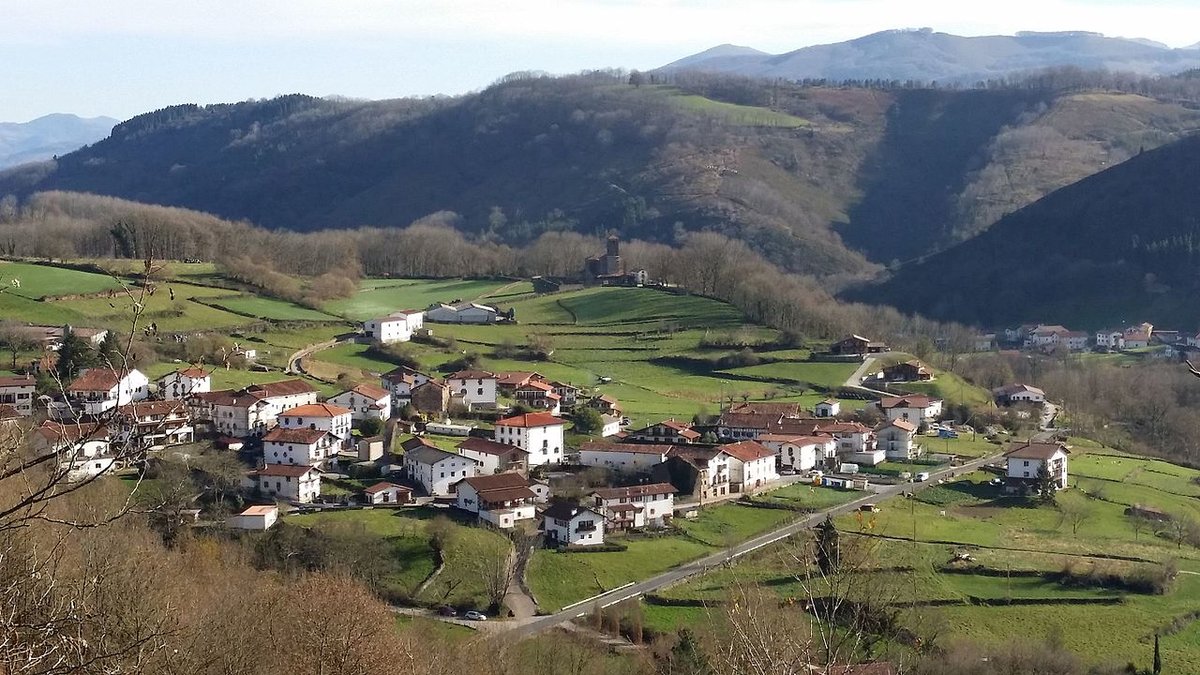
At that hour when the sun has yet to clear the low hills, the valley of Beintza Labaien is defined by small sounds. A blackbird hidden in a hedge, water slipping through a narrow stream in tall grass, a door opening somewhere without hurry. The village has just over two hundred residents and is divided into two small centres. Between them stretch sloping meadows, wooden fences and patches of beech forest that, on damp days, carry the scent of wet leaves.
Life here starts early. Livestock often moves before any cars do, and it is not unusual to come across a cow standing in the local road while mist still clings to the fields.
Stone, wood and quiet details
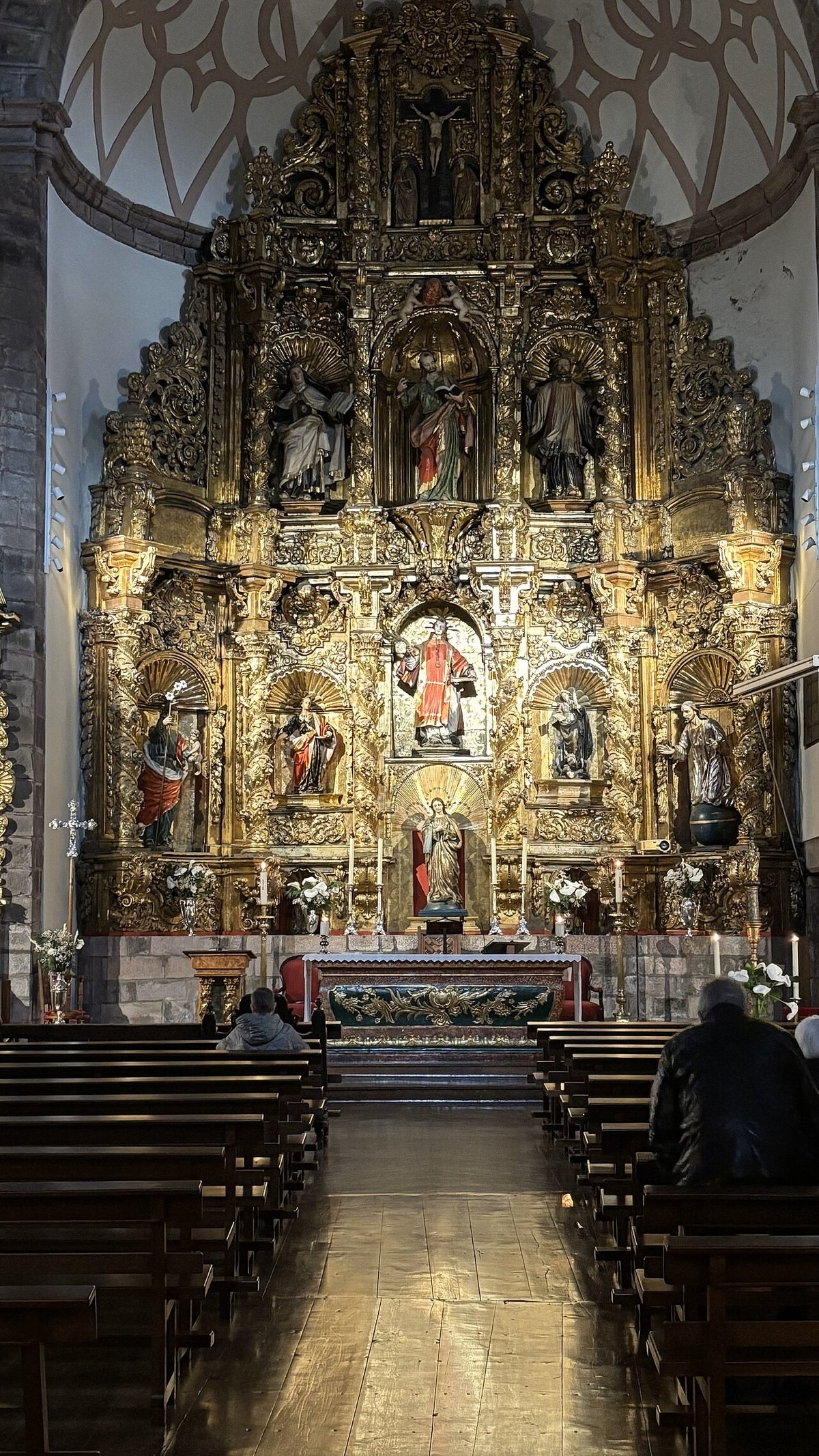
The church of San Martín de Tours sets the visual centre of the village. Its grey stone walls and dark roof keep things simple and in keeping with the surroundings. There is nothing grand about it, yet it feels entirely right for the place. The wooden door, worn by years of use, has a rough texture that almost invites a passing touch.
The houses follow the building traditions typical of this part of northern Navarra. Stone walls, darkened wooden balconies and wide roofs designed to deal with frequent rain define the streets. It does not take long to walk through the village, but that is not really the point. The interest lies in slowing down and noticing the smaller details. A neatly stacked pile of firewood by a doorway, a cat asleep on a windowsill, the faint smell of freshly cut grass when the weather turns warmer.
Paths through meadow and woodland
The surroundings of Beintza Labaien are best explored on foot, almost without planning. Agricultural tracks connect scattered farmhouses, barns and low hills where the valley opens out fully. The terrain is not especially steep, though the ground tends to stay damp for much of the year.
Footwear with a good grip makes a difference. After several days of rain, mud appears quickly, especially where the forest closes in and the path narrows.
Autumn brings a familiar scene in this area. People head into the woods carrying baskets to search for wild mushrooms. It is a long-standing local habit, although it requires proper knowledge of what is safe to collect. Some visitors choose to explore the narrow roads by bicycle. Traffic is limited, but the slopes can feel more demanding than they appear on a map.
A calendar shaped by tradition
Local life continues to follow traditional celebrations. San Martín in November plays a central role in the village calendar. During the summer, more informal gatherings take place, with music, outdoor meals and games that bring together residents and those who return to the village for holidays.
These are not large-scale festivals. They are small, familiar occasions where most people know each other, and where the pace remains unhurried.
When to come, and how to take it in
Spring and autumn are often the most pleasant times to walk through the valley. The meadows are either at their greenest or beginning to turn yellow, and mornings can arrive wrapped in a fine mist that takes time to lift.
Winter changes the atmosphere noticeably. Temperatures drop, daylight is shorter, and paths can become slippery. Anyone planning to walk should check the weather conditions before setting out.
Expectations matter here. Beintza Labaien is not a place of major monuments or constant activity. It works best when approached without urgency, with an acceptance that what stands out is the slow rhythm of the valley itself.
Getting there and moving around
Access comes via regional roads that wind through the hills. These routes are narrow and full of bends, typical of this part of northern Navarra. Driving slowly helps, not least because livestock can appear close to the tarmac.
The village itself is small enough to cross on foot without difficulty. Walking from one end to the other takes about an hour. What extends a visit is stepping beyond the built area onto the surrounding paths, pausing on a hillside and listening to the valley when the wind moves through the grass.
Beintza Labaien often fits naturally into a broader journey through the greener parts of Navarra. Even so, spending time here without rushing, especially as evening approaches and the valley grows quieter, feels entirely in keeping with the place.