Full Article
about Doneztebe / Santesteban
Commercial and service hub of the Malerreka region; a noble town with elegant streets and a lively atmosphere.
Hide article Read full article
Doneztebe, en el valle del Bidasoa
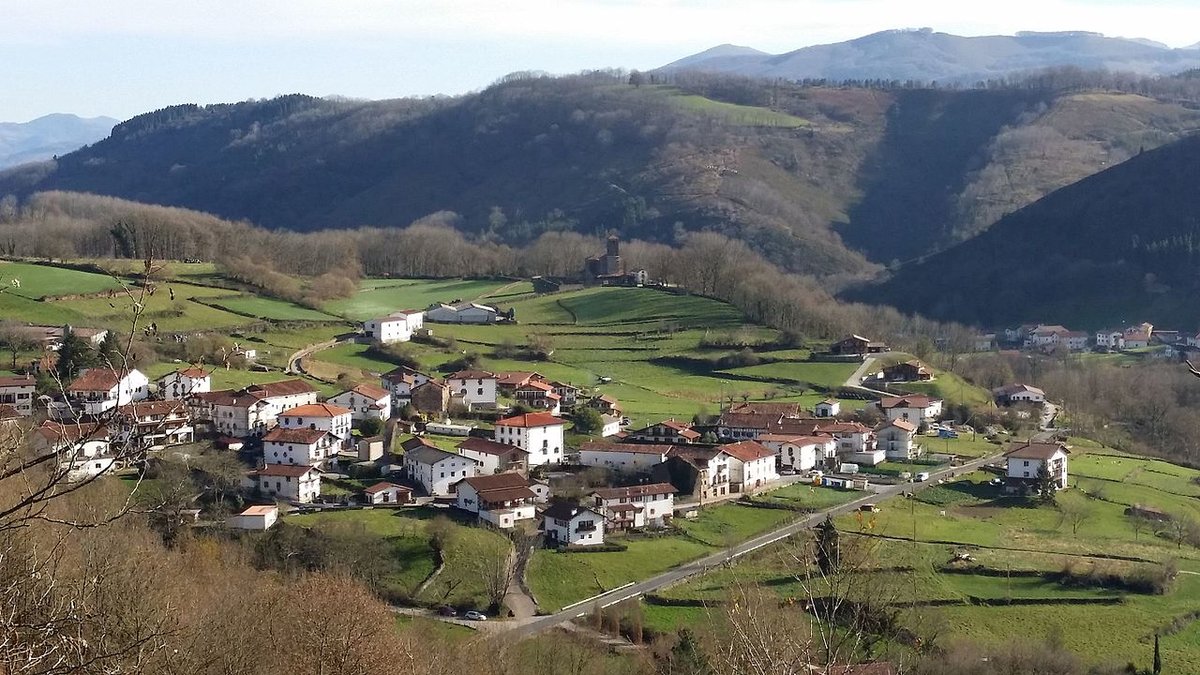
Doneztebe, o Santesteban, ocupa un tramo medio del valle del Bidasoa en el norte de Navarra. El río ha funcionado como eje para el pueblo, que se desarrolló en un punto de paso entre la montaña y la costa. Con unos 1.850 habitantes, actúa como cabecera comarcal menor, con comercios, servicios básicos y un mercado semanal que sigue atrayendo a gente de las caserías dispersas por el valle.
La orografía explica buena parte de su carácter. Aquí la montaña ya no es estrictamente pirenaica, pero el relieve es marcado. Laderas húmedas cubiertas de hayas y robles descienden hacia el cauce, dejando poco espacio llano. El pueblo se adaptó a ese terreno disponible, sin imponerse a él.
Un núcleo compacto de traza antigua
El centro tiene una planta concentrada, propia de los asentamientos que crecieron junto a una vía de comunicación. Las calles son cortas y a veces irregulares, con edificios que mezclan reformas recientes y estructuras más antiguas.
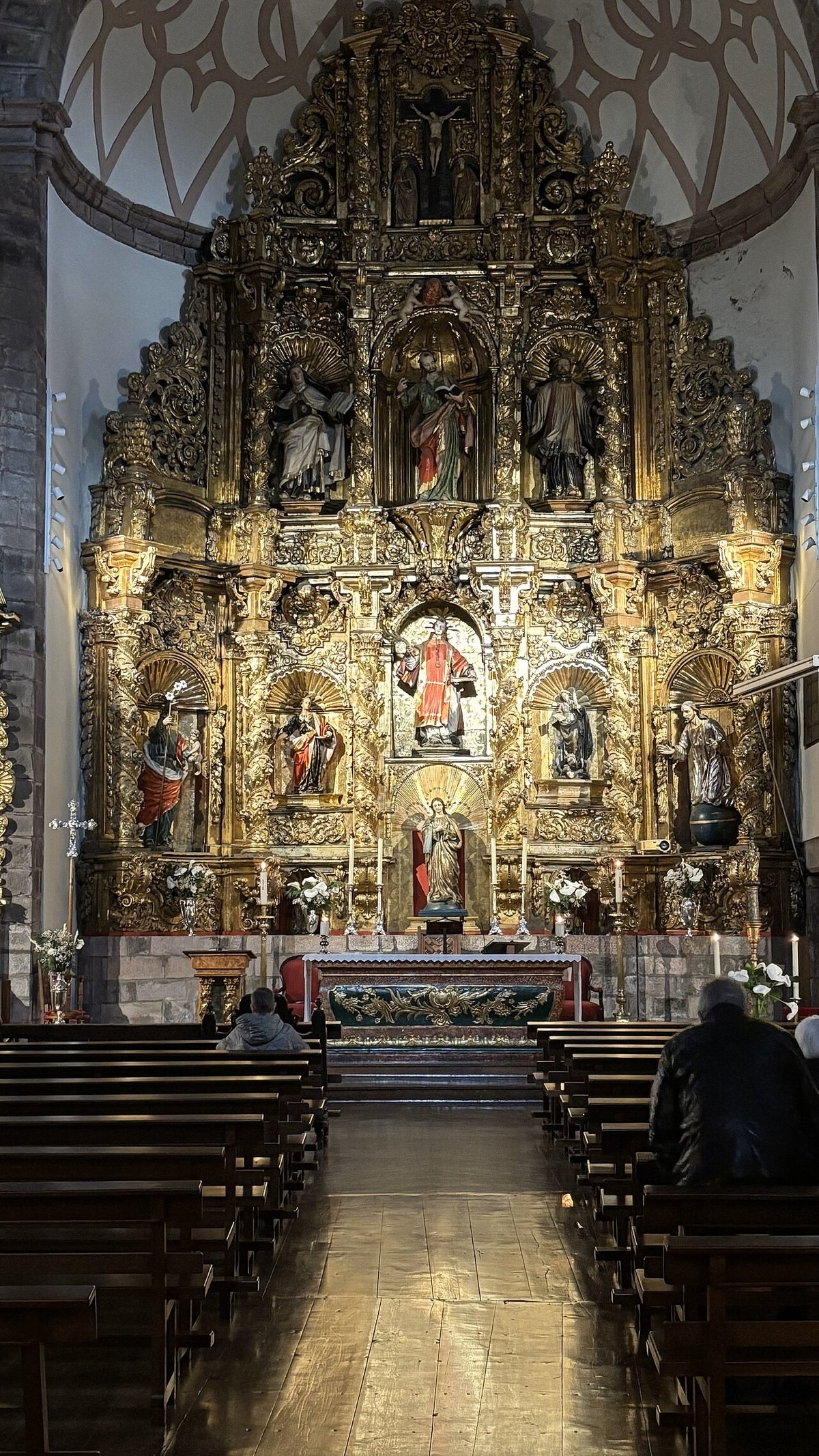
La iglesia de San Esteban ocupa uno de los puntos más visibles. La mayor parte del edificio es de los siglos XVI y XVII, aunque con modificaciones posteriores. Al exterior muestra una fachada de piedra sobria. Dentro, un retablo barroco preside el espacio. Sigue en uso, por lo que el acceso normalmente coincide con los horarios de culto.
Cerca está la Casa Consistorial, del siglo XVIII según los archivos municipales. Es una construcción civil de proporciones equilibradas, hecha en sillar y con escasa ornamentación. Por el centro, varias casas muestran escudos de piedra labrada o balconadas corridas de madera. Son elementos frecuentes en esta parte de Navarra, donde el caserío tradicional reunía vivienda, almacén y establo bajo un mismo techo.
La proximidad a la frontera francesa ayuda a entender parte de este carácter arquitectónico. Durante siglos, este fue un lugar de paso para el comercio, la trashumancia y otras actividades menos visibles.
Red de caminos y un paisaje habitado
Los alrededores de Doneztebe están recorridos por una red densa de pistas y senderos que suben a las colinas cercanas. Muchos siguen trazos antiguos, usados para conectar las caserías del valle o alcanzar pueblos vecinos.
En las cotas altas dominan los bosques de haya y roble. Más abajo aparecen prados cerrados y pequeñas huertas. Es un paisaje trabajado, no un bosque intacto, donde la actividad humana es evidente. El ganado ocupa a menudo amplias zonas de estas laderas, reforzando esa sensación de uso continuado.
Algunos relatos locales mencionan caminos empleados para el contrabando, una práctica asociada desde hace tiempo a las regiones fronterizas. No siempre es fácil determinar qué rutas se usaron realmente con ese fin, pero la existencia de pasos discretos por la montaña explica que esos relatos sigan circulando.
El tiempo puede cambiar con rapidez en esta parte de Navarra. La niebla y la lluvia pueden llegar incluso en días que comienzan despejados, algo que conviene tener presente al salir a caminar.
Fechas en el calendario local
El 26 de diciembre, la festividad de San Esteban reúne a buena parte del pueblo en torno a la parroquia y diversos actos comunitarios. En verano, las fiestas patronales ocupan las calles, con actividades organizadas y una participación notable de las cuadrillas locales.
El otoño mantiene prácticas aún arraigadas en la zona. Entre ellas están la recogida de setas en los bosques cercanos y las tareas domésticas ligadas a la matanza del cerdo. No son actividades organizadas para quien visita, sino parte del ritmo anual del valle, costumbres que pertenecen a la vida cotidiana y no a la exhibición.
Una visita breve y cómo leer el pueblo
El núcleo urbano se recorre en un tiempo relativamente corto. Caminar por las calles principales, acercarse a la iglesia y fijarse en los detalles de las fachadas más antiguas basta para comprender la trama del lugar.
Varios caminos salen directamente de la zona edificada, lo que permite alejarse del centro y entender la configuración del valle en pocos minutos.
Doneztebe funciona mejor como parte de un recorrido más amplio que como destino único. Su interés se aprecia al combinarlo con otros pueblos del Bidasoa o con paseos por el entorno rural.
Conviene mirar con atención. Muchas casas pueden parecer recientes a primera vista, pero a menudo conservan estructuras anteriores bajo remodelaciones posteriores. La superficie puede resultar engañosa si se toma al pie de la letra.
Antes de adentrarse por las laderas, es sensato consultar el pronóstico del tiempo. La lluvia llega con rapidez aquí, y los caminos de tierra se vuelven resbaladizos con el cambio de condiciones.
Cómo llegar y moverse
Desde Pamplona, la reta sigue la N-121A hacia el norte y luego enlaza con la carretera que lleva a Doneztebe. El trayecto son unos 75 kilómetros y atraviesa gran parte del valle del Bidasoa.
El centro se explora fácilmente a pie. Las calles antiguas son estrechas, por lo que suele ser más práctico dejar el coche en las zonas de aparcamiento cercanas al borde del pueblo y continuar caminando. Un circuito tranquilo por sus calles da una idea clara de su escala y de su papel dentro del valle.