Full Article
about Elgorriaga
Famous for its hypersaline spa; small village in the Malerreka valley surrounded by mountains
Hide article Read full article
A quiet start in the valley
At nine in the morning in Elgorriaga, the damp still clings to the stone. The Bidasoa Valley wakes slowly and the village barely makes a sound: a door opening, the nearby murmur of the river, birds moving through the trees. Tourism here tends to begin like this, less about plans and more about unhurried wandering.
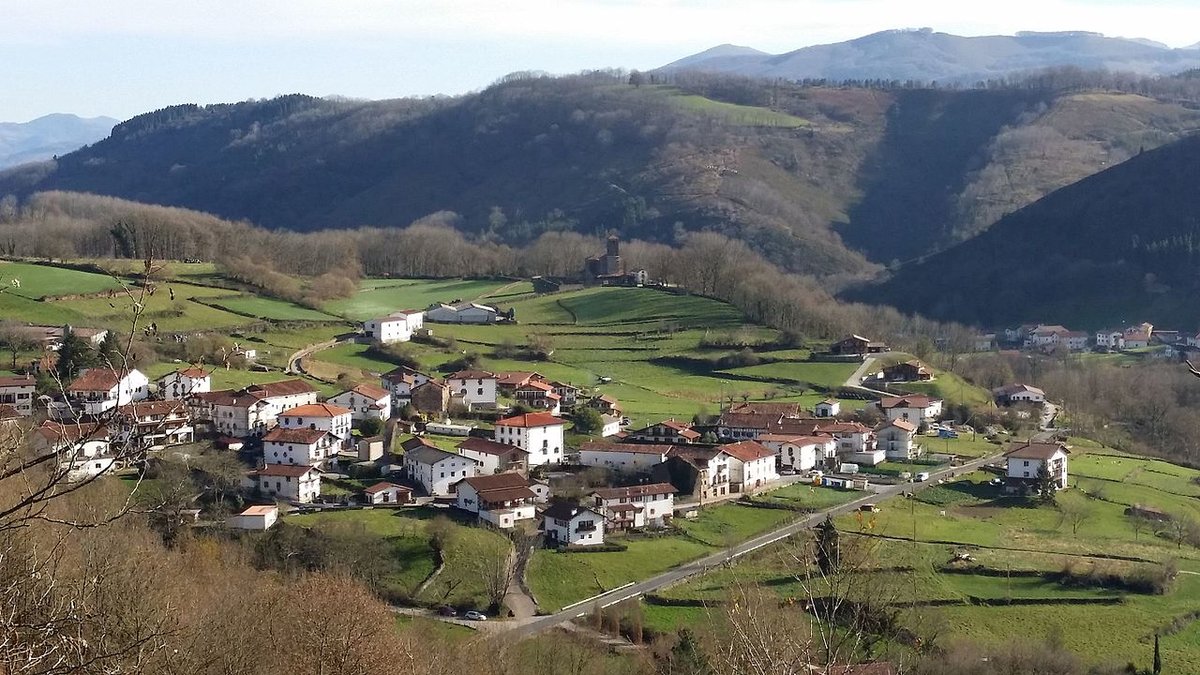
Elgorriaga is small, just a handful of short streets set along a slope. The houses combine dark stone, aged wood and sloping roofs that dip close to the balconies. Early light arrives from the side, picking out the grain in the stone and the old joints in the walls.
Around San Miguel
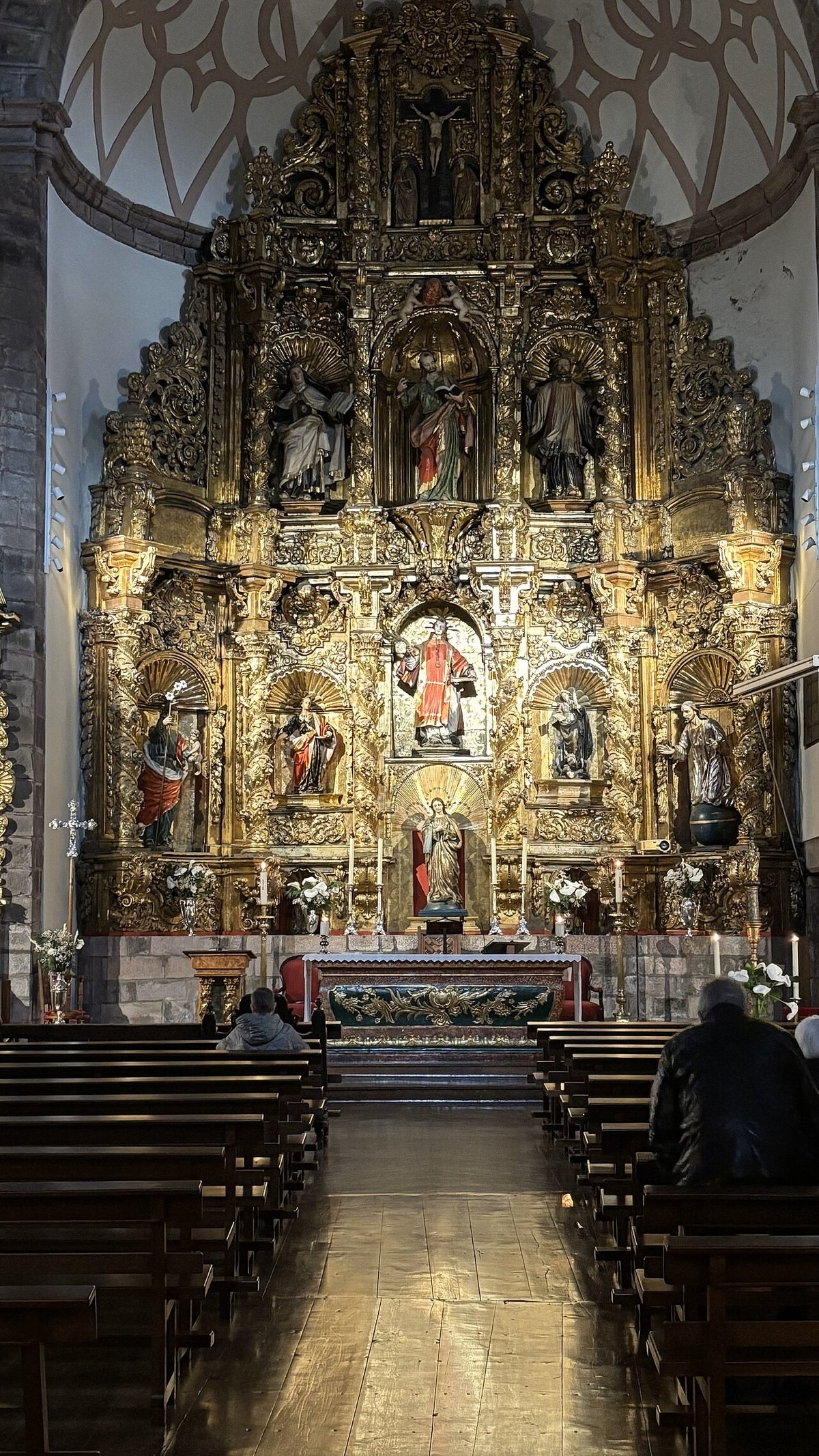
At the centre of the cluster of houses stands the church of San Miguel. It is not a large building, but the bell tower rises enough to act as a reference point when arriving on foot from the road. The door is sometimes open during the day, though not always. In a village of this size, it often depends on the moment and whether anything is happening inside.
This is also the most recognisable part of the village. A few houses show wooden balconies and wide entrances, with small vegetable plots right up against the façades. Old tools are often left hanging beneath an eave, and stacks of firewood sit neatly against the wall. In summer, geraniums and other potted plants appear, their reds standing out against the dark stone.
Salt water far from the sea
There is something unusual here: the water. Elgorriaga is known in Navarra for its very salty springs, which can feel unexpected given the distance from the coast. The presence of water shapes the place in quieter ways too. The Bidasoa River runs nearby, and the air often carries that damp valley smell of ferns, moss and wet earth.
The village has long been linked to these springs, and they still draw people today. Even so, the centre remains small and calm. A walk of two or three streets is enough for the silence to return.
Paths through woodland
Leave the built-up area and tracks and footpaths quickly lead into the forest. The landscape has a distinctly Atlantic character: oaks and chestnuts, tall ferns, and dark soil that turns soft after rain. In autumn, the paths are covered with damp leaves and the air smells of wood.
There is no need to plan a long route. Within half an hour on foot, the village feels far away and traffic noise fades almost completely. One practical detail matters here. After rain, which is fairly common in this part of Navarra, the ground becomes muddy quickly on dirt sections, so sturdy footwear makes a difference.
A place to take slowly
Elgorriaga can be walked end to end in just over half an hour. That is precisely why it suits a slower pace. Sitting for a while near the river, heading up a street that climbs between houses, or following a path until the village disappears behind the trees all fit naturally into a visit.
Local festivities are usually held around San Miguel at the end of September. By then, the valley has begun to take on the scent of autumn and the afternoons grow shorter. These are small-scale celebrations, closely tied to the people who live here.
When to come and how to move
Spring and autumn are often the most rewarding seasons for walking in the area. In spring, the valley turns a vivid green and the river runs stronger. In autumn, ochre tones take over and the forest shifts colour from one week to the next.
Summer brings a livelier atmosphere, with more people arriving in the valley. At weekends, there can be more movement than usual for a village of just over two hundred residents.
Reaching Elgorriaga from Pamplona involves valley roads with plenty of bends, so the journey is best taken at an easy pace. Once in the village, it makes sense to leave the car somewhere that does not block residents or farm access. From there, everything is close enough to continue on foot.
After a while, the main sounds are once again the water and the wind moving through the trees.