Full Article
about Eratsun
Mountain village in Malerreka; birthplace of the famous pelota striker Retegi II
Hide article Read full article
Eratsun: a village in a damp valley
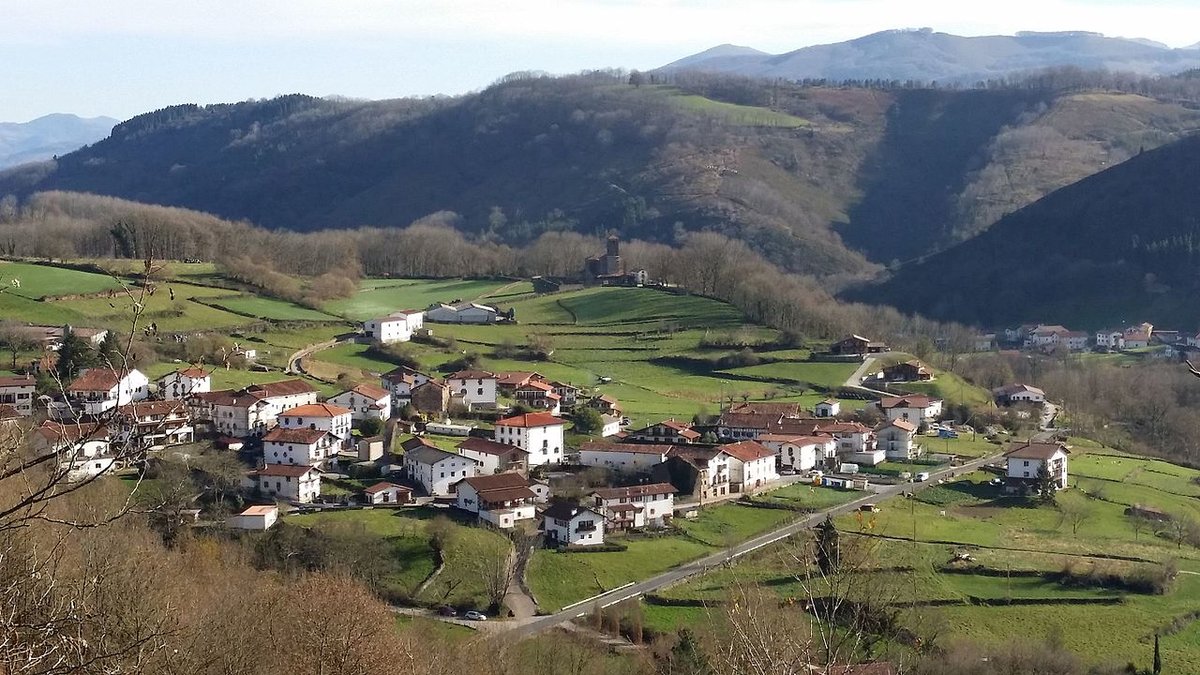
Eratsun sits in one of the northern Navarrese valleys where the Atlantic climate dictates the rhythm. The settlement, home to around one hundred and fifty people, occupies a fold in the land where meadows meet wooded slopes. Its interest lies not in monuments but in its clear, unadorned function as a village shaped by livestock farming and its environment.
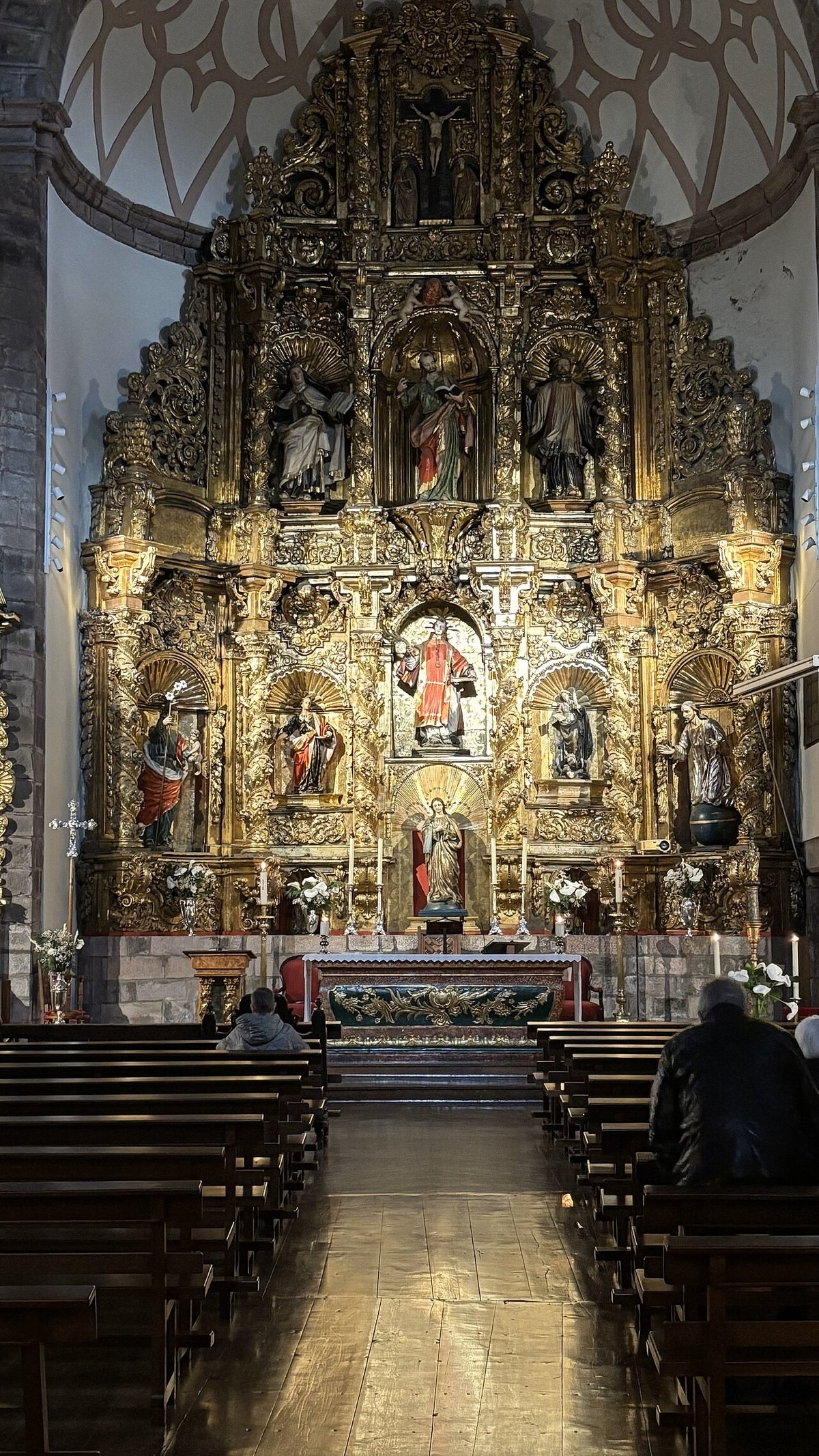
The parish church of San Martín de Tours, largely from the 16th century, anchors the community. Its position explains the village layout. Houses cluster around it, and the few streets radiate outward, following the contours of the terrain. This is a practical arrangement, not a picturesque one.
Walking the layout
You can walk the entire village in twenty minutes. The streets are narrow, opening occasionally into small, irregular squares. The architecture is straightforward: stone houses with timber structures, many with continuous wooden balconies and wide doorways designed for agricultural use.
Daily life is visible here. You might see a tractor parked on the side of the street, tools leaning against a wall, or neat stacks of firewood seasoning under an eave. The built fabric feels adapted to its purpose, with houses oriented toward the valley’s pastures. The focus is on these functional details, not on decorative grandeur.
Paths into the surroundings
The transition from village to countryside is immediate. Rural tracks lead past bordas, the traditional stone barns, and into meadows and stands of oak and beech. Waymarking is inconsistent, which is typical for these local paths.
The ground is often soft. After rain, mud is common and suitable footwear becomes essential. In autumn, these woods are busy with locals foraging for mushrooms, an activity governed by strict local knowledge and regulations. A short walk on any of these paths makes the village’s dependence on its surrounding land palpably clear.
Calendar and community
The village’s annual rhythm peaks with the feast of San Martín in November. The celebration mixes mass with communal meals, briefly altering the quiet pace. Other social events often tie into the wider valley’s calendar or religious observances.
Outside these dates, life is ordered by work in the fields and with livestock. This underlying rhythm of agricultural labor defines Eratsun more than any tourist calendar does. The contrast between a feast day and a working Tuesday tells you most of what you need to know about the place.
Observing a way of life
A visit here is a matter of observation, not checklist tourism. A couple of hours suffice to walk the streets, note the building details, and follow a path into the meadows to see the context. The value is in understanding a specific relationship between a community and its land.
The connection is direct and unmediated. Eratsun makes sense when you see the houses facing the pastures that sustain them.
Access and considerations
The drive from Pamplona involves taking the N-121-A north before turning onto smaller valley roads. The final approach is winding and narrow. Weather is a factor; fog and rain can reduce visibility quickly, and conditions underfoot change accordingly.
Services in the village are minimal. Come prepared for a self-sufficient visit. The experience varies sharply with the seasons: spring and autumn are vividly green, winter is damp and short, and summer paths can be surprisingly sun-exposed.
Eratsun offers no conventional attractions. It presents a coherent example of rural life in Atlantic Navarra, where the landscape and the work it supports are still the main protagonists.