Full Article
about Ezkurra
Mountain village on the pass of the same name; spectacular views amid Atlantic forests.
Ocultar artículo Leer artículo completo
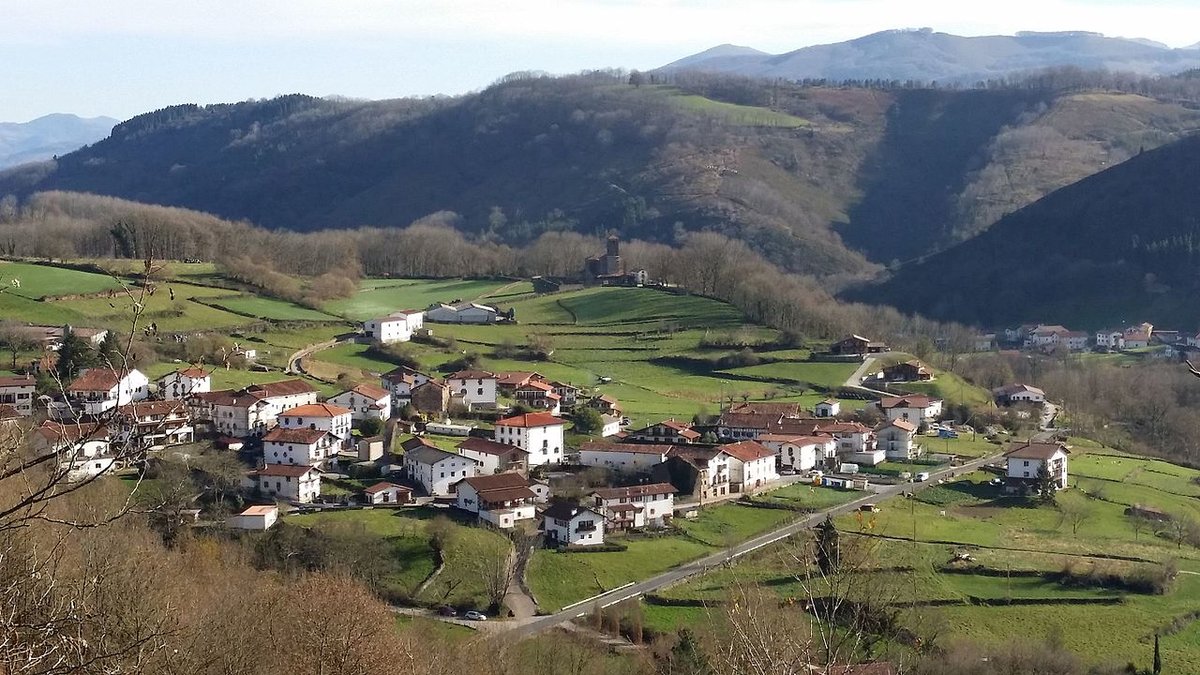
The morning fog lifts at 525 metres to reveal stone houses with names instead of numbers. Not plaques, mind you—just the way locals refer to them. "That's Casa Zubiri, where the doctor used to live." The village of Ezkurra has 143 permanent residents, though you'd swear more people live here during mushroom season when every other car sports French or Basque number plates hunting for fungi.
A village that ends where the forest begins
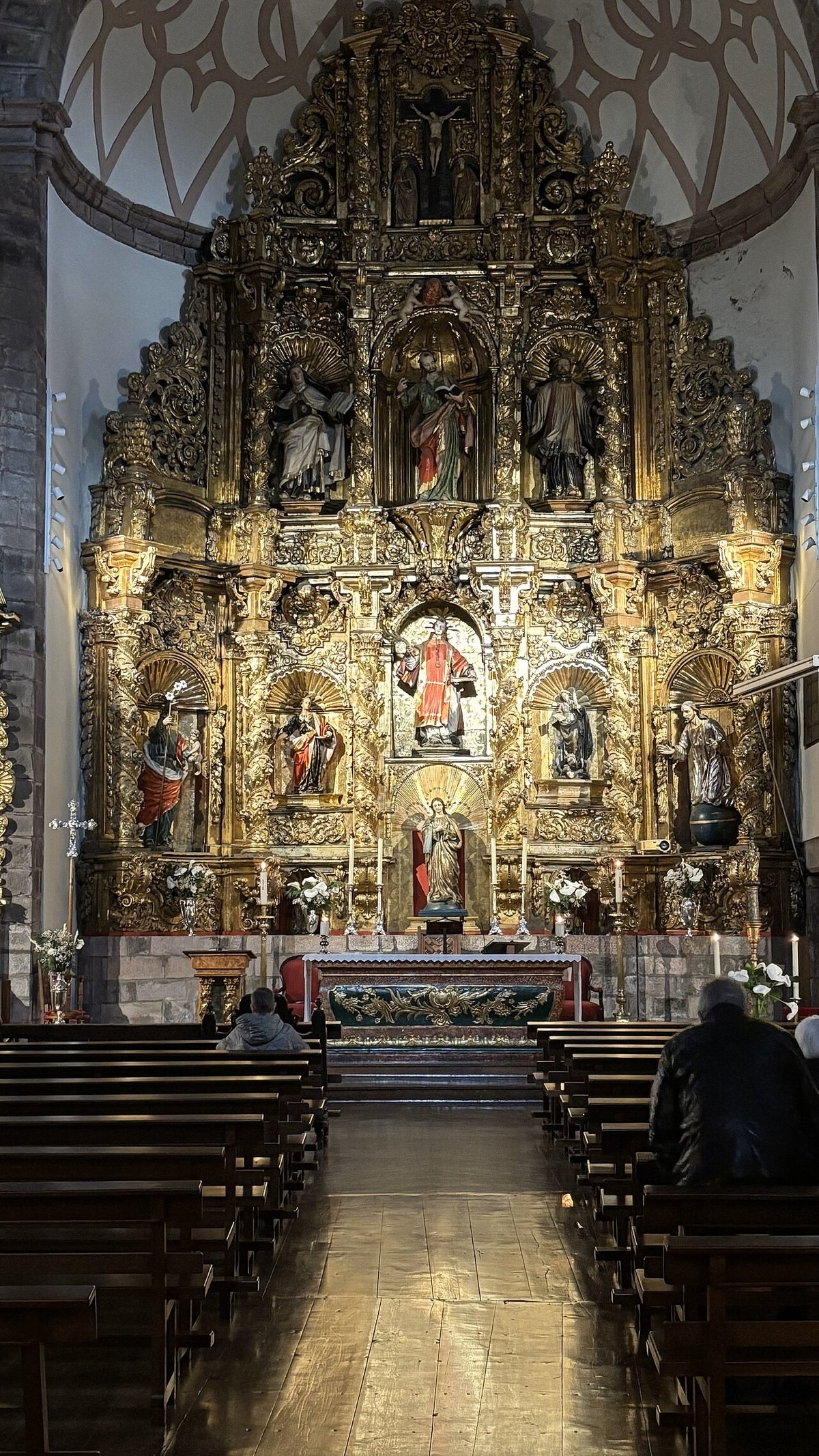
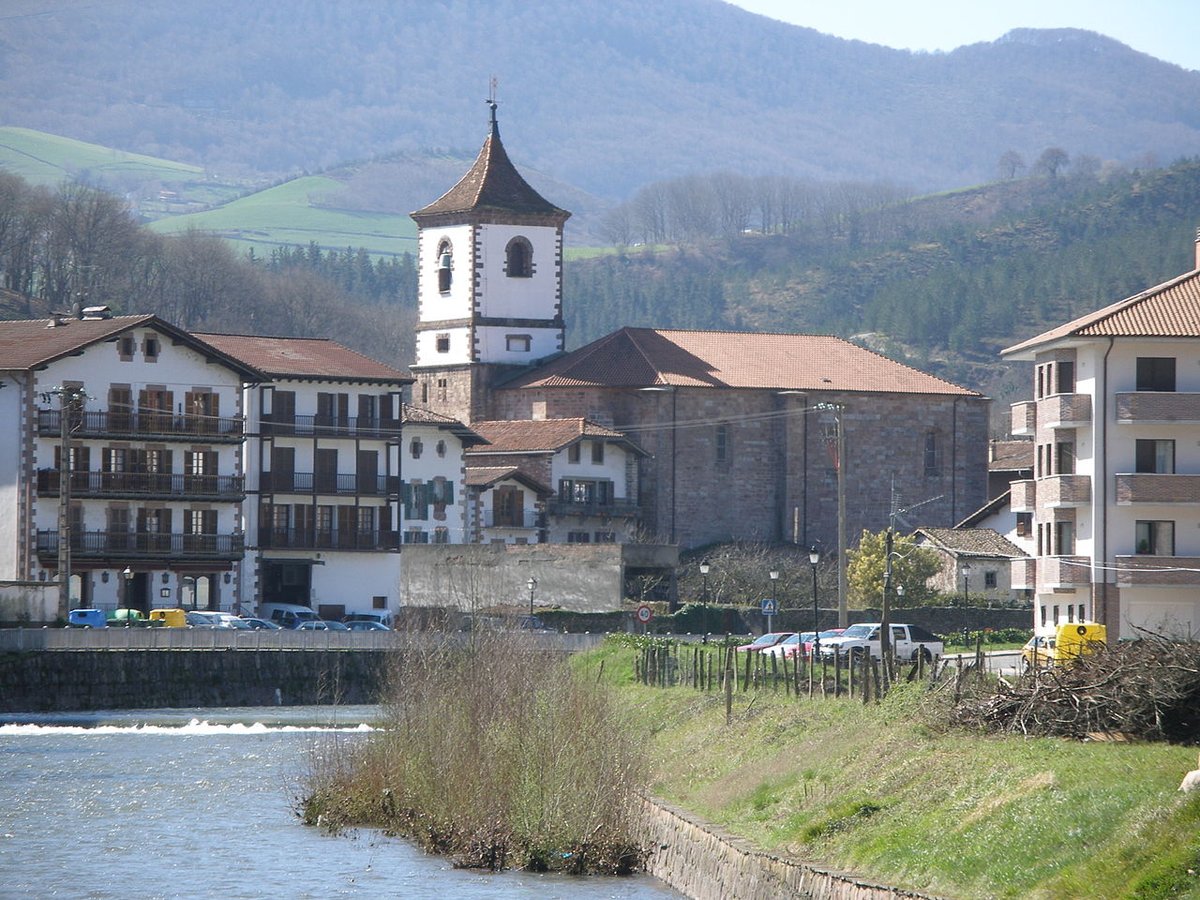
Walk five minutes from the church of San Miguel Arcángel and you're in proper woodland. Not managed parkland with signposts every fifty metres, but beech and oak forest where wild boar root around at dawn. The transition from village to wilderness happens that quickly. One moment you're admiring red-tiled roofs and family crests carved into stone doorways, the next you're crunching through leaf litter wondering if that rustling sound was actually a deer.
The altitude makes a difference. Even in July, when Pamplona swelters 45 kilometres south, Ezkurra stays several degrees cooler. The narrow valley funnels wind down from the Pyrenean foothills, creating its own microclimate. Pack layers, even in summer. British visitors regularly mention feeling foolish for bringing jumpers in August, then grateful for them by evening.
Winter changes everything. The final stretch of road from the N-121-A becomes properly treacherous with ice. Snow arrives earlier here than coastal Basque Country, sometimes cutting the village off for days. Locals stock up accordingly. If you're visiting between November and March, check weather reports obsessively and carry chains. The Spanish habit of closing mountain roads without much warning catches plenty of people out.
Walking without the waffle
Forget organised hiking tours. The best walks start from the edge of the village, following traditional paths that link meadows with old stone huts called bordas. These were once summer shelters for shepherds, now perfect lunch spots. You don't need ordnance survey skills—just follow the tracks upwards for twenty minutes and you'll have valley views stretching towards France on clear days.
Early risers spot wildlife. Dawn brings roe deer to the lower meadows, while griffon vultures circle overhead by mid-morning. The paths aren't marked with coloured arrows like Camino routes, but they're obvious enough if you possess basic navigation sense. One hour of gentle walking gives you the measure of the place. Two hours and you're into proper mountain territory where phone signals fade and the only sounds are cowbells and your own breathing.
The mushroom thing needs addressing. Yes, the forests produce excellent boletus and níscalos. No, you can't just wander in with a plastic bag hoping for free dinner. The region operates under strict foraging regulations, with daily limits and permit requirements that change annually. Local knowledge matters—some areas are off-limits due to private ownership or conservation orders. If mushroom hunting appeals, hire a local guide. They know which slopes produce what, and more importantly, which fungi won't kill you.
Food that doesn't need translation
The village's single hostal serves dinner to non-residents if you book ahead. The vegetable broth mentioned by British visitors isn't some watery starter but a proper meal—root vegetables simmered for hours with jamón bones, finished with tiny pasta shells. It tastes like something your grandmother might make, assuming your grandmother was Basque and understood the restorative properties of properly made stock.
Local trout appears on menus when the river levels allow. Simply grilled with lemon, no fancy sauces masking the flavour. The txuleta—a sharing rib-eye cooked over charcoal—arrives rare unless you specify otherwise. Brits wanting medium should say so clearly; Basque preference runs closer to blue. The Idiazabal cheese plate makes a safe vegetarian option, smoked sheep's cheese that's robust without being challenging.
Breakfast at Hostal Ezkurra deserves mention. Simple but plentiful, as one reviewer noted. Strong coffee, fresh orange juice, crusty bread with tomato rubbed into it, and chistorra sausage if you fancy something local. Don't expect baked beans or hash browns. This is Navarra, not Norfolk.
When the village doubles in size
Late September transforms Ezkurra. The fiesta patronal around San Miguel's feast day brings back families who've moved to Bilbao or Pamplona. Suddenly those quiet streets echo with children's voices. The fronton court hosts pelota matches while the plaza fills with folding tables and the smell of chuleta grilling. Accommodation books up months ahead—plan accordingly or stay elsewhere and visit for the day.
Spring brings different traditions. May sees blessings of fields and livestock, farmers leading animals through the streets while priests sprinkle holy water. It's agricultural rather than touristic—no gift shops selling fridge magnets, just people maintaining customs that predate package holidays. Christmas maintains similar authenticity. Villancicos in Basque echo through stone streets, sung by neighbours rather than professional choirs.
The practical bits nobody mentions
Getting here requires commitment. From Pamplona's ring road, it's 45 kilometres of increasingly winding roads. The final section snakes through forest so dense that sat-nav signals occasionally drop out. Allow an hour from Pamplona, longer if you're behind a tractor or livestock truck. These aren't delaying tactics—they're daily reality when your village sits at the end of a mountain road.
Parking requires thought. Those stone houses have equally stone-age access arrangements. What looks like an empty space might be someone's only route for getting cattle to upper pastures. The small car park near the church fills quickly on weekends. If it's full, don't block gateways assuming they're unused. Farmers here start work early and won't appreciate hauling feed sacks around your hatchback.
Mobile reception remains patchy. Vodafone works better than O2 in the valley, but neither copes well inside stone buildings with metre-thick walls. The hostal has WiFi, though speeds remind you why Spain invented the siesta—some things can't be rushed. Treat it as digital detox rather than inconvenience.
The honest truth
Ezkurra won't change your life. It's a mountain village where people live, work, and maintain traditions that tourism hasn't sanitised. The village itself takes forty minutes to explore thoroughly. The surrounding valleys and forests could occupy weeks if you enjoy proper walking without crowds or way-marked trails every ten metres.
Come here for quiet, for walking, for eating simply but well. Don't expect gift shops or evening entertainment beyond whatever's happening in the local bar. The measure of success isn't ticking off sights but realising you've spent three hours watching light change across the valley while drinking coffee that actually tastes of coffee.
Book accommodation early if you want to stay—options are limited and fill fast during mushroom season and fiestas. Otherwise, base yourself in Alsasua or Echarri-Aranaz and visit for the day. Either way, bring proper walking boots. The mountain doesn't care about your fashion preferences when the fog rolls in and paths turn to mud.