Full Article
about Goizueta
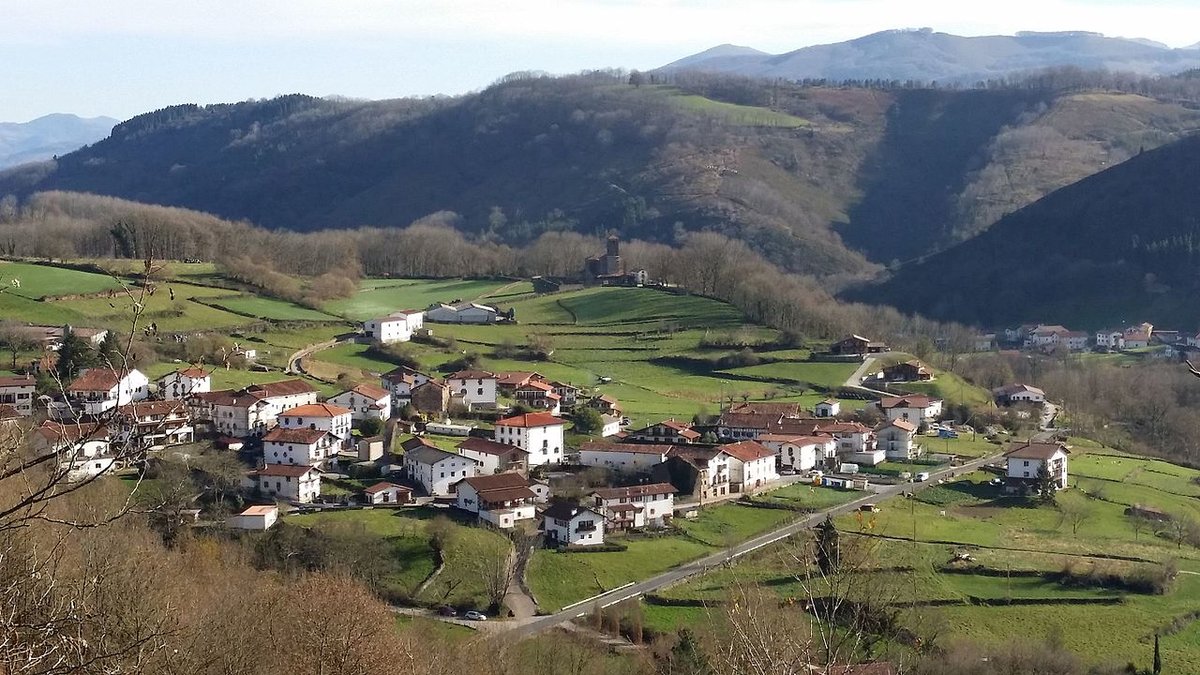
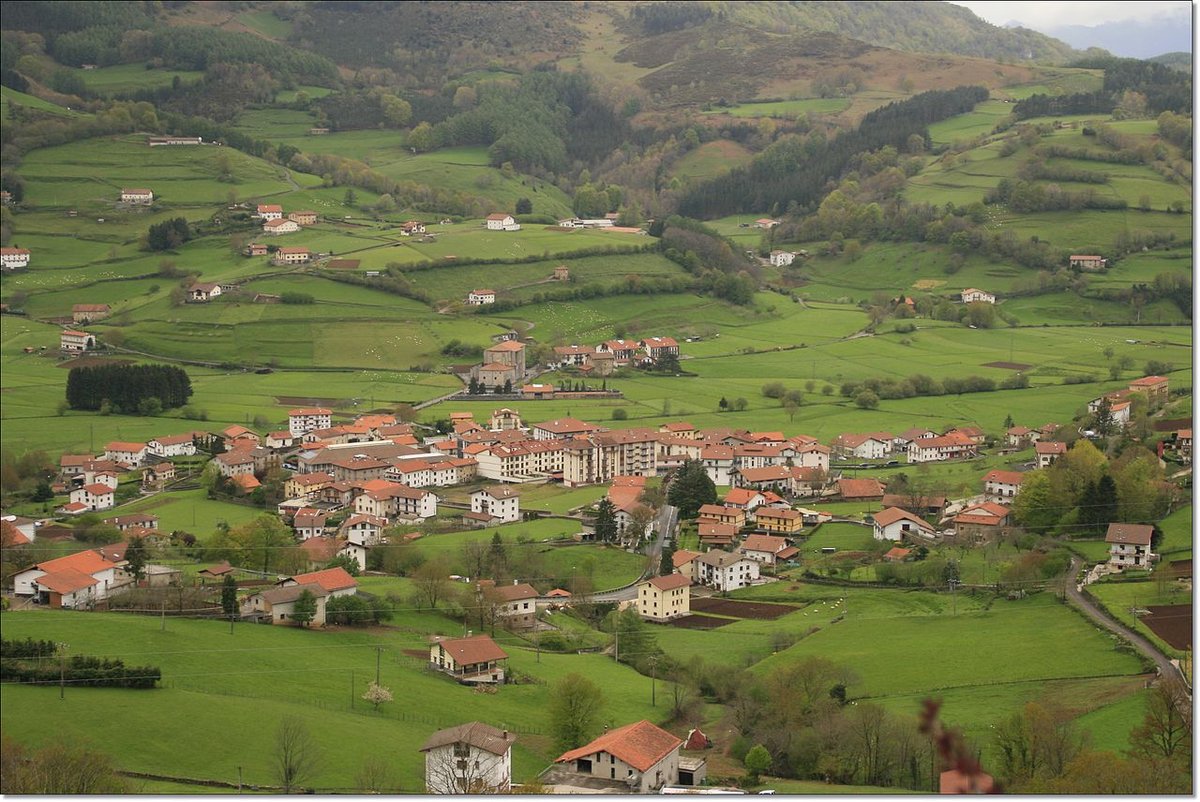
Isolated village in the Urumea valley; known for its carnivals and scattered farmhouses in a lush green setting.
Ocultar artículo Leer artículo completo
The road bends sharply at Burgi bridge, and suddenly you're driving through a tunnel of oak branches. Forty-five minutes earlier you were eating seafood by San Sebastián's harbour; now the air smells of wet leaves and sheep manure. This is Goizueta's first lesson: proximity doesn't equal convenience. The village sits only 35 kilometres from the coast, but the NA-2600 wrings every metre from those kilometres, corkscrewing up the Oria valley until the Basque countryside reveals itself proper.
Stone, Timber and the Smell of Rain
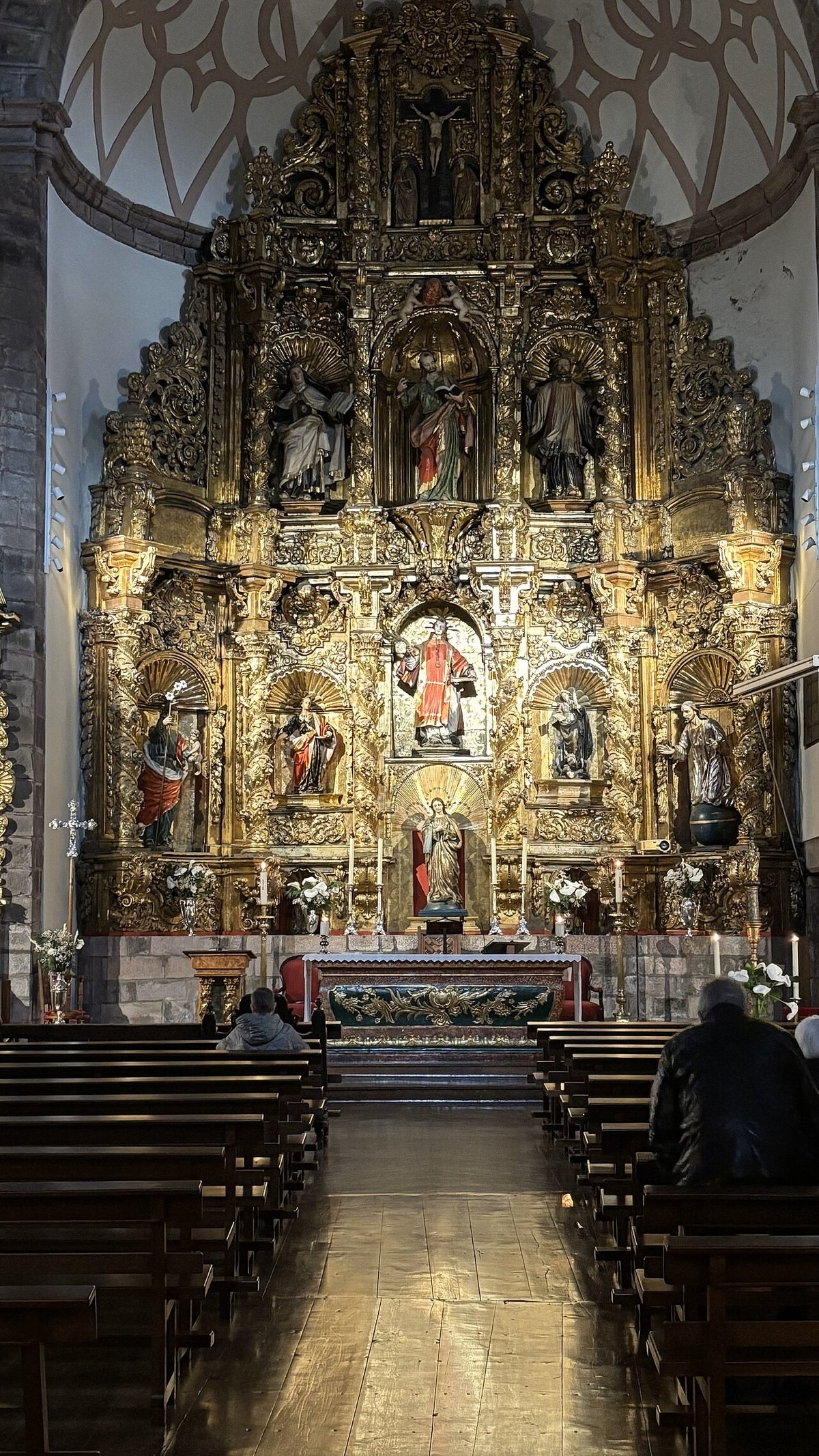
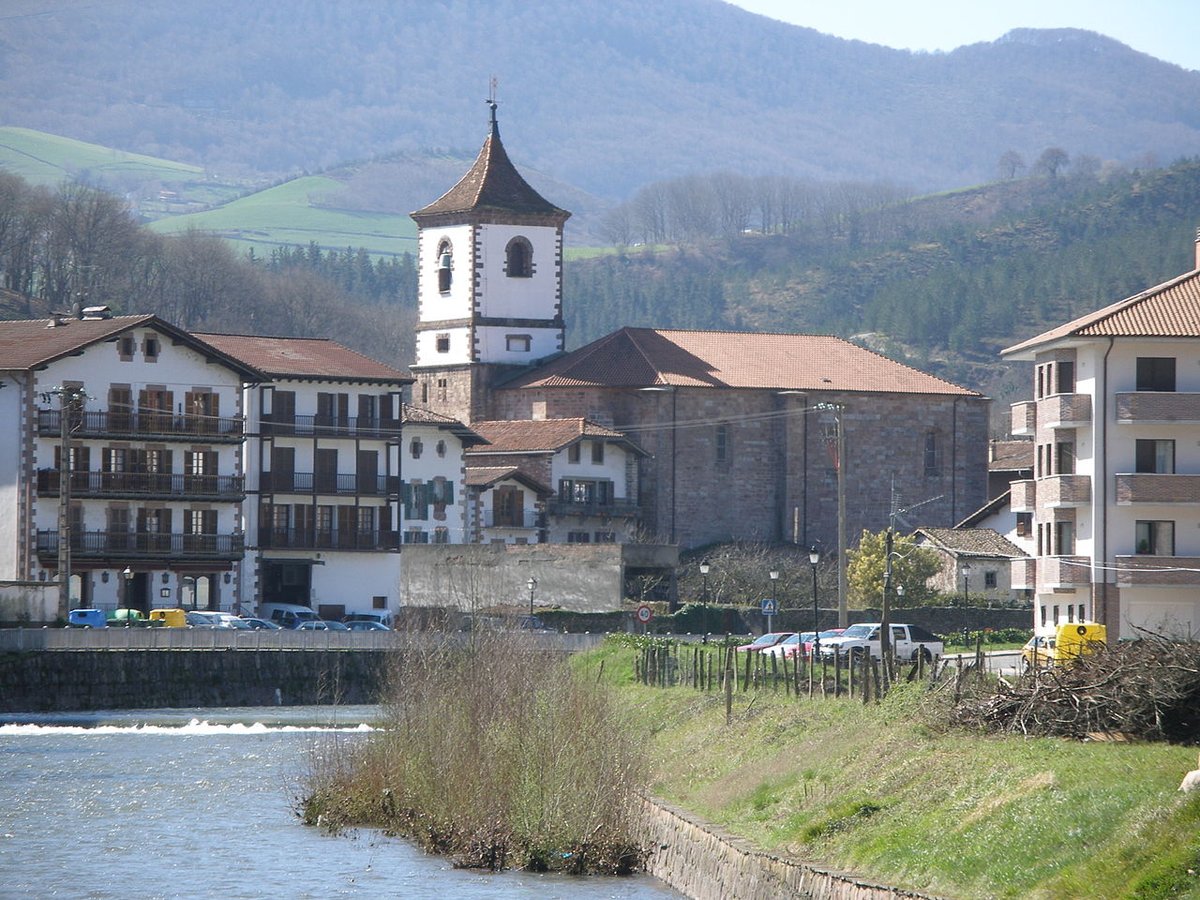
Houses here aren't pretty in the chocolate-box sense. They're functional: thick stone walls to blunt the north wind, heavy timber beams that have carried four centuries of agricultural weight, red-tiled roofs angled to shrug off the Atlantic weather systems that dump Spain's highest rainfall on nearby Artikutza. Walk the single main street at 7am and you'll hear more Basque than Spanish, more tractors than cars. The parish church of San Martín looks ordinary outside, but push through its heavy door to find a Gothic-Renaissance hybrid interior where medieval stonemasons carved oak leaves into capitals next to 18th-century baroque altarpieces. No admission fee, no audio guide—just a notice asking visitors not to light candles because the roof timbers are genuinely irreplaceable.
The village centre takes twenty minutes to traverse slowly. That's not a criticism. Goizueta works because it refuses to inflate itself into something it's not. The Basotxo supermarket stocks local Idiazabal cheese alongside tinned tomatoes and tractor oil. The fronton court hosts pelota games every Saturday evening; fold-down wooden seats creak under the weight of grandfathers who've watched the same families play for three generations. When the afternoon cloud base drops below 400 metres—which happens roughly every other day in winter—the church bell tower disappears first, then the upper hay barns, until only the ground floors remain visible like a half-built film set.
Walking Through Europe's Wettest Forest
The real village extends far beyond its stone core. Ancient rights-of-way fan out along the Oria's tributaries, following routes that transhumant shepherds established before England had a parliament. The Artikutza forest, technically within San Sebastián's municipal boundaries but accessed exclusively through Goizueta, receives so much precipitation that Spanish meteorologists use it as their Atlantic benchmark. Paths here aren't manicured. Expect ankle-deep mud in November, horseflies in July, and the constant sound of water—dripping from leaves, gurgling in streams, hissing against waterproof jackets.
Download the AllTrails app before arrival because mobile signal dies two kilometres outside the village. The classic circuit follows the Araxes river to the abandoned borda (mountain dairy) of Urbihau, then climbs through beech woods to the Azkarate pass. Total distance: 12 kilometres. Total ascent: 600 metres. Time required: five hours if you're fit, six if you stop to photograph the waymarker stones carved with medieval crosses. The descent brings you past Caserío Maingenea where Lourdes and José Mari maintain a small dairy operation. Knock politely and they'll sell you 250g wedges of their raw-milk cheese for €8, wrapped in waxed paper that immediately turns translucent from the butterfat.
What to Eat When There's One Restaurant
Food here isn't theatre; it's Tuesday lunch. Asador Aratz, opposite the petrol station, serves txuleta—enormous Basque rib-eye steaks cooked over oak embers—for €28 per person including wine. The meat arrives still sizzling, seasoned only with coarse salt because anything more would mask the flavour of grass-fed cattle that grazed these same hillsides you're walking. Vegetarians aren't forgotten: wild mushroom pintxos at Bar Maite cost €2.50 each, featuring ceps gathered that morning from slopes the barman can point to through the window.
Cider houses operate seasonally from January to April. Petritegi Sagardotegia, twenty minutes drive towards Astigarraga, offers the traditional menu: cod omelette, grilled steak, Idiazabal cheese and walnuts, plus unlimited cider poured from chest-high barrels. The set menu costs €35 including tips; they accept cards but prefer cash because rural internet remains stubbornly 20th-century. Outside these months, stock up in Beasain's Eroski hypermarket before arriving. Goizueta's single ATM runs out of cash at weekends when farmers draw money for livestock feed.
When the Weather Wins
This place demands respect for meteorology. Spring brings primroses along the Araxes banks but also sudden hailstorms that turn paths into streams within minutes. Summer humidity reaches 85% even when temperatures peak at 26°C—perfect for walking but hopeless for drying laundry. Autumn delivers the year's best light: low sun filtering through copper beech leaves while mushroom hunters disappear into the undergrowth with their wicker baskets. Winter months see only six hours of usable daylight and frequent hill fog that reduces visibility to twenty metres. The village doesn't close, but accommodation options shrink to Hotel Goizueta's twelve rooms and two rural casas rurales whose owners live in San Sebastián and need 24 hours' notice to prepare.
Driving requires recalibration too. The NA-2600's final six kilometres feature three hairpins signed at 25kph maximum, gradients reaching 12%, and cattle grids that stay slippery for days after rain. UK SatNav systems consistently underestimate journey times by 30%. In February 2023, Storm Juliette deposited 200mm of rain in 48 hours, washing away the road to Artikutza and stranding walkers who'd ignored the amber weather alerts posted at the visitor centre.
The Honest Truth
Goizueta offers nothing that can't be found elsewhere in northern Spain. What it delivers is authenticity without performance. There's no craft market selling overpriced leather goods, no interpretation centre explaining the obvious, no Instagram frame positioned for sunset selfies. Instead, you get a working agricultural community where the bar conversation at 9am concerns yesterday's milk yields, not TripAdvisor ratings. The forest trails demand self-reliance: carry water, waterproofs, and enough battery power for GPS because granite hills block phone signals precisely when you're lost at a junction of four identical tracks.
Come here for three nights maximum. Walk the Urbihau circuit, eat steak at Aratz, buy cheese from Lourdes, then drive west through the Lizarrusti pass towards Tolosa's Saturday market. Goizueta works best as punctuation between San Sebastián's sophistication and the Rioja's vineyards, not as a destination attempting to compete with either. Pack decent boots and realistic expectations; leave the phrasebook open at the page for "eskerrik asko"—thank you in Basque—because you'll use it frequently, usually when someone has just pulled your hire car from a drainage ditch with their tractor.