Full Article
about Ituren
World-famous for its Joaldunak (zanpantzar) carnivals; a rural-charm village in the Malerreka valley.
Ocultar artículo Leer artículo completo
A Village That Rings at Dawn
The first noise isn't a scooter or a delivery van. At 6:30 a.m. it's a cowbell outside the bedroom window, followed by the soft shuffle of hooves on tarmac. In Ituren the herd still walks through the streets each morning, shepherded by a man in a beret and a fleece that has seen every winter since 1998. The animals know the route; visitors in hire cars don't, which is why the Pyrenean Experience farmhouse emails GPS co-ordinates that warn: Do not follow Google up the old mule track.
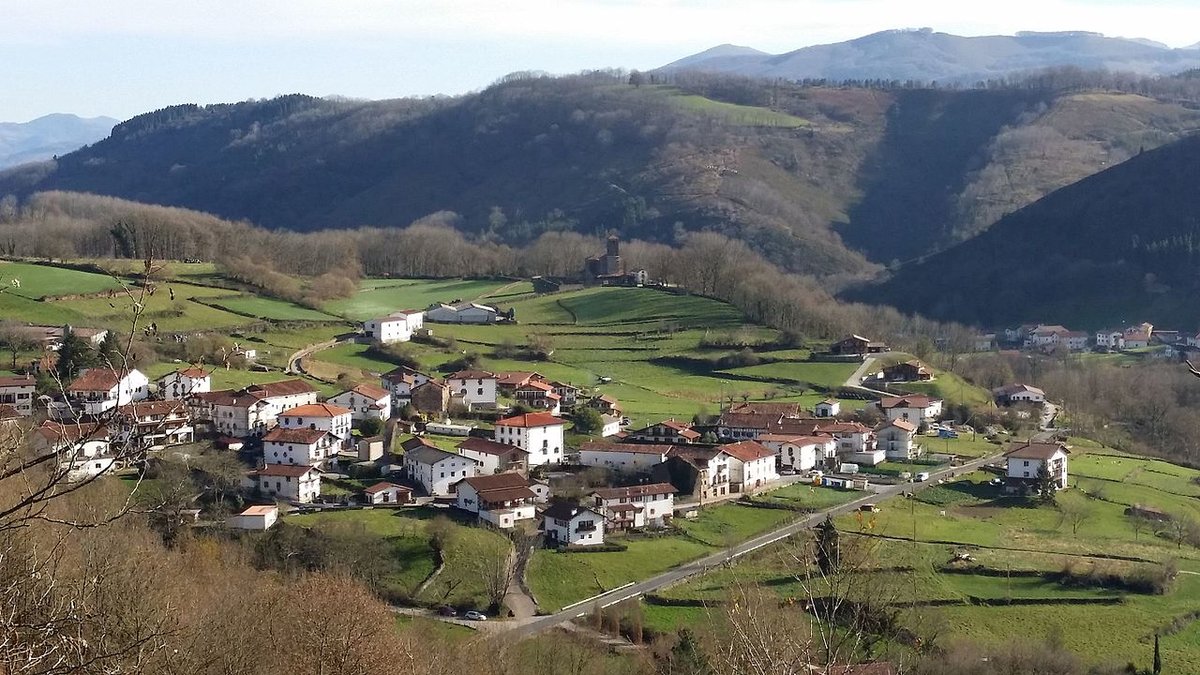
Altitude changes everything here. Perched at 375 metres in the Basque-flavoured corner of Navarra, the village traps Atlantic weather that the rest of Spain assumes stops at the coast. One August afternoon a walking group from Leeds watched hail bounce off rucksacks while sunbathers baked on San Sebastián's beach half an hour away. The guide simply shrugged: Welcome to the Bidasoa valley. Bring waterproofs.
Stone, Wood and the Smell of Cut Grass
Ituren's houses are built for damp winters. Walls are thick granite, roofs steep enough to shrug off snow, balconies deep enough to store firewood for the entire season. Walk the lanes between the main square and the hamlet of Aurtiz and you'll pass vegetable plots the size of a Bristol allotment, each fenced with chestnut stakes that still smell of sap. Nobody plants flowers for tourists; the colour comes from scarlet runner beans and the occasional hydrangea that has colonised a wall.
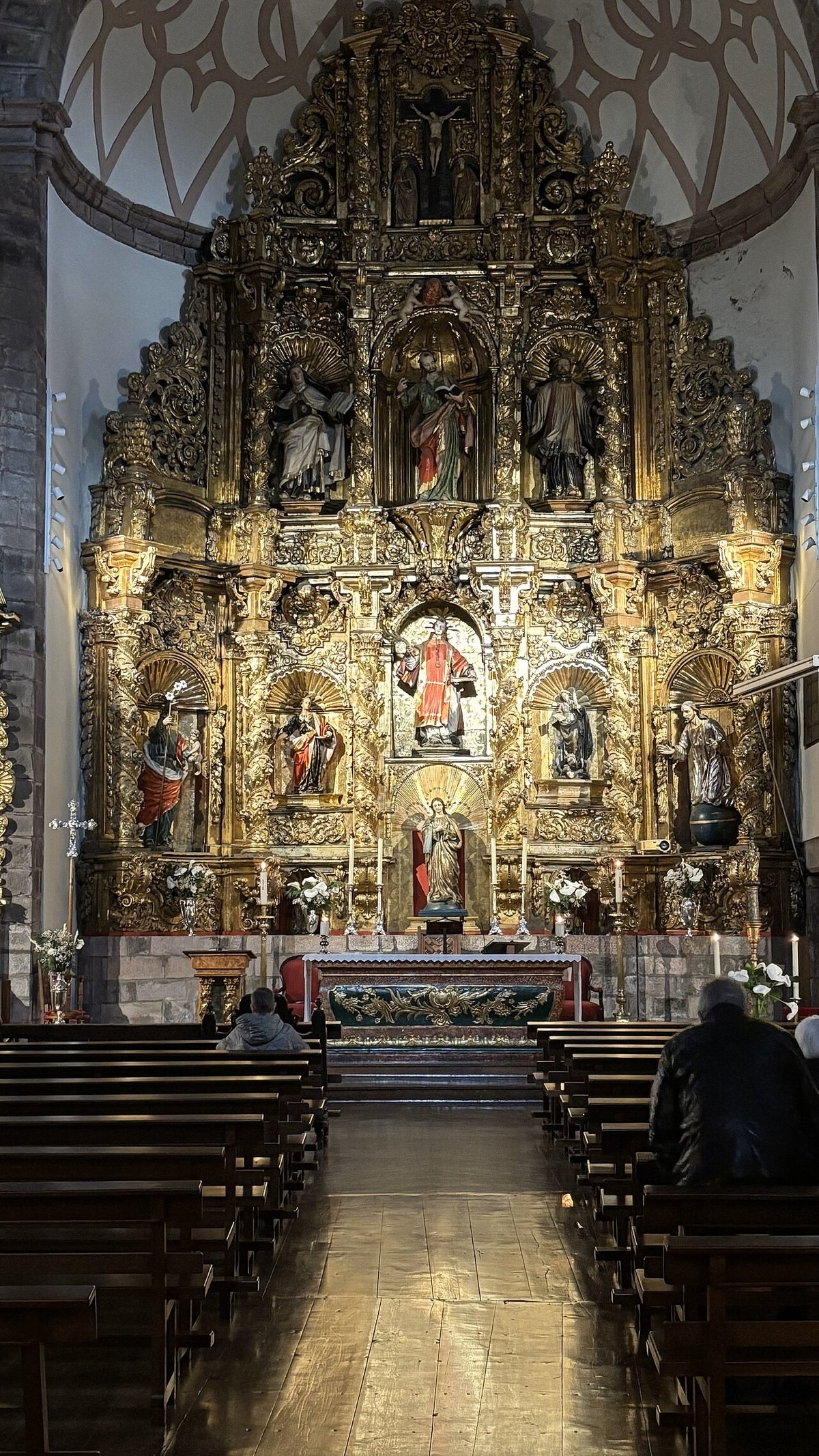
The 16th-century church of San Martín de Tours takes ten minutes to see: baroque altar, wooden pews polished by five centuries of Sunday best, a side chapel dedicated to the Joaldunak. Photographs show the winter carnival figures in sheepskin tunics, cowbells strapped to their lower backs, ribbons fluttering like bunting. On the last weekend of January the village population quadruples. Rooms are booked a year ahead, parking backs up to the main road, and the only cash machine in Arizkun 5 km away runs dry by Saturday noon. Arrive any other time and you'll share the streets with four retirees and a dog called Txiki.
Trails That Start at the Front Door
British walking companies love Ituren because they can ditch the coach. From the Pyrenean Experience gate a ribbon of 200 km of way-marked paths fans out through hay meadows and beech forest. Routes are graded like ski runs: green pootles to the next village, red climbs the 800-metre ridge that separates Spain from France, black continues to the Pic d'Orhy at 2,017 metres where the view takes in both the Atlantic and the Pyrenees. Maps are laminated, written in English and list the nearest café for tortilla. Mobile signal vanishes after the first kilometre; ibex appear instead.
Summer starts early on the south-facing slopes—wild strawberries ripen in June—but the valley floor stays cool until noon. Local wisdom says set off by eight, siesta between two and four, finish with a cider at Bar Iker while the sun finally pops over the western crest. In October the beech wood turns copper overnight and the trail smells of mushrooms. A basket in the porch of Casa Rural Arotz-Enea hints at what's on the evening menu: Setas a la plancha, served with a fried egg and bread that could soak up an Atlantic storm.
What to Eat When Nothing Is Open
Spanish time still rules, but with Basque quirks. Lunch finishes at 15:00 sharp; dinner doesn't start until 20:30, by which point hungry Brits have eaten all the crisps in their rucksack. Sunday is lock-down day—everything except Bar Iker closes, and the kitchen shuts at 14:00 unless you have pre-booked. The menu is short and stubborn: chuletón for two (rare unless you beg), pimientos rellenos mild enough for a toddler, chips ordered separately. Vegetarians get cheese: Idiazabal smoked over beech, sharp like a mature cheddar without the bite.
Breakfast poses another challenge. The village shop opens at 09:00, sells one brand of teabag, and considers toast a foreign fad. Self-caterers should stock up in Pamplona on the drive north; the supermarket opposite the bullring does proper bacon and even Marmite if you hunt. Alternatively, ask the Pyrenean Experience hosts for a "full Basque": chorizo, morcilla, egg and the local talo corn pancake. Black pudding never tasted so continental.
The Anti-Benidorm Effect
TripAdvisor lists 413 reviews for Ituren. Benidorm has 223,000. British repeat visitors relish the maths: more cows than cafés, more trails than tourists, zero souvenir shops flamenco dolls. The downside is solitude. When the cloud drops and the cowbells fall silent the village can feel like the set of a cancelled western. teenagers leave for Pamplona university and don't rush back; the average age in the bar is 63. If you crave nightlife, bring a pack of cards.
Rain is the other honesty factor. The valley acts like a funnel for Bay of Biscay storms—July can deliver three days of steady drizzle that turns forest paths into streams. Accommodation websites show terraces bathed in golden light; they omit the alternate shots of guests in full waterproofs clutching mugs of Rioja. Pack fleece even in August and you'll never complain.
Getting Here Without the Drama
Biarritz airport is nearer than Barcelona—70 minutes on the French autoroute, then 20 minutes up a gorge where eagles circle overhead. Car hire desks sit opposite baggage reclaim; if the queue is long, share a cab to the station and pick up a vehicle in Hendaye half an hour later, avoiding French airport surcharges. From Santander ferry it's two and a half hours via the A67 toll road—fill the tank in Pamplona because garages in the valley shut on Sunday and Monday.
Trains reach Zumárraga in 45 minutes from San Sebastián, but the onward bus to Ituren runs twice daily and refuses to carry bicycles. Cycling Brits sometimes ride the last 19 km; the gradient tops 9% and the tunnel at Urdax has no lights, so pack a front beam and nerves of steel. Winter drivers should carry snow chains—last March a sudden dump stranded three families who thought they were heading to sunny Spain.
Worth It?
That depends on the holiday currency you value. If tick-box sightseeing matters, you'll be finished by lunchtime and restless by teatime. If the ledger lists silence, space and the smell of newly cut hay, Ituren delivers in surplus. The village won't entertain you; it expects you to entertain yourself—walk, read, sit on a bench while the sun slips behind slate roofs and the temperature drops ten degrees in ten minutes. Bring a decent jacket, a paperback and a tolerance for early nights. The cowbells will wake you when the day is ready.