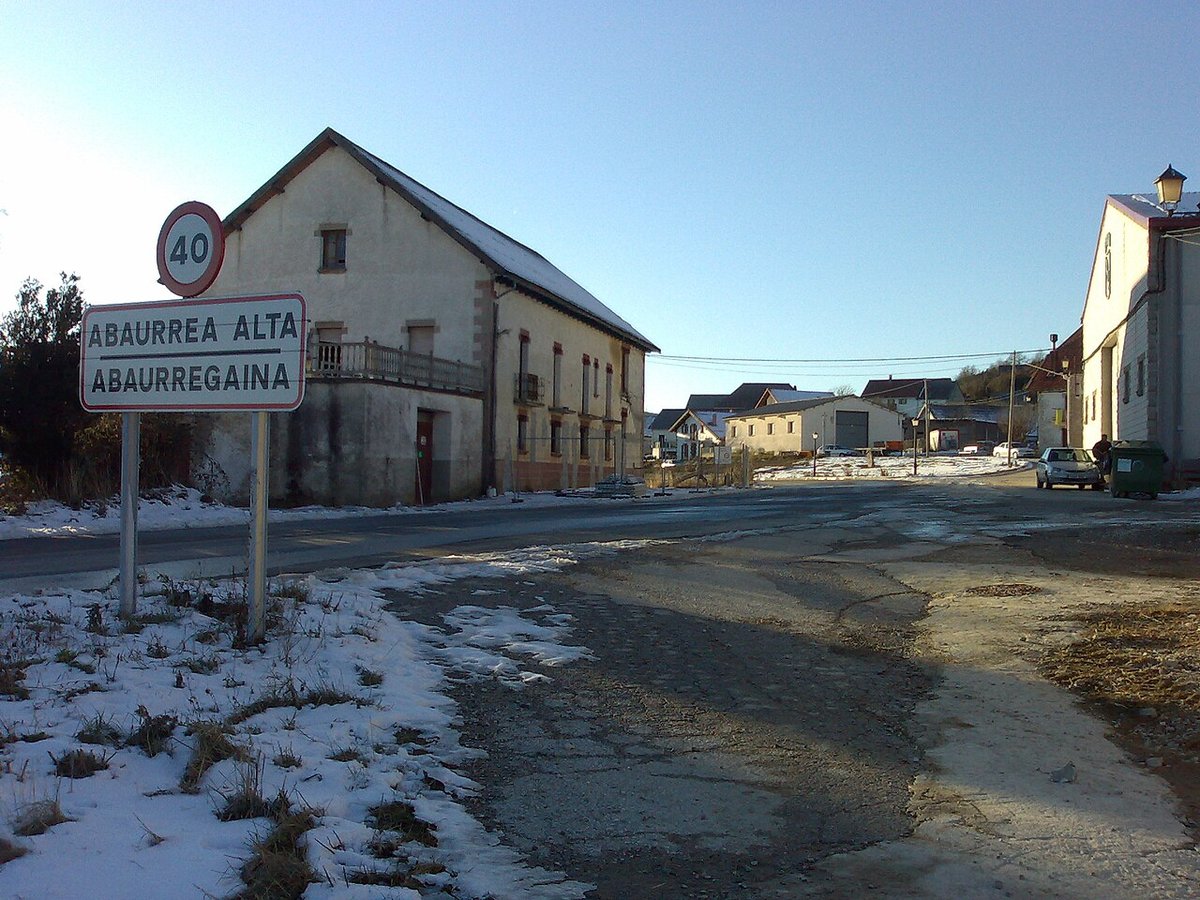
Full Article
about Abaurrea Alta
The highest municipality in Navarre; it offers spectacular panoramic views of the Pyrenees and a privileged mountain setting.
Hide article Read full article
A village that sits above everything
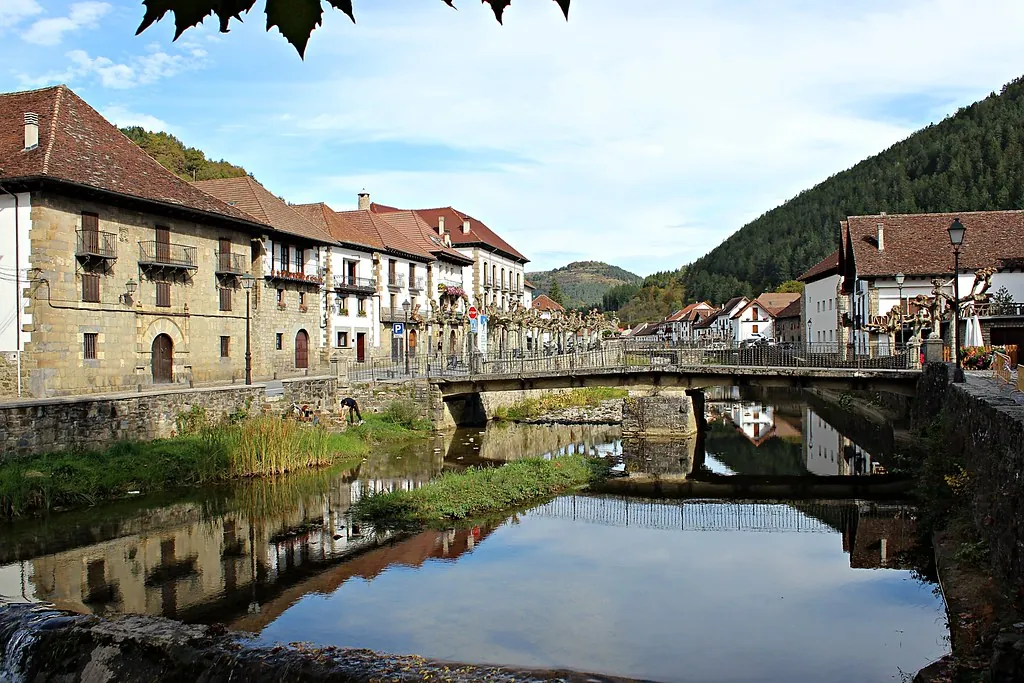
Some places look as if they were placed on the map almost as an afterthought. Abaurrea Alta feels like that. The road climbs steadily, the valley drops away behind you, and then the houses appear, clinging to the hillside as though there was simply no point going any higher.
It’s that kind of place. You don’t come for a packed itinerary or a buzzing plaza mayor. You come because it’s quiet, and because it feels like you’ve left everything else down there.
San Pedro and the logic of stone
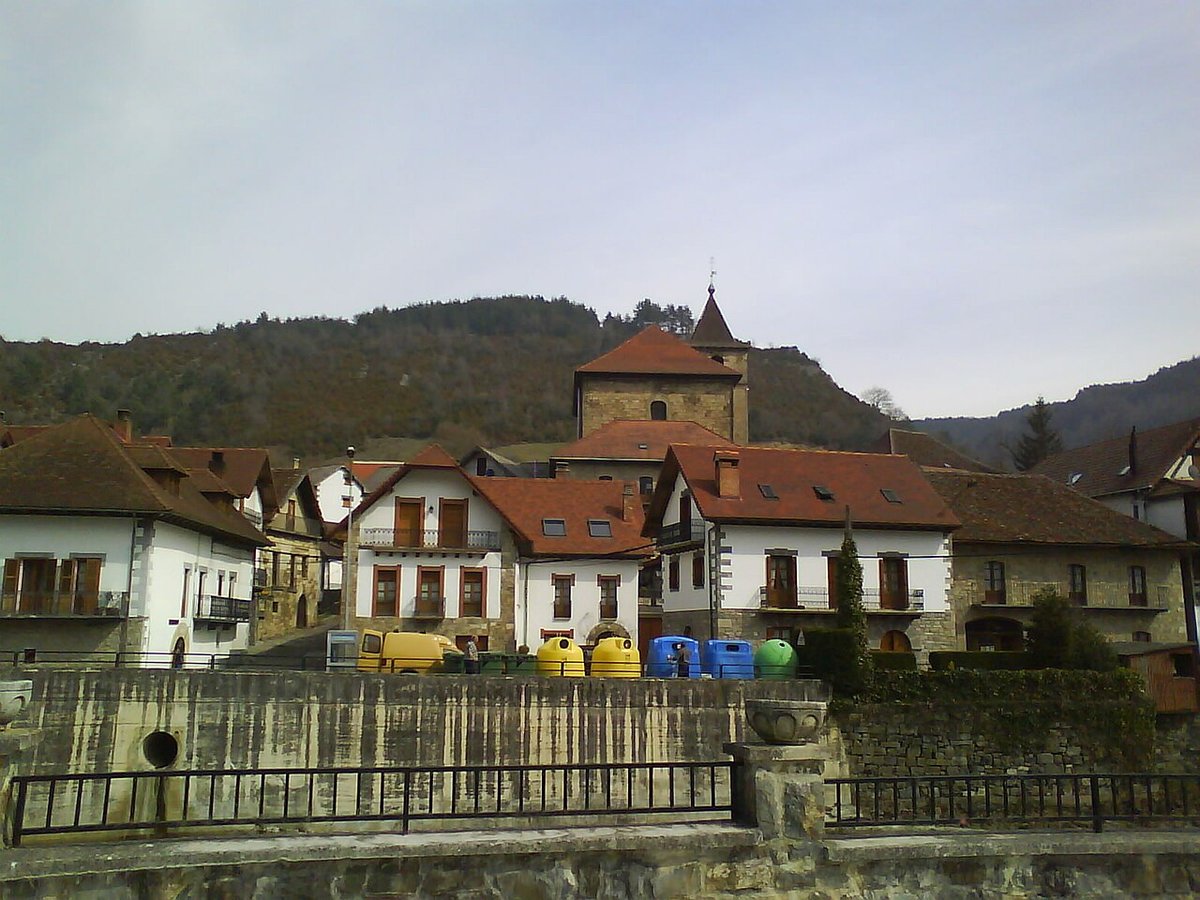
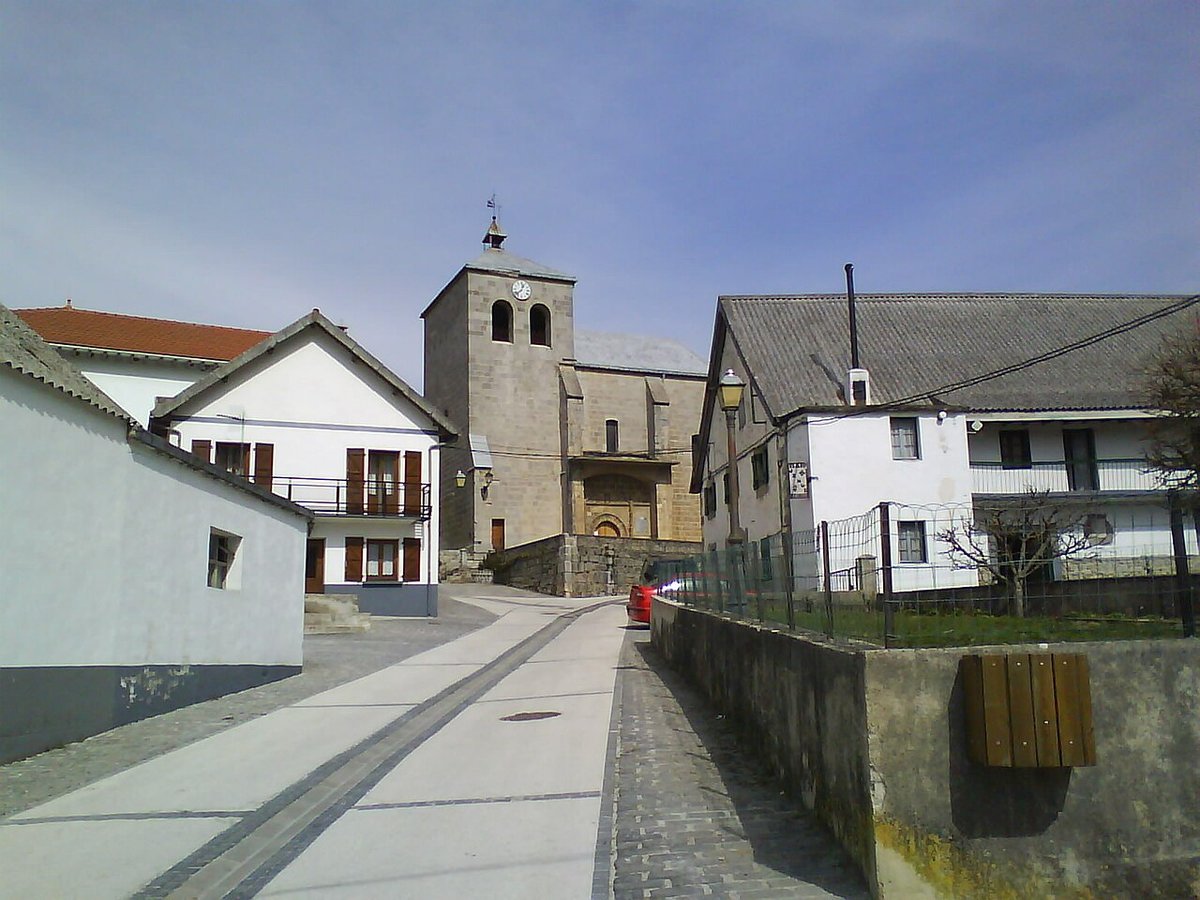
In villages this small, one building usually defines the layout. Here, that’s the church of San Pedro. It sits in the middle of everything, and honestly, you can’t miss it.
It’s not a cathedral. It’s a solid, no-nonsense building that looks like it grew out of the hill. The thick walls and the way the roof eaves stick out aren’t just style choices—they’re the local architecture shrugging its shoulders at winter. Snowfall here makes you understand it in about five minutes.
The best views aren't signed. They're just gaps between two stone houses where suddenly, bam, you're looking straight down the valley. No railings, no panel explaining what you see. It feels earned.
Where the pavement ends
Abaurrea Alta itself is a ten-minute walk. The point is what happens after.
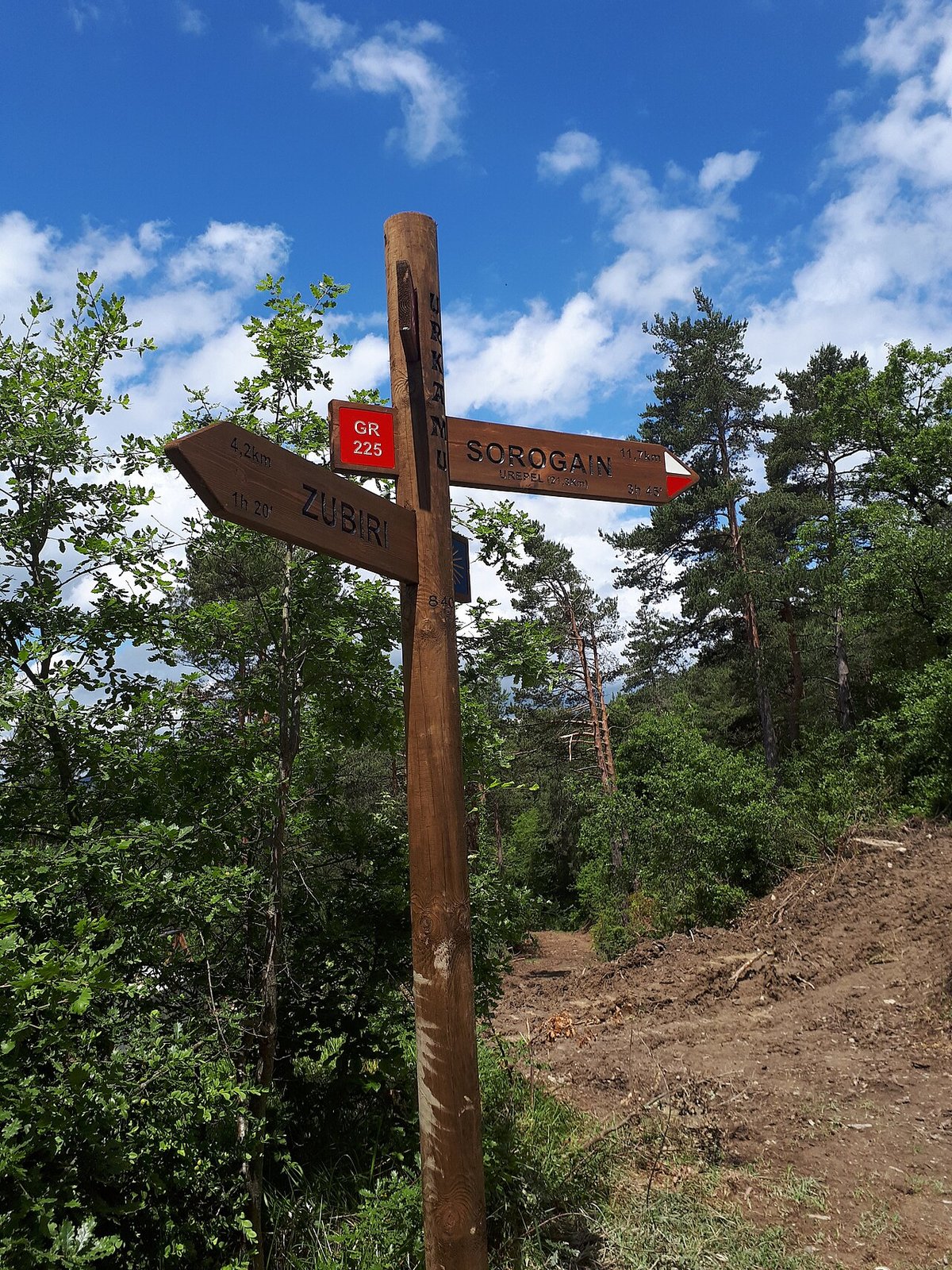
Step past the last house and you're in it: pine woods so dense they eat sound, and beech forests that turn the whole slope orange in autumn. Paths head off from behind barns—some are marked with paint on a rock, others are just tracks made by sheep or someone on a quad bike.
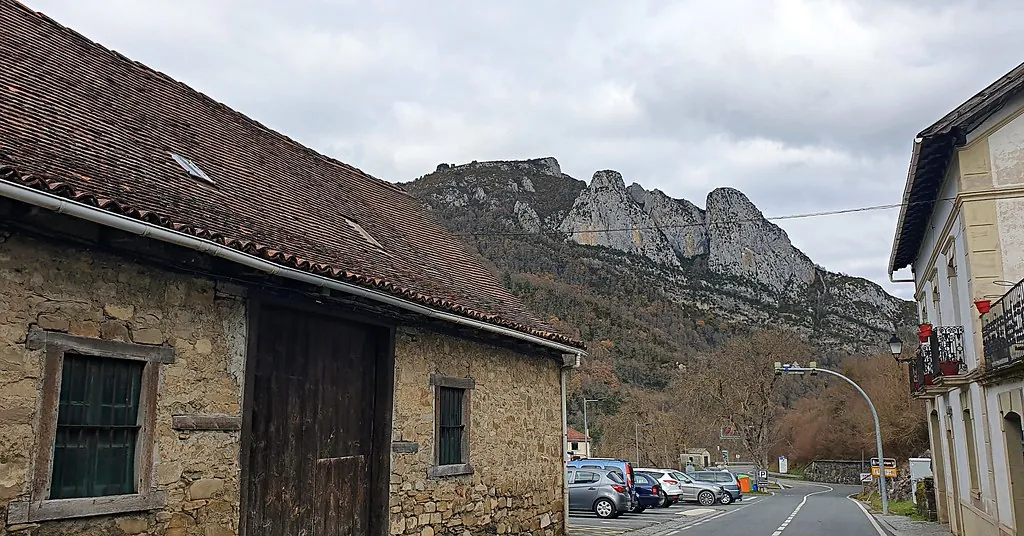
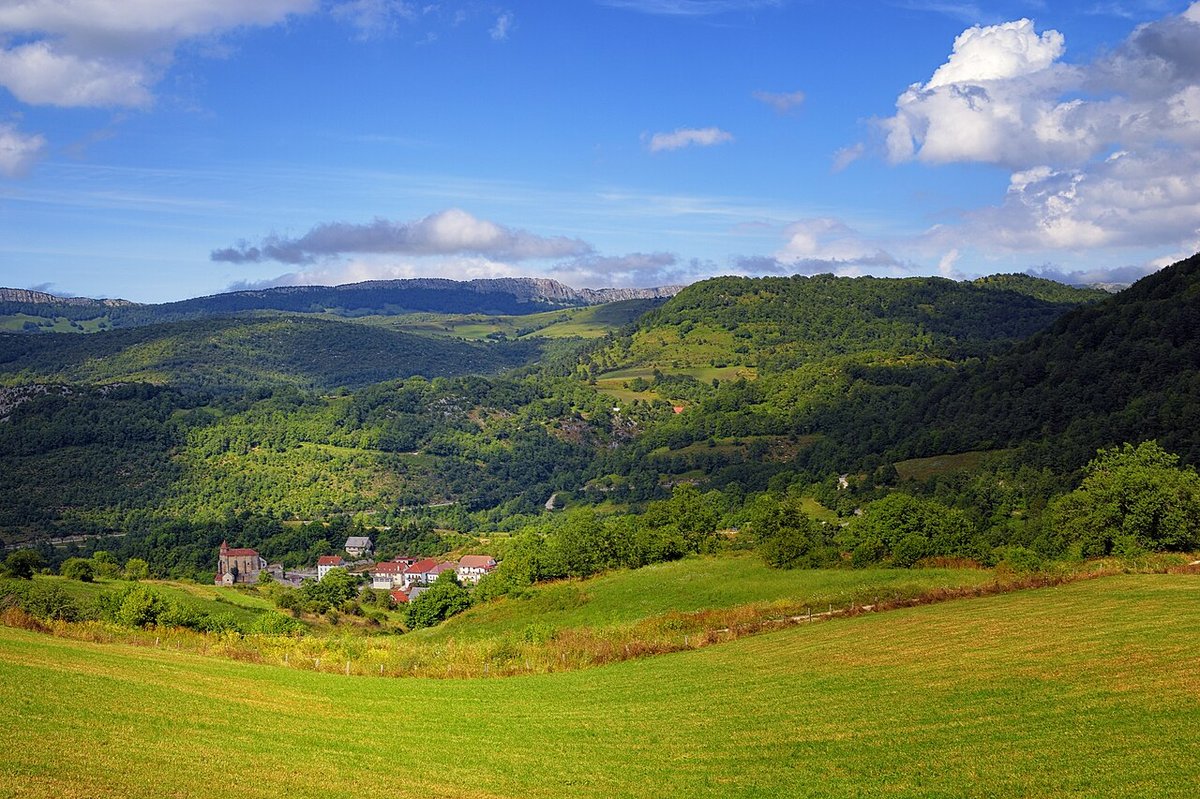
Pick one and go up for twenty minutes. On a clear day, the trees thin out and you get a proper look at the Navarrese Pyrenees peaks across the way. The scale shifts instantly. One minute you're looking at lichen on a log, the next you're facing a mountain.
The local rhythm (or lack thereof)
This isn't a show village. Tractors park next to cars. Small huertos with lettuce and onions sit beside stone sheds. People come here to walk their dogs or forage for mushrooms when it's been damp enough—you know, normal stuff.
The rhythm is slow because there's no reason for it to be fast. You stop for a bit, watch clouds move over Irati forest way down below, maybe nod to someone pruning their apple tree. That's pretty much it.
Cheese from Roncal isn't a gourmet product here; it's just what's for lunch.
So how long do you need?
You can "do" Abaurrea Alta's streets in about half an hour if you're ticking boxes.
But that misses it completely.
Give yourself two hours minimum: one to poke around the village itself, and another to walk up any of those paths behind it until you turn around and see it all laid out below—a tiny clutch of stone roofs backed by endless green and grey slopes. That's the photo everyone takes home in their head.
A few things they don't tell you
First: bring a jumper even in August. When that sun dips behind Sierra de Abodi, you'll feel it. Second: winter is serious here. Snow closes roads regularly. Third: park thoughtfully. The main street is also someone's driveway and probably part of a cattle route. Fourth: drive up from Pamplona takes over an hour on winding roads with more curves than sense. Fifth: there's no shop here anymore. Sixth: mobile signal comes and goes like an indecisive guest.
That sums up Abaurrea Alta quite well for me—a small place set high up where nothing happens loudly or quickly. Come with time to spare. Walk past where most people stop turning around. That’s when this place starts making sense