Full Article
about Abaurrea Baja
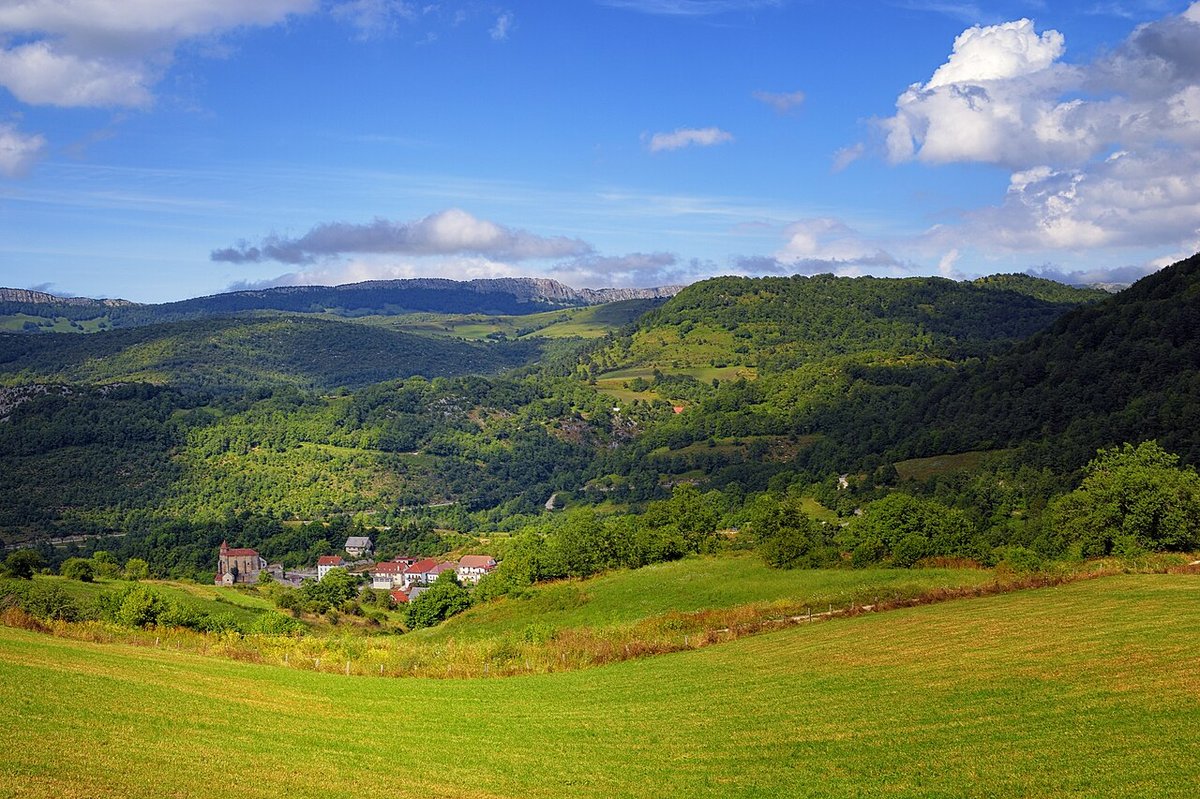
Small Pyrenean village ringed by woods and meadows; it keeps the traditional architecture of the Navarrese mountains in a quiet setting.
Hide article Read full article
A village shaped by the valley
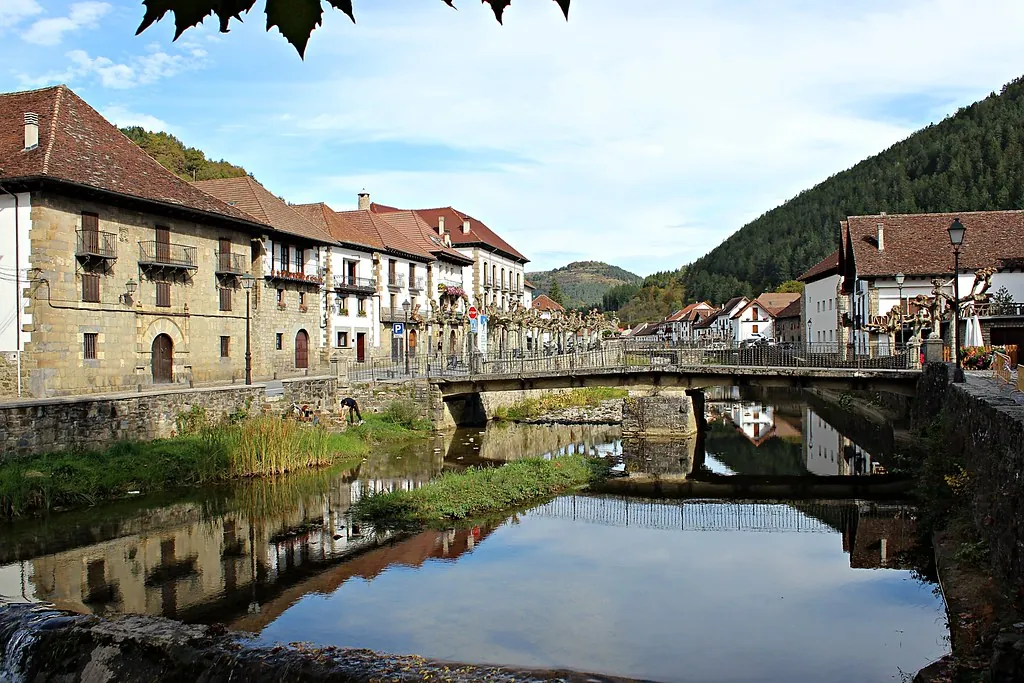
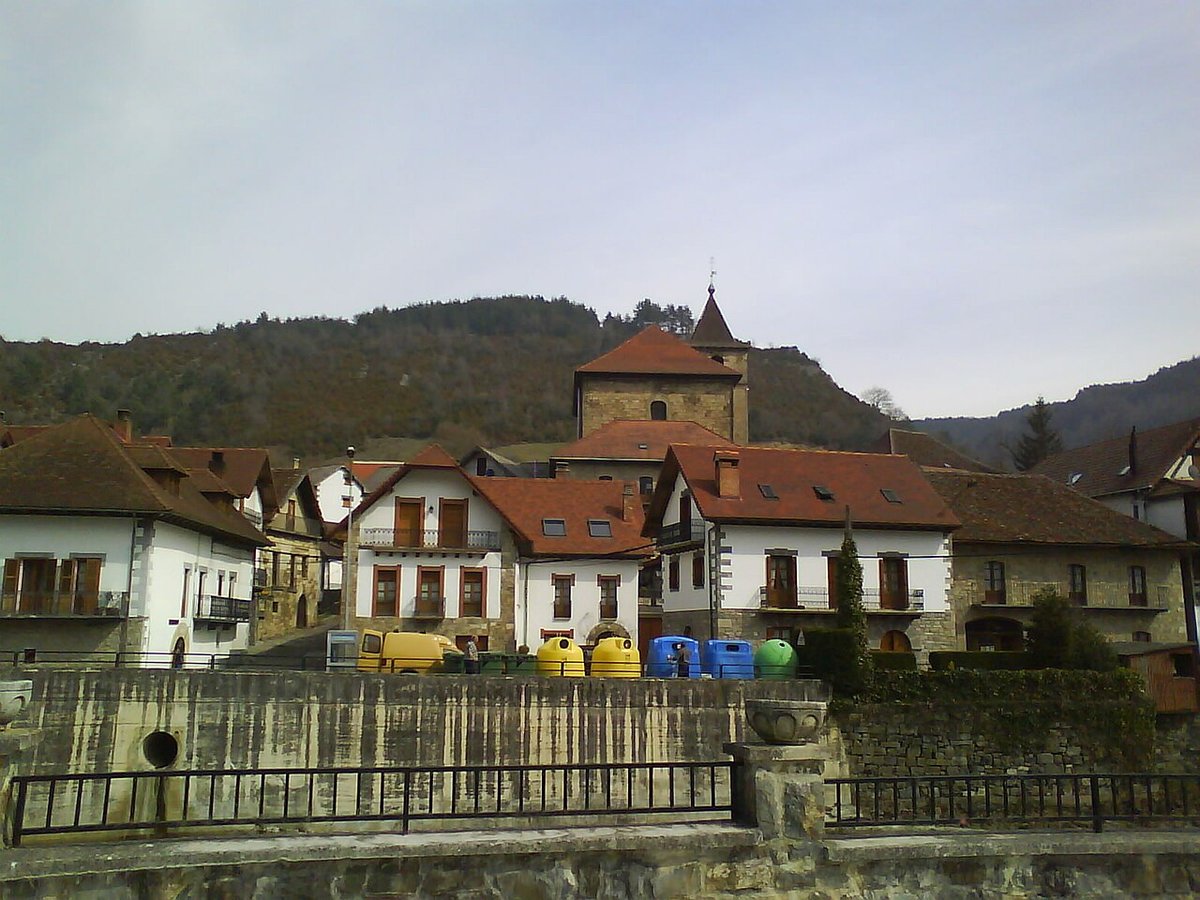
Visiting Abaurrea Baja means understanding the Aezkoa Valley. The village sits at around 850 metres, its position on the slope dictating its form. Houses follow the terrain in a compact cluster, built where the land allowed, not according to any plan. This isn't a scenic overlook; it's a working part of the valley.
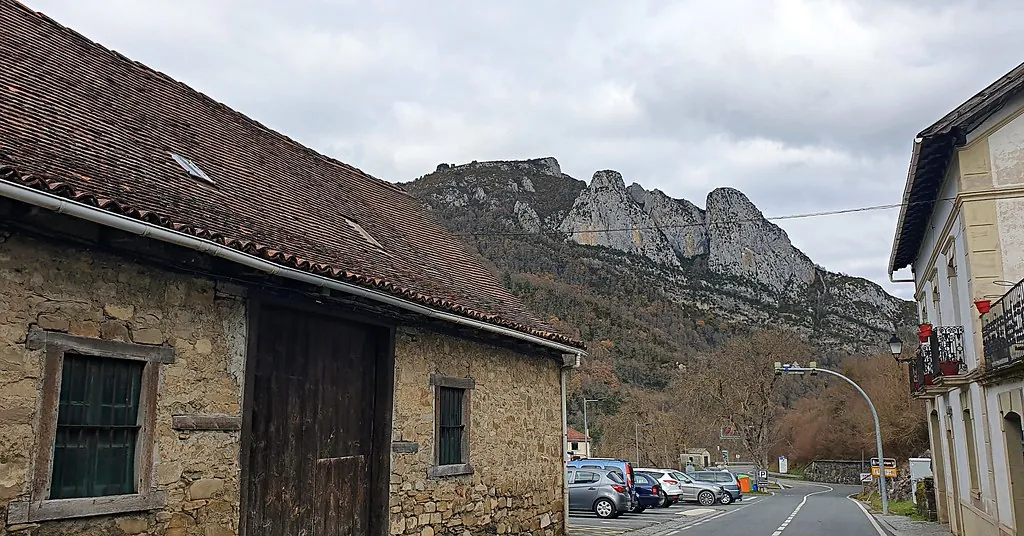
Twenty-nine people live here. The architecture is that of necessity: thick stone walls, steep slate roofs to shed winter snow, and functional balconies. Nothing is decorative. These are buildings for mountain life, shaped by livestock and forestry, which remain the visible trades in the surrounding meadows and bordas.
The structure of a Pyrenean settlement
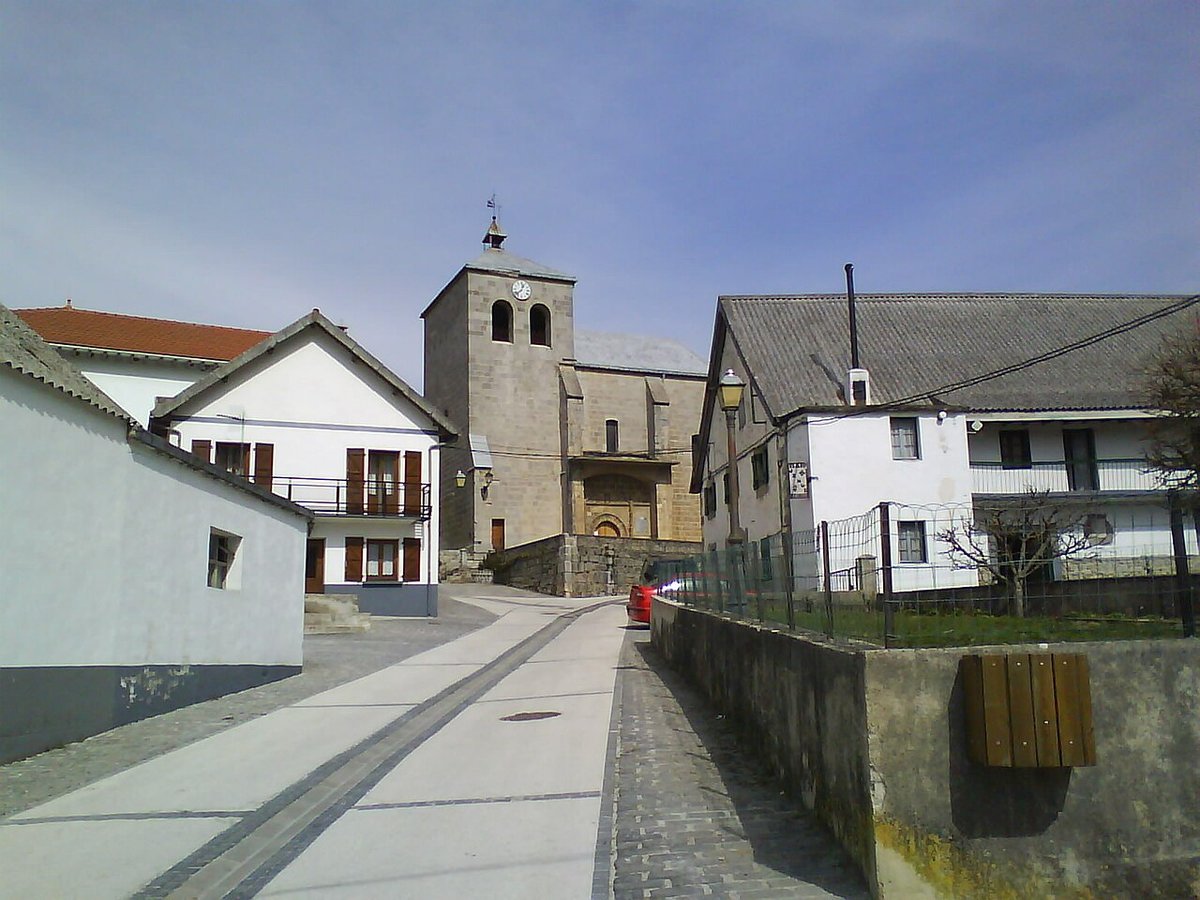
You can walk the entirety of Abaurrea Baja in twenty minutes. The pattern is familiar across these valleys: stone, slate, and short streets that change level constantly. Look for the wide doorways on some older houses, designed for carts or sheltering animals.
The parish church of San Martín occupies the central open space. Its architectural interest is modest; its significance is communal. Like in other Aezkoa villages, the church creates the main, and often only, plaza—a natural point of arrival and gathering.
The slope is ever-present. Retaining walls and small enclosures are cut into the hillside, making the layout feel accumulated rather than designed. It’s a practical response to geography.
Routes into the forest
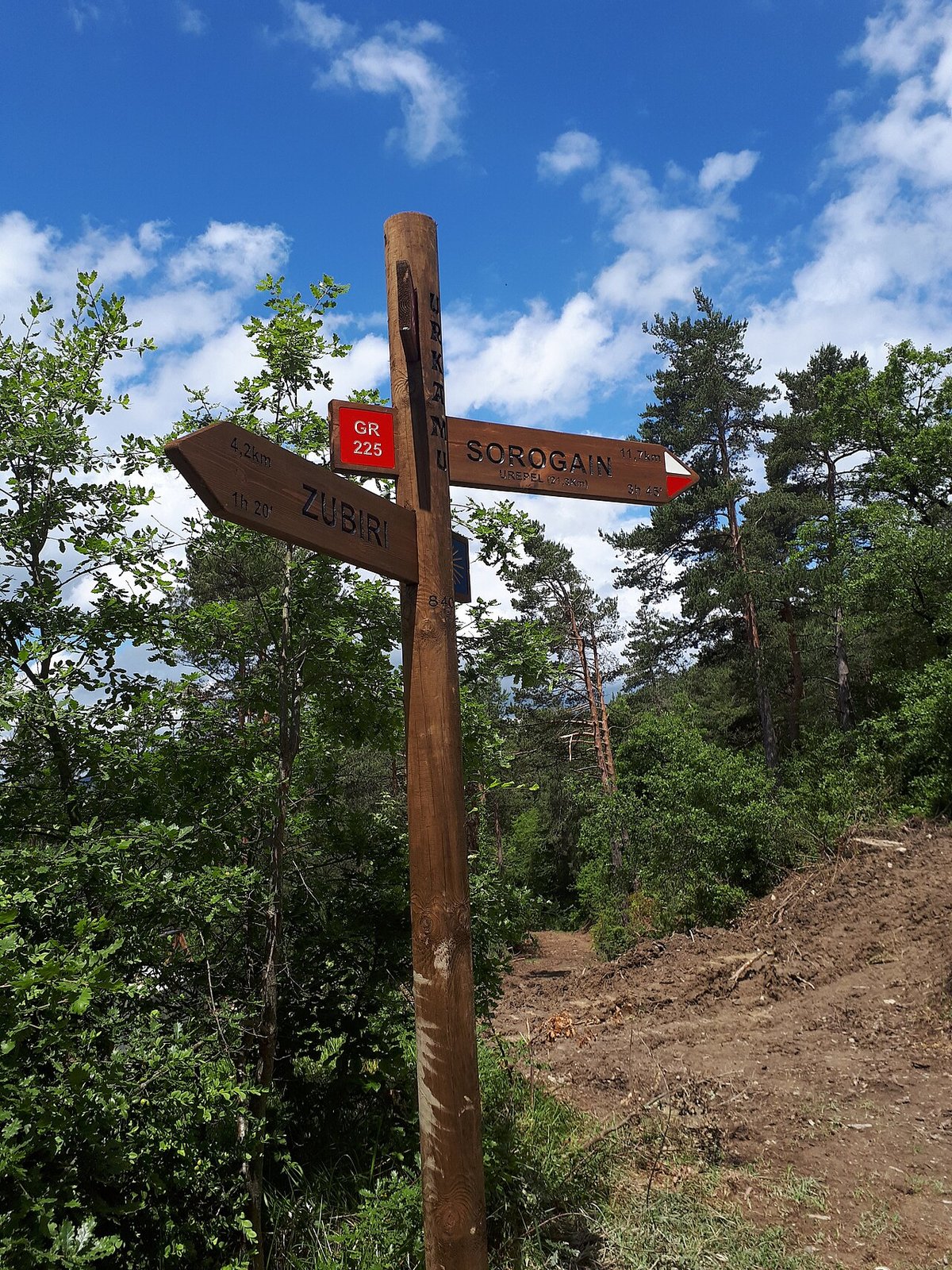
Paths lead from the village edge directly into the beech woods. The transition is quick: past a few enclosed meadows and stone bordas, the forest closes in. The ground becomes damp, covered in a layer of decaying leaves.
These are not gentle strolls. The incline is steady, a reminder you’re in a mountain valley. The reward is the silence and the quality of light under the canopy. From certain clearings, you see the logic of the Aezkoa: a string of villages like this one, connected by old paths along the slopes.
A practical perspective
Come here for the specific atmosphere of a high Pyrenean village, not for landmarks. The roads in the valley are winding; travel times are longer than the map suggests. Park considerately—the streets are narrow—and continue on foot.
If you walk into the forest, wear proper footwear. The ground stays muddy, and the temperature drops noticeably under the trees, even in summer. The local bar, when open, functions as the social hub.
Part of a valley
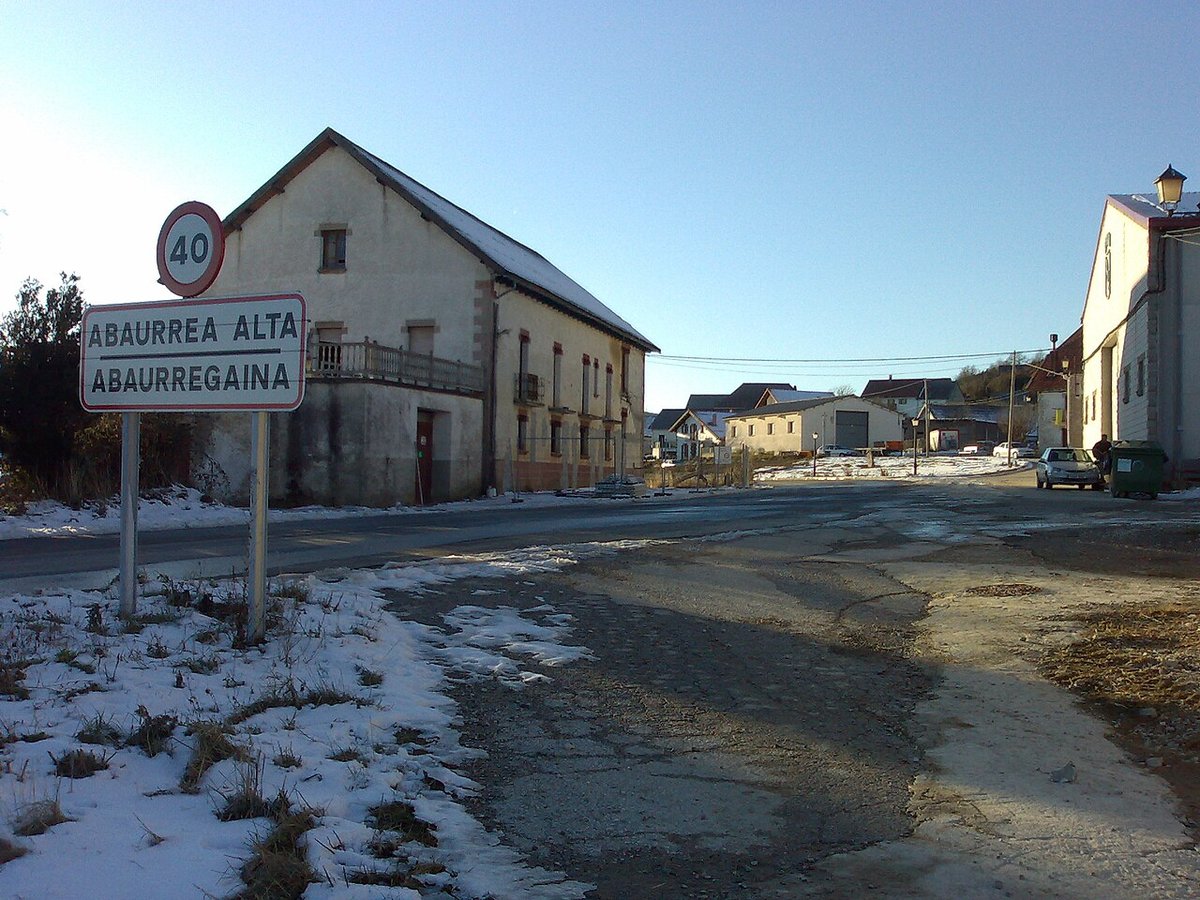
Few visit Abaurrea Baja alone. It’s typically one stop on a route through Aezkoa, often linked with its neighbour Abaurrea Alta or walks into the Irati Forest. The visit is brief but gives a clear sense of scale. There are no sights in the conventional sense. The place is defined by its relationship to the slope, the forest, and a quiet, ongoing rhythm of work.