Full Article
about Aria
One of the highest villages in the Valle de Aezkoa; known for its traditional granaries and Pyrenean architecture.
Hide article Read full article
Aria, o cuando el GPS se rinde
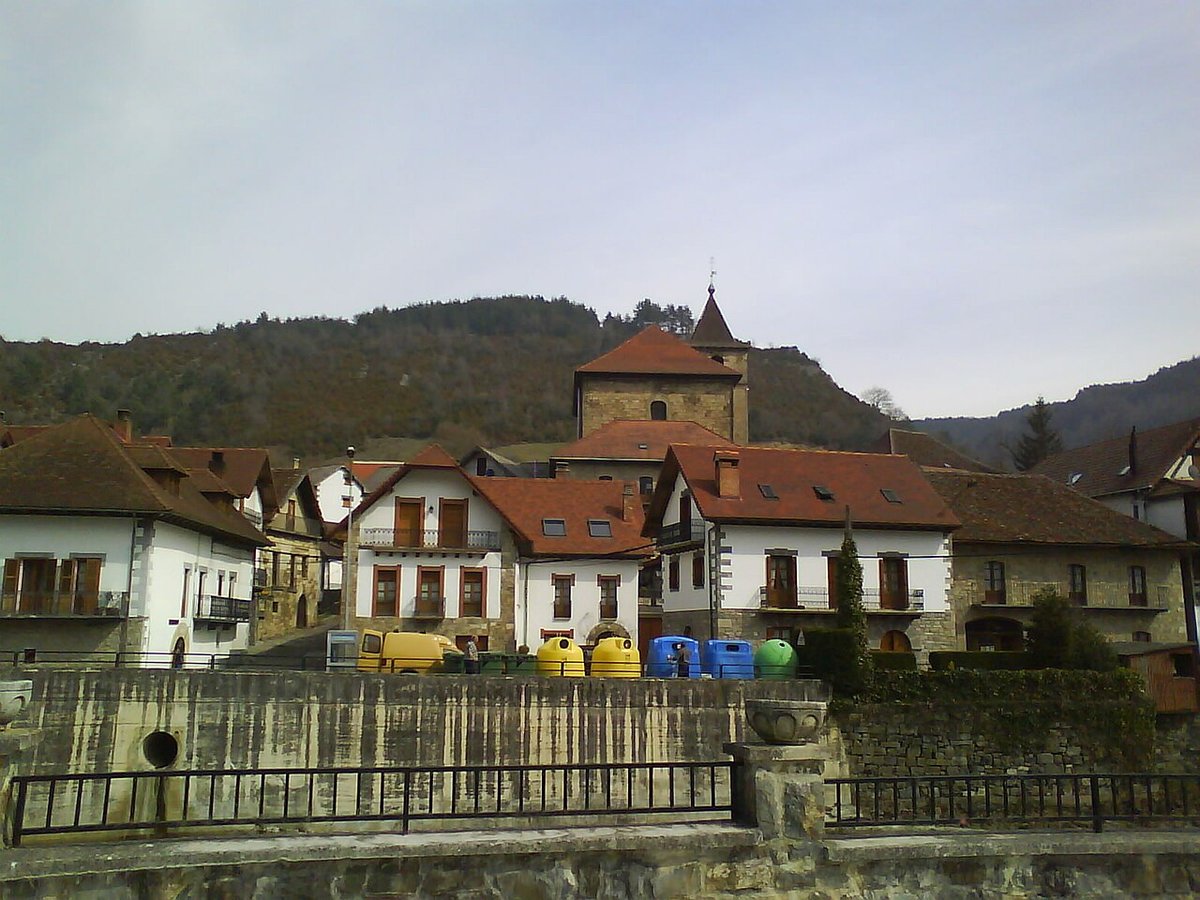
Llegas a Aria y lo primero que haces es mirar el móvil, por inercia. No hay cobertura, o la hay tan justa que da igual. Es la manera que tiene el pueblo de decirte: para, ya estás aquí. Un puñado de casas de piedra, el silencio del valle y la sensación clara de que has llegado a un sitio donde lo más rápido que se mueve algo es la nube que tapa el sol. Tiene unos cincuenta habitantes. No vengas a ver monumentos; vienes, sin más.
Donde empieza y acaba todo
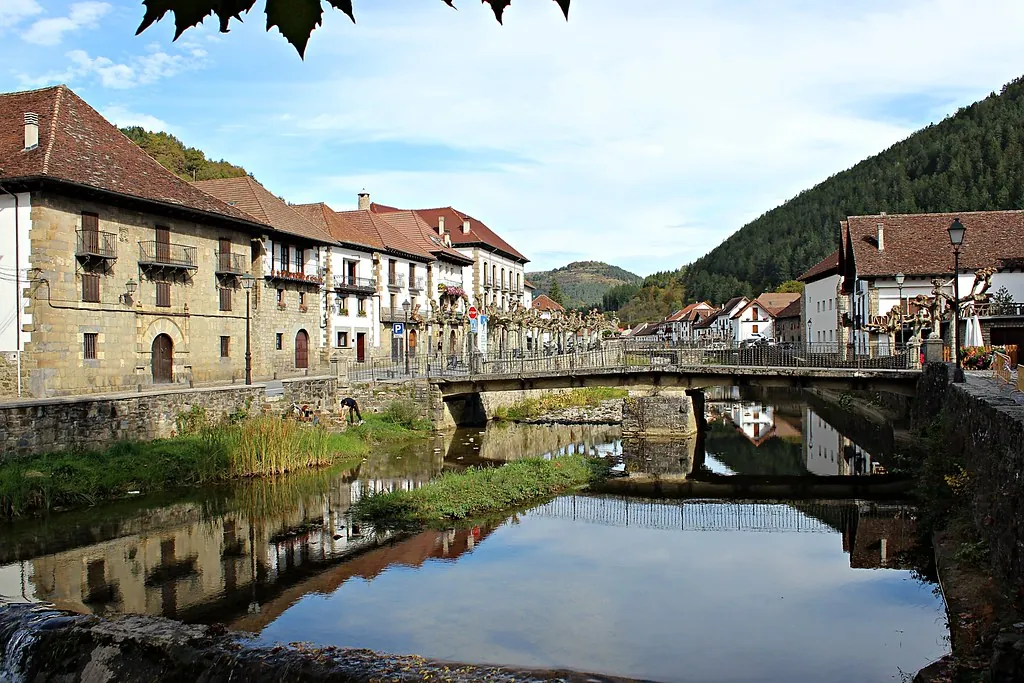
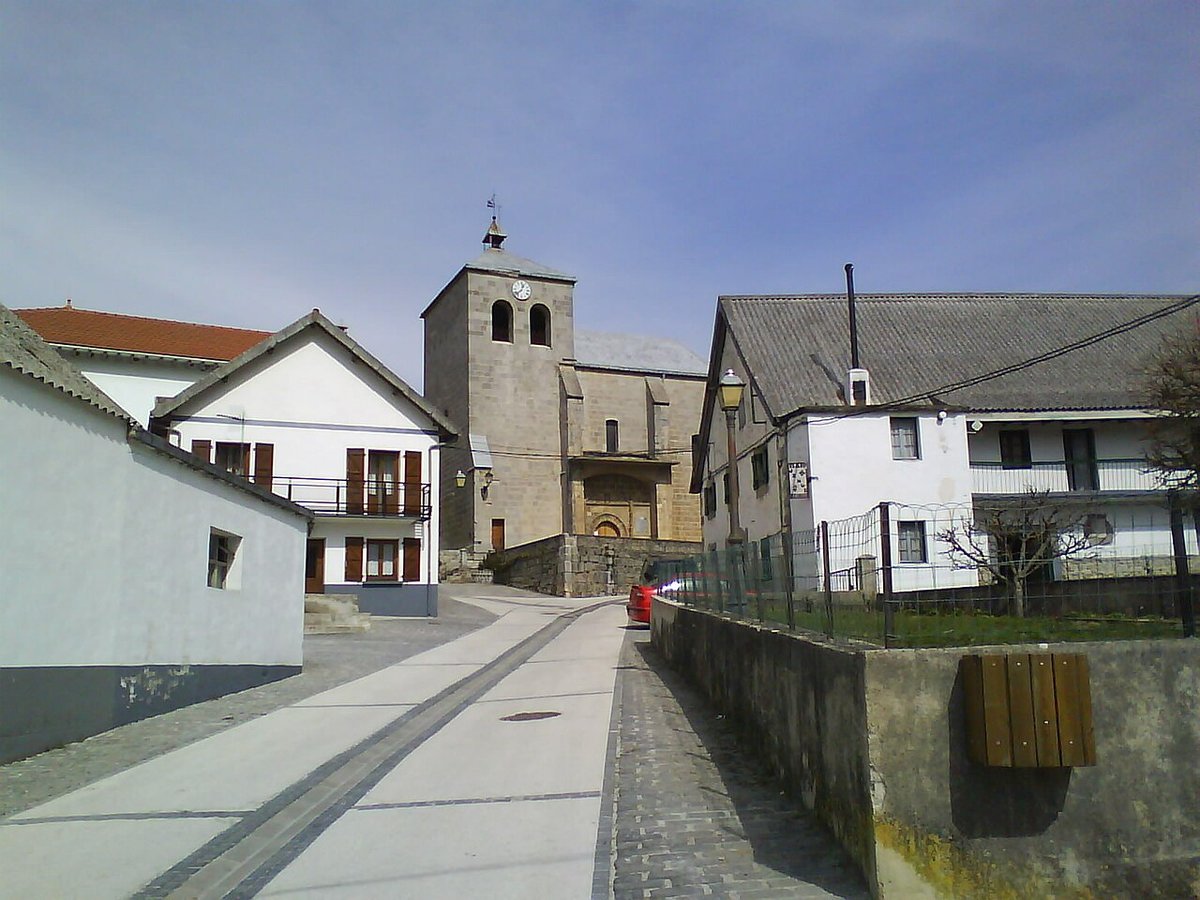
El núcleo es tan pequeño que lo recorres en cinco minutos si no te paras. Pero te paras. Calles que suben y bajan entre casas con balcones de madera ya un poco combados por el tiempo. La iglesia de la Asunción preside desde lo alto, con una torre que hace las veces de reloj comunal. Es como otras iglesias del Pirineo navarro: sobria, sin florituras, construida para aguantar inviernos.
De las últimas casas salen los caminos. En dos pasos estás fuera, con la hierba alta a los lados y el bosque llamando más arriba. En otoño, el cambio es bestia: los hayedos se vuelven rojos y ocres en cuestión de días, como si alguien hubiera cambiado el filtro al valle.
Andar sin más plan
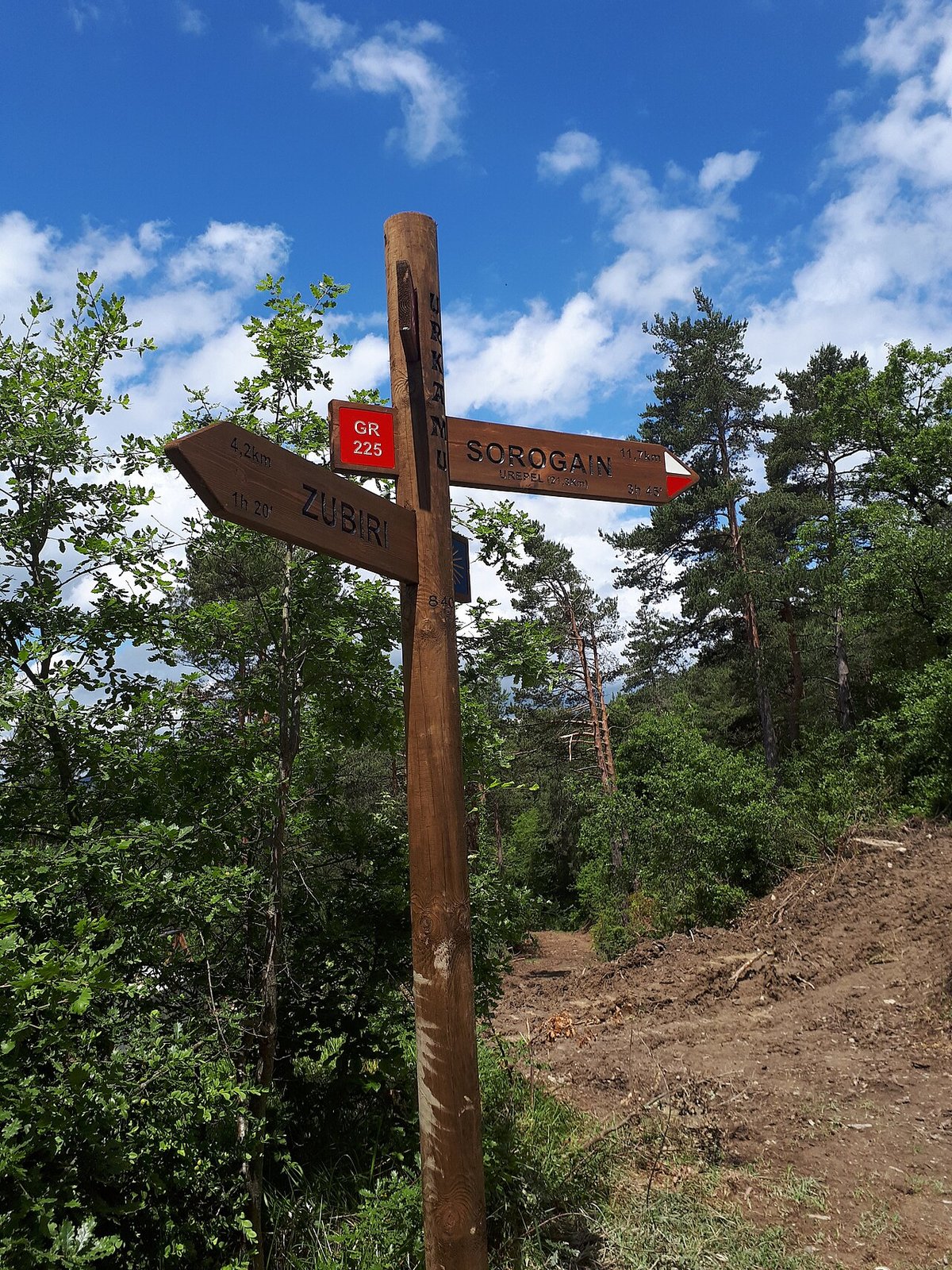
Aquí caminar no es un deporte, es la forma lógica de moverse. No hace falta buscar una ruta con nombre; cualquier sendero que veas te lleva a algún sitio interesante. A un claro, a una borda medio caída, a una roca desde donde se ve todo el valle.
El terreno avisa: después de lluvias, hay barro; en invierno, hielo en las cuestas sombrías. Lleva calzado que no te importe manchar y ya está. La mañana suele traer nieblas bajas que se quedan encajonadas entre las lomas, dándole un aire entre misterioso y húmedo perfecto para unas fotos. El silencio es tan notable que acabas oyendo tu propia respiración… o el cencerro lejano de alguna vaca.
La vida gira en torno al ganado. El queso, el cordero y lo que da la huerta se mueven entre vecinos o por los pueblos de alrededor. La comida es la de siempre: contundente y sin complicaciones. Migas cuando aprieta el frío, guisos que piden pan para remojar.
Fiestas y días normales
En verano se celebra a la Virgen del Rosario y a San Juan. Hay procesión por las calles y a veces una romería hasta alguna ermita cercana. Son días en los que vuelve gente del pueblo y se nota un bullicio diferente, familiar.
El resto del año no hay cartelera turística. Si coincides con alguna fiesta, la táctica es sencilla: observar desde una esquina, saludar si te miran y seguir el compás.
Si solo tienes unas horas
Con dos horas has visto Aria entero: sus callejuelas, sus portales con fechas grabadas, las reparaciones hechas con ese estilo práctico del mundo rural.
Lo que merece la pena es salir andando sin miedo. En veinte minutos cuesta arriba por cualquier camino ganas suficiente altura para entenderlo: estás en un valle cerrado, rodeado de montañas, con prados verdes encajados como piezas de puzzle. La sensación de aislamiento es real.
Lo que no suelen contarte
Aria es minúsculo. Si no estás caminando o simplemente sentado en una piedra mirando al valle, puede que empieces a sentirte un poco fuera de lugar rápido. Funciona mejor como parada en una ruta más larga por el Pirineo navarro.
Las fotos engañan; lo bonito está en su escala humana y en cómo se funde con el paisaje.
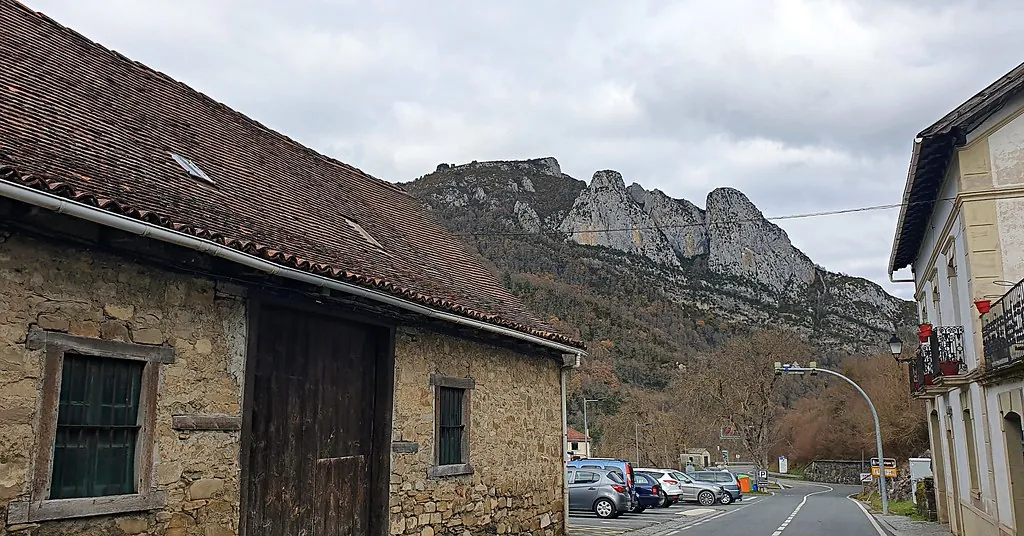
Si vienes en coche aparca con cabeza: los accesos son estrechos porque son vías de trabajo para tractores y camiones agrícolas aquí mandan ellos.
Trae agua o algo para picar porque servicios básicos no vas a encontrar.
Cuándo ir y cómo llegar
De primavera a otoño tienes más luz para andar sin prisas Septiembre suele dar días despejados y templados justo cuando los bosques empiezan a cambiar.
El invierno puede ser espectacular si nieva pero también complicado si hiela o hay niebla cerrada Conviene consultar cómo está la carretera antes de subir
Se llega desde Pamplona cruzando Roncesvalles Las últimas curvas son esas carreteras secundarias de montaña estrechas donde reduces velocidad casi sin darte cuenta Ya estás entrando en su ritmo