Full Article
about Aribe
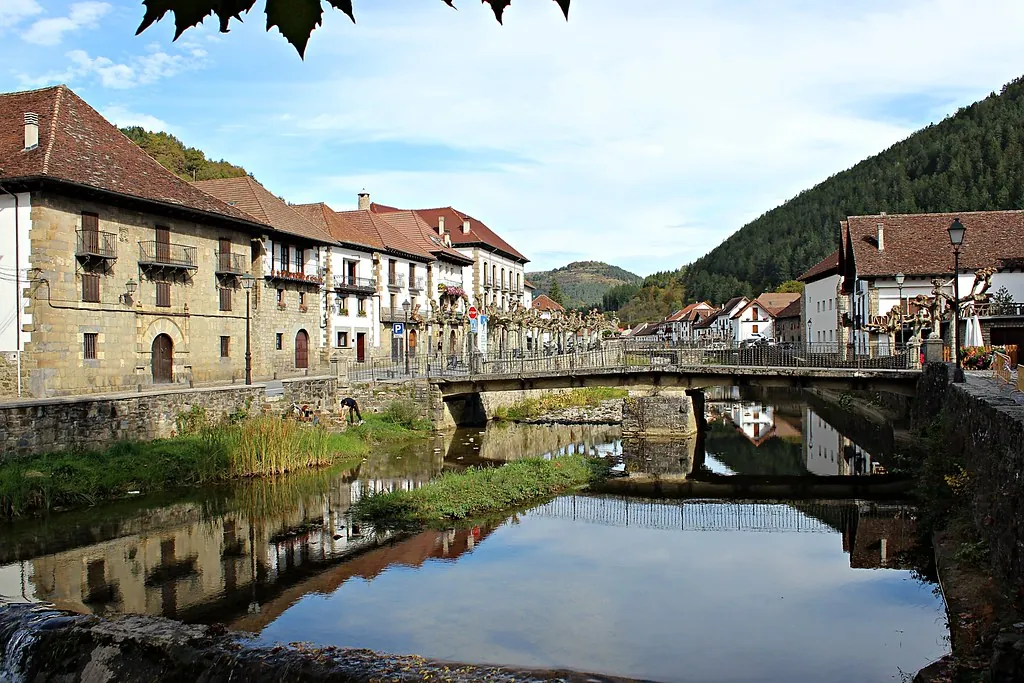
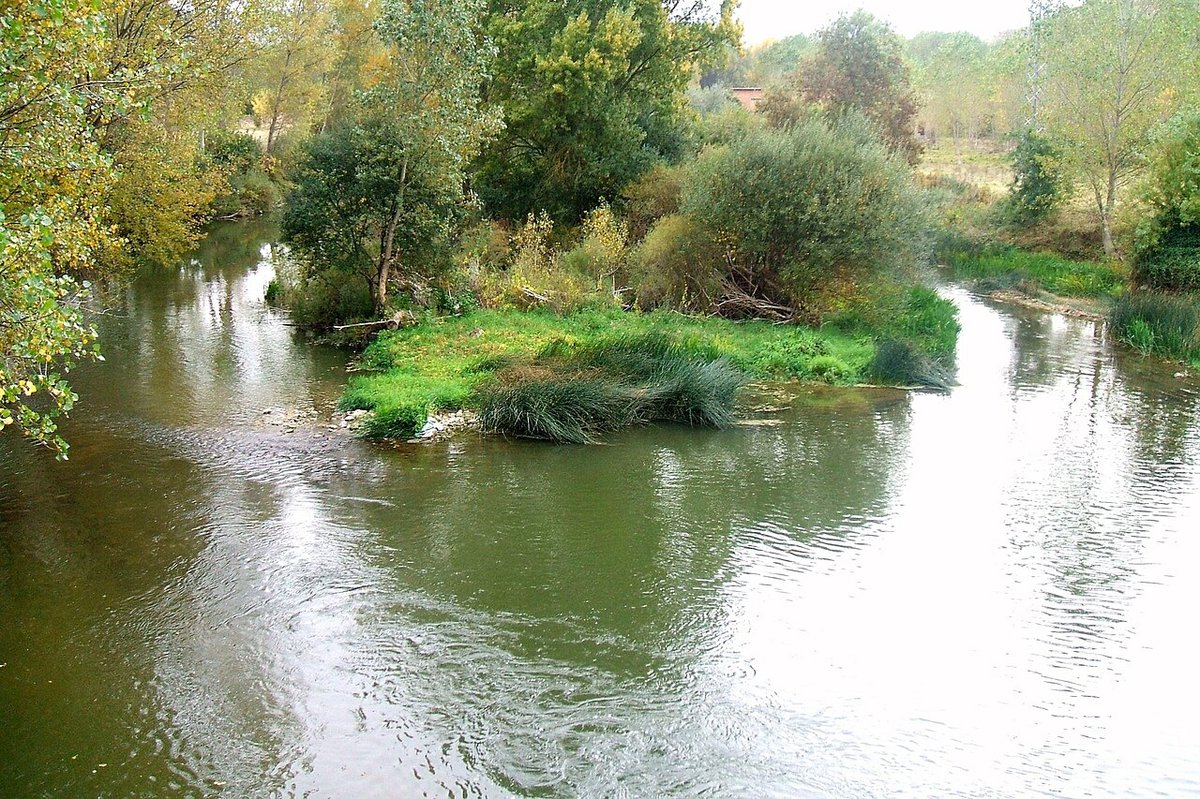
Geographic center of the Valle de Aezkoa and gateway to the Selva de Irati; known for its medieval bridge over the río Irati.
Hide article Read full article
A village that doesn’t rush
Aribe is the kind of place you might drive through and assume you have already seen. In reality, it does not work like that. Tourism in Aribe feels more like stopping the car in the middle of a valley because the landscape catches your eye, then ending up on a longer walk than planned.
There are no big attractions and nothing designed to keep you constantly occupied. It is simply a small village in the Navarre Pyrenees, carrying on at its own pace.
There is no display here. Just houses, mountains all around, and a noticeable sense of quiet.
Walking through Aribe
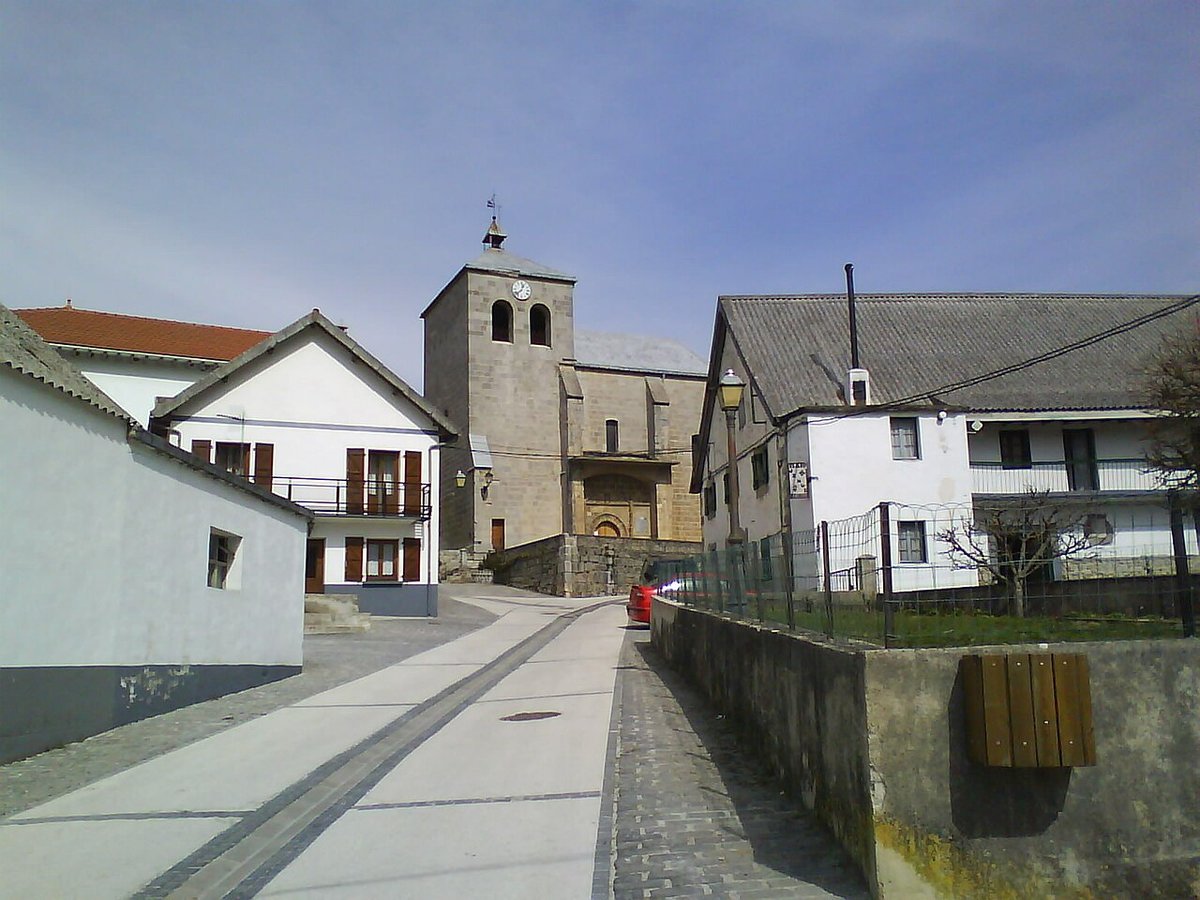
The village church is modest, the sort that seems to have always stood exactly where it belongs. There are no elaborate façades or striking architectural gestures. It does what it needs to do and fits naturally with the surrounding buildings. That is common across many Pyrenean villages, where construction has always been guided more by winter conditions than by appearance.
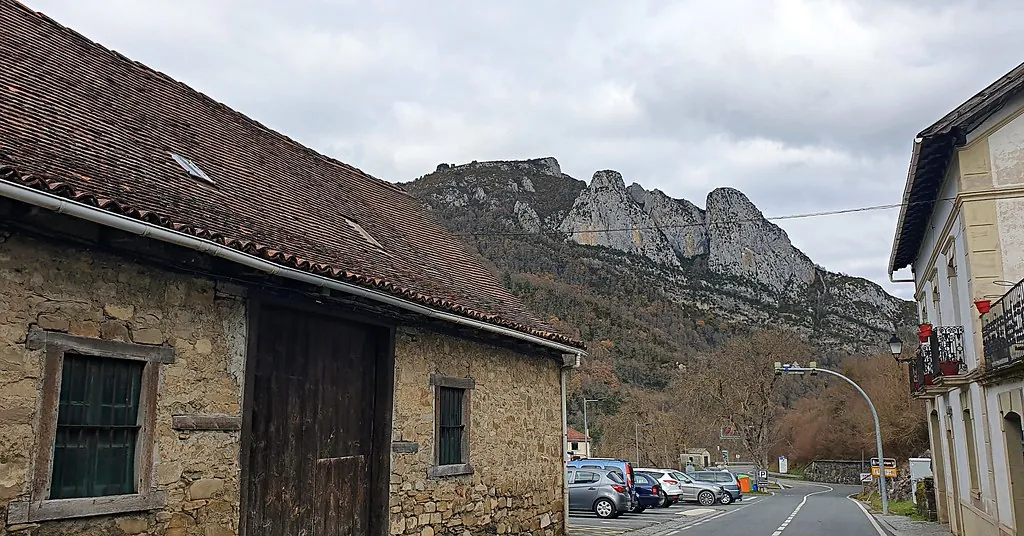
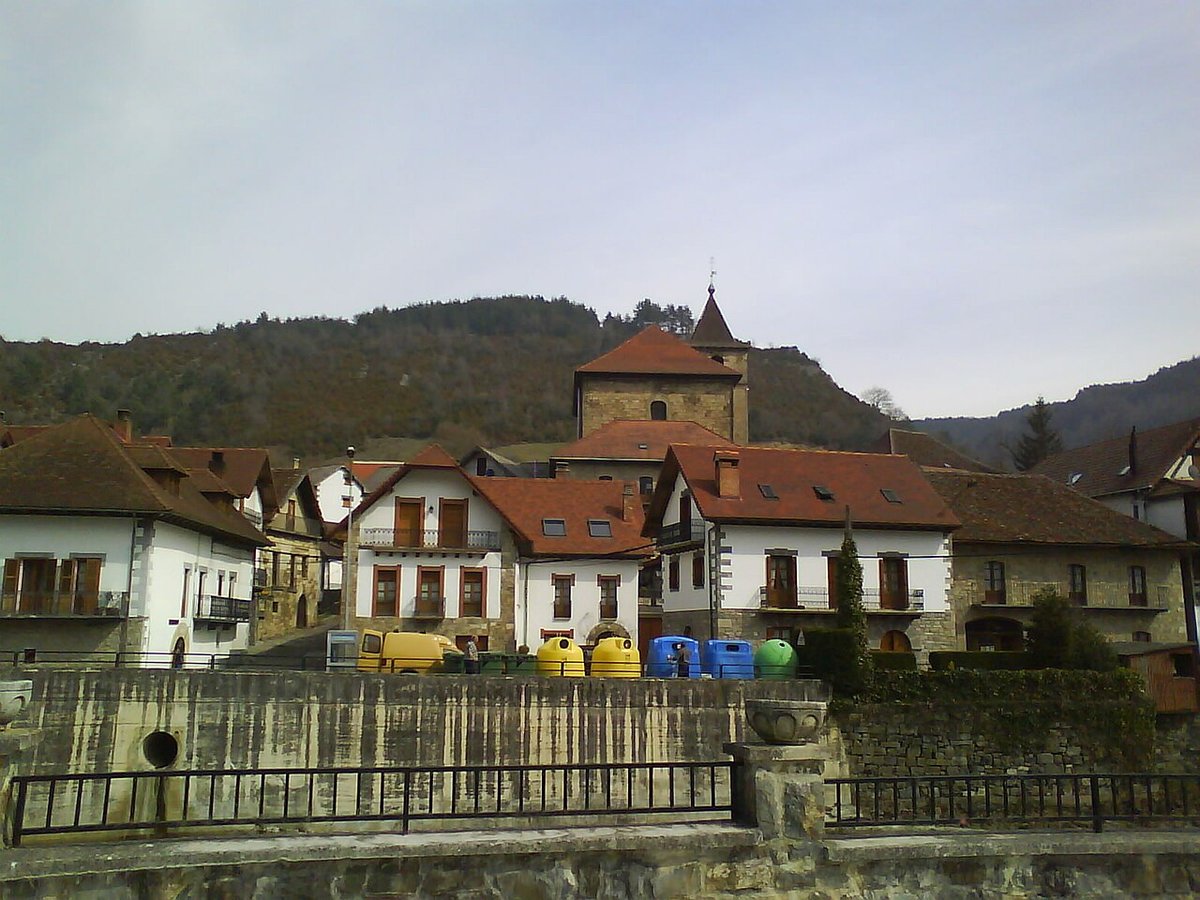
The village centre is straightforward. A handful of streets, stone houses, wooden balconies, and roofs built to handle snow. It is the kind of place you understand quickly. These homes were built to withstand cold, damp air and long winters.
Even so, it is worth slowing down. When you do, small details begin to stand out. Old doorways, dark wooden beams, walls that have been repaired over time. Nothing demands attention, but everything has been shaped by use.
Beyond the houses, the landscape takes over. Open meadows stretch out, and woodland sits close by. In summer, the shade of the beech forest is welcome. In autumn, the valley gradually shifts colour, as it often does in this part of the Pyrenees.
Spending a few hours
Aribe can be covered quickly. In half an hour, you will have a clear sense of the main streets. The idea, though, is not to tick off sights, but to walk for a while and then head out along the paths that leave the village.
If you move towards the edges of the valley, you will come across open grassland with wide views of the surroundings. There is no need to plan a formal route. Following one of the paths that begin in the village and walking for a while is enough.
Early in the day and towards evening, the atmosphere shifts. There is less movement, and if you pay attention, you might hear or catch sight of an animal moving through the nearby forest. It is not a wildlife destination, but nature is very present here.
Food in the area tends to reflect what comes from the land and the surrounding hills depending on the season. Meat, vegetables from local plots, and mushrooms when the time comes. The cooking is simple and direct.
A short stop in the Pyrenees
Aribe works well as a brief stop on a route through the Navarre Pyrenees. You arrive, walk through the centre, take a look at the church, and then head out towards the meadows or nearby woodland.
Within a couple of hours, you will have a good sense of the place. After that, most people continue on to other villages in the Aezkoa Valley or look for longer walks elsewhere in the area.
It is not a destination that asks for a full day. It fits better as a pause along the way.
When the valley feels different
From spring through to autumn, it is easier to enjoy a stop here. The days are longer and the paths are generally in good condition.
Autumn stands out in the surrounding forests. Colours change quickly, and the valley takes on a different presence.
Winter brings a harsher side. Temperatures drop, and snow is not unusual in this part of the Pyrenees. Anyone visiting at that time of year needs to be prepared for the conditions.
The kind of place you might miss
Aribe does not try to draw attention to itself. Many people pass nearby without turning off the road.
Yet it offers a kind of quiet that can be welcome after several days travelling through busier villages in the Pyrenees. You stop, walk for a while, look out over the valley, and then continue on.
Nothing more, and nothing extra.
Practical notes
Aribe sits in the Navarre Pyrenees, within the Aezkoa Valley. It is typically reached by road from nearby valleys or from the Pamplona area, following a series of regional routes.
The road is a mountain road, with bends, livestock in the fields, and few services nearby. It is worth carrying an extra layer even in summer, as temperatures drop quickly once the sun goes down.
One last thing to bear in mind: this is not a village set up to keep visitors busy all day. Aribe works best as a short pause along the way, the sort you remember more than you expected.