Full Article
about Burguete
A village born for the Camino de Santiago; flawless Pyrenean architecture and Hemingway’s favorite fishing spot.
Hide article Read full article
A place most people pass through
Some villages work like motorway service areas: most people stop for ten minutes and move on. Burguete often plays that role in the Navarrese Pyrenees. It sits very close to Roncesvalles, a well-known stop on the Camino de Santiago, and plenty of travellers pass straight through without really noticing it.
That is understandable. But doing the opposite changes things. Park the car, walk for five minutes, and the place begins to feel different.
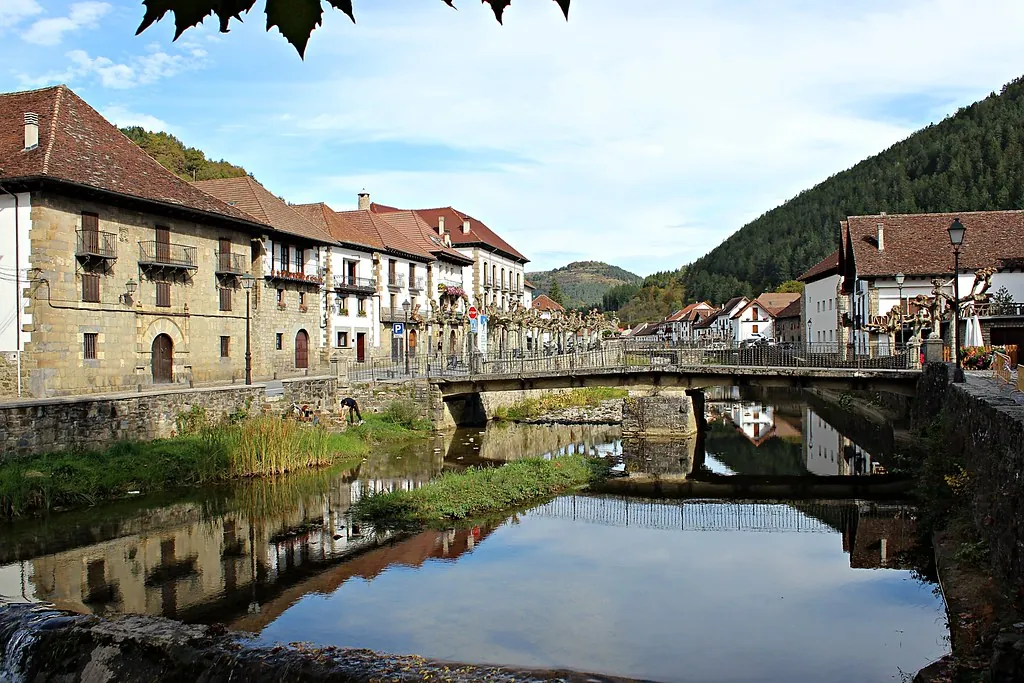
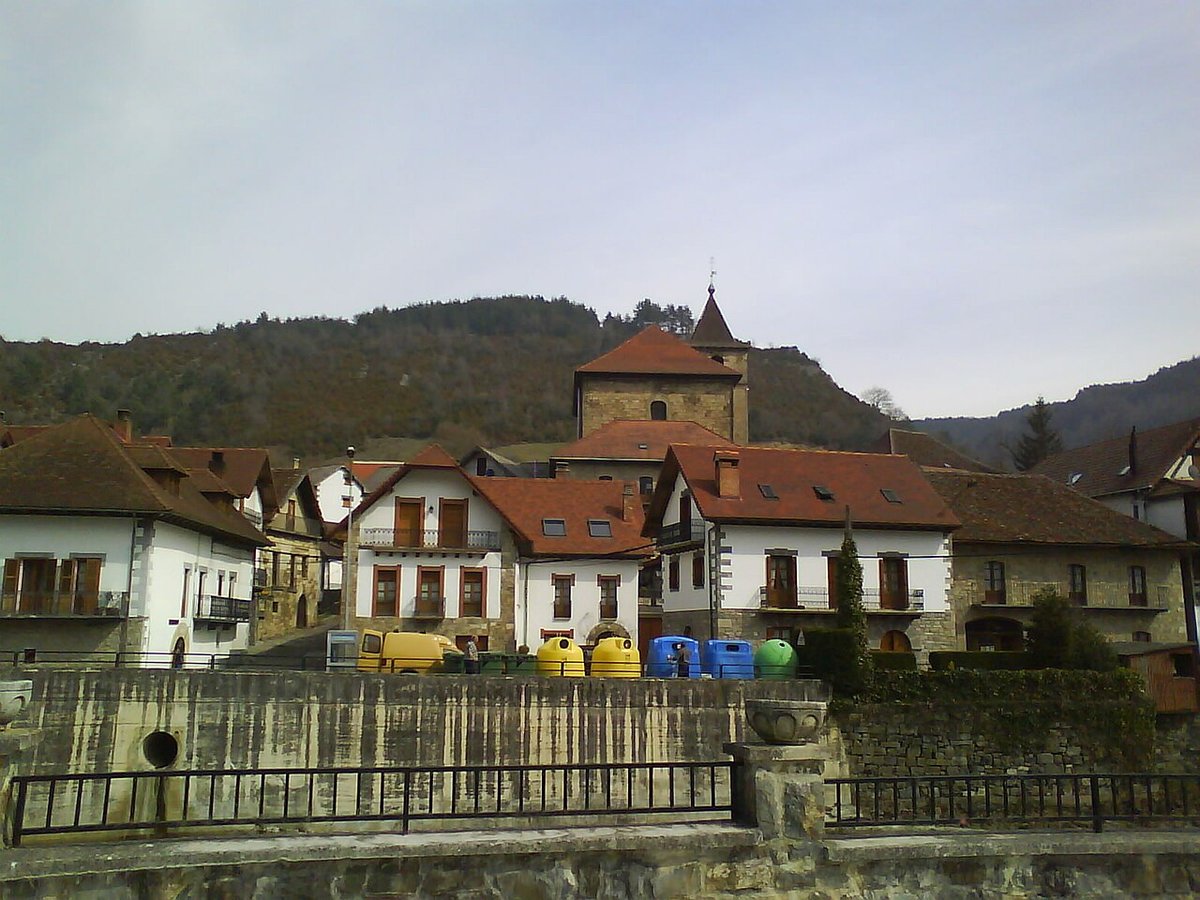
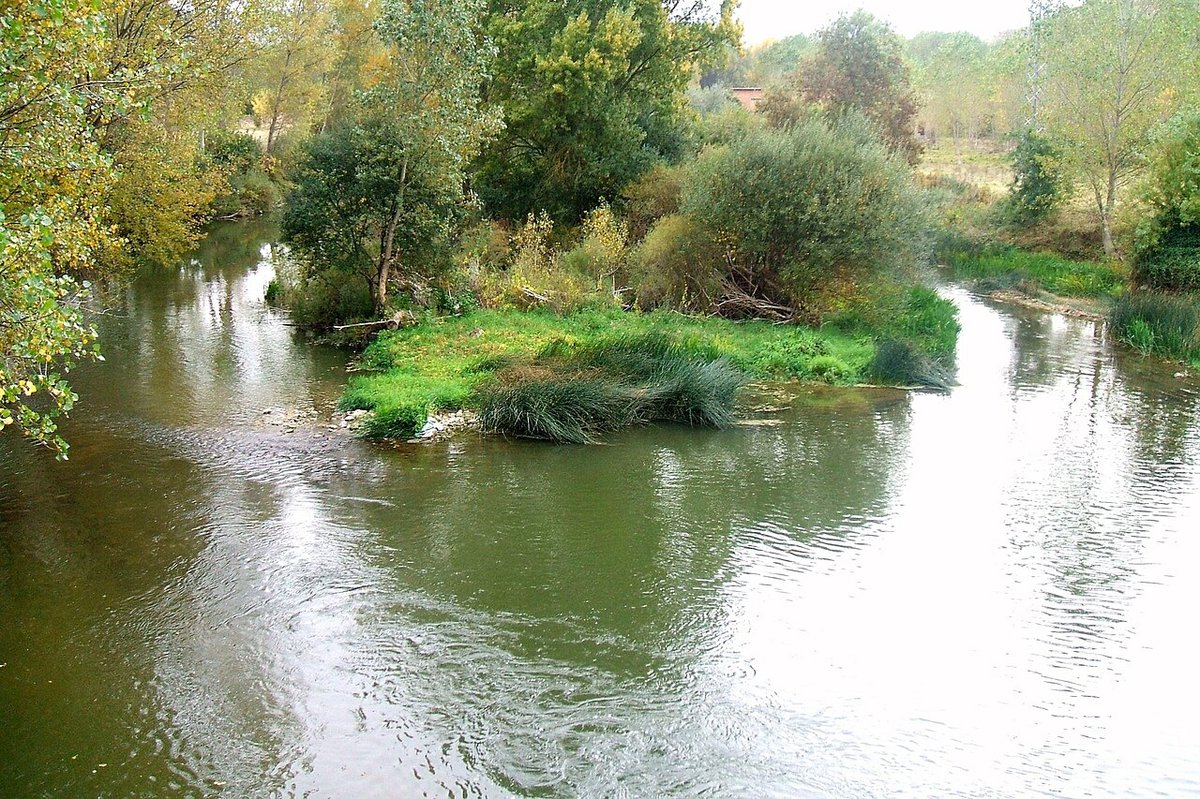
Burguete does not try to impress. It is small, with just over two hundred residents, short streets and houses lined up with a clear sense of practicality. The kind of place where buildings seem designed with harsh winters in mind. The Urrobi river runs nearby and the forest begins almost immediately, so the landscape does much of the work without needing any embellishment.
San Nicolás and the houses around it
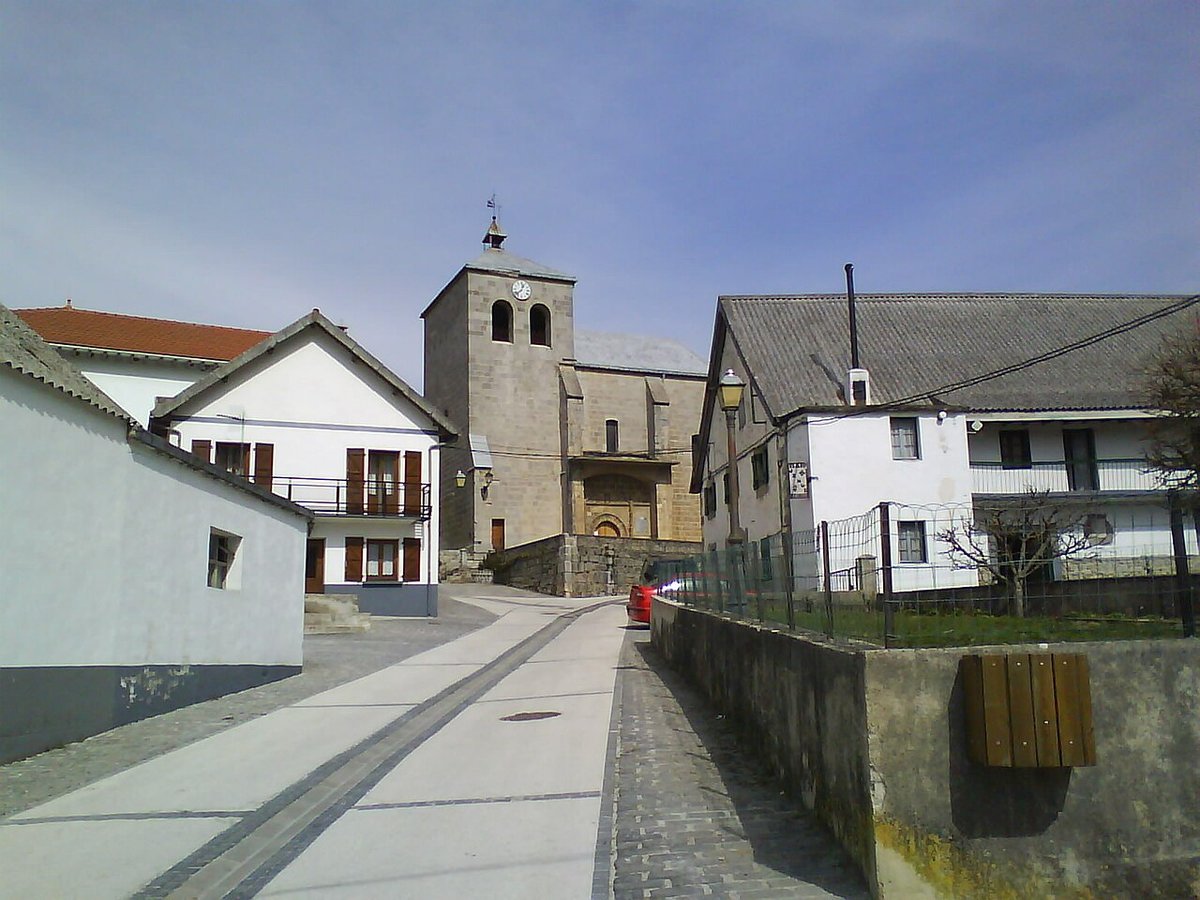
The church of San Nicolás de Bari stands in the centre of the village. It has the feel of a mountain refuge: solid, restrained and without much decoration. It dates back to the 16th century and for a long time it also served as support for pilgrims on the Camino de Santiago, who reach this point after several days of walking.
If the door is open, it is worth stepping inside for a moment. This is not a monumental church. It has a quieter atmosphere, the kind found in places where people come in, sit for a few minutes, then carry on with their day.
Outside, the surrounding streets are easy to explore. The houses are long, with sloping roofs and wooden balconies. Some still display carved stone coats of arms. There is a sense that the village was built with the same mindset as a good winter coat: made to last and to withstand whatever comes.
Where the forest begins almost at the last house
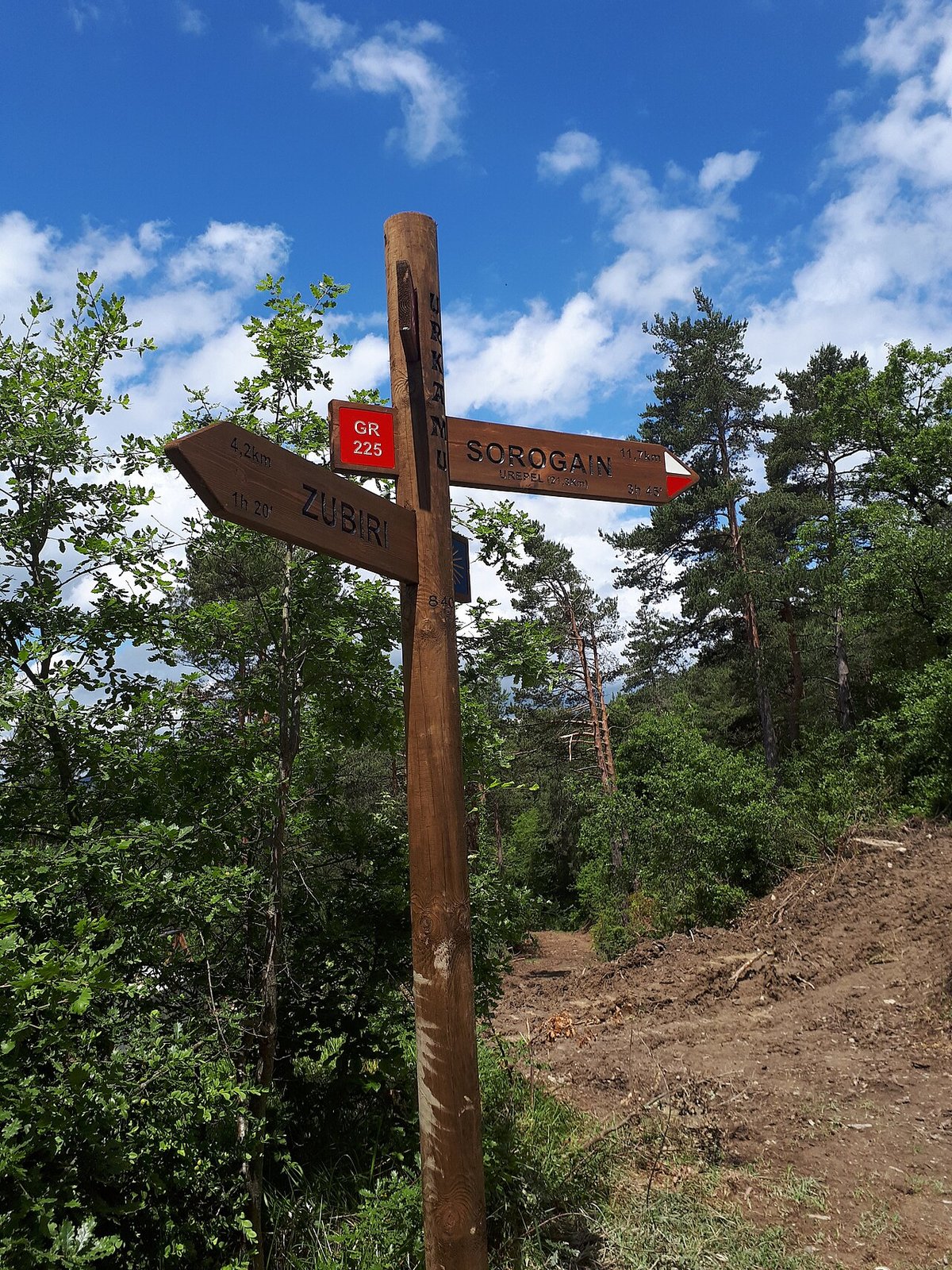
One of the more striking things about Burguete is how quickly the village ends. Walk for a couple of minutes and you are already on dirt tracks. It feels like stepping out of a small town and straight into open countryside, without any real transition.
From here, paths lead towards beech forests that connect with the Irati area, one of the largest forested zones in the region. The ground is often damp for much of the year. Roots, fallen leaves and mud are part of the terrain, the kind where proper boots make a difference.
The Urrobi flows nearby, with stretches where trout fishing has traditionally taken place when regulations allow. Anyone interested in that should check the current rules in advance, as they change depending on the season.
Walking here has a particular pull. It is not about constant dramatic views. Instead, it is a steady, deep woodland, the sort of place where sound softens and mobile signal begins to fade. The effect is similar to stepping into a very quiet room after being out on a busy street.
A place that works best as a pause
Burguete is not somewhere to fill a packed itinerary. It works better as a pause within a broader route through the Navarrese Pyrenees.
It is easy to stop briefly and end up staying longer than planned. A short walk through the village turns into a wander towards a forest path, and before long an hour has passed.
Many pilgrims pass through here on their way to Roncesvalles, and it makes sense. The terrain opens out slightly, the valley feels broader, and the pace of the village suits that moment after several kilometres on foot.
For those driving along the N‑135, the advice is simple: do not just look at it through the window. Stop, walk for a while, then continue the journey.
A couple of useful things to know
Access points to the nearby forests can become quite busy in autumn, especially when the beech trees begin to change colour. It is a bit like the first hot day of the year when everyone heads to the same beach.
The weather also shifts quickly. A period of sunshine can turn into rain or fog within a few hours. In this part of the Pyrenees, carrying an extra layer in a backpack is as useful as carrying spare battery on a phone: it may not always be needed, but it is appreciated when it is.
Another thing to keep in mind is scale. Burguete does not require several days. A few hours are enough to see it properly. What makes it interesting is combining it with nearby areas of the Navarrese Pyrenees, where each valley brings a noticeable change in landscape and atmosphere.
Arriving via the N‑135
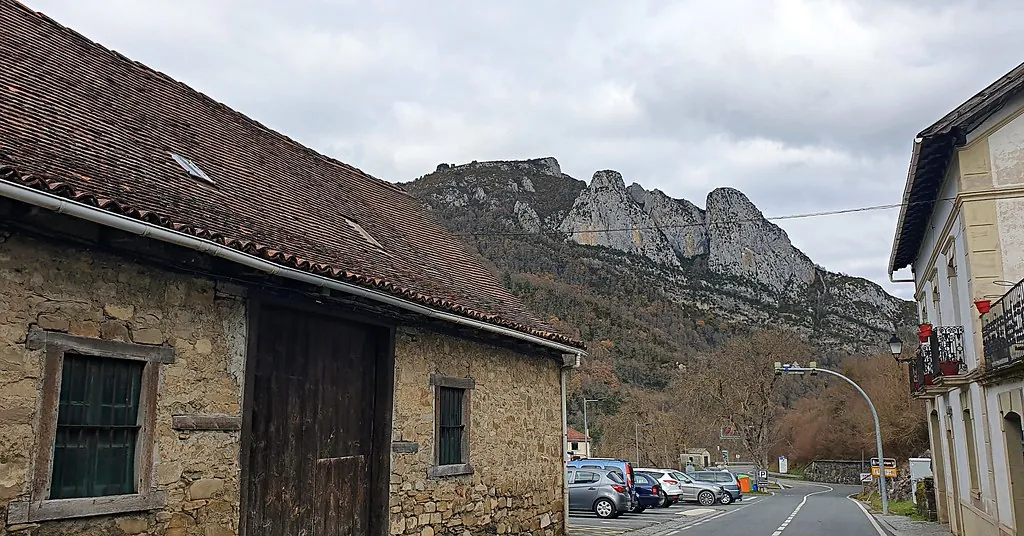
The road connecting Pamplona with the French border passes directly through Burguete. It is about 45 kilometres from the Navarrese capital. The final stretches include bends, and in winter it is not unusual to encounter fog or snow.
Driving here naturally slows things down, but that suits the setting. The landscape begins to close in, forests appear on either side, and before long the sign for Burguete is right in front of the car.