Burgui Spain.jpg
Navarra · Kingdom of Diversity

Burgui

The first thing you notice isn't the stone houses or the medieval bridge—it's the silence, broken only by the rush of the Esca river and the occasi...

195 inhabitants
631m Altitude

Why Visit

Mountain Medieval bridge Rafting Day

Best Time to Visit

summer

Almadía Day (May) junio

Things to See & Do
in Burgui

Heritage

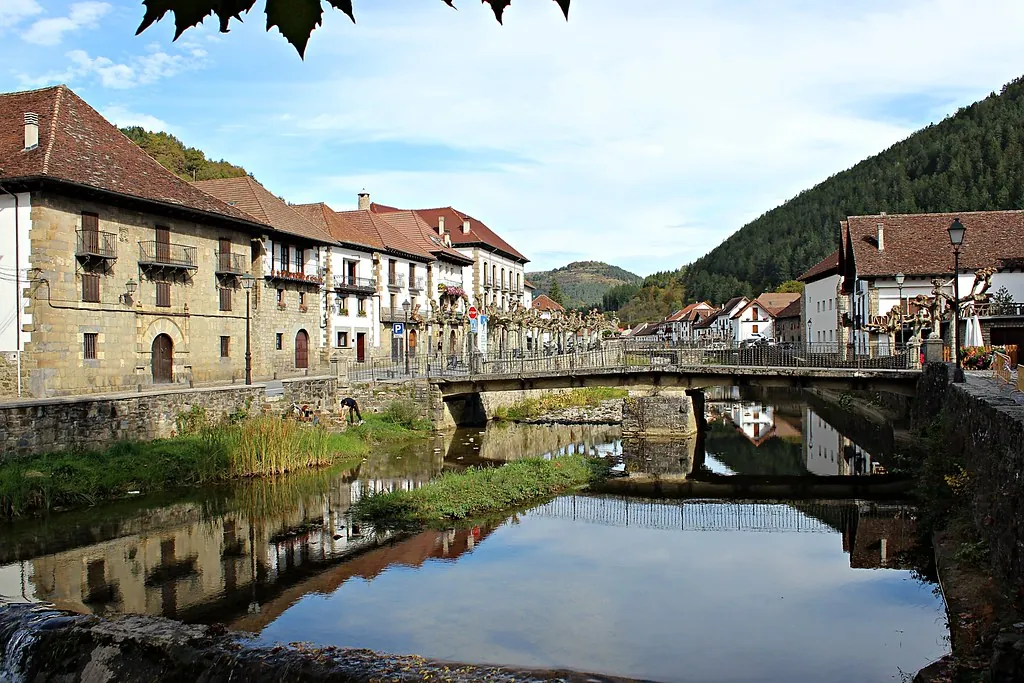
  • Medieval bridge
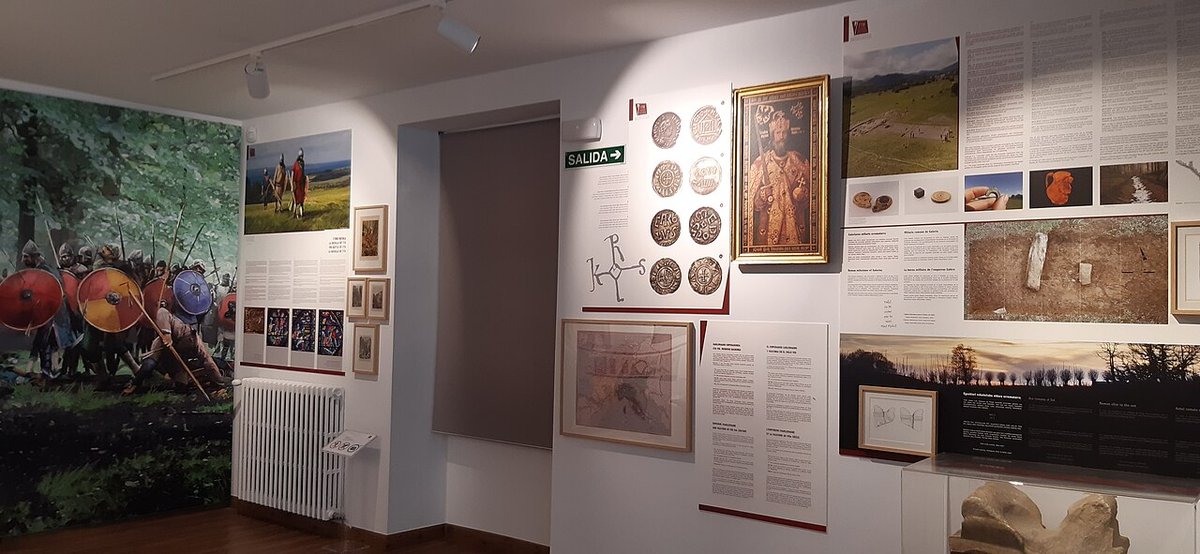
  • Rafters' Museum

Activities

  • Rafting Day
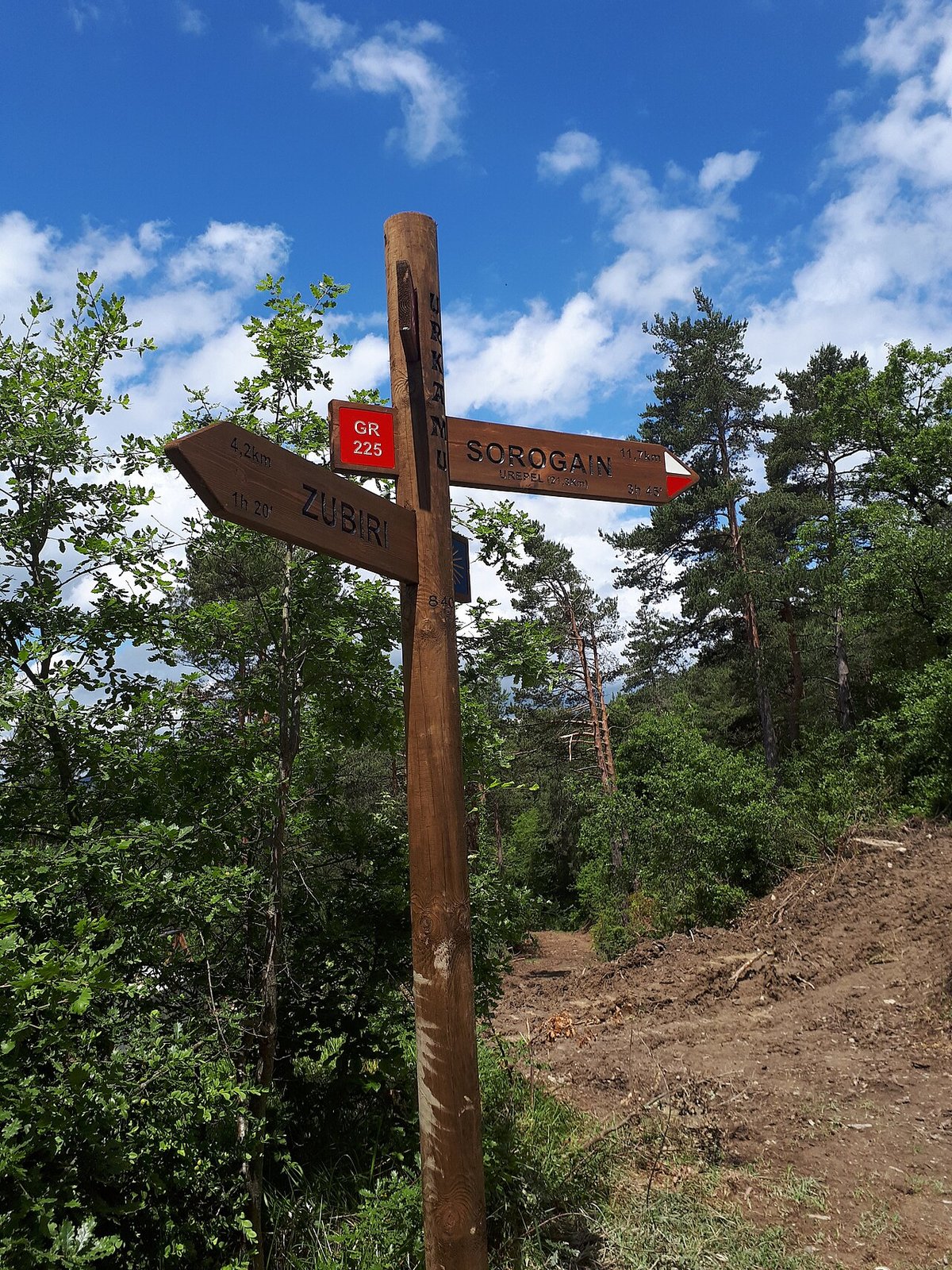
  • Hiking in the Foz de Burgui

Festivals
& & Traditions

Fecha junio

Día de la Almadía (mayo), Fiestas de San Pedro (junio)

Las fiestas locales son el momento perfecto para vivir la autenticidad de Burgui.

Full Article
about Burgui

Gateway to the Roncal Valley; known for the Día de la Almadía and its medieval bridge over the Esca River.

Ocultar artículo Leer artículo completo

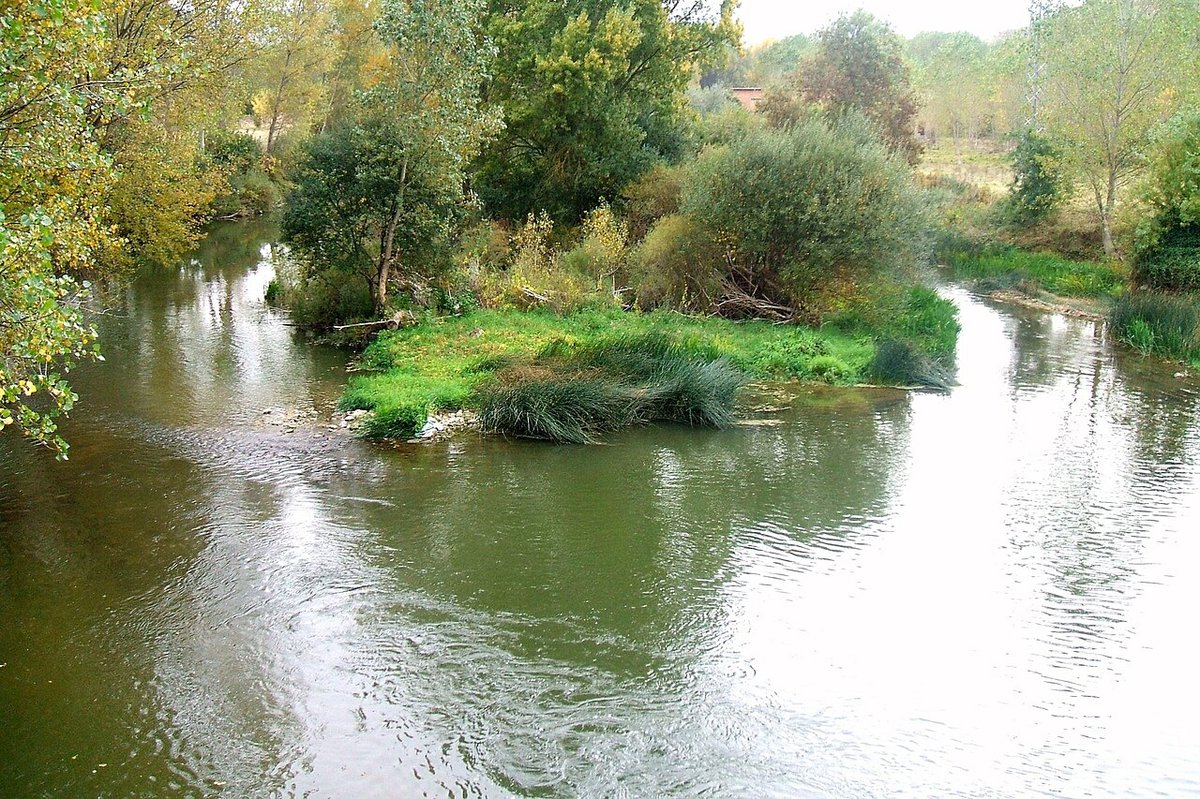
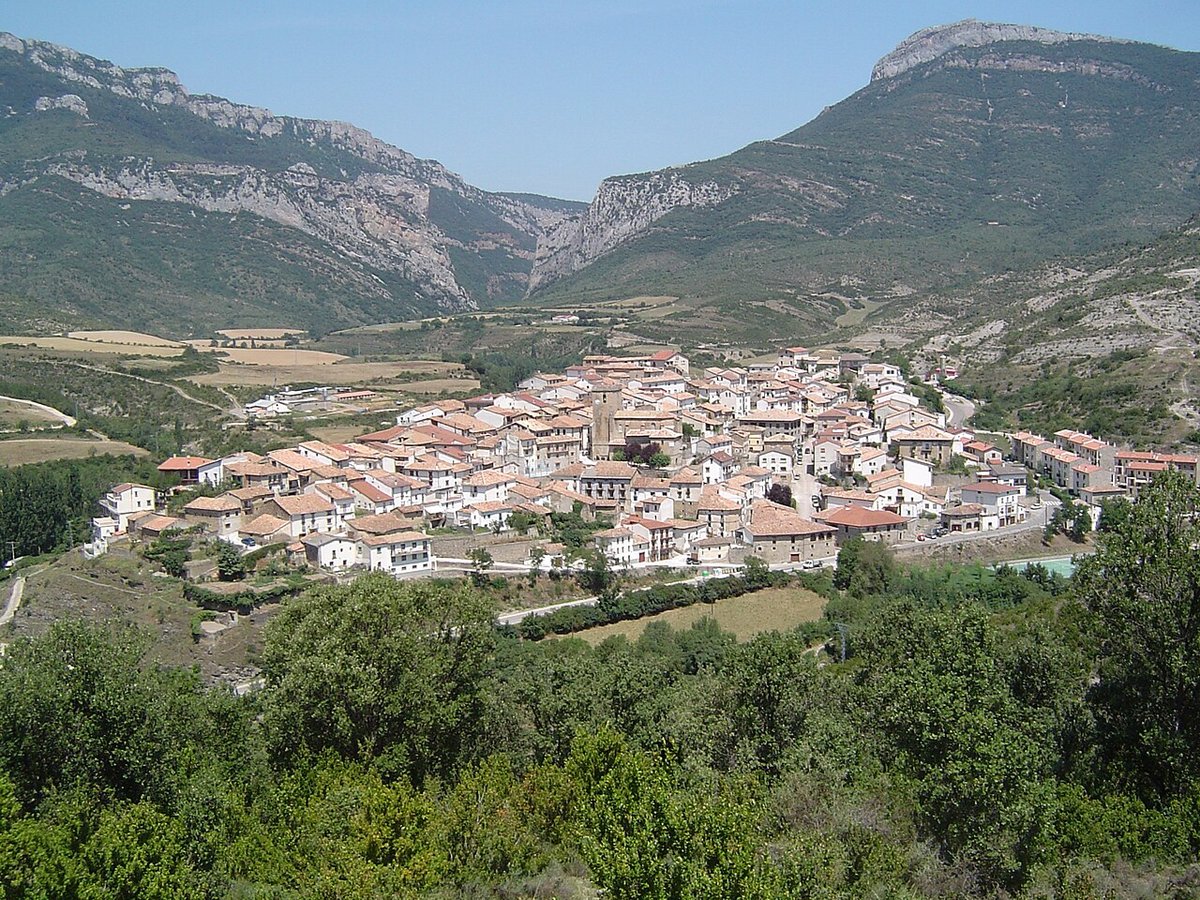
The first thing you notice isn't the stone houses or the medieval bridge—it's the silence, broken only by the rush of the Esca river and the occasional cry of griffon vultures overhead. At 650 metres above sea level, Burgui sits high enough in the Navarrese Pyrenees that the air feels different, cleaner somehow, and the summer heat never quite reaches the intensity of Spain's southern plains.

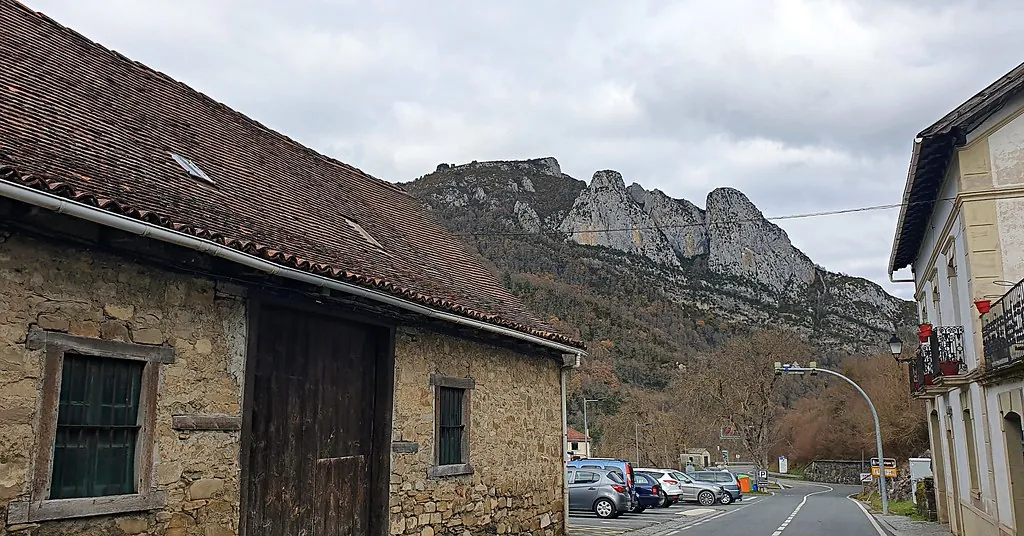
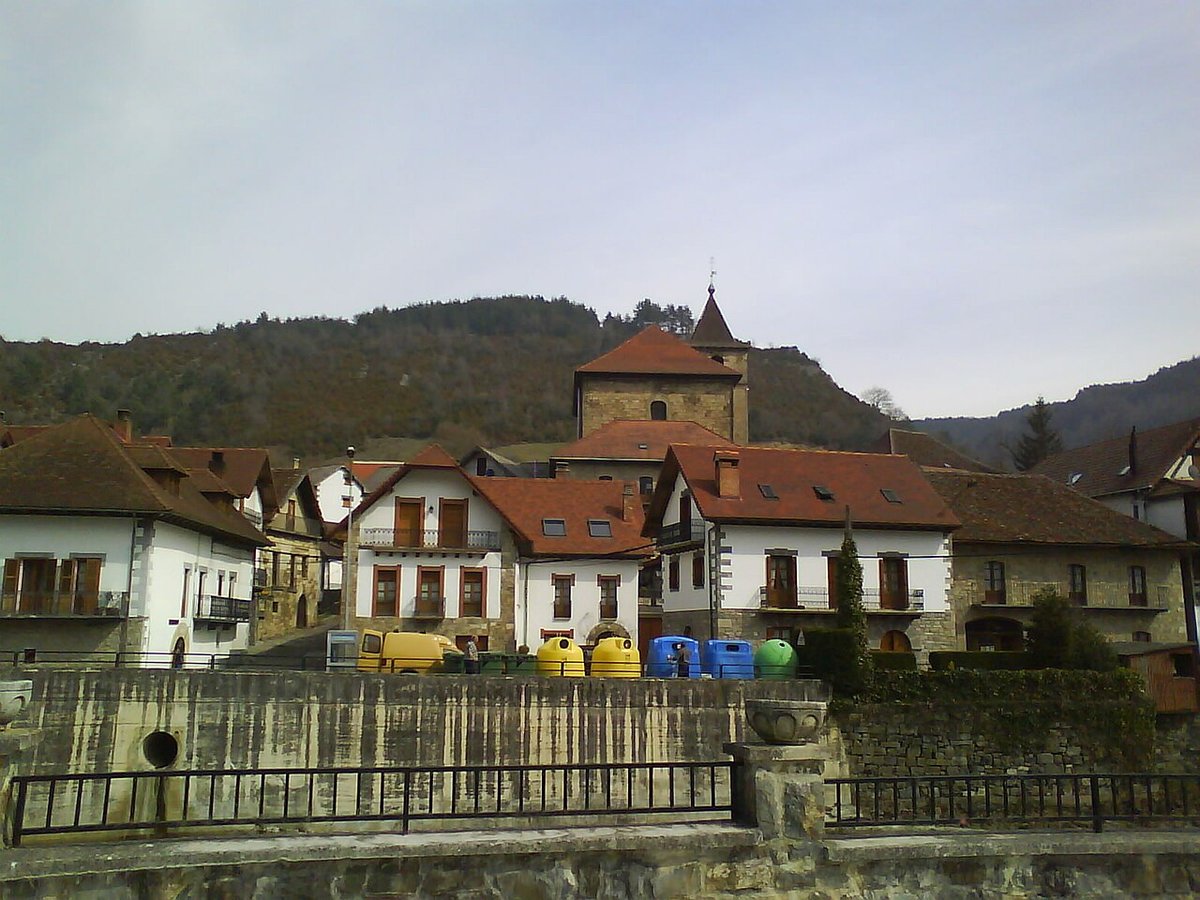
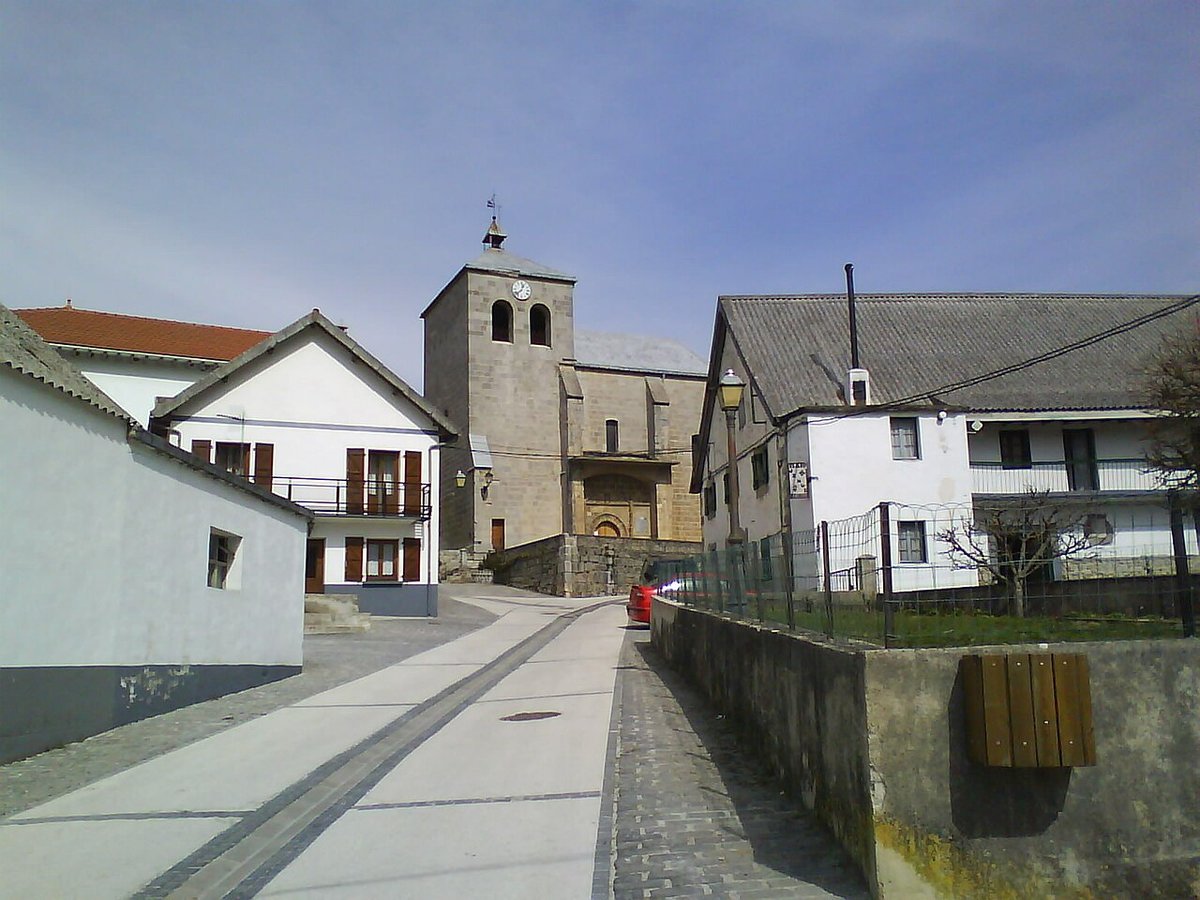
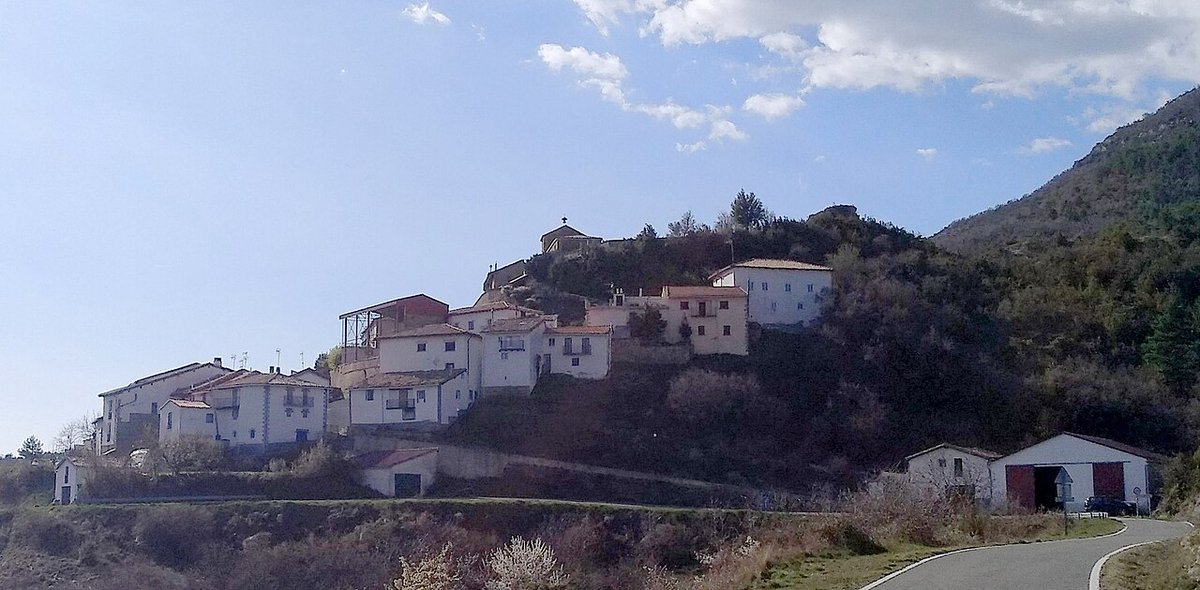
This small village of barely 200 souls spreads along a single main road that follows the river valley. The houses, built from local stone with slate roofs that turn silver in afternoon light, speak of practical mountain living rather than picture-postcard prettiness. They're sturdy, weather-beaten structures that have survived centuries of harsh winters and brief, intense summers.

The Gorge That Changed Everything

While most visitors come for the medieval bridge—which does, admittedly, photograph beautifully in morning light—the real draw lies just ten minutes' walk downstream. The Foz de Burgui gorge narrows to a dramatic canyon where the Esca has carved through limestone, creating cliffs that rise 200 metres from the water. This geological accident created perfect nesting grounds for one of Europe's largest griffon vulture colonies.

British birdwatchers have been coming here quietly for years, drawn by the promise of seeing fifty-plus vultures without the effort required in other Pyrenean sites. The viewing point requires no hiking boots or ordnance survey skills—simply follow the riverside path past the football pitch until the valley narrows. Bring binoculars, but don't bother too early; the birds start riding thermals around 10 am, with peak activity two hours either side of midday.

The 4-kilometre Senda de los Oficios loop starts here, a gentle introduction to local walking that passes old watermills and charcoal burners' sites. Pick up the English leaflet from the bakery by the bridge first—it's refreshingly honest about gradients and timing, unlike some Spanish trail information that assumes alpine fitness levels.

A Bridge Too Famous?

The medieval bridge itself, while magnificent, suffers from its own success. Built in the 14th century with three asymmetric arches, it appears on every piece of local tourism material and most visitors' Instagram feeds. What the photos don't show is the constant stream of camper vans trying to turn around in streets barely wider than a London alley, or the summer crowds who treat the village as a drive-through attraction.

Visit early morning or late afternoon when the light softens the stone to honey-gold and day-trippers have moved on to the next photo opportunity. The bridge connects the old quarter—where stone houses still bear the coats of arms of long-gone noble families—to the newer (though still centuries-old) commercial district. Stand in the centre and look upstream: the view encompasses the village, the valley narrowing towards the French border, and the Pyrenean foothills that change colour throughout the day.

Cheese, Cider and Other Mountain Essentials

Food here follows mountain logic: hearty, calorific and designed to see you through physical work in thin air. The local Roncal cheese holds DOP status—nutty, slightly sharp, made from raw sheep's milk and aged in mountain caves. Try it at Bar Zati Berri, where they'll serve it with local cider that arrives with theatrical pouring from height, Basque-style. Don't dismiss the tortas de txantxigorri either; these sweet anise pastries, made with lard in the traditional way, provide perfect walking fuel.

For something more substantial, cordero al chilindrón appears on every menu—lamb stewed slowly with red peppers until the meat falls from the bone. It's the kind of dish that makes sense after a morning watching vultures in a stiff breeze, less appealing during August's intense midday heat. Vegetarian options remain limited; this is sheep and potato country where vegetables historically meant whatever grew in protected valley gardens.

When to Come, When to Stay Away

Spring and autumn offer the best balance of weather and crowds. April brings wildflowers to the valley slopes and comfortable walking temperatures, while October's changing colours transform the mixed beech and oak forests. Summer brings fierce afternoon heat that sends sensible visitors indoors from 2 pm onwards, though river swimming below the gorge provides relief for the determined.

Winter arrives early at this altitude. Snow can block the NA-178 mountain road from November onwards, and what seems a straightforward drive from Pamplona becomes a white-knuckle experience of hairpin bends and sudden weather changes. The village doesn't shut down—locals live here year-round—but accommodation options reduce to essentially one, and many businesses close midweek.

The Practical Bits That Matter

There's no cash machine in Burgui, a fact that catches out increasing numbers of visitors who assume card payments work everywhere. Stock up in Pamplona or Roncal before you arrive. Parking is free but requires common sense—leave your car on the main road and walk into the historic centre. The streets narrow to medieval widths where passing a neighbour requires choreography.

Mobile phone signal remains patchy throughout the valley, which either terrifies or delights depending on your relationship with connectivity. The bakery by the bridge doubles as an informal tourist office when the proper one closes (which it does, frequently and without notice). They'll sell you pastries, local cheese, walking leaflets and practical advice in roughly equal measure.

Beyond the Photo Opportunity

Burgui works best as a half-day stop rather than a destination, though staying overnight provides that magical early-morning window when village life happens—locals collecting bread, farmers moving sheep, the morning light catching the bridge just so. It connects well with other Roncal valley villages, each distinct but sharing the same mountain pragmatism.

The real mistake would be treating this as another Spanish village tick-box exercise. Burgui's appeal lies not in individual monuments but in the combination of human settlement and wild nature—the medieval bridge crossed by modern villagers, the café terrace where griffon vultures circle overhead, the way the mountain air makes everything taste sharper, feel more immediate.

Come for the bridge photo if you must, but stay for the valley's slow rhythm, the taste of cheese made from sheep that graze these slopes, and the realisation that some places remain stubbornly themselves despite the modern world's best efforts.

Key Facts

Region
Navarra
District
Pirineo
INE Code
31059
Coast
No
Mountain
Yes
Season
summer

Livability & Services

Key data for living or remote work

2024
ConnectivityFiber + 5G
Housing~5€/m² rent · Affordable
Sources: INE, CNMC, Ministry of Health, AEMET

Official Data

Institutional records and open data (when available).

  • El Balc¢n de Forniellos II
    bic Monumento ~4.1 km
  • El Balc¢n de Forniellos V
    bic Monumento ~4.1 km
  • Front¢n I de Forniellos
    bic Monumento ~4.1 km
  • Front¢n II de Forniellos
    bic Monumento ~4.1 km
  • Front¢n III de Forniellos
    bic Monumento ~4.1 km
  • La Terraza de Forniellos
    bic Monumento ~4.1 km
Ver más (4)
  • El Balcon de Forniellos I
    bic Monumento
  • El Balc¢n de Forniellos IV
    bic Monumento
  • La Raja de Forniellos
    bic Monumento
  • El Balc¢n de Forniellos III
    bic Monumento

Planning Your Visit?

Discover more villages in the Pirineo.

View full region →

More villages in Pirineo

Traveler Reviews