Full Article
about Gallués
Gateway to the Salazar Valley; a small municipality made up of several hamlets with a Pyrenean feel.
Hide article Read full article
A Small Village, Nothing More and Nothing Less
Tourism in Gallués is straightforward. You arrive, park along the main street, and walk for ten minutes. There are no formal parking areas, but if the village is calm, which is usually the case, you will find a space near the church or at the entrance.
Gallués sits a short distance from Sangüesa, in the Navarre Pyrenees. It has around a hundred residents. There are no tourist facilities and no information panels explaining what you are seeing. The visit is exactly what it seems: a small village and the landscape around it. Nothing more.
Morning tends to be the best time to come. There is a bit of local movement then, and the light falls better on the façades, giving some life to the stone buildings.
Walking Through the Village
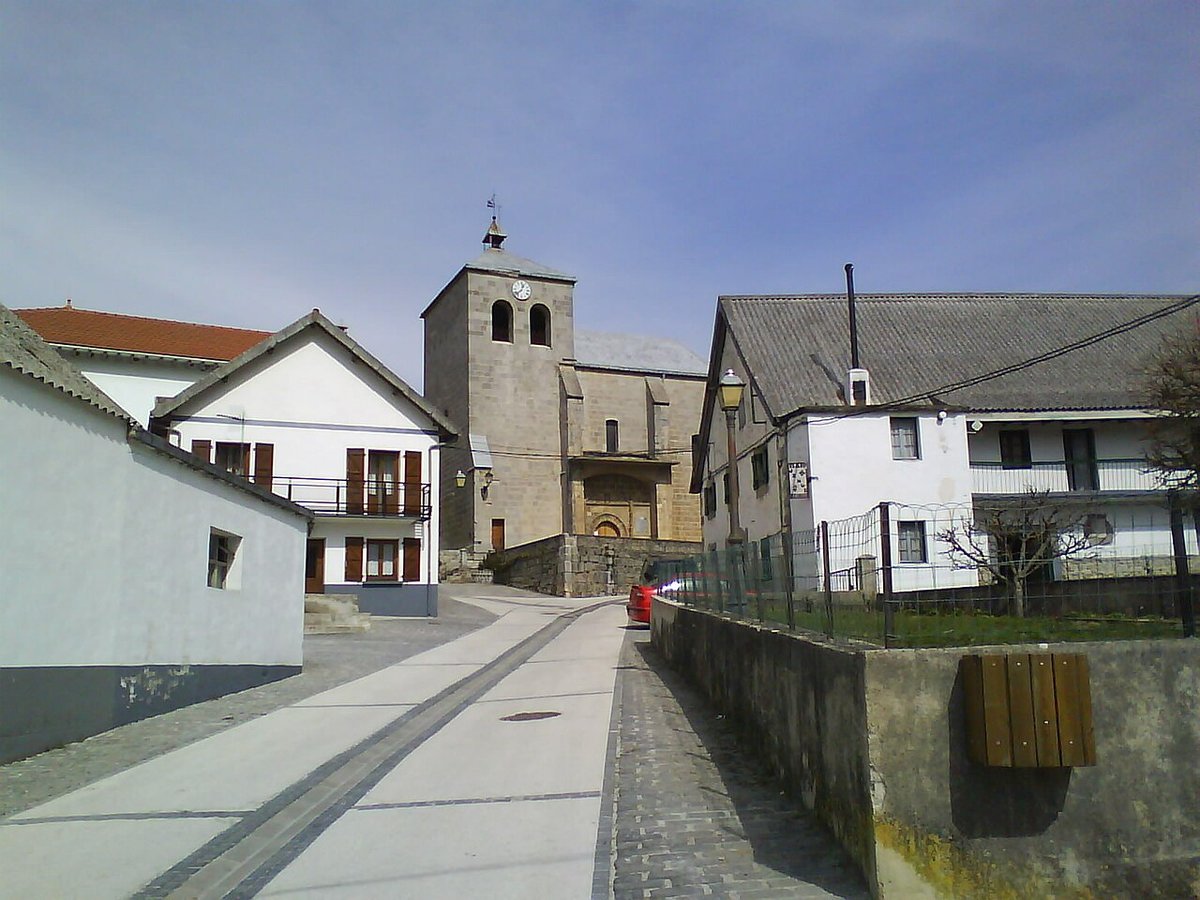
The most recognisable building is the church of San Martín de Tours. Its origins are medieval, though it has been altered over time. The exterior is plain. The interior is often closed, depending on the day, so it is not always possible to go inside.
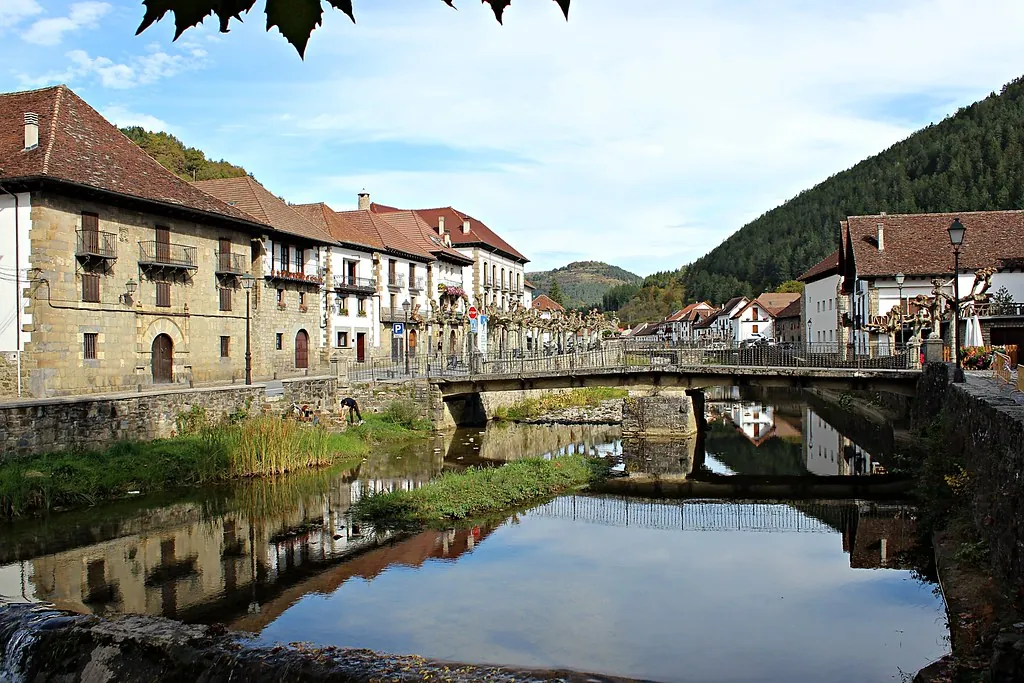
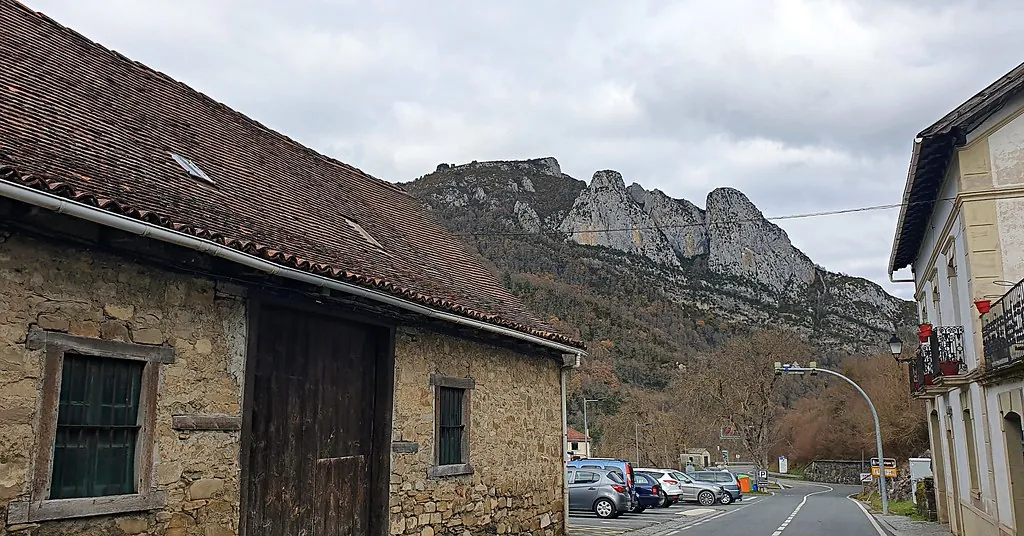
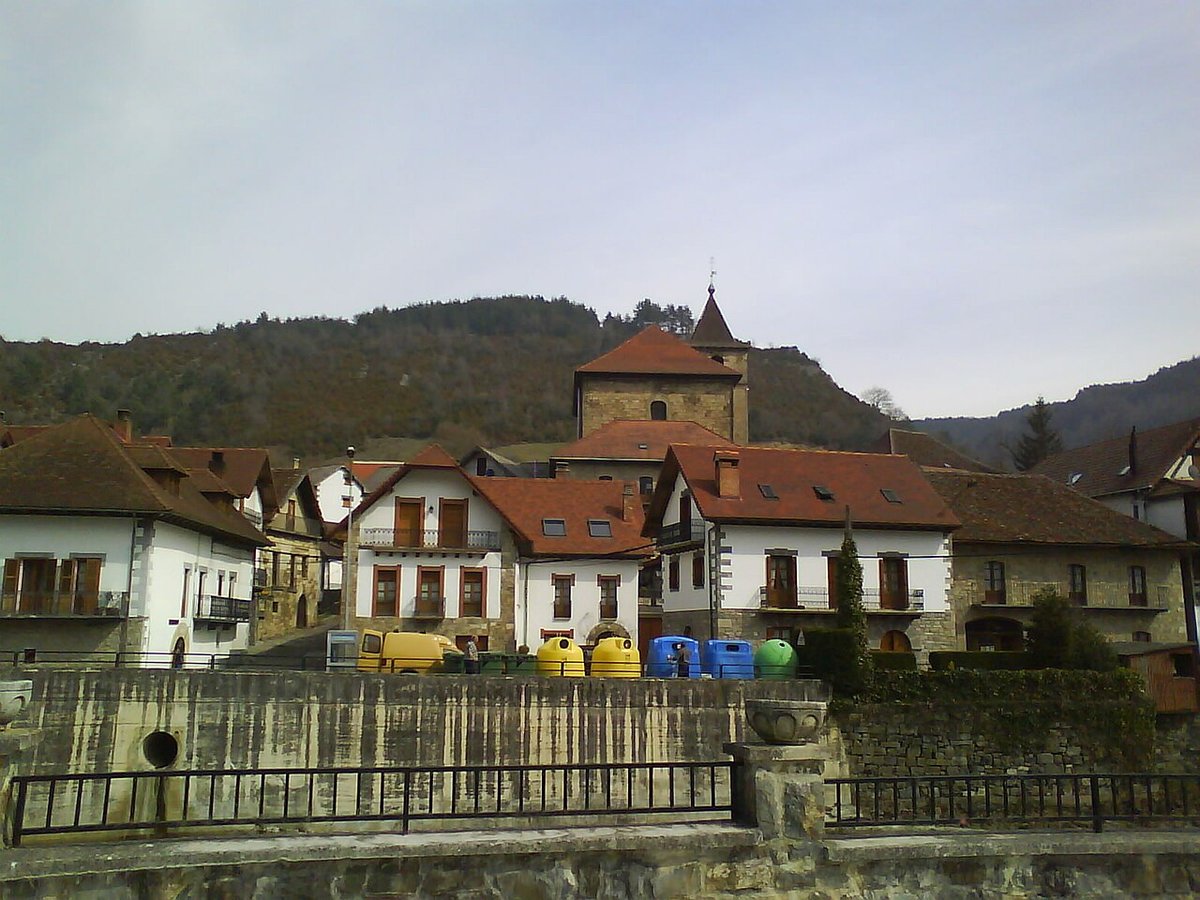
The houses follow a consistent pattern: stone walls, wooden balconies, and sloping roofs. Some still have large पुराने gates and old animal enclosures attached. You do not need to search for them. The village is small, and everything sits within a short walk.
The urban centre can be covered quickly. Two or three streets make up most of it. If rural architecture is of interest, it is worth slowing down and looking closely. Details stand out: ironwork on doors, worn wooden entrances, and small vegetable plots pressed up against the houses.
There is no marked route or set path through the village. You simply move through it, noticing what appears along the way.
Beyond the Houses
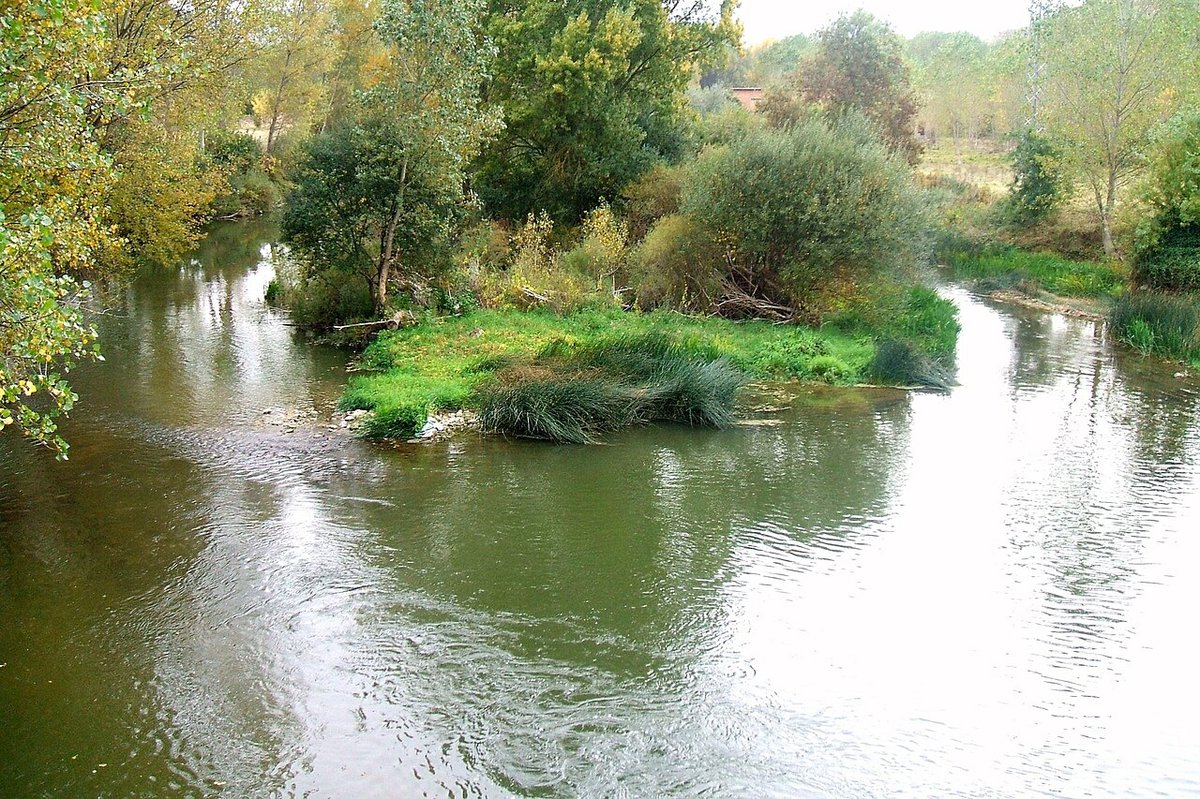
Step outside the built-up area and the setting opens immediately. Meadows spread out from the edge of the village, along with low scrubland. On the nearby slopes there are oak and beech trees, typical of this part of the Pyrenees.
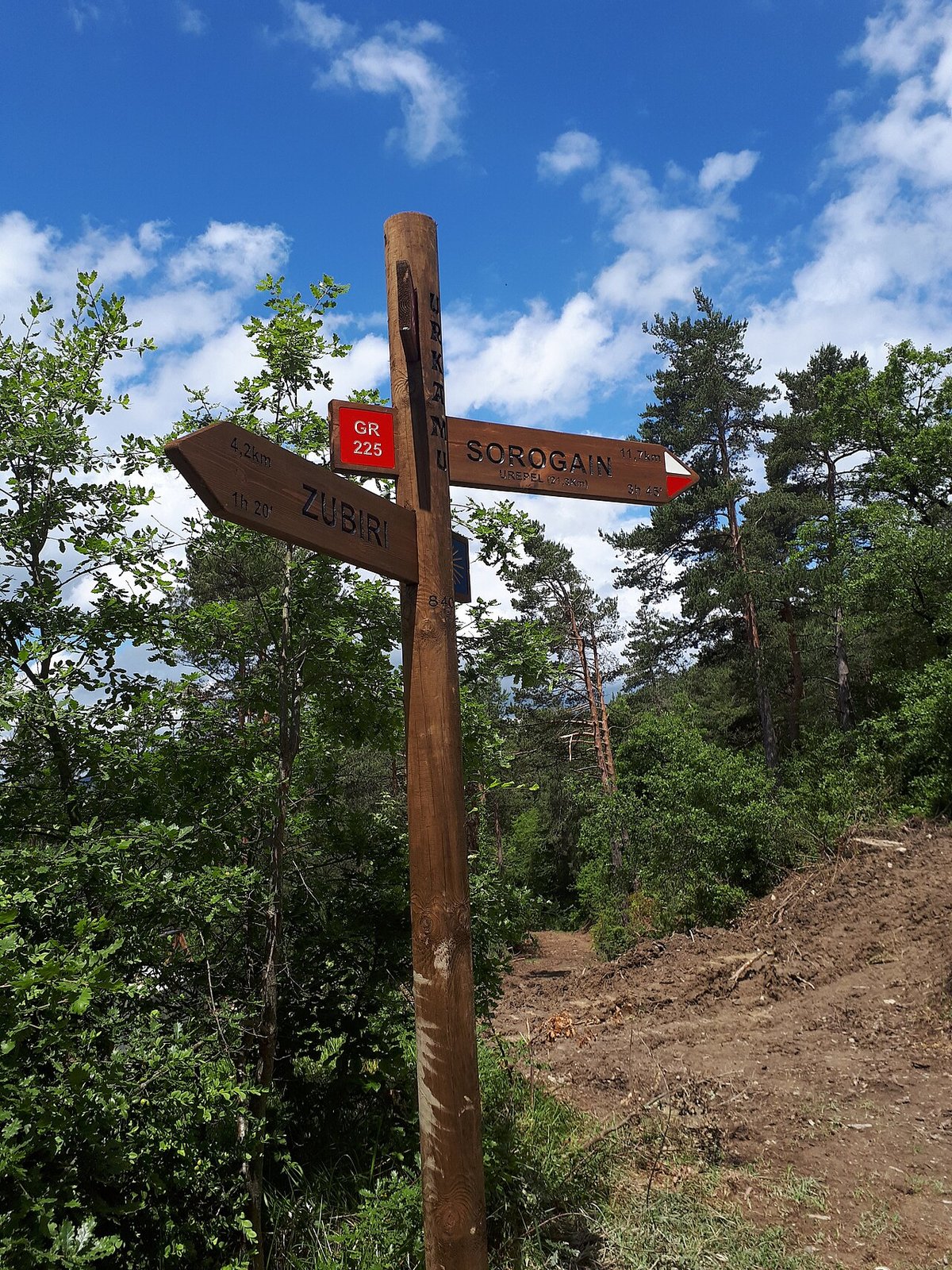
There are no signposted walking routes in the style of a natural park. The paths that exist are practical ones. They are used for moving livestock, reaching fields, or following old routes through the valley. As a result, they can feel informal and sometimes unclear.
Anyone choosing to walk further should bring a map or GPS. Junctions are not always obvious, and it is easy to take a wrong turn without noticing. Weather in the Pyrenees also changes quickly, even on days that begin stable, so conditions can shift without much warning.
This is not a place for structured hiking with clear directions. It is closer to wandering along working paths that still serve the daily life of the area.
Local Life and Festivities
The main annual celebrations revolve around San Martín, in November. These are patron saint festivities, centred on the village itself rather than designed for visitors. They are mostly for residents and for families who return during those days.
In summer, there are usually small gatherings when people who live elsewhere come back. These are modest events, organised by the neighbours. If you happen to pass through at that time, the difference is noticeable. The village becomes busier than usual, with more activity in the streets.
Outside of these moments, Gallués keeps a steady and quiet rhythm. It functions as a living village rather than a destination adapted for tourism.
Practical Notes for a Short Visit
Gallués can be seen in about an hour. A simple plan works best: walk to the church, follow the two or three main streets, and head slightly out towards the nearby meadows.
It is worth being clear about expectations. There are no major monuments and no organised activities. This is a village in the valley that continues to operate as such. Daily life comes first, and everything else sits around it.
For some, that is precisely the appeal. For others, it may feel too limited. If the interest lies in observing small rural places and their setting, it makes sense to stop for a while. If not, it is easy to continue on towards other parts of the Pyrenees.