Full Article
about Garaioa
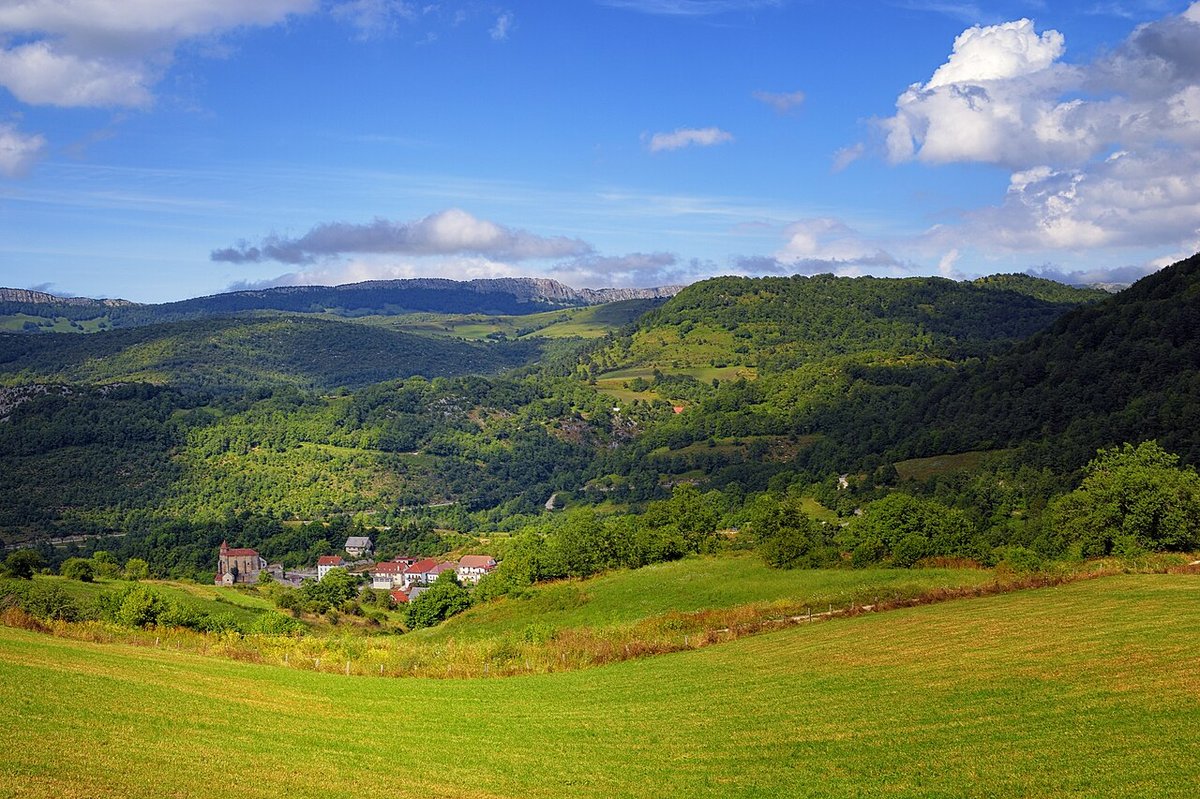
Village in the Aezkoa Valley with a stunning overlook of the Irati Forest
Hide article Read full article
Arriving without a checklist
Some places come with a mental list of sights to tick off. Tourism in Garaioa works the other way round. You arrive, park, take a few steps, and realise the plan here is simply to slow down.
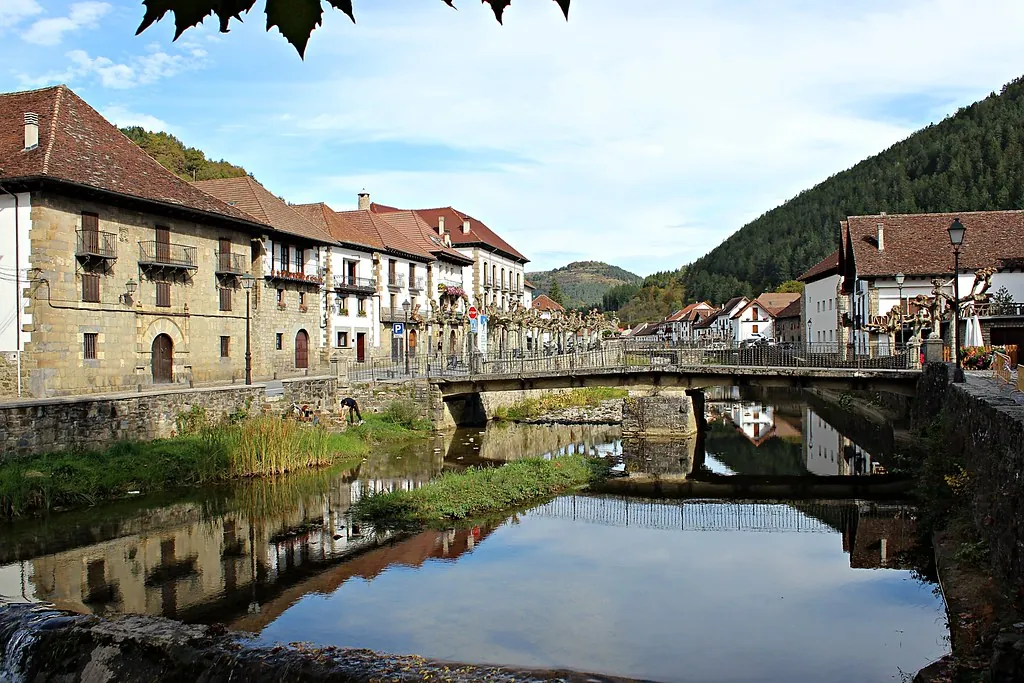
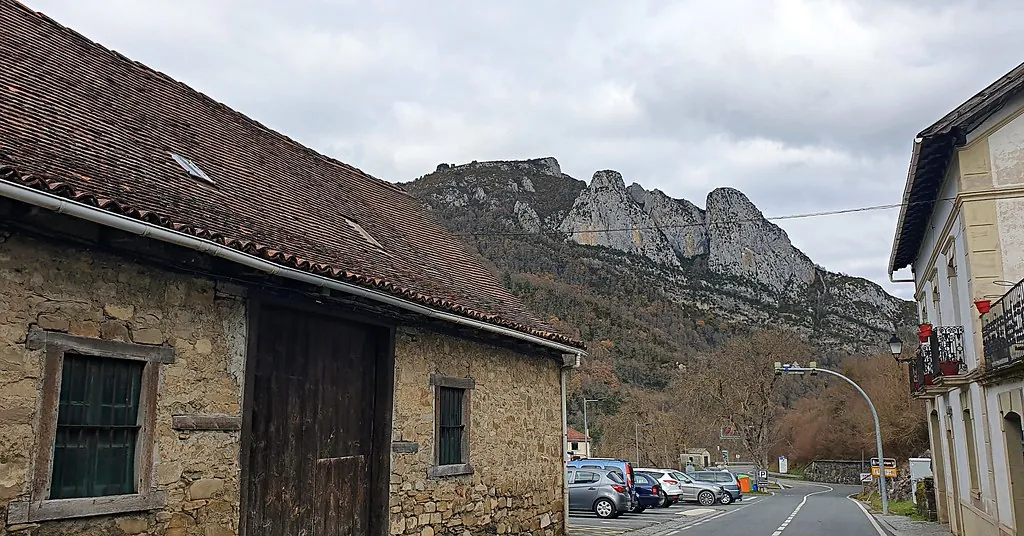
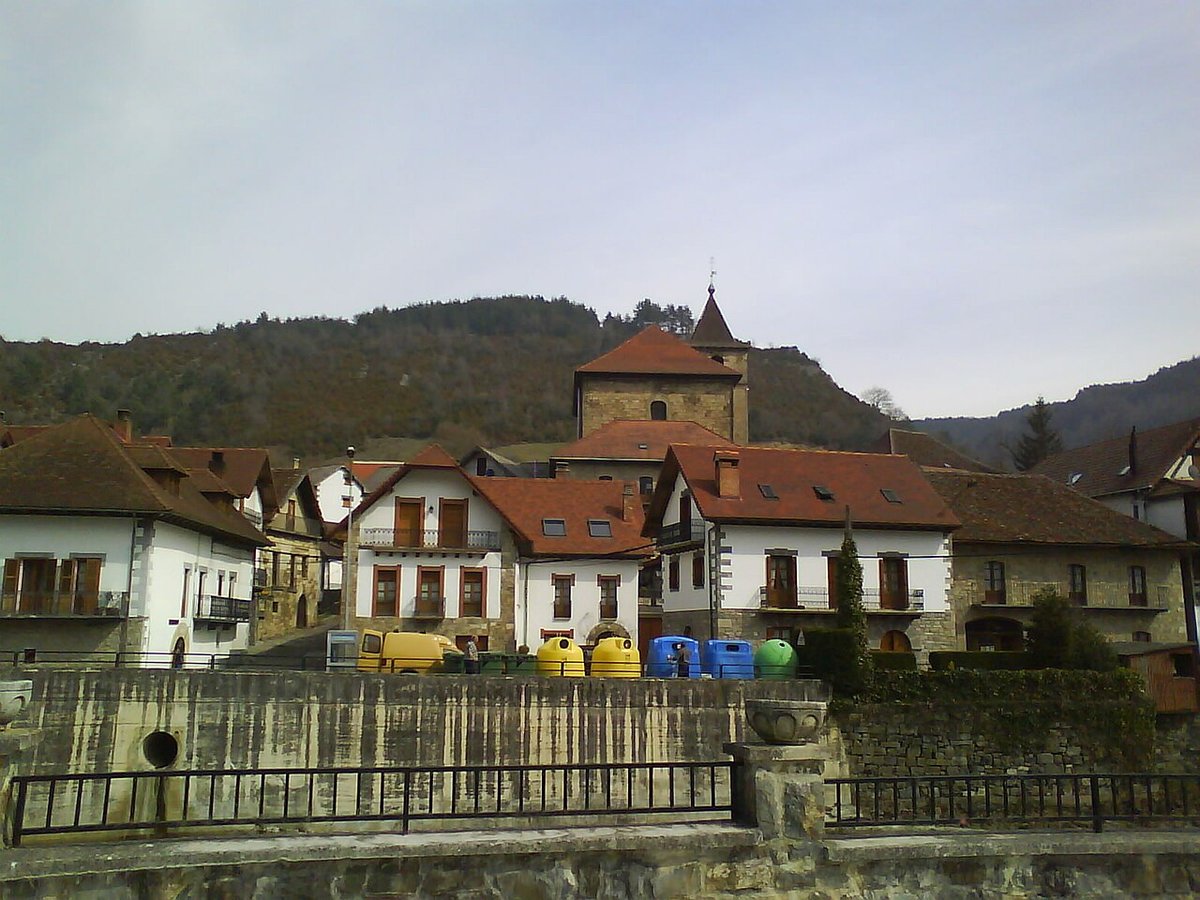
Garaioa is a small village in the Navarrese Pyrenees, with fewer than a hundred residents. It sits within the Aezkoa valley, surrounded by beech forests and meadows where green is not one colour but many. There are no signs pointing to “attractions”. Instead, there is a village that continues to live on its own terms, among stone houses, dark roofs and paths that lead out towards the hills.
A walk that explains everything
Walking through Garaioa feels a bit like stepping into the courtyard of a house that has been in the same family for generations. Everything makes sense, even if nobody has stopped to explain it.
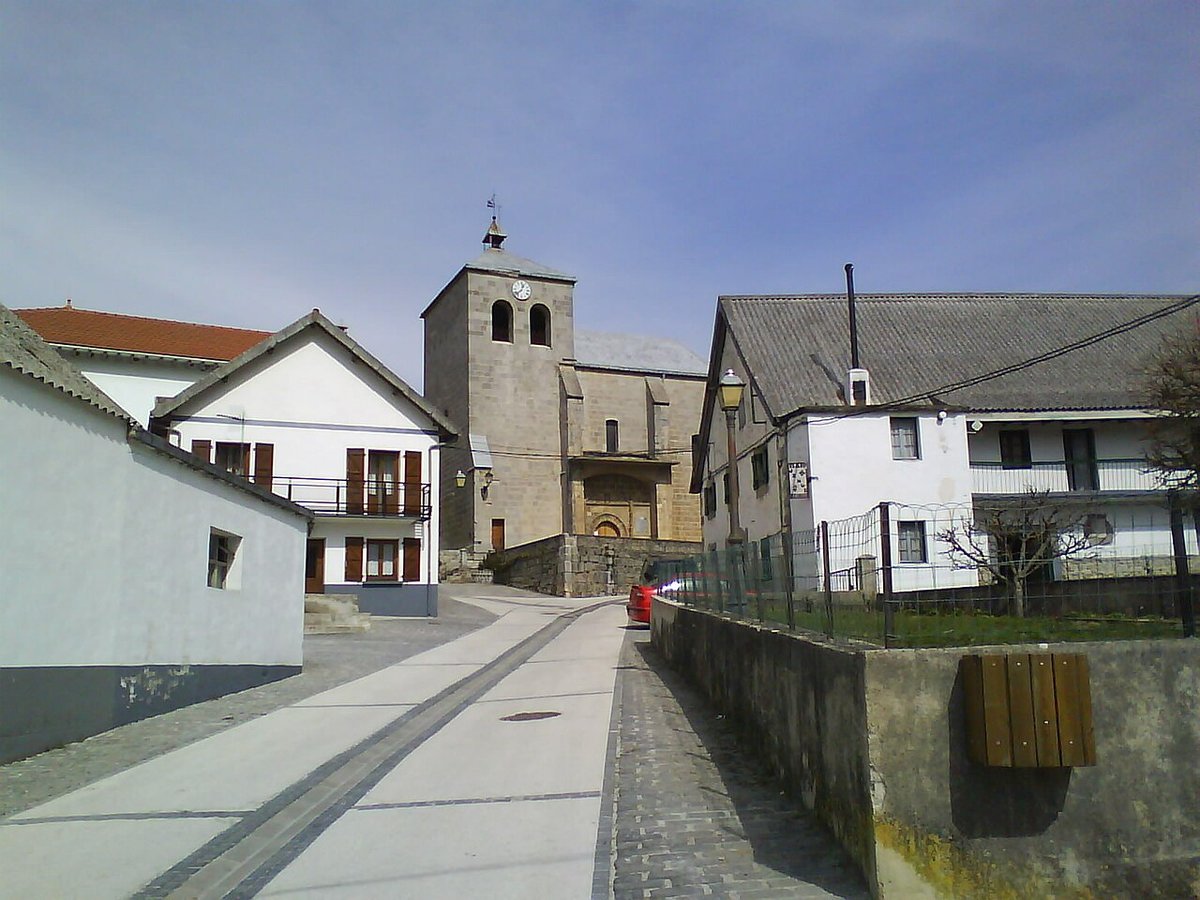
The houses are solid, built to cope with long winters. Thick stone walls, sloping roofs and fairly plain façades define the streets. This is not architecture designed to impress. It is built for living here. Many homes still have vegetable gardens, wood stores or former stables, so the village does not feel preserved in time. It feels in use.
The parish church acts as a visual anchor as you move through the centre. It is a simple building, the kind that does not draw attention from the outside but has been part of the village rhythm for centuries. It is often closed, which is typical in small villages, yet even from the outside it helps explain how the place is organised around it.
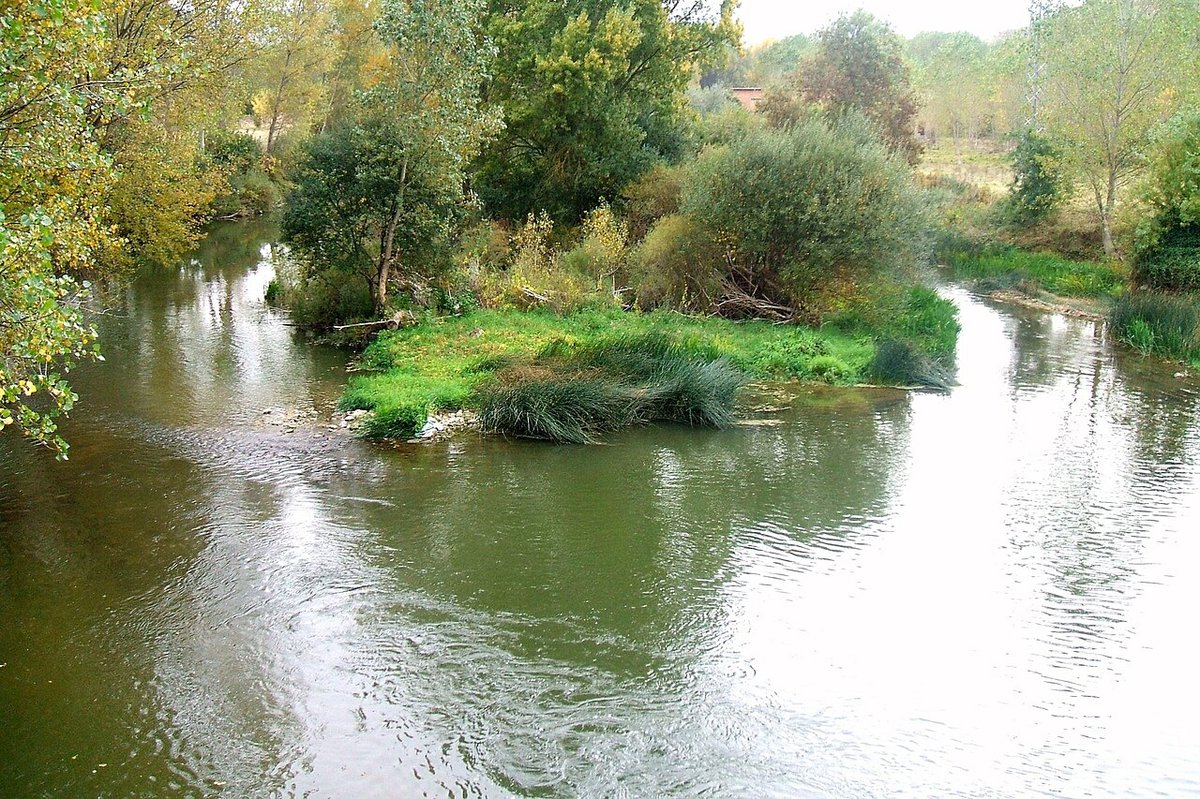
From the more open streets, the forest appears almost immediately. In autumn, the beech woods shift colour from one day to the next. In spring, the meadows return to an intense green that looks almost freshly painted. Nearby, the sound of water from a stream is easy to catch, something common across this part of the Pyrenees.
Walking without a plan
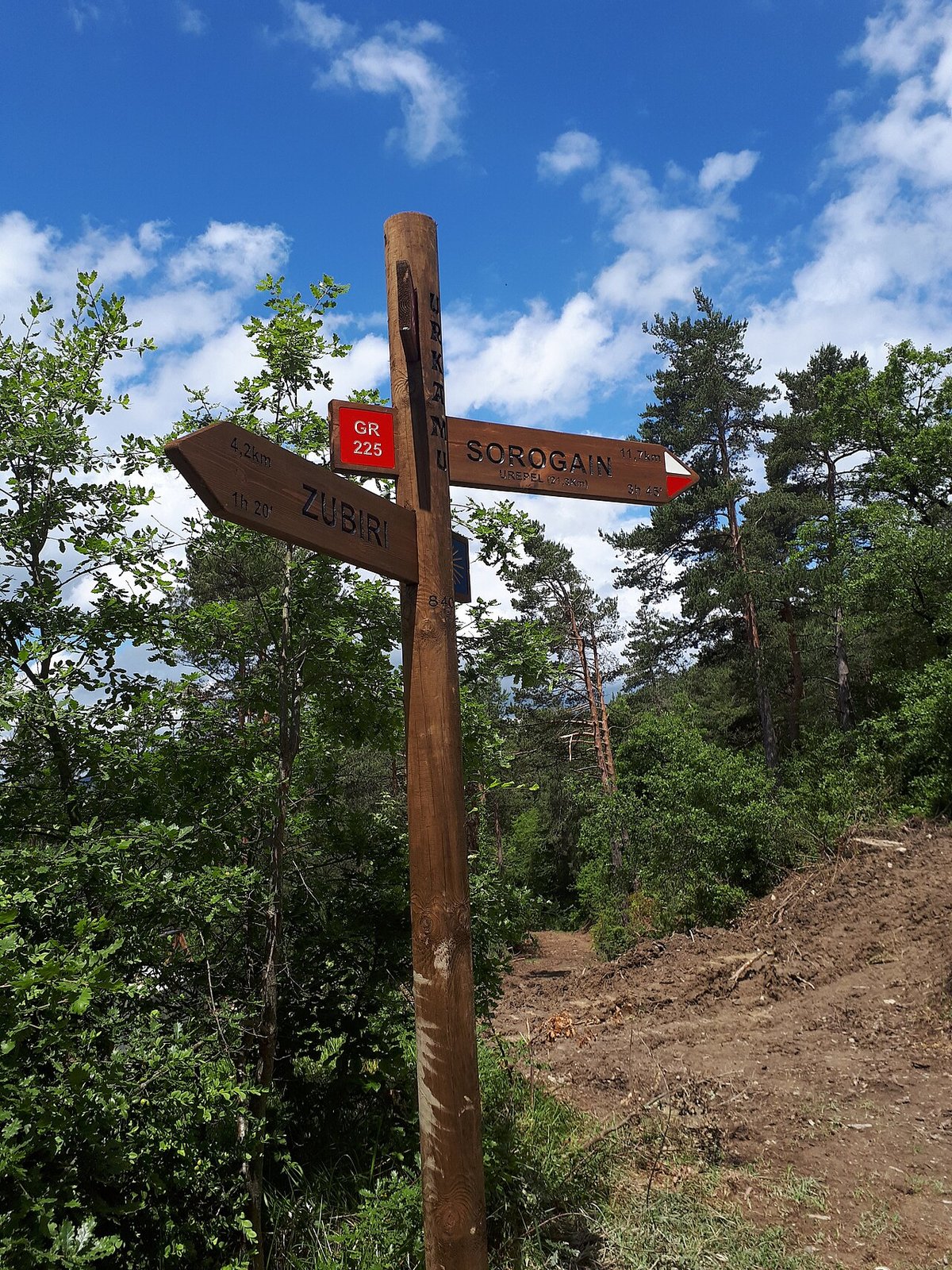
There is no need to search for a famous route on your phone in Garaioa. Quite the opposite. The usual thing is to head out along one of the rural tracks that leave the village and see how far you feel like going.
Many of these paths cross plots of land bordered by dry stone walls or gradually enter the beech forest. They are not marked hiking trails in the usual sense. They are the routes locals have always used to move through the hills, tend livestock or reach other small buildings in the countryside.
For anyone interested in photography, the Pyrenees offer a changing light that becomes especially noticeable early in the morning and towards sunset. In autumn, it is also common to see people searching for mushrooms along the forest edges. If you do the same, it is important to know what you are doing and to respect both the environment and private land, which is still actively used here.
Two hours, unhurried
Garaioa is the kind of place you can walk through quickly, yet it encourages you to take your time.
A good approach is to wander slowly through the streets, notice the details on the façades such as a carved stone coat of arms, large wooden doors or sharply sloping roofs, and then head towards the church. After that, follow one of the paths that skirt the village and walk for a while in the direction of the forest.
There is no need to complicate things. In a couple of hours, you can get a clear sense of the place.
Common missteps
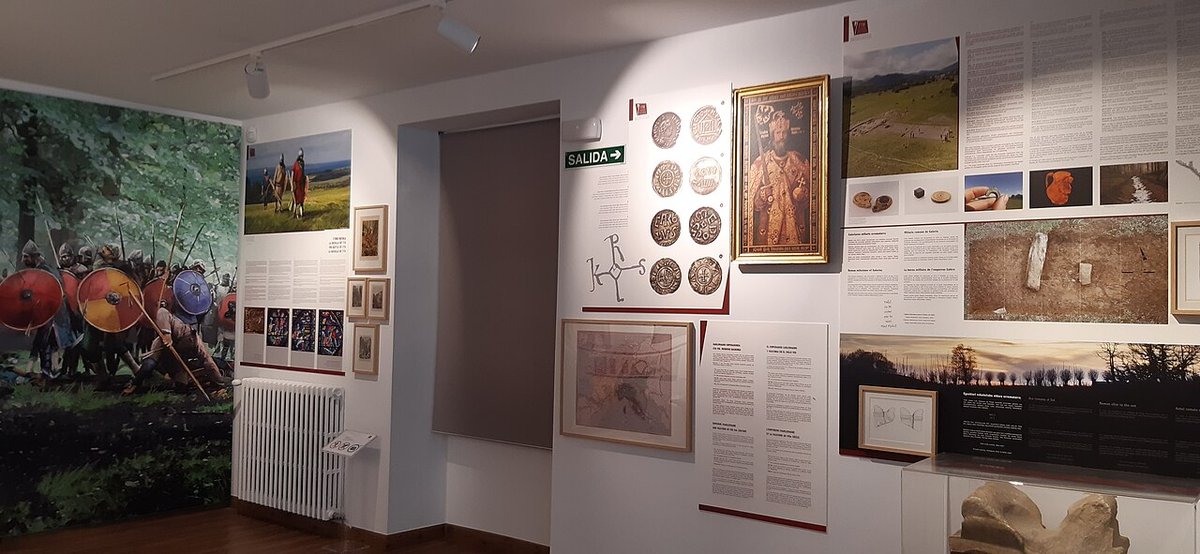
The most frequent mistake is arriving with expectations of classic sightseeing. Garaioa does not have museums or large monuments. What makes it interesting is precisely that it remains a small Pyrenean village with everyday life still unfolding.
It is also worth leaving the car somewhere it does not get in the way and exploring on foot. The streets are narrow and still serve practical purposes such as accessing homes or moving equipment.
Another typical detail in this part of Navarra is how quickly the weather changes. Even on clear days, the temperature drops noticeably once the sun goes down.
Practical notes
Garaioa is located in the Navarrese Pyrenees, within the Aezkoa valley. From Pamplona, the journey takes a little over an hour by car, depending on the route and traffic along the mountain roads.
The final stretch involves winding roads that call for a steady pace, something entirely normal in this part of Navarra.
For a visit, comfortable footwear and an extra layer in your bag are enough, even if the day begins with sunshine. The ground along the paths is often damp beneath the forest cover, and the afternoons cool down sooner than expected.
It is a small village, the kind where the best way to understand it is simply to walk for a while and look around. Sometimes that is all that is needed.