Full Article
about Garde
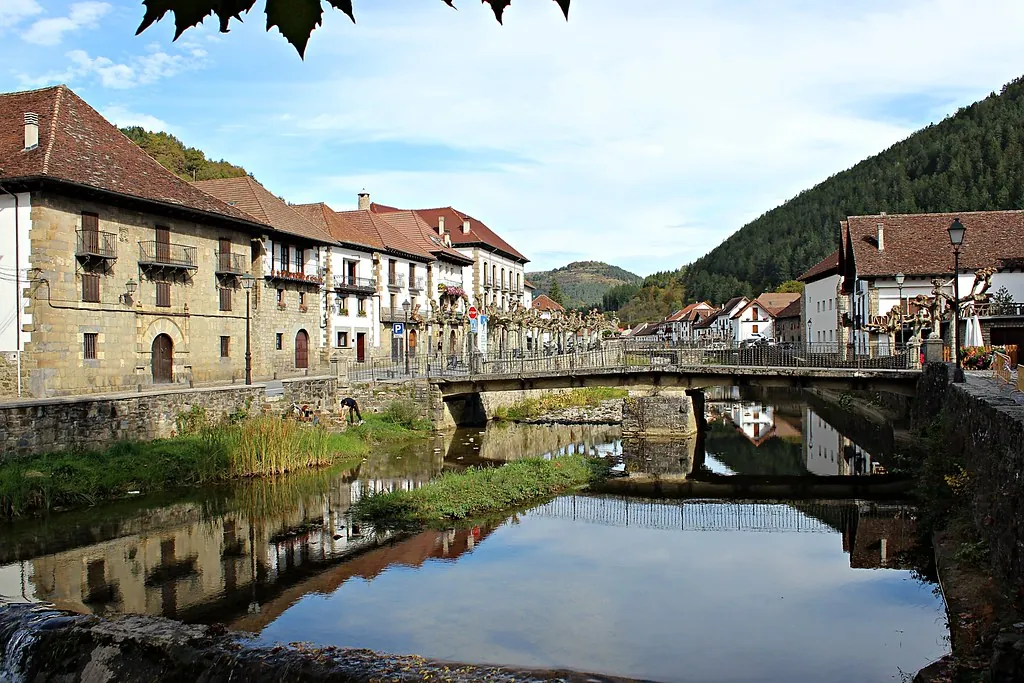
Roncal village with an iconic thousand-year-old walnut tree; stone architecture and cobbled streets
Hide article Read full article
A small village in the eastern Pyrenees
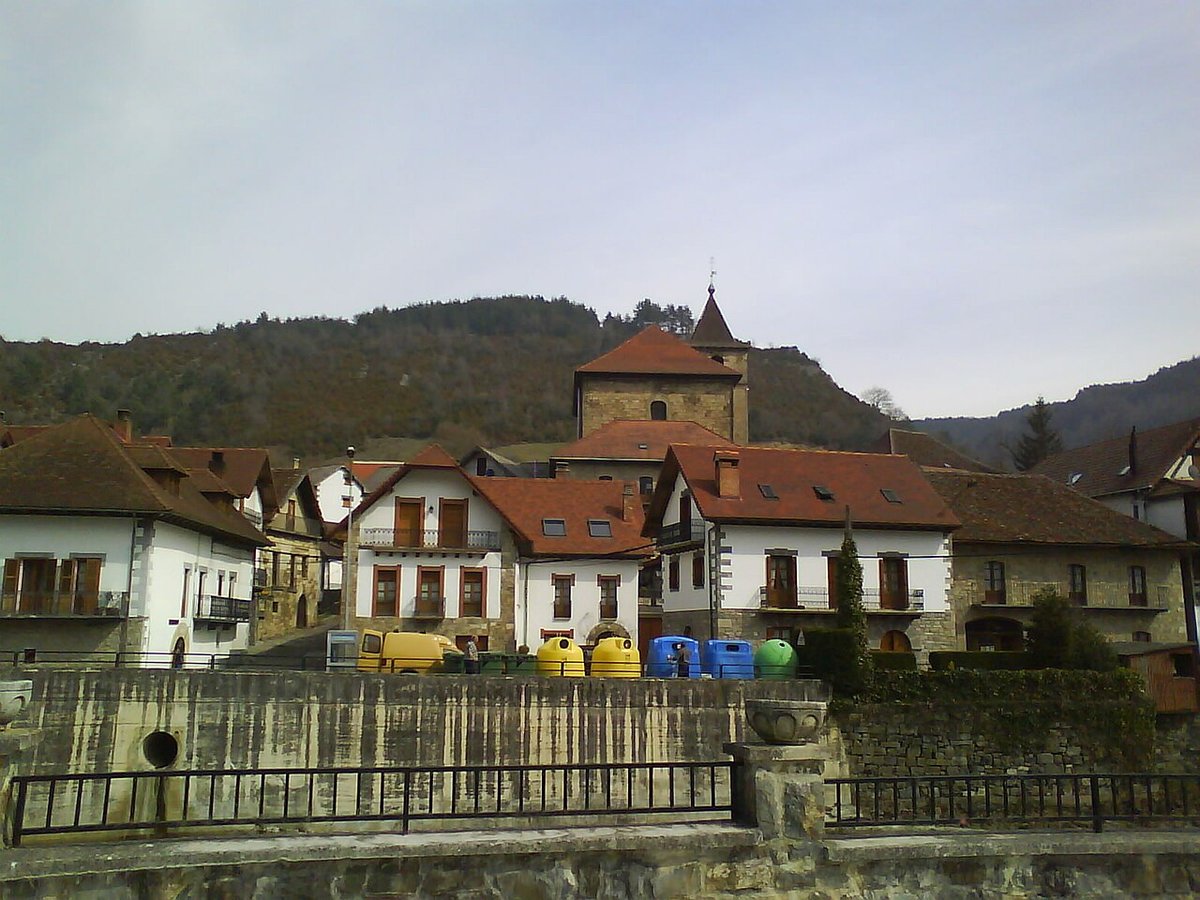
By mid-morning, when the sun falls directly onto the façades, Garde reveals its full range of textures: slightly rough grey stone, timber darkened by long winters, and wide eaves that shelter doors and windows. It is a small place, with just over a hundred residents, and its scale becomes clear within minutes of walking through it.
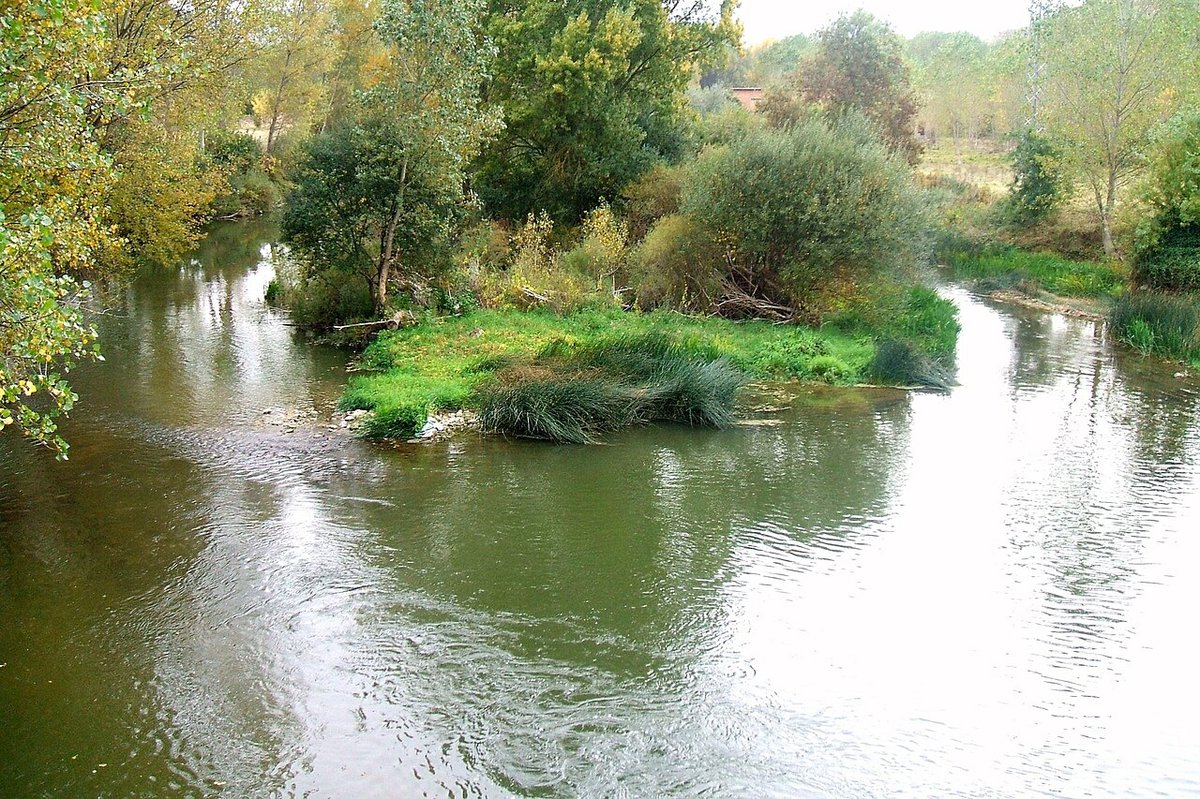
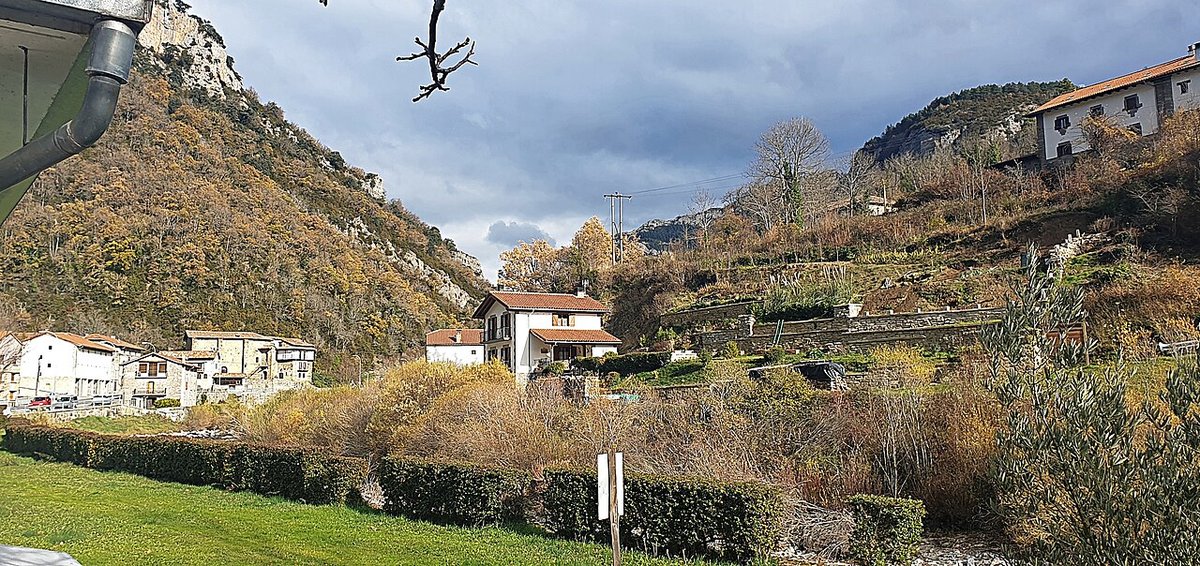
Garde sits in the Roncal Valley, at the eastern edge of Navarra in northern Spain, close to the Pyrenees. Life here has long been tied to the mountains and livestock. The Esca river runs along the bottom of the valley, not far from the village, tracing the most open line in the landscape. Beyond that, the terrain rises into slopes, meadows and patches of woodland that climb steadily towards the peaks. The green shifts with the seasons, sometimes vivid, sometimes muted, but always present.
Stone houses shaped by the climate
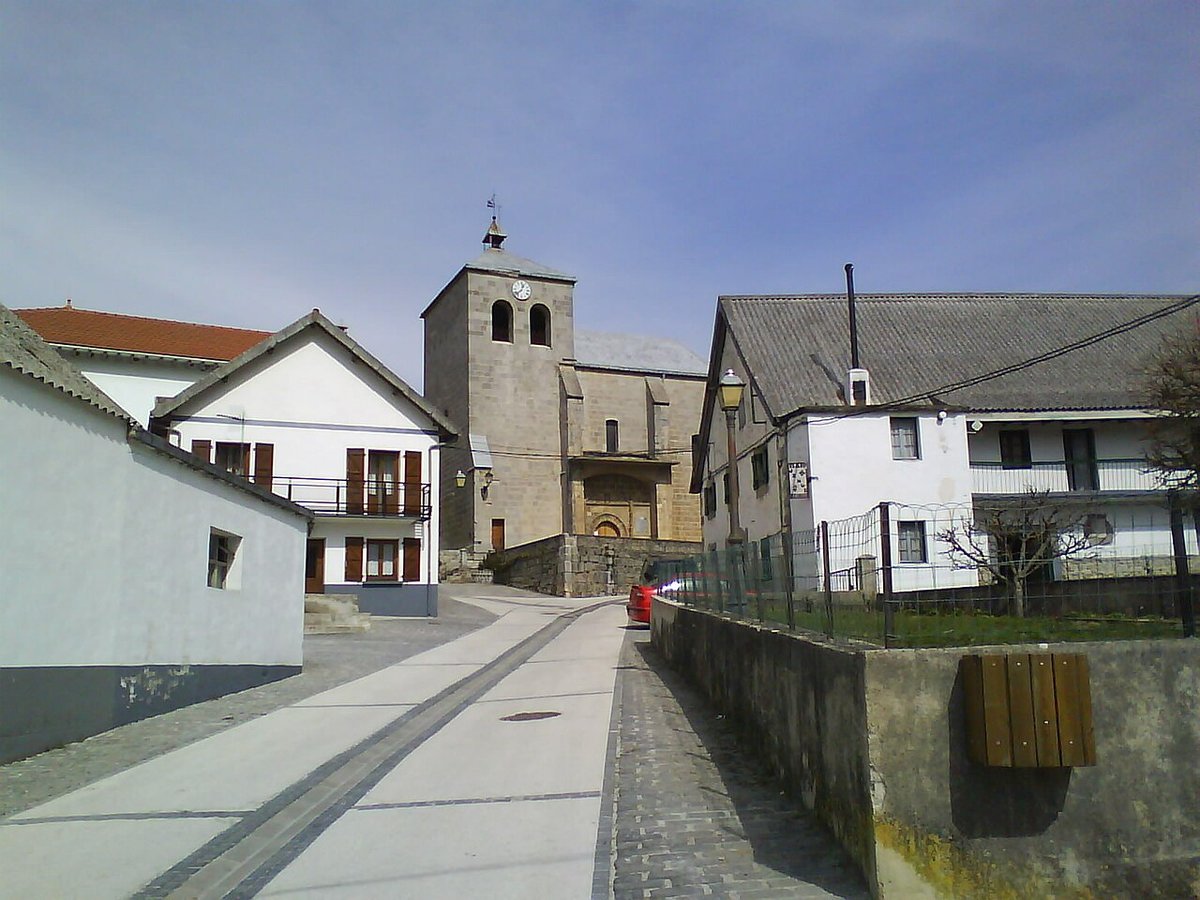
At the centre of the village stands the parish church, dedicated to Santiago. It acts as a natural reference point when moving through the streets. Garde is neither large nor confusing: a short walk is enough to cross it from one side to the other.
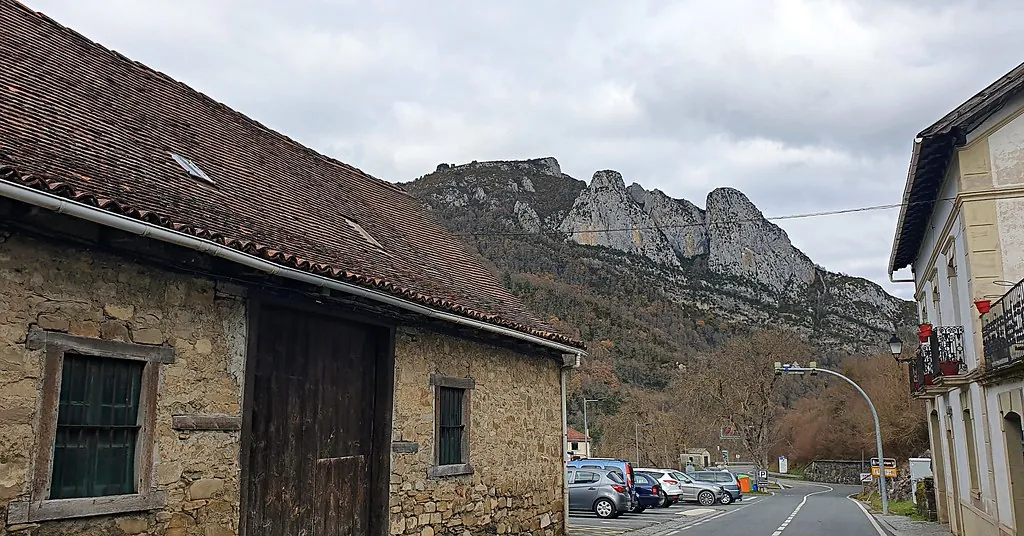
The houses follow a clear and practical pattern. Thick stone walls, relatively small windows and steeply pitched roofs designed for snow. Many façades still feature large doorways that were once used to store carts, animals or firewood. Some buildings display carved stone coats of arms, while others simply carry the marks of time in the wood of balconies and shutters.
The slope of the land shapes how the village is built. Steps, small changes in level and uneven courtyards appear throughout, as homes adapt to the terrain. The architecture does not try to stand out. It is direct and functional, built to endure the climate rather than to impress.
The surrounding landscape
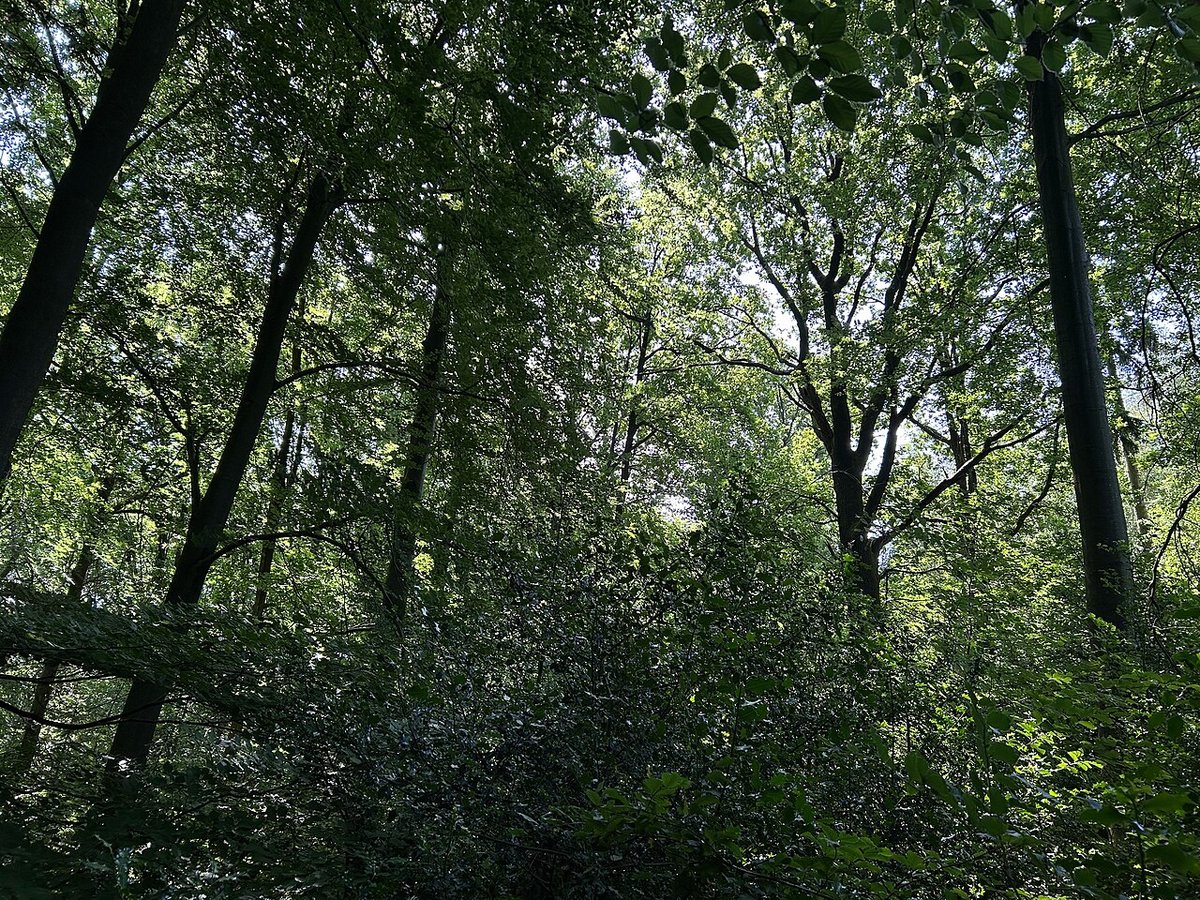
A short walk beyond the edge of the village changes the atmosphere. The quiet takes on a different tone: water can be heard moving through irrigation channels, a distant cowbell now and then, and, depending on the season, wind shifting the tops of beech and pine trees.
The meadows around Garde have traditionally been used for grazing. In spring they turn a bright green, scattered with small flowers. By October they begin to fade into ochres and yellows, while the nearby forest grows denser in colour.
Paths that climb the slopes offer broad views over the Roncal Valley. The river below, villages spaced at some distance from each other, and mountains closing in the horizon. The landscape is not dramatic at every turn, but it is constant, always there in the background.
Walking routes and practical details
Several tracks and paths lead out from Garde into the surrounding woodland. Some are still used for farming and forestry work, so it is common to come across tractors or grazing animals moving between fields.
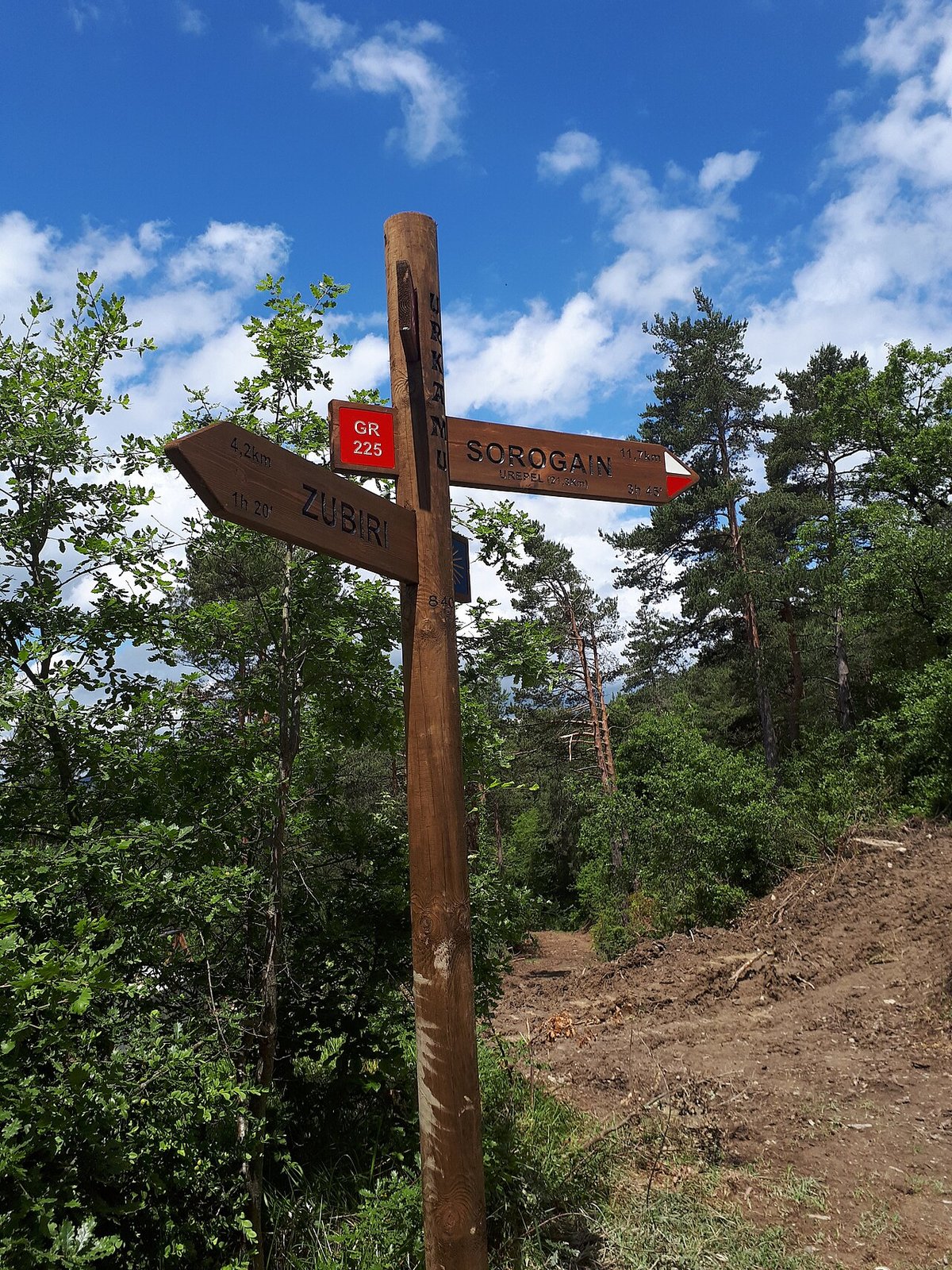
Signposting is not always extensive. Anyone planning to venture further from the village is better off having a clear route in mind or a map downloaded in advance. In some parts of the valley, mobile coverage can be unreliable.
Winter brings its own conditions. After snowfall or frosty nights, certain stretches become slippery. On those days, it is more sensible to stick to the main tracks or remain close to the village itself.
The rhythm of the year
The annual cycle in Garde is easy to notice. Patron saint festivities usually take place in August, when many people who live elsewhere return to the valley for a few days. The square and streets become more active, briefly shifting the pace of the village.
Winter feels very different. There is less movement, smoke rises from chimneys in the late afternoon, and the sound of the river becomes more noticeable when everything else is quiet.
When to visit
Late spring and early autumn tend to be the most comfortable times for walking in the area. Temperatures are mild, and the landscape shifts in colour.
In summer, the days stretch long into the evening, although the sun can be strong in the middle of the day. Winter brings cold weather, and snow is not unusual in this part of the Pyrenees, something to keep in mind if planning to use smaller paths.
For those looking to see the village at a slower pace, weekdays outside July and August remain particularly calm.
Getting there and moving around
From Pamplona, the usual route heads along the road that passes through Lumbier and Navascués before entering the Roncal Valley. From there, the road follows the course of the river, linking the different villages along the valley until reaching Garde.
Within the village itself, streets are narrow. It is generally easier to leave the car at the entrance or in a more open space and continue on foot. Walking makes it easier to notice the details: old doorways, timber balconies, and the subtle changes in level across the ground.
Garde does not revolve around major monuments or striking viewpoints. Its appeal lies elsewhere: in its scale, in the way the village fits into the mountain landscape, and in the quiet that settles in when nothing moves except the wind through the trees or the distant sound of a cowbell.