Full Article
about Güesa
Small town at the entrance to the Salazar Valley; known for the stone almadía on its coat of arms.
Ocultar artículo Leer artículo completo
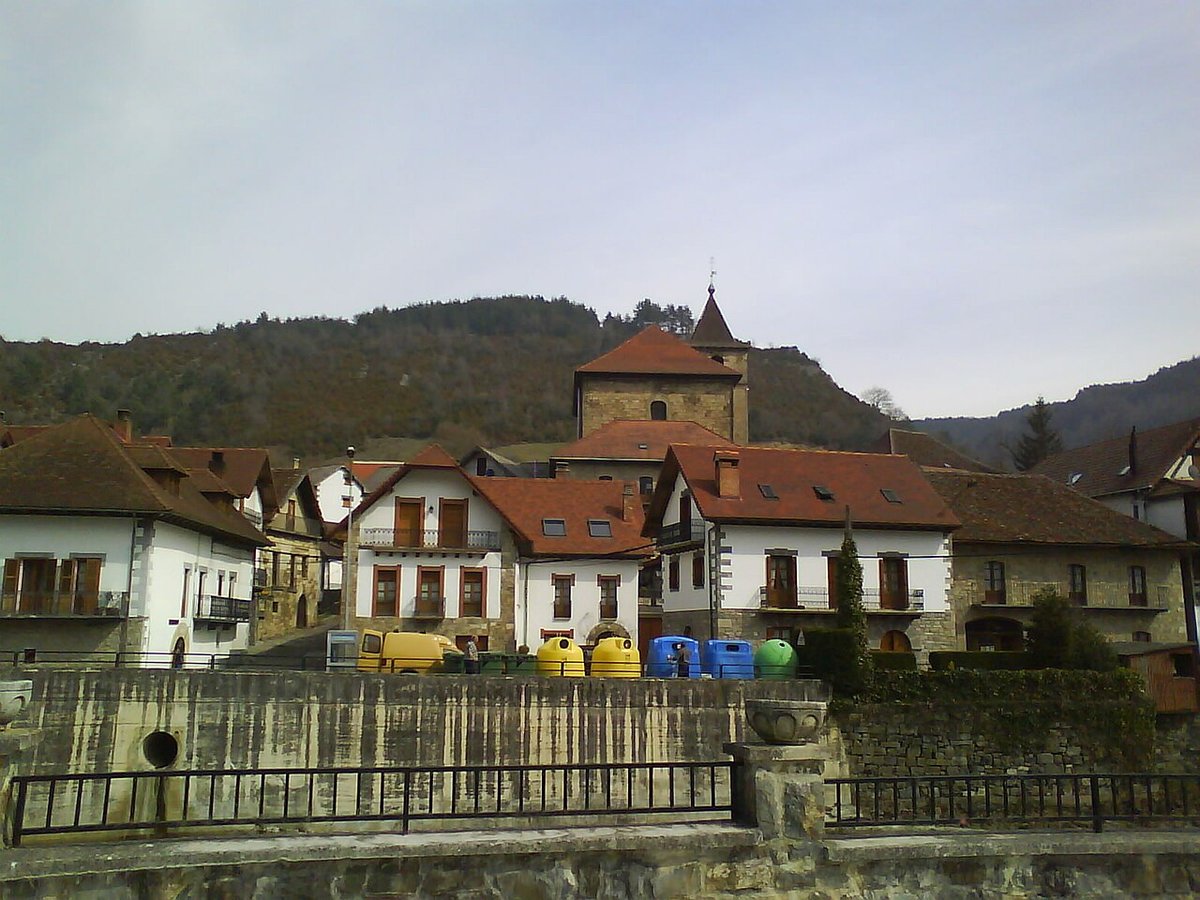
The church bell strikes eleven, yet nobody stirs. At 660 metres above sea-level, Güesa’s only rush hour involves two mastiffs stretching in the middle of the lane, reluctant to give way. Stone walls the colour of weather-beaten tweed funnel the breeze downhill, carrying the faint clink of a distant cowbell rather than traffic. For British ears accustomed to the low-level hum of even the sleepiest Cotswold hamlet, the hush feels almost theatrical—until you realise this is simply how the place breathes.
Stone, Slate and Seasonal Mood Swings
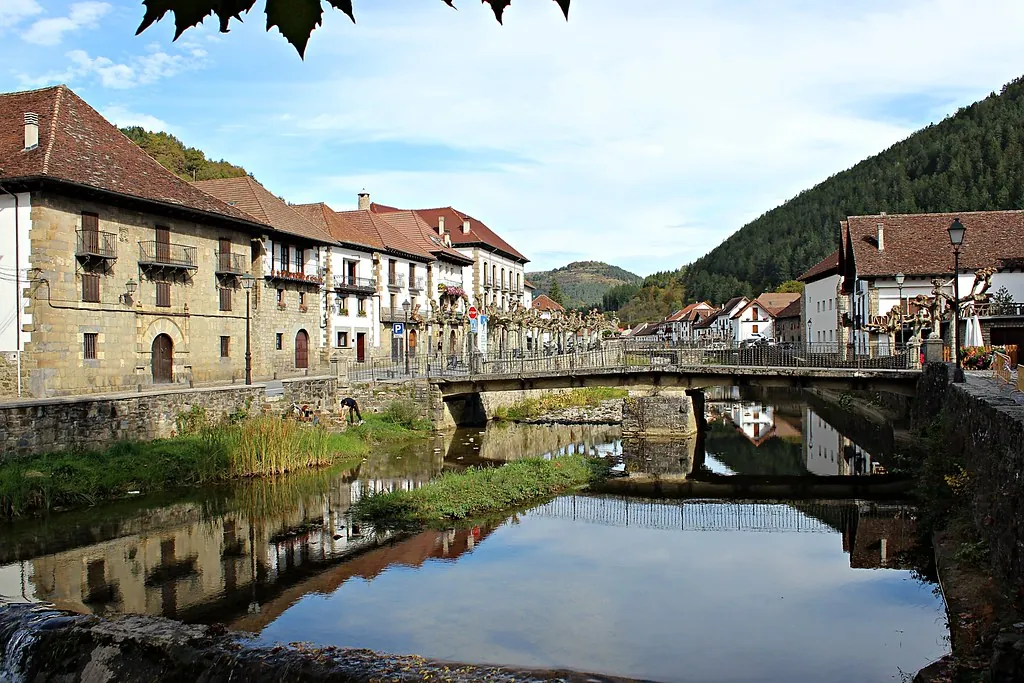
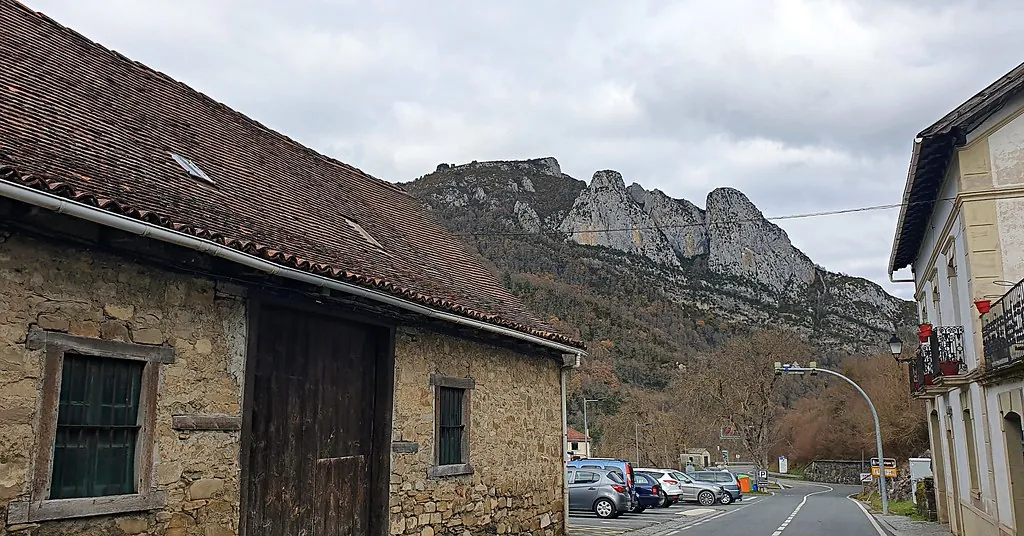
Houses here were built to outlast their owners. Chunky slate roofs tip forward like pulled-down caps, eaves low enough to shake hands with the upstairs balcony. Granite quoins catch the light differently each season: winter lays a knife-edge grey, spring softens it with lichen, and the hotter months lend an almost Yorkshire-gold glow that photographers chase but never quite bottle. Summer mornings start fresh—think North York Moors at 7 am—yet by lunchtime the thermometer can brush thirty. Come November, Atlantic storms drift across from Cantabria and the valley becomes a echo chamber for thunder; snow is not guaranteed but, when it arrives, the final zig-zag into the village becomes interesting enough to warrant snow socks even on a front-wheel-drive hire car.
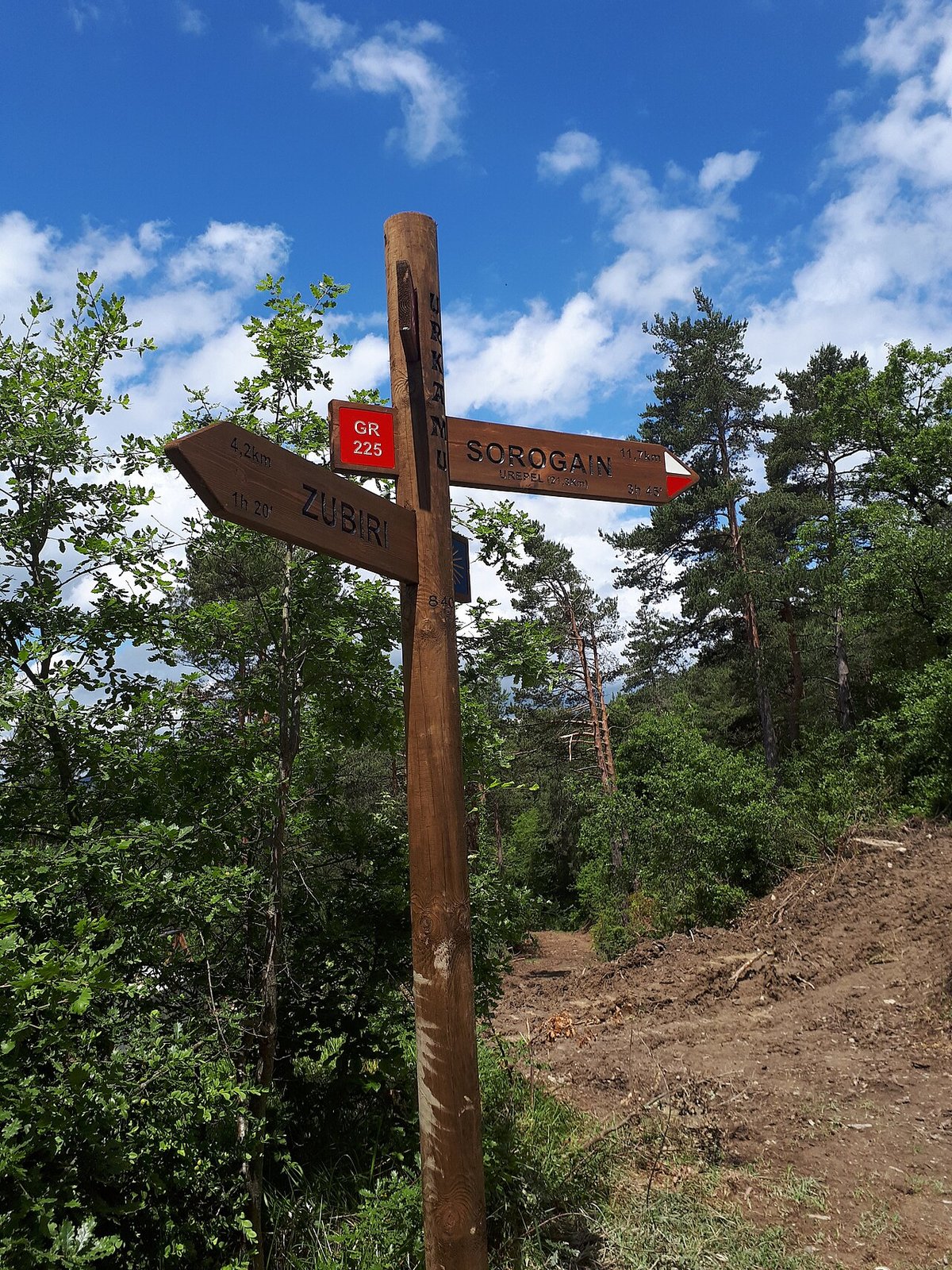
Walking kit is advisable year-round: paths leaving the church plaza deteriorate quickly from firm grit to slick red clay after the merest shower. A five-minute stroll west brings you to the first hay meadow where woodlarks dive between cut bales; extend to twenty minutes and you’re among beeches turning butterscotch, with views across the Salazar gorge that stretch almost to France on a clear day. No way-marked motorway here—just farm tracks that demand you glance at the sky and judge how long before dusk settles in the valley bottom.
The Valley Clock Runs Slower
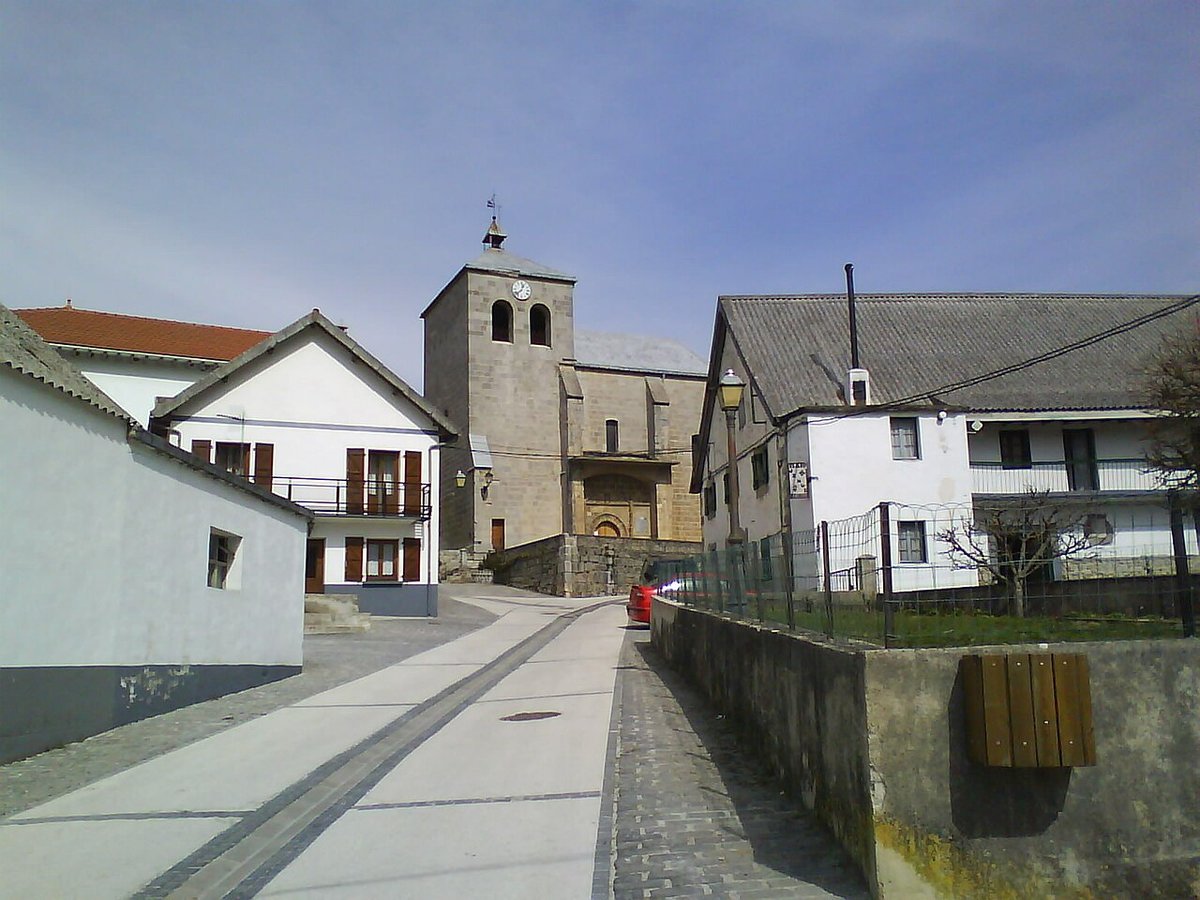
Güesa makes no grand claims. The parish church of San Miguel Arcángel, locked apart from service times, shelters a single Baroque retablo whose gold leaf has thinned to a tasteful matt bronze. Opposite, a stone bench provides the only public seating; the village’s second architectural flourish is a timber balcony painted ox-blood red, belonging to a private house whose owner will wave if you look lost. That’s essentially the inventory. Attempt to “do” Güesa in checklist style and you’ll be staring at your watch by half past ten. Treat it as the antidote to souvenir Britain—no fudge kitchen, no National Trust shop—and the rhythm starts to make sense.
Friday is bakery day in the Salazar valley and a white van idles outside the frontón wall from 10:30 to 11:00 selling warm baguettes and jam-filled napolitanas. Miss it and the nearest loaf involves a 14-kilometre hop to Ezcároz. The van’s diesel note is the loudest sound you’ll hear all morning, unless you count the gurgle of the trough fountain where locals fill plastic jerry cans for ironing water. Stand long enough and someone will ask where you’re parked—less from suspicion than a polite wish to point out a spot that won’t block the hay tractor later.
Walking Without a Phone Signal
Footpaths, such as they are, follow livestock rather than Ordnance Survey logic. Head east above the cemetery and a grassy lane climbs gently through ash and cherry, depositing you twenty minutes later on a bluff overlooking the village. Red kites ride thermals here; bring binoculars and you may clock a griffon vulture further south, scanning the cliffs above Lumbier gorge. Press on another hour and you reach the col of Lizarraga, gateway to beech forest that flames rust-red in October. The return loop drops past sheep folds where the only soundtrack is chewing. Mobile reception vanished at the first gate—liberating for some, terrifying for others—so download maps before setting out.
Winter walkers need to recalibrate expectations. January sun barely crests the eastern ridge before three in the afternoon, and overnight frost lingers in shadowed lanes all day. Micro-spikes weigh little in a day-pack yet prove priceless when yesterday’s drizzle becomes today’s sheet ice. Still, crisp days deliver the valley’s best acoustics: church bells carry for miles, and every ax blow in a woodland clearing arrives as cleanly as if it happened next door.
Practicalities the Brochures Skip
Getting here from the UK is refreshingly painless. Fly Bristol or Manchester to Bilbao on the morning E-Z flight, collect a hire car and you’re threading up the A-21 within two hours of touchdown. The turn-off to Güesa appears immediately after a roadside shrine shaped like a miniature bus shelter—miss it and the next parking opportunity is a cattle grid six kilometres on. Petrol gauges need watching: the last 24-hour filling station is in Pamplona; everything deeper into the Pyrenees closes Saturday afternoons and all day Sunday, a schedule that has caught many a weekend visitor napping.
Accommodation is limited to three self-catering townhouses clustered under the generic name Guesa-Gorza. All open onto the lane, not a plaza, so expect the neighbour’s cat to patrol your doorstep at dawn. Prices hover around €90 per night for two, towels and firewood included; reserve early for Easter and the September fiesta. Otherwise, base yourself in Ezcároz or Ochagavía—both ten minutes away by car—and drop into Güesa for half a day’s silence.
Bring cash. Bars in valley villages run tabs on paper, not apps, and the card terminal is invariably “broken today.” Ten euros covers a chorizo sandwich, coffee and the tapa del día; accompanying wine arrives in a glass rinsed under the same tap used for washing ashtrays—rustic, but character forming. Vegetarians survive on tortilla and salads; vegans should plan ahead.
A Calendar Measured in Firewood and Hay
Festivity is low-key by British standards. San Miguel, weekend nearest 29 September, involves Mass, a communal lunch in the frontón, and teenagers in football shirts commandeering the sound system until the mayor—who also drives the school bus—pulls the plug at midnight. Fireworks are modest; expectations lower still when it rains, which happens roughly one year in two. December brings a living nativity lit by paraffin lamps, pleasant if you enjoy standing in a mist-filled barn singing carols in a language whose rr trill defeats most visiting Brits. August is wedding month: expect closed streets, white chairs and a bagpipe band that echoes off stone walls like someone learning the practice chanter in a shower cubicle.
Parting Shots
Güesa will never compete with the Camino for tick-box kudos. Come looking for cathedrals, souvenir magnets or craft beer and you’ll leave within the hour. Come prepared to swap constant connectivity for stone-wall acoustics and the village begins to work on you. Rain on slate sounds different here—sharper, somehow, than the muffled patter on Cumbrian stone—while night skies, unpolluted by street-lighting, deliver the Milky Way in a clarity that makes the North York Moors feel suburban. Pack decent boots, carry a twenty-euro note and schedule nothing more urgent than listening to the wind change direction. In Güesa, that counts as a full afternoon’s entertainment.