Full Article
about Isaba
Tourist capital of the Roncal Valley; stone village with a mountain feel
Hide article Read full article
A village that keeps things simple
Some places seem designed for a postcard. Isaba is not one of them. It feels closer to a mountain house where everything has a purpose: thick walls, small windows, nothing extra to draw attention. Yet on arrival, it is hard not to pause and look around for a moment.
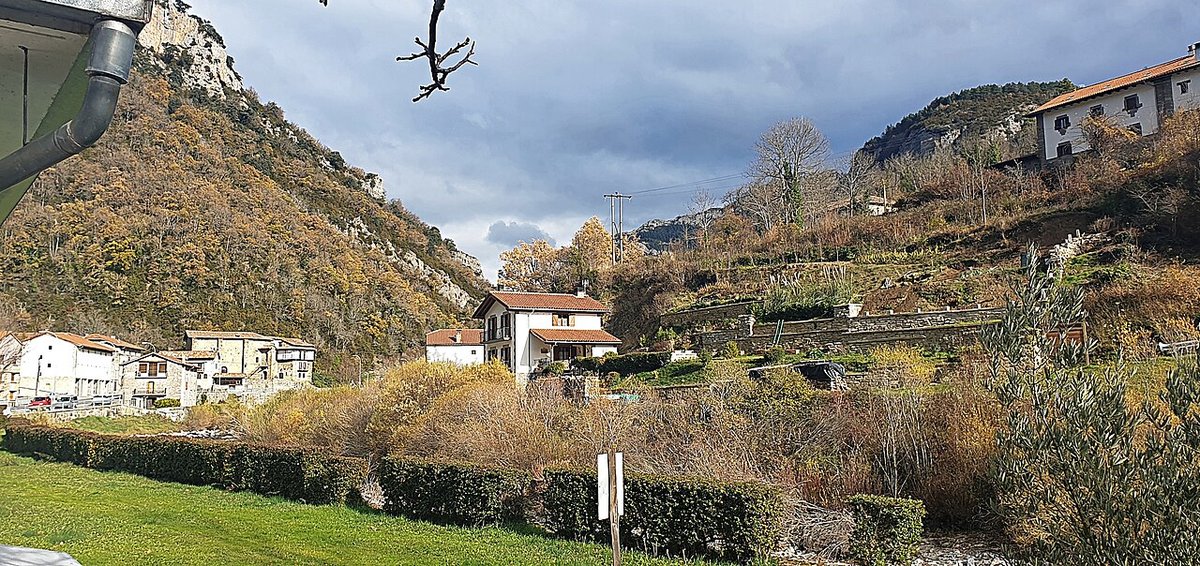
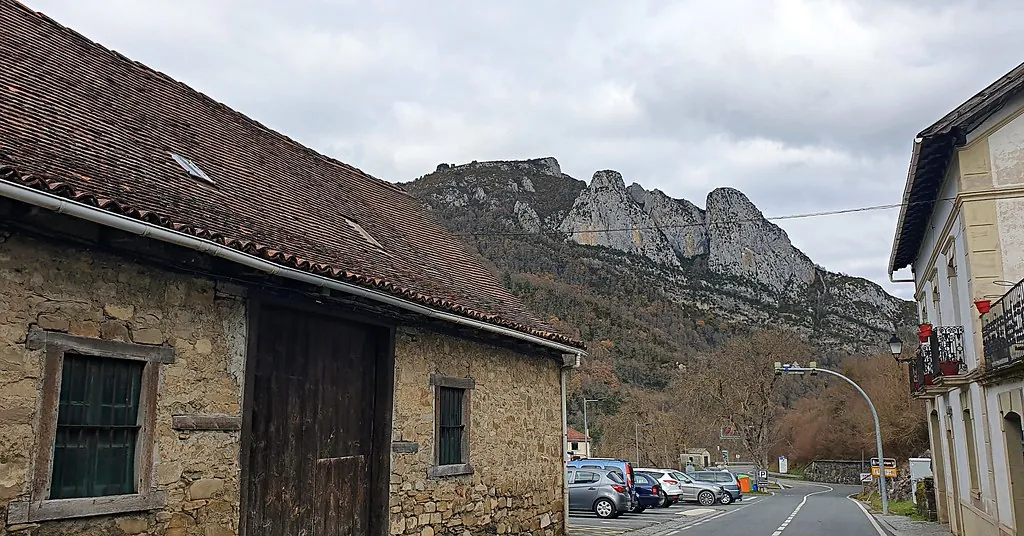
Tourism here revolves around what already exists: serious mountain terrain, a long pastoral tradition and a valley that remained quite isolated for centuries. Isaba sits in the Roncal Valley, in the Navarrese Pyrenees, very close to the French border. Fewer than four hundred people live here, and daily life follows a different rhythm.
The square and the church of San Cipriano
Life in the village centres on the square. It is neither large nor monumental, but it works as a meeting point, which is what matters.
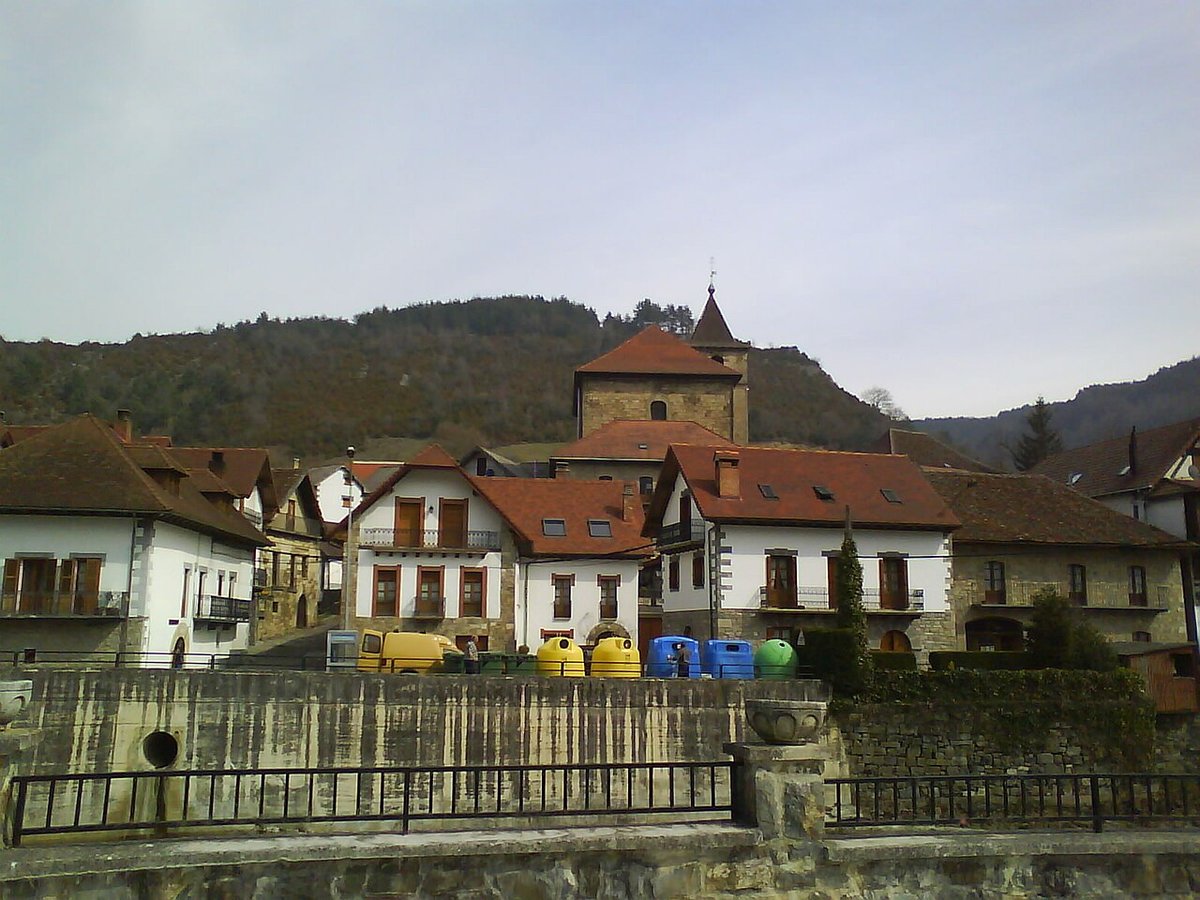
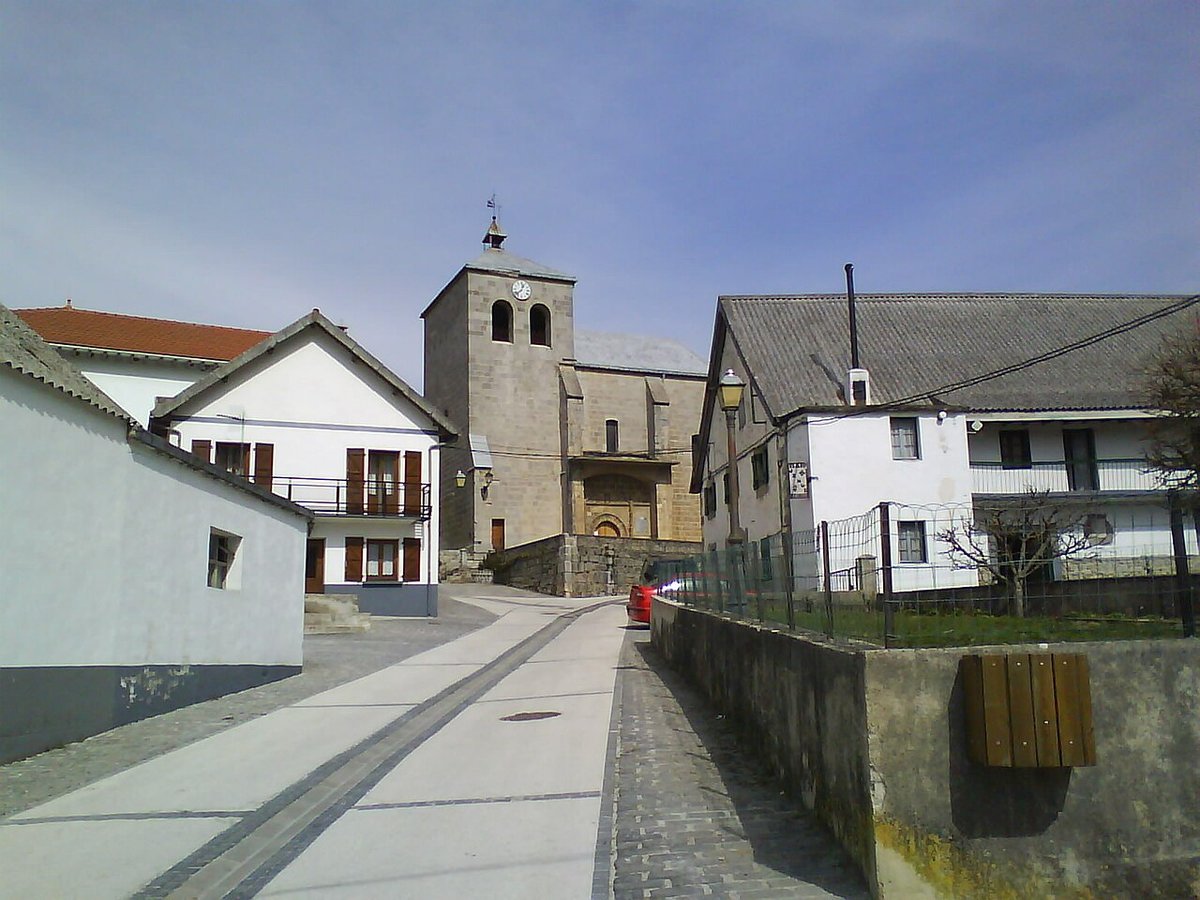
The church of San Cipriano stands there, built around the 16th century. Its dark stone tower is visible from several points in the village and shapes much of Isaba’s skyline. Inside, there is an 18th-century Baroque altarpiece. It is restrained, without excessive decoration.
Narrow streets branch out from the square, lined with compact stone houses. Windows are small, balconies are made of iron, and doorways are framed with large voussoirs. A slow walk begins to reveal small details: family coats of arms, inscriptions carved into the stone, iron rings once used to tie up livestock. These details are modest, but they say a great deal about how people lived here.
The Esca river and the Belagua valley
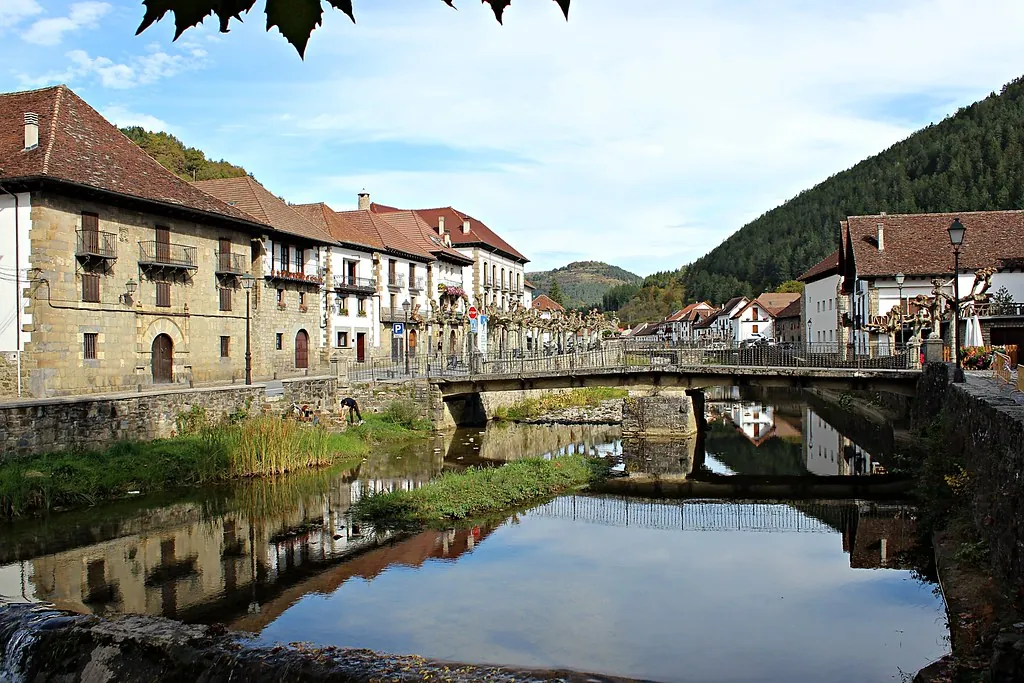
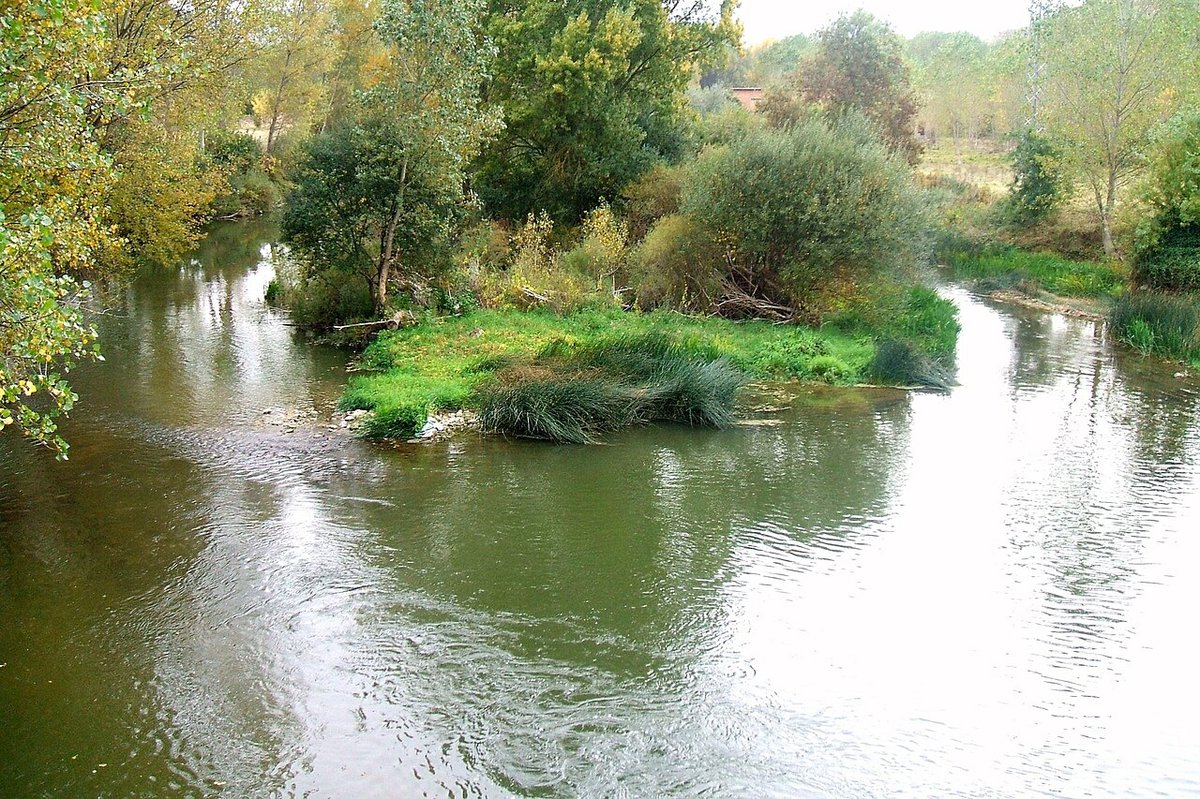
The Esca river runs alongside the village and is almost always audible. In spring it flows strongly, bringing movement to the whole valley.
A road heading north leads into the Belagua valley. The landscape shifts gradually: more open meadows appear, scattered bordas, traditional pastoral buildings, dot the land, and the mountains begin to feel more imposing. This area remains closely linked to livestock farming. Flocks are still visible in season, and it is easy to understand how the local economy worked over generations.
Many mountain paths start from Belagua. Some continue towards higher areas of the Pyrenees, while others stay at the valley floor, offering gentler walks.
Walking and cycling in the Pyrenees
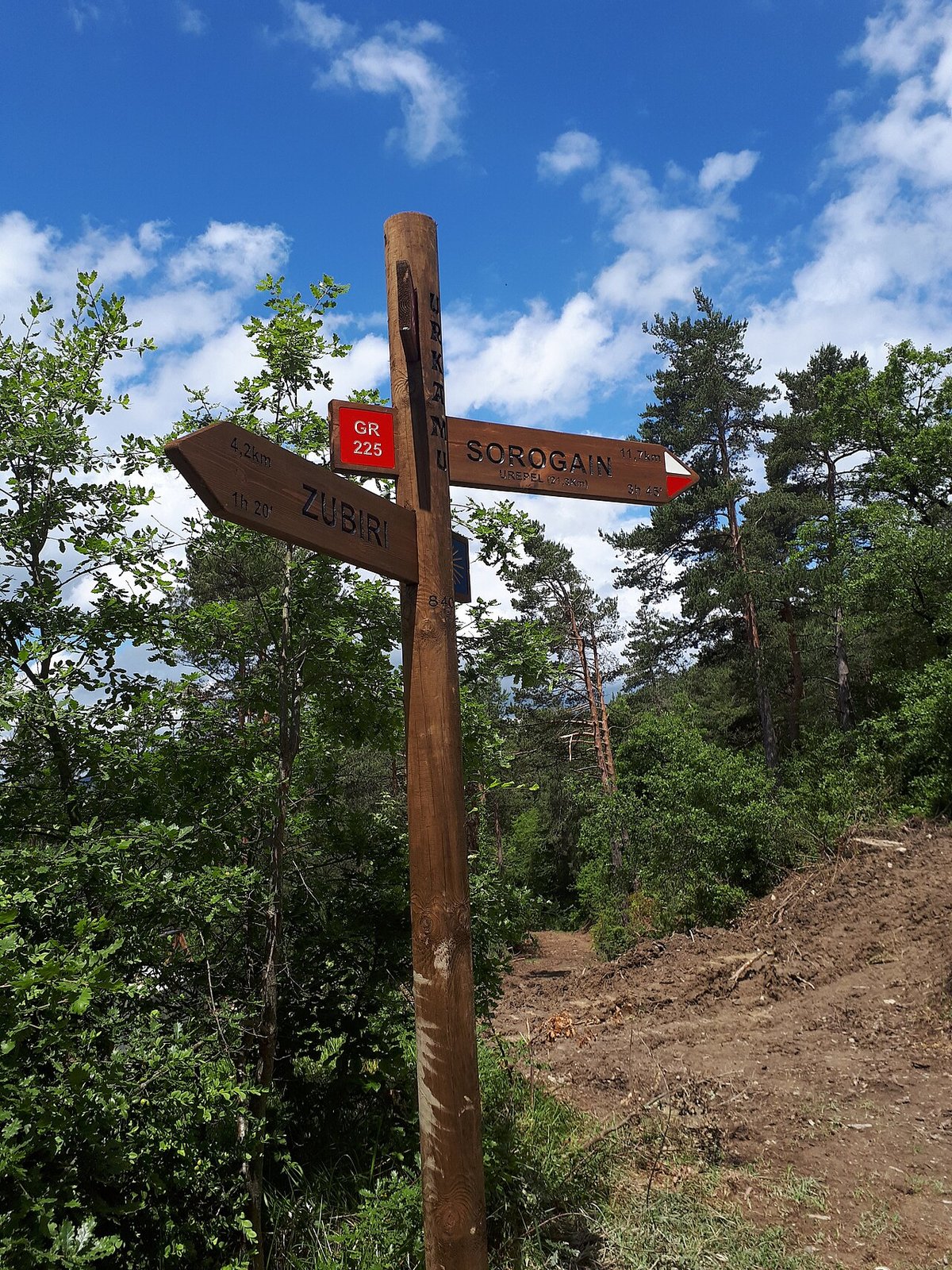
From Isaba, it is possible to set off on foot in almost any direction. The terrain becomes demanding as soon as elevation is gained, so it is worth choosing routes carefully.
One of the better-known ascents leads towards the Mesa de los Tres Reyes, right on the border. This is proper mountain ground: significant elevation gain, fast-changing weather and sections that require preparation.
Those looking for something less demanding will find easier routes in the Belagua valley itself. Wide paths cross meadows and allow for unhurried walking.
The roads also attract cyclists. The Larrau mountain pass is one of the more challenging climbs in the area. It comes with constant bends and gradients that force a steady pace. The views across the Pyrenees make the effort worthwhile.
Food in the valley
Local cooking relies on what has always been available. Dishes are substantial and designed for people who spend the day outdoors.
Roncal cheese is probably the best-known product from the valley. It is still made from sheep’s milk and has a strong, distinctive flavour that pairs easily with bread. Other dishes include migas, roast lamb and trout from the Esca when in season.
There is no interest in elaborate presentation. Food here is direct and practical, much like many aspects of life in this part of the Pyrenees.
When to come and what to know
Each season changes the landscape quite noticeably. Spring brings intense green to the valley and a strong flow in the river. Autumn tends to be quieter, with fewer people on the paths.
Winter is a different situation altogether. Snowfall can be heavy, and roads may become difficult, so it is sensible to check conditions before travelling.
A practical detail concerns the old centre. It is small, and the streets are narrow. Leaving the car on the edge of the village and continuing on foot is usually the easiest option. Everything is within a few minutes’ walk.
If you only have a couple of hours
A short visit is enough to grasp what Isaba is about. Walk through the streets around the square, stop by the church and take time to look at the older façades.
Then head down towards the river. A brief walk along the Esca helps place everything in context: mountains close by, cold water flowing down from the Pyrenees, and a small village that has spent centuries adapting to its surroundings.
There are no grand monuments here. It is the kind of place that makes sense when explored slowly. Those who enjoy the mountains will likely leave with the idea of coming back for longer.