Full Article
about Jaurrieta
The "burnt village" rebuilt; sunny balcony of the Salazar Valley with a dance tradition
Hide article Read full article
Jaurrieta: When the Pyrenees Decide to Slow Down
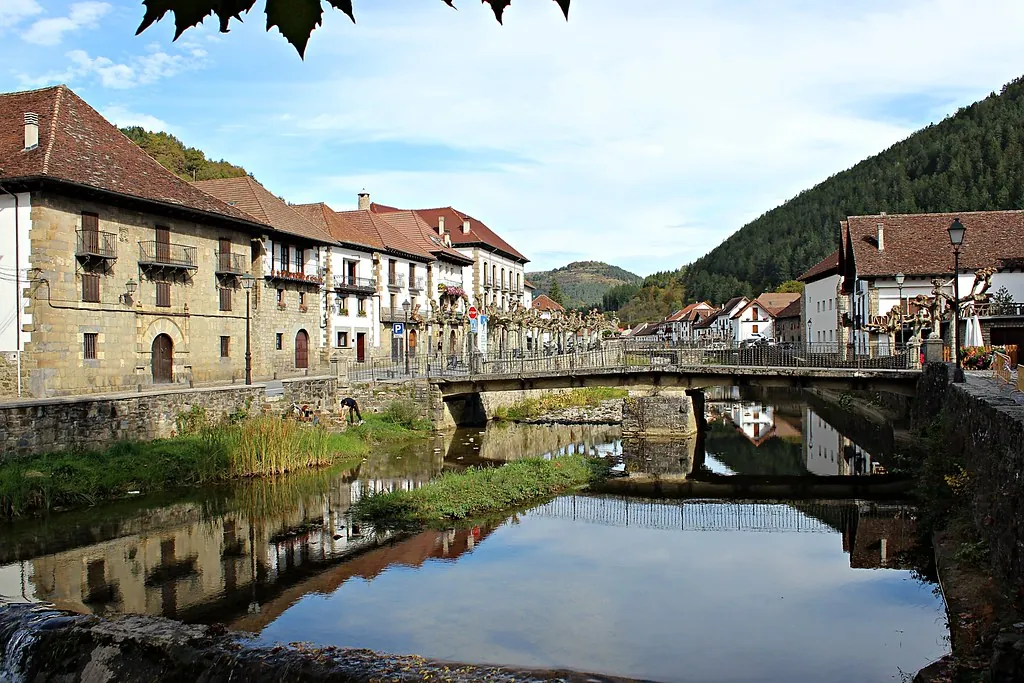
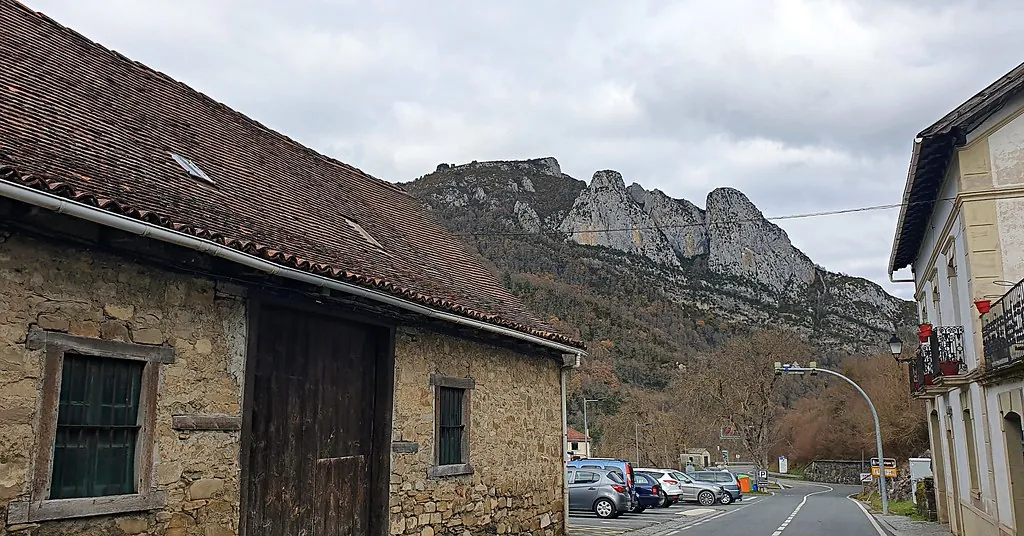
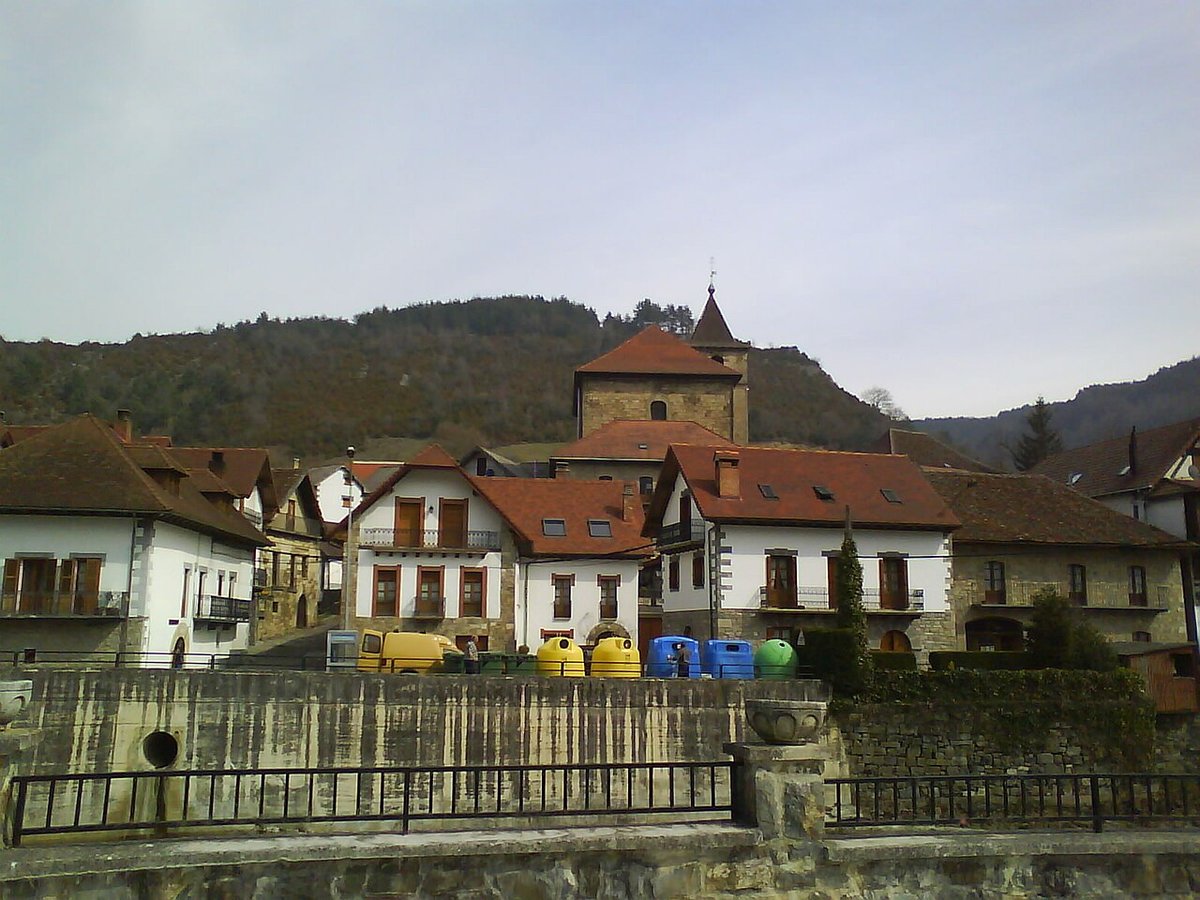
You know those drives where you turn off the main road just to see what's there, and suddenly you're on a lane that feels more like a suggestion than a proper street? That's the road to Jaurrieta. You're winding up through the Navarrese Pyrenees, past one more bend, and then it's just... there. A cluster of slate and stone that looks less built and more like it grew straight out of the hillside. It doesn't announce itself. It just appears.
At about 900 metres up, with roughly 170 people on the census, this isn't a place you pass through on the way to somewhere else. It is the destination. The sound here isn't traffic; it's the kind of quiet where you hear the wind sorting through the beech leaves and the distant clank from a borda. The rhythm is set by things like firewood stacking and when the last bit of sun leaves the square.
Walking It (Because That's All There Is To Do)
Let's be clear: you don't "visit sights" in Jaurrieta. You walk its three main streets, maybe an alley or two, and that's it. The point is to slow down enough to notice the details your brain usually filters out. The thickness of a wall built for Pyrenean winters. The deep groove worn into a stone doorstep by a few hundred years of boots. A worn-out work glove left on a balcony railing. This is village as architecture of necessity, and it’s all still in use.
The Church & The Square: Where Things Actually Happen
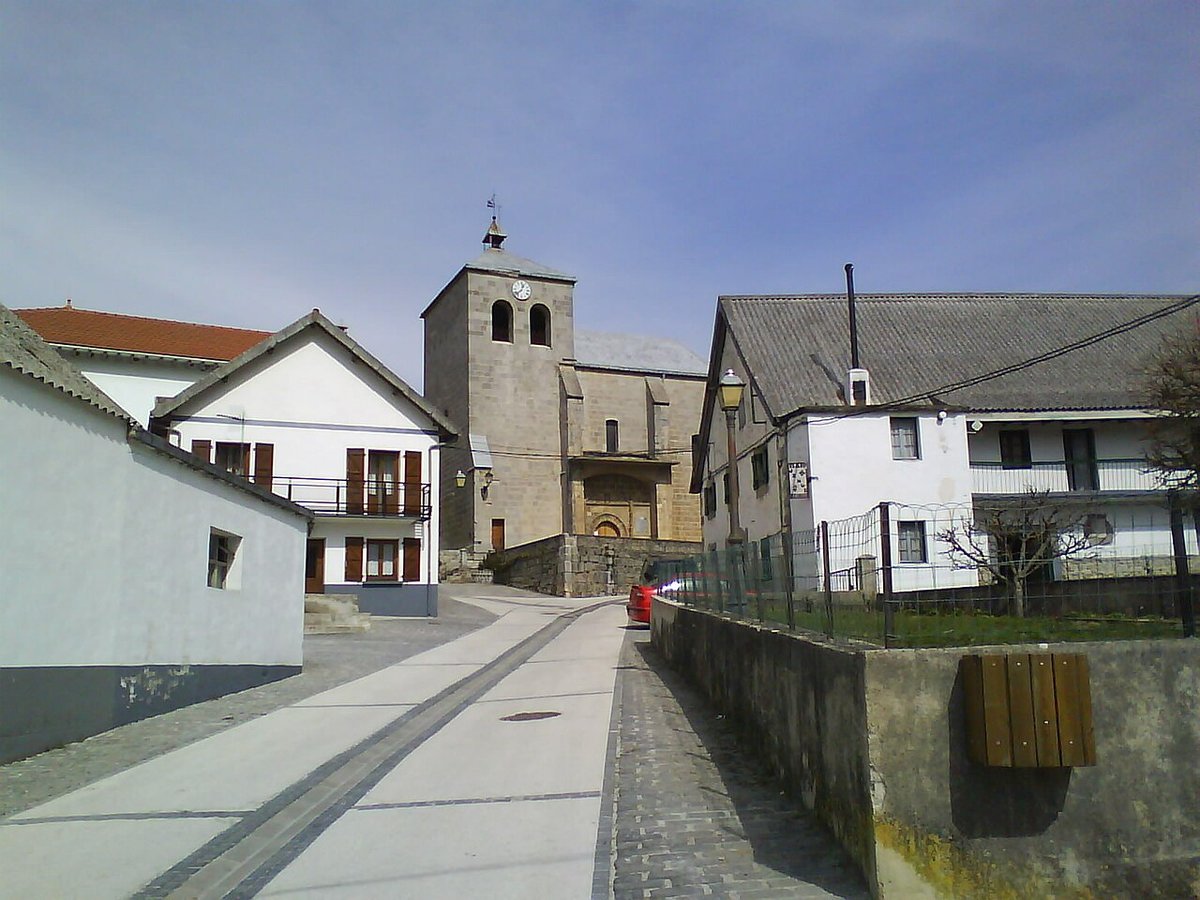
The church of La Asunción sits where you'd expect it to. It’s sober, made from the same local stone as everything else, and looks its age—which is considerable. Its main role now seems to be social glue. On Sunday mornings or during the summer fiestas, this is where you'll see people actually gathering, chatting before or after mass. The square in front of it has a few benches that are prime real estate come late afternoon, when the sun gets that long, golden Pyrenean slant.
Getting Out of Town (The Best Part)
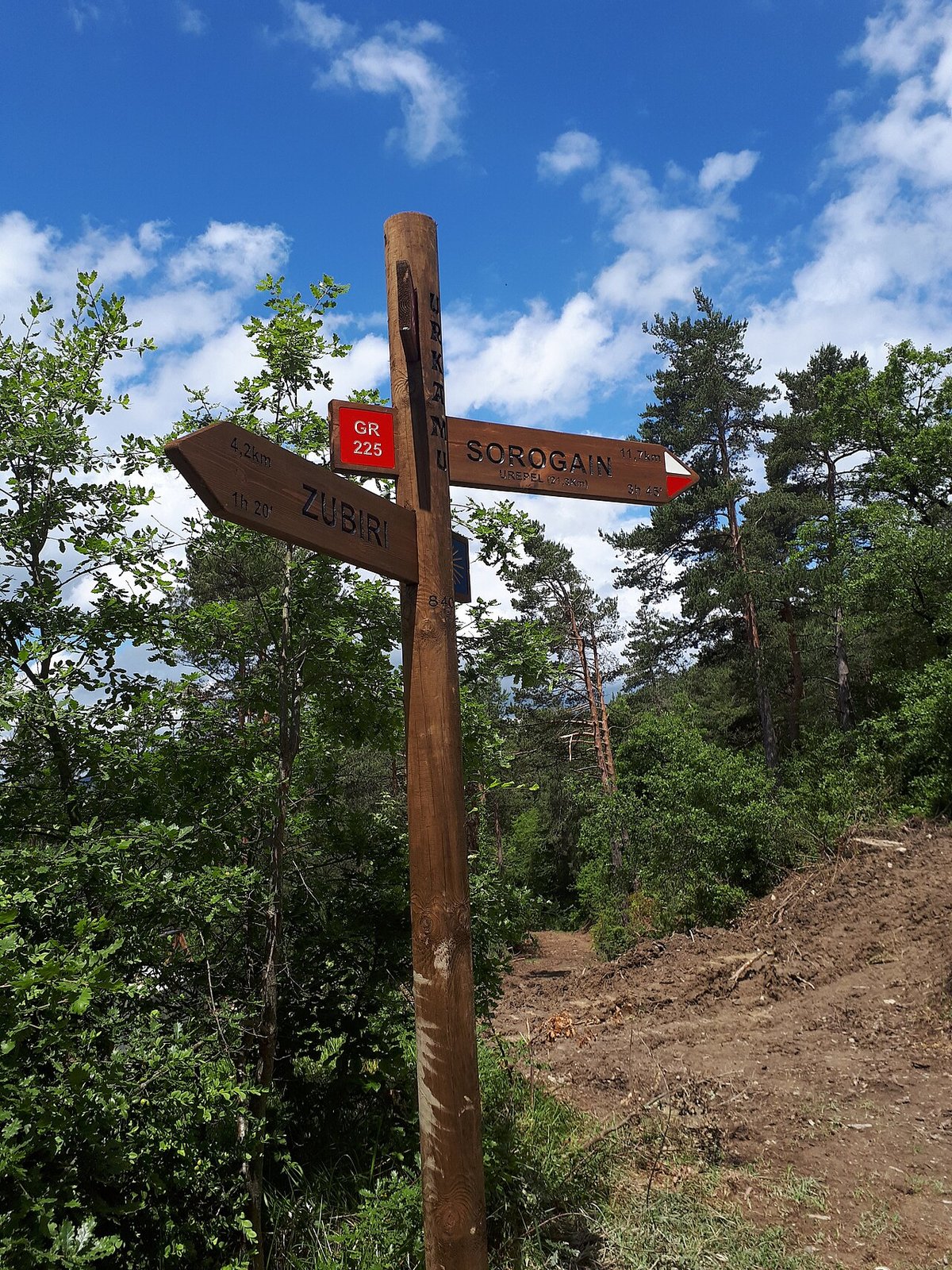
The moment you pass the last house, you're on a path. This is where Jaurrieta makes sense. A network of old trails and farm tracks fans out into woods and meadows. You can aim for a gentle hour-long loop through beeches or commit to a proper hike that connects to other valleys. In autumn, this area does that spectacular trick where everything turns copper and gold. In summer, it’s all dense green and the sound of cowbells from the high pastures. You’ll likely have it to yourself.
If You Hit It in August
Plan around mid-August for the fiestas for La Asunción. That’s when people who've moved away come back, there might be some traditional music in the square, and it feels like someone turned up the volume on village life from a 2 to a 6. For about three days. Any other time, it’s profoundly calm.
A Note on Practicalities
This isn't a town with open-all-hours services. Come fuelled up from Sangüesa and with anything you might need for a walk. In winter, always check the road report—that last stretch can get interesting with snow or ice.
So What Do You Actually Do Here?
You park the car and forget about it. You walk every street until they feel familiar. You pick a footpath—any one—and follow it until you lose the sound of your own footsteps. You sit on a bench in the square with zero agenda. You notice how different light hits the same slate roof at noon versus six PM. That’s the itinerary.
Jaurrieta won’t fill your Instagram feed with iconic shots. It’s not competing with other prettier Pyrenean villages down the road. And that’s precisely why you might remember it: for offering nothing special to do, and all the space in which to do it