Full Article
about Ochagavía
One of the most beautiful villages in the Pyrenees; cobbled streets
Hide article Read full article
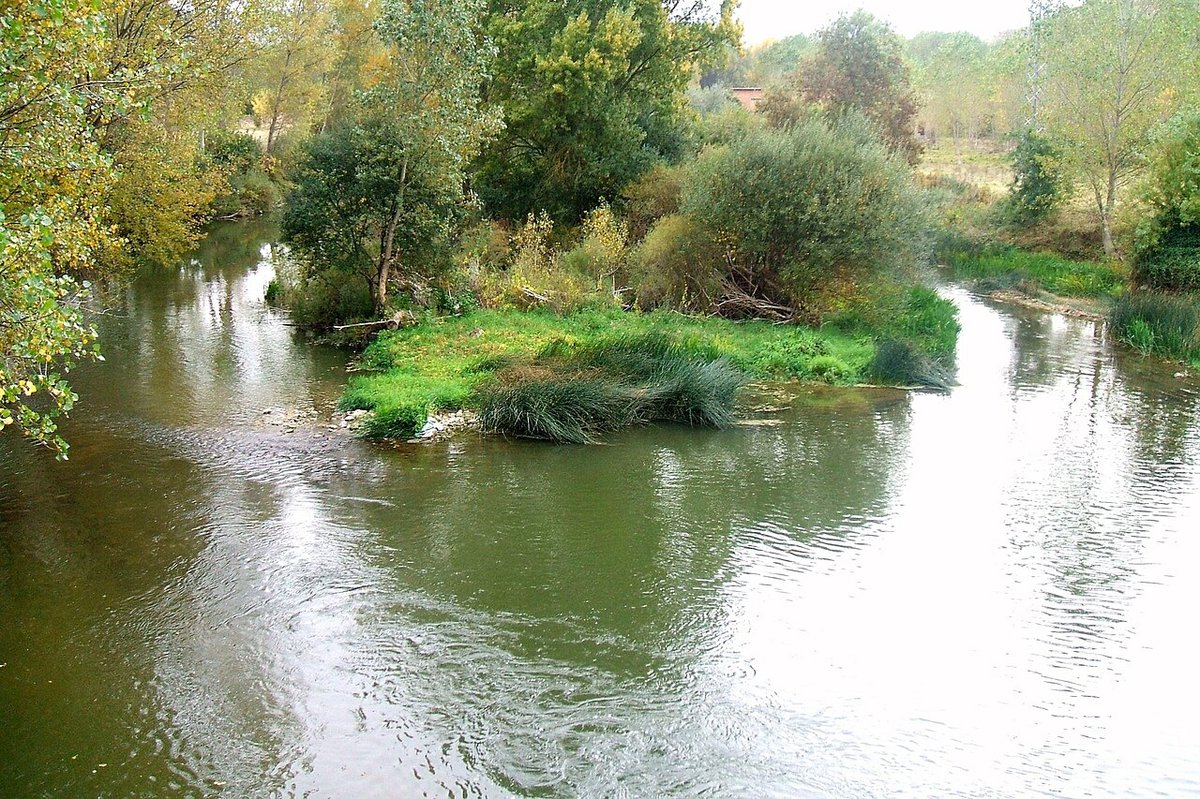
The river Anduña runs cold, and you tend to hear it before you see it. At first light, when the sun is still finding its way into the valley, that sound is the loudest thing in Ochagavía. The village feels held in the pause between night and day, the stone of the bridge and the riverside houses a soft grey. It’s a good time to walk up the steep, unpaved track towards Muskilda, through beech woods where the air smells of damp earth and pine resin. The ground shifts with the seasons: dry needles underfoot in July, chestnuts still green by late August, a thick carpet of sodden leaves come October.
As the path rises, the Salazar Valley opens out not with a panorama, but piece by piece. A meadow here, a line of hills there, the colours changing with the altitude and the time of year.
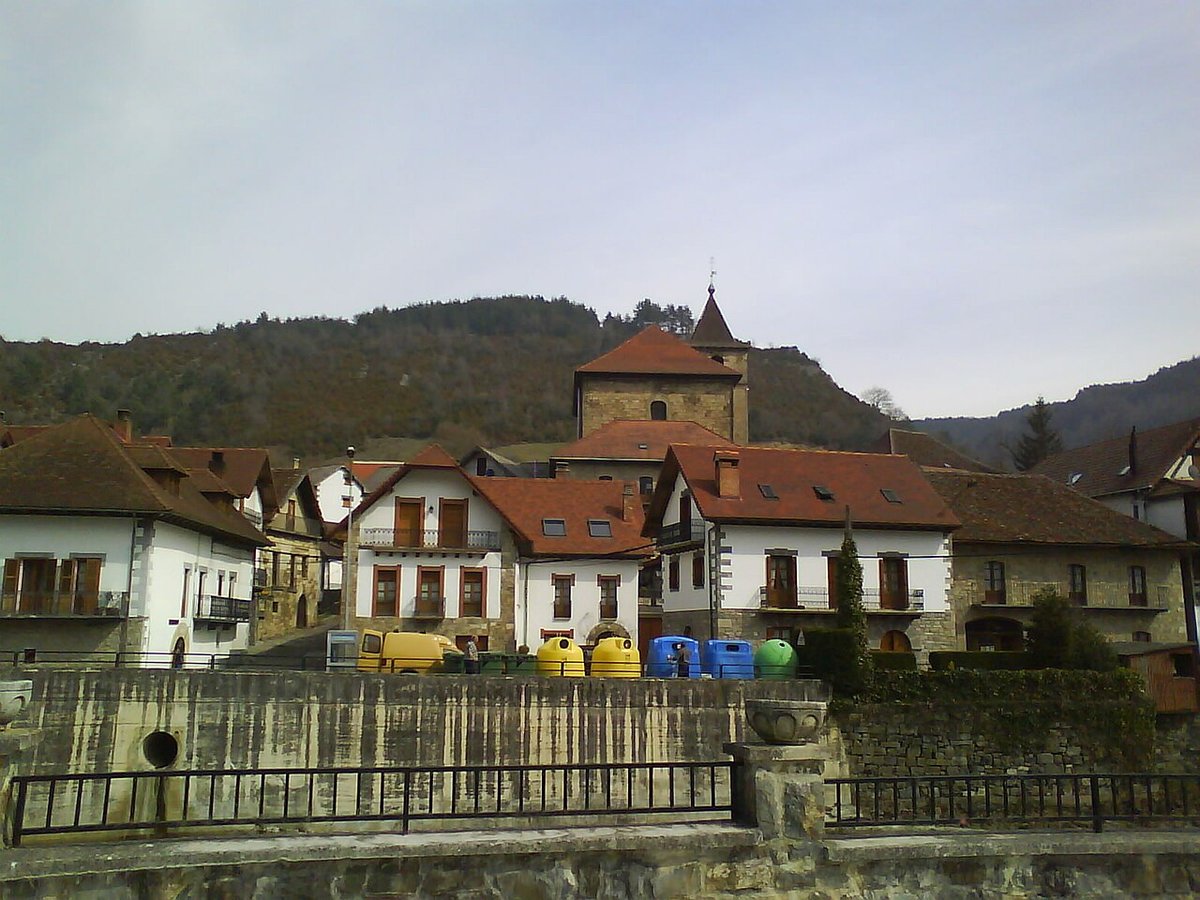
Ochagavía, or Otsagabia in Basque, is home to fewer than five hundred people. Its structure feels old and practical. Houses cluster close to the river, built from local sandstone that turns a deep, saturated brown when it rains. The roofs are steeply sloped slate—a clear architectural answer to the winter snows that can arrive as early as November some years.
A walk through the centre doesn’t take long. It’s worth slowing your pace. Some streets are paved with granite cobbles worn smooth and uneven by centuries of use; on a damp morning, they can be treacherously slick.
The stone bridge and the sound of water
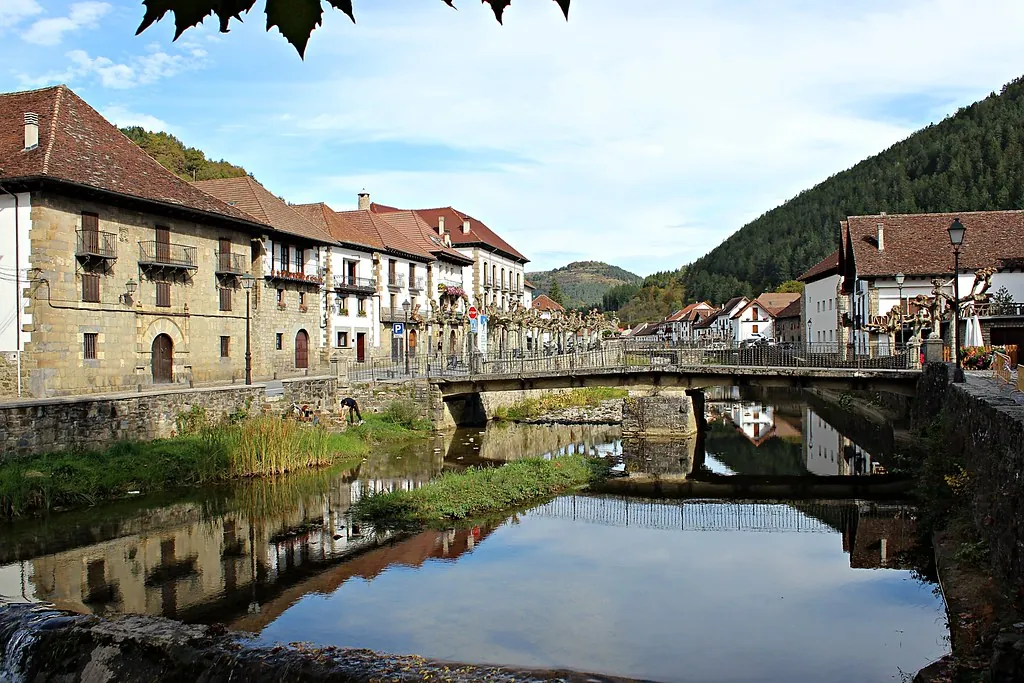
The bridge gives you the village in a single glance. It connects the two sides of the Anduña and frames the tight rows of riverside houses with their wooden balconies and dark slate roofs. After heavy rain or during the spring thaw, water fills the channel with a low, constant rumble that echoes off the stone. By late summer, the flow often recedes, revealing rounded stones pale beneath the surface.
If you want the view to yourself, be there before nine or after seven. By mid-morning, especially in July or on a weekend, a steady procession of people will stop on the same spot to take the same photograph.
San Juan Evangelista and its quiet interior
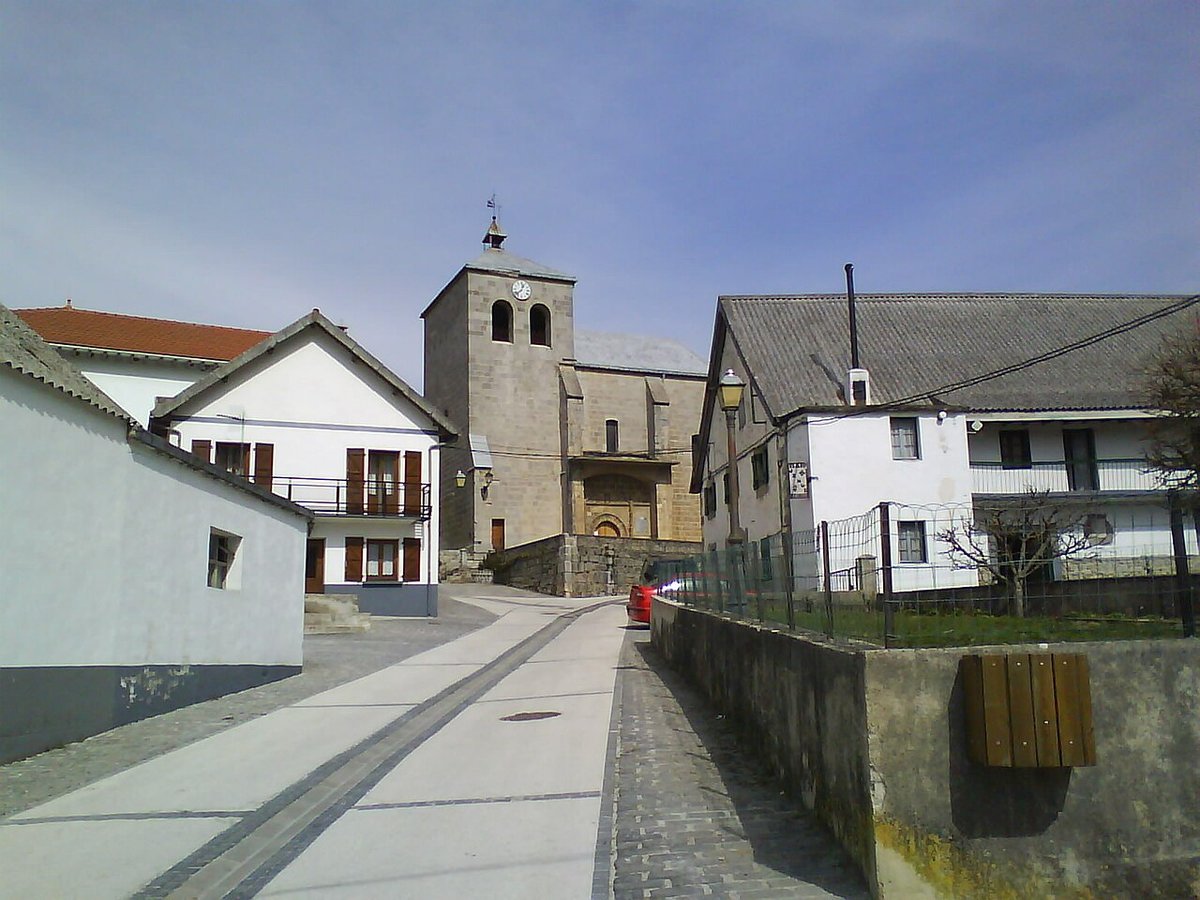
The church of San Juan Evangelista occupies the high ground. Its clock tower is visible from almost anywhere in Ochagavía, a useful landmark when you’re navigating the narrow streets. The building dates from around the 16th century, though it’s been altered over time.
Inside, it feels cool and quiet. The space is defined by stone walls and dark wood. The Baroque altarpiece shows its age in cracked gilt and faded pigment. This isn’t a cathedral; it feels like a place used by a mountain community, shaped more by need than by grandeur.
The walk to Muskilda
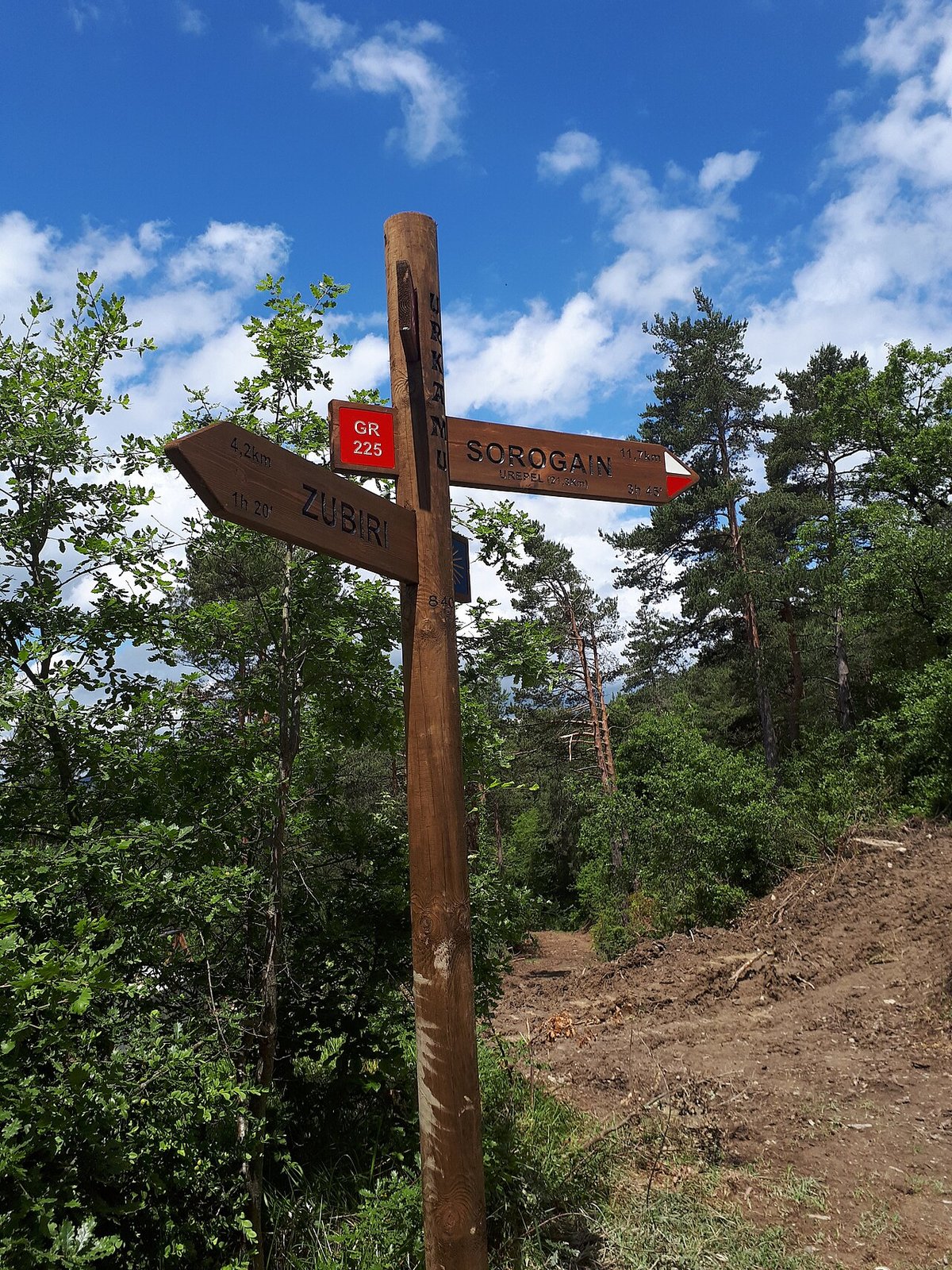
Above Ochagavía, the ermita de Muskilda waits on a rounded hill. The climb from the village is steady but not long—perhaps forty minutes at an unhurried pace. Wear shoes with grip; after rain, parts of the path turn to mud and loose stone.
The view from the top rearranges everything. The village becomes a small cluster of roofs and walls, and the Salazar Valley unfolds in all directions: forested slopes giving way to high meadows. On a clear afternoon, the low sun throws long shadows that carve deep contours into the landscape.
Ochagavía and the Selva de Irati
From here, several forest tracks lead into the Selva de Irati within a short drive. The change is immediate. The valley’s openness closes in beneath a canopy of tall beeches where the air stays damp and cool even on a warm day. In autumn, the ground is covered with a deep rust-red layer of fallen leaves.
This shift draws crowds. If you go during the olor season—late October into November—or on a spring weekend, start walking early. By eleven, the main trailheads can feel busy.
What gets overlooked
Look up above doorways. Many houses in the centre still display carved coats of arms—family names, dates from the 17th or 18th century, symbols of forgotten trades. They’re easy to miss when you’re watching your step on uneven cobbles.
Other marks are subtler: patches of different coloured stone on a wall hinting at an old repair, or iron fixtures where something else once hung. They’re quiet records of how this place has been maintained, not just preserved.
A practical note on light and weather
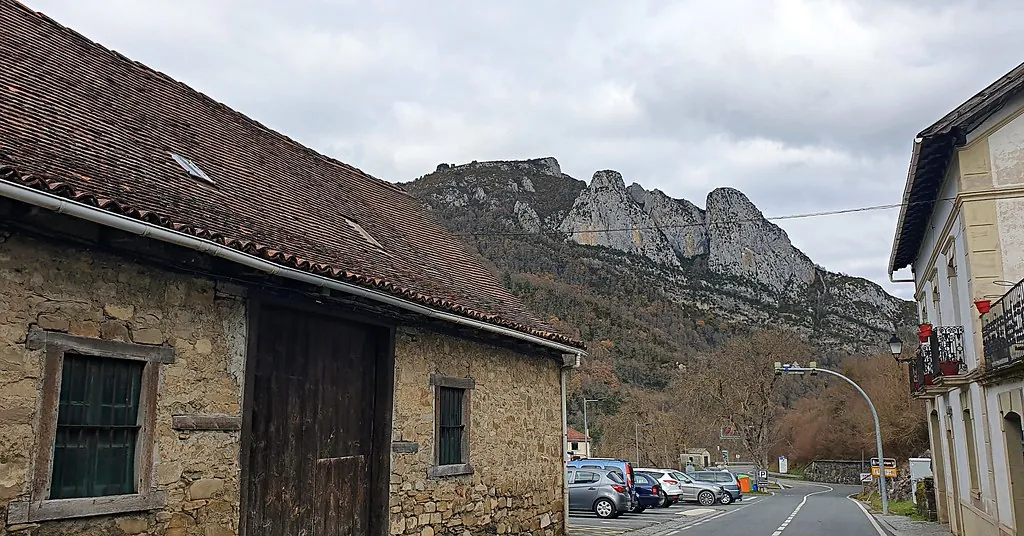
Parking in the centre is limited to small bays along the main street; arriving before ten usually secures a spot.
The weather here has its own rhythm. A bright morning can give way to low cloud that rolls down from the mountains by midday, dropping the temperature sharply. Carry an extra layer even in summer.
Ochagavía itself can be seen quickly. What gives it weight lies outside its boundaries: in the climb to Muskilda, in following a track into Irati, or simply in walking upriver until the houses disappear from view. The village makes most sense as a starting point.