Full Article
about Orbaizeta
Head of the Aezkoa Valley; known for the ruins of the Royal Arms Factory and gateway to Irati
Hide article Read full article
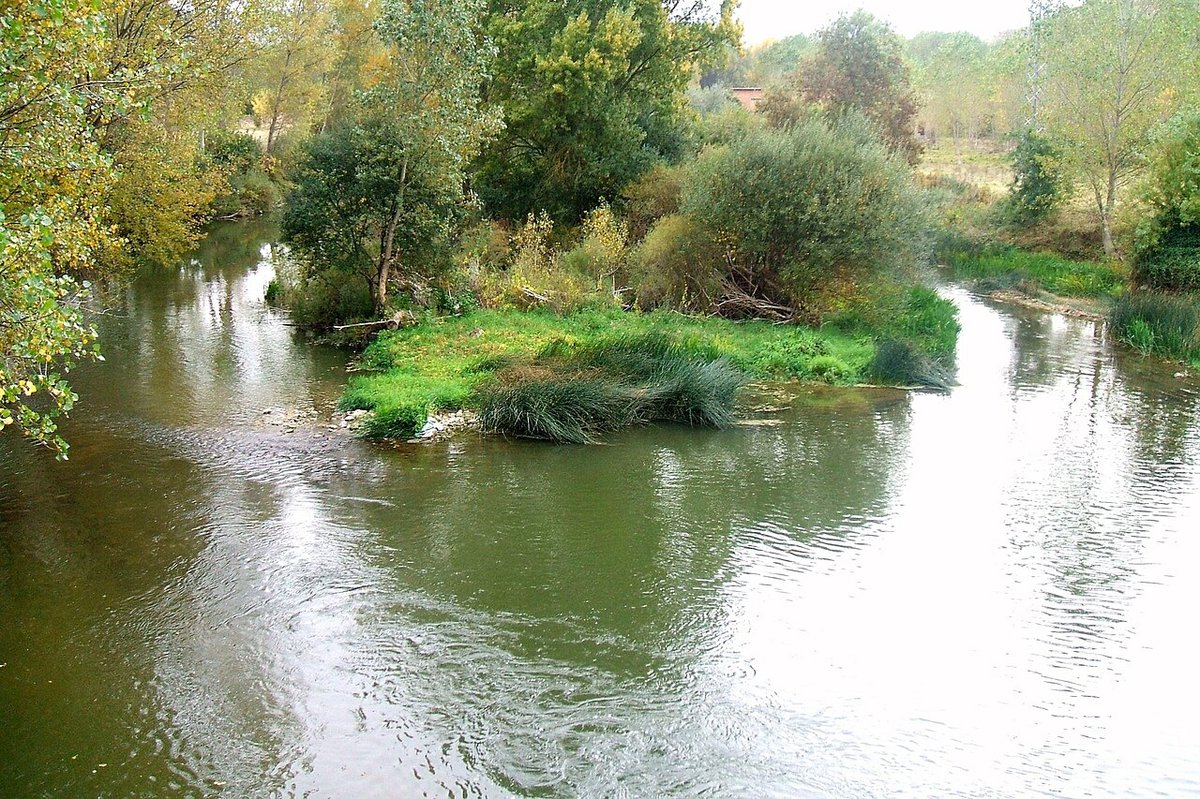
The first sound is water. Before engines or voices, you hear the Legartza river moving over stone. Then, if the air is still, the soft rustle of beech leaves from the woods that press in on Orbaizeta. Morning here is a quiet negotiation between river, forest, and the few houses scattered along the valley floor.
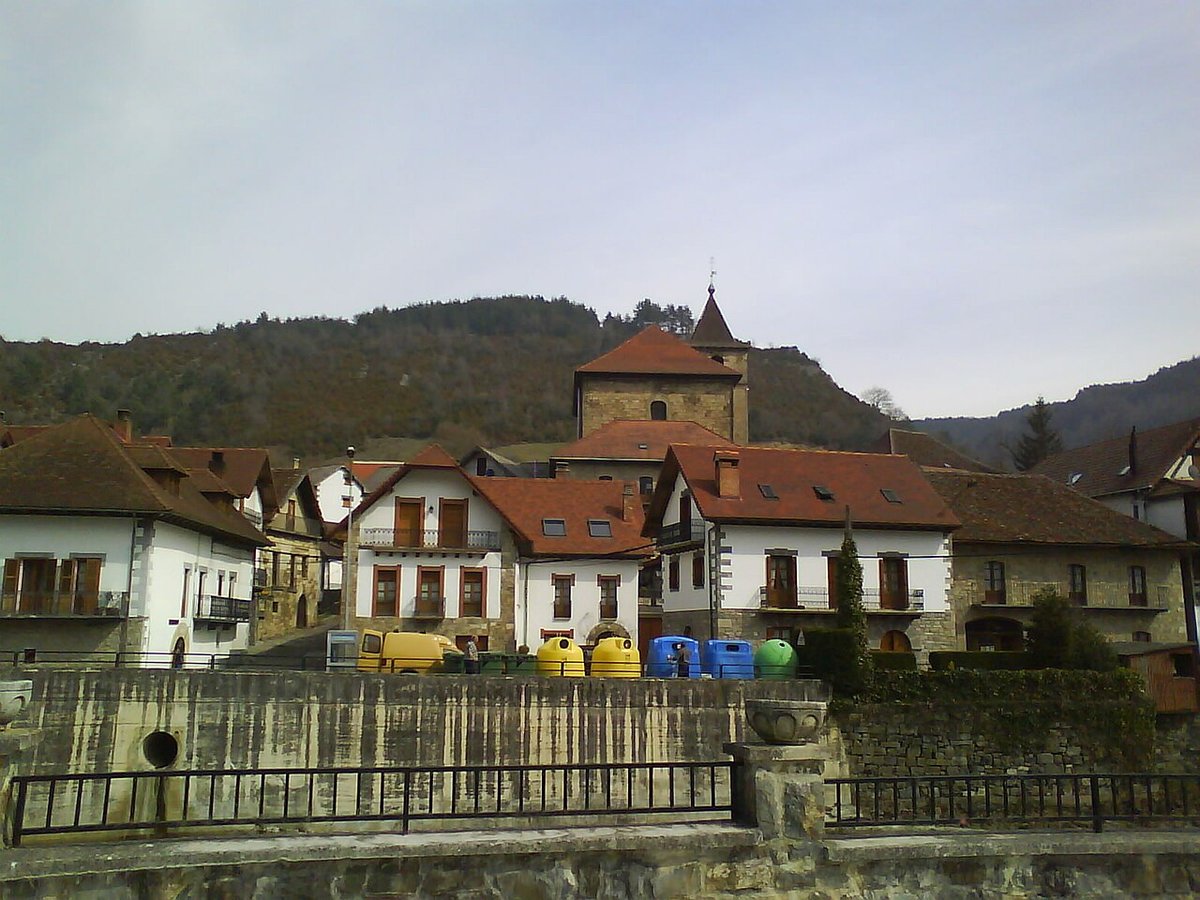
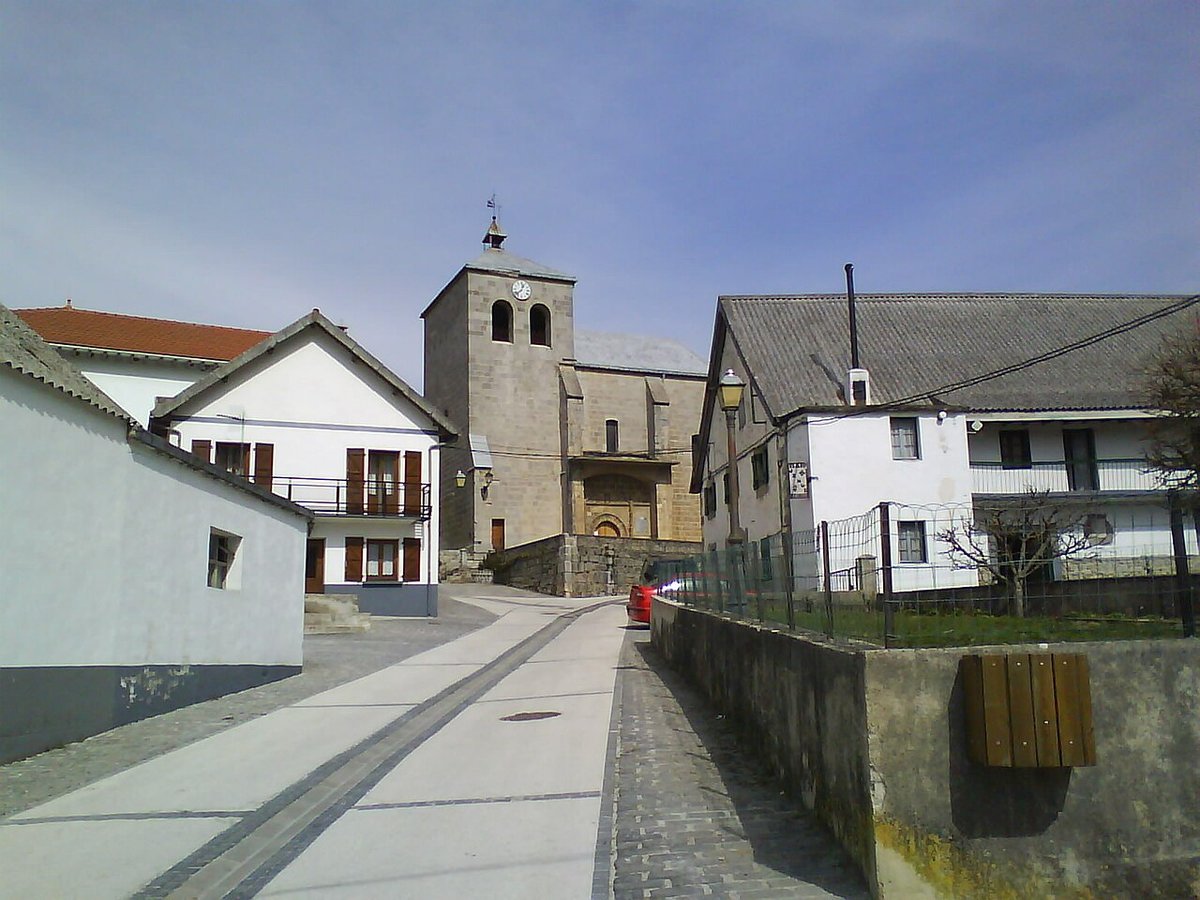
This village sits at over seven hundred metres in the Navarrese Pyrenees, a handful of stone and slate roofs against a steep green slope. Its history shifted in the 18th century with the Reales Fábricas de Armas. They built a royal arms factory here for the water power and local iron. What remains now are ruins, but they are not silent.
The factory in the forest
You find the walls suddenly, moss-covered and dark with damp, rising from a clearing. Water still runs through the old stone channels. It is easy to picture the constant roar that must have filled this hollow when the hydraulic wheels were turning. There is no single path through the site. You pick your way over wet stone, under arches that frame nothing but trees, past furnace mouths gone cold. The scale becomes clear only when you step back: this was industry, dropped into the heart of a beech wood.
By late morning, if the sun finds its way through the canopy, the stone warms to a softer grey and the light picks out details in the mortar. It feels less like visiting a monument and more like stumbling upon a secret.
A church, a bridge, a pace
The village church of San Pedro is built from the same pale stone. Inside, a baroque altarpiece holds its ground, the gilding softened by time and candle smoke. It feels outsized for such a small place, a reminder that isolation did not mean poverty.
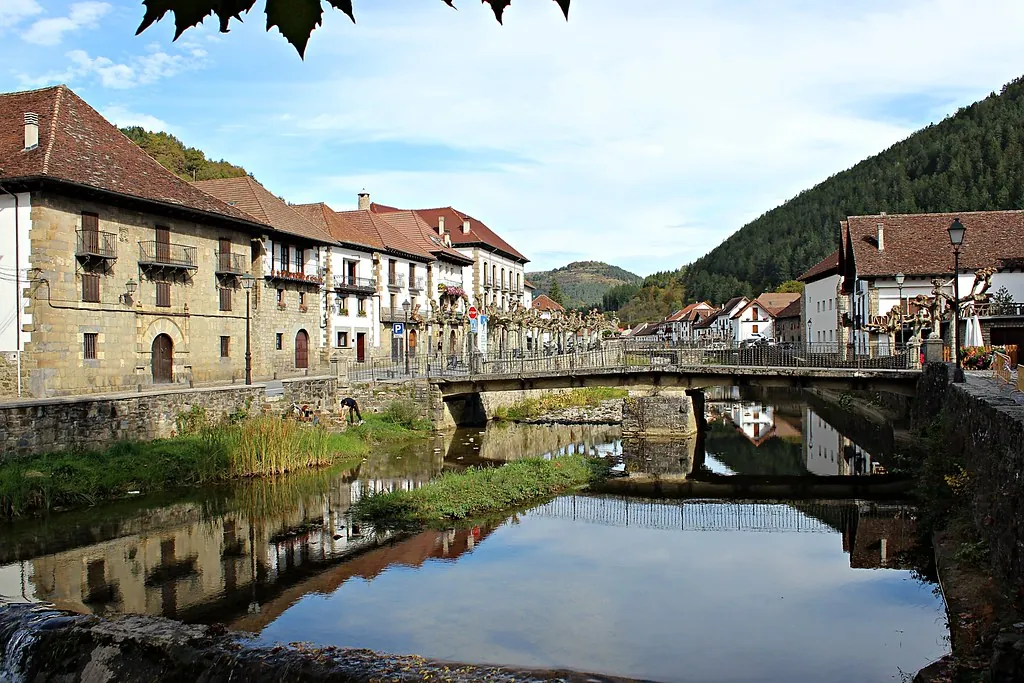
From the bridge, you see how Orbaizeta is arranged: houses set apart, small vegetable gardens in between, red tile roofs half-hidden by foliage. The rhythm is set by weather and work, not by opening hours. By late afternoon, the soundscape narrows again to water and maybe a distant tractor.
Paths that lead into the Irati
The forest starts where the last garden ends. These woods are an extension of the Irati forest, one of the largest beech and fir masses in Europe. The paths are clear but not gentle; they climb. Light falls in narrow shafts through the branches. In autumn, your footsteps crunch on a thick carpet of dry leaves, and the smell is of damp earth and rotting wood.
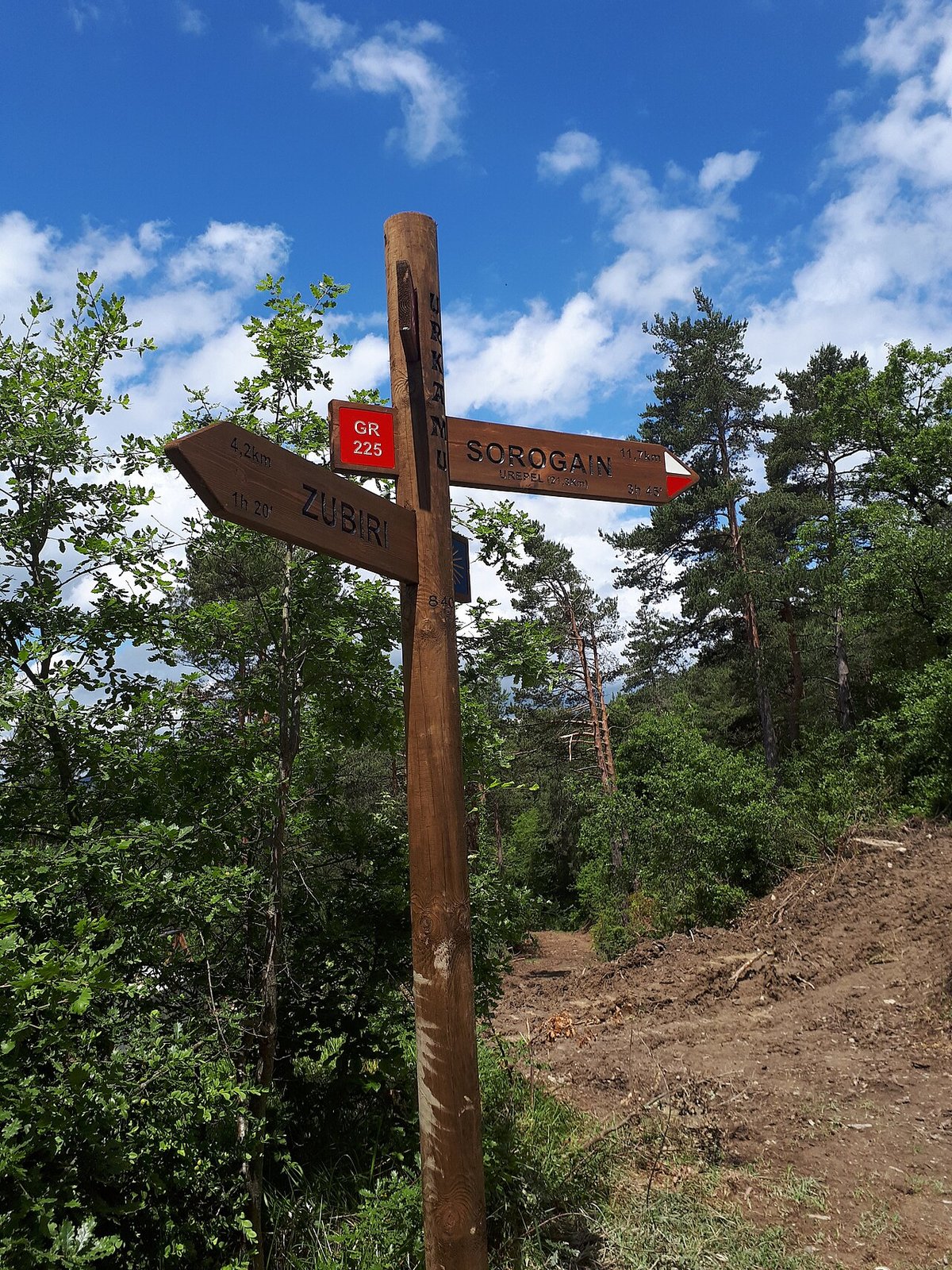
These routes connect to the Aezkoa valley or climb towards summits like Mendilatz. They demand respect. There is elevation gain, sections without any signal, and weather that can change within an hour. Carry water and a layer even on a bright day. Check the forecast before you leave.
A practical rhythm
Food here follows mountain time. Menus might feature wild mushrooms in autumn, or local lamb, or cheese from latxa sheep. Options are few. Kitchens close early, and service is unhurried. Do not expect to eat after three in the afternoon.
A good way to spend two hours is to walk from the village centre to San Pedro, then down to the factory ruins. Follow the water channels downhill and loop back over the bridge. It gives you the shape of the place.
Come in spring or autumn if you can. The forest is alive with movement then, water running high and light shifting through new or falling leaves. Summer brings heat to the open areas around noon; walk early or late. In winter, snow and ice frequently coat the road up from Espinal.
Rain changes everything. It makes the factory ruins slippery and turns paths into streams. Persistent low cloud can sit in the valley all day, muting colours and soaking sound.
The drive from Pamplona takes over an hour. You follow the N-135 towards Roncesvalles, turn off at Espinal towards Garralda, then take the NA-2012 as it winds into the valley. The road narrows, trees close in overhead, and then you arrive.
Nothing announces itself loudly. The river keeps flowing, the ruins stand where they fell, and Orbaizeta continues at its own measured pace, separate from whatever hurry exists further down the mountain.