Full Article
about Orbara
Small Aezkoa village with well-preserved traditional architecture, surrounded by forests and quiet.
Hide article Read full article
A village that appears all at once
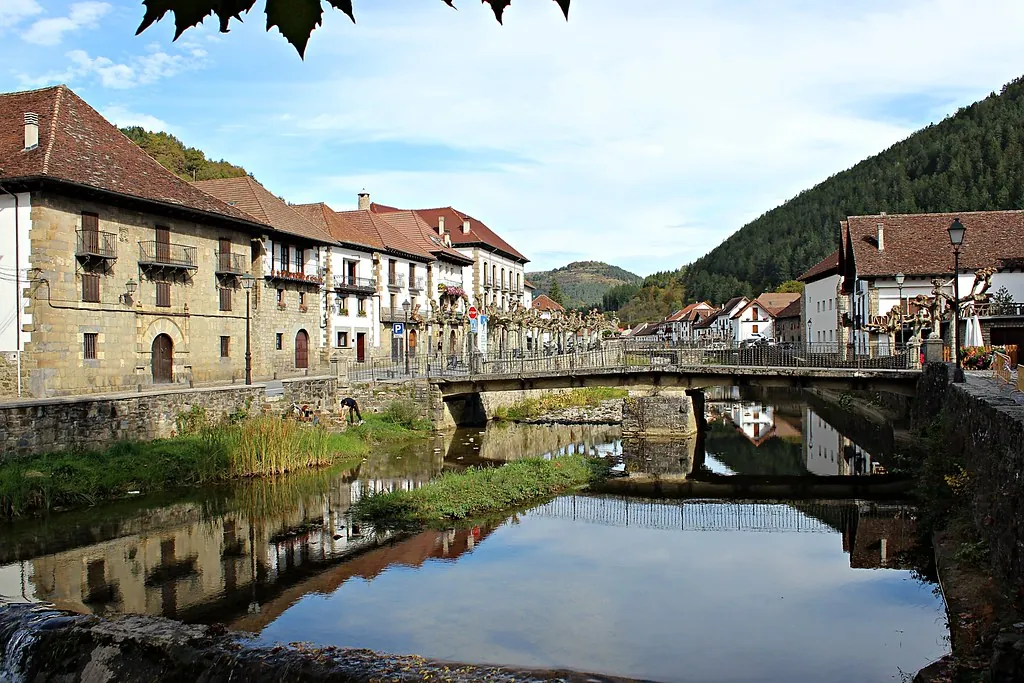
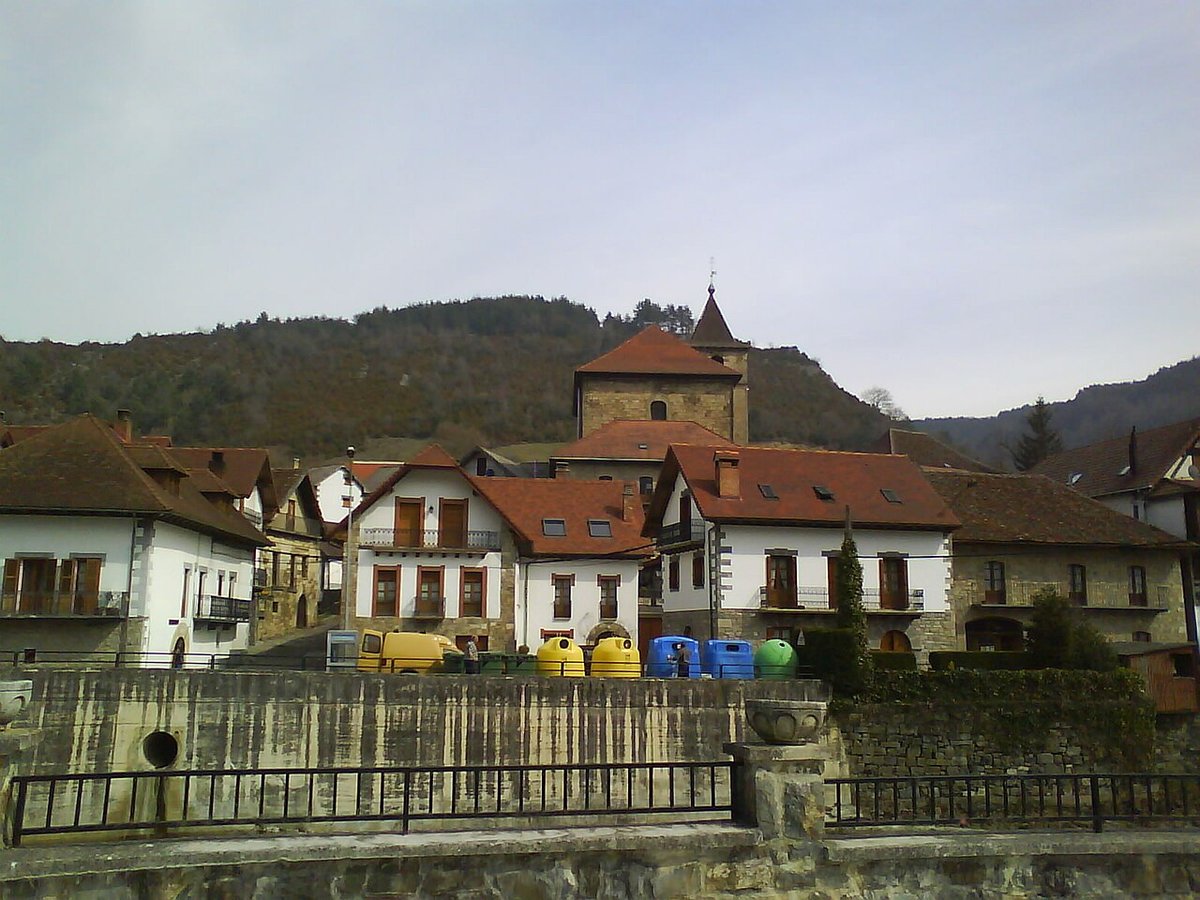
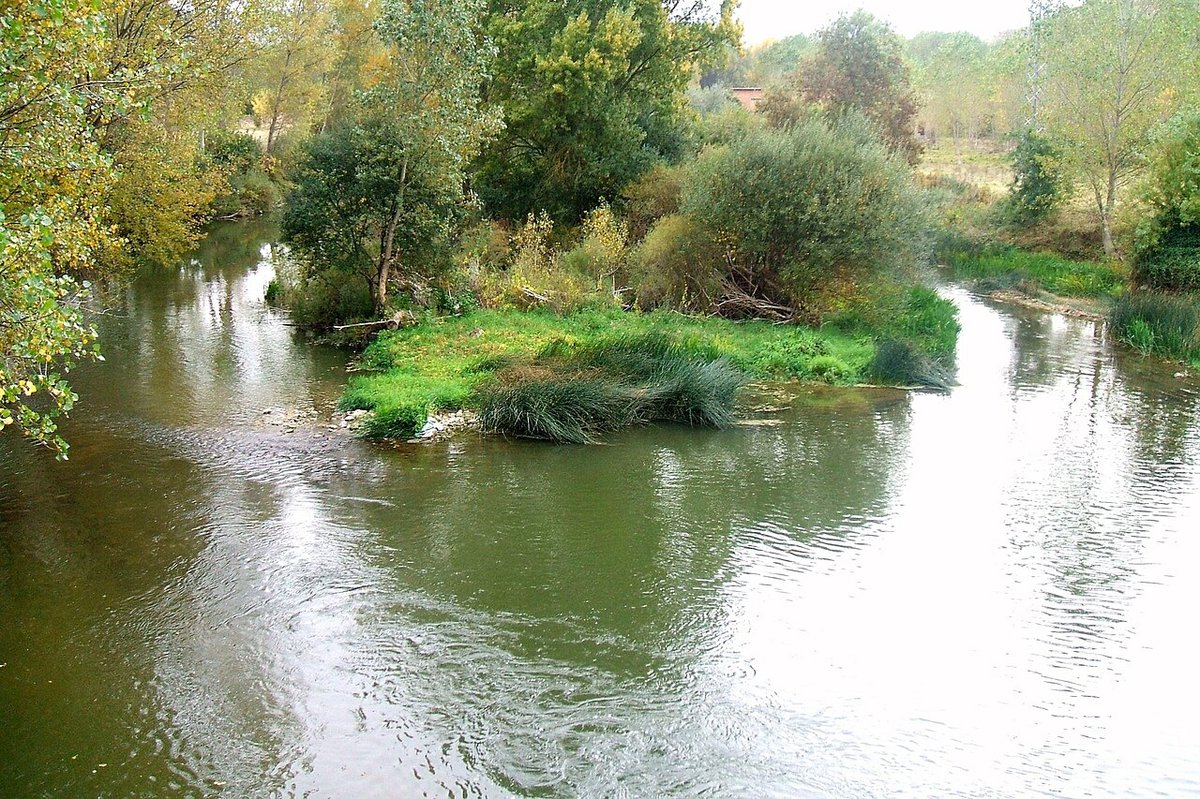
Early in the morning, when the sun is still low and slipping between the mountains, Orbara comes into view suddenly after a tight bend. A handful of stone houses, some with dark wooden balconies, and the steady sound of water somewhere nearby in the valley. There is no traffic, no rush. Just a small cluster of homes gathered around a church, with meadows beginning exactly where the last façades end.
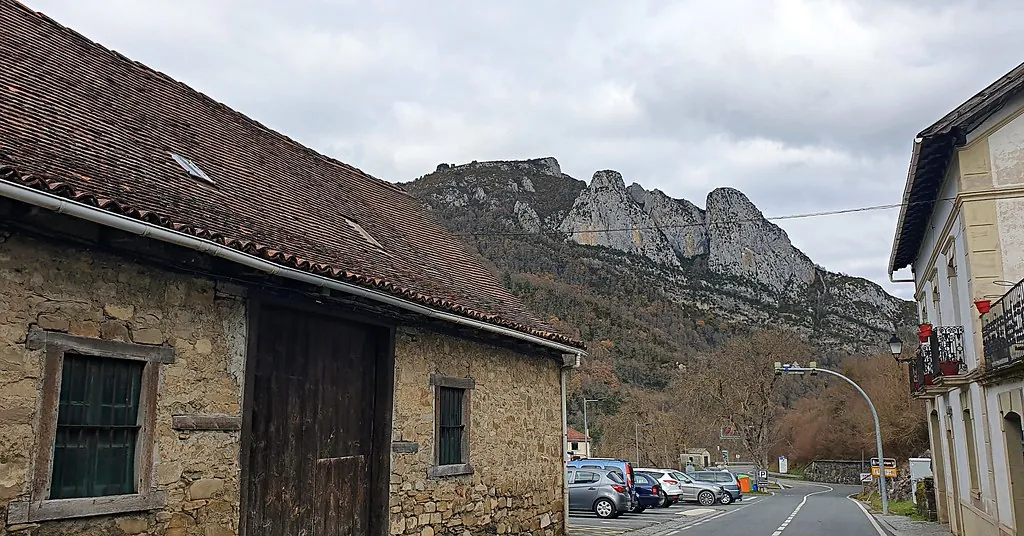
Orbara, in the Navarre Pyrenees in northern Spain, has only a few dozen residents. Its scale is immediately clear. In ten minutes, it is possible to walk from one side of the village to the other. Even so, it rewards a slower pace. The houses are built from uneven stone that holds the dampness typical of the north, with reddish roofs and wooden beams visible beneath the eaves. On overcast days, the village almost blends into the surrounding mountains.
San Román and the heart of the village
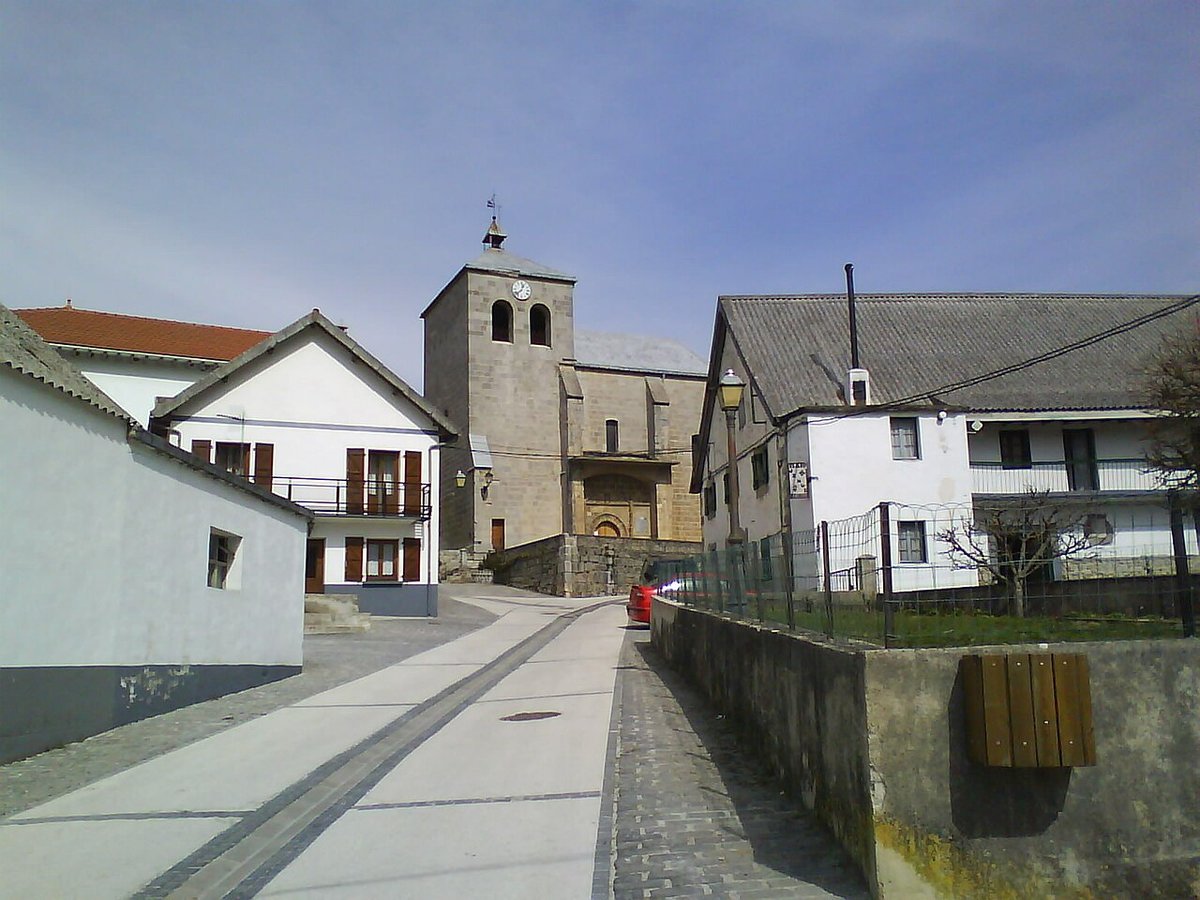
At the centre stands the church of San Román. It is a simple building with a compact form, much like many rural churches in Navarra. The door is usually closed when there is no activity in the village, so it is most often seen from the outside: its tower, the slightly lighter stone around the entrance, and the small open space around it.
From here, the dimensions of Orbara become easy to grasp. Two or three short streets, a few small vegetable plots attached to the houses, and paths leading out towards the meadows. Everything feels close at hand, without any need to look for a focal point beyond what is already there.
Paths leading into the woods
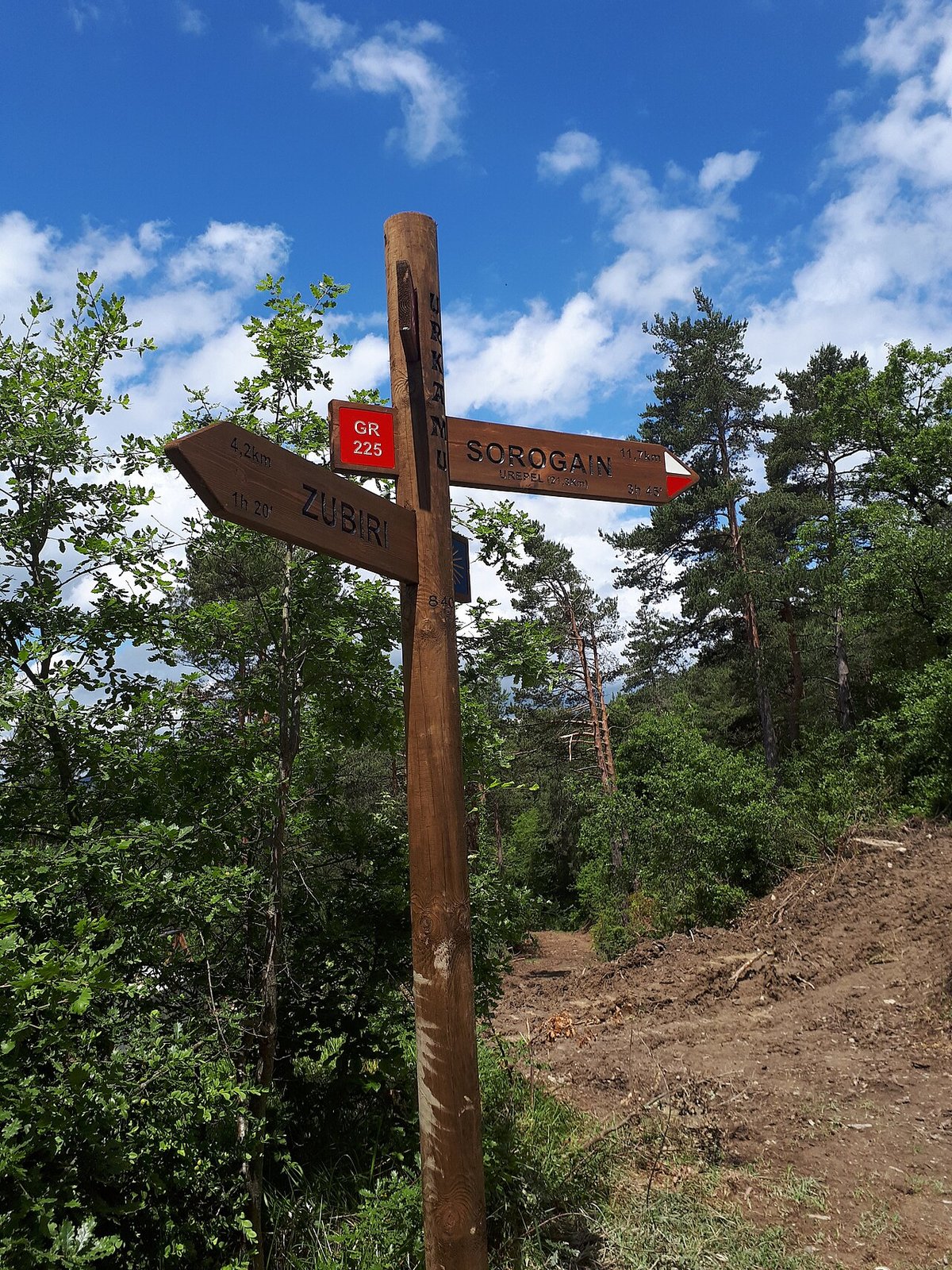
Beyond the last houses, rural paths begin almost immediately. Some lead into oak and beech woods; others follow the edges of open pasture, where at times the wind is more noticeable than anything else.
In autumn, the area tends to attract people searching for wild mushrooms. Caution is needed, though. Many plots of land are privately owned, and it is not always clear where access is permitted. If a small gate appears in a stone fence, the usual practice is to leave it as it was found.
In summer, these same paths offer welcome shade during the middle of the afternoon. The ground often carries the scent of damp leaves and old wood, especially after a night of rain. It is a landscape that shifts quietly with the seasons, without any obvious markers beyond changes in colour and light.
A short stop, taken slowly
Orbara works best as a brief stop within a wider route through the valley. An hour or two is enough to walk its streets, approach the church, and follow one of the paths that head towards the hills.
The dominant sound here is not traffic. It is the wind moving through the treetops, or occasionally a bird hidden somewhere in the forest. That absence of noise shapes the experience as much as the setting itself.
Before setting off
Orbara is very small and has almost no services. It makes sense to arrive with water and anything needed for a short walk, without relying on shops or places to eat or drink.
For shopping or errands, it is necessary to travel to larger towns in the surrounding area, where there is more activity during the day.
Parking requires a bit of care. The streets are narrow, and many houses have entrances for tractors or access to vegetable plots. The most considerate option is to leave the car somewhere it does not get in the way.
The final stretch of the journey is along local roads that become quite narrow. In rain or fog, it is worth taking things slowly. In winter, the weather can also change quickly in this part of the Pyrenees.
A place understood in silence
Orbara does not revolve around monuments or organised activities. What it offers is a small group of lived-in houses, surrounded by woodland and meadows that change noticeably with the seasons.
Arriving without hurry and walking a little along the paths that leave the village brings out details that are easy to miss from a car. The glint of water in a small irrigation channel, the crunch of gravel underfoot, the damp smell of stone as evening approaches. The visit, in essence, is just that: to look slowly, take it in, and then move on.