Full Article
about Oroz-Betelu
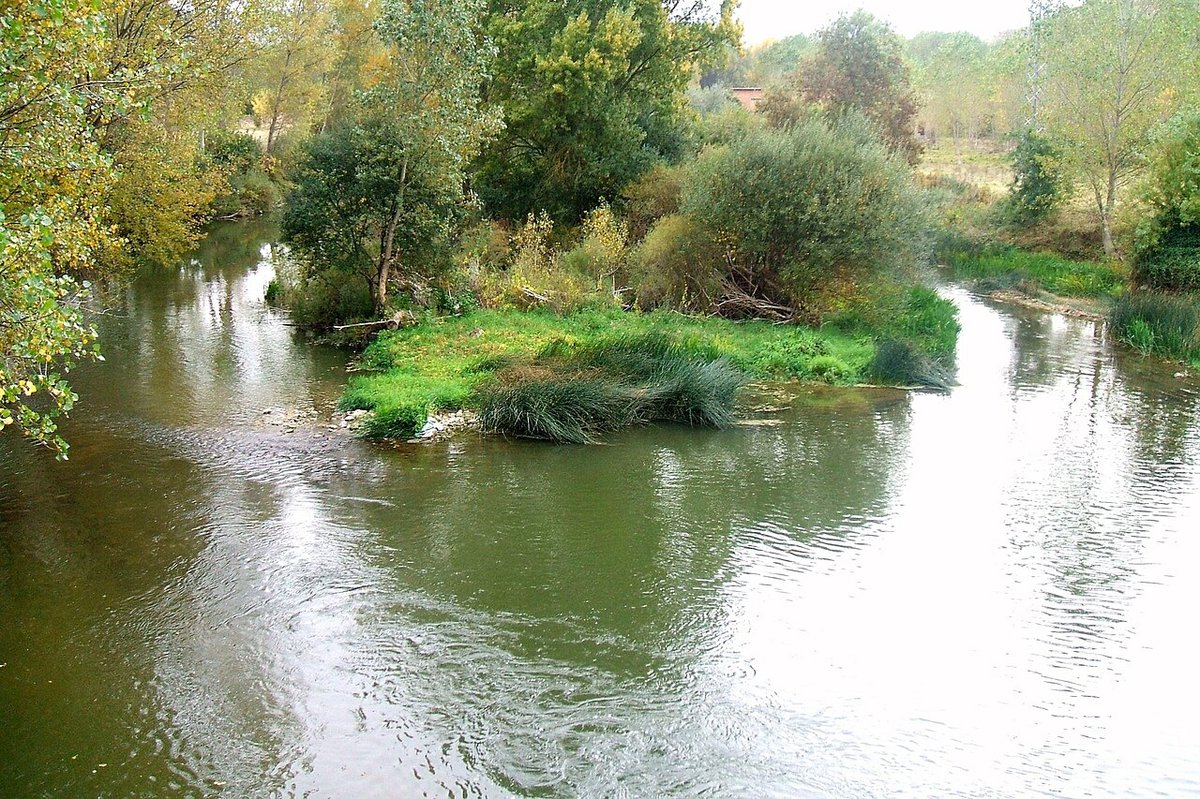
A village tucked beside the Irati River, known for its oak groves and timber-industry past.
Hide article Read full article
A village you come across
Some places are not planned stops. The road winds through the mountains, bends again, and suddenly a small cluster of houses appears. Oroz Betelu, in the Navarrese Pyrenees, feels like that kind of arrival. It does not try to catch your attention or persuade you to pull over. You simply stop, stretch your legs, and decide to have a look around.
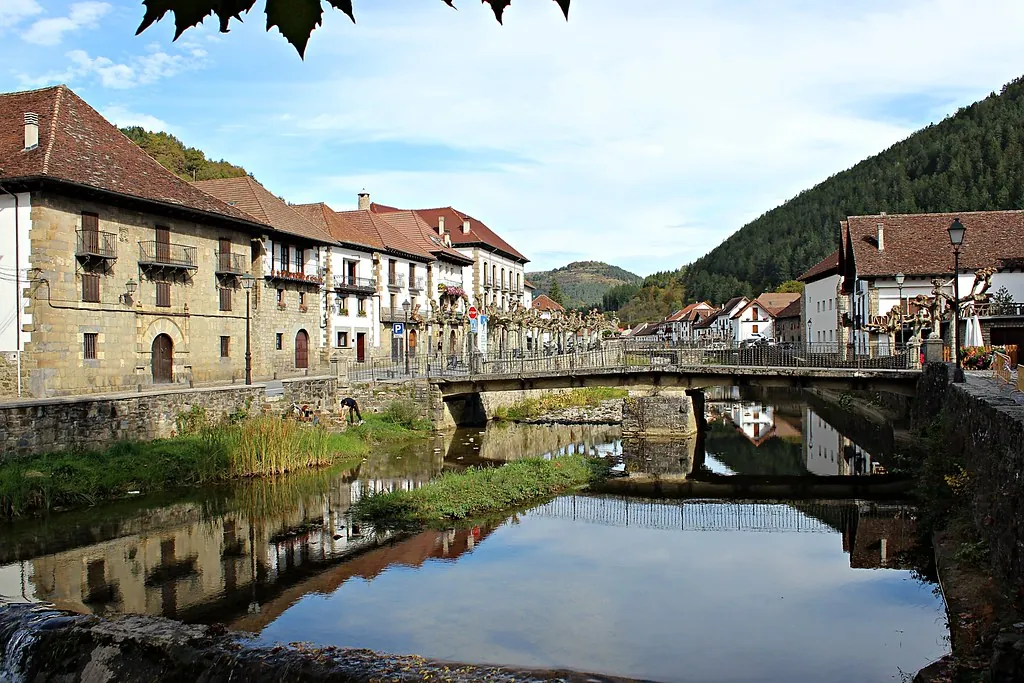
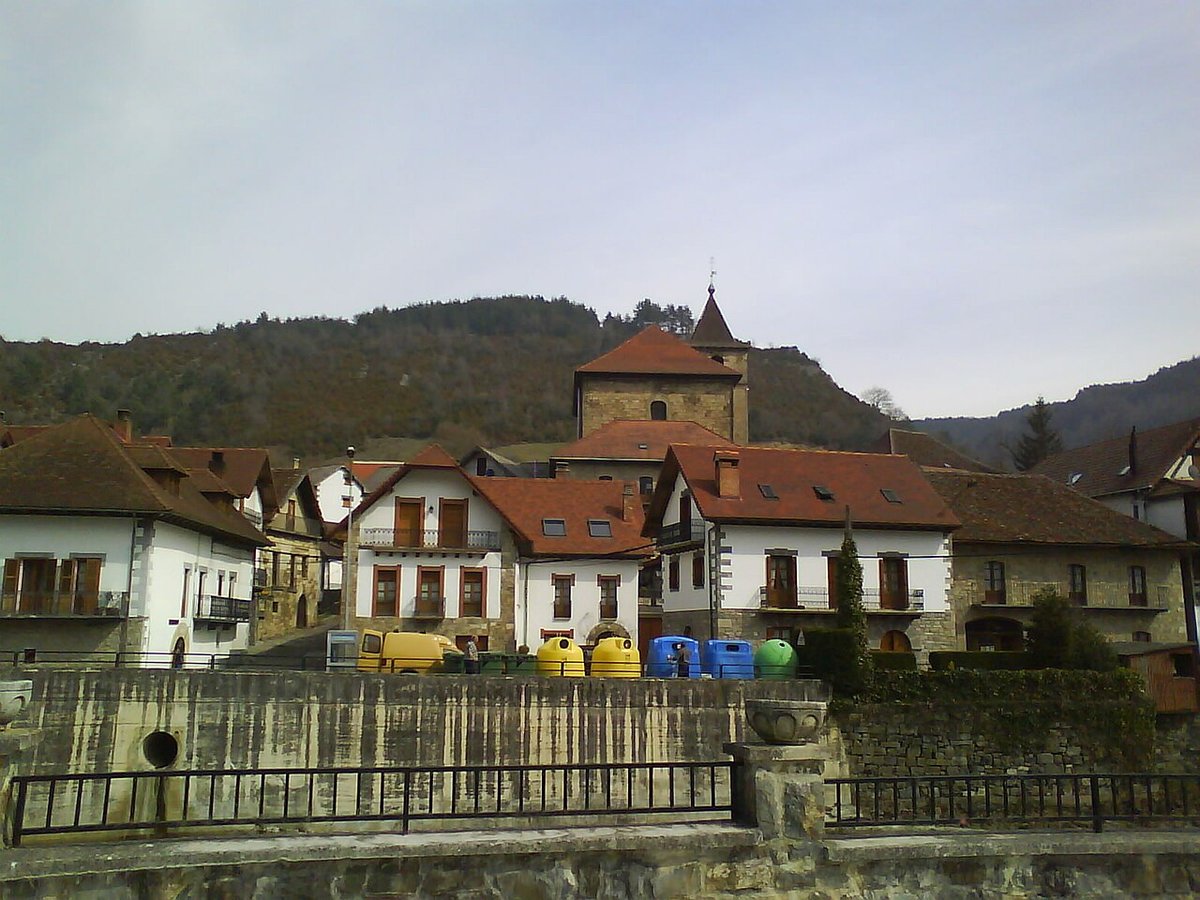
It is a small village, just a handful of streets. What stands out is the sense that everyday life continues here at its own pace, without being arranged for visitors. Large stone houses sit close together, with vegetable plots nearby and a noticeable quiet in the air.
There is no sense of spectacle. The appeal is more understated. It is the kind of place where you slow down without really thinking about it.
The centre and San Martín
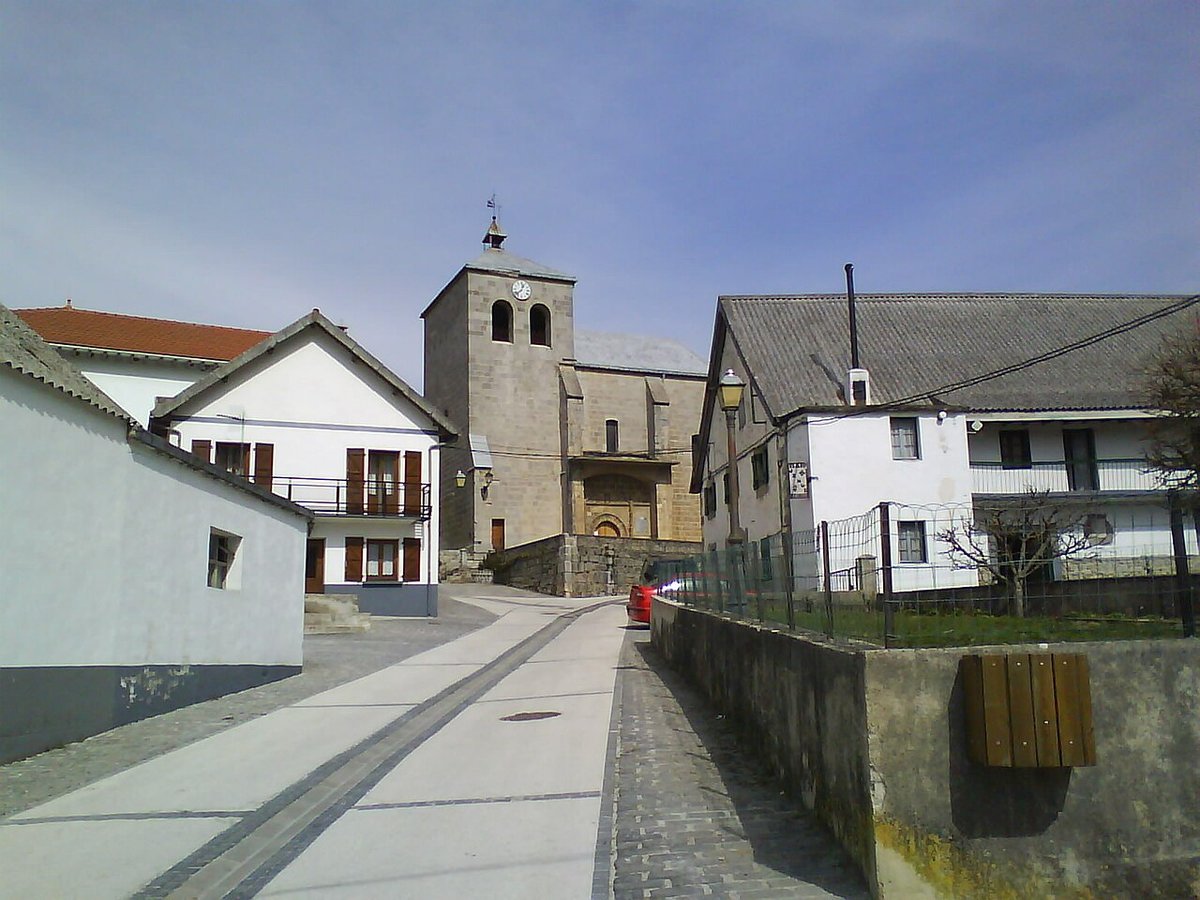
It does not take long to reach the church of San Martín. The building is not large or imposing. In fact, its strength lies in its simplicity. Like many churches in this part of Navarra, it was built to last rather than to impress.
Around it sits the small core of the village. Streets are short, houses have thick walls, and wooden balconies look out over narrow spaces. A closer look reveals practical details shaped by the local climate and way of life: wide doorways once used for storing tools, long eaves to keep off the rain, and small windows that seem designed to let in just enough winter light.
Walking through these streets does not take long, yet the pace naturally slows. There is little noise, little distraction. The layout and the buildings encourage you to notice small things rather than rush from one point to another.
Where the mountains begin
One of the defining features of Oroz Betelu is how quickly the landscape changes. The mountains begin almost at the edge of the last house. A short walk out of the village leads straight into open meadows and patches of woodland.
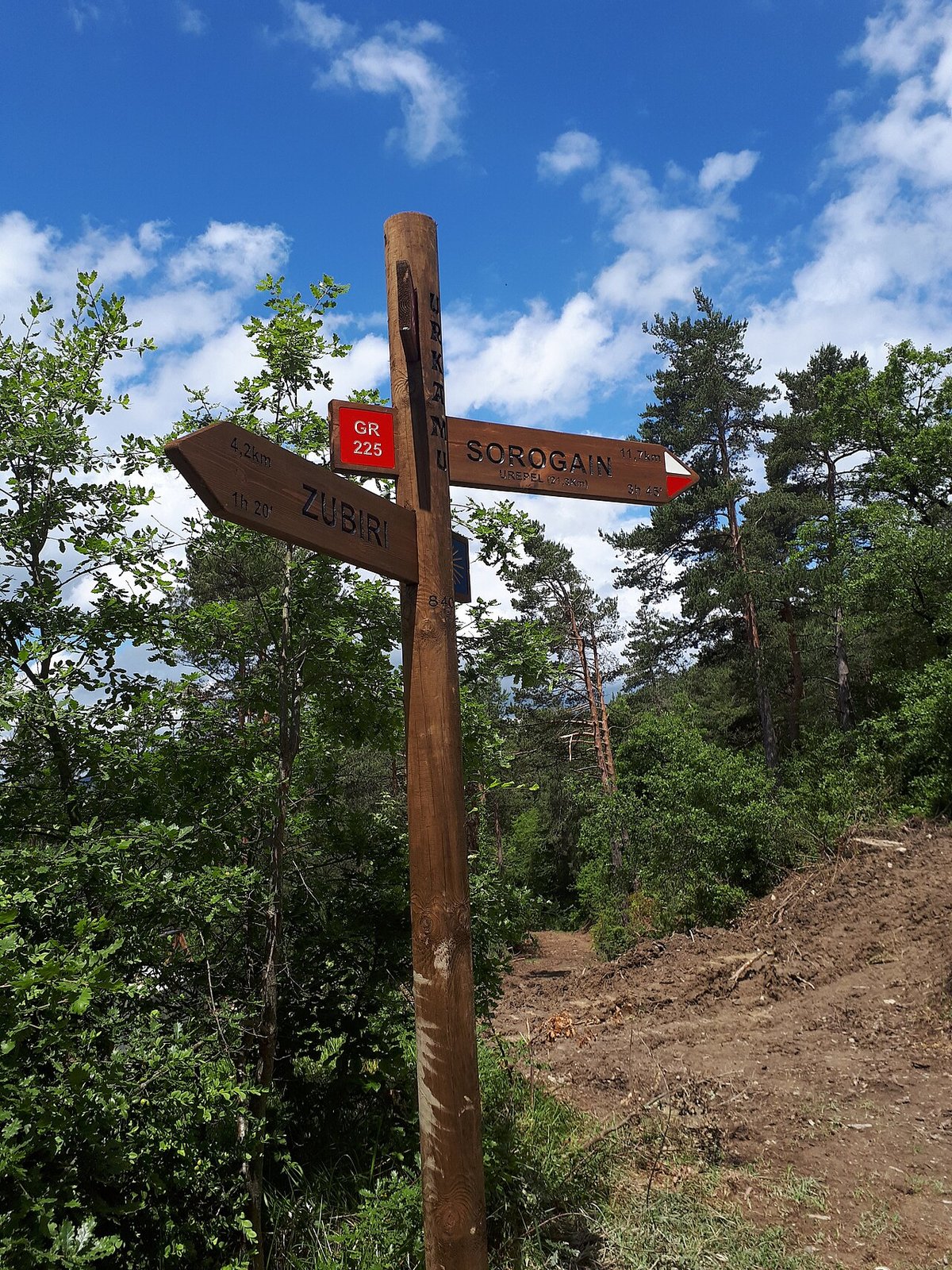
The mix of trees is typical of the Navarrese Pyrenees. Beech and oak appear first, with some pine higher up. The paths are not designed as curated walking routes. They are the same tracks used by local people to move through the valley or head up into the hills.
Some stretches open out, offering views across the surrounding landscape. Others lead into the forest, where sound becomes muted and the only thing you hear clearly is your own movement, perhaps a bird somewhere above.
Anyone familiar with this part of the Pyrenees will recognise the atmosphere. The ground is often damp, leaves gather underfoot, and the forest feels deeper than it looks from the road. Even a short walk gives a sense of stepping into a quieter, more enclosed world.
There is no need to plan a long hike. The experience is just as much about how quickly you leave the village behind and find yourself surrounded by countryside.
Food from the valley
Cooking in this area is direct and based on what is available locally. The focus is on simple ingredients and traditional dishes rather than elaborate preparation. Sheep’s cheese is common, along with cured meats and meat from livestock raised nearby.
When the season allows, mushrooms collected from these same hills also appear on the table. The connection between the landscape and the food is clear and immediate.
This is not a place filled with dining options. The expectation is different. Meals follow the pattern of small rural communities, where food is filling, familiar and made without unnecessary complication.
For anyone who appreciates that kind of straightforward cooking, it becomes clear why little more is needed. The appeal lies in its honesty rather than variety.
Local life and celebrations
Festivities in Oroz Betelu revolve around San Martín. These are traditional village celebrations, centred on gatherings in the square, music rooted in local customs, and the return of people who live elsewhere for most of the year.
At these times, the village changes its rhythm slightly. There is more movement, more voices, more activity. Even so, the scale remains small.
Summer also brings a noticeable shift. Families return, vegetable plots are worked again, and evenings stretch out with people talking as the day cools. Nothing about it feels staged. It is simply how life continues in a place of this size.
The atmosphere is difficult to replicate elsewhere. It depends on a small population, long-standing routines and a connection between people and place that has not been reshaped for visitors.
If you only have a couple of hours
Oroz Betelu does not require careful planning. You can park, walk to the church of San Martín, and explore the nearby streets. In a short time, you will have a clear sense of the village.
After that, it is worth heading out along one of the paths that leave the settlement. There is no need to go far. Even ten minutes is enough to step back and look at the valley from a slight distance, which often makes the setting easier to understand.
The plan is simple and unstructured. The experience comes from the contrast between the compact village and the surrounding landscape, and from the way both can be taken in without effort.
Before you go
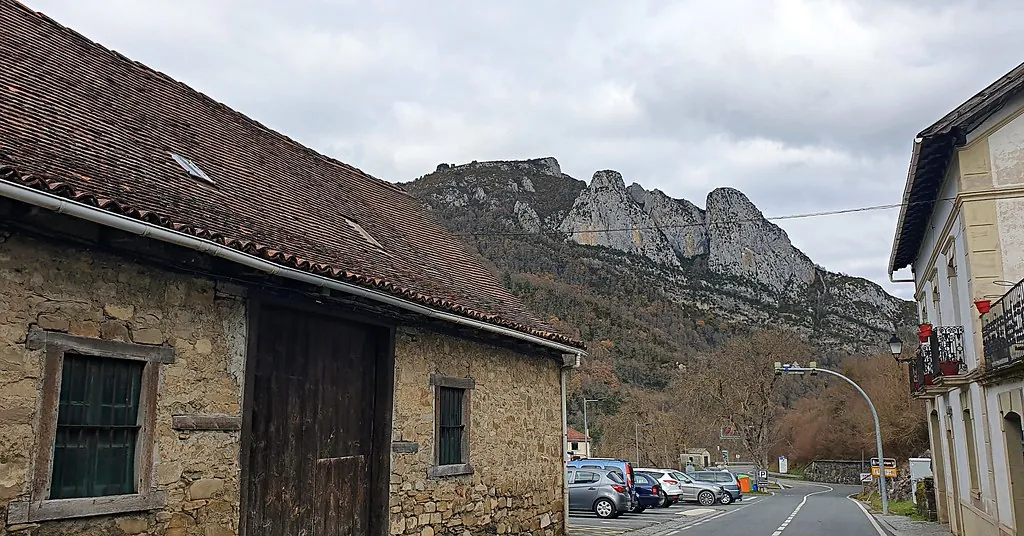
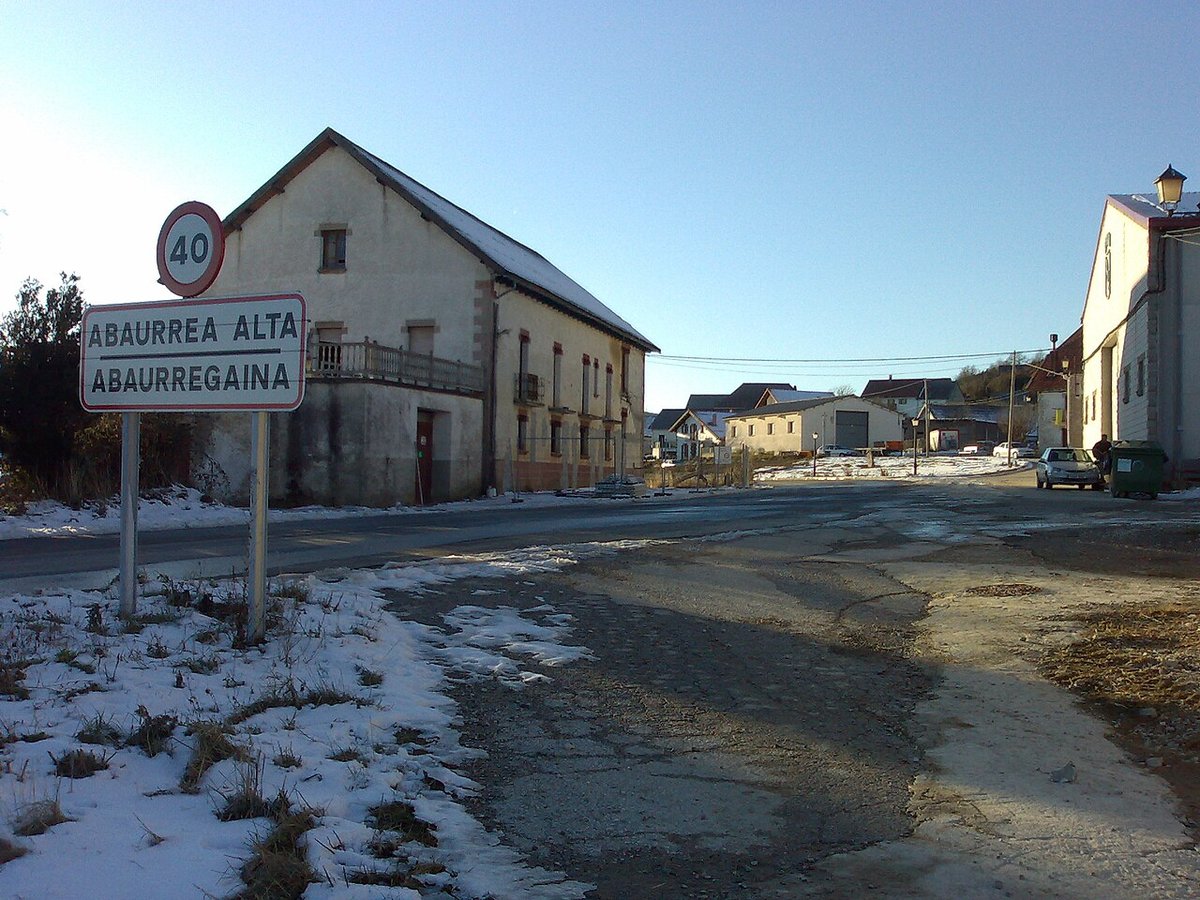
Access to Oroz Betelu is via mountain roads in the Navarrese Pyrenees. They are not especially difficult, though they do involve curves, and conditions can change quickly in winter. It is best approached without rushing.
The village itself is small and services are limited. If you intend to walk into the hills, it makes sense to come prepared with what you might need.
More important than anything practical is the mindset you bring. Oroz Betelu is not a destination built around activities or packed schedules. It works better as a quiet pause within a journey through the interior Pyrenees. A place to walk for a while, look around, and then continue on your way.
Sometimes that is exactly what is wanted.