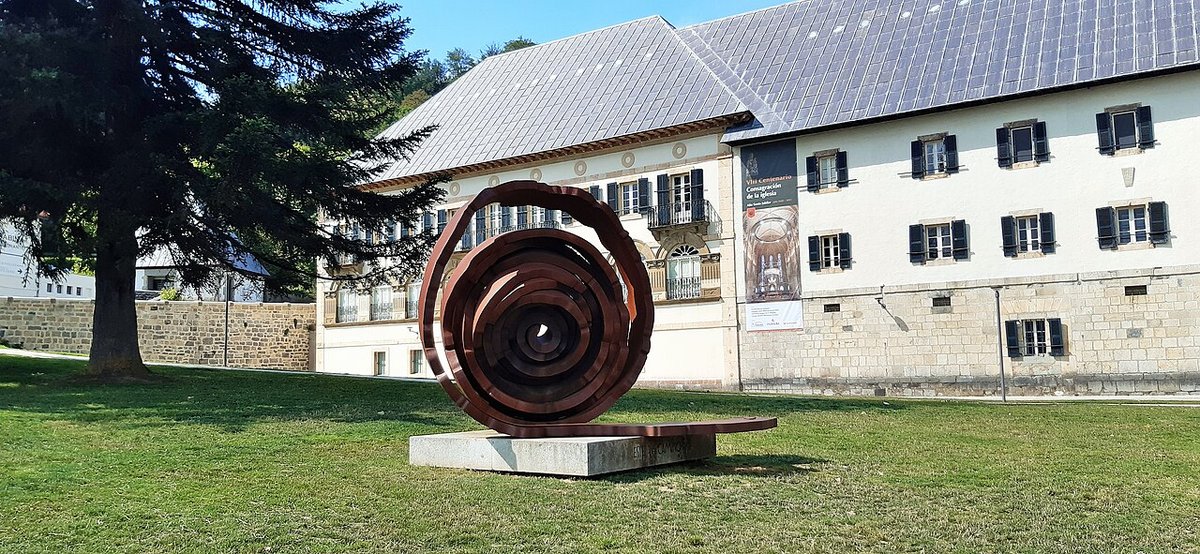
Éste es el camino monumentua - Orreaga.jpg
Navarra · Kingdom of Diversity

Orreaga / Roncesvalles

The bell of Santa María tolls eight times and 180 pairs of hiking boots stop clattering. Backpacks thud onto flagstones outside a 13th-century cloi...

25 inhabitants · INE 2025
952m Altitude

Why Visit

Mountain Collegiate Church of Santa María Visit the Colegiata

Best Time to Visit

year-round

Virgin Festival (September) septiembre

Things to See & Do
in Orreaga / Roncesvalles

Heritage

  • Collegiate Church of Santa María
  • Charlemagne’s Silo

Activities

  • Visit the Colegiata
  • Start of the Camino

Festivals
& & Traditions

Fecha septiembre

Fiestas de la Virgen (septiembre)

Las fiestas locales son el momento perfecto para vivir la autenticidad de Orreaga / Roncesvalles.

Full Article
about Orreaga / Roncesvalles

Mythic, historic site; start of the Camino de Santiago in Spain and scene of the Battle of Roncesvalles

Ocultar artículo Leer artículo completo

The bell of Santa María tolls eight times and 180 pairs of hiking boots stop clattering. Backpacks thud onto flagstones outside a 13th-century cloister while the hospitalero in a green hi-vis jacket shouts “¡Cena a las siete!” Dinner at seven, lights-out at ten, pack your rubbish. It feels like boarding-school rules dropped into a mountain pass where Charlemagne once mislaid an army and medieval poets invented Spain’s first blockbuster, the Chanson de Roland. Welcome to Orreaga-Roncesvalles, population 19 permanent souls, altitude 952 m, 48 km north-west of Pamplona, and the first proper bed for walkers who have just dragged themselves over the Pyrenees from St-Jean-Pied-de-Port.

Stone, Mist and the Smell of New Boots

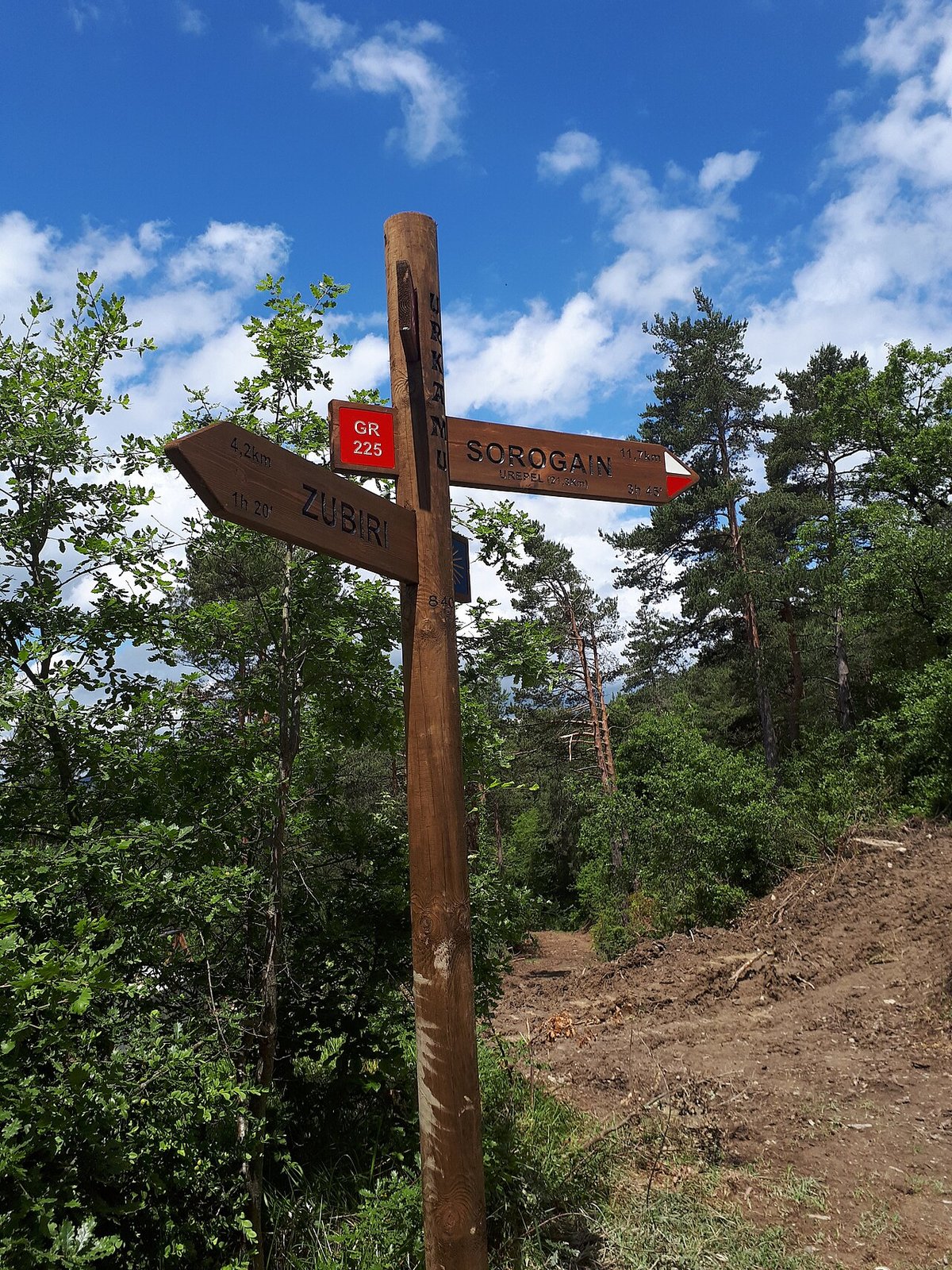
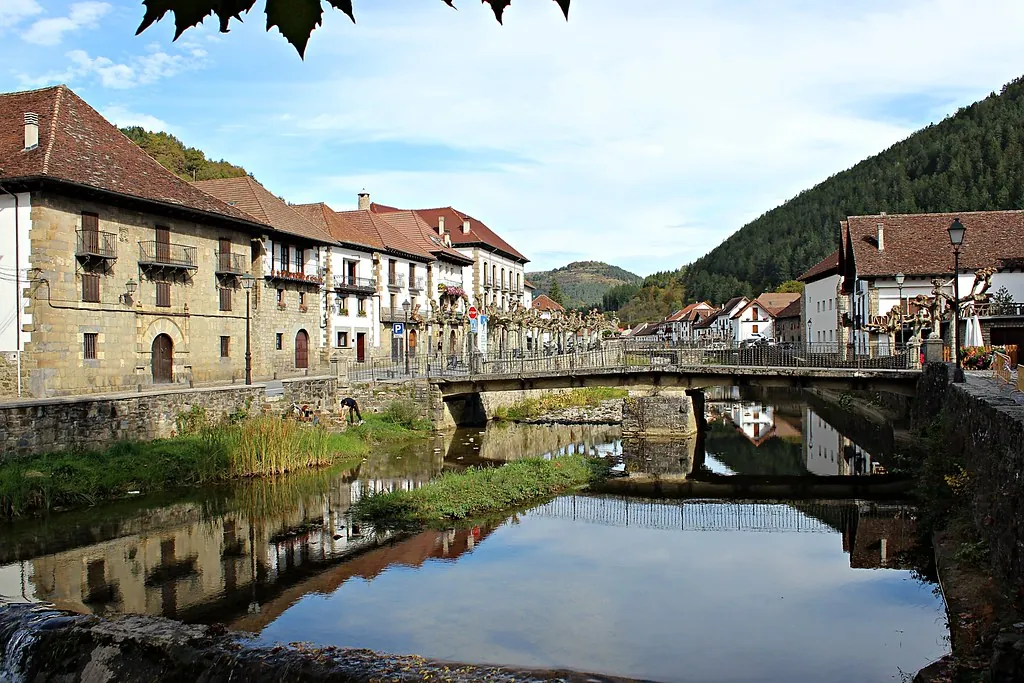
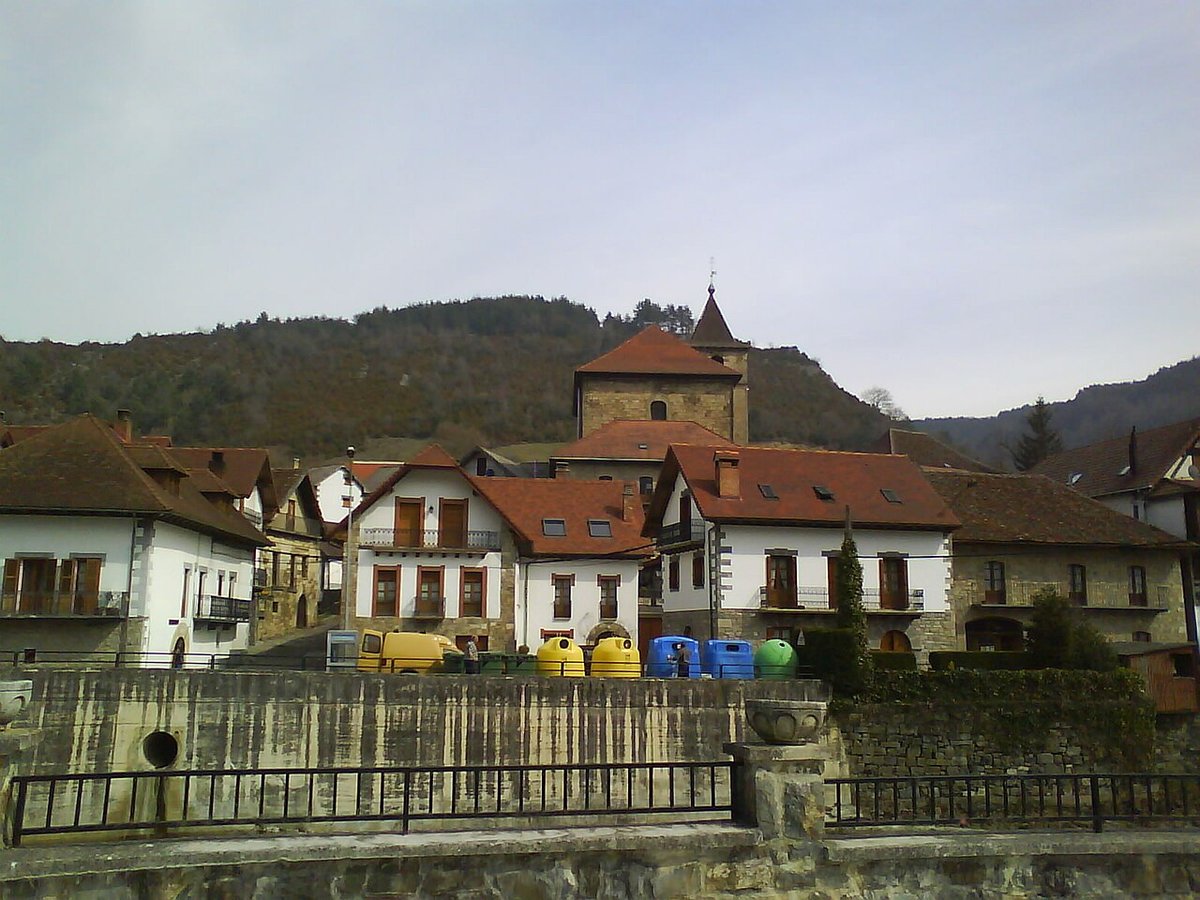
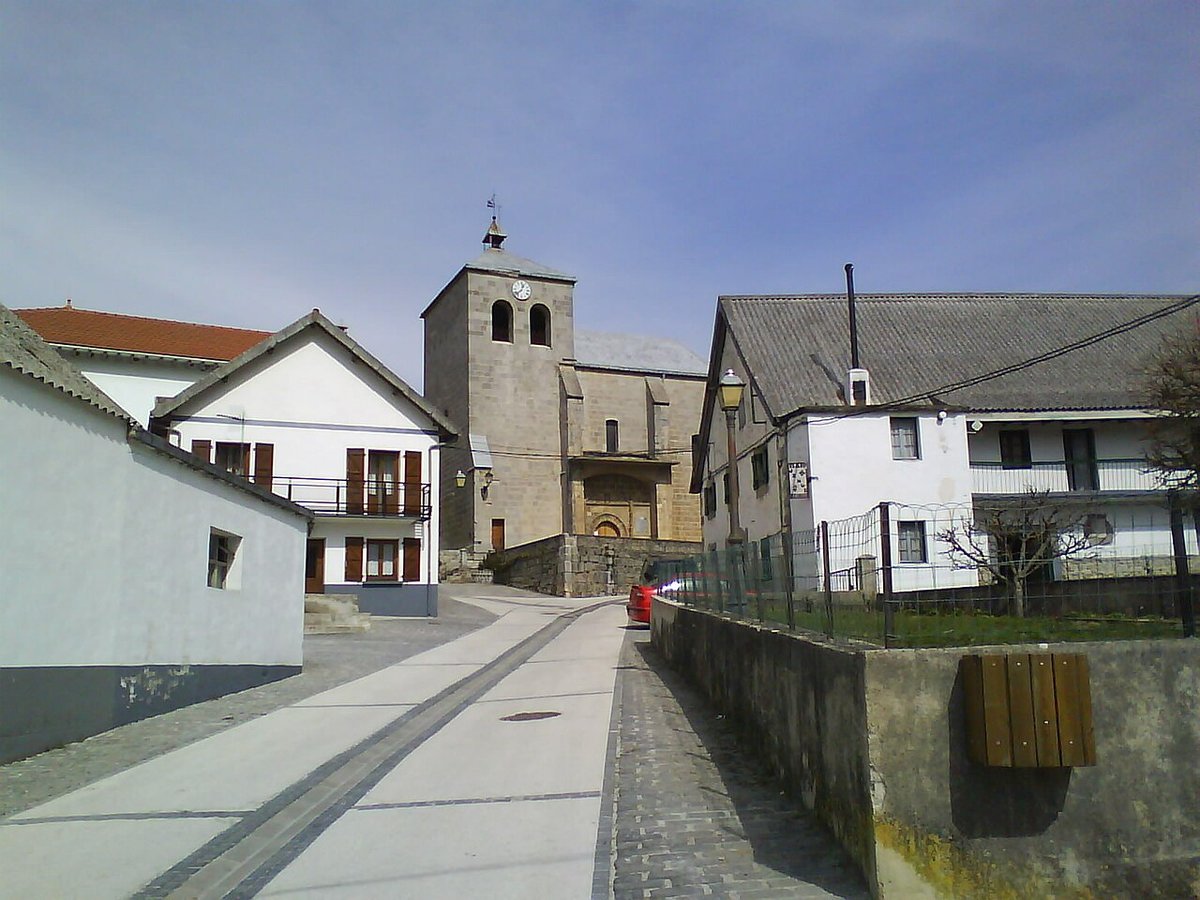
The village is less a village than a fortified church precinct hacked out of Atlantic beech forest. Everything worth seeing sits inside a five-minute loop: the Royal Collegiate of Santa María with its bare mountain-Gothic nave; the smaller Chapel of Sancti Spiritus, known locally as “Charlemagne’s Silo”; a one-room museum crammed with silver chalices and illuminated choir books; and a modern albergue that looks like a concrete barn but offers hot showers at €8 a night. The magic lies outside the walls. Walk 200 m up the signed path towards the Ibañeta pass and the tarmac disappears. Ferns press in, oak trunks drip, and the Camino becomes a narrow trench of russet mud that could pass for Dartmoor on a bad-weather day—except the next signpost reads “Santiago 790 km”.

Weather shifts fast. July lunchtime can hit 28 °C on the tarmac, but by 17:00 the cloud has rolled up from the French side and you’ll be grateful for the fleece you laughed at that morning. Night temperatures in midsummer regularly drop to 10 °C; in April or October frost whitens the grass and the water pipes of the public loo freeze. Bring layers, and if you plan to camp, stakes bend in gale-force winds that funnel through the pass.

What Actually Happened Here (and Why it Still Matters)

Ignore the theme-park Roland statue on the roundabout; the real story is older and murkier. In 778 Charlemagne’s rearguard was ambushed by Basque tribes while retreating into France. The Chanson turned the skirmish into a Christian epic, gave Roland a horn and invented a national myth. The collegiate church was founded a century later to shelter pilgrims and to pray for the fallen—dual purpose, practical and penitential. That tradition still pays the electricity bill: donations in the albergue box fund both the 06:00 pilgrim mass and the elderly caretaker who tells you, in matter-of-fact English, where to find a cash machine. (There isn’t one; bring euros.)

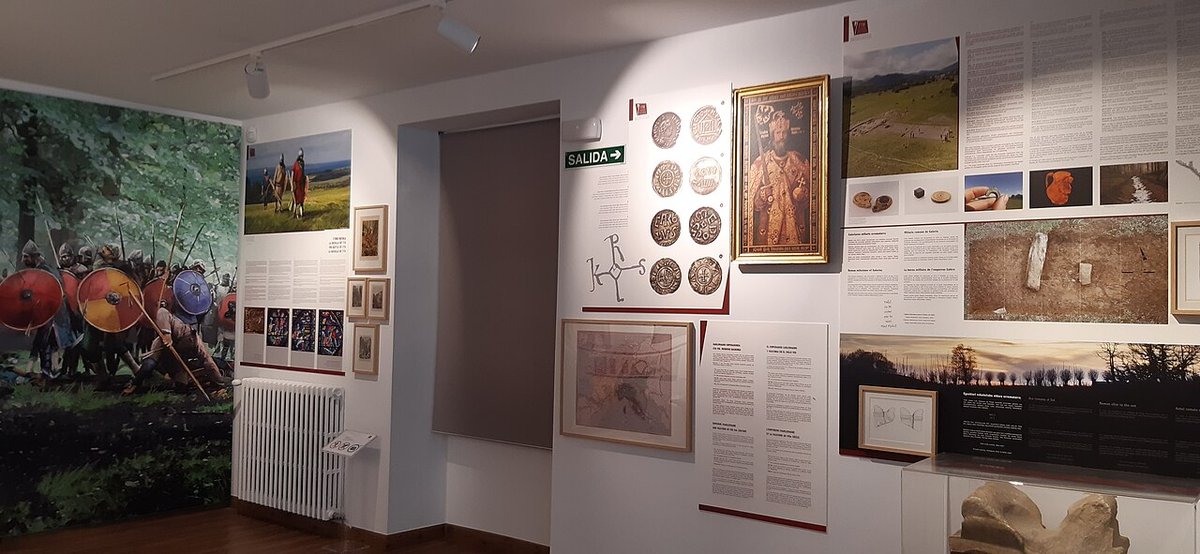
The €5 guided tour (WhatsApp +34 670 289 997 to reserve) lasts 45 minutes and is worth every cent. You’ll see the 14th-century wooden statue of the Virgin that pilgrims still dress in a tiny raincoat when storms threaten, and the chapter house where Navarrese kings once pawned their jewels to pay for wars. The museum next door displays the original 12th-century seal press: two iron screws that certified safe-conduct documents long before passports existed.

Walking Without the Backpack

Even if you have no intention of staggering 790 km to Santiago, the local paths justify the drive. A 45-minute circuit leaves the church, ducks into the hayedo (beech wood) and climbs to the Mirador de los Buitres. Griffon vultures wheel overhead; on clear mornings you can pick out the silhouette of the Picos de Europa 150 km west. Return via the Pradera de Orreza, a meadow kept shorn by semi-wild ponies whose ancestors once carried packloads of Navarrese wool to French fairs. The loop is muddy after rain, so the tourist office lends gaiters free against a deposit of €20—handy if you forgot your own.

Keener hikers can follow the GR 12 south-east towards the Selva de Irati, Europe’s second-largest beech forest after Germany’s Black Forest. A taxi from Roncesvalles to the Irati trailhead at Orbaitzeta costs about €35; buses run on Tuesday and Friday only, timetable printed on a laminated sheet behind the bar. Allow six hours for the 16 km traverse back to the village—steep in places, but you’ll meet more red squirrels than people.

Food, Beds and the 22:00 Curfew

Evenings wind up early. The two bars close by 22:30; the village shop shuts at 19:00 and stocks little beyond tinned tuna, Idiazábal cheese and the local Diario de Navarra. If you need a pharmacy or cashpoint, drive 10 km down-valley to Burguete, Hemingway’s trout-fishing base, where a 24-hour Santander machine sits outside the frontón court.

Pilgrims eat communally in the albergue dining hall: starter of river trout, chickpea cocido navarro lighter than its Castilian cousin, and wine poured from plastic jugs. Price €11; tickets sold at 19:45 sharp, no exceptions. Private rooms are available at Hotel Casa Sabina (doubles €85, breakfast €9) and the refurbished Hostal Gau Txori (€65, shared terrace looking onto the church ramparts). Ear-plugs are non-negotiable in the albergue—plastic mattress covers rustle like crisp packets whenever someone turns over, and the 05:30 exodus begins long before sunrise.

Vegetarians survive on menestra de verduras, a spring-veg medley of artichokes and peas, though you may need to ask for it because menus default to meat. Carnivores should walk 15 minutes to Burguete’s Asador Baztán for a chuletón (T-bone) sized for two, €48 with roasted peppers. Pair it with Navarra’s red Garnacha—half the price of Rioja and built for mountain nights.

When to Come and When to Stay Away

May–June and September–October give the best odds of fair weather plus colour: first the luminous green of new beech leaves, later the copper flare of autumn that turns every hiking selfie into a postcard. July and August are statistically drier but bring two complications: heat on the exposed road sections and the annual pilgrimage of Spanish school groups. The Fiesta de la Batalla on 15 August packs the church with re-enactors in chain-mail and fills every bed for 30 km; fascinating if you enjoy drumrolls at midnight, otherwise avoid.

Winter is inhospitable. The N-135 stays open—snowploughs from Pamplona work overtime—but drifting snow can close the pass for hours. The albergue shuts 1 December–31 March; the hotel remains open but the restaurant trims its menu to soup, steak and little else. Come properly equipped: the Spanish Alpine Club lists this as a zone 3 avalanche risk after heavy snowfall.

Last Orders at 900 Metres

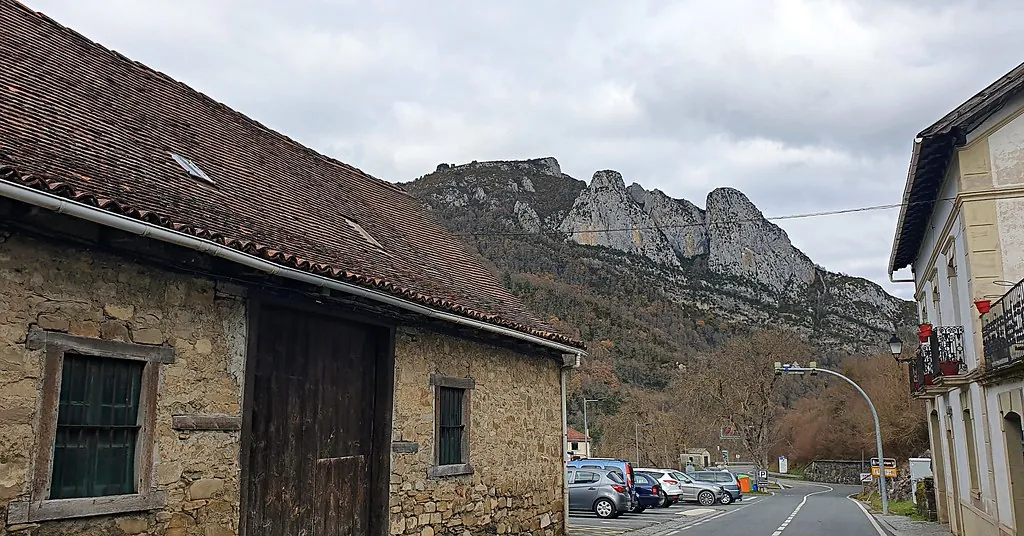
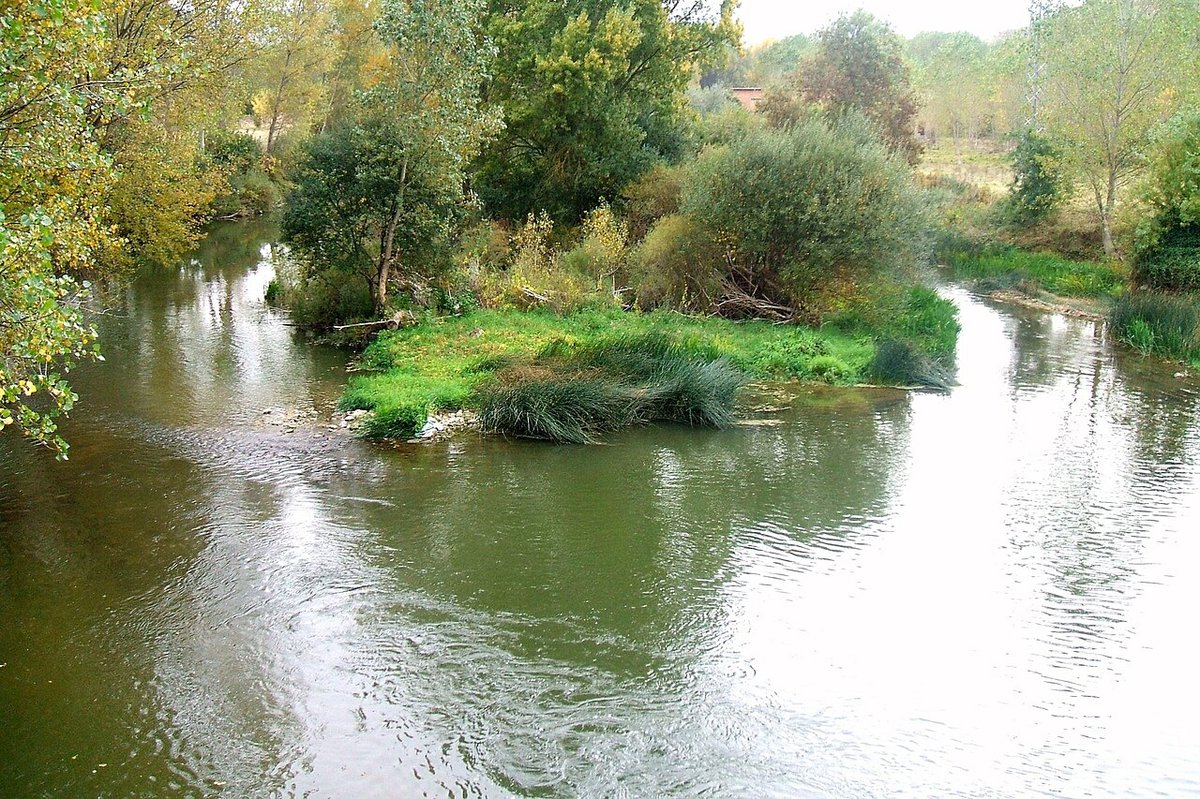
By 21:30 the village is quiet enough to hear the river Arga rushing through the gorge below the cemetery. Lights glow amber inside the church, where a handful of walkers prop their swollen feet on pews and study tomorrow’s stage profile. Outside, the temperature has dropped another three degrees; the moon picks out Roland’s sword on the weather vane. Roncesvalles offers no souvenir shops, no nightlife, no beach bars—just a thousand-year-old agreement that travellers may rest, eat and leave at dawn. If that sounds limiting, stay in Pamplona. If it sounds like permission to switch off the phone and listen to fog settle on 800-year-old stones, you’ll find the car park on the left just before the French frontier. Bring cash, bring a fleece and, whatever you do, don’t forget ear-plugs.

Key Facts

Region
Navarra
District
Pirineo
INE Code
31211
Coast
No
Mountain
Yes
Season
year-round

Livability & Services

Key data for living or remote work

2024
ConnectivityFiber + 5G
HealthcareHospital 23 km away
Housing~5€/m² rent · Affordable
CoastBeach 17 km away
Sources: INE, CNMC, Ministry of Health, AEMET

Official Data

Institutional records and open data (when available).

  • Colegiata de Roncesvalles
    bic Monumento ~0 km
  • Conjunto de la Real Colegiata de Orreaga-Roncesvalles y sus dependencias
    bic Monumento ~0 km
  • Crucero de Roncesvalles
    bic Monumento ~0.4 km
  • Conjunto histórico de Auritz/Burguete
    bic Monumento ~2.6 km
  • Lindus Ipar (Lindus 2 Ipar)
    bic Dolmen ~3.8 km
  • Atalozti
    bic Cromlech ~3.9 km
Ver más (30)
  • Aldaparri (Harritxurri)
    bic Túmulo
  • Lindus Hego (Lindus 1 Hego)
    bic Dolmen
  • Lindus Hego I (Lindus 1 Hego)
    bic Dolmen
  • Ataloztiko Lepoa
    bic Cromlech
  • Atalozti Erdi I
    bic Cromlech
  • Izandorreko Lepoa
    bic Cromlech
  • Aldaparri
    bic Túmulo
  • Beraskoain
    bic Dolmen
  • Lindus
    bic Cromlech
  • Soldadu-harria
    bic Cromlech

Planning Your Visit?

Discover more villages in the Pirineo.

View full region →

More villages in Pirineo

Traveler Reviews