Full Article
about Roncal
Capital of the valley that shares its name and birthplace of tenor Julián Gayarre; a stone village with noble houses and famous cheese.
Hide article Read full article
Roncal is small, and having a car quickly becomes necessary. You can park on the streets in the village itself, although in summer or at weekends spaces fill up fast and you may need to circle a bit. If you want to see it at a gentler pace, arrive early in the morning or later in the afternoon.
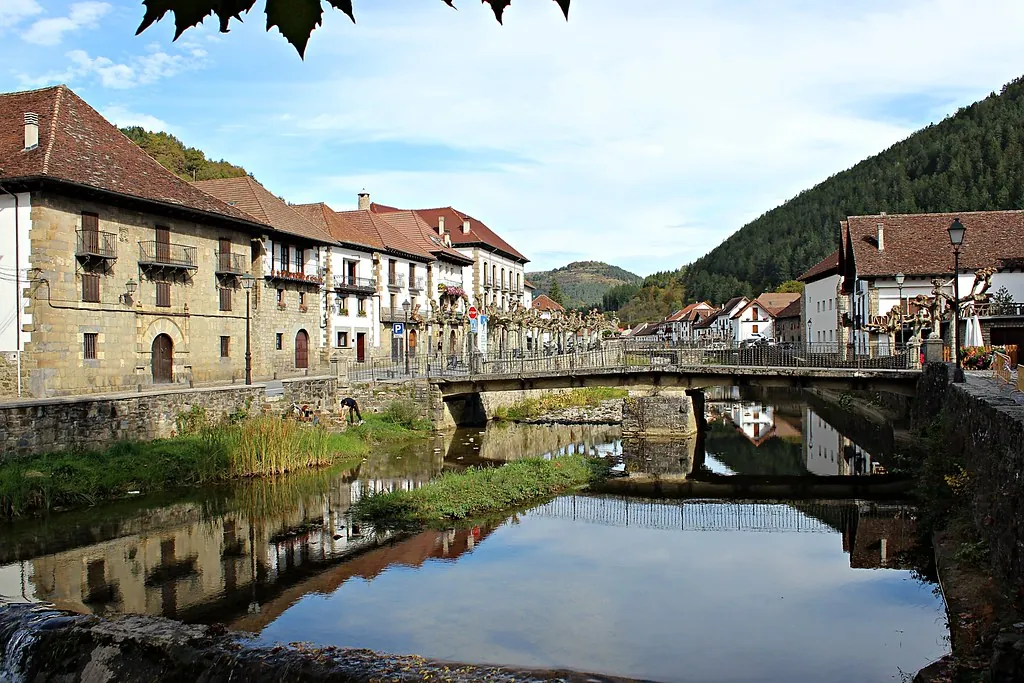
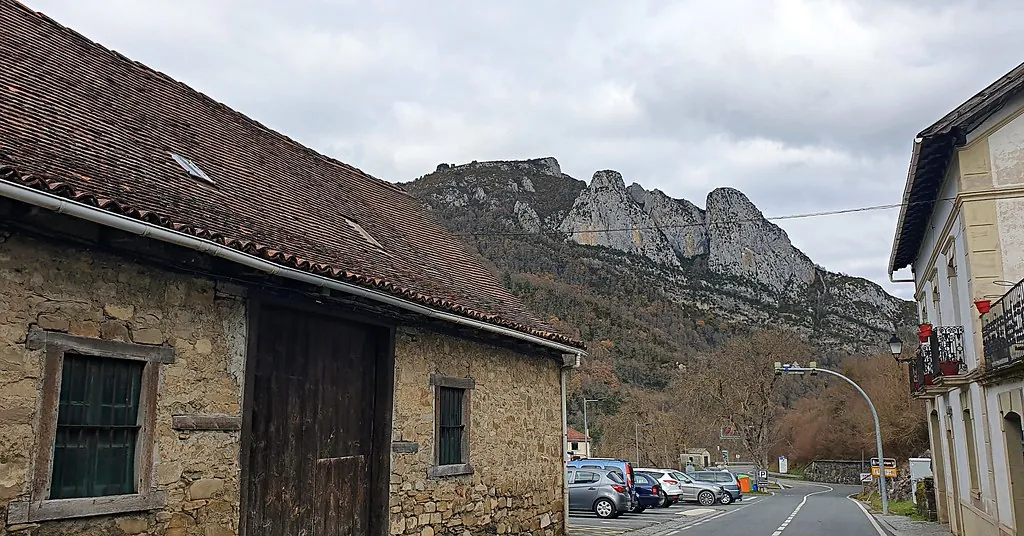
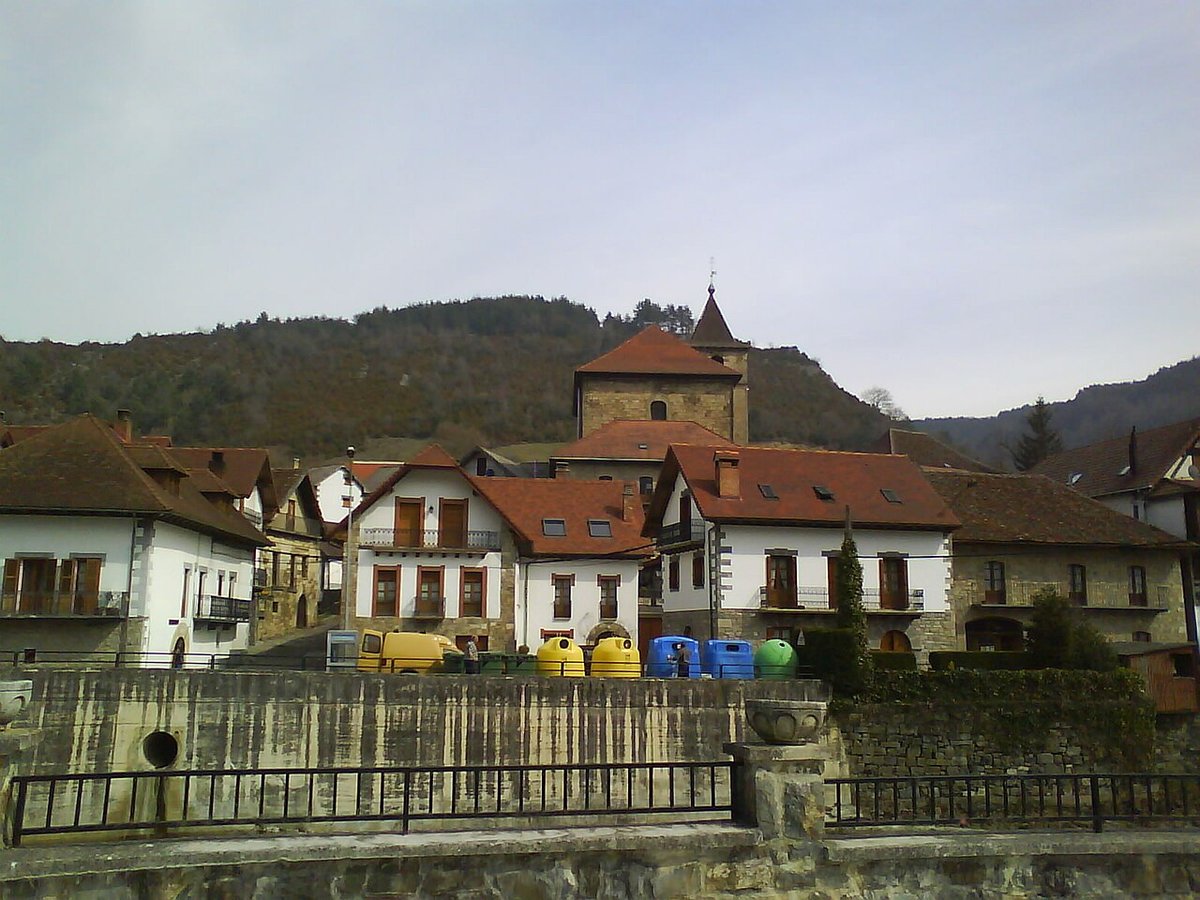
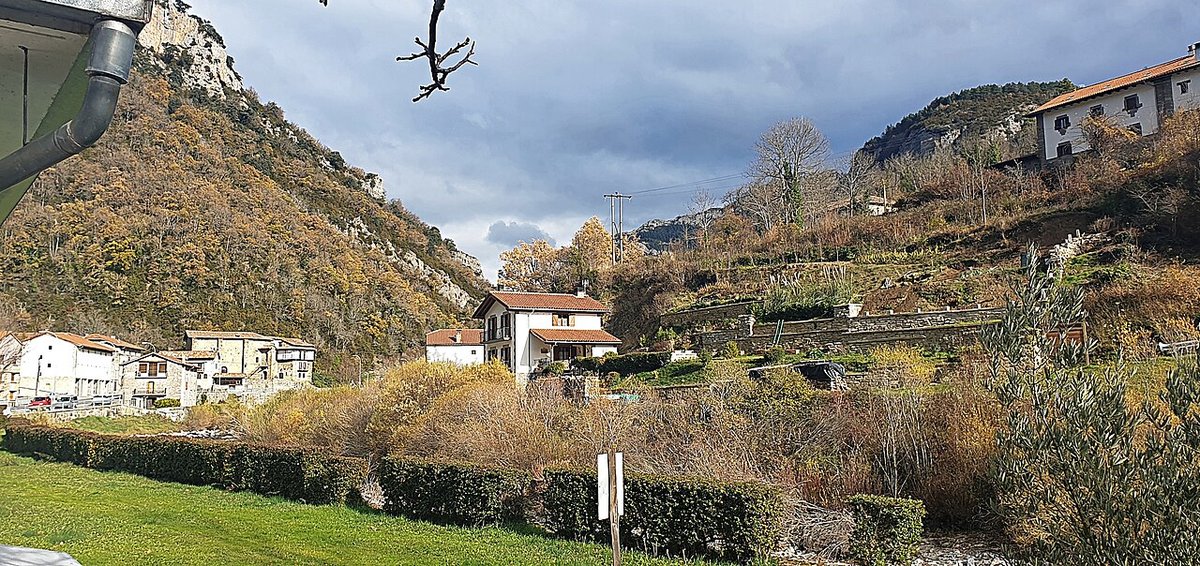
The village sits on the slope of a valley. Stone houses, dark roofs and streets with a noticeable incline define the place. For centuries, life here revolved around livestock and the routes leading into France. That past still shows in the layout of the village and in the coats of arms fixed to many façades.
A compact walk through Roncal
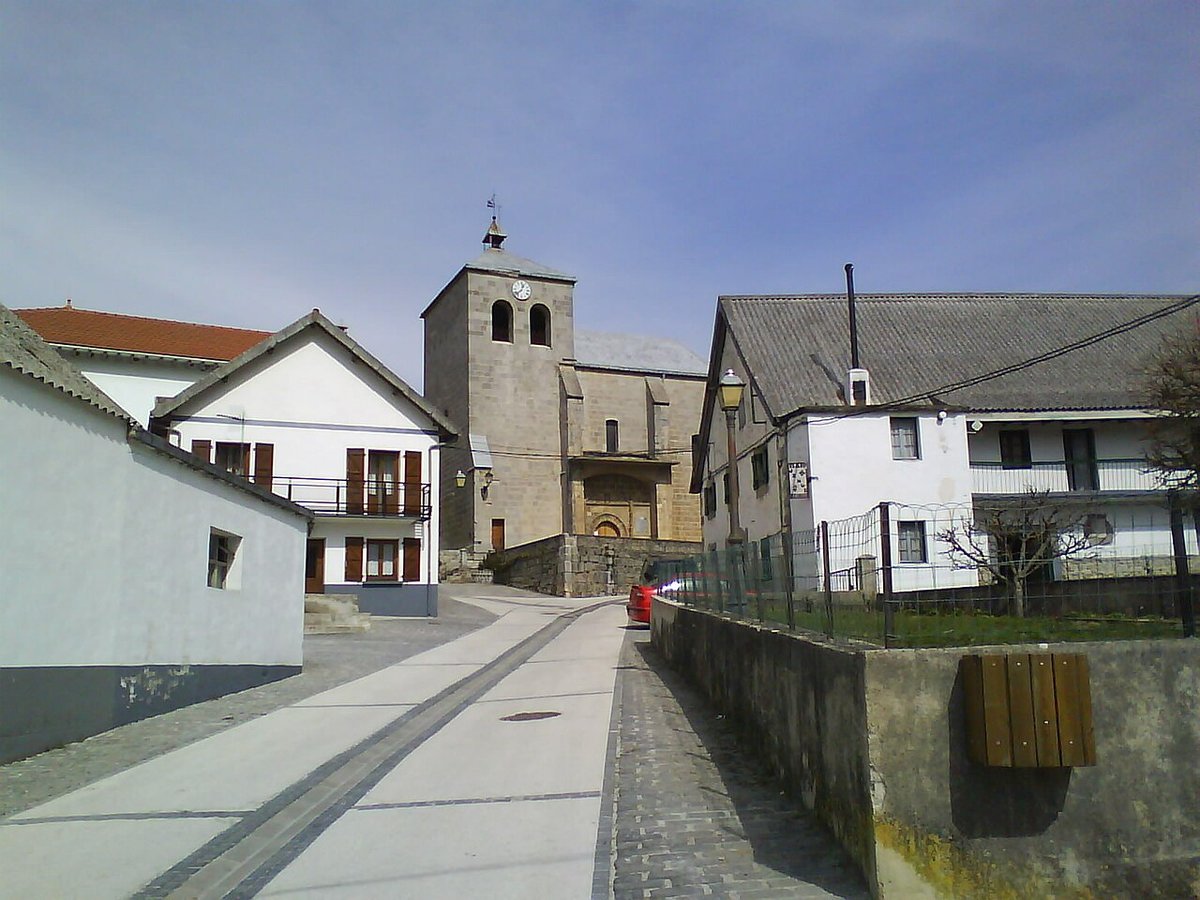
At the centre stands the church of San Esteban. Its tall tower dates from the 16th century and dominates the village skyline from the main square. Inside, a Baroque altarpiece stands out against the otherwise restrained feel of the building.
Wandering through the streets, you will come across several houses with heraldic shields. There is no need to hunt them down, they are on the main façades. Coats of arms, dates and family names appear again and again, tied to the history of the valley.
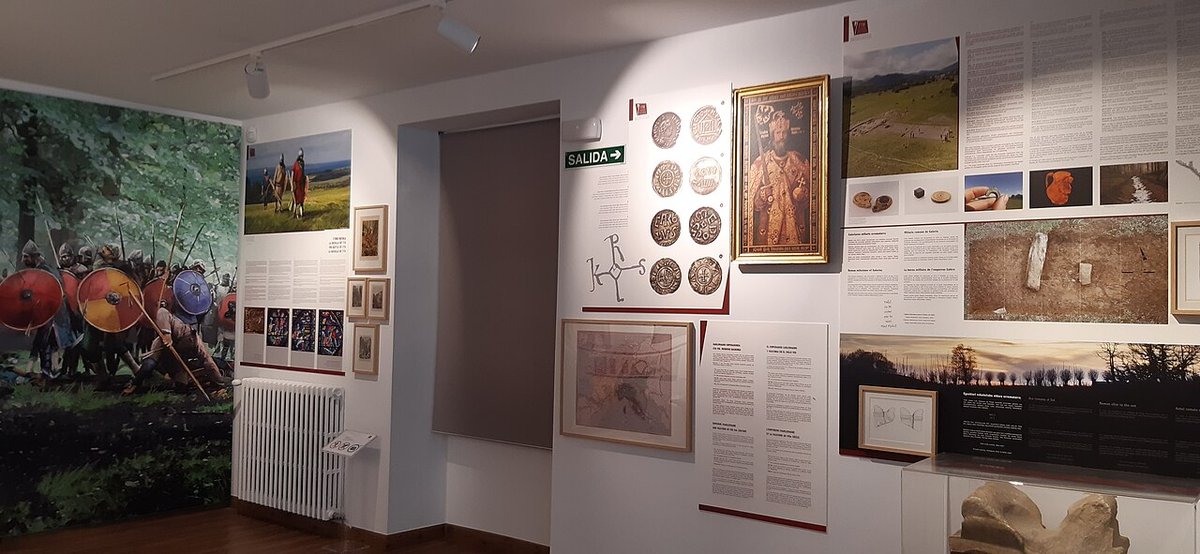
On the outskirts sits the house-museum dedicated to Julián Gayarre, a tenor born here. Opening times change depending on the season, so it is worth checking before heading over.
If you feel like a short climb, the hermitage of Santa Bárbara stands on a nearby rise. The walk up is not long, and from the top you get a clear view over the cluster of houses and the valley floor. When fog rolls in, the view disappears almost entirely.
Moving through the valley
Roncal works better as a base than as a full-day destination. From here, roads and tracks lead to other villages in the valley and towards Belagua.
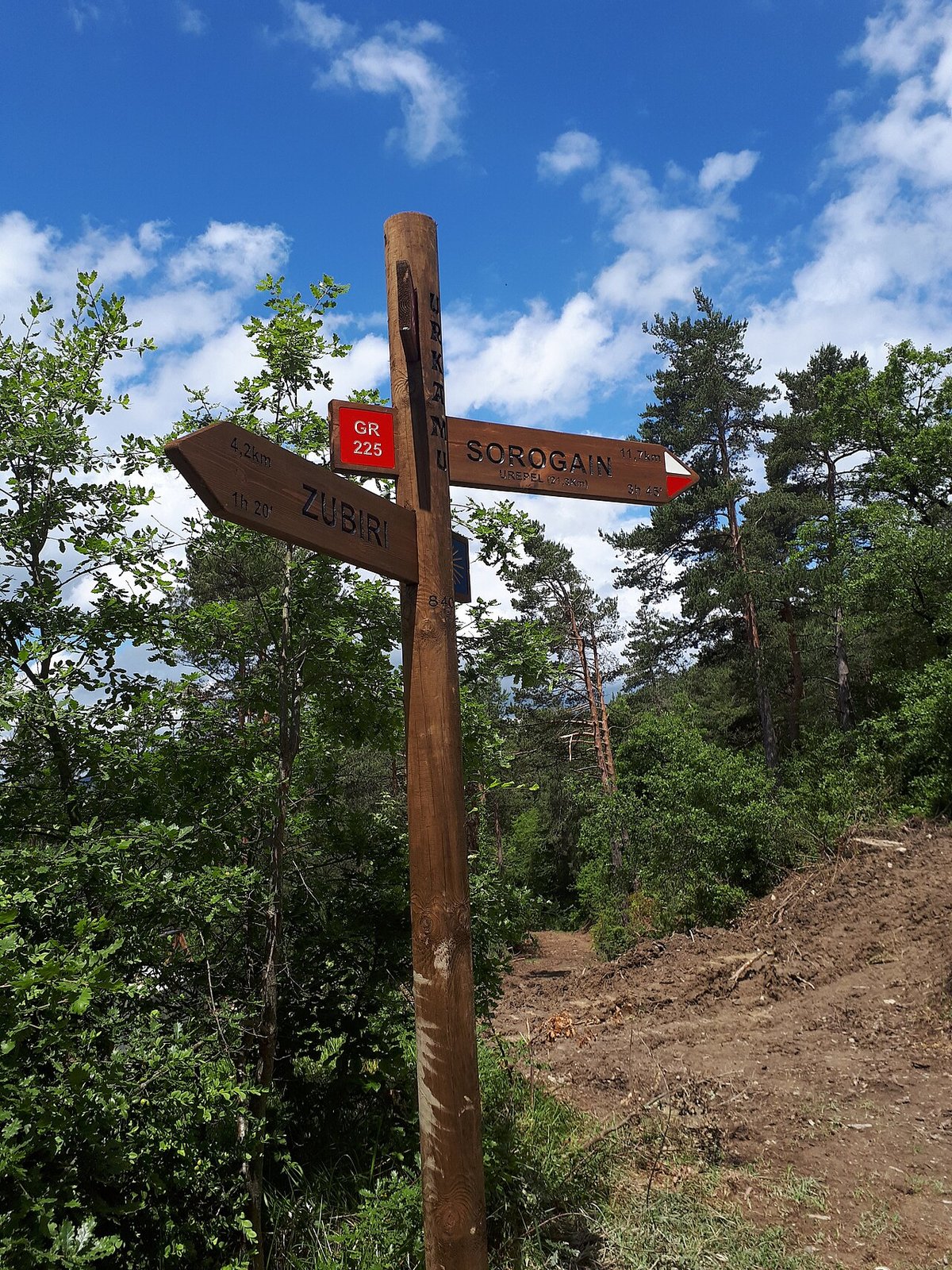
For walking, there are short paths close to the village and longer routes across the valley. Many of these do not actually start in the centre, so you often need to drive a few kilometres to reach the trailheads.
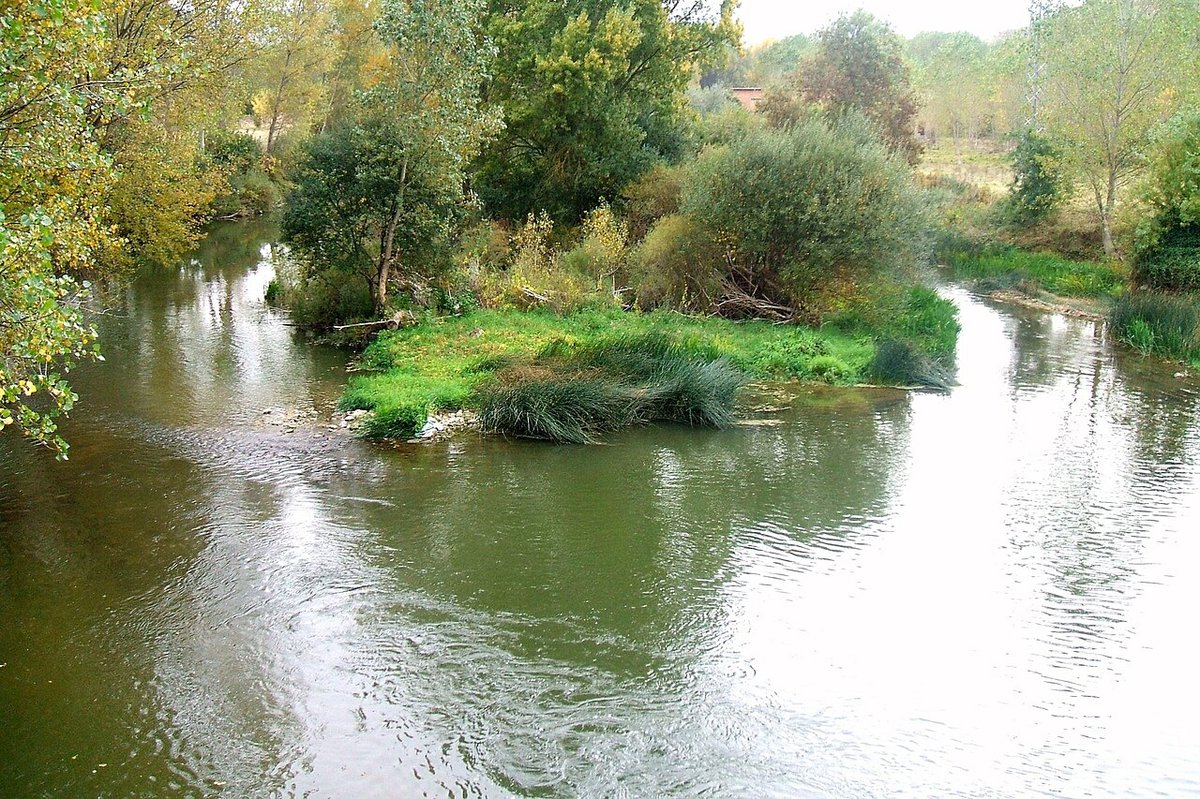
The river Esca runs nearby and attracts trout fishers when the season allows. Regulations change from year to year, so it is best to check them in advance.
The valley is also known for Roncal cheese, which has protected designation of origin status. It is easy to find in local shops and dairies across the area.
Festivals and a curious tradition
On 26 December, Roncal celebrates San Esteban, the village’s patron saint. It is mainly a local event, centred on the community itself.
In August, the main festivities arrive, with music and traditional events that fill the square for several days.
More unusual is the Tribute of the Three Cows, held every 13 July in the Belagua area. It is an old ceremony shared between the Roncal valley and the Baretous valley in France. The ritual is brief and fairly restrained, but it has been maintained over time.
Seeing Roncal in a short visit
Roncal does not take long to grasp. Start in the square, step into the church if it is open, and walk a couple of streets while looking at the coats of arms on the façades. After that, head up to Santa Bárbara for a view over the whole settlement.
It comfortably fits into a couple of hours.
Before you go
The streets are steep, and the cobbles can be slippery when it has rained or frozen. Footwear with a good grip makes a difference.
Another practical detail is that many walking routes in the valley do not begin in the village itself. If your plan is to walk, check where the starting points are beforehand.
It is also worth keeping an eye on the weather. In the Pyrenees, clouds drop quickly and can completely change what you see from the village.