Full Article
about Urzainqui
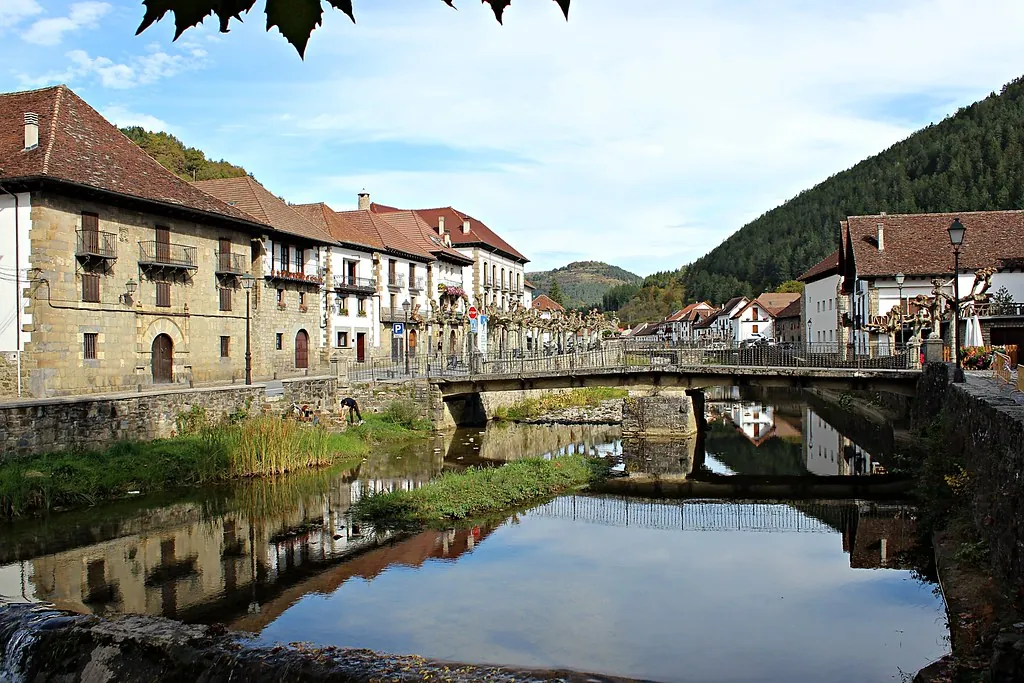
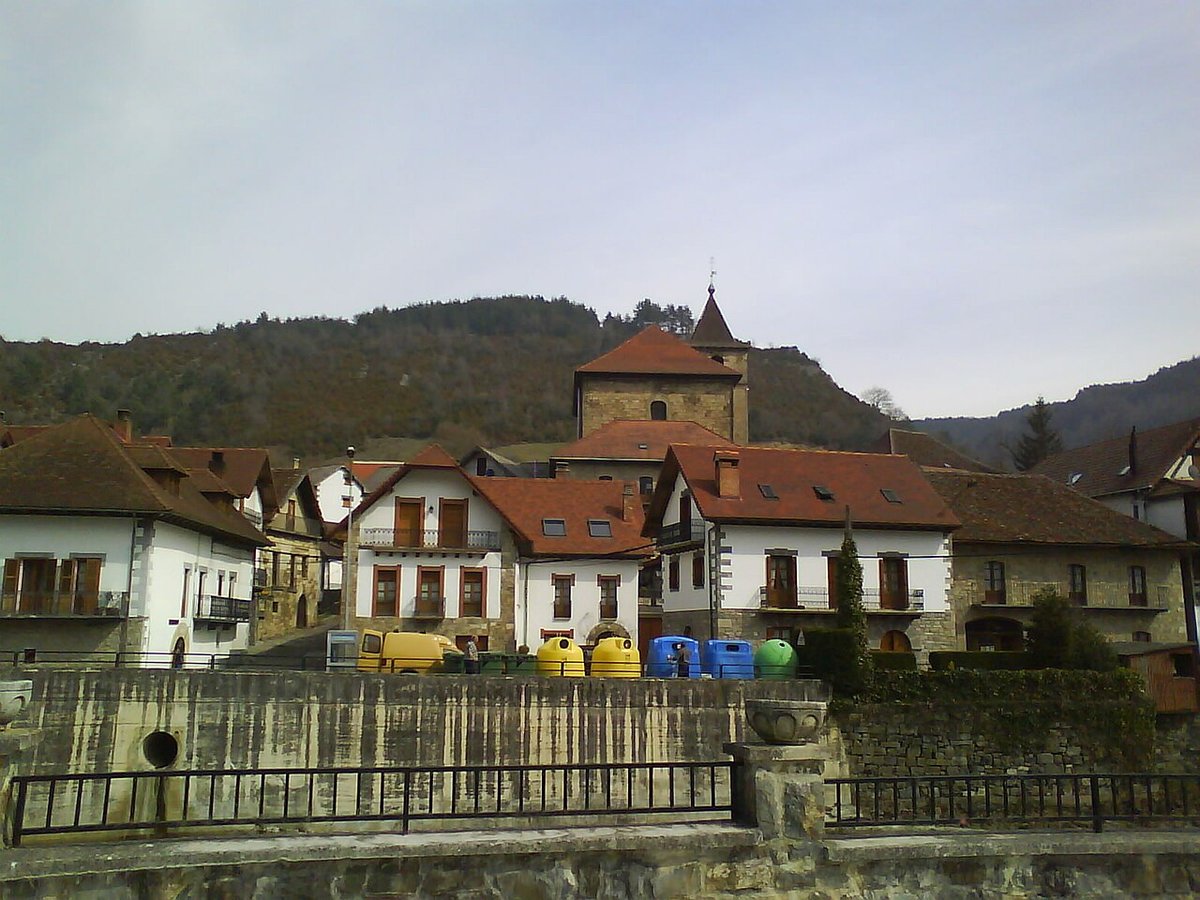
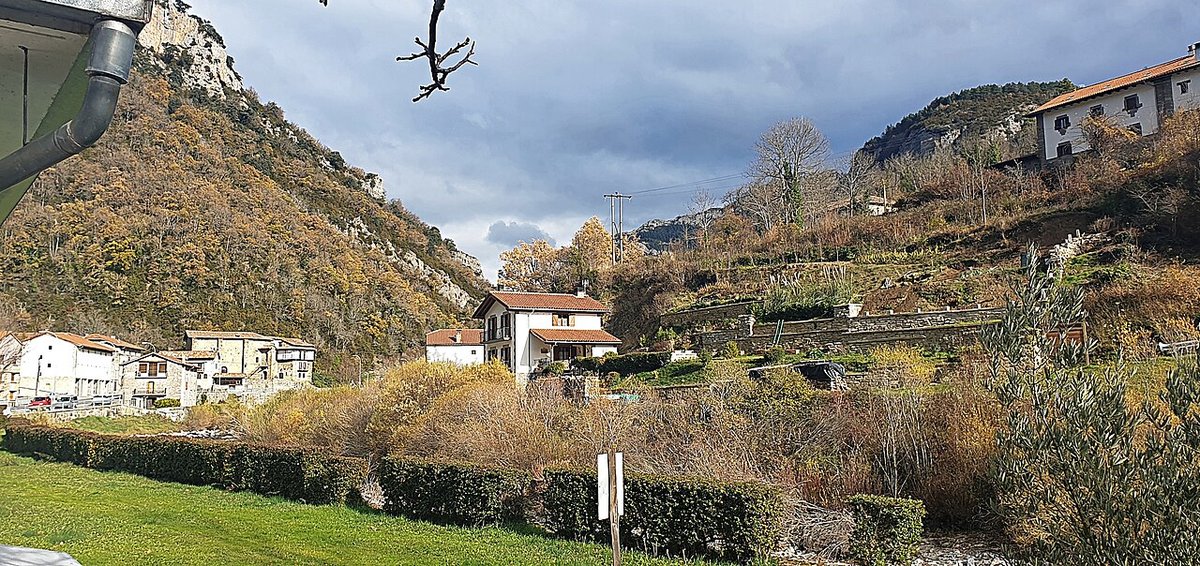
Roncal village tucked between river and mountain; traditional architecture and quiet.
Hide article Read full article
Urzainqui, o cuando un pueblo te dice "tómate tu tiempo"
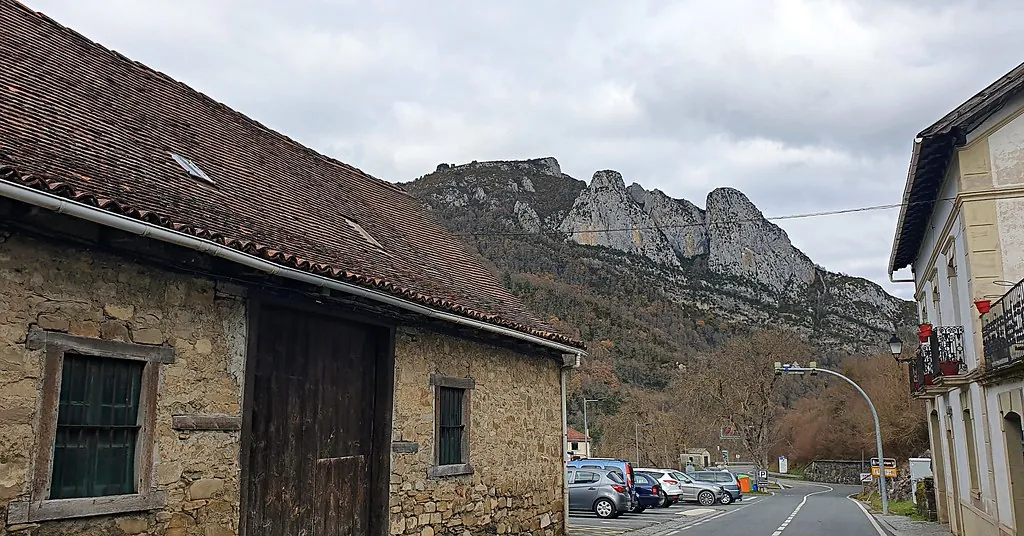
Hay sitios que te reciben con un montón de señales y paneles informativos. Urzainqui no es uno de ellos. Llegas, aparcas donde ves un hueco junto a las primeras casas, y ya estás dentro. No hay taquilla, ni circuito marcado. Es como entrar en casa de alguien sin llamar: al principio te sientes un poco intruso, pero luego ves que el ritmo aquí es otro.
Este pueblo del Pirineo navarro, con sus ochenta y pico vecinos, no tiene prisa por enseñarte nada. La vida gira en torno al ganado, a los prados y al río Esca, que suena de fondo sin hacer ruido. Si buscas monumentos espectaculares o una lista de cosas que hacer en Urzainqui, te vas a aburrir. Pero si lo que quieres es entender cómo late un valle como el de Roncal cuando se quita el disfraz turístico, has acertado.
Calle Mayor, la iglesia y el arte de no perderse nada
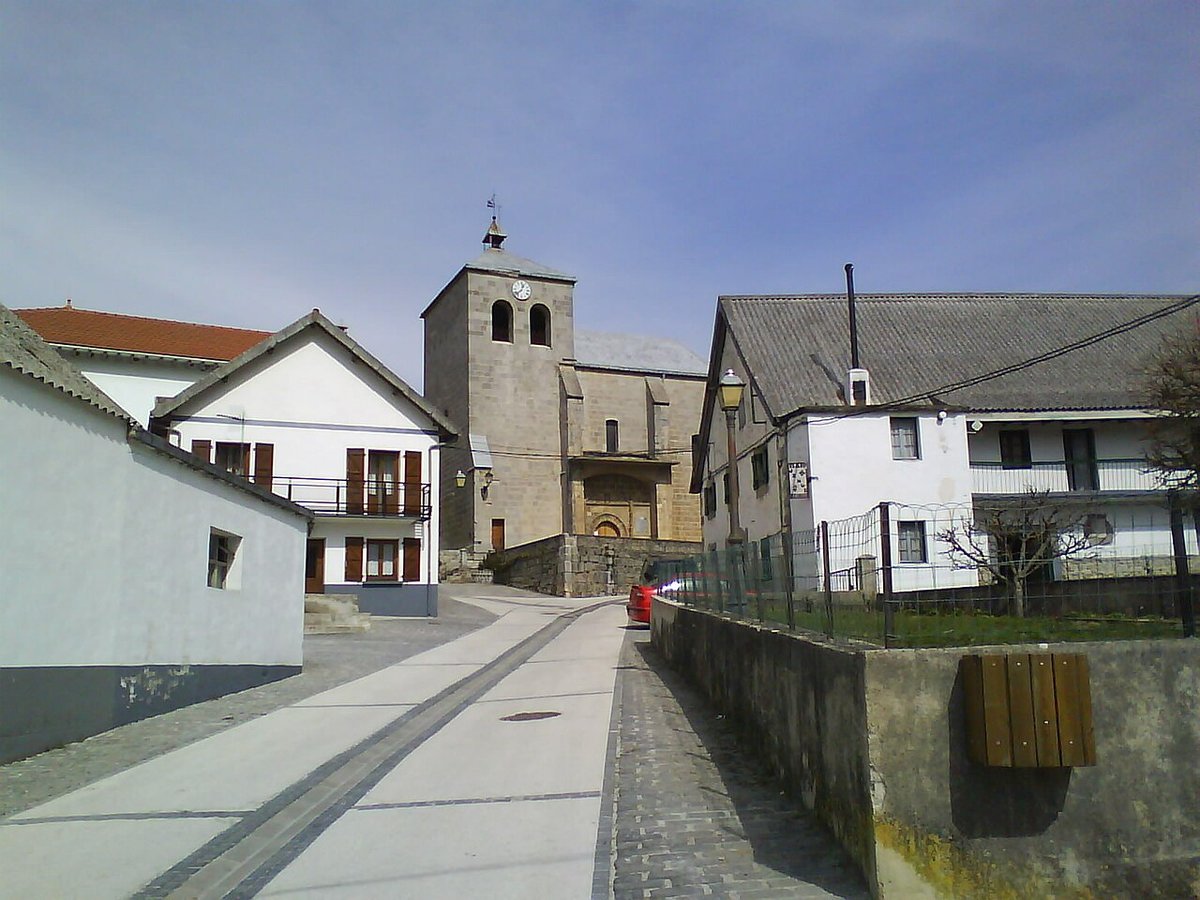
Lo lógico es empezar por la iglesia de San Martín. Es de esas construcciones que no pretenden ganar concursos de belleza: piedra maciza, sin florituras, hecha para aguantar inviernos. Tiene más de fortaleza que de templo.
Desde ahí, lo mejor es dejarse llevar. La Calle Mayor conserva algunos soportales viejos y balcones de madera oscura por el sol y la lluvia. La gracia está en mirar hacia arriba: en los dinteles de las puertas hay escudos familiares tallados en la piedra. Son las firmas de otras épocas, cuando una casa era un linaje.
La plaza es el termómetro del pueblo. Suele haber un banco ocupado, alguien cruzando con calma y un árbol grande que hace de plaza de reuniones. Es el tipo de sitio donde el silencio no incomoda.
Salir del casco es obligatorio
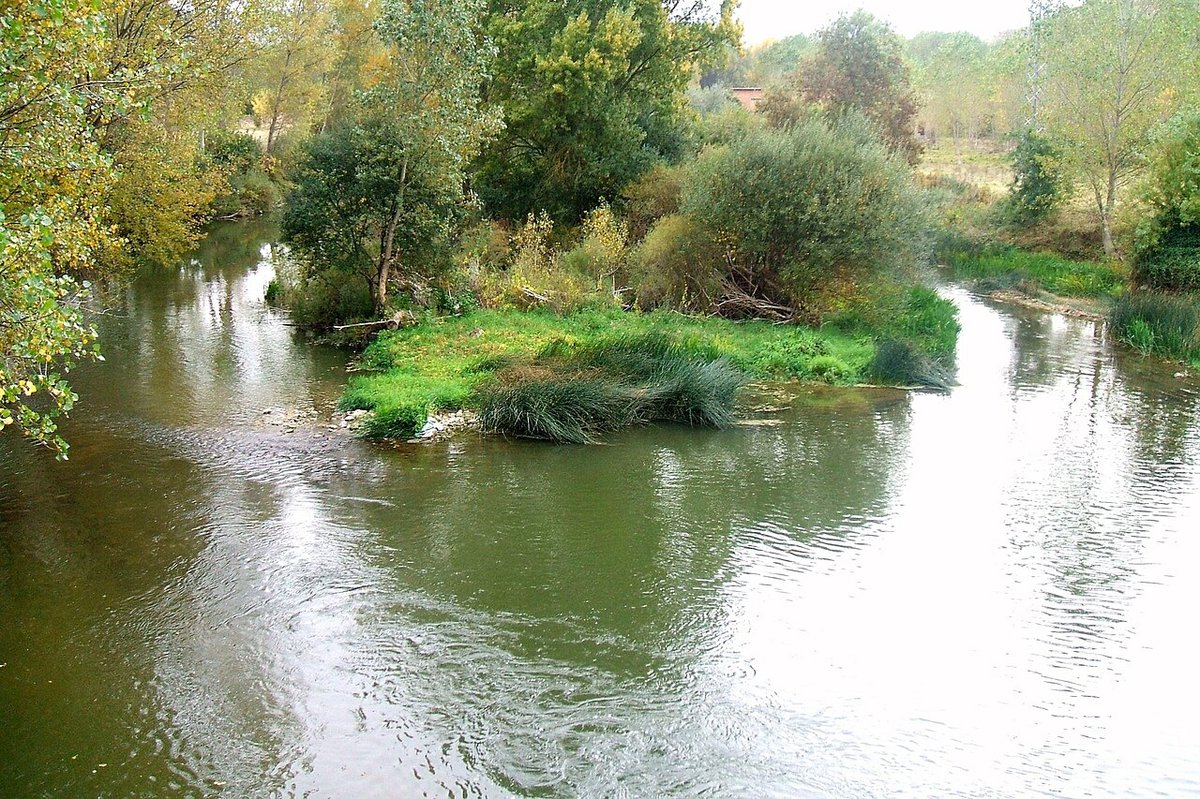
Lo mejor de Urzainqui empieza donde acaba el asfalto. En cinco minutos a pie desde cualquier callejón que baje, te plantas en los prados con el río Esca al lado. Este no es un paisaje grandioso de alta montaña; es más bien doméstico. Verdes amplios, laderas boscosas y el sonido del agua constante.
Por aquí verás bordas, esas construcciones de piedra para guardar herramientas o el ganado. Algunas están cuidadas, otras se caen a pedazos con dignidad. Todas hablan del oficio que ha mantenido vivo este valle.
En otoño, la zona se llena de gente con cestas buscando setas. Si te pica el gusanillo, infórmate bien antes: cada valle tiene sus normas y aquí se toman en serio la conservación.
Un paseo corto para una vista larga
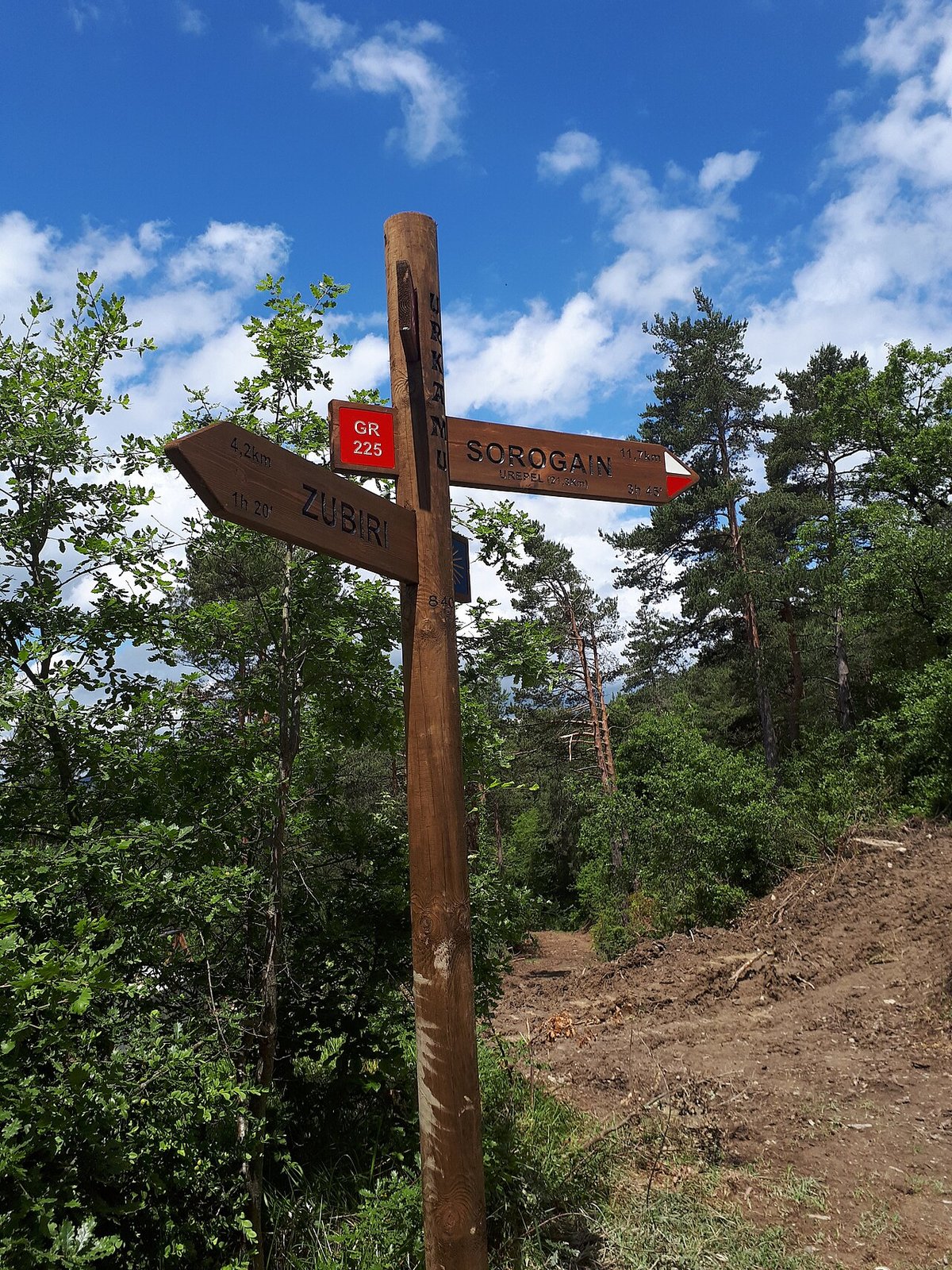
No necesitas mapa ni botas técnicas para caminar aquí. Basta con seguir cualquier sendero que suba un poco. En media hora a paso tranquilo ganas algo de altura y la perspectiva cambia por completo.
Desde ahí ves el pueblo apretado contra la ladera, con el Esca dibujando una línea plateada junto a él. Las cumbres del Pirineo cierran el valle como un telón de fondo. Es una vista que pide más contemplación que fotografía.
La visita ideal: breve y sin expectativas
Vamos a ser claros: no vengas a pasar ocho horas en Urzainqui. No hay tanto que hacer.
Con un par de horas basta y sobra para captar su esencia: callejear hasta la plaza, bajar al río, dar un rodeo por los prados y volver. Funciona perfectamente como una parada en una ruta más larga por el valle de Roncal. Es ese pueblo donde estiras las piernas, respiras hondo y sigues camino con la sensación de haber visto algo real.
Un par de cosas prácticas: las calles son estrechas; aparca donde puedas sin obstruir y muévete a pie. Y lleva siempre una capa aunque haga sol. Cuando el sol se esconde detrás de las montañas, el frío baja en serio, y esta parte del Pirineo no perdona.
Mi consejo final es simple: no te quedes solo entre las casas. Da esos diez minutos andando campo a través. Ver Urzainqui desde fuera, con su tejado gris apiñado y todo ese espacio verde alrededor, es cuando todo encaja. Es entonces cuando entiendes que este no es un pueblo decorado. Es uno que simplemente está, y con eso ya tiene bastante