Vidángoz (Roncal, Navarra) 001.jpg
Jialxv · CC0
Navarra · Kingdom of Diversity

Vidángoz

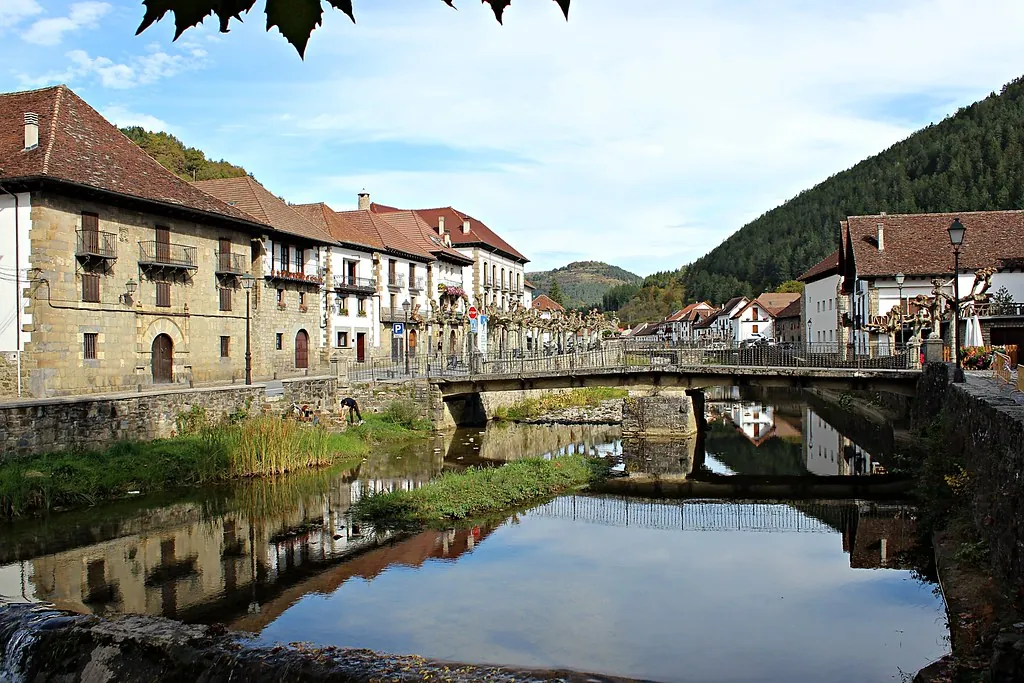
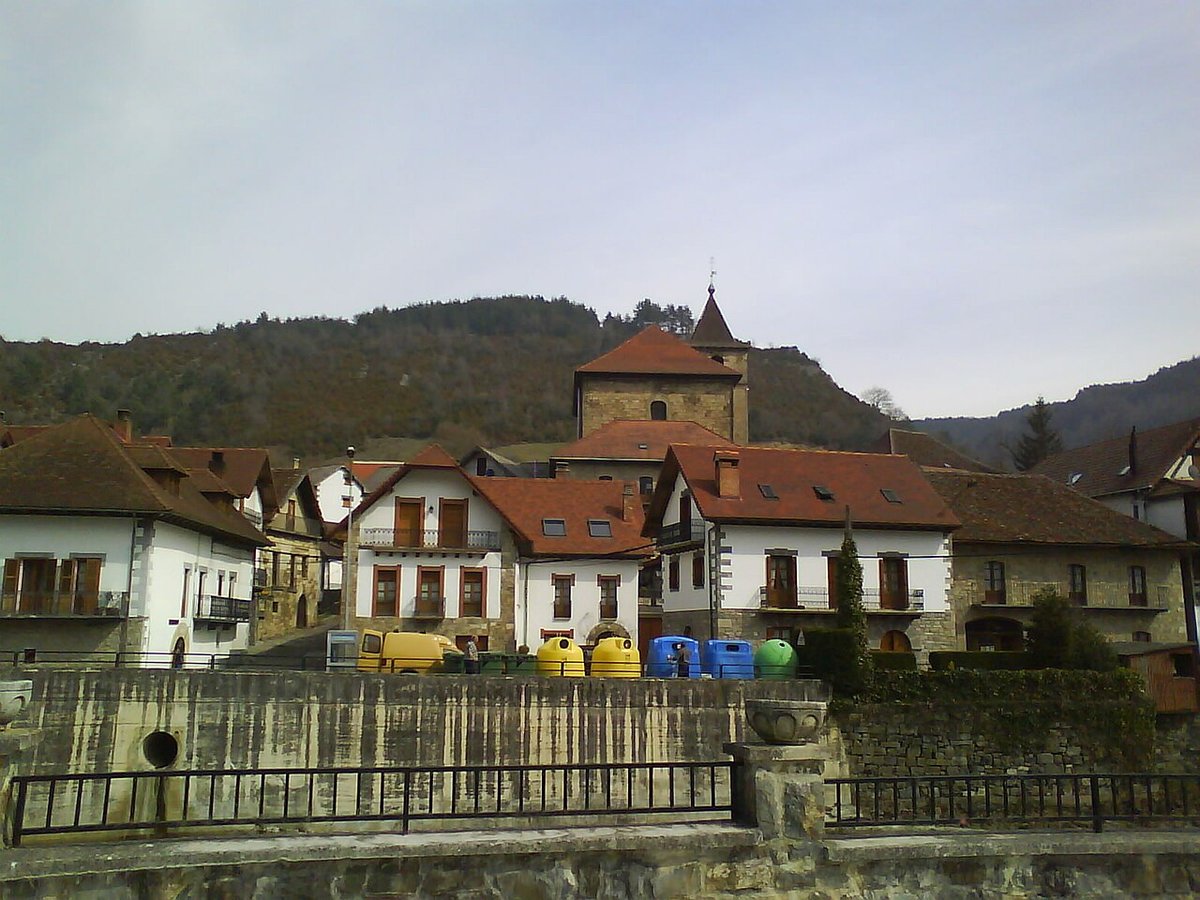
The stone houses appear around a bend just after the road climbs past the 700-metre contour line. Slate roofs catch the mountain light differently ...

75 inhabitants
775m Altitude

Why Visit

Mountain Church of San Pedro Witch Descent (festival)

Best Time to Visit

summer

San Agustín Festival (August) agosto

Things to See & Do
in Vidángoz

Heritage

  • Church of San Pedro
  • Hermitage of San Sebastián

Activities

  • Witch Descent (festival)
  • Hiking

Festivals
& & Traditions

Fecha agosto

Fiestas de San Agustín (agosto)

Las fiestas locales son el momento perfecto para vivir la autenticidad de Vidángoz.

Full Article
about Vidángoz

Roncal village known for the Witch’s descent during its fiesta; small and picturesque in a side valley

Ocultar artículo Leer artículo completo

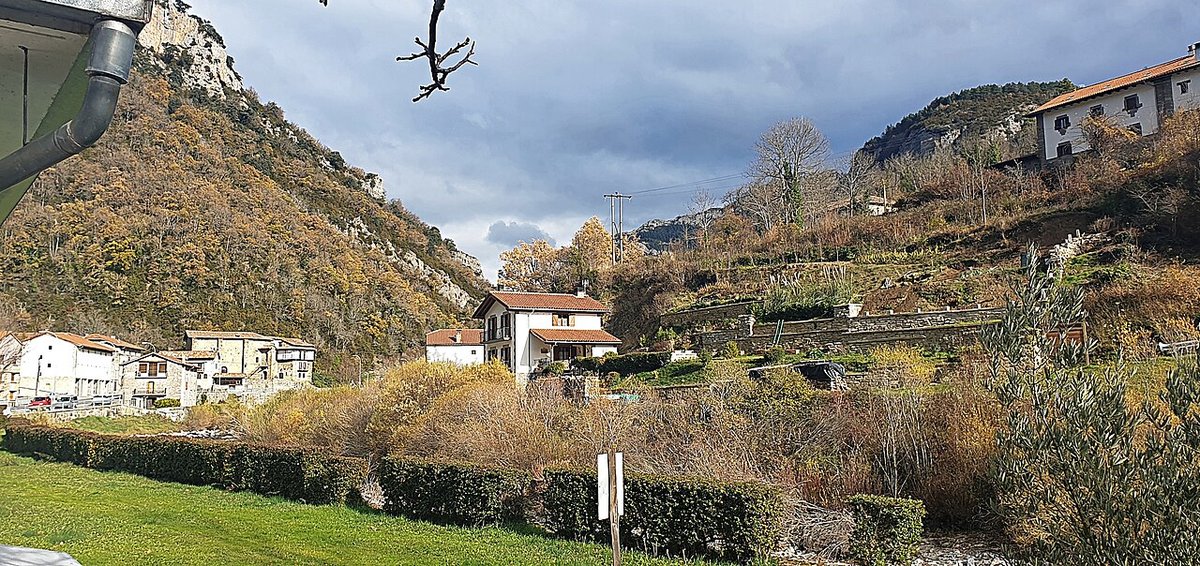
The stone houses appear around a bend just after the road climbs past the 700-metre contour line. Slate roofs catch the mountain light differently every hour, turning from pewter to charcoal depending on cloud cover. This is Vidangoz, where the tarmac narrows and the valley drops away to reveal three distinct ridges of the Navarrese Pyrenees.

Stone, Slate and Silence

Local builders used what lay to hand. Granite walls two feet thick keep interiors cool during July heatwaves and hold warmth when November fog fills the valley. Wooden balconies, painted the traditional deep green, project just far enough to shelter doorways from the Atlantic weather systems that funnel up from the Bay of Biscay. Walk through at seven in the evening and you'll hear more cowbells than cars.

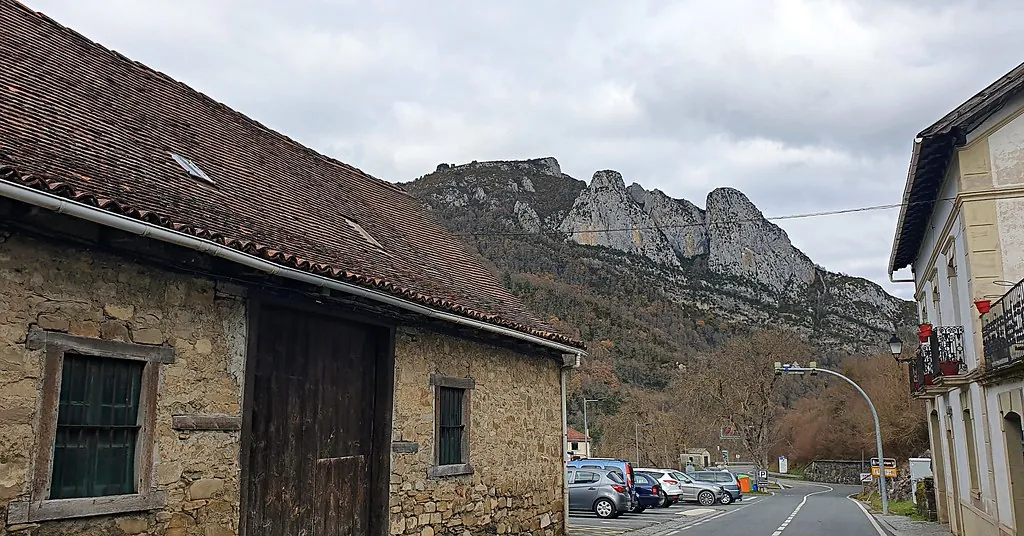
The village sits at 775 metres above sea level, high enough that chamois sometimes wander down from the limestone crags above. Summer temperatures average 22°C at midday but drop to 12°C once the sun slips behind Txamorroxin peak. Even in August, bring a fleece for after eight o'clock.

A Church That Still Works

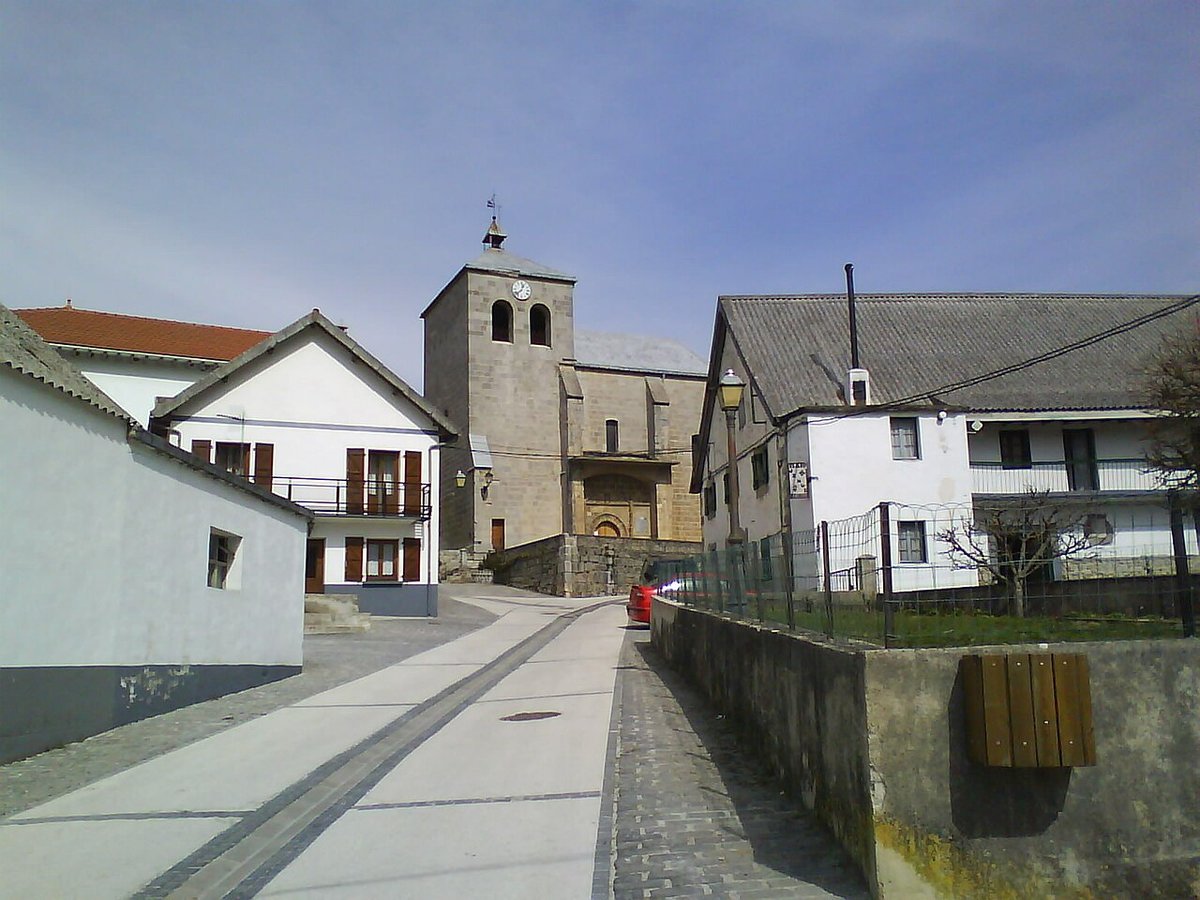
San Esteban parish church keeps its doors unlocked when the sacristan's around. Built between 1563 and 1621, it replaced an earlier Romanesque chapel destroyed in a landslide. Inside, the single nave feels taller than it is wide – a mountain proportion that builders repeated across the Roncal valley. Look for the 17th-century polychrome statue of Saint Stephen above the altar; locals touch the wooden base for luck before livestock auctions in nearby Izal.

The church bell rings the hour slightly early from October to March. Nobody's quite sure why the clock gains three minutes each winter, though the prevailing theory involves temperature changes affecting the 1920s mechanism. The sacristan winds it twice weekly, same as his grandfather did.

Walking Without Waymarkers

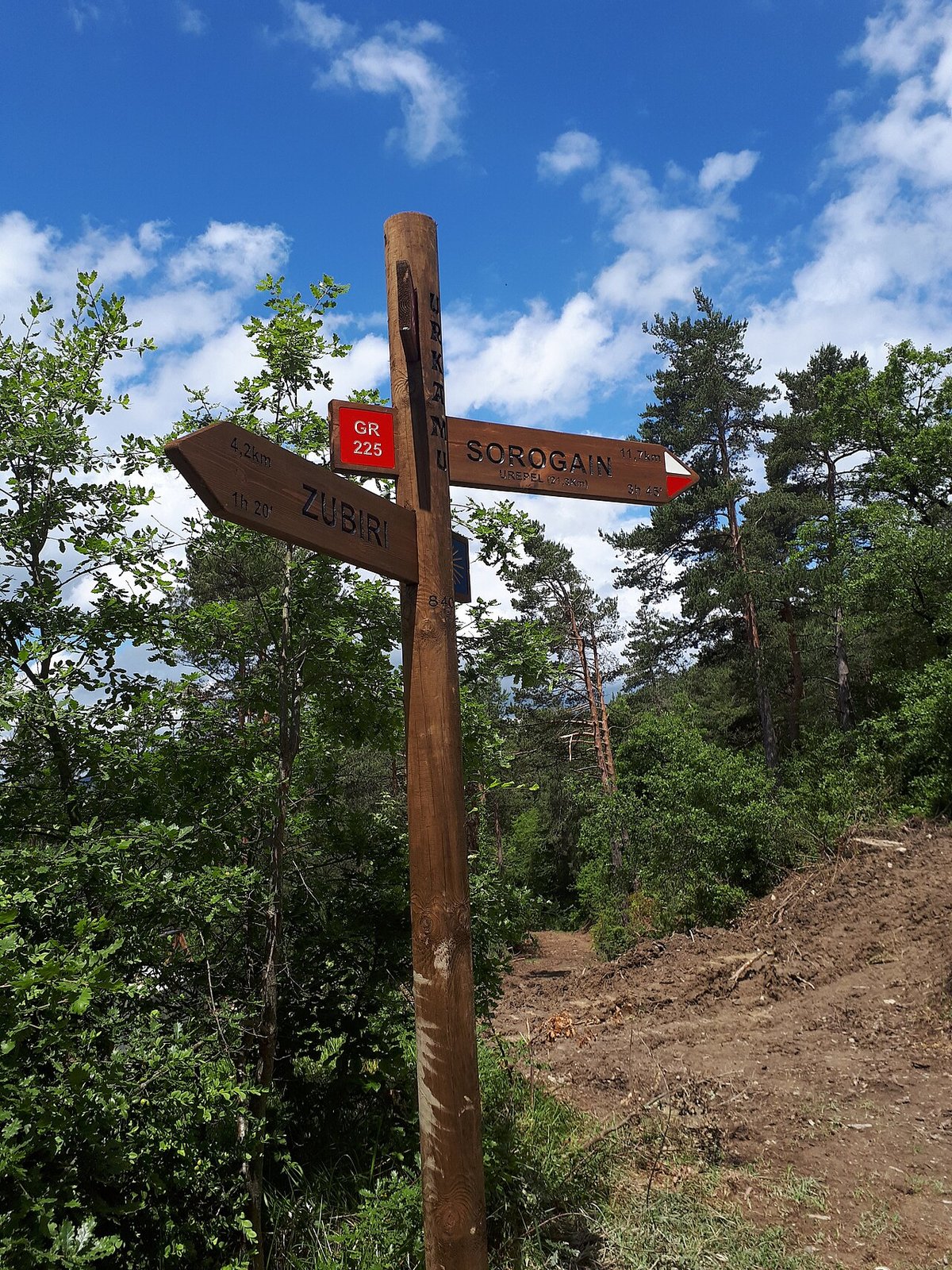
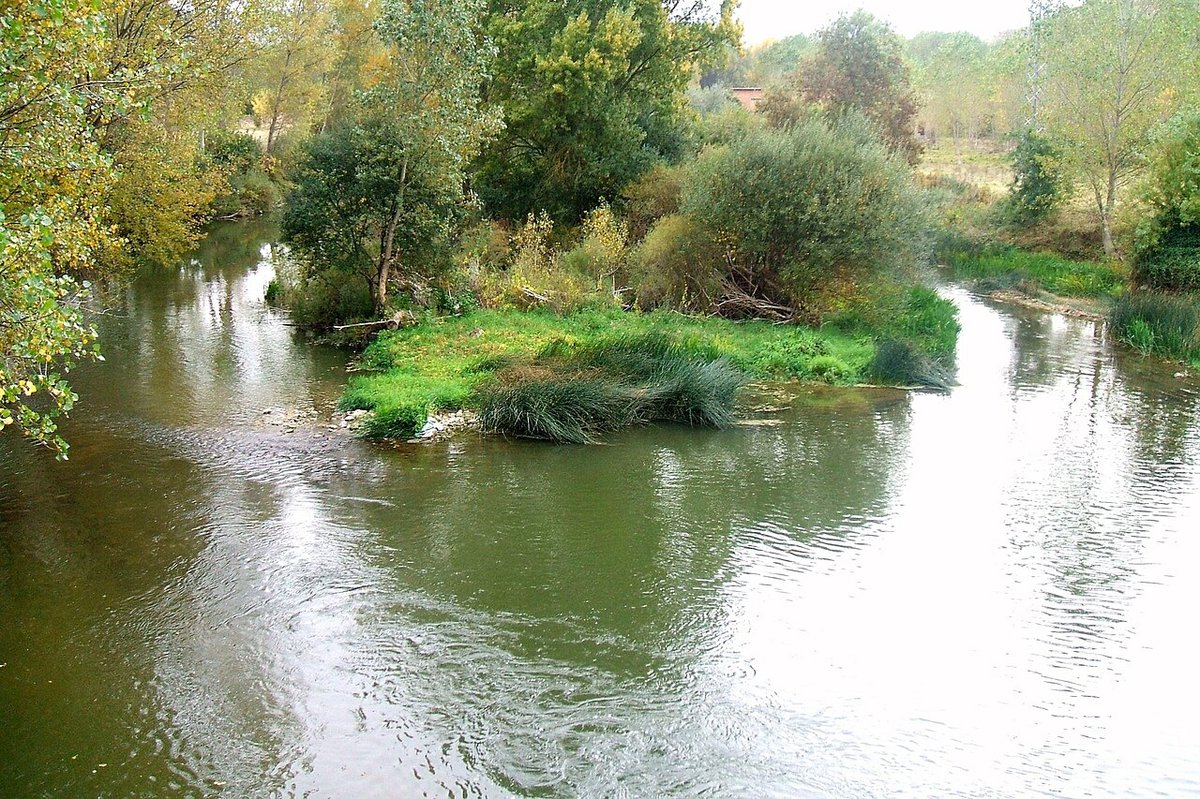
Three paths leave the upper part of the village. The widest, signed simply "Camino", follows the Esca river for two kilometres through hay meadows where red-backed shrikes perch on fence posts. After twenty minutes the track splits; left drops to a ruined mill where brown trout hang in the pool below the broken wheel. Right climbs steeply through beech woods to an abandoned shepherd's hut at 1,100 metres – allow ninety minutes up, sixty back down.

The second path heads south-east past the last farmhouse, becoming a sheep trail that contours around Txaraxarro mountain. Spring brings wild daffodils and early purple orchids; autumn delivers blackberries and the smell of fungus. After three kilometres you reach a natural limestone amphitheatre where griffon vultures nest from February onwards.

The third option isn't really a path at all. Follow the concrete water channel above the cemetery for fifteen minutes until houses give way to rough pasture. Keep the stone wall on your left and walk until the valley opens. You'll find yourself on a grassy promontory with views across to the marble quarries of Macaya – no signs, no selfie crowds, just the sound of wind through Scots pine.

What Locals Actually Eat

Breakfast at Bar Joaki (opens 7 am, closes when the owner fancies) means strong coffee and a talo – cornflatbread cooked on an iron griddle then spread with local sheep's cheese. The cheese carries Denominación de Origen status; it's made from raw Latxa milk and aged six weeks minimum, developing a nutty flavour that pairs surprisingly well with quince paste.

Lunch happens at two. Try the cordero al chilindrón – lamb stewed with red peppers, tomatoes and a splash of Navarrese rosado. Portions aren't designed for delicate appetites; half portions are available if you ask before ordering. The same family have run the only restaurant for three generations. They don't take cards, and they'll only serve chips with steak if children are present.

Evening meals start late. During fiesta week in August, locals set up long tables in the square and share botillo – a large smoked pork parcel that needs three hours' simmering. It's served with cachelos (boiled potatoes) and enough cooking liquor to keep everyone warm when mountain air drops the temperature below 15°C.

When the Village Fills Up

San Esteban's feast day falls on 3 August, but celebrations stretch across the nearest weekend. Former residents return from Pamplona, Zaragoza even Madrid. The population swells from 112 to nearly 400; spare rooms fill, restaurant bookings become essential. Saturday night brings a brass band that plays until 3 am – light sleepers should book accommodation further up the valley.

Holy Week processions happen on Maundy Thursday evening. No elaborate floats here; villagers walk behind a simple wooden cross, singing the Roncalese version of the Salve Regina. The service finishes by ten, allowing everyone to reach the next village for chocolate and fried pastries before midnight.

Winter stays quiet. January snow sometimes cuts the road for half a day; locals keep shovels ready and stockpile firewood during October. When access becomes difficult, the school bus can't run and children stay home. These days pass slowly, marked only by church bells and the occasional quad bike heading up to check on livestock.

Getting There, Staying Sensible

From Pamplona, take the NA-137 north-east towards Roncal. After 48 kilometres, turn left at the junction signposted "Vidangoz / Burgui". The final six kilometres involve tight hairpins; first gear essential if you're driving a hire car unfamiliar with mountain gradients. Winter tyres are mandatory from November to March – police checkpoints appear without warning after the first snowfall.

Parking sits just above the village near the water treatment plant. Spaces number fourteen; if full, continue 200 metres to a wider lay-by used by timber lorries. Don't block farm gates – farmers need access at 6 am for milk collection.

Accommodation options are limited. Casa Patxika offers three rooms above the bakery; breakfast included but served Spanish time (8-10 am, no extensions). Alternatively, rent the restored mill house at valley bottom – it sleeps six, heating costs extra, and you'll need to bring all groceries since the shop closes at 2 pm Saturdays and doesn't open Sundays.

Mobile signal varies by provider. Vodafone works near the church; Orange users should walk to the cemetery for three bars. WiFi exists only in the bar and the council office during opening hours. This isn't oversight – it's deliberate. The village voted against installing street-level internet, preferring to keep evening conversations face-to-face rather than screen-down.

Leave the drone at home. Privacy matters here; flying cameras over private land will earn a visit from the mayor, who doubles as local police. Ask permission before photographing people – especially older residents who remember when this valley saw more smugglers than tourists. They'll usually agree, then insist you sample their homemade pacharán as payment.

The last bus back to Pamplona leaves Burgui at 6 pm. Miss it and you're staying overnight – taxis from Roncal cost €45 minimum and aren't available after 9 pm unless pre-booked. Time your visit accordingly, or better yet, don't time it at all. Vidangoz works on mountain rhythms, not city schedules.

Key Facts

Region
Navarra
District
Pirineo
INE Code
31252
Coast
No
Mountain
Yes
Season
summer

Livability & Services

Key data for living or remote work

2024
ConnectivityFiber + 5G
Housing~5€/m² rent · Affordable
January Climate3.5°C avg
Sources: INE, CNMC, Ministry of Health, AEMET

Planning Your Visit?

Discover more villages in the Pirineo.

View full region →

More villages in Pirineo

Traveler Reviews