Full Article
about Andosilla
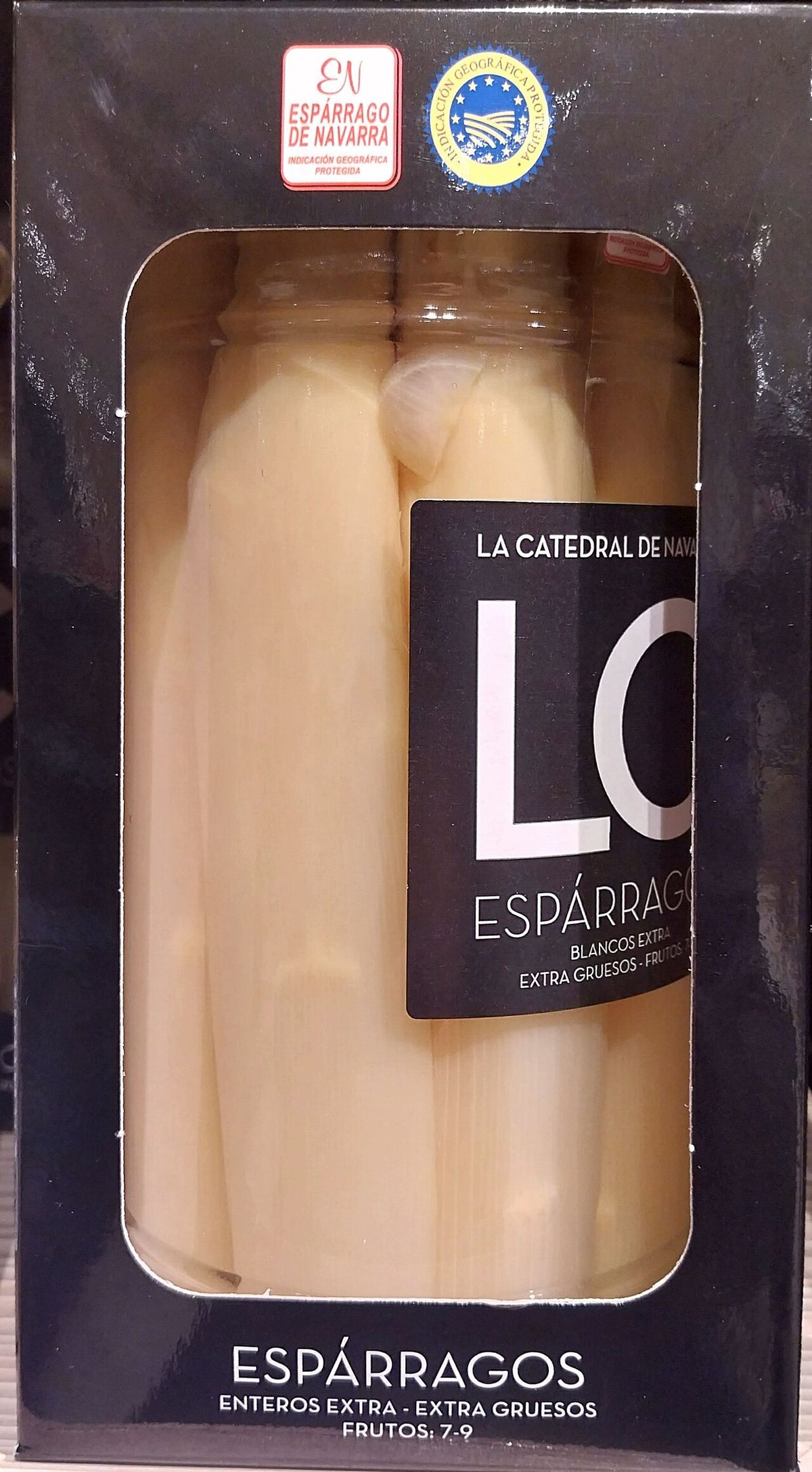
Known as the capital of the piquillo pepper; set between the Ebro and Ega rivers with a strong canning industry.
Ocultar artículo Leer artículo completo
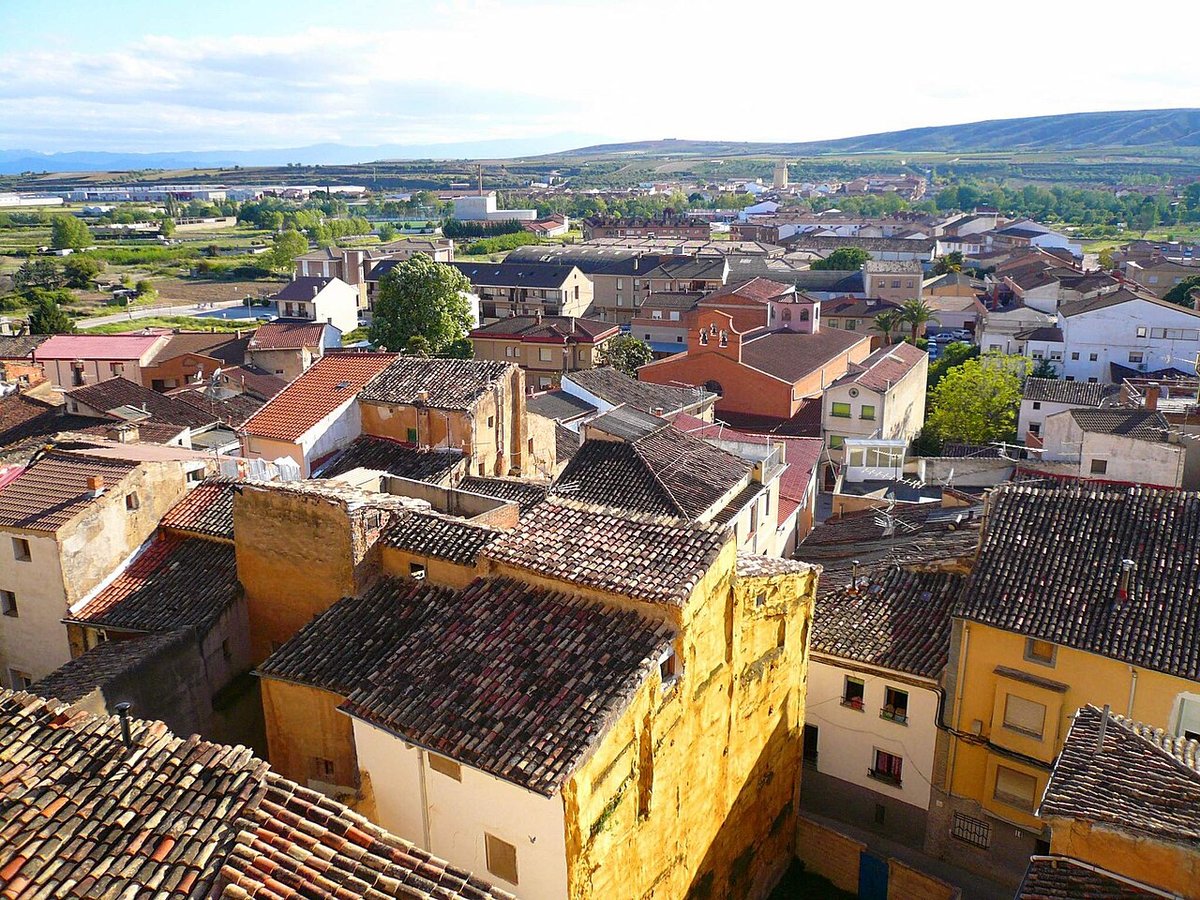
The church bell strikes noon as swallows dive between terracotta roofs. In Andosilla's main square, elderly men in berets shuffle cards beneath the plane trees while women emerge from the bakery clutching paper-wrapped loaves still warm from the oven. This is Navarra's agricultural heartland at its most honest – no postcard perfection, just daily life unfolding at the pace it's kept for centuries.
At 300 metres above sea level, Andosilla sits comfortably below the Pyrenean foothills yet high enough to catch cooling breezes from the river Ega. The altitude makes summer afternoons bearable, though July and August still demand siesta hours. Spring arrives early here; by late March, almond blossoms dust the surrounding fields like confetti while wheat pushes through the rich Ribera soil. Autumn transforms the landscape into a patchwork of gold and rust, when local farmers harvest the cereals that built this region's wealth.
The Church That Watches Over Everything
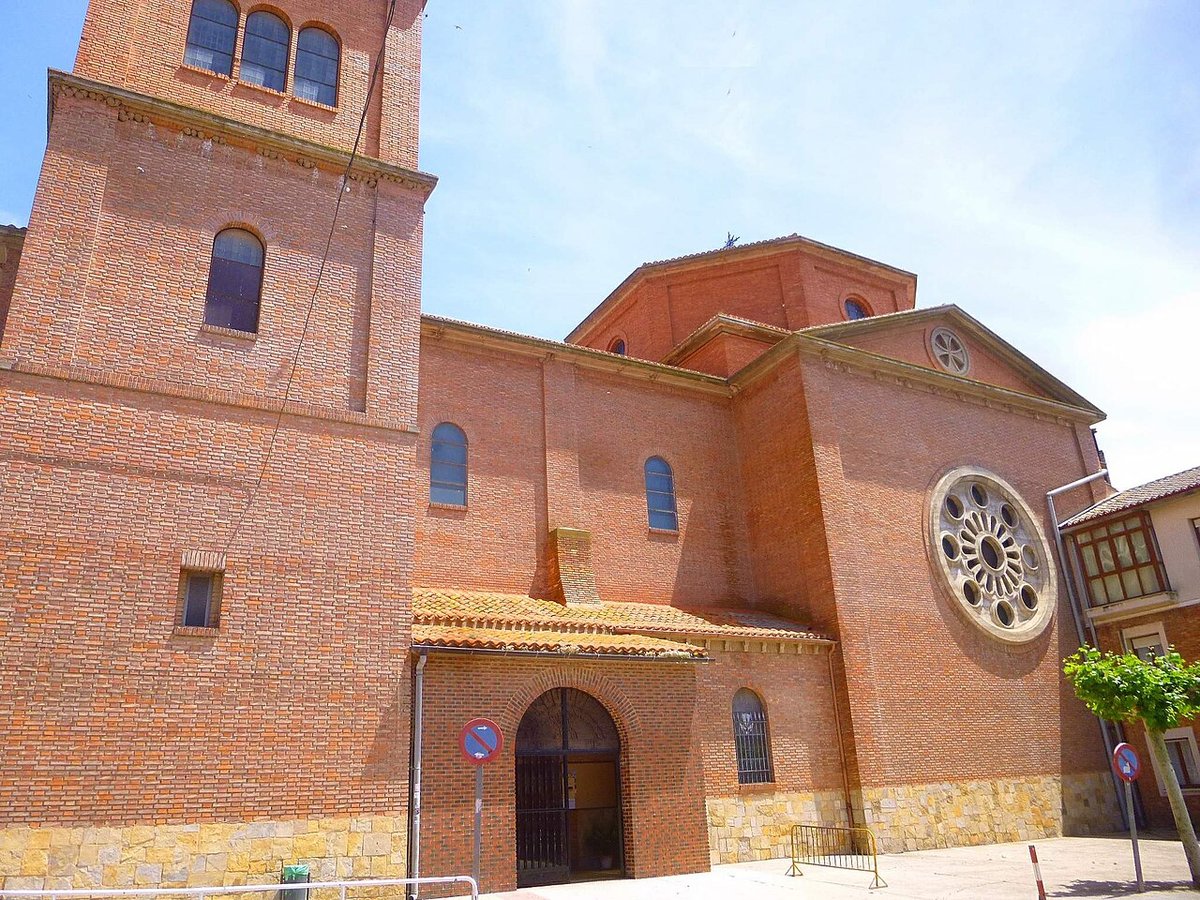
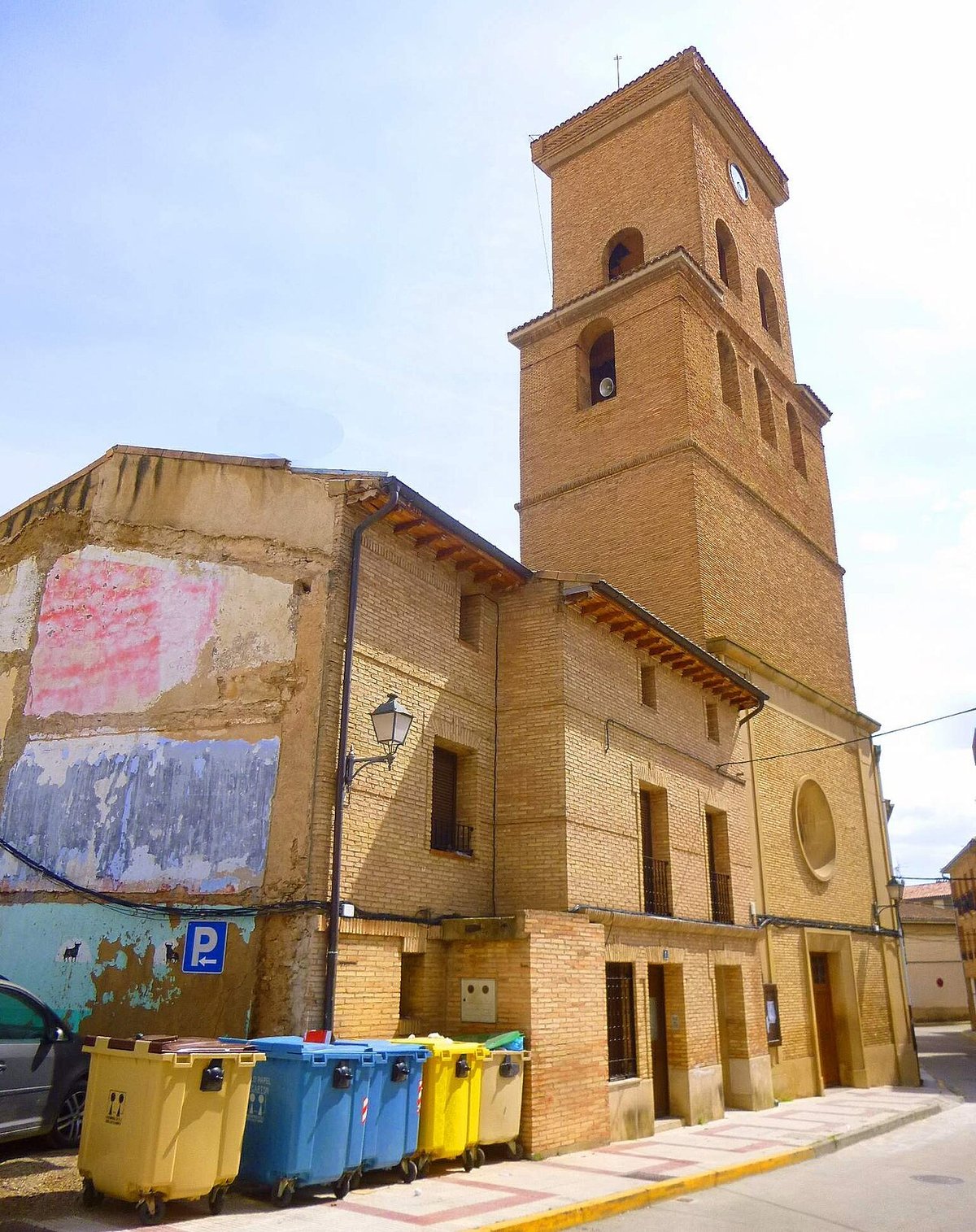
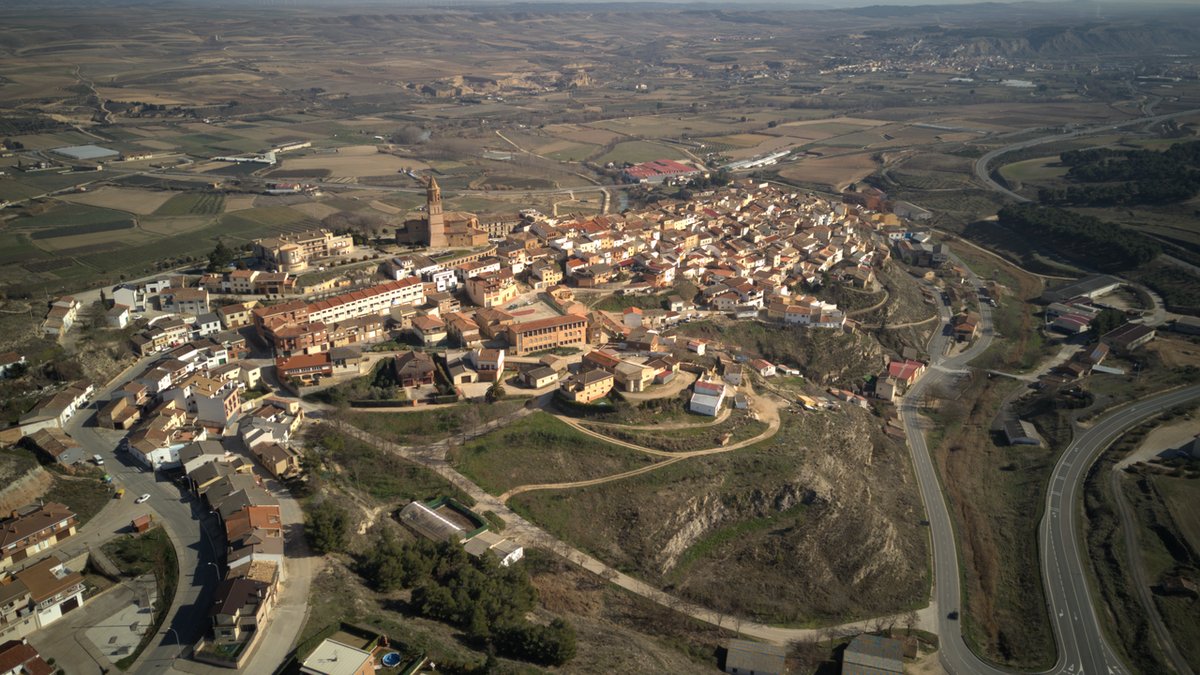
San Martín de Tours dominates the skyline from every approach road. Built in stages between the 16th and 18th centuries, its sandstone facade shows the architectural equivalent of geological layers – Gothic foundations supporting Baroque flourishes added when wool money flowed freely. Inside, the retablos tell their own story of shifting tastes and shrinking budgets. The main altarpiece, gilded and elaborate, contrasts sharply with simpler side chapels where paint peels gently from wooden saints. Entry is free when open, though donations maintain the fabric of a building that serves 2,800 parishioners.
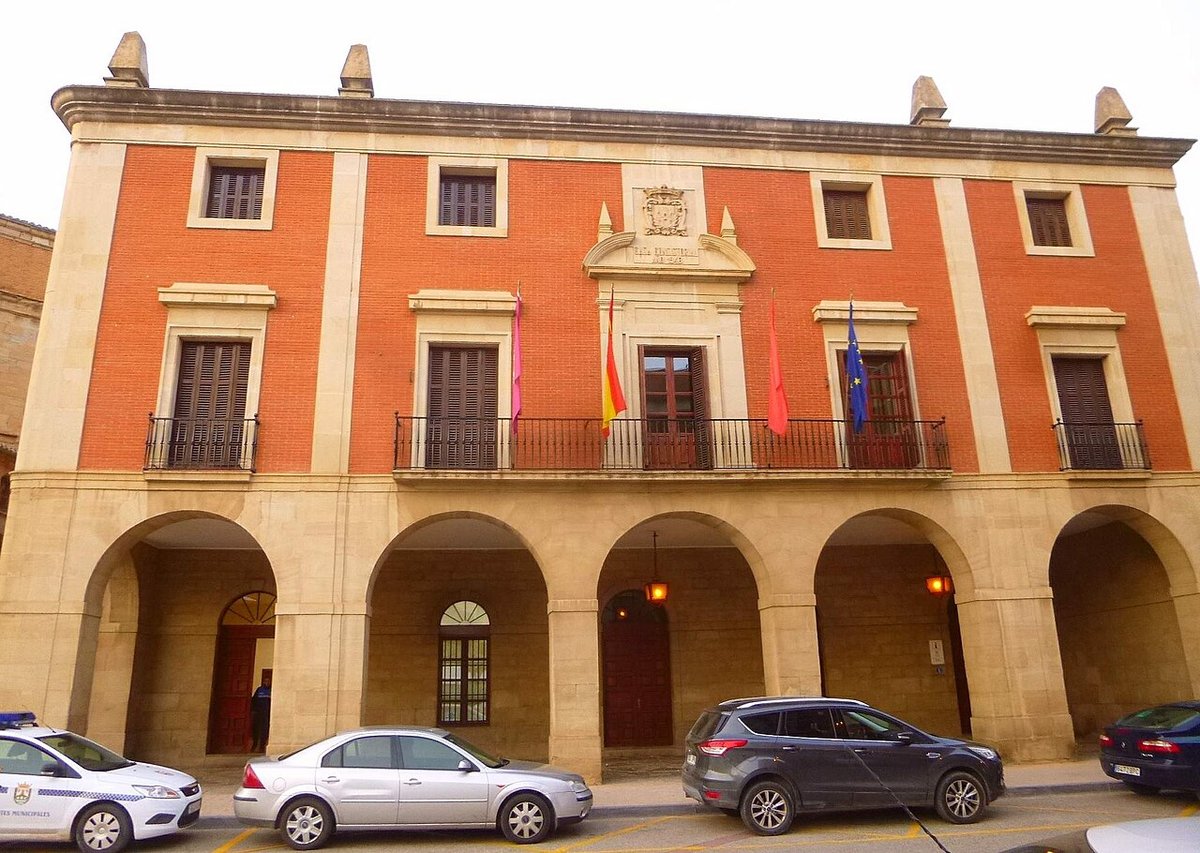
The church's shadow falls across narrow streets where mansion houses bear witness to former prosperity. Wide stone archways, originally designed for ox-carts, now shelter parked cars. Look up and you'll spot family crests carved above doorways – lions, castles and wheat sheaves declaring the fortunes made from grain and livestock. Many properties stand empty, their owners moved to Pamplona or abroad, leaving behind houses too large for modern families and too expensive to heat through Navarra's surprisingly bitter winters.
Following the River's Lead
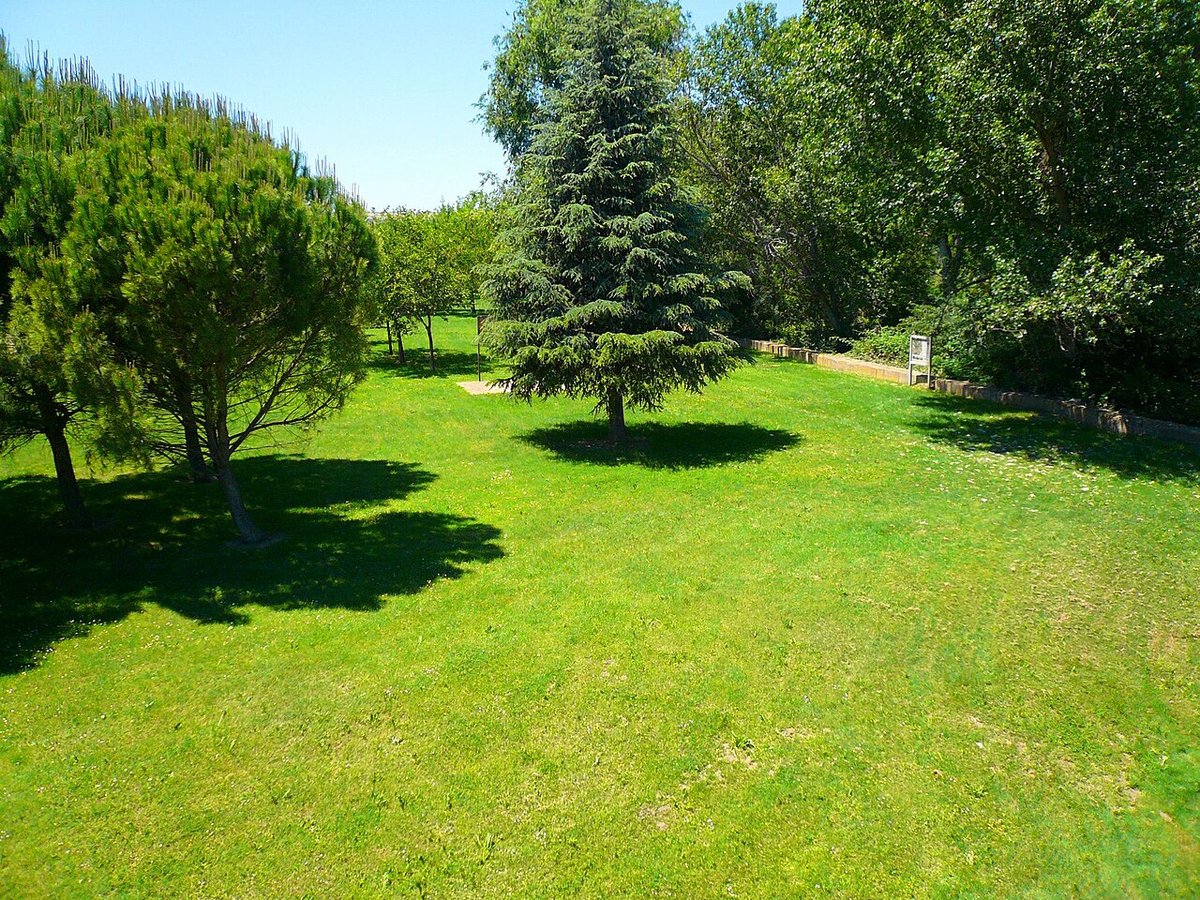
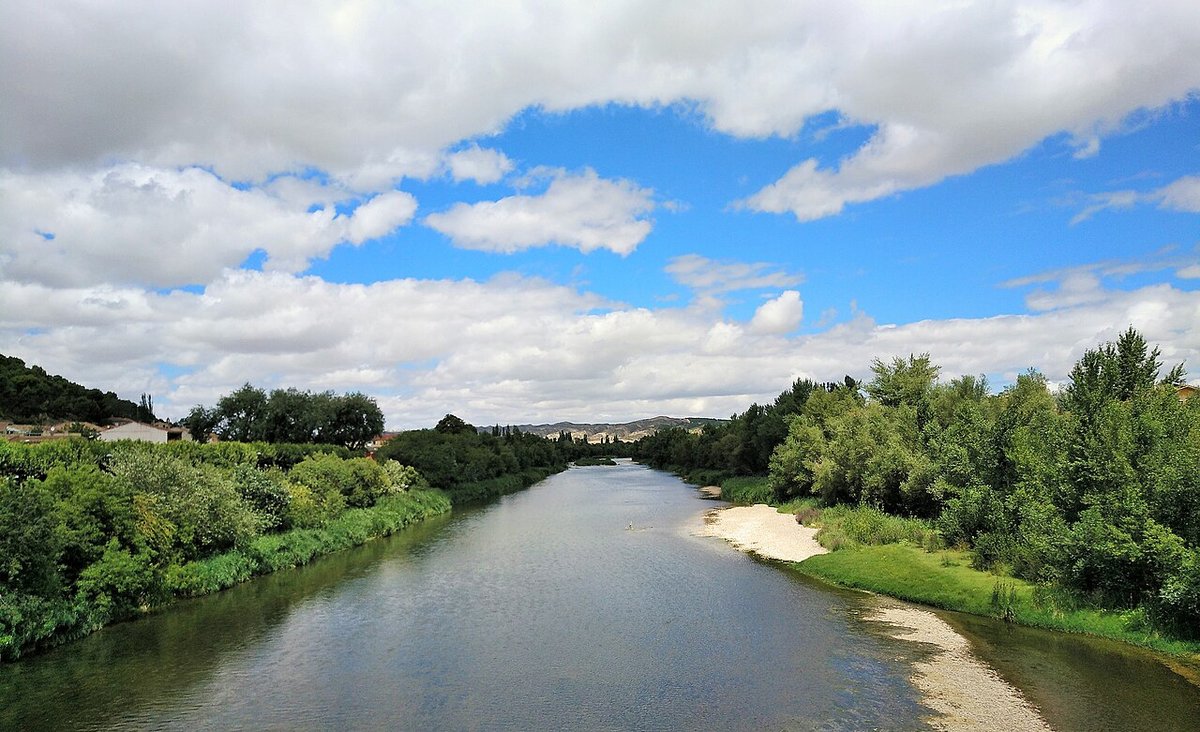
A five-minute walk from the centre brings you to the Ega's banks. This isn't wilderness – the river's managed for irrigation, with sluice gates controlling flow to the market gardens beyond. Yet between the poplars and willows, nature persists. Kingfishers flash turquoise above the water while night herons roost in denser thickets. Early morning walkers share paths with cyclists following the flat riverside route toward nearby villages. The water runs clear enough to spot carp in deeper pools, though swimming's discouraged given agricultural run-off upstream.
Local families treat the riverside as their garden. Evening strolls follow established circuits – cross the medieval bridge, follow the southern bank to the old mill ruins, return via the agricultural research station where experimental crops grow behind wire fencing. The whole loop takes forty minutes at dawdling pace, allowing time to stop and watch tractors work the opposite fields or exchange greetings with other walkers. In July and August, the town council installs temporary pools near the sports centre – basic concrete affairs that provide relief when temperatures hit 35 degrees.
Wine, Oil and What Grows Between
The surrounding landscape alternates between cereal fields and vineyards, with the occasional olive grove marking south-facing slopes. This agricultural mix defines local cuisine. Restaurant menus change with the seasons – asparagus and artichokes in spring, peppers and tomatoes through summer, game and mushrooms when autumn arrives. The cooking's straightforward rather than sophisticated; expect perfectly grilled lamb chops rather than elaborate sauces, vegetables dressed simply with local olive oil rather than complex reductions.
That olive oil comes from Bodegas Bagordi, ten minutes drive south. The Fernández de Manzanos family converted traditional wine cellars to organic production in the 1990s, adding olive groves when they realised the climate suited both crops. Their visitor centre offers English-language tours by prior arrangement – WhatsApp works better than email for booking. Tastings cover three wines plus olive oil with bread, minimum two people required. The tempranillo and garnacha varieties produce familiar flavours for British palates, while the organic extra virgin oil wins consistent praise from visitors used to supermarket standards.
When the Village Celebrates
San Martín's feast day in November marks the serious business of winter preparations. Locals slaughter pigs in age-old tradition, transforming every part into hams, sausages and blood pudding that'll sustain families through colder months. The church hosts special services, but visitor interest focuses on the food market where producers sell preserved meats, cheeses and the first olive oil of the season. November weather's unpredictable – bright sunshine can switch to mountain-cold rain within hours, so pack layers.
August provides the year's liveliest atmosphere when the village hosts its summer feria. The main square fills with temporary bars serving kalimotxo (red wine mixed with cola) to teenagers while their grandparents play mus, Navarra's favourite card game, in shaded doorways. A travelling funfair occupies the football field, its rides and shooting galleries attracting families from surrounding villages. The party continues until dawn, though noise-sensitive visitors should note that celebrations run Thursday through Sunday with music until 4am.
Making It Work as a Visitor
Andosilla suits travellers seeking agricultural authenticity rather than picture-postcard Spain. The village makes an excellent stop between Pamplona and Logroño – twenty minutes from the A1 motorway yet feeling properly rural. Base yourself here for Ribera Alta exploration rather than treating it as a multi-day destination. The surrounding country roads connect a string of similar settlements, each with their own churches, river walks and village bars serving identical menu del dias for twelve euros.
Practicalities prove straightforward once you arrive, though getting here requires wheels. Neither Bilbao nor Zaragoza airports offer public transport connections – hire cars prove essential. The NA-134 regional road provides easy driving through flat agricultural terrain, though sat-nav systems occasionally struggle with Spanish postcodes. Parking's free everywhere except market day when the main square fills with traders selling everything from underwear to garden tools.
Accommodation remains limited. Hotel El Castillo occupies a converted 18th-century house near the church – British visitors praise the helpful staff though rooms maintain traditional Spanish preferences for firm beds and minimal natural light. Hotel Villa de Andosilla offers more modern facilities on the village outskirts, convenient for drivers but lacking the historic charm. Neither property exceeds three stars, reflecting rural Navarra's focus on substance over style.
The village works best for independent travellers comfortable with limited English spoken. Younger locals speak some English, particularly in hotels and restaurants, but Spanish or basic Basque helps enormously. Cash remains king – many bars and shops don't accept cards for purchases under ten euros. ATMs exist but occasionally run empty during fiesta weekends when visitors descend from Pamplona.
Weather shapes the experience dramatically. Spring brings changeable conditions – morning mist clearing to warm sunshine, sudden showers requiring waterproofs. Summer afternoons can feel oppressive when the wind drops, though evenings cool pleasantly. Autumn delivers the most reliable conditions, warm days and crisp nights under clear skies. Winter's surprisingly harsh – the 300-metre elevation allows frost and occasional snow when Atlantic storms meet continental air masses.
Leave expectations of dramatic scenery or major monuments at home. Andosilla's appeal lies in witnessing rural Navarra continue its centuries-old agricultural rhythm. Watch farmers negotiate tractor repairs at the garage, observe grandparents collecting grandchildren from the primary school, notice how the baker's shelves empty by 11am when locals shop for lunch bread. This is Spain's breadbasket working overtime – no show, just sustenance.