Full Article
about Azagra
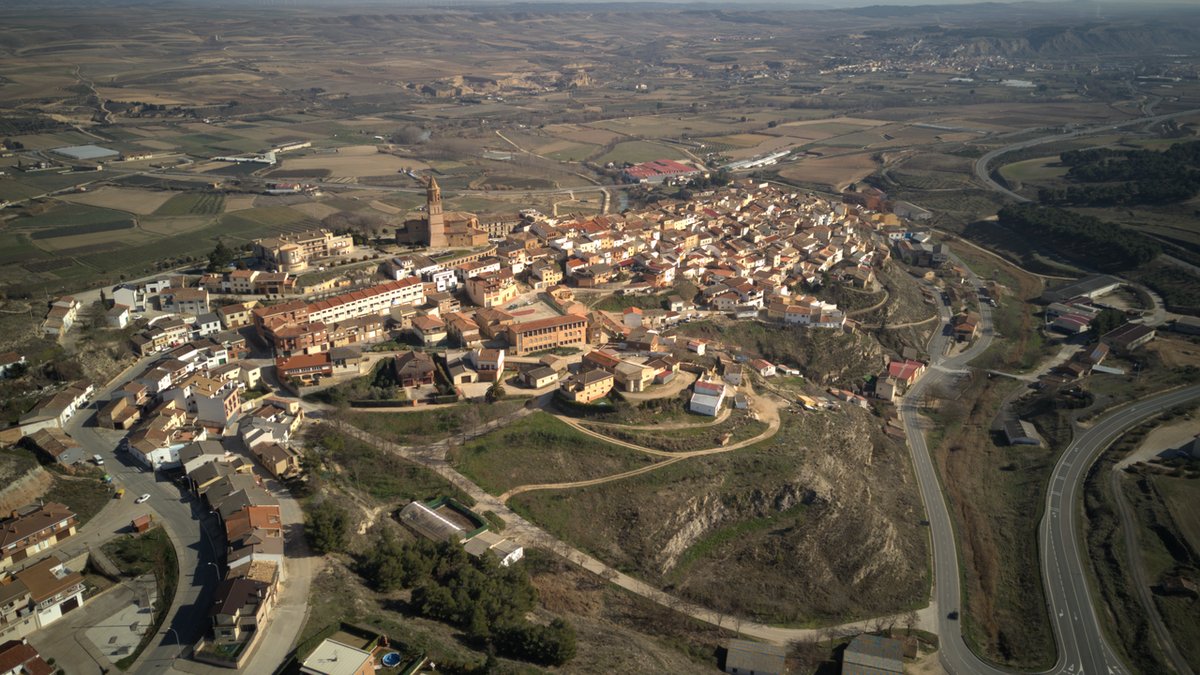
Farming town on the Ebro, ringed by vegetable plots and fruit trees and sheltered by the “La Badina” crag.
Ocultar artículo Leer artículo completo
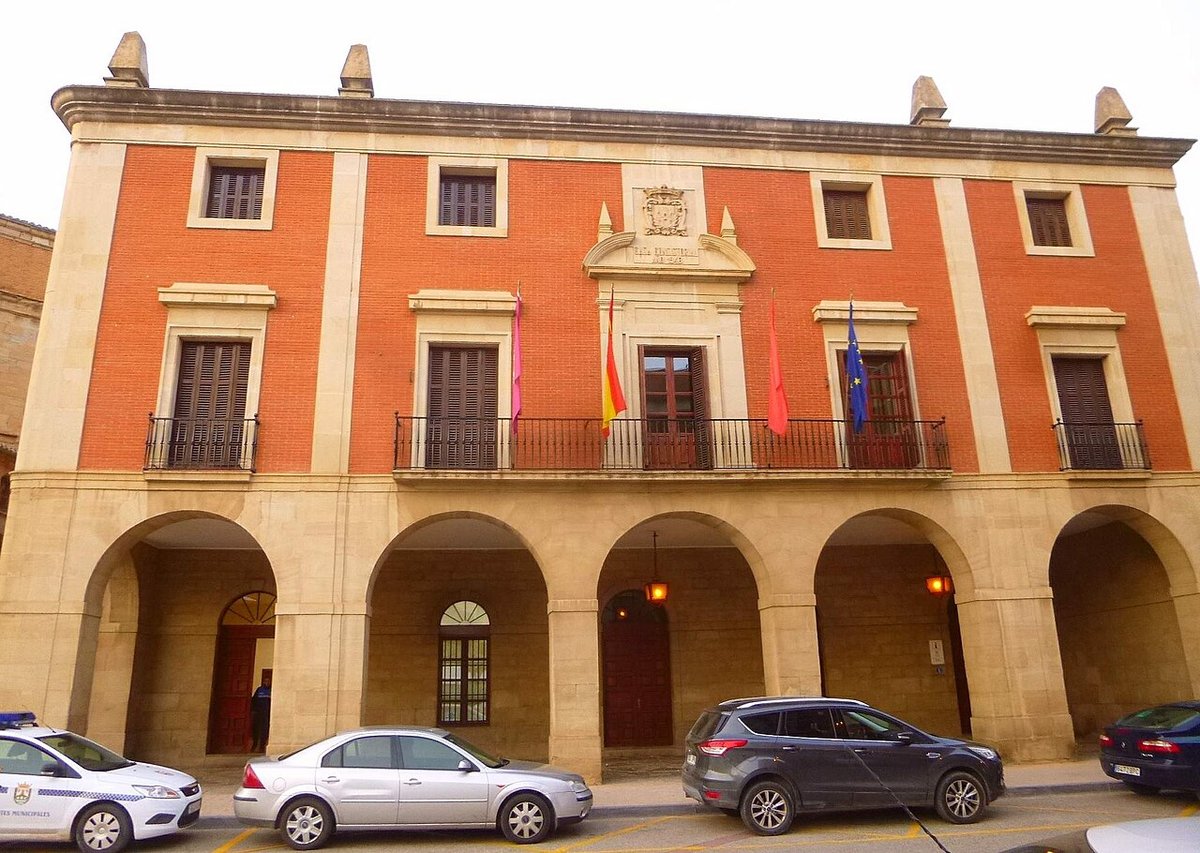
The church bell strikes noon and every bar stool in Azagra’s Plaza Mayor empties within five minutes. By 12:15 the square is silent, chairs stacked, metal shutters half-closed. Lunch starts at 13:30 here, and nothing—not tourists, not Google opening hours—moves the timeline. Respect the schedule and the village rewards you with a slice of Navarrese routine that hasn’t drifted more than fifteen minutes in half a century.
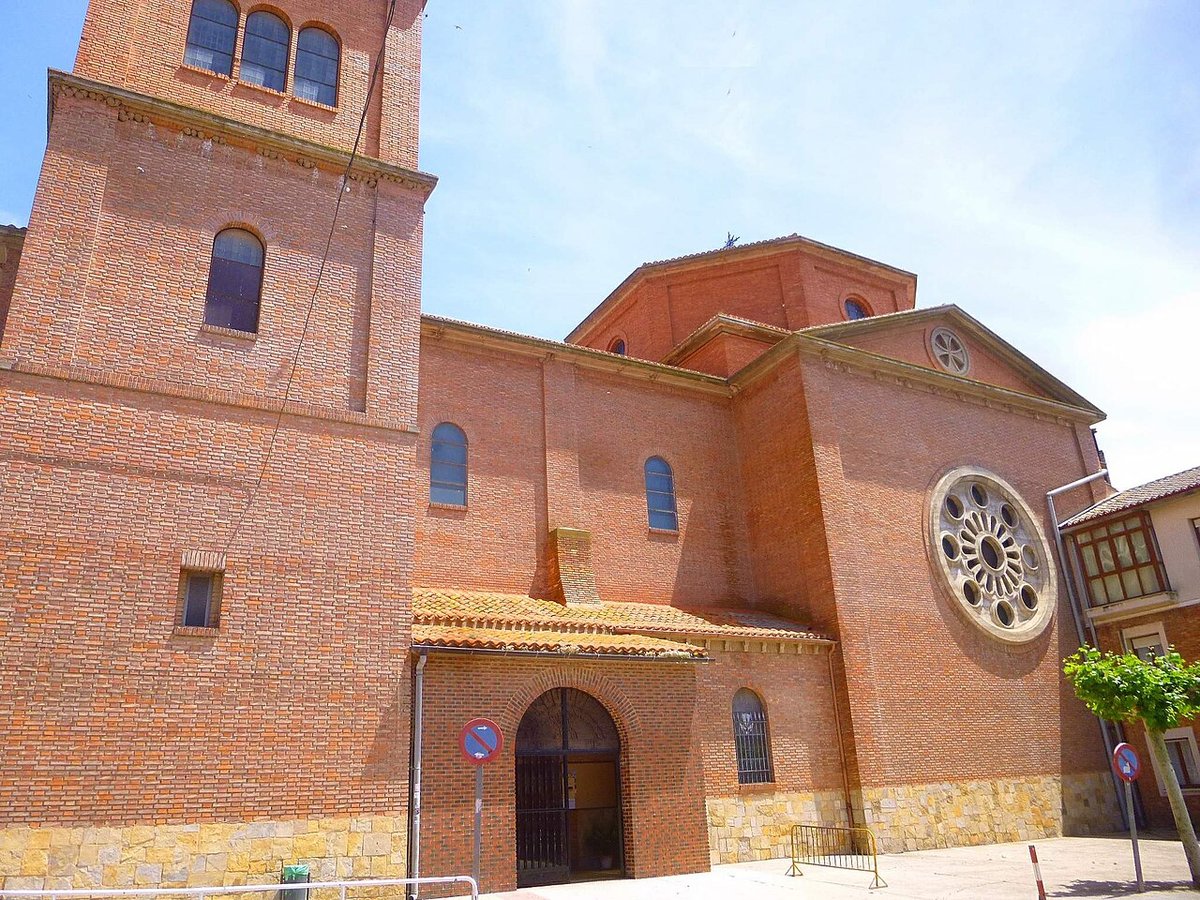
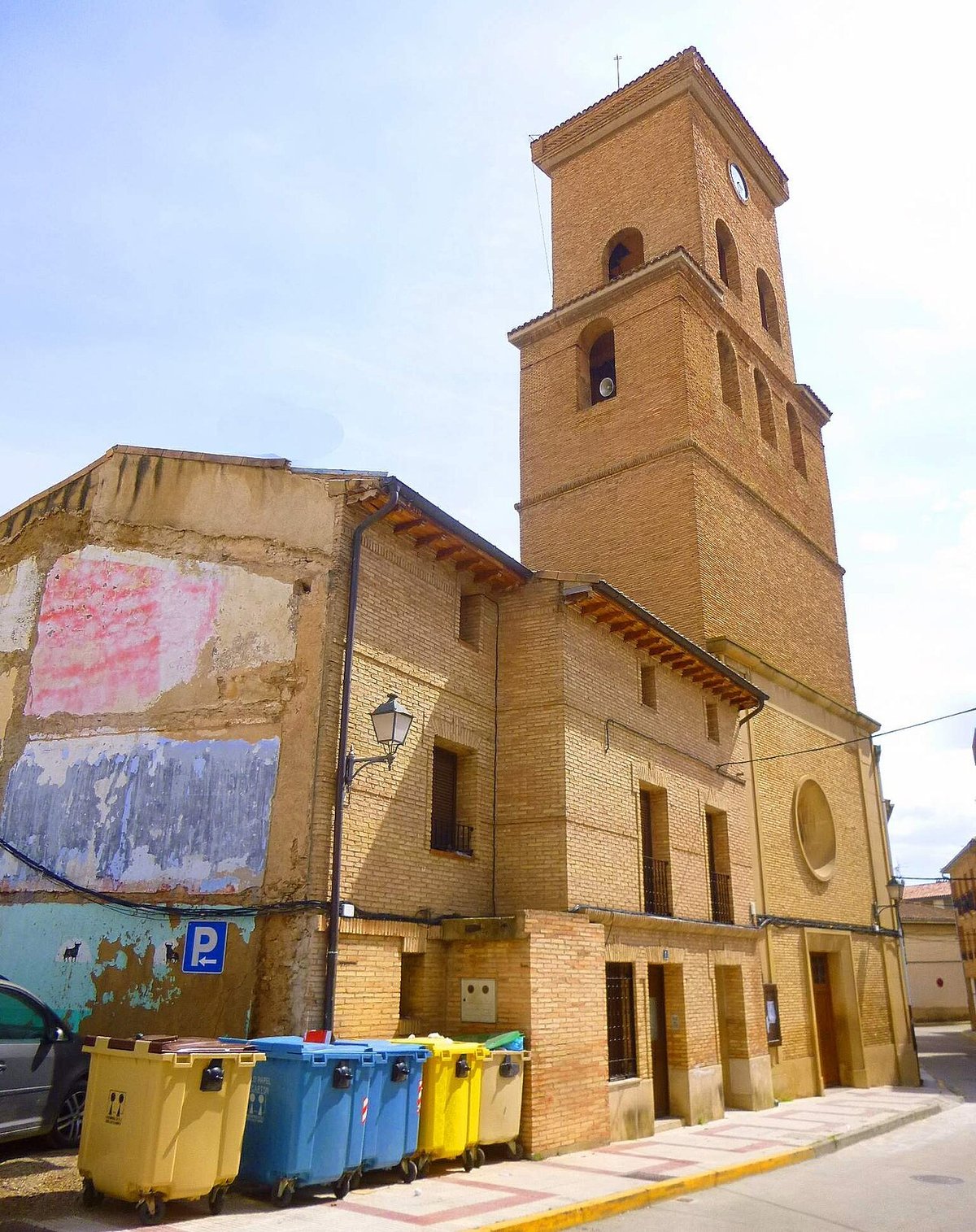
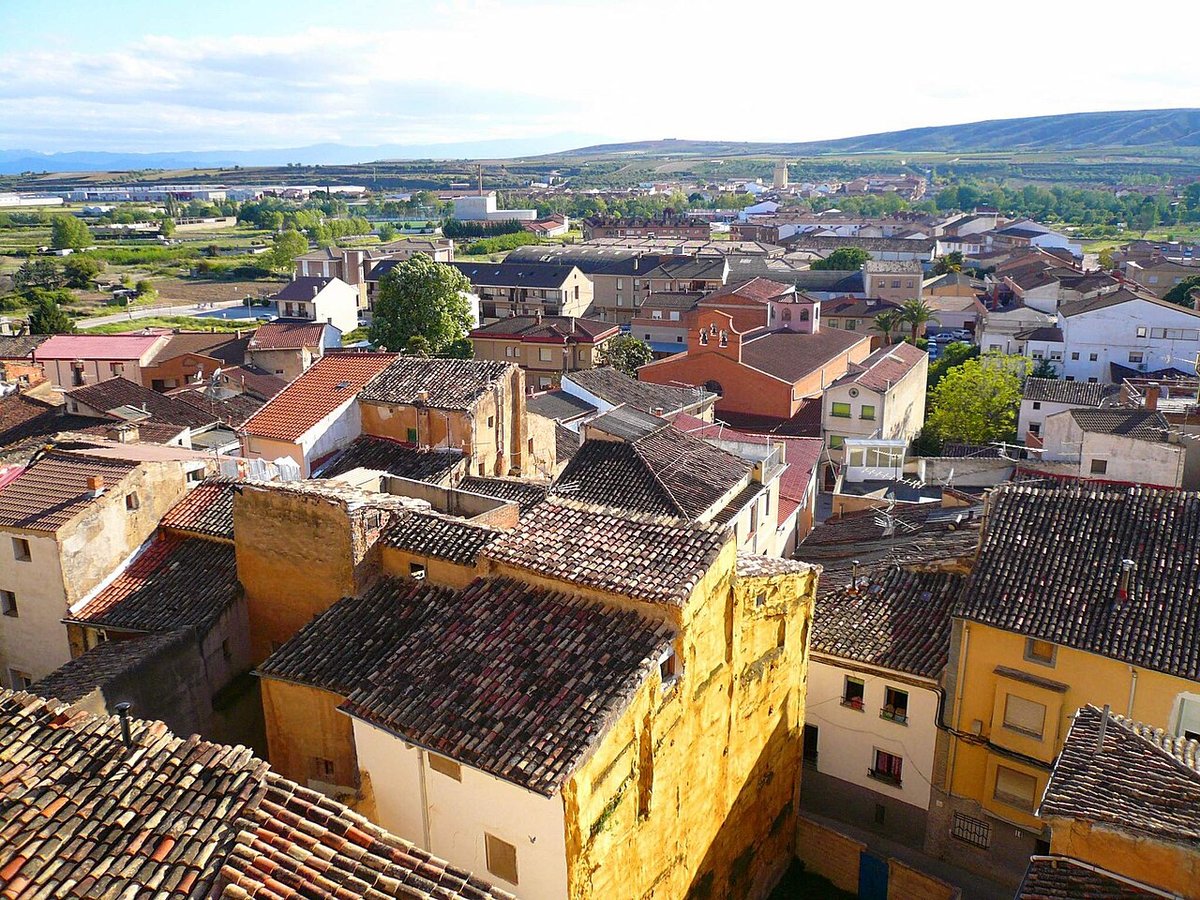
Azagra sits 292 m above sea level on the fertile floor of the Ribera Alta, 50 minutes south-east of Logroño and an hour south-west of Tudela. The land is ruler-flat, scored by irrigation ditches that feed orderly market gardens. The only rise is the stone tower of the Iglesia de la Asunción, finished in 1547, visible long before you reach the urban limit. Park on Avenida de Navarra (free, no meters) and everything is within a ten-minute walk.
The Quiet Economy of Stone and Soil
Houses are built from a cocktail of river boulders and brick, the colour of toasted bread after rain. Balconies are narrow, the ironwork painted the same municipal green you see on park benches from Galicia to Aragón. Nothing is restored to theme-park gloss; residents still dry washing on the balconies and pile pumpkins by the front door in October. The effect is oddly reassuring—proof that real life continues behind the walls.
Walk Calle San Francisco to the ruined convent outside the centre. Only the perimeter walls and one pointed arch remain, but the site explains why a town of 3,700 souls once warranted its own mint. In the thirteenth century Azagra controlled river traffic where the Aragón bends south; today the same waterway supplies the asparagus and piquillo peppers that arrive on British supermarket shelves under the Navarra label. The link is direct: fields start two streets behind the church, tractors park in residential driveways, and the weekly market on Tuesday mornings smells of damp soil as much as fresh produce.
River, Field and Fork
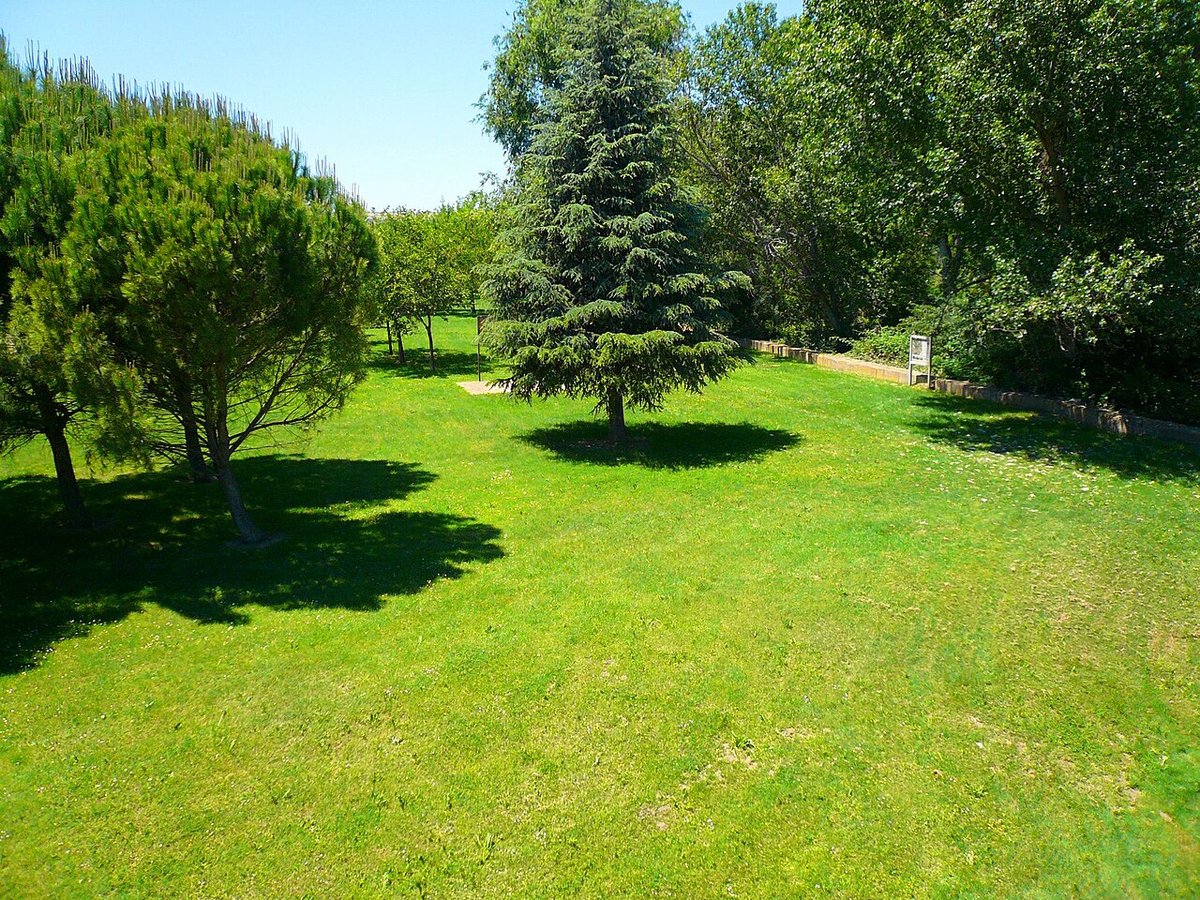
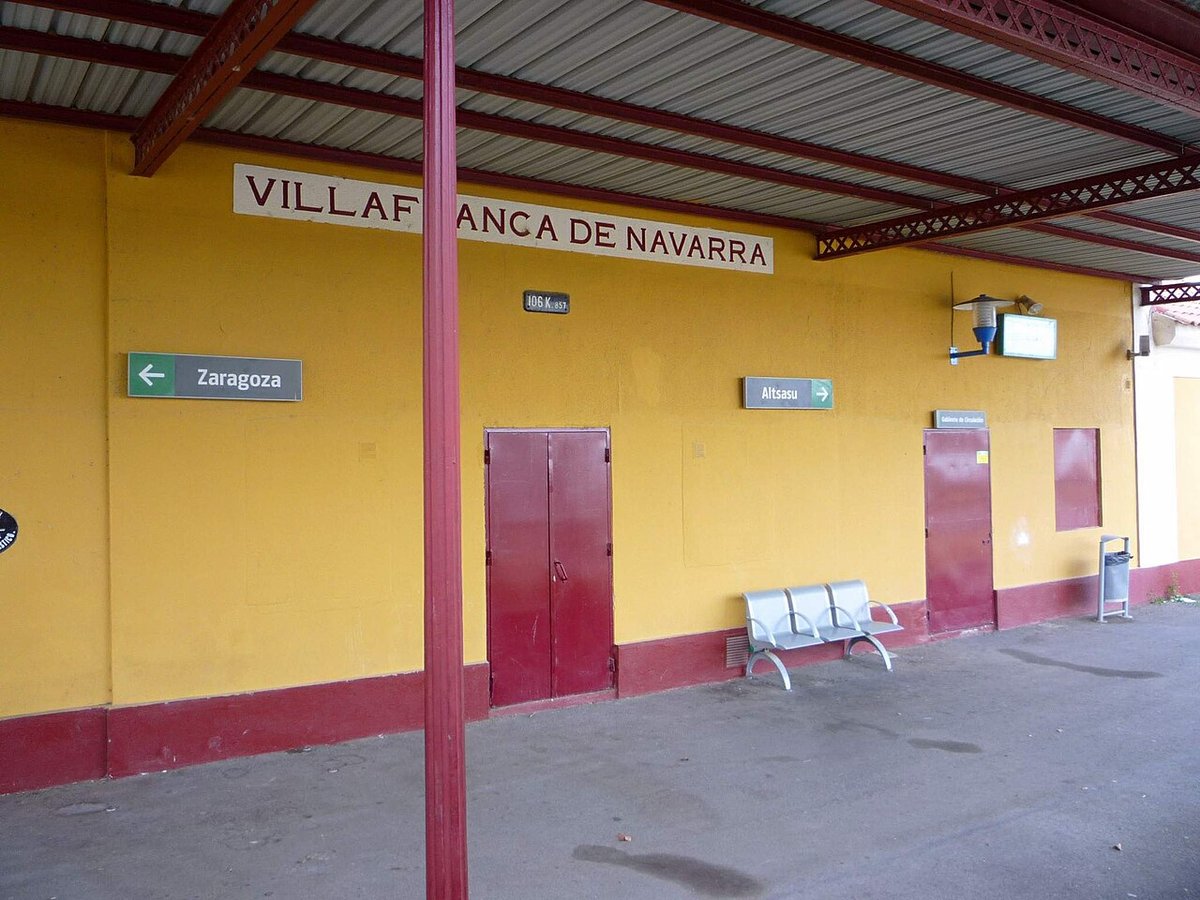
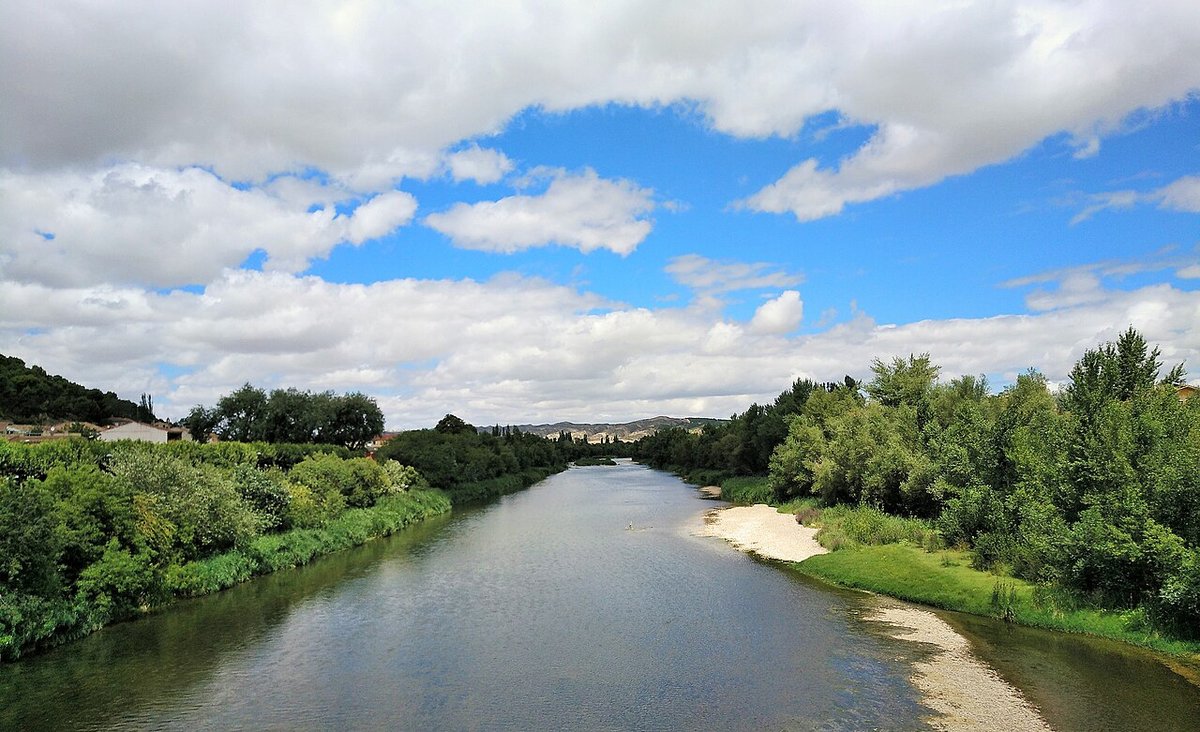
Shade is scarce on the esplanades, so follow the signed footpath from the old railway station down to the river. Poplars and willows knit a green tunnel that drops the temperature by four degrees within 50 m. Kingfishers flash cobalt above the muddy water; information boards list 60 resident bird species, though you’ll need patience and a Spanish phrasebook to decipher them—no English translations provided.
Paths are level, gravel-topped, and circular routes never stray more than 3 km from the centre. Evening light turns the allotments copper and the Sierra de la Demanda appears as a bruised line on the western horizon. Winter walks are equally straightforward—daytime temperatures hover around 10 °C—but the river can surge after storms and sections sometimes close for days. Summer hikers should start early; at midday the Ribera Alta climbs past 35 °C and there is zero contour for shade.
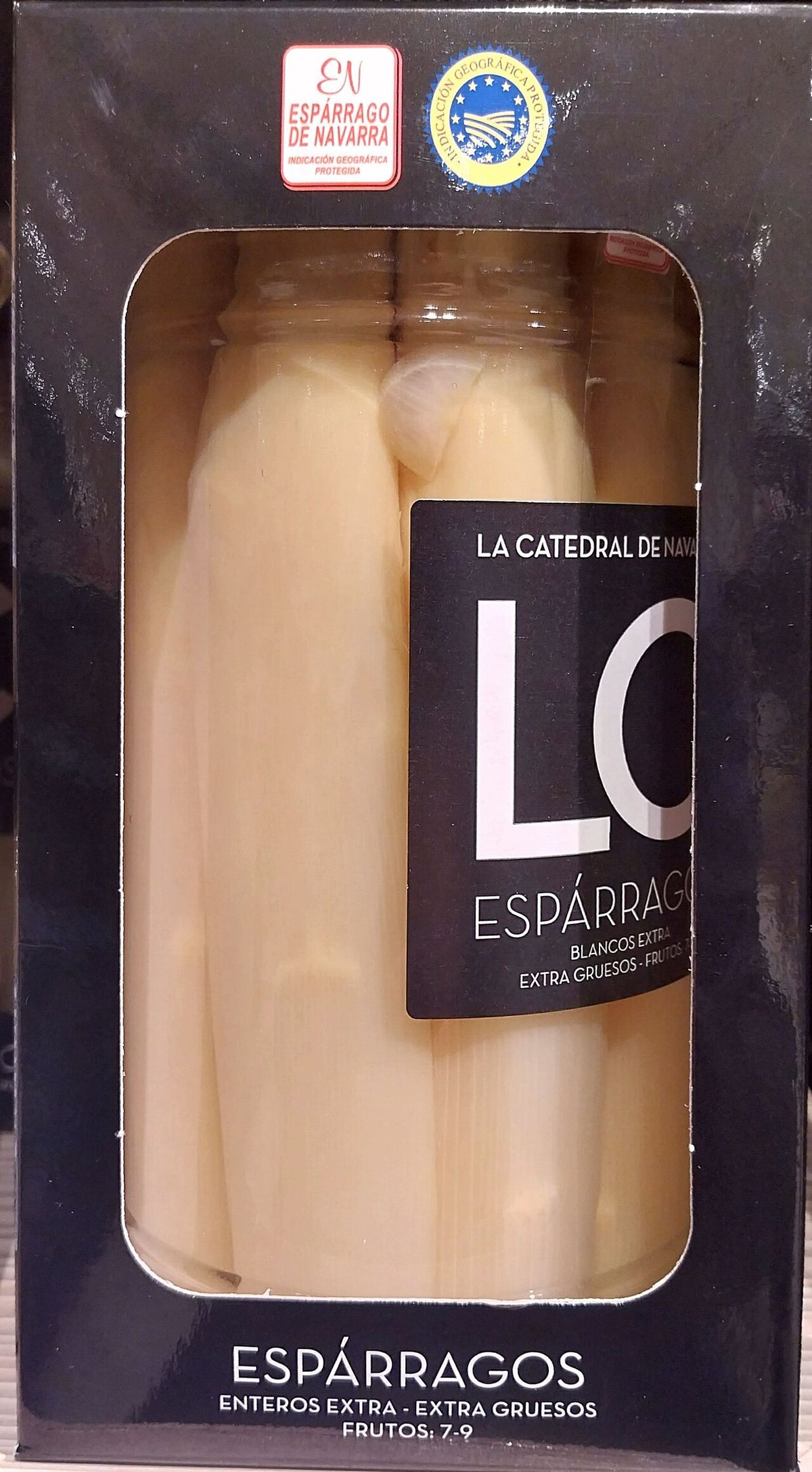
Food is inseparable from the fields you have just walked through. Expect asparagus thicker than a Sharpie, artichokes the size of cricket balls, and piquillo peppers roasted over beech embers then peeled by hand. The local method is simplicity itself: salt, olive oil, maybe a sliver of Serrano. Portions are built for labourers, not tasting menus—order media ración unless you are splitting between three. Wine arrives in short tumblers, chilled even when red. The grape is Tempranillo but the style is joven (young), glugged within a year of harvest; think Beaujolais with a dash of Spanish tannin.
Calendars, Closures and Other Practicalities
Azagra’s timetable punishes the impulsive. Shops lock up at 14:00 and reopen anywhere between 17:00 and 18:00; restaurants serve lunch until 15:30, then the kitchen shuts until 20:30 at the earliest. Monday is retail hibernation—both village wineries close, the bakery pulls its shutters, and the single cash machine on Plaza Mayor sometimes runs dry. Plan around these facts rather than fighting them. Arrive Friday evening or Saturday morning and you can taste at Bodegas Manzanos (free, but phone ahead) and still buy bread for the journey.
Accommodation is limited to two options: Hostal Venecia on the main drag (doubles €55, spotless, no lift) or the free motorhome aire down by the sports ground (fresh water tap but no grey dump). British overlanders report it “quiet enough to hear frogs” and use Azagra as a staging post between Rioja bodegas and the Bilbao ferry. Either way, book Saturday lunch before 13:00 or you will queue behind three generations of local families celebrating communion, christening or Championship-league football—sometimes all three.
When to Come, When to Skip
Spring—mid-April to late-May—delivers 22 °C afternoons and vegetable plots in full production. The romería to the Virgen del Patrocinio fills the lanes with tractors decked in bunting, and the town’s population effectively doubles for a day. Early autumn (September) is equally gentle, with the added bonus of grape-harvest scent drifting across the river from La Rioja. August fiestas are lively but daytime heat is brutal; bands play until 05:00 and earplugs are advisable if your room faces the square. Winter is monochrome—almond trees bare, soil ploughed to chocolate ridges—and while the village functions, cafés reduce outdoor tables to two and the river paths can be waterlogged.
The Honest Verdict
Azagra will never headline a Spanish itinerary. It offers no castle to climb, no Michelin stars, no flamenco tablaos. What it does give, generously and without charge, is an unfiltered look at how Navarrese families live when the tour buses stay on the A-68. Eat when they eat, walk where they walk, and the reward is small epiphanies: the smell of peppers blistering over charcoal, the sight of grandparents teaching toddlers to cycle in a traffic-free plaza, the sound of the river smoothing stones older than any empire. Treat the village as a half-day pause between Rioja wine temples and the Renaissance stonework of Tudela and it fits perfectly; expect postcard perfection and you will notice the tractor ruts, the patched asphalt, the lack of boutique gift shops. Stay long enough to let the clock dictate the pace, however, and Azagra’s quiet logic starts to feel like the most exotic thing of all.