Full Article
about Cárcar
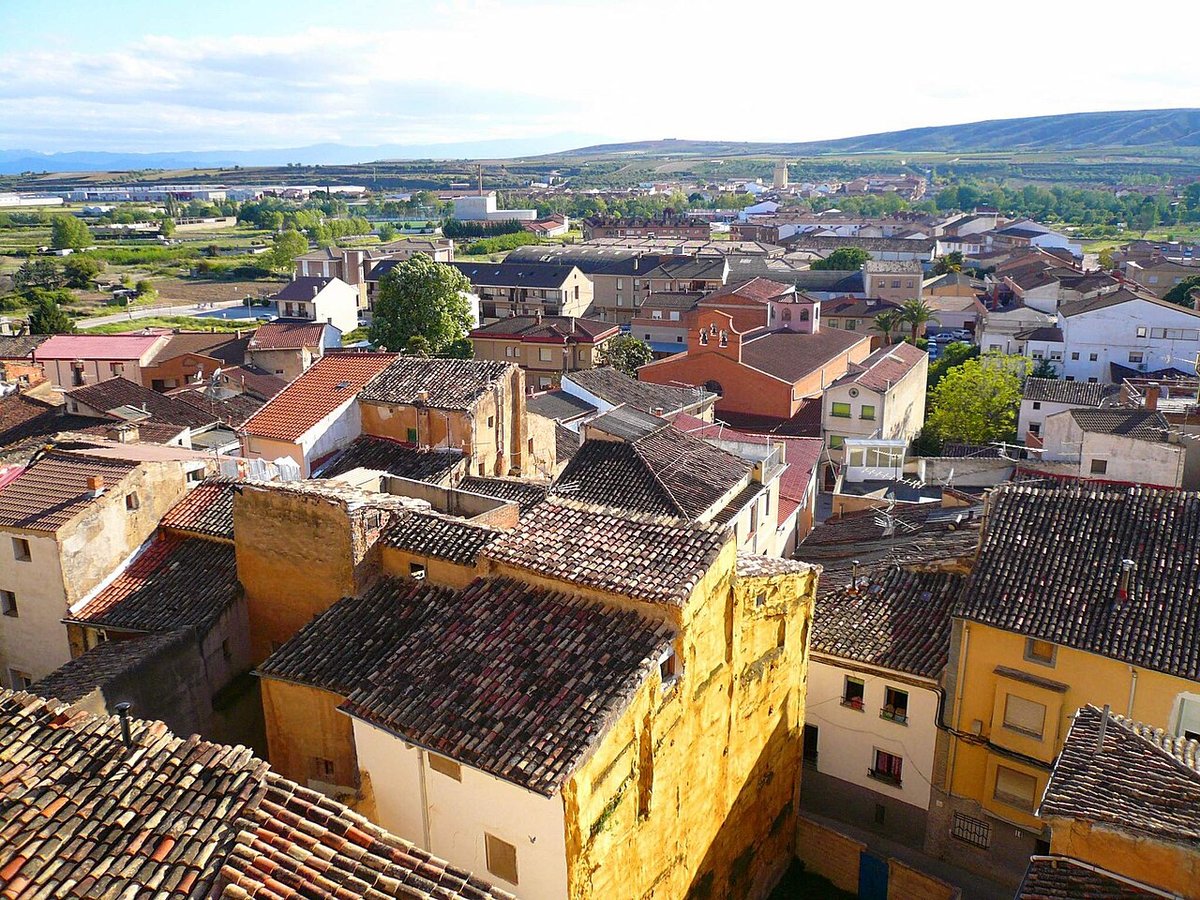
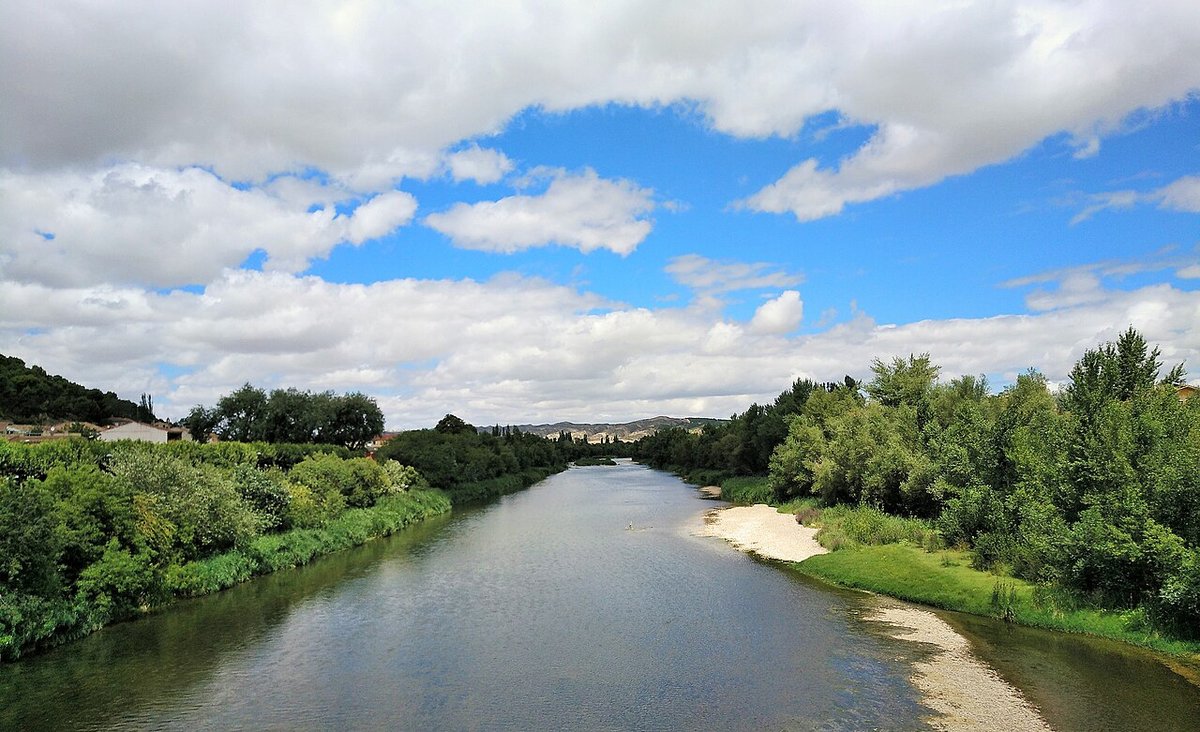
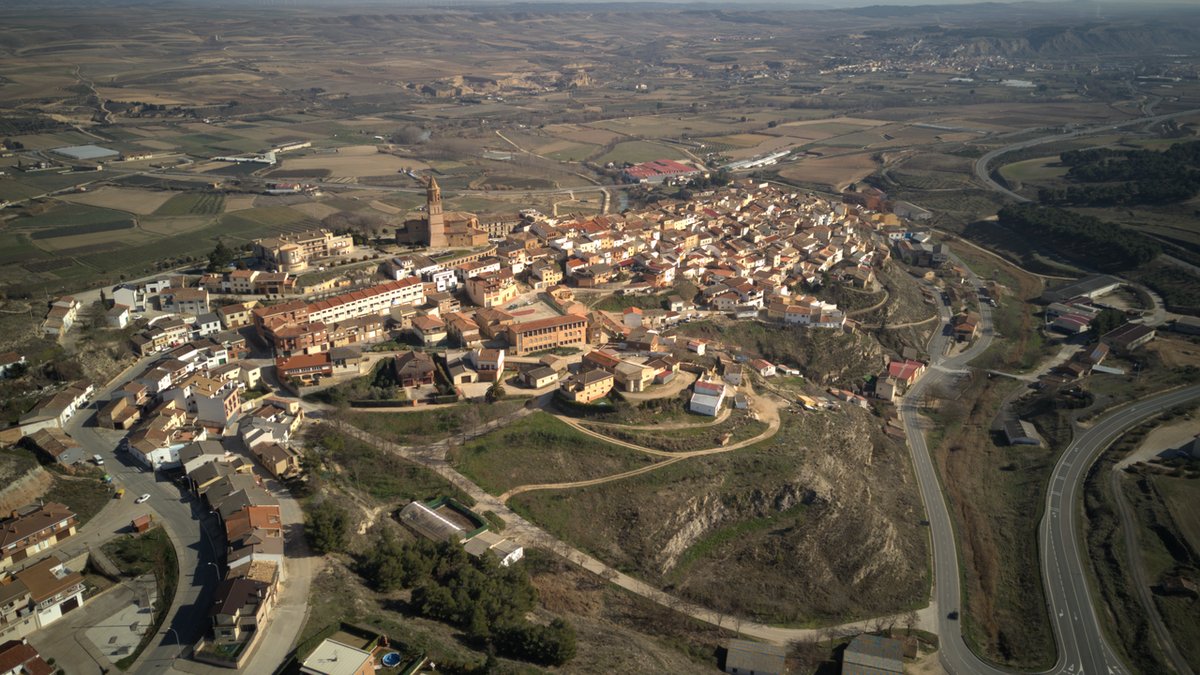
Set on a hilltop overlooking the Ebro and Ega valley; known as the balcony of La Ribera.
Ocultar artículo Leer artículo completo
The church bell strikes one o’clock and the plaza empties in under sixty seconds. A waiter flips chairs onto tables, a farmer in a faded beret pockets his cards, and the only sound left is the click of the traffic light that nobody bothers to obey. Carcar hasn’t signed up to the Spanish theme-park experience; it simply pauses for lunch, and visitors are expected to do the same.
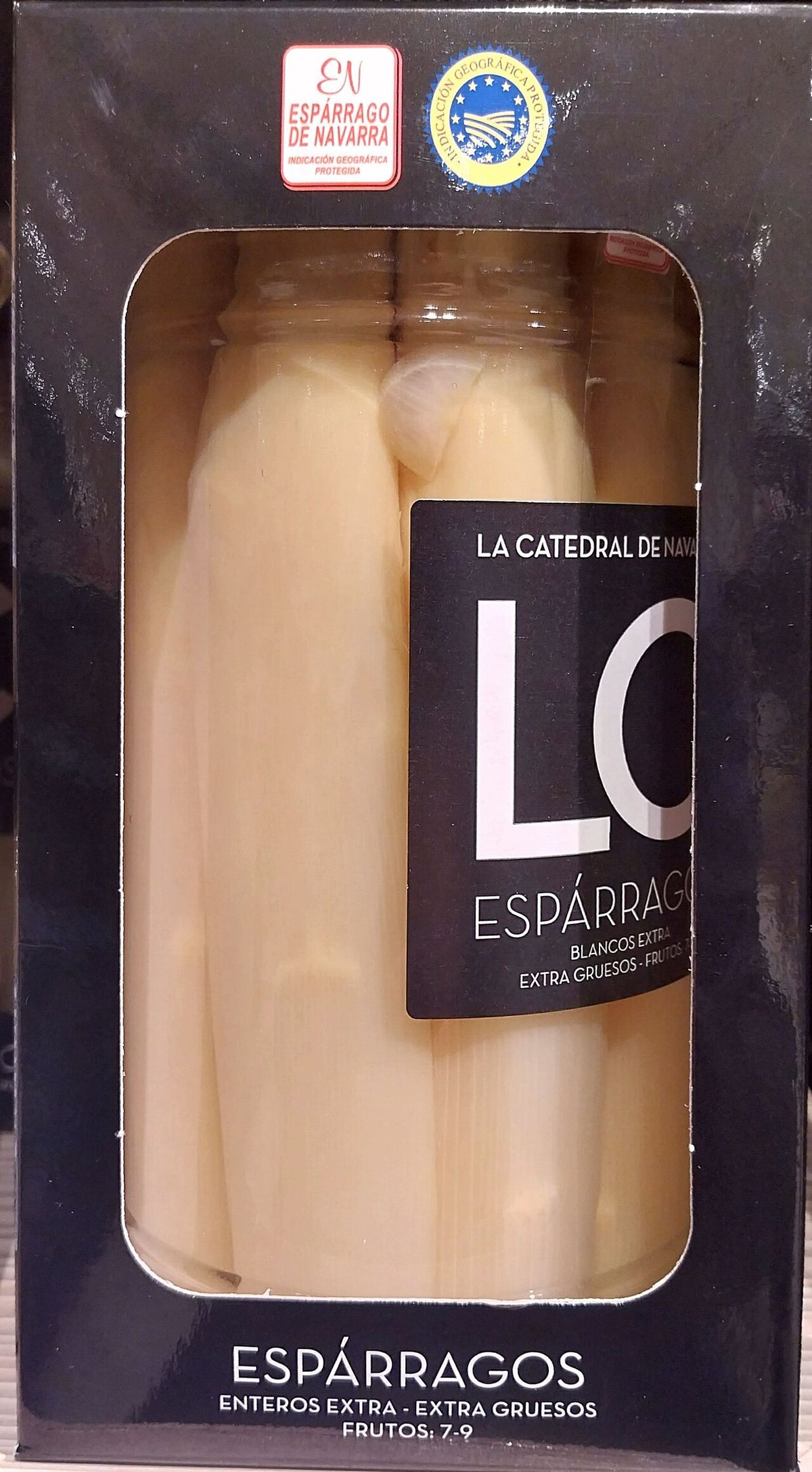
Halfway between Pamplona and Logroño, the village sits on a low ridge above the Ebro’s flood plain. Wheat, vines and the occasional regimented block of asparagus roll away on all sides. The Pyrenees glimmer on the northern horizon, but here the land is gentle, the breeze warm and the roads straight enough to measure with a school ruler. You come for the rhythm, not the spectacle.
Stone, Brick and the Occasional Surprise
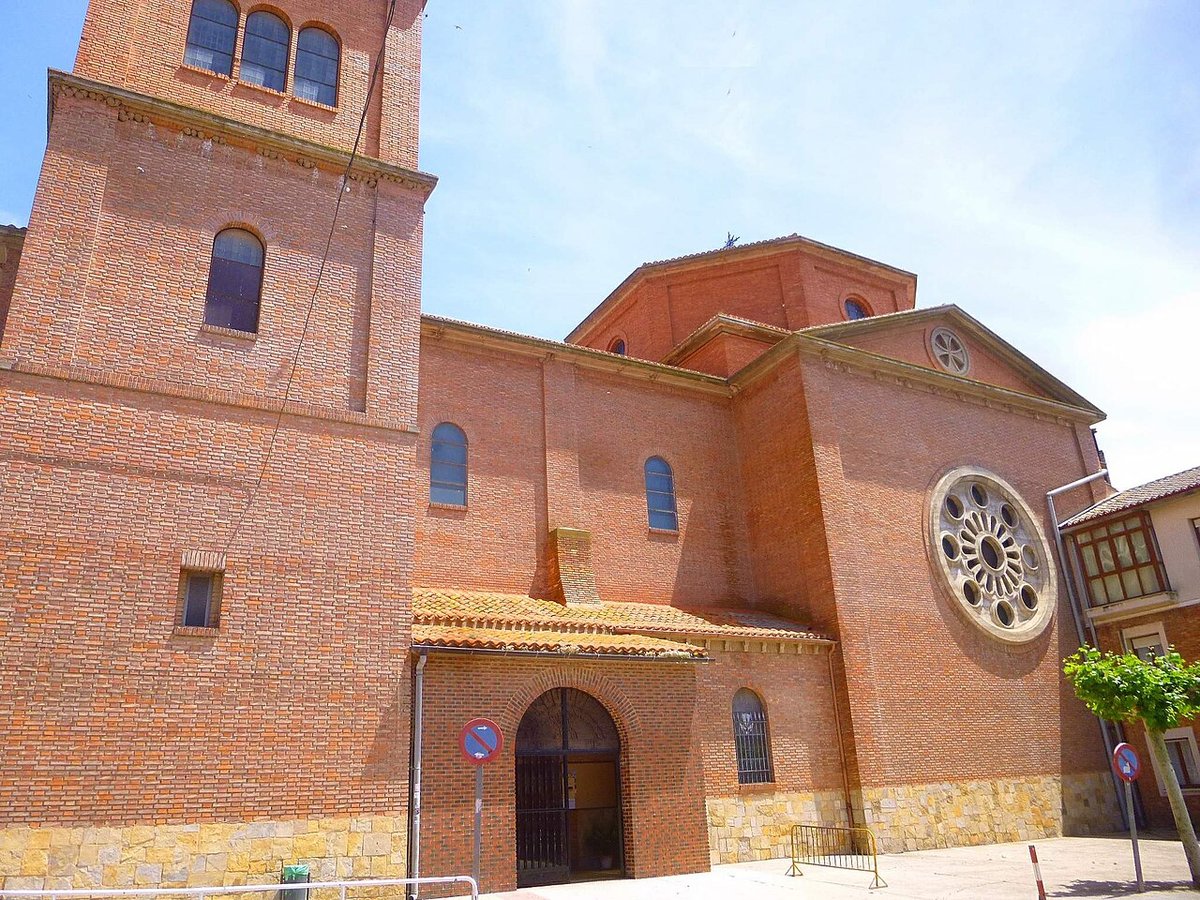
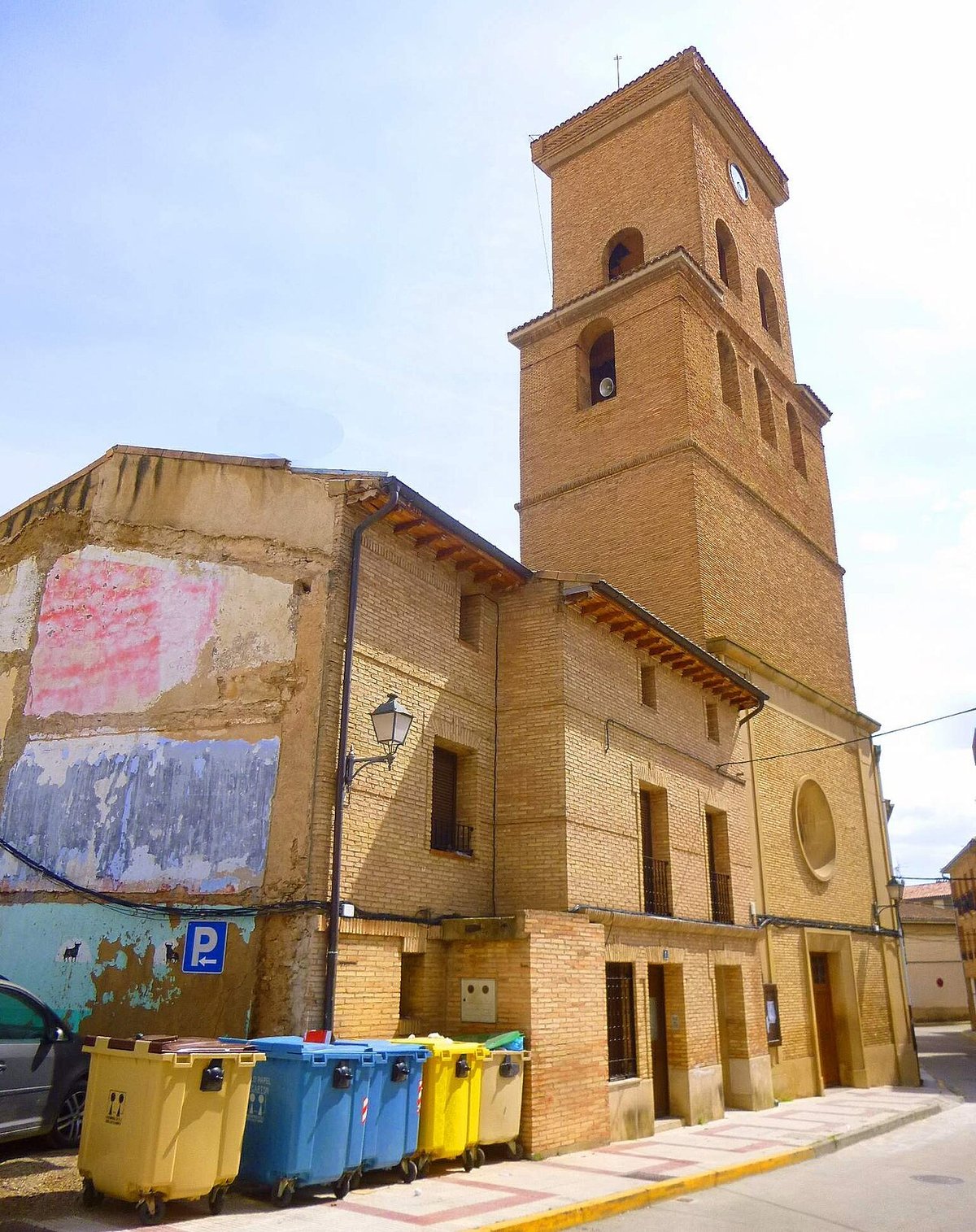
Carcar’s centre is two streets deep and ten minutes wide. Houses are built from ochre stone and brick, rooflines sagging just enough to prove their age, wooden balconies painted the colour of Spanish paprika. Look up and you’ll spot coats of arms—one shows a wolf and a cooking pot, a reminder that the lords of Carcar once paid their rent in firewood and hospitality. The 12th-century church of San Miguel keeps watch from the highest point; its tower is square, plain and reassuringly solid, like a keep that decided to retire.
The church door is usually locked. Cross the road to number 14, ring the bell marked “Clavero”, and a tiny woman in carpet slippers will hand you an iron key the size of a courgette. Inside you’ll find a single nave, cool and dim, with a 16th-century Flemish altarpiece that still carries traces of original ultramarine. Donations go in a jam jar; nobody checks how long you stay.
Edible Navarre, Served without Commentary
By 13:45 the Bar Centro is full of contractors comparing tractor prices over plates of pochas—cream-white haricot beans stewed with chorizo and bay. There is no written menu; the owner simply tells you what his wife feels like cooking. Mid-week you might get menestra, a spring tangle of artichoke, pea and asparagus that tastes like someone wrung the colour green into a saucepan. At weekends the star is chuletón, a rib-eye the width of a paperback, brought to the table on a wooden board still sizzling. Order it “medium” and you’ll get it rare-plus; anything more offends the chef, who is also the barman, cashier and, on Sundays, the village brass-band drummer. A half-litre of house Rioja costs €3. Cards are refused—there’s no signal for the machine.
If you need breakfast, arrive before 10:30 when the bakery on Calle Mayor pulls its last napolitana de crema from the oven. Coffee is taken at the counter; asking for a takeaway cup produces the same expression you’d get if you requested a straw for your sherry.
Walk Until the Asphalt Gives Up
Carcar’s best feature is the network of agricultural tracks that unroll into the valley. Park by the football pitch, walk past the cemetery and the tarmac turns to hard-packed clay within 200 metres. Yellow way-markers belong to the GR-1 long-distance trail, but you don’t need a grand route: choose any path, count twenty minutes, and you’ll reach a stone hut where shepherds once stored grain. From there the view opens west towards the Sierra de Cantabria—close enough to see forest firebreaks, far enough to stay blue all afternoon.
Spring brings poppies between the wheat rows; September smells of crushed fig leaves and diesel as the first grape trailers rumble towards Logroño. There is no shade after eight o’clock—bring water and a hat that won’t take off in the cierzo, the cold north-westerly that sweeps the valley once the sun drops.
Cyclists appreciate the same lanes: gradients top out at four per cent, traffic is zero, and every other hamlet has a fountain labelled “agua potable”. Hire bikes in Estella (25 km) from Navarra en Bici; they’ll deliver if you promise to return them within 24 hours.
When the Village Decides to Stay Awake
Carcar’s annual fiesta honours San Miguel on the last weekend of September. The programme is printed on a single A4 sheet taped to the bakery window: Saturday night street bands, Sunday morning procession, Monday lunchtime paella for 400 served from a pan two metres wide. Visitors are welcome but not announced—buy a €5 raffle ticket and you’ve funded next year’s fireworks.
The agricultural calendar offers quieter entertainment. In late April the surrounding fields turn neon-yellow with mustard grown as a cover crop—bring a wide-angle lens. During the October grape harvest tractors block the main road and every doorway smells of fermenting juice. Stand still for five minutes and someone will offer you a plastic cup of mosto, the cloudy first pressing that’s still non-alcoholic at breakfast time.
The Parts They Don’t Photograph
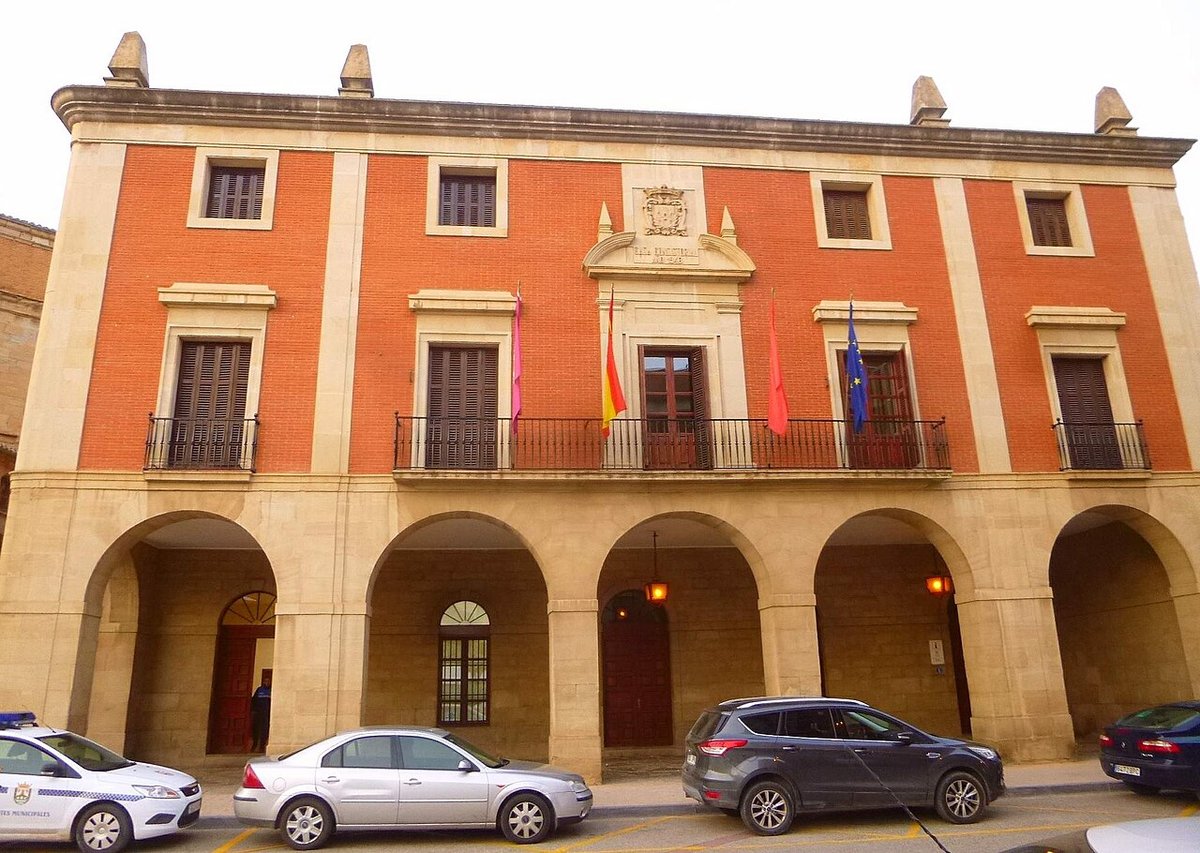
There is no souvenir shop, no interpretive centre, no multilingual audio guide. Public toilets are inside the town hall; they lock at 15:00 sharp. On Mondays the bakery, chemist and cashpoint are all closed—withdraw money the day before or you’ll be washing dishes. Summer midday heat can hit 38 °C; the plaza offers one lonely bench in the shade of the plane tree, already occupied by two elderly men who arrived in 1973 and see no reason to move.
Mobile coverage is patchy; Vodafone roams on a distant Basque mast, EE sometimes thinks you’re in France. The single hotel, Villa de Carcar, has twelve rooms, Wi-Fi that copes with email but buckles at Netflix, and a breakfast of strong coffee and sponge cake. Doubles cost €75 including garage space for bicycles. Book by phone (+34 948 60 30 14) because the booking site crashed in 2019 and nobody has rebooted it.
Getting Here, Getting Out
The easiest gateway is Bilbao: fly in with easyJet from Gatwick or Manchester, collect a hire car and head south-east on the AP-68. After an hour leave at junction 12, follow the NA-134 for ten minutes and Carcar appears on a rise to your right. Total driving time from the airport is 90 minutes, tolls €11. Biarritz is an alternative if you’ve combined the trip with French Basque country; allow two hours including border dog-leg.
Public transport exists but requires patience. Take the train to Pamplona or Estrella-Lizarra, then hop on the regional bus line that shuttles between Pamplona and Logroño twice daily. It stops on the main road at the foot of the village; walk uphill for seven minutes. Sundays see one solitary bus at 19:15—miss it and a taxi to Logroño costs €70.
Worth the Detour?
Carcar will not change your life. It will, however, give you a reliable pause in a region that sometimes feels like one long vineyard gift shop. Come for an overnight stay on a Rioja driving loop, or for a quiet Sunday after the crowds of nearby Laguardia. Walk until your shoes are dusty, eat beans cooked in goose fat, listen to a language that predates the Reconquista and remember what Spain felt like before it learnt to explain itself in English. Then drive on, leaving the plaza to the berets and the swallows, exactly as you found it—only fuller.