Full Article
about Falces
Famous for the "Encierro del Pilón" down the mountain; farming town known for its garlic.
Hide article Read full article
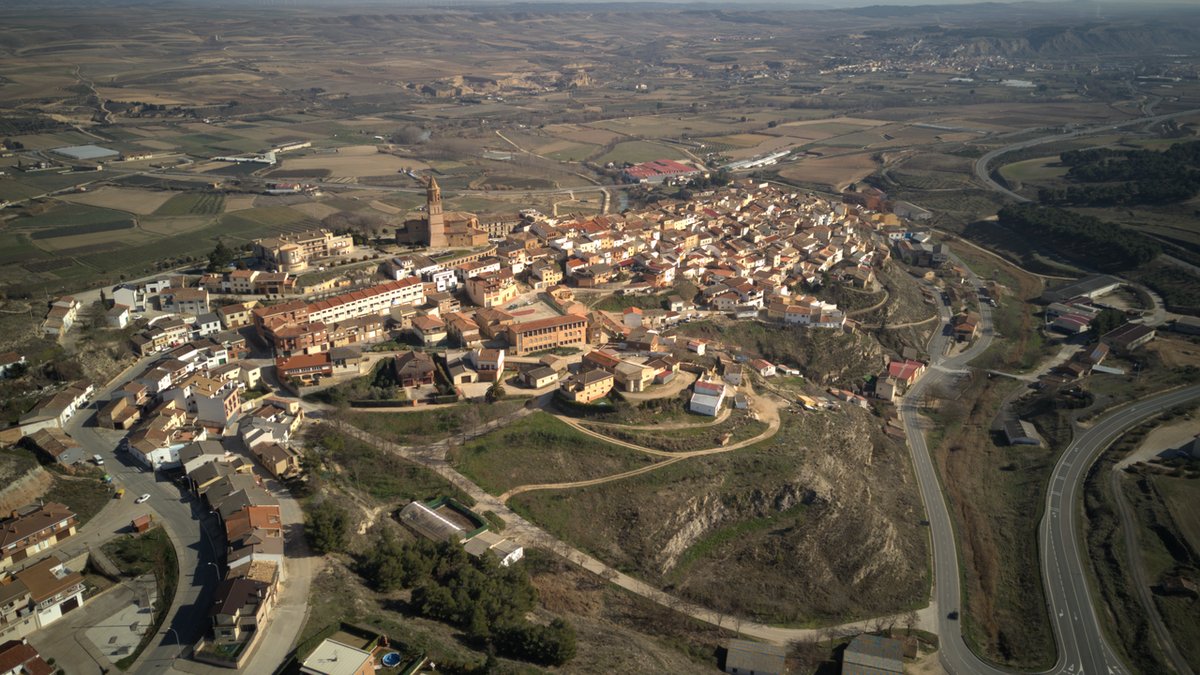
Falces, visto desde arriba
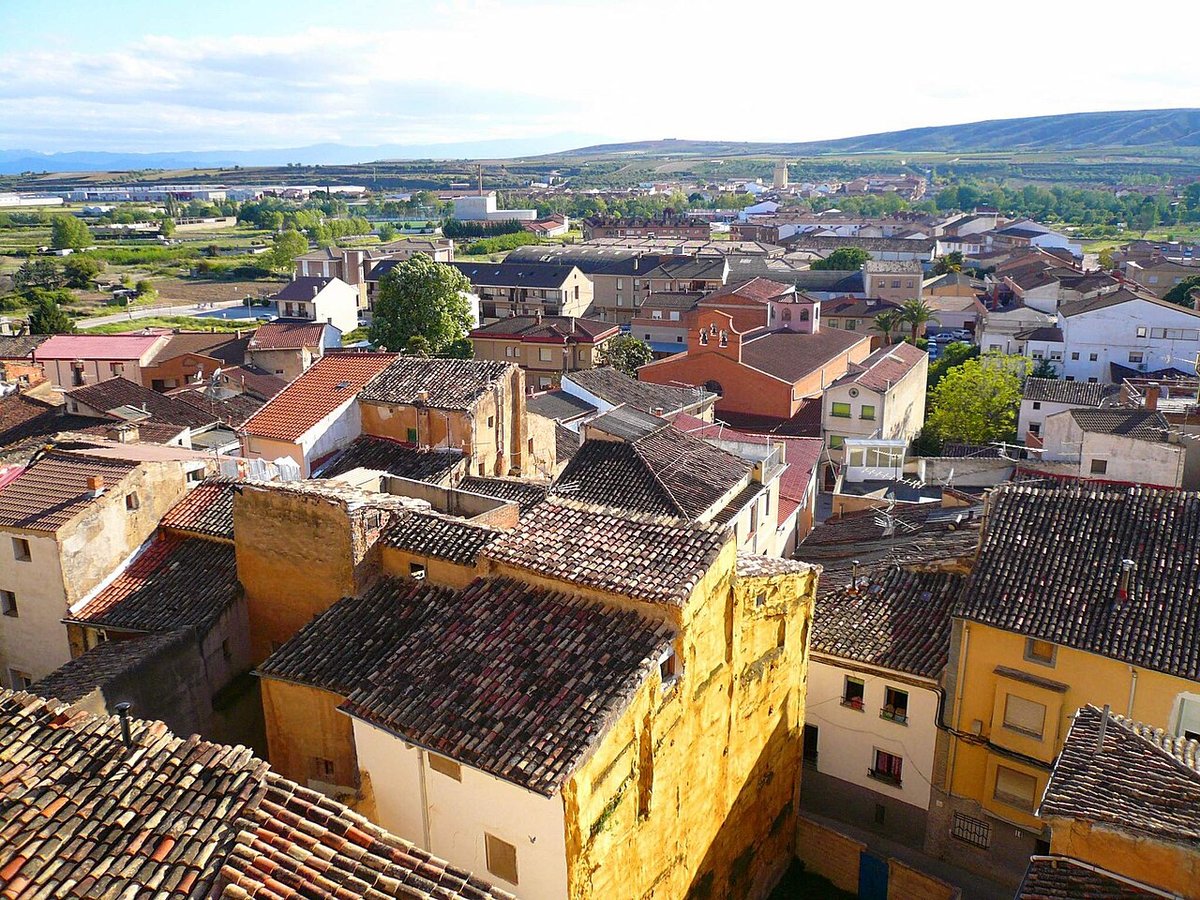
Hay pueblos que se entienden mejor desde lejos. Falces es uno de ellos. Desde la carretera, parece otro núcleo más de la Ribera, con su iglesia y sus casas apretadas. Pero todo cambia cuando subes. Arriba, junto a los restos del castillo, el pueblo encaja. Ves el meandro del Arga, los cortados de yeso y las huertas. De repente, aquel montón de tejados tiene una lógica geográfica clara.
Un castillo que es mirador
Al Castillo de los Moros se le ha caído casi todo menos las vistas. La subida arranca cerca de la ermita y en veinte minutos estás arriba. Es una caminata corta, de las que te despejan después de comer.
Lo que encuentras no es un monumento restaurado. Quedan trozos de torre y muro, suficientes para hacerse una idea. Lo que vale la pena está alrededor: la llanura agrícola, el curso verde del río abajo y el pueblo hecho un ovillo al pie del cerro. Desde aquí se ve por qué este sitio fue estratégico. No hace falta mucho más.
El río que lo parte en dos
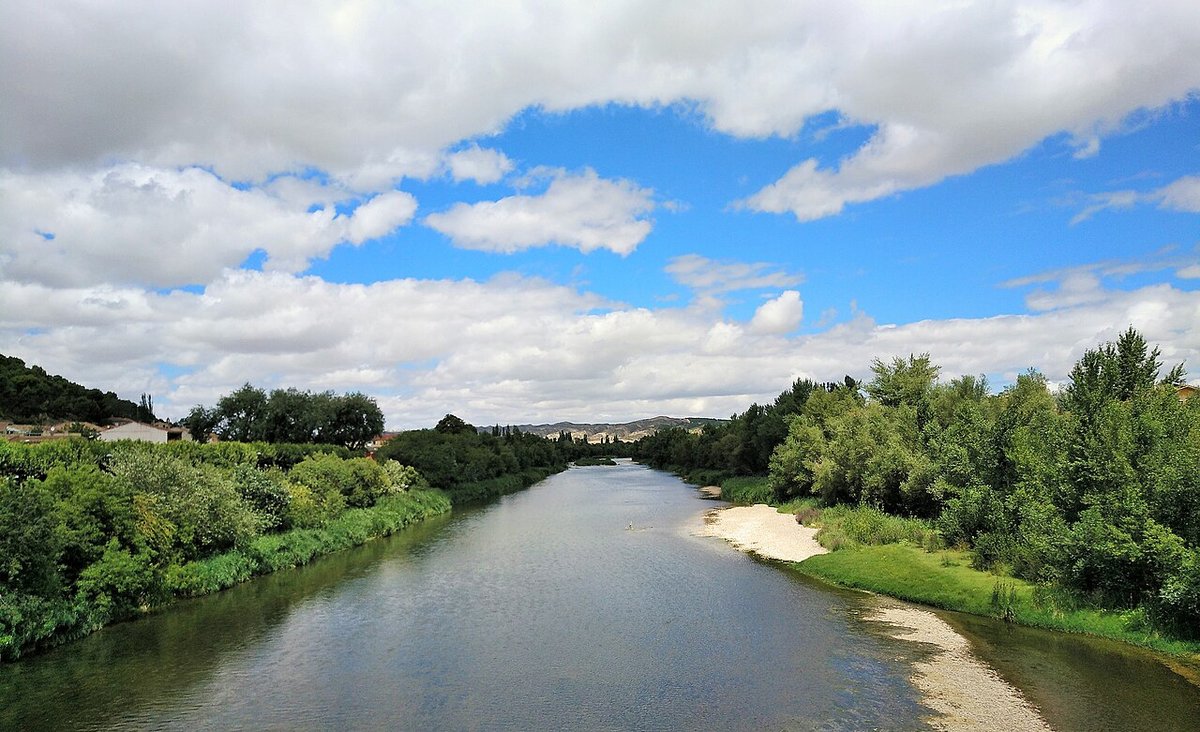
El Arga no pasa por Falces; lo define. Ha cortado un cañón en la roca, creando ese paisaje de barrancos que ves desde arriba. El nombre del pueblo, dicen, viene de falx (hoz en latín), por la forma curva del cauce.
Hay un sendero que sigue el río unos ocho kilómetros. Es ese tipo de camino discreto que descubres casi por casualidad. Tiene sombra intermitente, algún mirador sobre el desfiladero y el sonido del agua siempre presente.
Se puede ir en bici, pero el terreno es irregular. En algunos tramos hay piedra suelta y avanzas más lento de lo previsto. Los frenos acaban trabajando más de la cuenta.
La vida entre cosechas
Falces tiene unos 2.400 habitantes censados, pero el término municipal es enorme. La sensación es de mucho campo y poco casco urbano. Durante gran parte del año, el ritmo es pausado.
El verano lo altera todo. Como me dijo un vecino: "En julio llegan los primos". Muchas casas permanecen cerradas meses y de pronto se abren. Aparecen sillas en las puertas y huele a brasas al atardecer.
Eso se nota hasta para aparcar. En invierno no hay problema; en julio, durante sus San Fermines, puede complicarse. Es como llegar a un estadio medio lleno y buscar hueco.
Comer sin complicaciones
La cocina aquí va directa al grano. Platos contundentes, sin florituras ni presentaciones de revista.
El cordero al chilindrón es habitual. Está tierno y lleva una salsa a base de pimiento que pide pan para rematar bien.
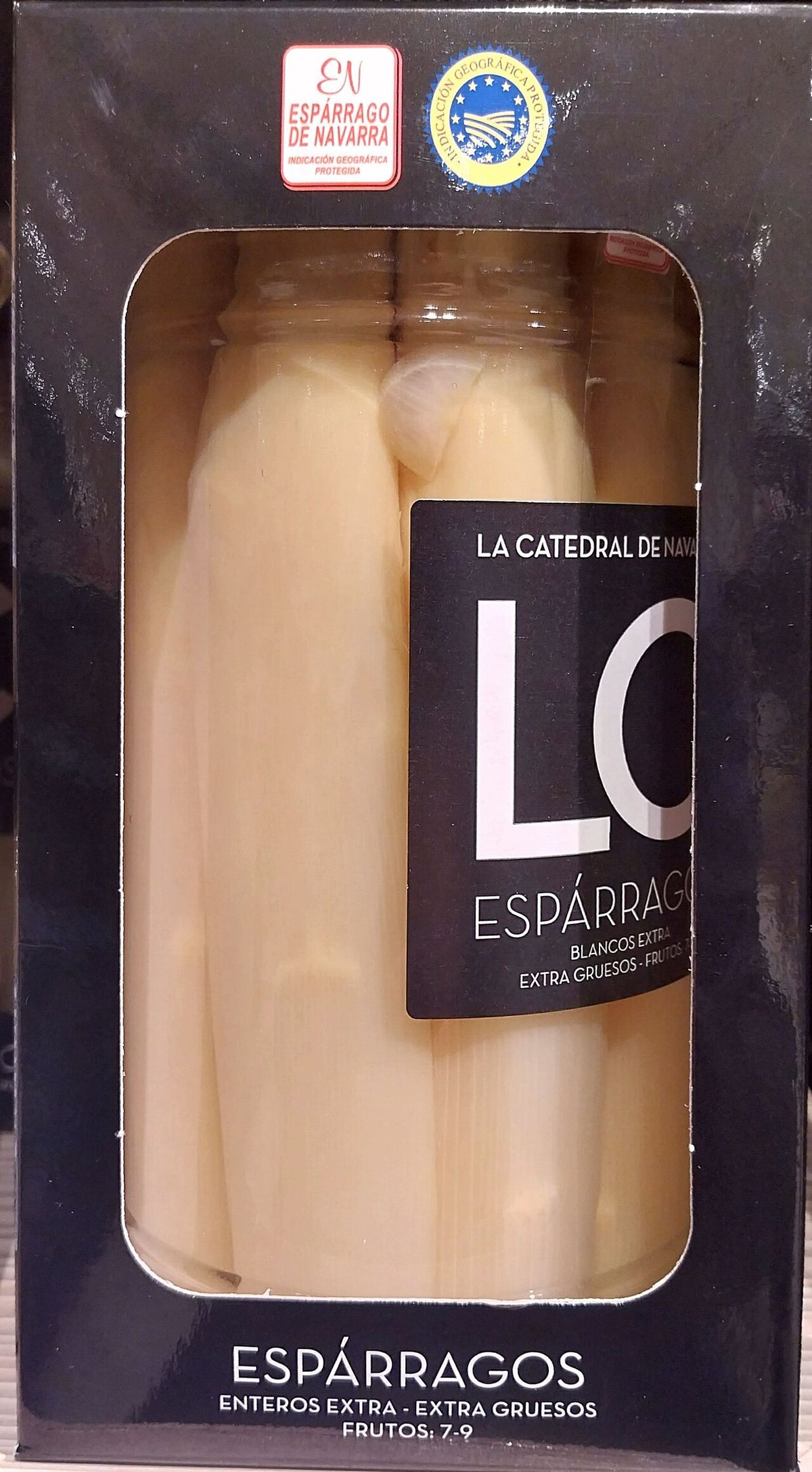
La zona es conocida por los espárragos blancos y por unos pimientos rojos que tiran a morado. Con ellos se hace el ajo de Falces, que no lleva ajo propiamente dicho sino esa pasta de pimiento.
De postre suelen poner tortas de Falces: planas, doradas y con almendra. Son como esas galletas que te sacan con el café en casa de un familiar; fáciles de comer sin darte cuenta.
Para beber, el rosado navarro funciona siempre: fresco y sin rodeos.
Fiestas cuesta abajo
En septiembre celebran la feria de la Virgen de Nieva. Lo más singular es el Encierro del Pilón: corto y con una particularidad importante: es cuesta abajo.
La imagen tiene su cosa: ver correr los toros pendiente abajo añade tensión extra al asunto.
Por la noche cambia el ambiente: música en la plaza charlas entre grupos que se conocen desde niños nombres peñas que suenan a chiste local Es fácil entrar en conversación; enseguida preguntan de dónde vienes como cuando entras en un bar pequeño donde no conoces a nadie
Cuándo ir y dónde dejar el coche
La primavera o principios otoño son probablemente los mejores momentos El río suele llevar agua los campos cambian color El calor verano puede ser intenso entre las paredes rocosas del cañón
Conviene aparcar antes cruzar puente principal por Avenida Ejército El centro histórico pequeño meterse coche dentro puede significar hacer maniobras estrechas callejones
Falces no busca impresionar Su valor está paisaje ritmo vida alterna entre meses tranquilos explosiones actividad Pasa tiempo junto río sube castillo lugar empieza cobrar sentido propio