Full Article
about Funes
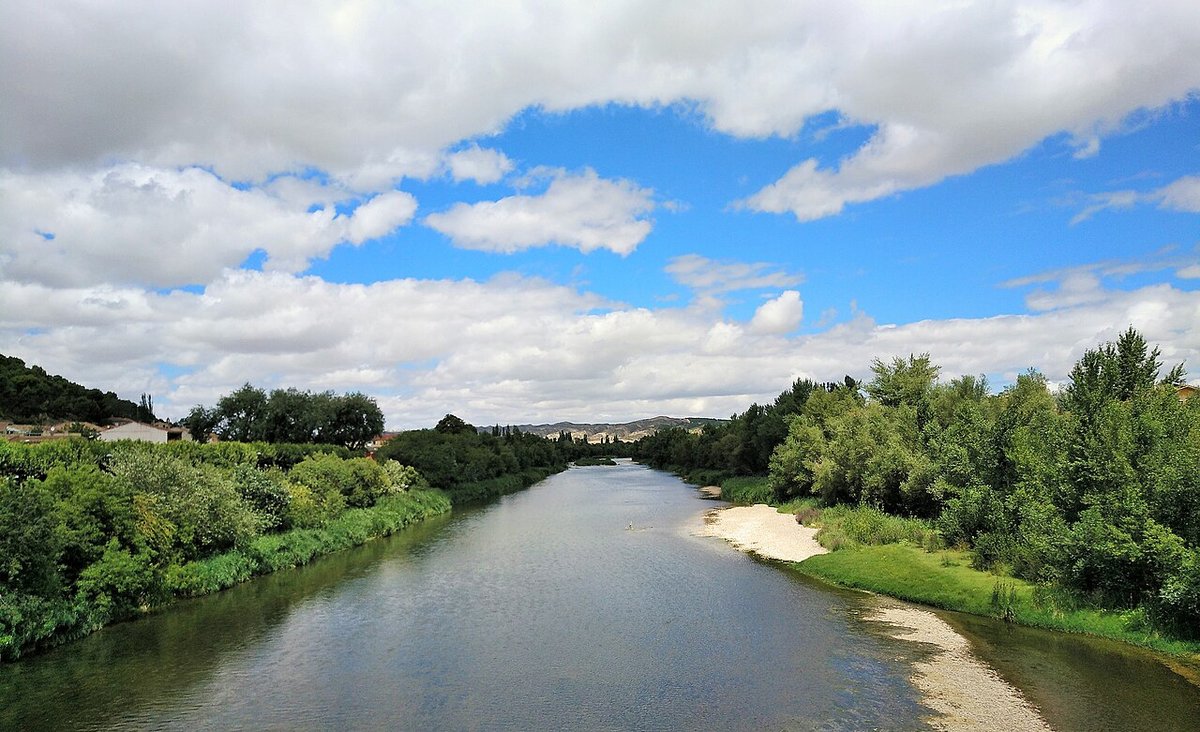
Located at the confluence of the Arga and Aragón rivers; known for the Barranco de Peñalén and its agriculture.
Hide article Read full article
Funes, el vecino que no te invita a pasar
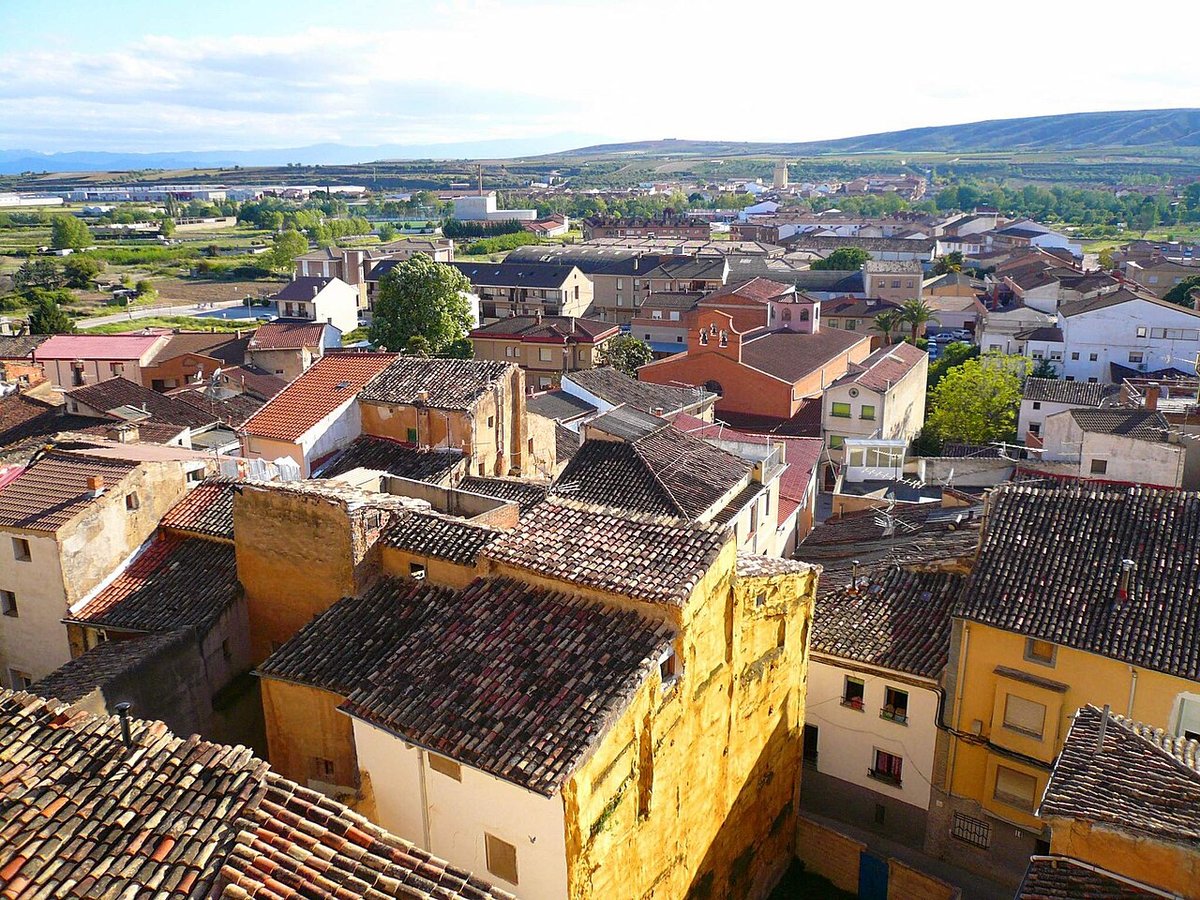
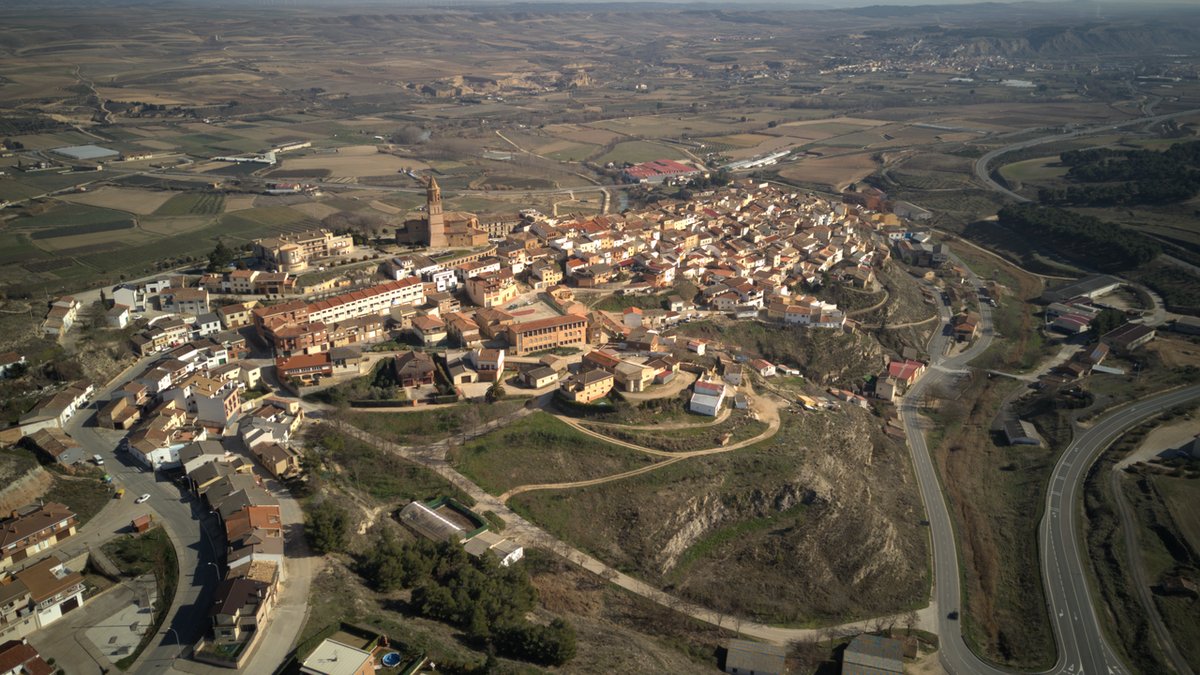
Funes es como ese vecino tuyo que siempre te saluda desde la ventana, pero nunca te abre la puerta. No es un pueblo que vaya a deslumbrarte. Está ahí, en la Ribera Alta, pegado al Ebro y rodeado de las huertas que le dan de comer. La vida pasa a otro ritmo, el de quien riega al amanecer y recoge al atardecer.
No es la Navarra de postal. Es la Navarra que trabaja mientras los coches pasan por la carretera sin frenar. Y tiene su punto, precisamente por eso.
La torre que se coló de otra película
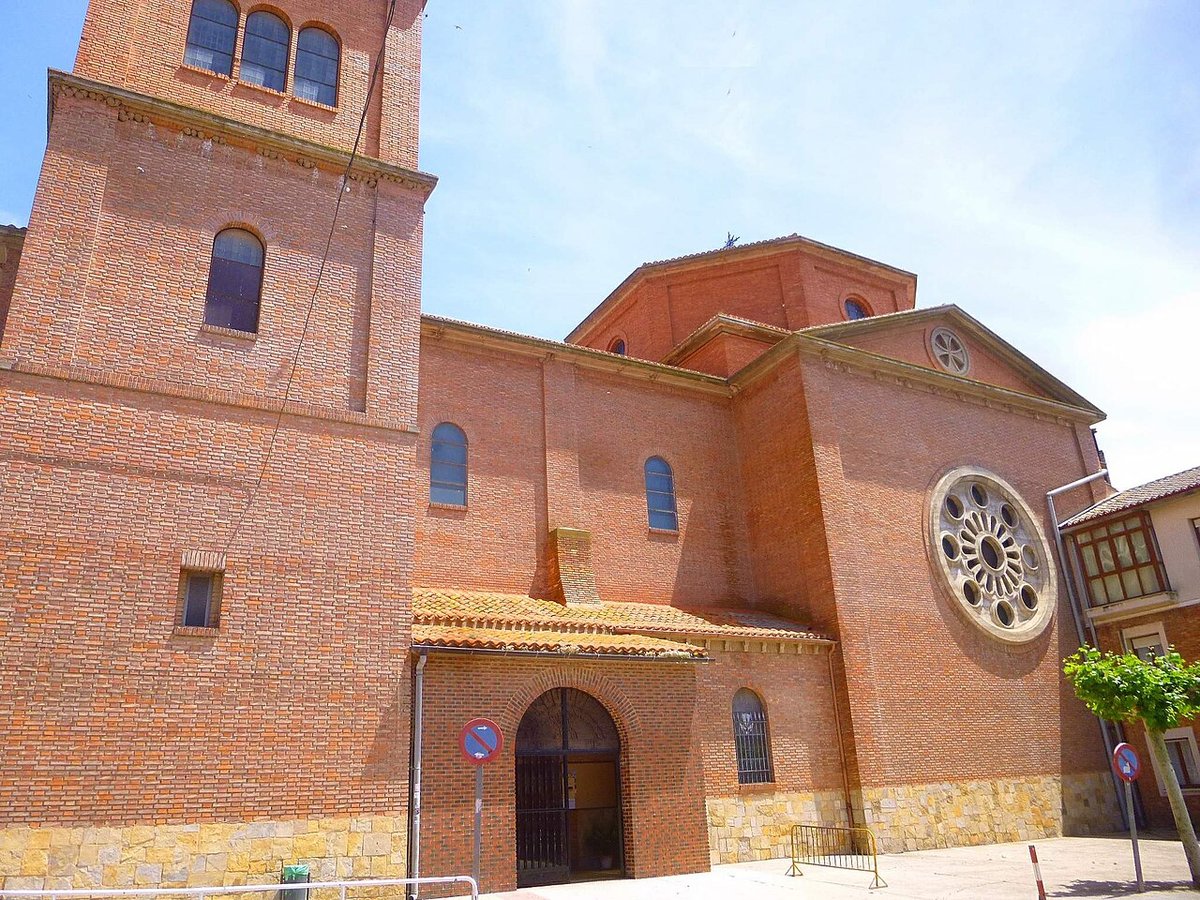
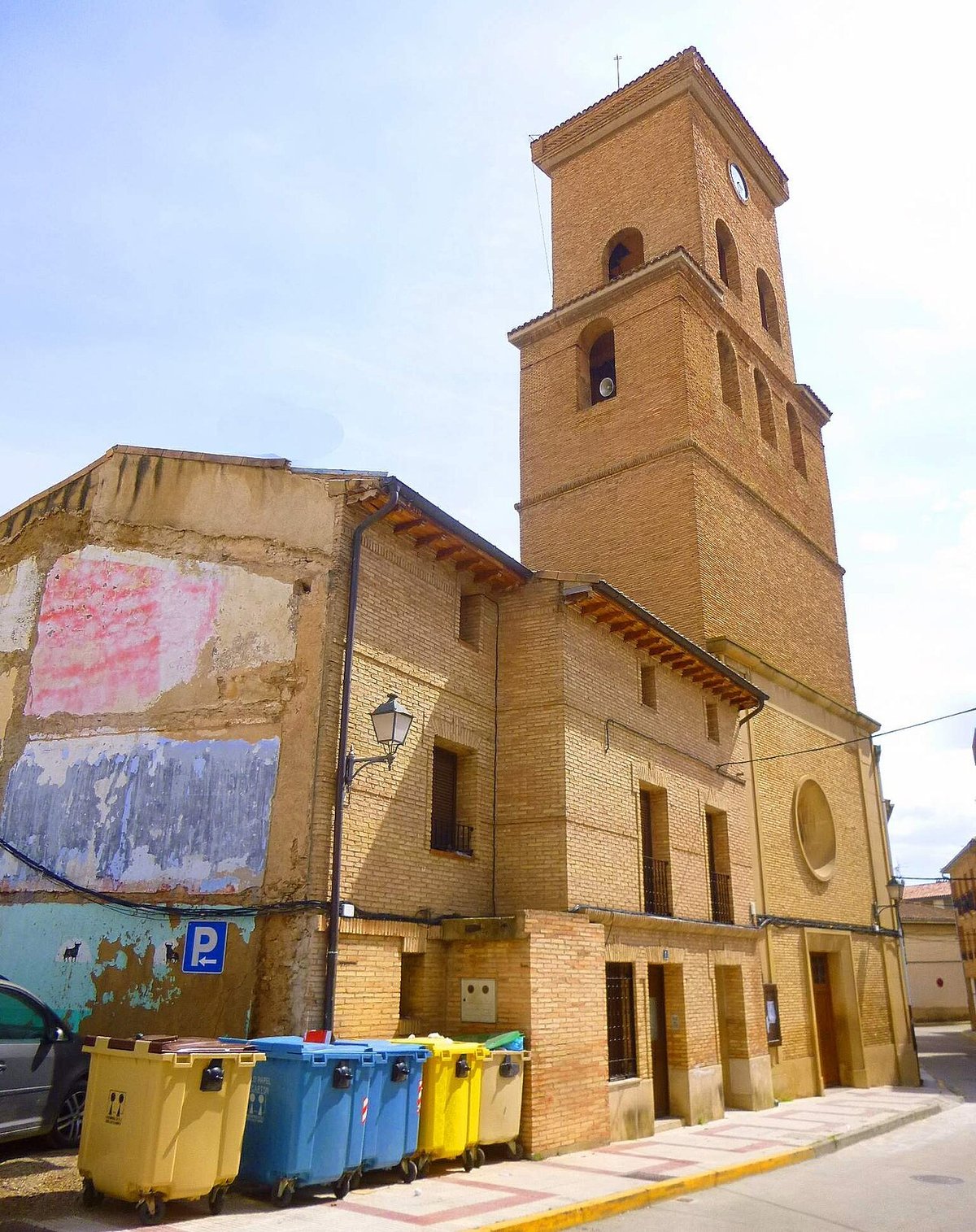
Lo primero que llama la atención en Funes es la torre de la iglesia de Santiago Apóstol. Tiene un aire que no cuadra, como si un pedazo de Sevilla se hubiera escapado y viniera a parar aquí. La llaman “La Giraldilla”, y cuando la ves entiendes por qué.
Es barroca, del siglo XVII, y ese estilo andaluz choca con el paisaje navarro. No es enorme, pero basta para que al entrar al pueblo mires dos veces.
Dentro, la iglesia es lo que esperas: retablo, bancos de madera, silencio y ese olor a cera de toda la vida. Lo que importa está fuera. La torre se ve desde casi cualquier calle y acabas usándola para orientarte, como el reloj de la plaza en otros sitios.
El barranco donde cayó un rey
A unos kilómetros del pueblo está el barranco de Peñalén. Aquí pasó una de esas cosas medievales que parecen inventadas: en el siglo XI mataron al rey Sancho Garcés IV tirándolo por el precipicio.
Hoy el ambiente es más tranquilo. Se puede subir en coche hasta un mirador y ver cómo el Ebro se abre paso entre los cortados. El paisaje impone, sobre todo si te asomas con cuidado.
Los días claros se ven las llanuras de la Ribera, y hacia el sur el terreno se seca, anunciando las Bardenas. La gente del campo usa a veces la sombra del barranco para saber cuándo parar: cuando llega a cierto punto, es hora. Es una forma de medir el tiempo sin mirar el móvil.
Piedras viejas sin cartel explicativo
Por el término municipal hay restos arqueológicos romanos y medievales. El problema es encontrarlos. No suelen estar señalizados.
Si preguntas, te darán indicaciones vagas: “por ahí arriba hay cosas”. En la práctica, si te interesa de verdad necesitas ir con alguien que conozca o investigar antes. Si no, puedes toparte con un muro viejo y no saber si es romano o parte de un corral abandonado.
Tiene su parte buena: aquí no han montado un parque temático para sacar fotos. Las piedras están donde siempre estuvieron.
El puchero famoso (pero en casa)
En algunas guías mencionan el puchero de Funes como plato tradicional. Puede crearte expectativas. La realidad es más simple: sigue siendo una comida casera.
Se hace, pero en las cocinas familiares. Las recetas pasan de abuelas a nietas y casi nunca llegan a las cartas de los bares. Si no conoces a nadie en el pueblo, difícilmente lo probarás. Lo normal es que acabes comiendo otra cosa.
No es malo. En Navarra se come bien casi por defecto. Solo conviene no llegar buscando ese plato local único en cada esquina.
Una parada corta y sin prisa
Funes funciona mejor como una pausa en el camino que como destino para todo el día. Pasear por el centro, ver la torre y subir al mirador del Peñalén te da una idea clara del lugar. En un par de horas lo has visto.
Desde Pamplona se tarda algo menos de una hora en coche, según la ruta. Hay transporte público, pero los horarios no son lo más práctico para una visita rápida.
El tiempo aquí pasa lento. Un café en la plaza, un rato quieto mirando las huertas, y suele ser suficiente. Funes no intenta impresionar a nadie; sigue con su vida entre campos, regadíos y el Ebro cerca. A veces ese ritmo sosegado se agradece más de lo que crees