Full Article
about Lodosa
Capital of the Pimiento del Piquillo; a riverside town with a strong identity
Hide article Read full article
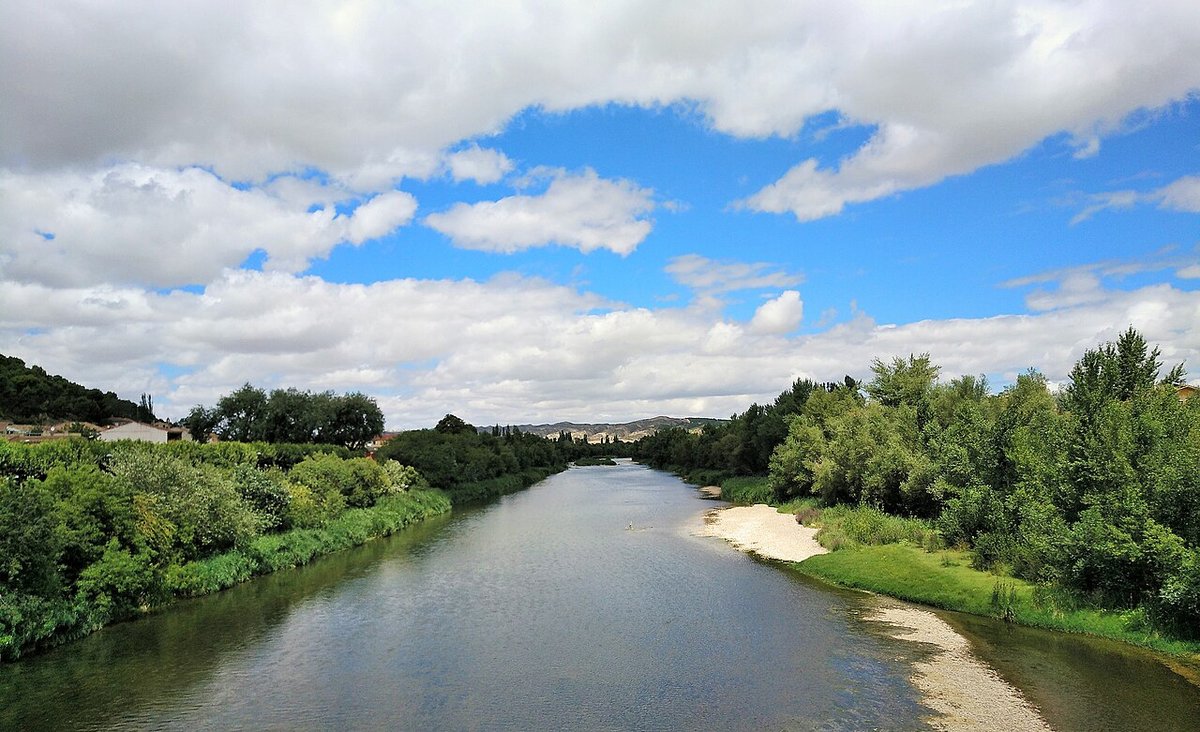
The Ebro at Lodosa
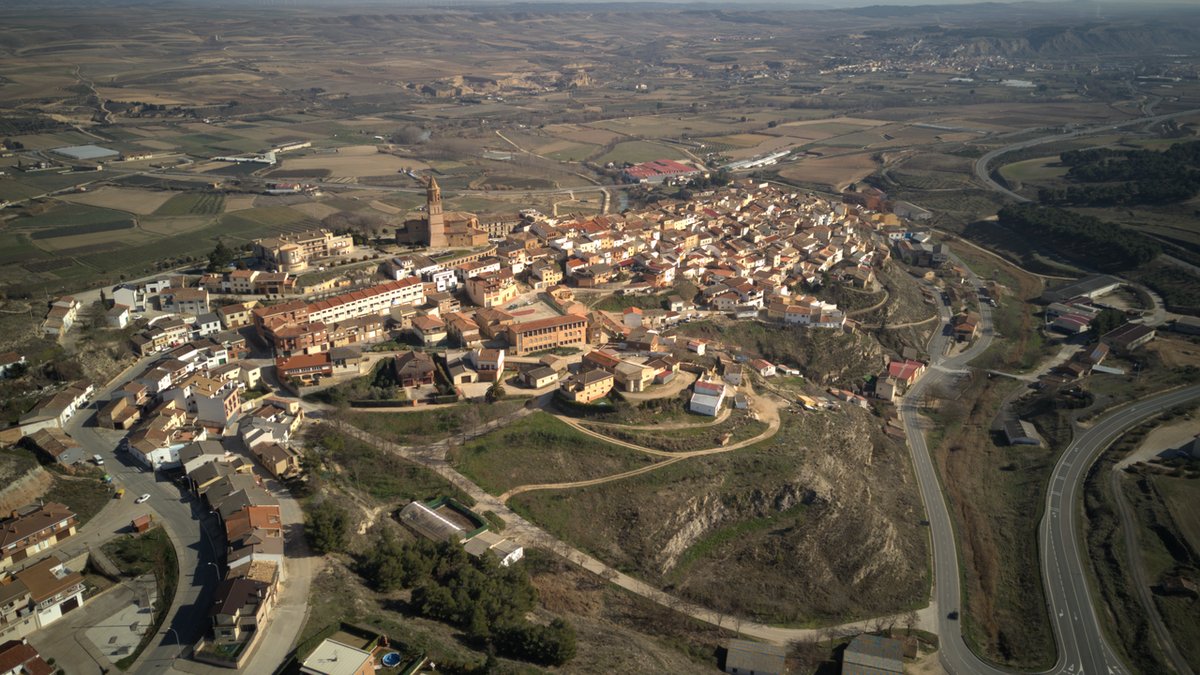
The geography of Lodosa is determined by a single fact: it sits where the Ebro, having left the Cantabrian mountains, slows and widens across the plain. The river’s presence is not scenic backdrop; it is the reason for the town’s location and, for centuries, its economy.
Crossing it was the main challenge. The stone bridge built in the 18th century to span the channel replaced a much older ford, a natural crossing point on the route between Navarra and La Rioja. Its substantial arches speak to the force of the water. A local saying persists: “de Reinosa a Tortosa, puente fuerte, el de Lodosa.” It was a statement of necessity, not pride.
An economy of water and soil
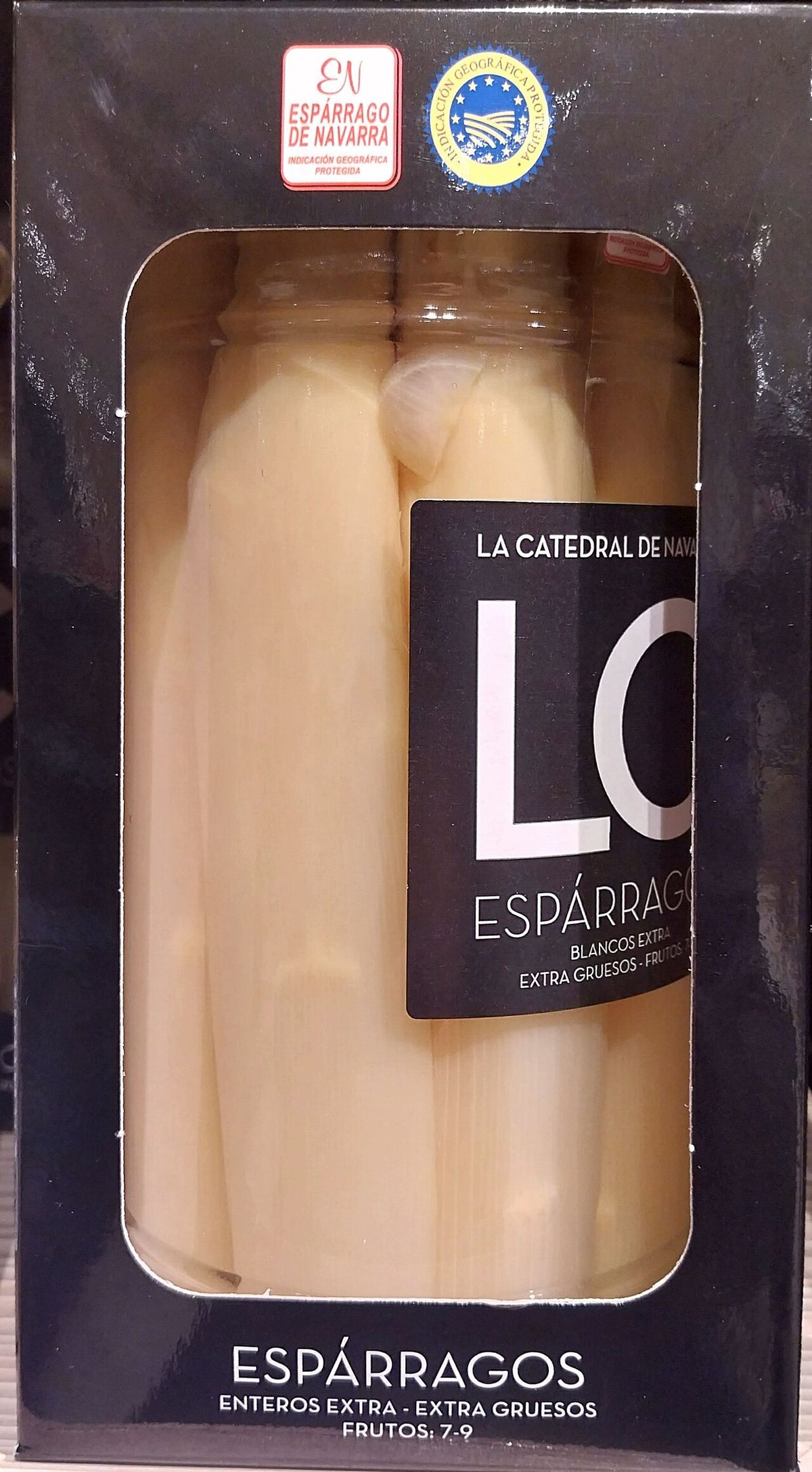
The river’s gift is irrigation. The light, fertile soils of its banks have long been used for intensive cultivation. White asparagus is the most famous product, with its cultivation formally organized under the Navarra designation in the late 20th century, though its history here is older. Improved transport in the 19th century turned local harvests into a regional trade.
The other crop is the pimiento del piquillo de Lodosa, with its own protected status. These are small, triangular peppers meant for roasting, not eating raw. The traditional method involved wood-fired ovens before they were preserved for winter. In local cooking, they often appear as a preserve or simply roasted, served with meat or in stews.
The cuisine follows the harvest. When asparagus is in season, it is on the table. When pochas—those fresh beans harvested before drying—arrive, they are typically stewed with garden vegetables. The menu is a direct reflection of the agricultural calendar.
Layers of passage
Lodosa exists because it was a crossing. Evidence of Roman activity is found in the area, including the remains of an old water conduit on the outskirts, sometimes referred to as a Roman aqueduct. It is not a monumental site, but it indicates sustained settlement along this corridor.
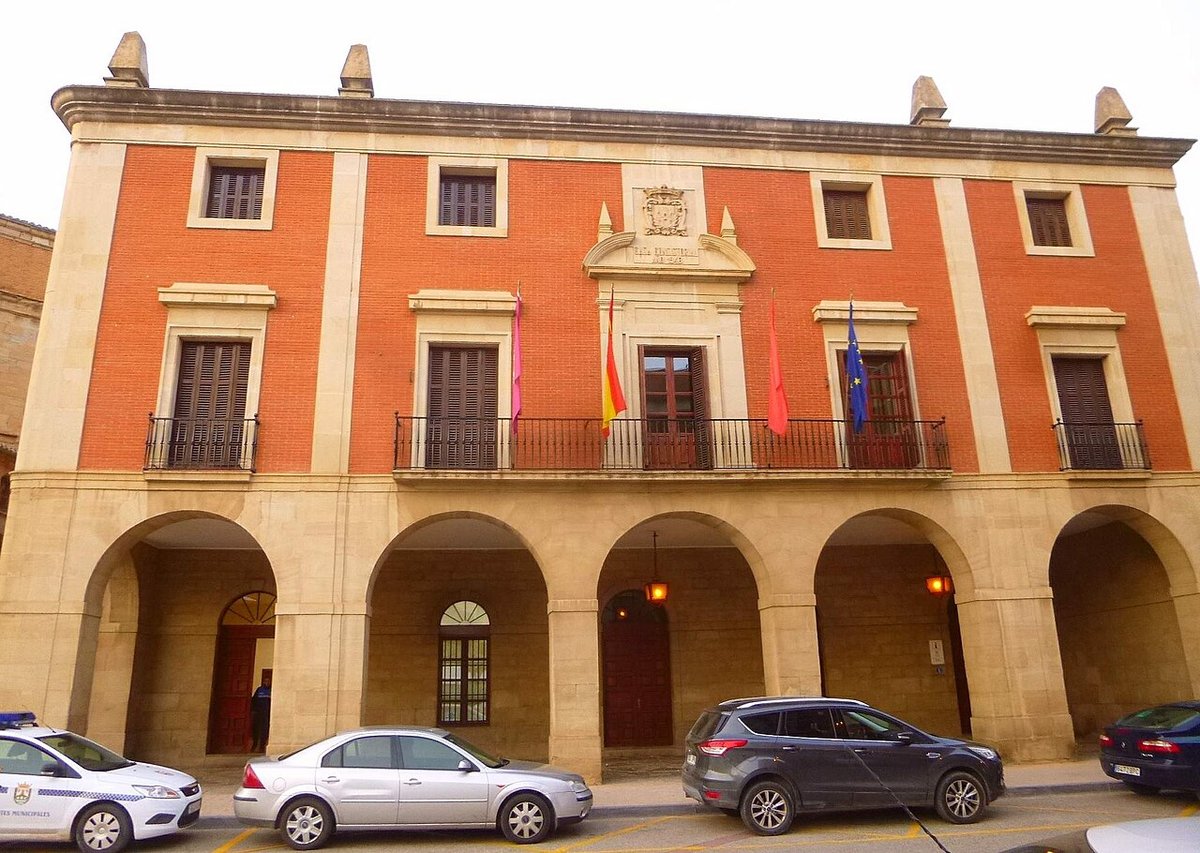
Later, the town became a señorío. In the early 17th century, Juan de Mendoza y Navarra was named Count of Lodosa. The palace associated with that title still stands on the road to Calahorra—a sober building of stone with heraldic shields on its façade.
Scattered through the streets, particularly on Calle Mayor, are houses from the 16th and 17th centuries. One has a pointed-arch doorway and a wooden balcony. These buildings are not restored monuments; they are part of the town’s fabric, showing how it developed over time.
San Miguel and the view
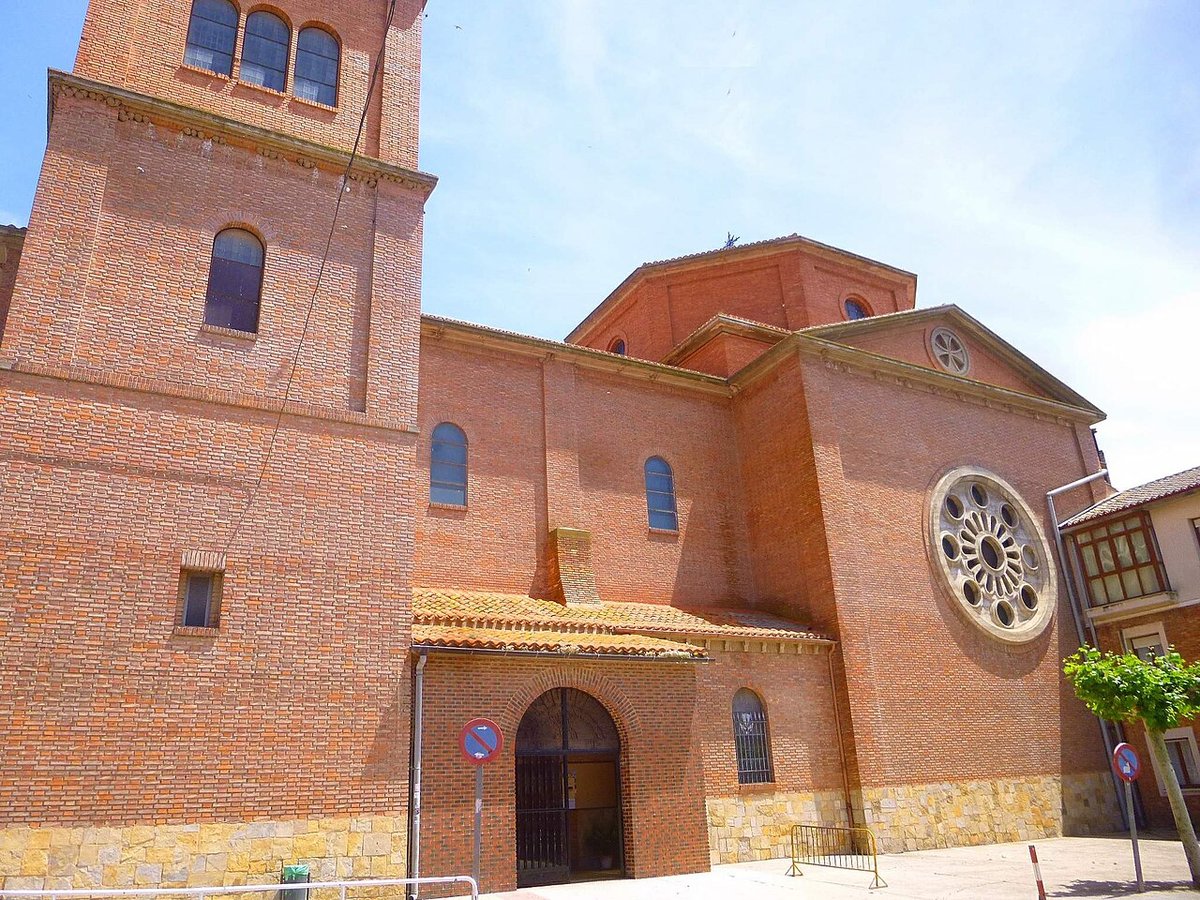
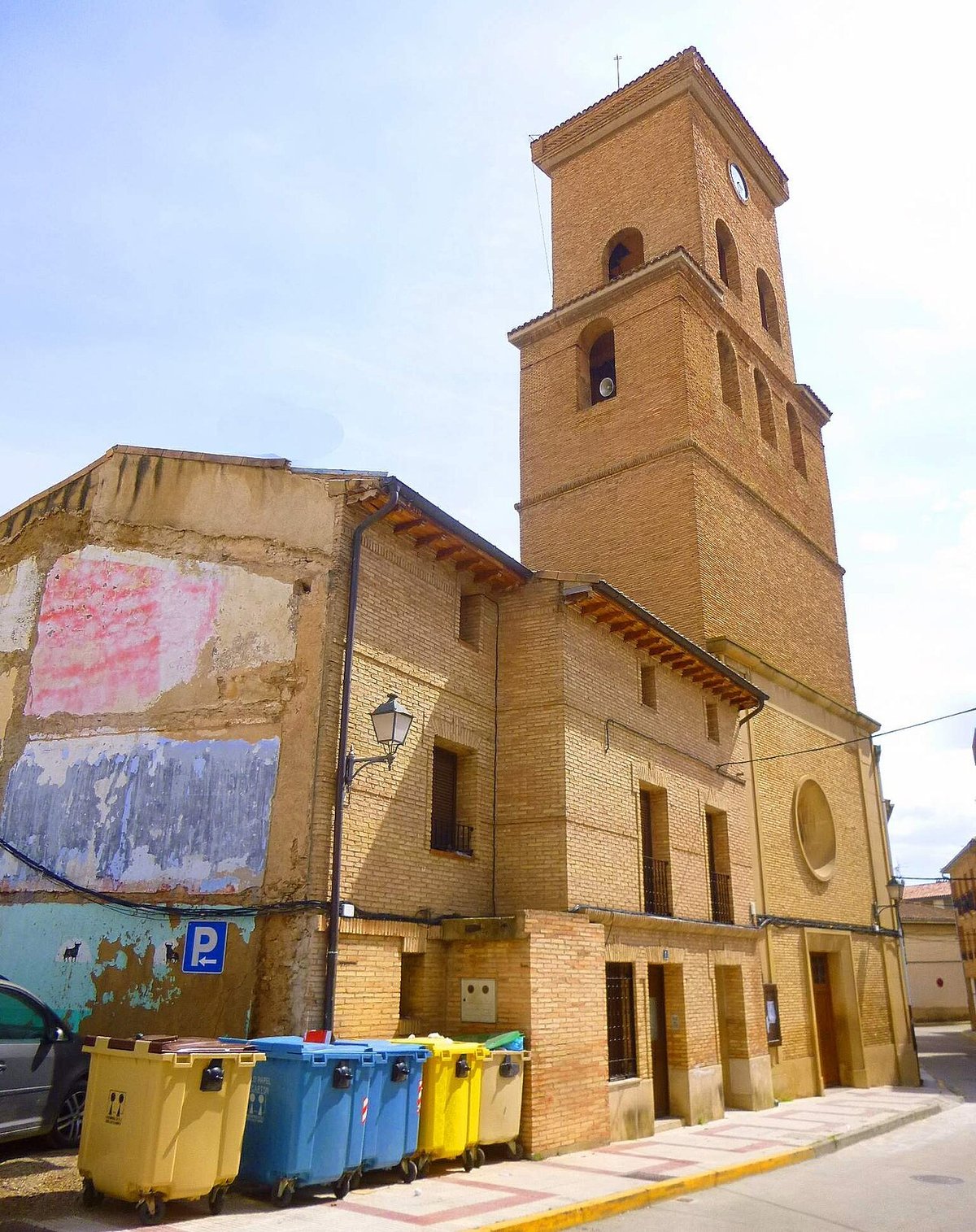
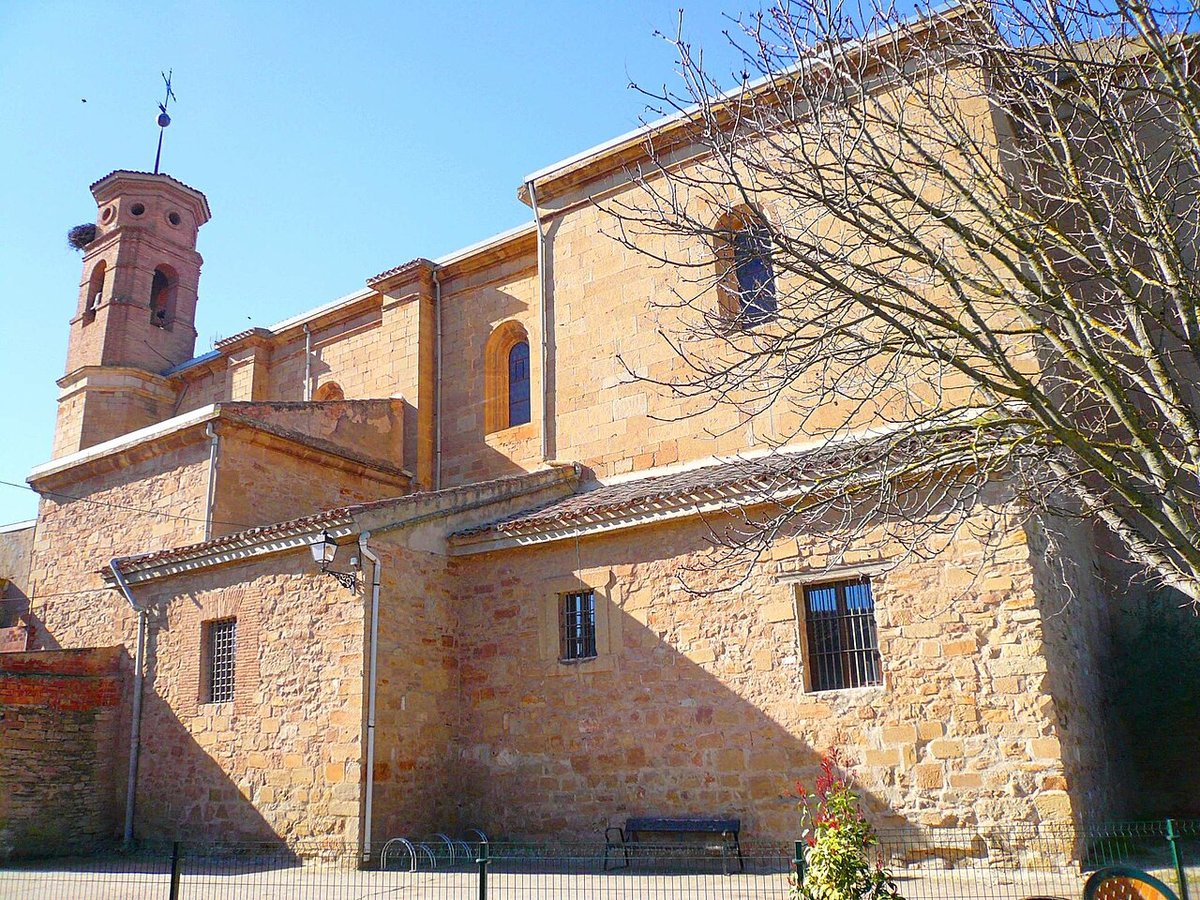
The church of San Miguel occupies the high ground. Its construction began in the 16th century and continued in phases, as was common. The tower blends late Gothic and Renaissance elements.
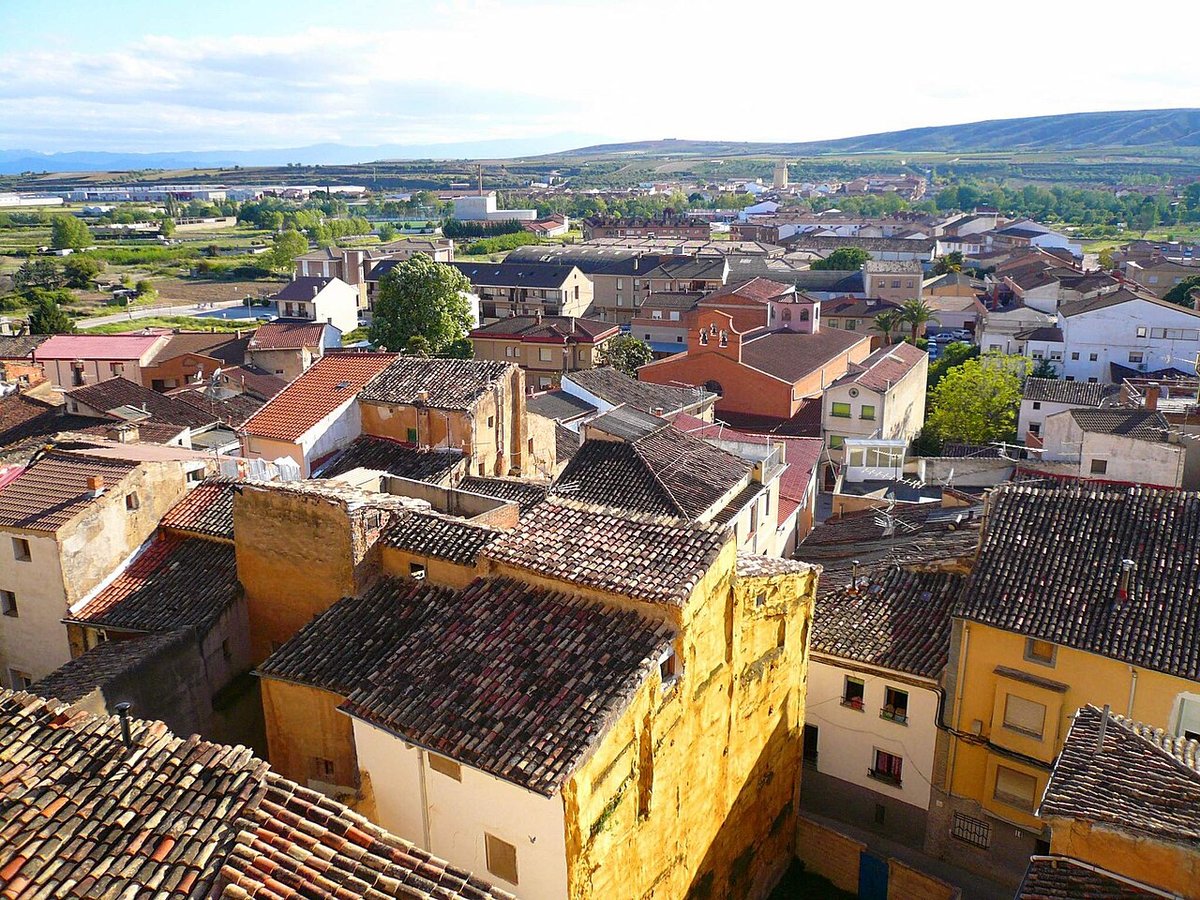
The interior holds a Baroque altarpiece of modest size. The building’s primary interest is its position. From the atrium, you see the entire relationship: the town clustered below, the bridge spanning the Ebro, and the routes converging on it. For centuries, this vantage point had strategic value.
A corridor in wartime
The Ebro valley was a route for armies during the War of Independence in the early 19th century. Lodosa saw guerrilla actions against Napoleonic troops, connected to the operations of leaders like Espoz y Mina across Navarra and La Rioja.
Another local figure from that turbulent period was Joaquín Romualdo de Pablo, known as Chapalangarra. A military man involved in the liberal movements of the early 19th century, he is remembered here more than elsewhere. These are not major historical episodes, but they linger in local memory.
The bull with a rope
During the September festivities for the Virgen de las Angustias, the Toro Ensogado takes place. A bull is led through the streets with a rope tied to its horns, guided and restrained by a team of young men.
The tradition is not medieval. It dates from around the mid-20th century, developed as an alternative to other bull-related events. It has since become a signature of the local fiesta, and like many such customs, it is discussed and debated.
On foot
You can walk Lodosa in a morning. Start at the bridge to understand the geography. Then follow the rising streets up to San Miguel to see the layout from above.
From there, a walk through the centre reveals those older houses. A turn towards the Calahorra road passes the old palace. There is no prescribed route. The point is to walk slowly, with the Ebro always in mind as the constant feature shaping everything around it.