Full Article
about Marcilla
Famed for its striking brick Gothic castle; a lively town of farming and industry.
Hide article Read full article
A fortress that defines the place
Tourism in Marcilla usually begins, and almost always circles back, to its castle. It was not built to impress. It was built to control. In the early 15th century, during the reign of Carlos III el Noble, the fortress passed into the hands of Mosén Pierres de Peralta with a clear purpose: to watch over the crossing of the Aragón river and secure this stretch of the Ribera, the southern, more agricultural part of Navarra.
Today, approaching from Pamplona, the outline of its crenellated towers still dominates the view. It also marks a shift in landscape. Here, Navarra leaves behind the greener, wetter valleys of the north and opens out into flatter, irrigated land shaped by farming. The castle sits right at that transition, both physically and historically.
The castle that refused to vanish
Marcilla’s story is often told through its castle, especially because of an episode that survives in both local tradition and some written records. After the Kingdom of Navarra was incorporated into the Crown of Castile in the early 16th century, many fortresses were ordered to be dismantled. In Marcilla, Doña Ana de Velasco, connected to the family that controlled these lands, managed to halt the demolition.
The scene has been repeated in local memory for generations: the lady of the castle standing up to royal envoys to prevent the building from being reduced to rubble. The exact details may vary depending on the version, but the outcome is clear. The castle remained.
Its survival shaped the town. Houses gradually spread around its walls, and over time the fortress lost its military role and became a noble residence. The interior was altered little by little to suit that new function. In its courtyard, objects linked to the family of the Marqueses de Falces were kept for centuries. Among them, according to tradition, was the sword Tizona, associated with El Cid, now preserved in Burgos.
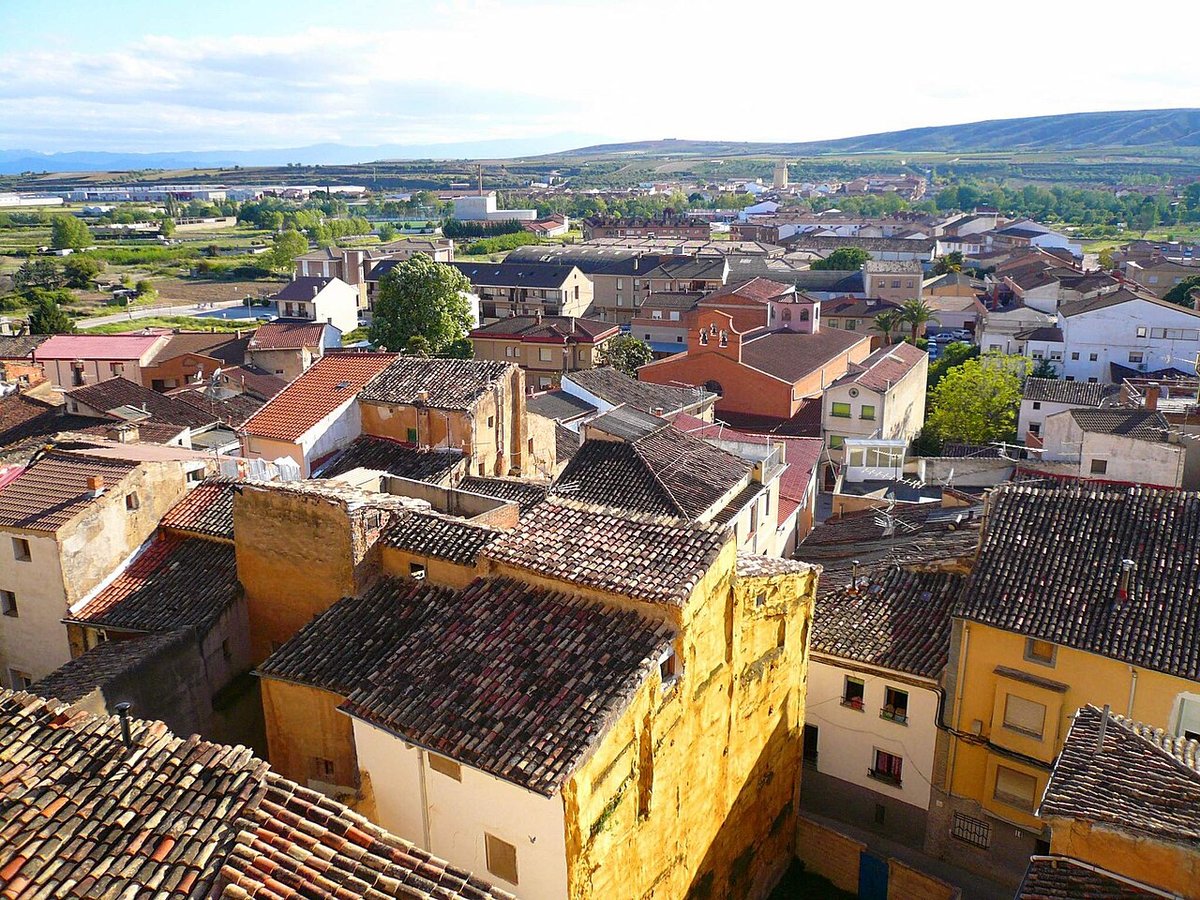
Marcilla has grown more than many other towns in the Ribera. During the 19th and 20th centuries its population increased steadily, reaching close to three thousand inhabitants today, which is relatively uncommon in rural Navarra.
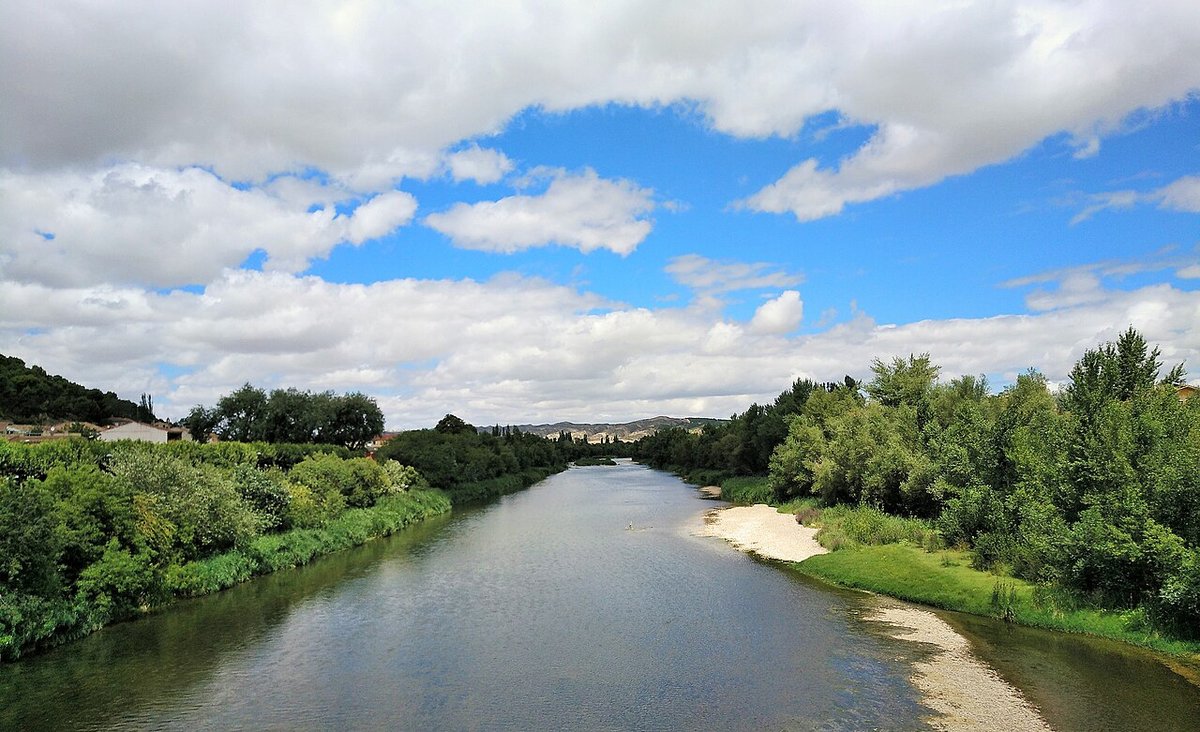
Between the Arga and the Aragón
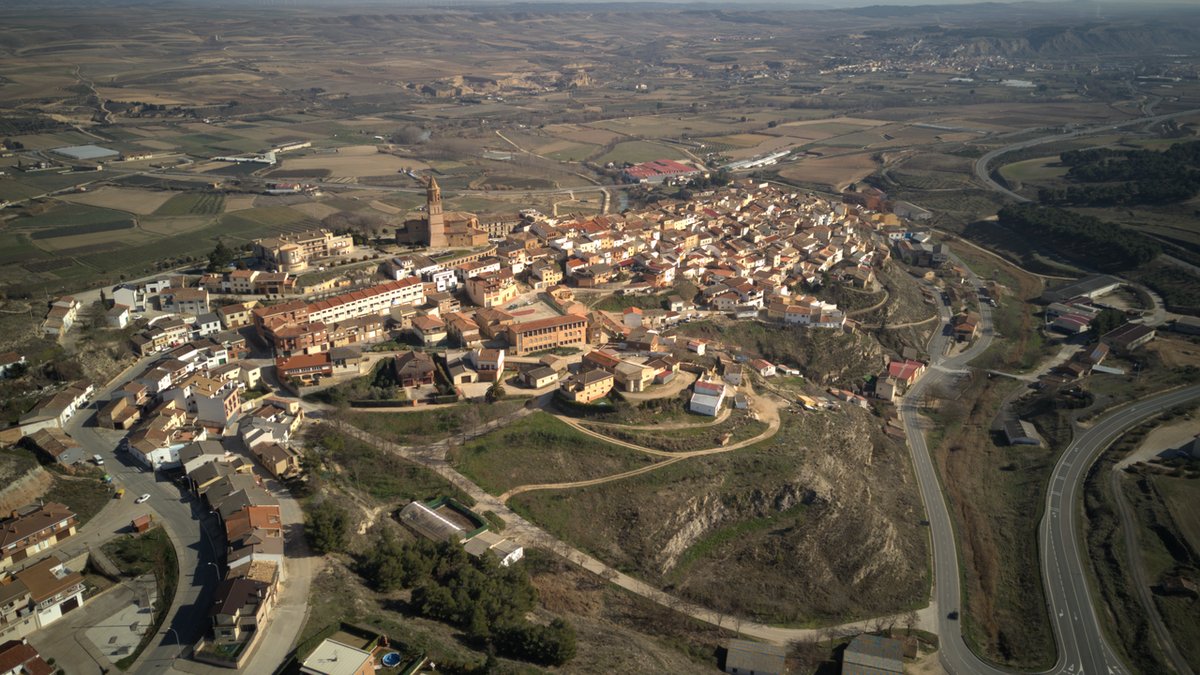
Marcilla makes more sense when seen on a map. It lies close to the point where the Arga meets the Aragón, in a plain where water is as decisive as climate. The surrounding landscape reflects the logic of irrigation in the Ebro valley: rows of poplars, channels of water, long खेत-like plots and agricultural tracks that follow the lines of canals.
A short distance from the town centre there are small rises in the terrain that offer a clear view of this layout. From these points, the castle stands out again as a visual anchor, and its strategic position becomes easier to understand. It occupies slightly higher ground, allowing control over roads, rivers and fields. For centuries, whoever held this position had a degree of control over movement between the interior of the peninsula and the north.
The Augustinian convent
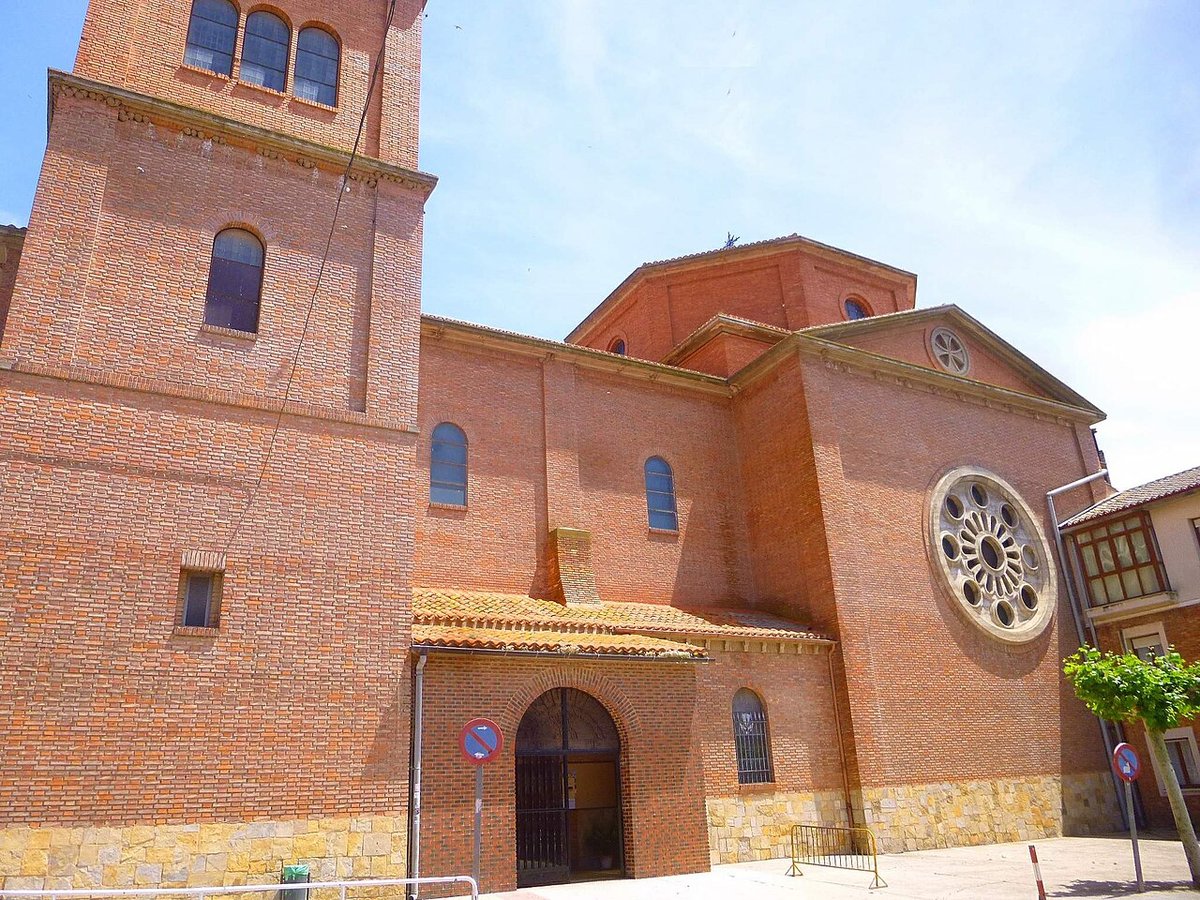
On higher ground within the town stands the former convent of the Augustinian Recollects. Built in brick, the complex appears large for the size Marcilla would have had when it was constructed, probably in the 18th century. Its church preserves Baroque altarpieces, while the cloister reflects the restrained style typical of convent buildings in the Ribera.
For a long time, the friars played a significant role in local life. They were involved in education, religious practice and cultural activity more broadly. Inside the building there is also a small collection of objects brought from the Philippines by missionaries of the order, a reminder of the historical links between Spanish religious communities and the archipelago.
Walking through Marcilla
Marcilla is easy to explore on foot. A natural starting point is the area around the castle, then a gradual descent along Calle Mayor, where the structure of the old enclosure can still be sensed. Very little of the defensive system remains, though one of the traditional प्रवेश points is the Arco de San Blas.
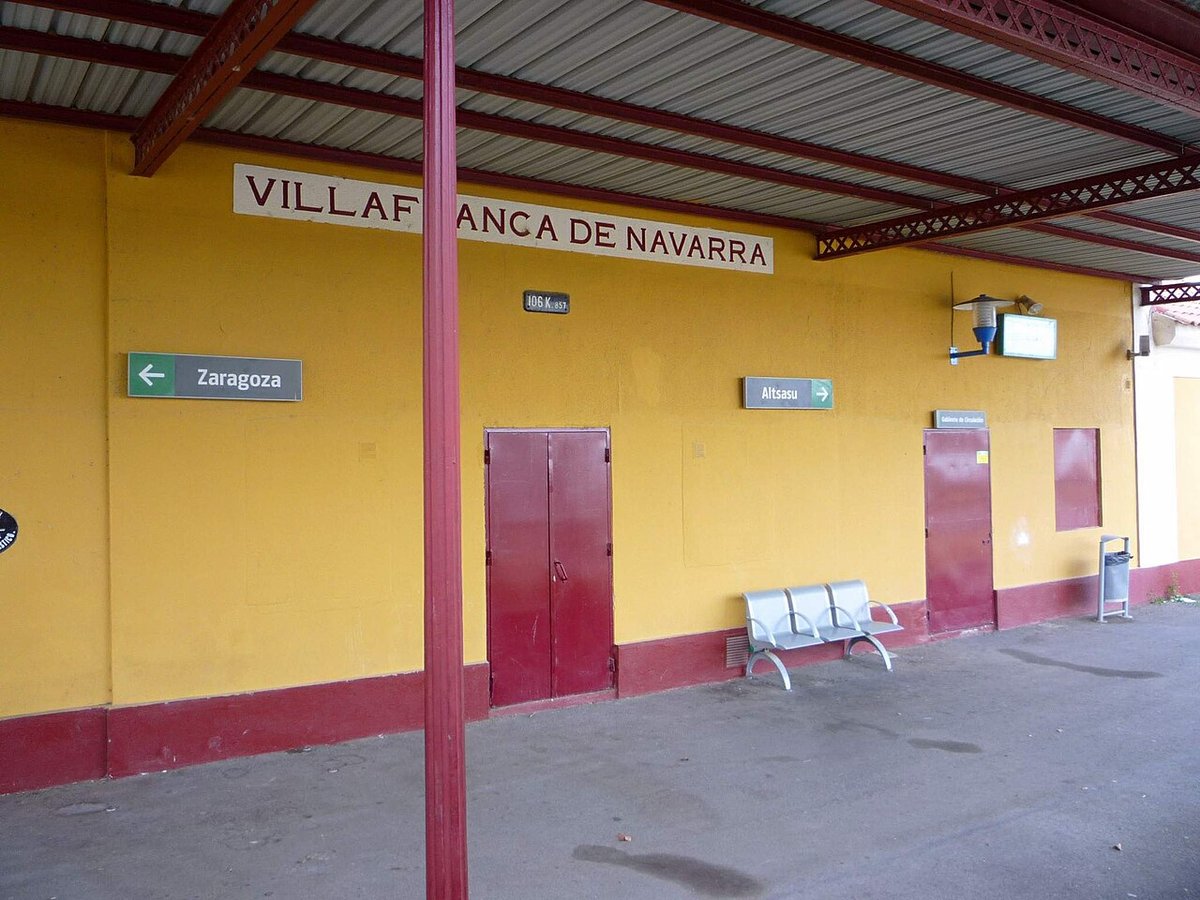
Further down, the town shifts into a more recent phase of its development. The area known as the Barrio de la Estación recalls the railway that operated here until the mid-20th century. The tracks are gone, but some of the buildings connected to that line still form part of the urban landscape.
Beyond the town, the surroundings are well suited to walking or cycling along agricultural paths. In autumn, when the leaves begin to fall from the poplars and the vegetable gardens are still active, the character of the irrigated land becomes especially clear. Smoke from pruning fires drifts across the fields, tractors move along the tracks, and plots remain in use. It is the same agricultural system that has sustained Marcilla for generations.