Full Article
about Mendavia
The town of designations of origin; fertile land that produces wine
Hide article Read full article
A town you smell before you see
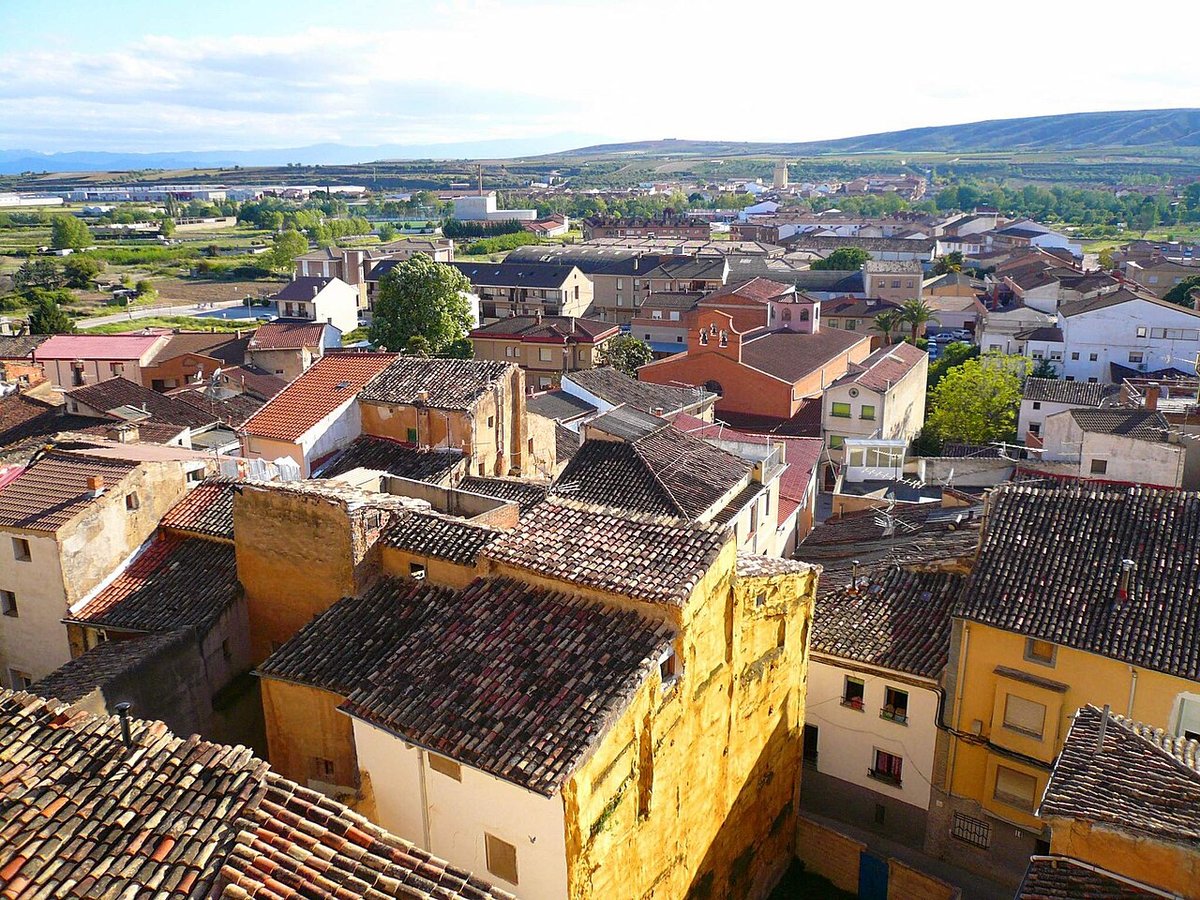
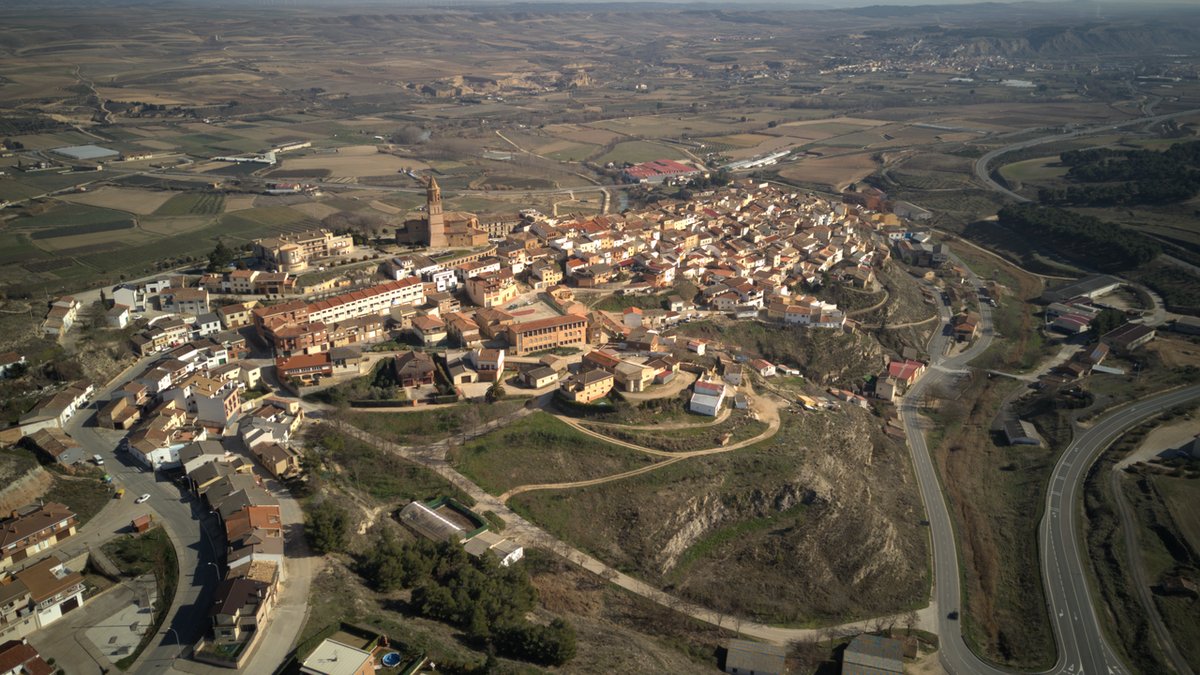
By early evening, the scent of artichoke arrives before Mendavia itself. It drifts across irrigated fields, mixed with the dry dust of September and the steady rattle of lorries returning from the cooperative. The town then comes into view among cereal crops and beet fields, a cluster of low houses with red-tiled roofs that seem to rise straight out of the fertile soil of the Ega valley.
This close relationship between land and settlement shapes everything here. Mendavia does not sit apart from its surroundings. It feels grown from them, as if the same earth that produces vegetables and wine has also shaped the streets and buildings.
The smell and taste of what is grown
On Tuesday mornings, the Plaza Mayor fills early with a market that takes over the space. Older women press peppers gently with their fingertips, checking their firmness, while others inspect lettuce hearts with quiet concentration. Stalls are piled with freshly cut vegetables and strings of cured meats that sway slightly when a breeze passes through the square.
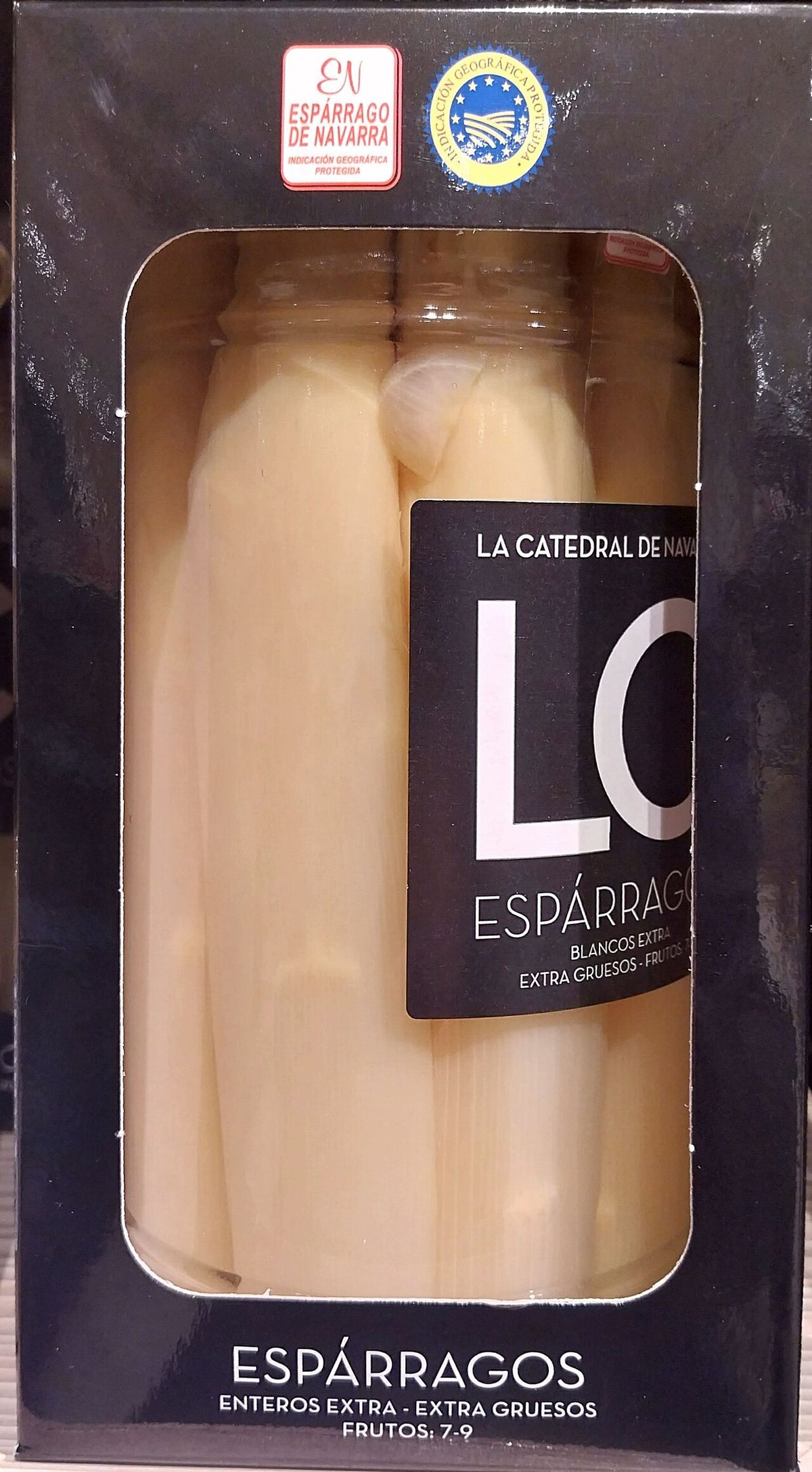
Food here is not abstract. It is something you smell first, then taste, often within a few metres of where it was grown. Products recognised across Navarra for their origin appear side by side: olive oil, asparagus, peppers, wine, artichokes. Many come from the market gardens that begin almost at the edge of the last street, flat plots stretching outward from the town.
In one of the bars on the square, with its worn terrazzo floor, the kitchen often sends out the smell of menestra. This is a traditional vegetable stew common in the region. It is not presented as a refined restaurant version but as something closer to a home kitchen: green beans, artichoke when in season, potatoes, a little ham, and olive oil produced locally. Each vegetable is added at the right moment rather than all at once. There is no rush in the preparation, and that pace carries into the way people eat and gather.
Streets that end in soil
Mendavia has no clearly separated districts or outlying hamlets. The town simply stops, and the cultivated land begins almost immediately. From certain streets, you can look straight out onto dark furrows of soil and irrigation systems catching the sunlight.
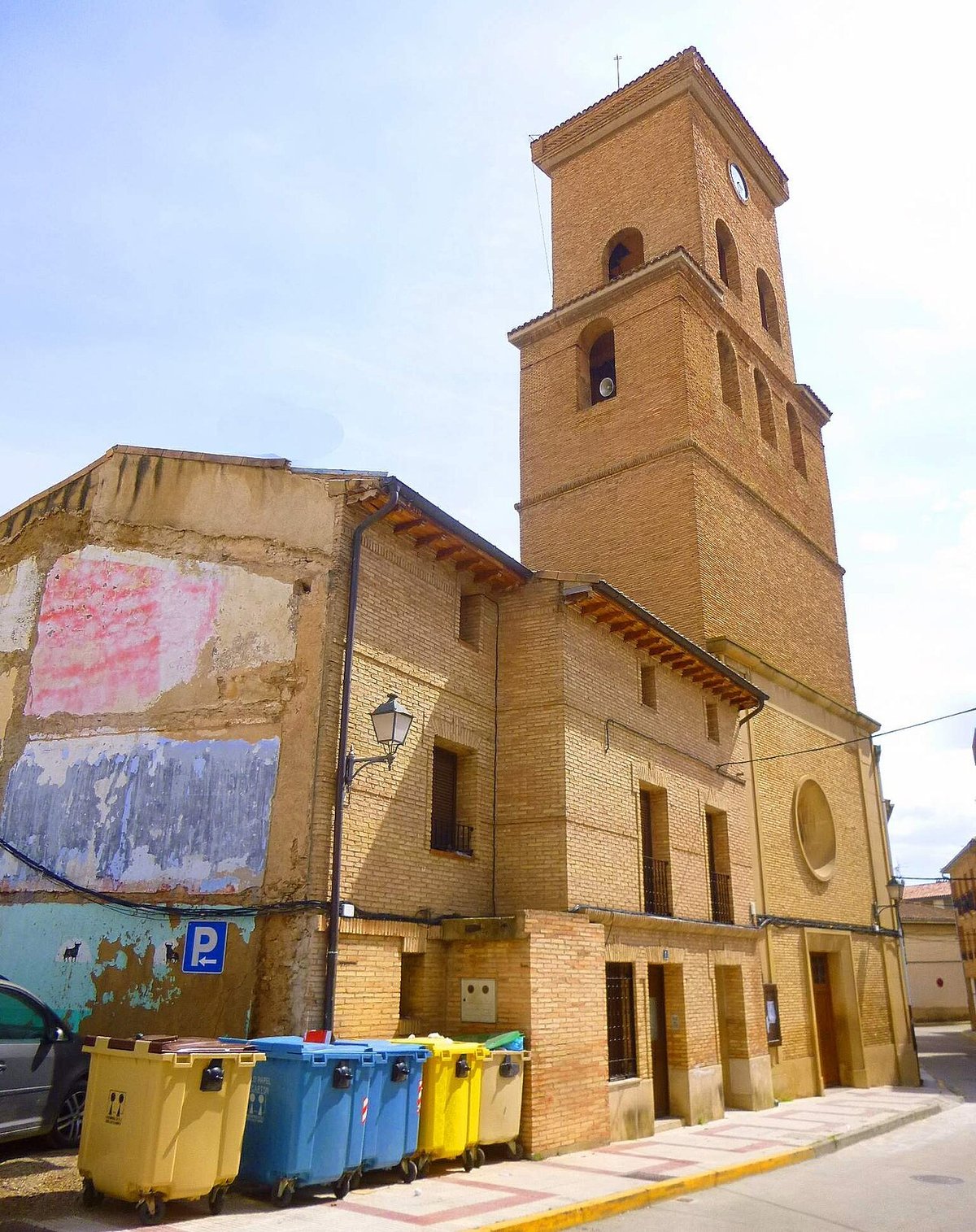
The old centre keeps an irregular layout. Streets narrow unexpectedly and then open into small squares. At certain times of day, the sharp sound of a ball striking a wall echoes from a nearby frontón, a traditional Basque pelota court. There is also the low murmur of conversation from people standing in doorways once the heat begins to ease.
Walking towards the edge of town leads quickly onto agricultural tracks. These are used by tractors moving between plots, by people heading out for an evening walk, and by the occasional cyclist crossing the Ribera Alta along secondary roads that link the villages of the valley. Movement here follows the rhythms of the land rather than strict boundaries.
El Castillar and the past beneath the surface
A path climbs up to El Castillar, winding through dry rosemary and thyme. Even on calm days, the wind tends to move freely along this ridge. The walk is simple, but the ground beneath carries a long history.
Excavations have uncovered very old remains: fragments of pottery and faint traces of walls barely visible in the soil. Archaeologists place human presence here as far back as prehistoric times. What appears today as open terrain once held forms of settlement that have mostly disappeared, leaving only subtle marks.
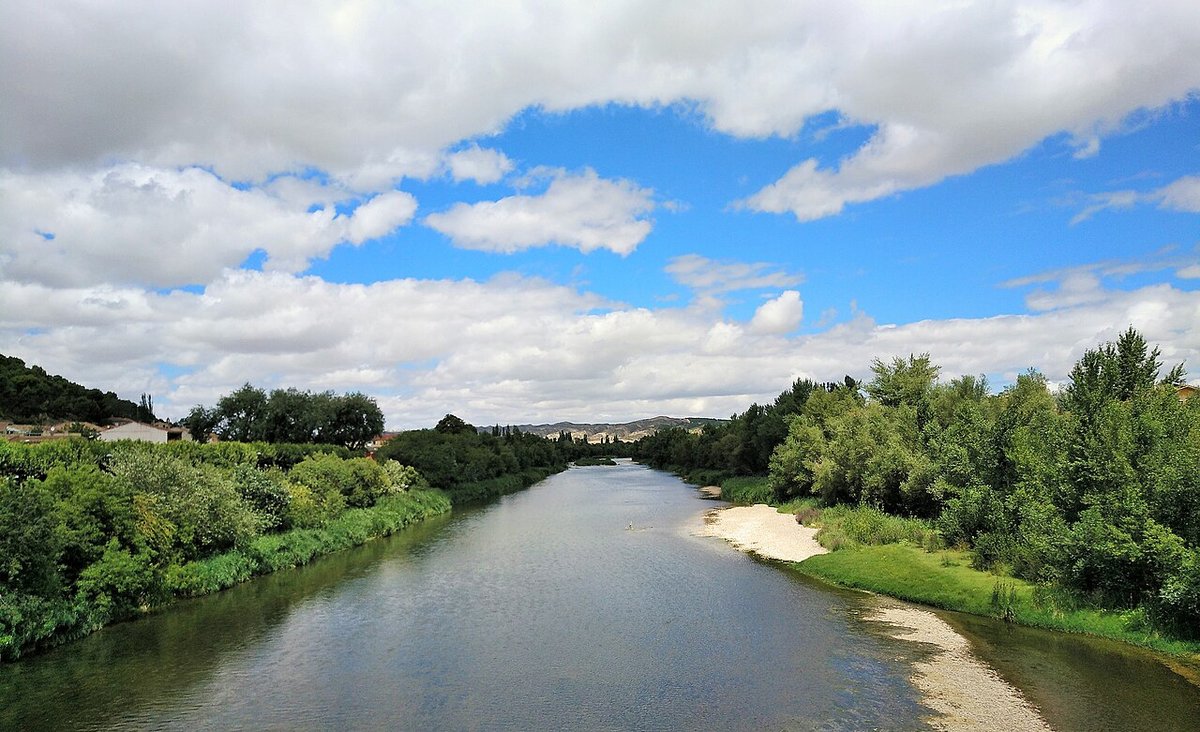
From the top, the Ega valley opens out in full. Fields stretch in long plots, olive trees mark boundaries between them, and further off, darker patches of poplar groves cluster near the river. It is a landscape shaped by cultivation over time, with patterns that are easy to read from above.
Not far from this area lies what is known as the campo de la Verdad. Local tradition places the death of César Borgia here in 1507, during an ambush. The scene today offers no obvious trace of that event. There are only cultivated fields. Some farmers say that while ploughing they occasionally come across small metal objects or pieces of pottery. These tend to end up kept in drawers at home, held onto out of curiosity more than anything else.
When Mendavia shifts pace
At the end of July, Mendavia usually hosts a fair dedicated to products with denominación de origen, a Spanish system that recognises the geographic origin of certain foods and drinks. During those days, the square and several streets fill with stalls and visitors from across the surrounding area. The atmosphere changes noticeably compared to an ordinary day. Food is central, and the town becomes more animated.
For a quieter view, spring often works well. Between April and May, the market gardens are in full activity and green tones dominate the landscape. The connection between town and farmland feels especially visible then, with growth evident in every direction.
Weekends in August tend to bring more movement, particularly around lunchtime. If a slower rhythm is the aim, an early Tuesday offers a different experience. The market is just being set up, and the pace is still unhurried, with space to observe without the later bustle.
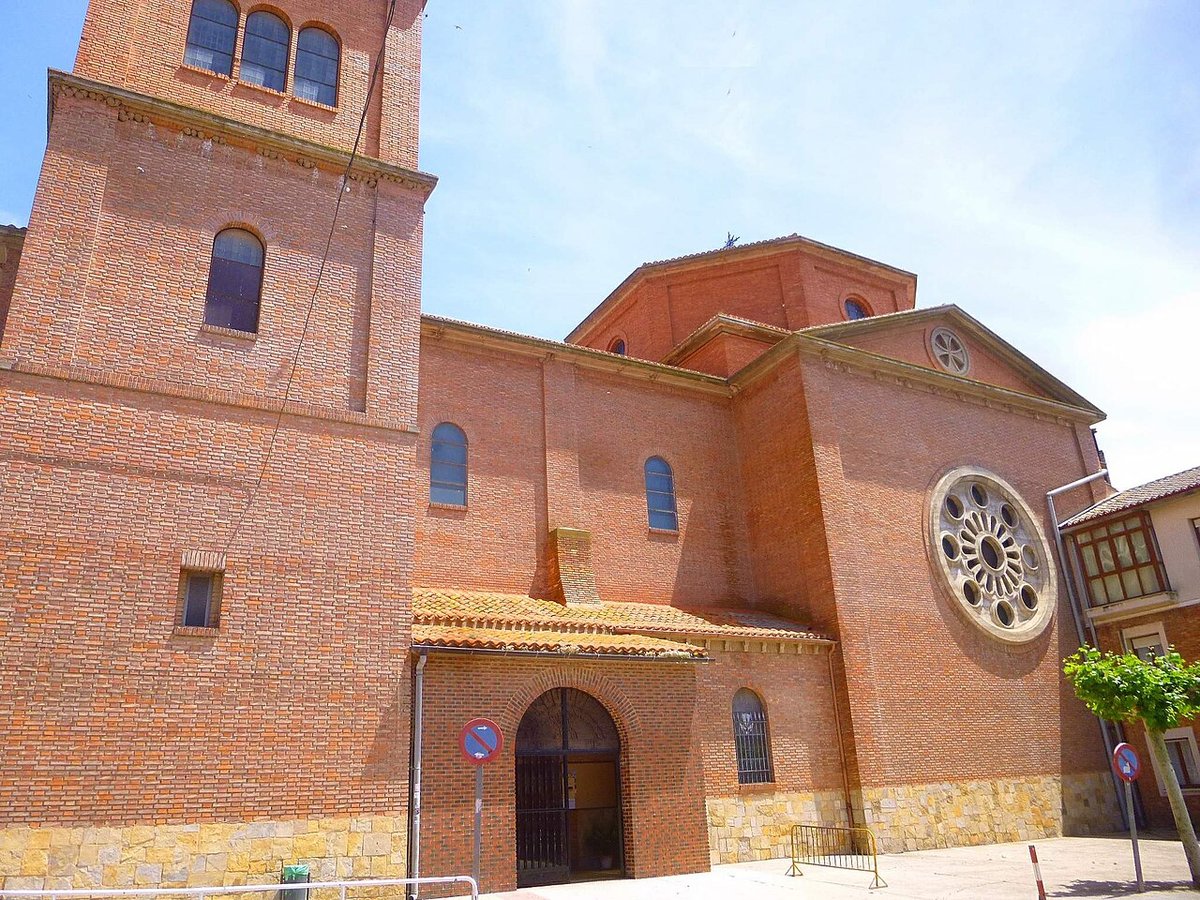
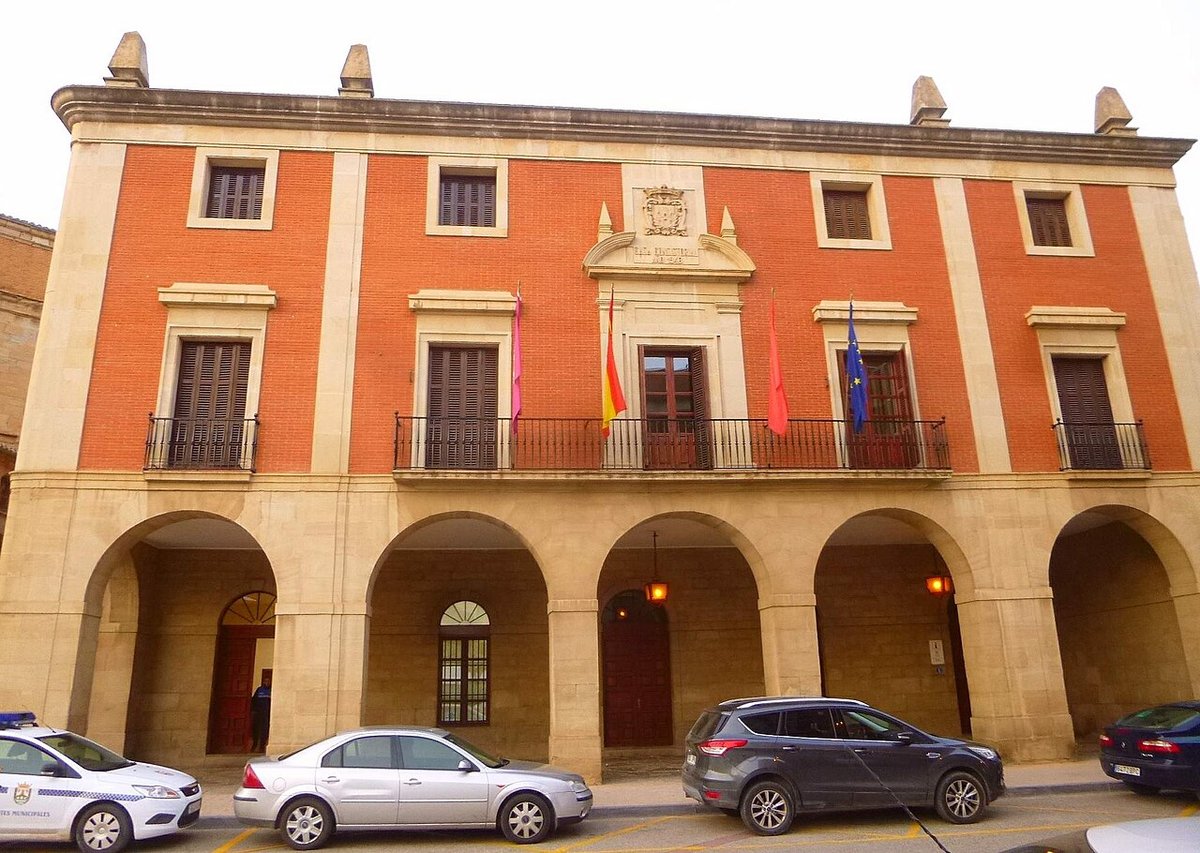
As evening approaches, the light shifts across the town. The sun drops towards the hills of Tierra Estella, and its low angle casts a warm tone over tiled roofs and brick façades, deepening their reddish colour. The moment does not last long. During that time, tractors return from the fields, someone brings a chair out to the doorway, and dogs lie stretched across the road as if aware that very little traffic will pass.
The air carries the smell of watered earth and the first signs of dinner being prepared in nearby kitchens. Gradually, the movement fades. Mendavia settles back into the hands of those who live there, in a rhythm shaped by the land that surrounds it.