Full Article
about Peralta
Industrial and farming town known for its vegetables; noted for its Baroque bell tower and the Arga river setting.
Ocultar artículo Leer artículo completo
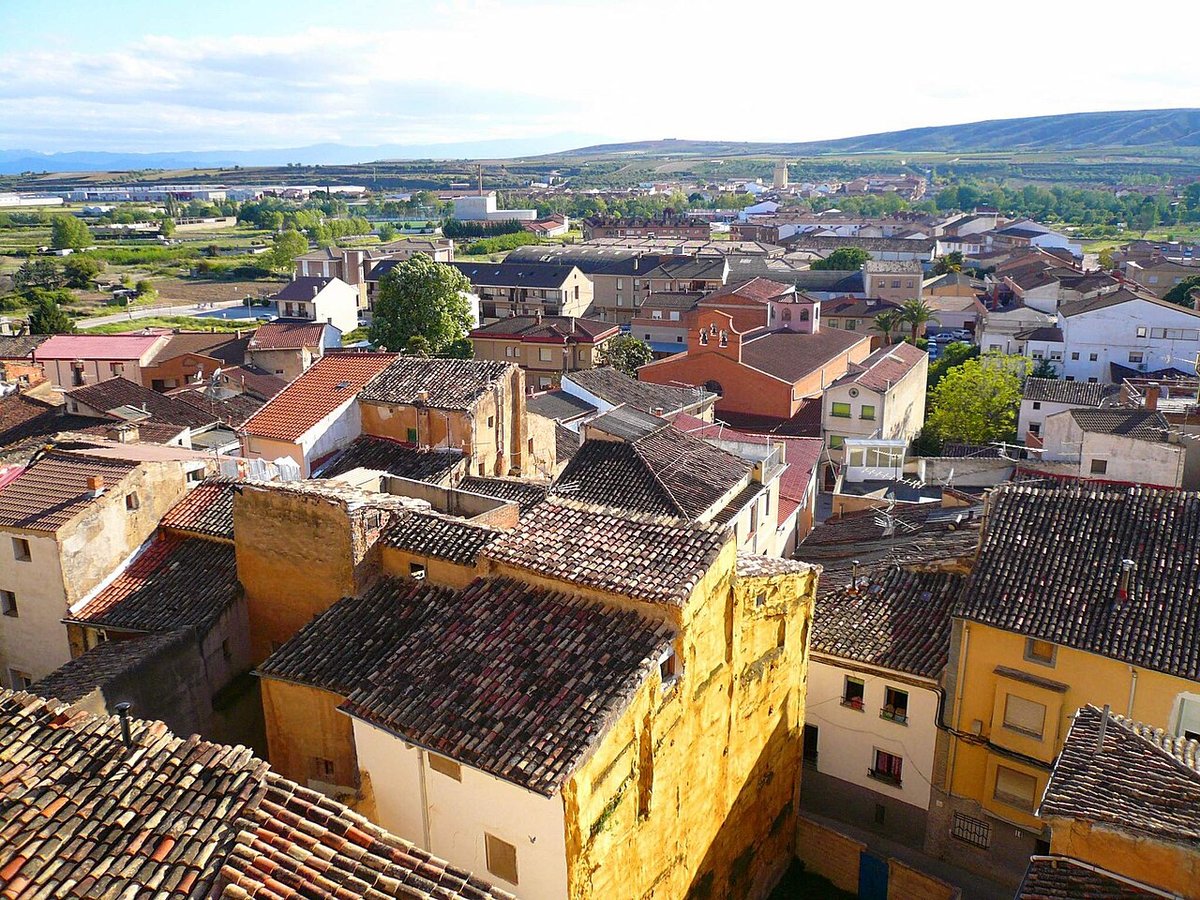
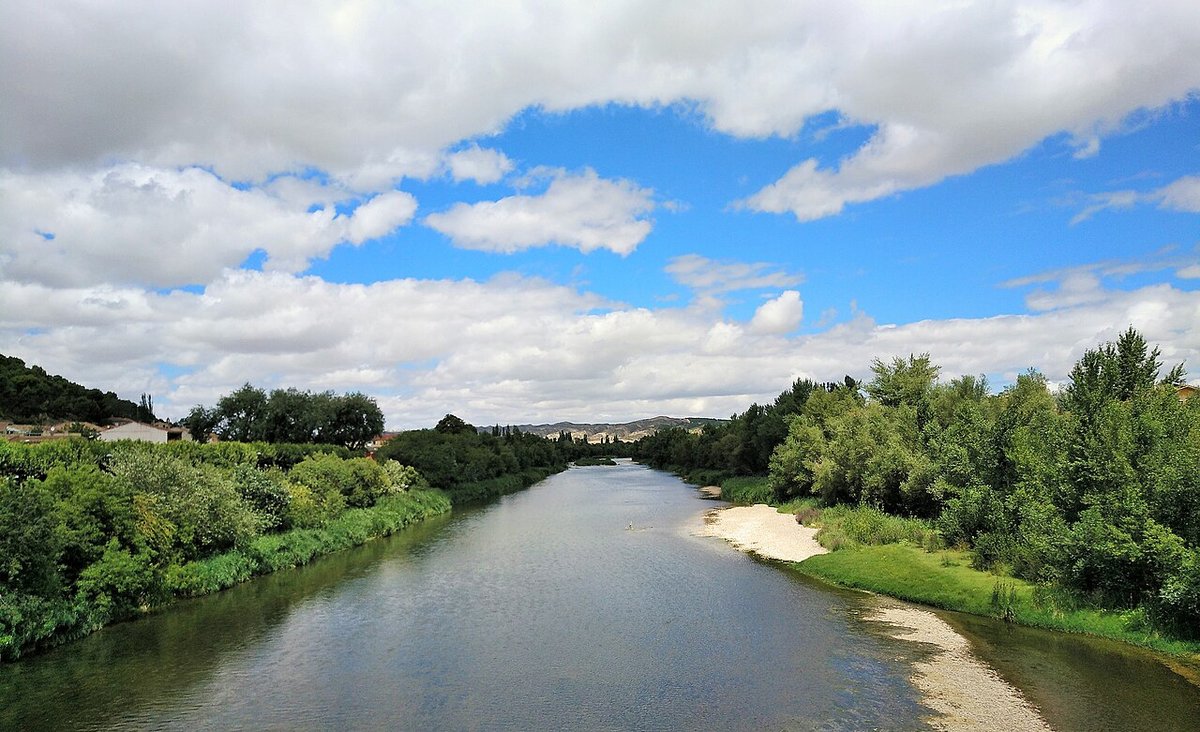
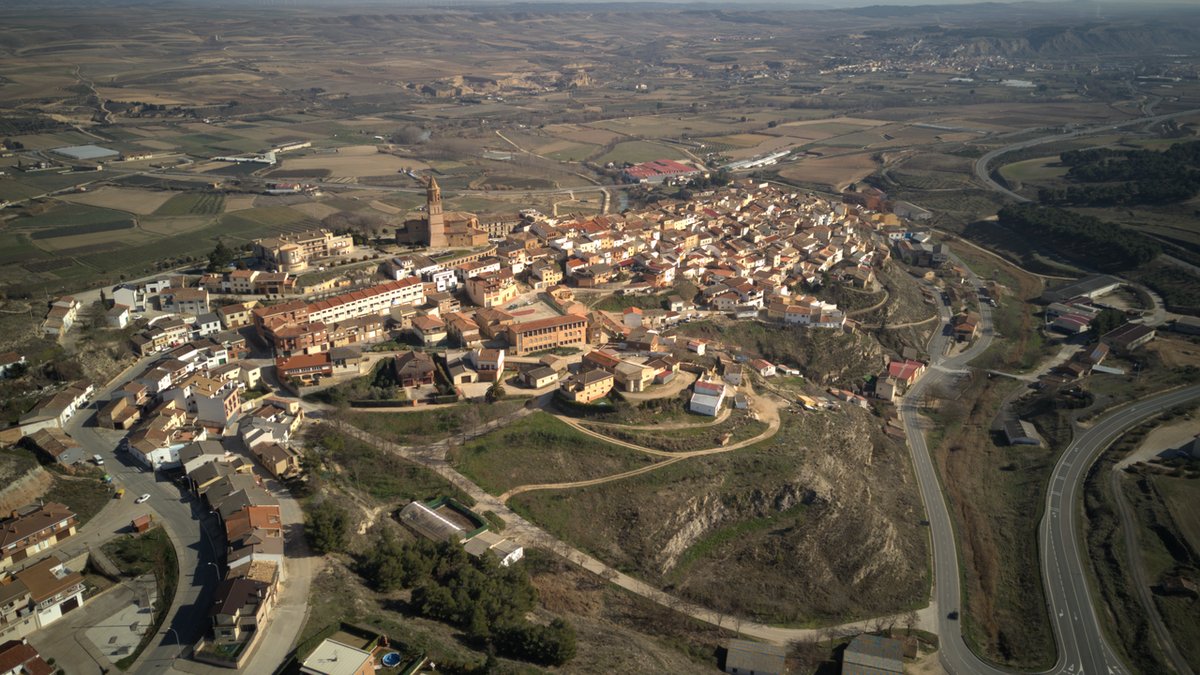
The irrigation channels start running at dawn. By half six, water is already gurgling through narrow stone troughs beside the lanes, feeding artichoke plots and rows of asparagus that stretch south to the river. Stand on the Calle Mayor bridge and you’ll see the town’s twin identities laid out below: red-tiled roofs climbing a low ridge on one side, green rectangles of huerta on the other, framed by poplars that hiss whenever the cierzo wind picks up.
At 280 m above sea level Peralta is hardly alpine, yet the surrounding cereal plains make it feel loftier than it is. The nearest serious heights are the Urbasa-Andía range, 35 km north-west; on clear winter mornings their limestone rims shine white against the sky and the temperature in town can be five degrees warmer than Pamplona. That thermal cushion lets local growers start cutting artichokes in March, weeks before the coast-hugging gardens of Catalonia. Come July, however, the same bowl of land turns into a heat trap: 38 °C is routine, and sensible visitors do their wandering before coffee time or after the 9 pm church bell.
What the Buildings Actually Look Like
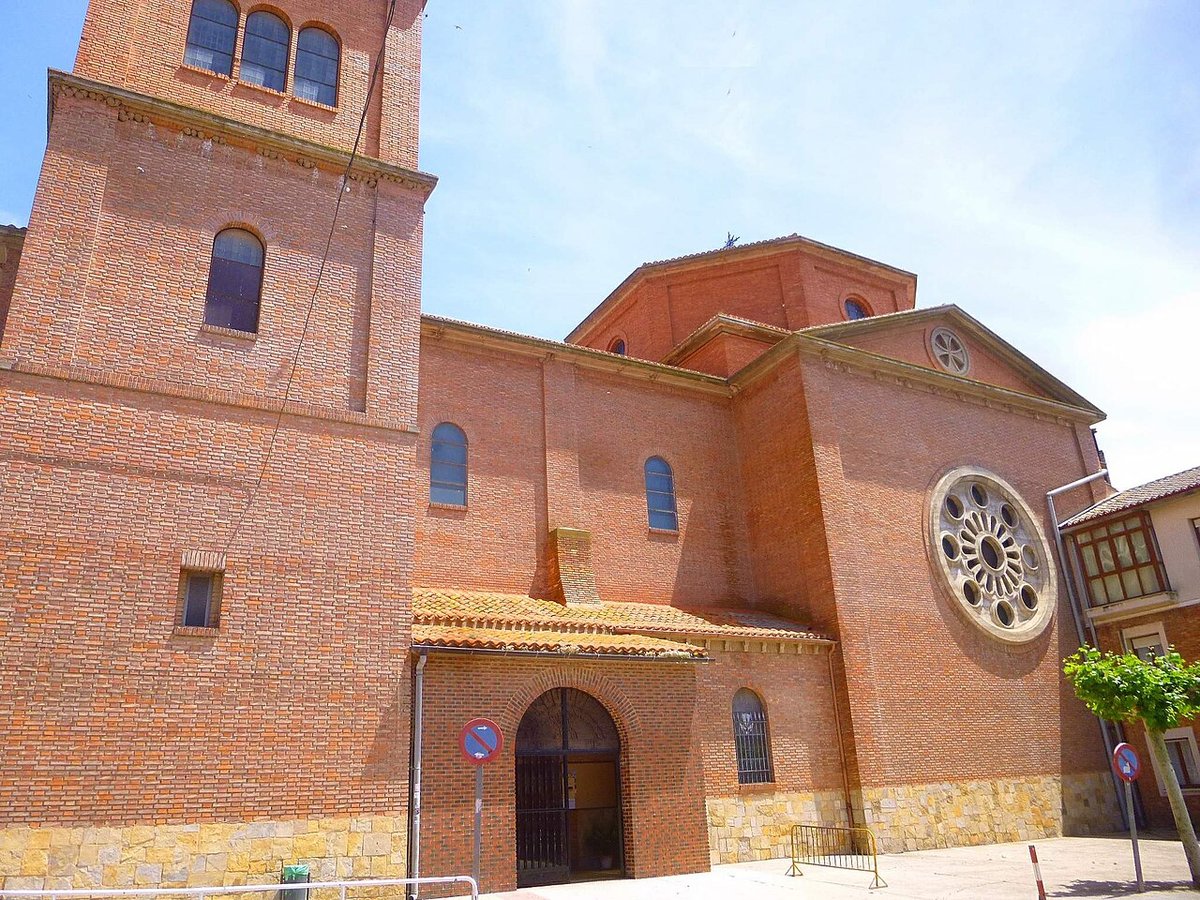
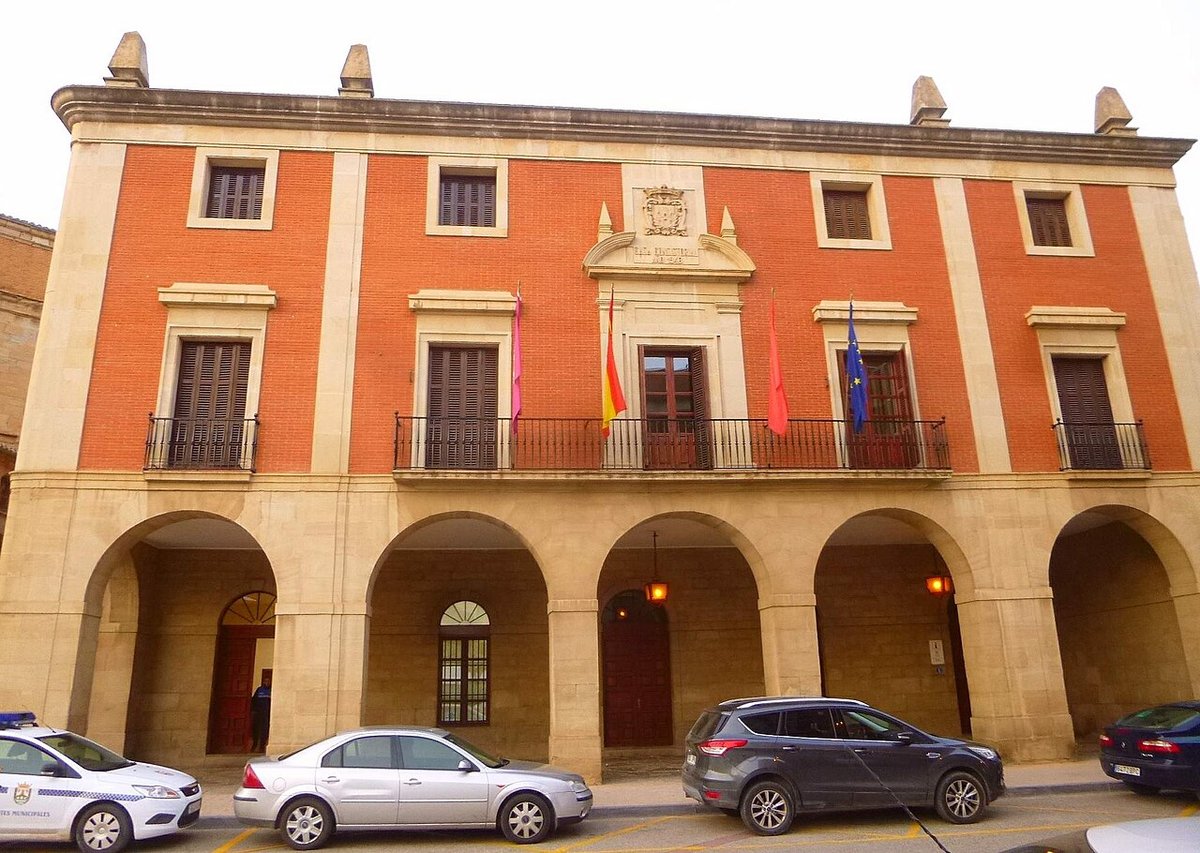
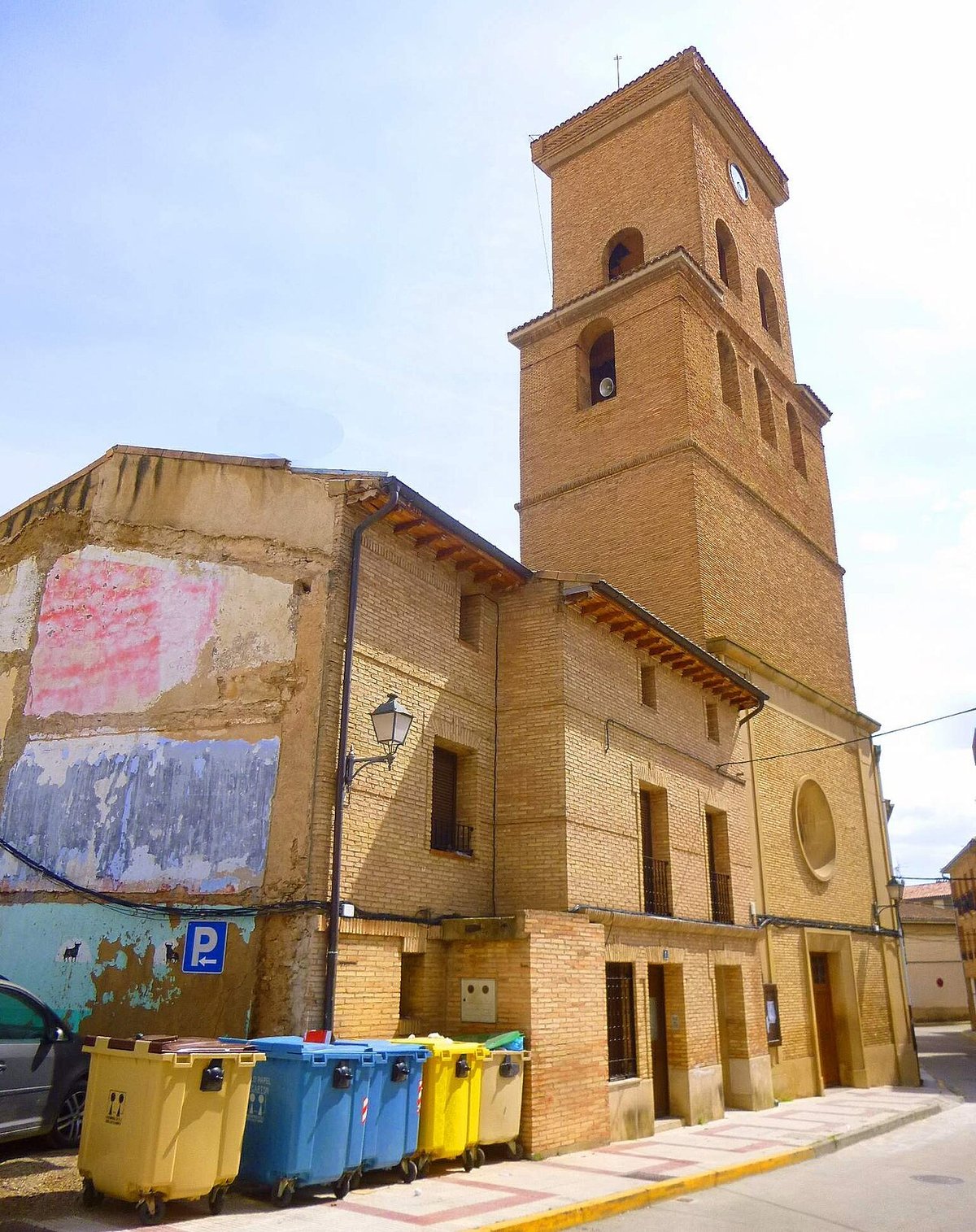
Guidebooks sometimes call Peralta a “fortified medieval town”. The description over-sells. A short loop from the Plaza de los Fueros takes you past the late-Gothic tower of San Juan Bautista—handsome, yes, but the nave beside it was patched so often that the stone resembles a patchwork quilt. Further up the slope you’ll meet a chunky length of wall and the ghost of the Portal de San Miguel, now nothing more than an awkward kink in the road wide enough for a single car. The Renaissance palace of the Marqueses de Falces keeps a neater profile: ashlar blocks, wrought-iron balconies, today the mayor’s office. You can peer into the courtyard at siesta time when the wooden gates stand ajar, but expect municipal noticeboards rather than tapestries.
The pleasure lies in the domestic detail: 17th-century shields bolted above modern garage doors, a stone sundial that still tells the right time twice a day, storks nesting on chimneys that once belonged to grain mills. Walk slowly and Peralta rewards you with a pocket-sized open-air museum; march purposefully and you’ll reach the end of the old quarter in eight minutes flat, wondering where the rest of it went.
The Vegetable Route
Leave the centre by the bridge over the Aragón and the soundtrack changes from echoing bootsteps to sparrows and running water. A gravel lane, unsigned but obvious, heads south between irrigation ditches. Within fifteen minutes you’re alone among artichoke terraces, the Sierra de Alcarama a faint outline across the flat valley. There is no formal trail; farmers simply drive their pickups along the levy banks. Follow any path for a kilometre and you’ll reach a wooden footbridge that loops back towards town, giving a total circuit of 4 km—flat, shady, perfect for stretching legs after a long drive.
Spring brings the strongest colour: lime-green poplar leaves, black earth newly turned, white blossoms on the almond plots that edge the cereal fields. In October the palette softens to gold and rust, and the air smells of crushed vine leaves. Summer walkers should take water: the channels may be full but the sun is merciless, and the only bar on this side of town shuts in August. After heavy rain the paths turn to slick clay; wellies beat walking boots.
Eating According to the Calendar
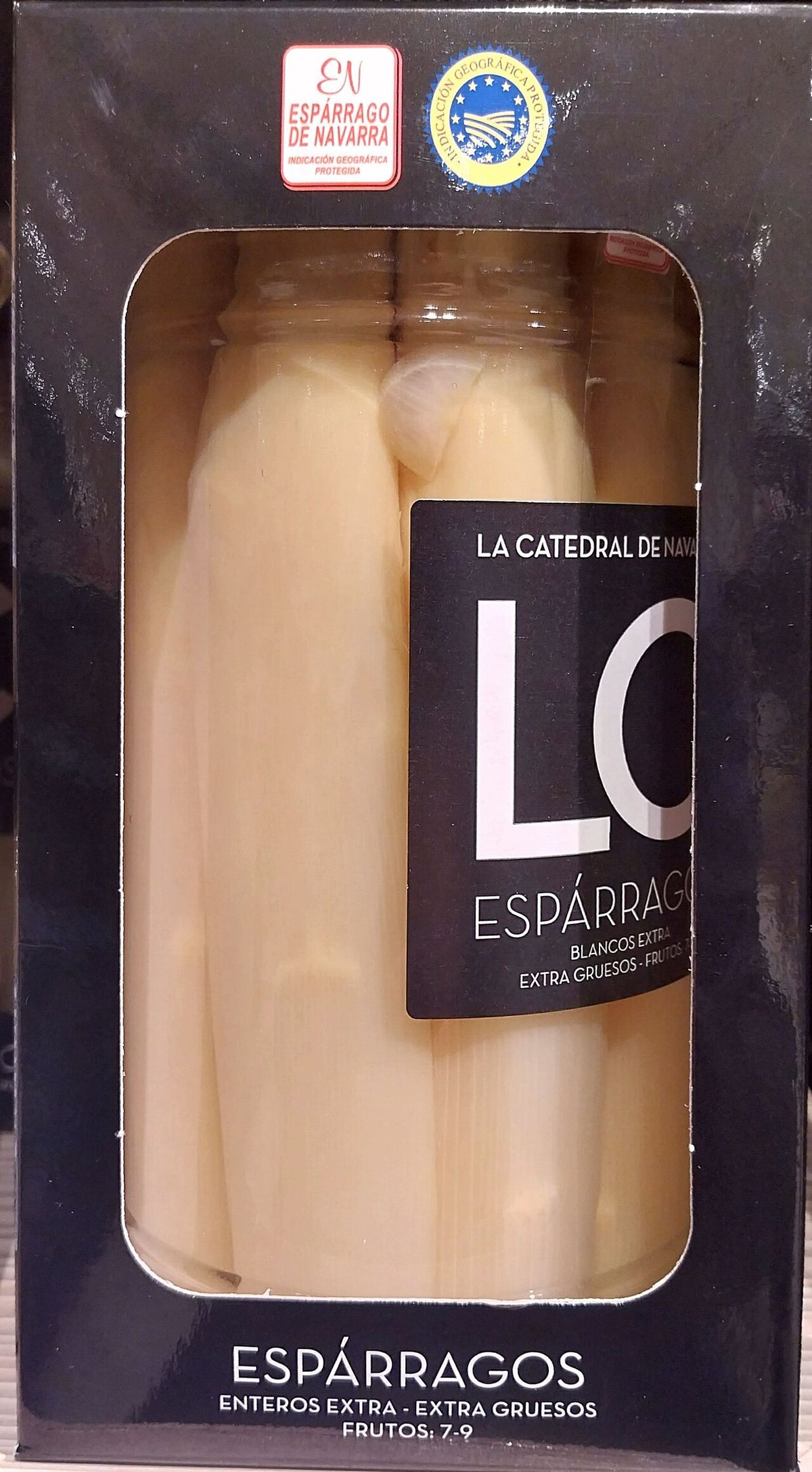
British visitors expecting a tapas crawl will be disappointed—there simply aren’t enough bars. What the town does have is small restaurants that build daily menus around whatever the huerta delivers. From March to May the set lunch at Restaurante Peñalen starts with cold espárragos de Navarra and a jug of mayonnaise; even children who claim to loathe asparagus finish the plate. Artichokes follow, usually quartered and grilled with a splash of local olive oil. By late June the crop is over and menus switch to piquillo peppers, stuffed with salt cod or simply roasted and dressed with garlic. The fixed price is €12–14 for three courses plus wine, cheaper than the motorway service area at nearby Tudela.
Meat dishes are safe rather than exciting: grilled chicken, pork shoulder slow-cooked in chistorra fat, the occasional braised lamb rib. Vegetarians do better in spring when the kitchen can assemble a plate of horticultural produce that hasn’t seen a freezer. Desserts are rice pudding or cuajada, a tangy sheep’s-milk junket that tastes like a cross between yoghurt and Junket tablets. Payment is cash only; cards are still viewed with suspicion.
Timing Your Visit—and Your Parking
Market day is Saturday. By 11 am the Plaza de los Fuores fills with pop-up awnings selling cherries from the nearby Bidasoa valley, honey labelled only “del pueblo”, and buckets of cut flowers that cost half Pamplona prices. It is also the only morning when parking becomes a blood sport. The ring-road (NA-125) has free bays: walk five minutes rather than circling for twenty. Sunday is the opposite extreme—absolutely nothing stirs until the church bells ring at noon, and even the baker’s is shut.
Fiestas follow the agricultural calendar rather than tourist convenience. San Juan Bautista at the end of June means processions, brass bands, and a fun-fair that takes over the vegetable lane. Accommodation within 20 km books up early; if you merely want lunch, arrive after the 2 pm parade when locals head indoors and tables free up. The August agricultural fair is quieter, mostly livestock judging and seed-distributor stalls; visitors are welcome but there’s no attempt at folklore for export. October’s Rosario fiestas mark the end of the outdoor drinking season; expect fireworks at 3 am and a brass band that refuses to go to bed.
Getting There Without the Drama
The simplest route from the UK is to fly Bilbao with easyJet or Vueling (several departures daily from Gatwick and Heathrow). Pick up a hire-car at the terminal: you’re on the AP-68 heading east within ten minutes. Two hours later, exit at junction 20, follow the NA-125 for 12 km and Peralta appears on the right. The entire journey is dual-carriageway or fast national road—no stomach-churning mountain passes, no single-track cliff edges. Fuel at the supermarket Intermarché in nearby Murillo costs 10–15 cents less per litre than motorway services.
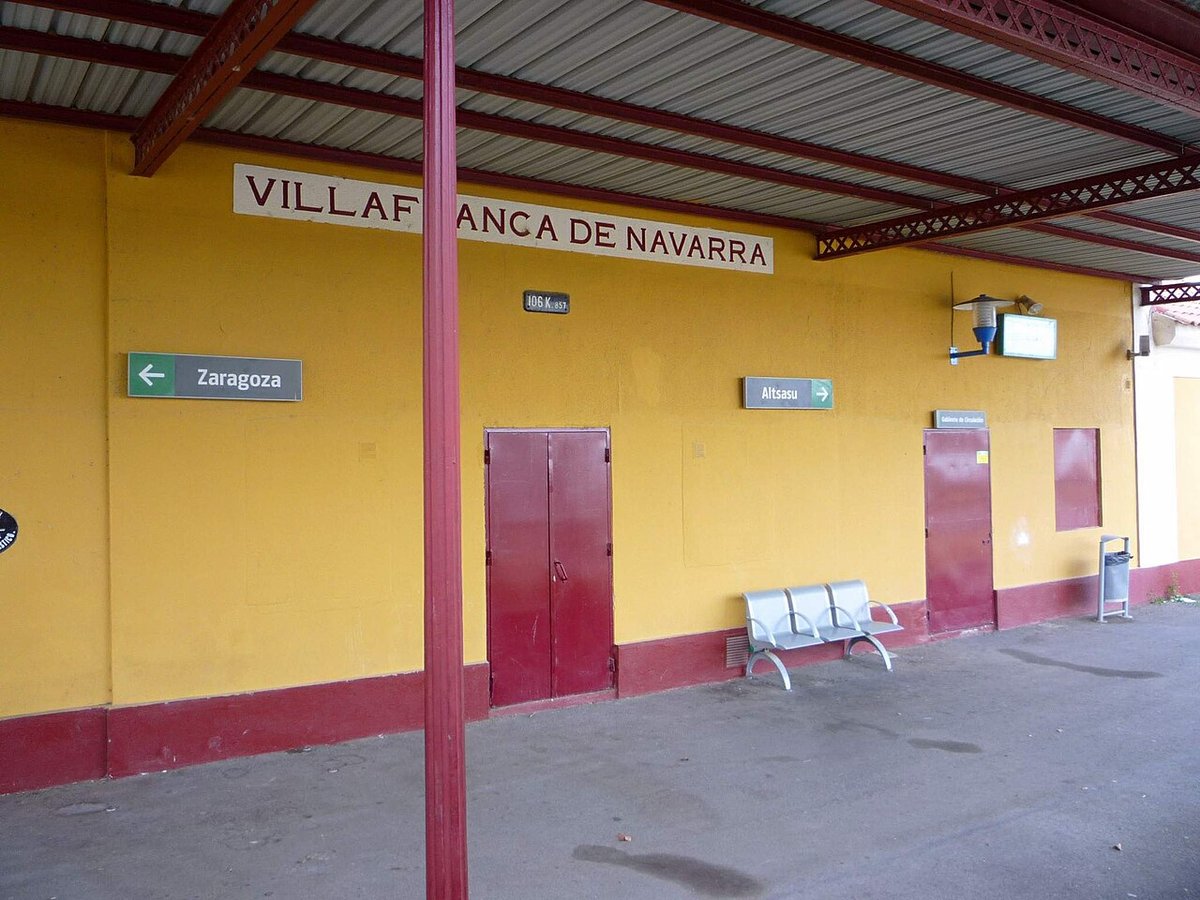
Public transport is doable but patchy. Take the Renfe Alvia to Pamplona, then the La Burunda bus line (Mon–Fri only, no Sunday service). The timetable is built for commuters: depart Pamplona 18:00, return 07:00 next morning—not much use for a day trip. A taxi from Pamplona station costs €70, more than a night’s accommodation.
Where to Sleep—and Where Not To
Hotel Peñalen, above the restaurant of the same name, is the only game in town. Rooms are clean, wi-fi actually works, and double glazing muffles the church bells. Expect tiled floors, pine furniture, a bathroom that last saw an upgrade in 2012—perfectly adequate at €55 B&B. The alternative is a string of rural casas rurales in the surrounding hamlets; they offer pools and mountain views but you’ll drive in for every meal. Book early for fiesta weekends: prices double and the hotel sells out to returning emigrants who treat San Juan like Christmas in summer.
The Honest Verdict
Peralta will never compete with the postcard villages of neighbouring La Rioja. It lacks cobbled alleys dripping with flowers, and the castle is essentially a wall with delusions of grandeur. What it offers instead is a working slice of the Ribera, where food arrives on the plate in the same hour it leaves the field, and where a short riverside stroll explains more about Navarrese agriculture than any museum panel. Treat it as a pause between the Guggenheim and the Camino—an overnight stop where supper costs less than a London sandwich and the evening entertainment is watching storks land on the church tower. Arrive with modest expectations and you’ll leave understanding why generations of farmers have refused to trade their irrigation rights for the bright lights of Pamplona.