Full Article
about San Adrián
A major canning-industry hub between the Ebro and the Ega.
Hide article Read full article
Llegas a San Adrián y, a veces, lo primero que notas es el olor. A espárrago cocido. No es metafórico; si el viento viene de la zona de las fábricas de verdura, el aire huele así. Es como cuando pasas por una panadería y te llega el olor a masa, pero aquí es a legumbre. Eso ya te da una pista sobre este pueblo de la Ribera Alta, que tiene más que ver con la huerta que con los decorados.
La chimenea que aún manda
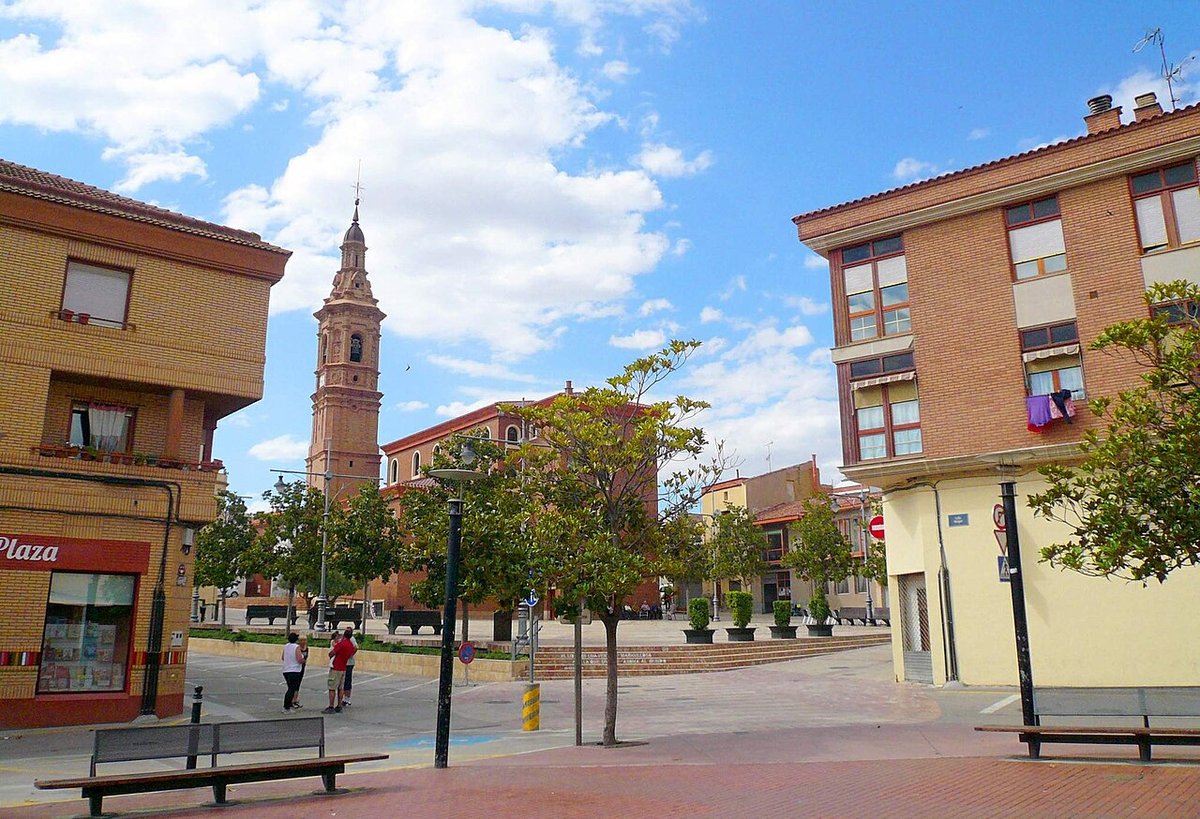
En la plaza principal hay una chimenea de ladrillo rojo, alta como un campanario. Perteneció a una conservera. La gente mayor te cuenta que cuando echaba humo, había trabajo y movimiento en el pueblo. Ahora está quieta, pero sigue ahí, marcando el perfil del lugar y recordando de qué se vivió aquí durante buena parte del siglo pasado.
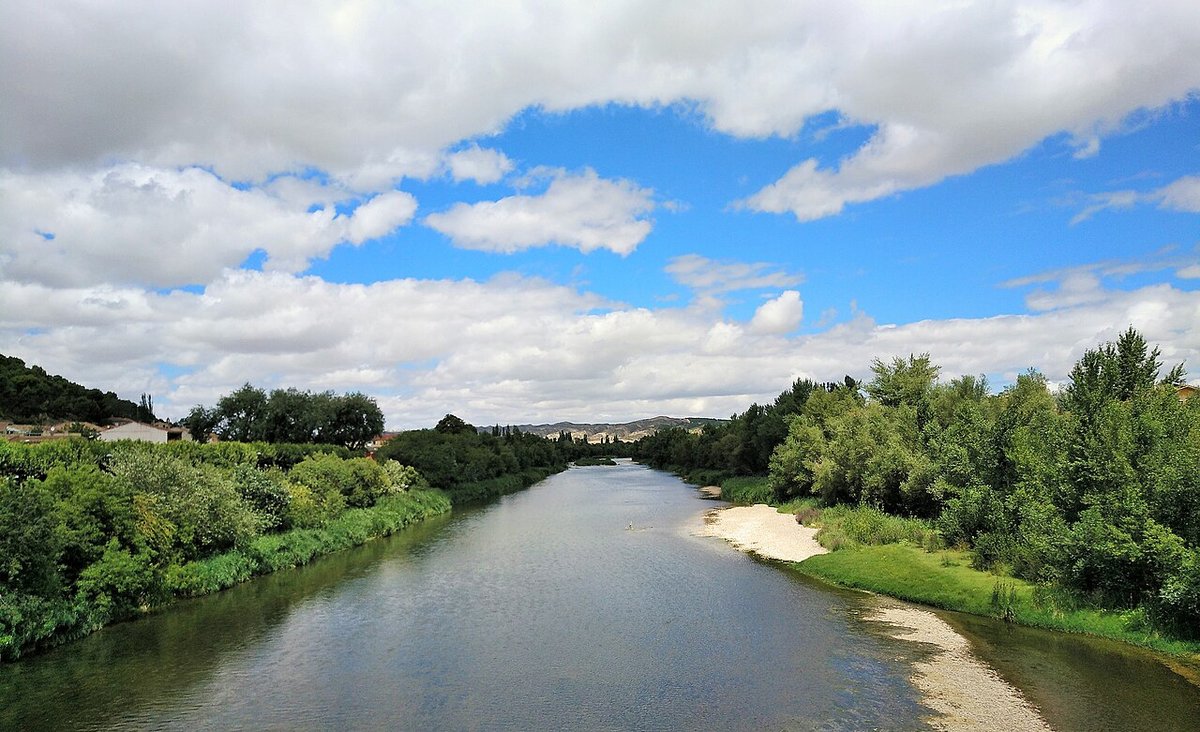
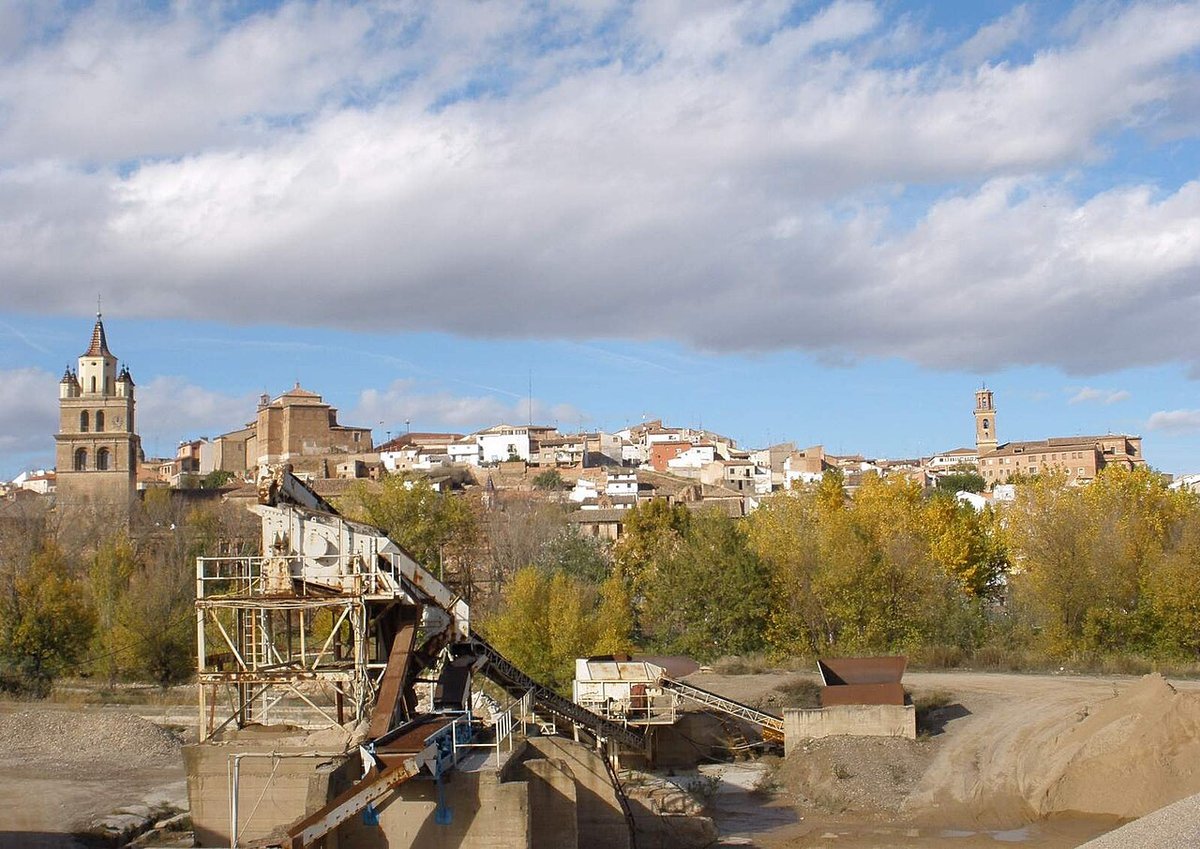
Estar entre el Ebro y el Ega no es un dato geográfico menor. Los llaman aguachinaos por eso, por vivir entre aguas. El Ega serpentea con suavidad por el término, y la tierra húmeda de su ribera explica por qué esta zona de Navarra se convirtió en una potencia de huerta. En primavera, los campos a su lado son un verde intenso, casi eléctrico. Espárragos, alcachofas, guisantes. Lo que comes en media España pasa antes por aquí o por los pueblos de al lado.
La memoria enlatada
En un antiguo edificio vinculado a la industria conservera han montado un museo pequeño sobre ese pasado. No esperes vitrinas pulidas ni audioguías. Esto parece más bien el trastero colectivo de un pueblo, lleno de máquinas antiguas, herramientas y fotos en blanco y negro donde se ven grupos de mujeres pelando espárragos en cadena.
Una vecina me lo resumió bien: "Esto lo hicieron padres y abuelos". Se nota. El legado de aquella época sigue presente en forma de chimeneas solitarias, naves reconvertidas o solares donde antes hubo fábricas. El carácter práctico y laborioso que dejó ese periodo no se ha ido.
Paseos con barro y vistas anchas
Junto al Ega hay caminos para andar por la ribera. En uno de ellos pasas junto a unas cuevas pequeñas excavadas en la roca blanda de la ladera. No son grandes monumentos; más bien refugios o almacenes rudimentarios para herramientas de otra época. Lo interesante es el contexto: el río cerca, el silencio.
Lleva calzado que no te importe manchar. Si ha llovido antes, algunos tramos se ponen embarrados.
Si quieres perspectiva, sube hasta la ermita de la Virgen de la Palma. La cuesta se nota, pero no es larga. Arriba ves cómo se ordena todo: el curso del Ebro hacia La Rioja y un mosaico infinito de parcelas cultivadas abajo.
La ermita es pequeña y parte está tallada en la roca. Dentro huele a cera velada y piedra húmeda, como casi todas las ermitas con solera.
Fiestas con reliquias y tambores
Las fiestas grandes son las de las Santas Reliquias. Entonces el pueblo cambia completamente: peñas, charangas, encierros y gente en la calle hasta horas intempestivas.
Hay una tradición curiosa: sacan en procesión una arqueta antigua donde dicen que guardan reliquias de mártires. Durante generaciones se ha asociado a la protección contra tormentas y pedriscos. Creer o no ya es cosa de cada cual, pero para muchos aquí sigue teniendo un peso importante.
El resto del año también hay ferias ligadas al producto local. Son sobrias: puestos atendidos por gente de aquí vendiendo miel, verdura o conservas caseras. Las conversaciones suelen alargarse más que las compras.
Lo que se come (y lo que se bebe)
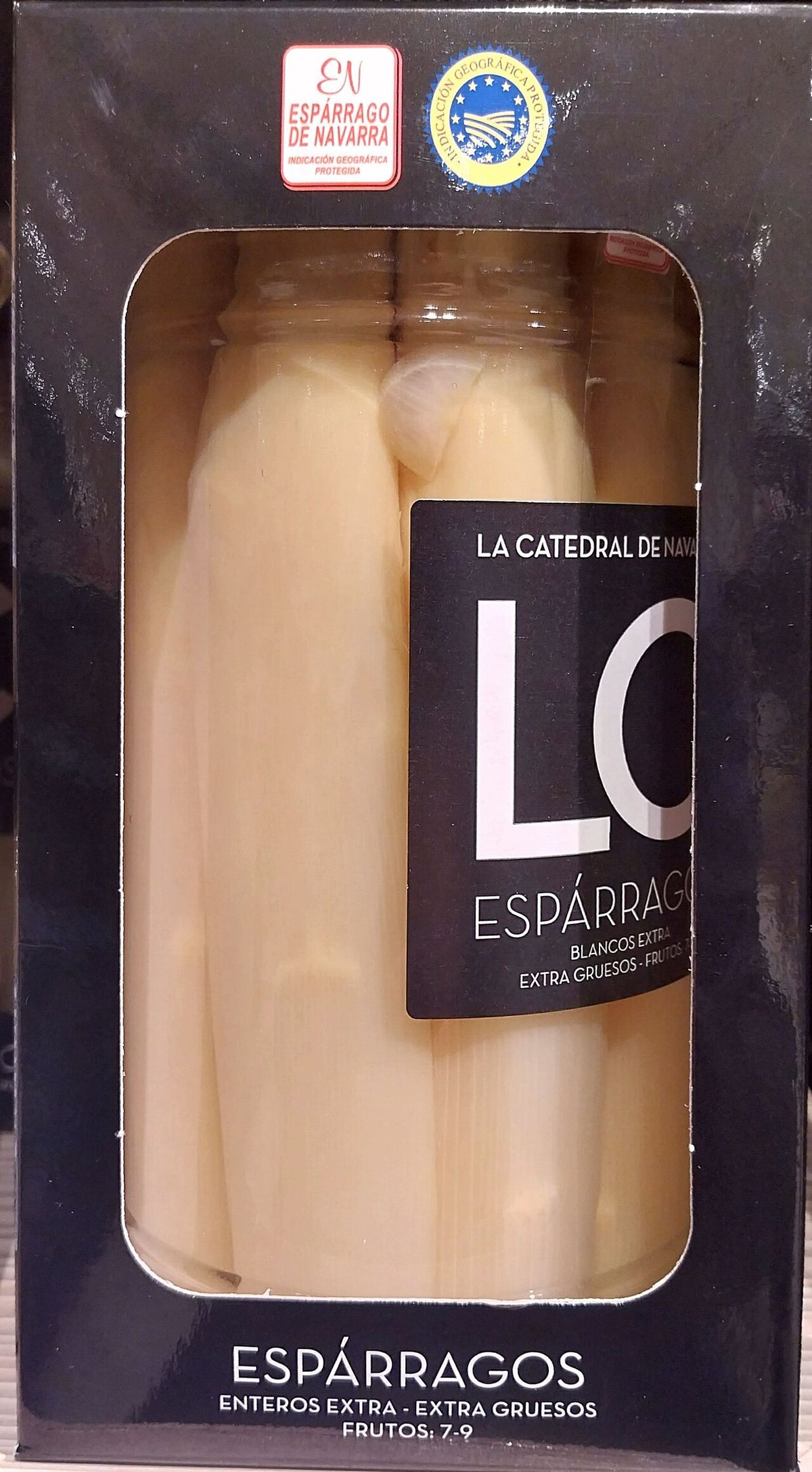
El rey indiscutible es el espárrago blanco navarro. Lo encuentras en ensalada con tomate y atún, acompañado con mayonesa hecha en casa o simplemente cocido y templado.
La menestra bien hecha es otro clásico local donde cada verdura mantiene su personalidad; nada que ver con esos tarros sosos que venden en algunos sitios.
Y luego está la influencia riojana cercana: carnes a la brasa y vinos contundentes que acompañan casi cualquier comida.
Un pueblo sin postureo
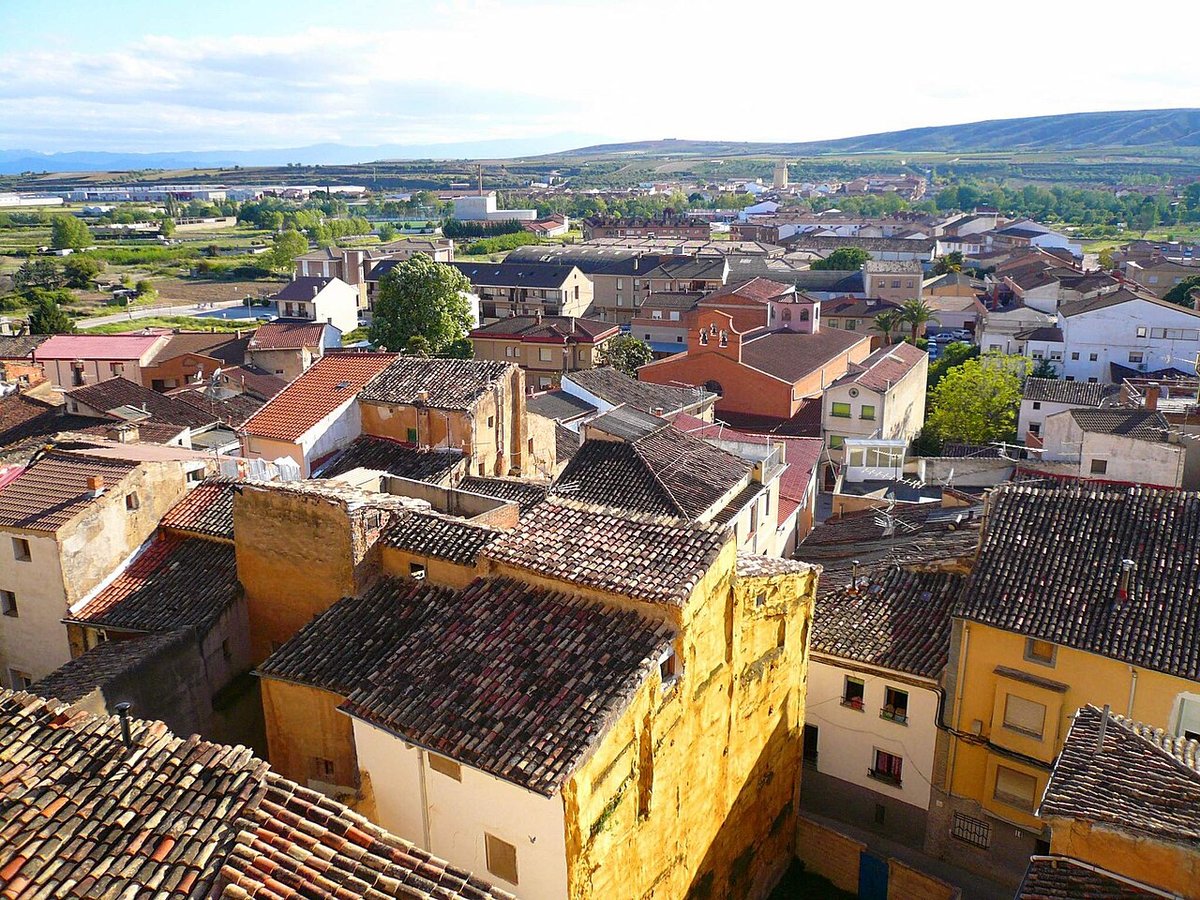
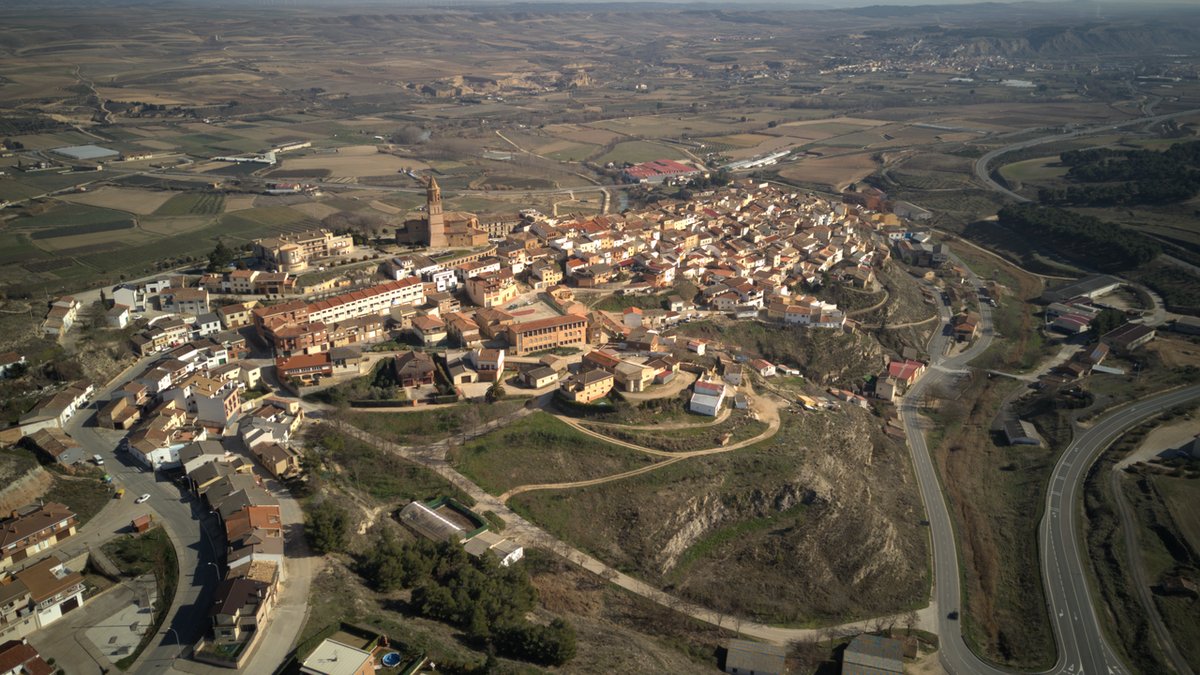
San Adrián no va a ganar concursos de pueblos bonitos.Tiene calles rectas, bloques de los setenta y polígonos industriales como otros tantos núcleos agrícolas del valle del Ebro.
Pero tiene algo claro: una identidad pegada al trabajo, a la tierra y a lo que viene detrás.El olor a espárrago,la memoria fabril,líquida presencia del río...todo encaja.Es ese tipo sitio honesto contigo desde minuto uno,y esa sinceridad,molesta para algunos.es quizá lo mejor que ofrece