Full Article
about Sartaguda
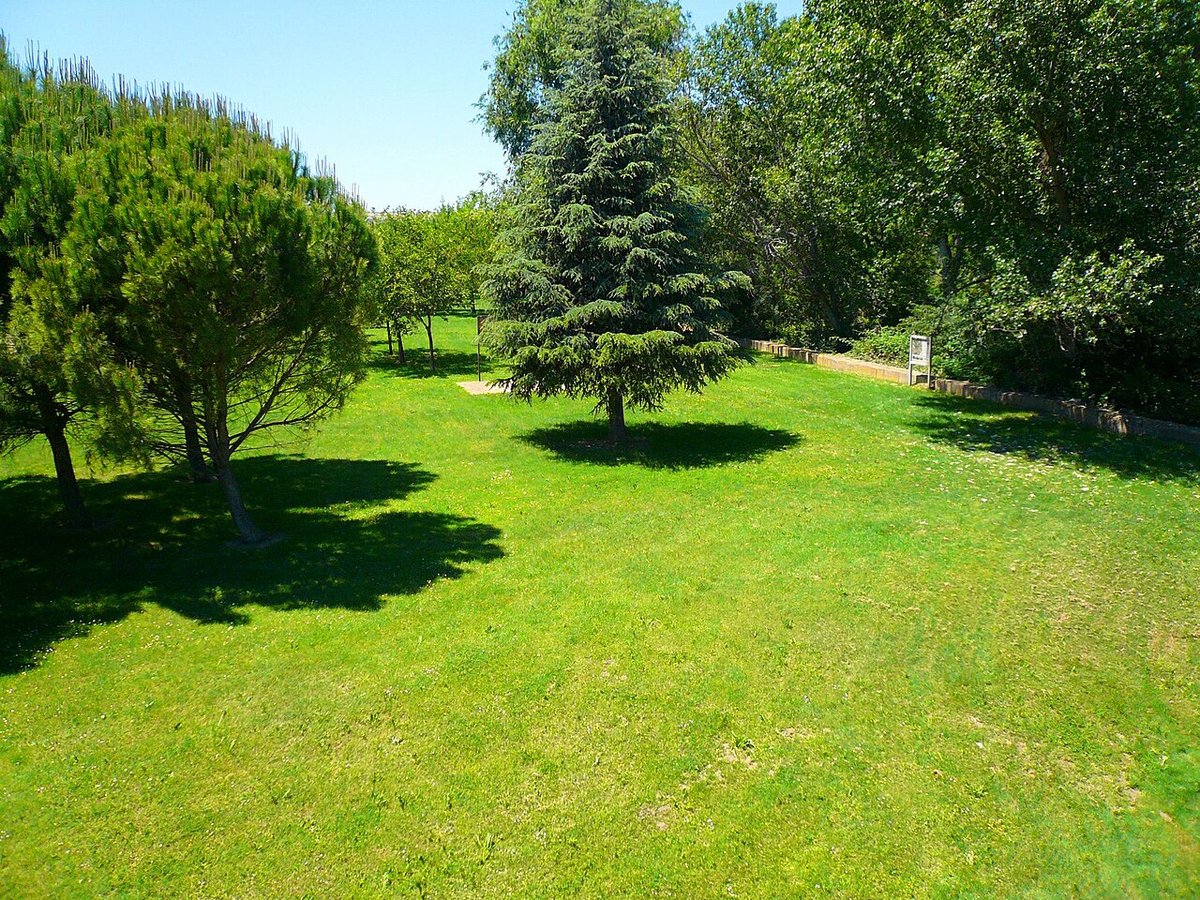
The "Village of Widows" (historical memory); fertile land known for its peaches and memory park
Ocultar artículo Leer artículo completo
The church bell strikes eleven as two elderly men manoeuvre their walking sticks around café tables in Sartaguda's main square. They've timed their arrival perfectly: the baker is hauling out trays of still-warm palmeras, and the single bar's espresso machine hisses to life. This is village life stripped of pretence – no souvenir stalls, no multilingual menus, just the daily rhythm of a place where agriculture still dictates the timetable.
A Landscape Shaped by Water and Work
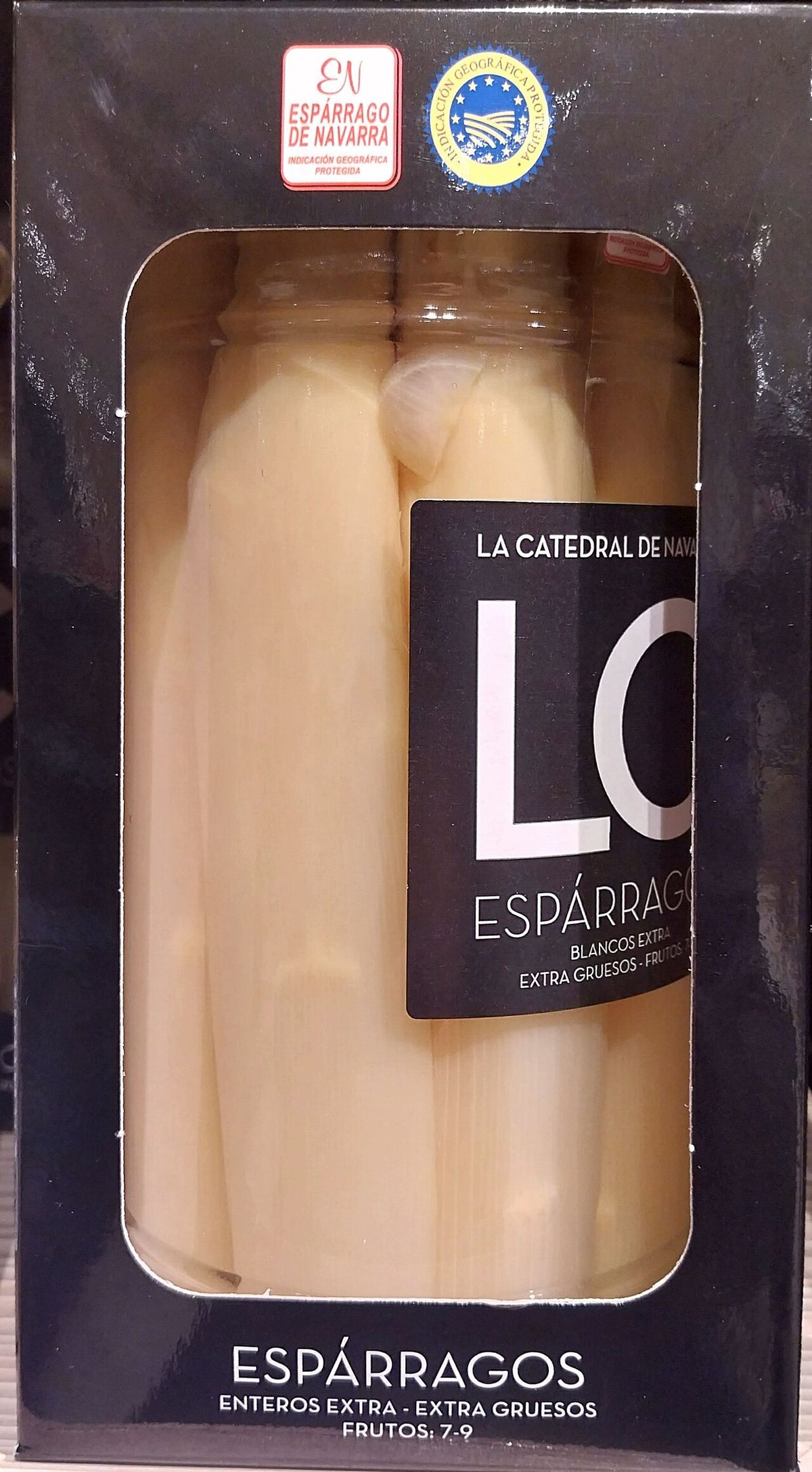
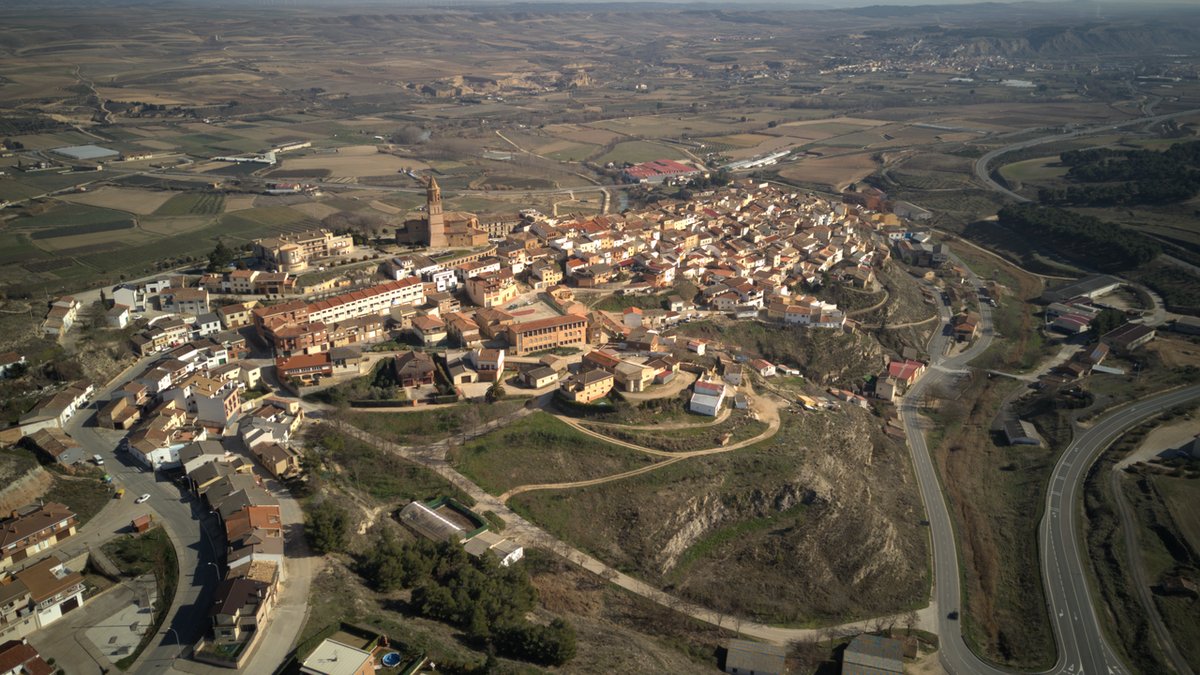
Sartaguda sits at 350 metres above sea level in the Ribera Alta, the fertile floodplain where the River Arga meanders through Navarra's market-garden belt. Unlike the dramatic Pyrenean valleys that dominate postcards from the region, this is working countryside: geometric plots of artichokes and asparagus alternate with wheat fields, the whole patchwork irrigated by channels first dug by Moorish farmers. The surrounding sierras rise to 700 metres within 15 kilometres, creating an amphitheatre that traps morning mist and moderates summer temperatures by several degrees compared to nearby Tudela.
The altitude difference matters more than visitors expect. Spring arrives two weeks later than in coastal areas 80 kilometres away, meaning April visits coincide with almond blossom rather than the bare branches of March. Summer afternoons regularly hit 38°C, but evenings drop to 22°C – locals insist this diurnal swing gives their vegetables their characteristic sweetness. Winter brings proper frost; snow falls perhaps twice yearly, turning the muddy farm tracks impassable for anything without four-wheel drive.
What Passes for Sights Here
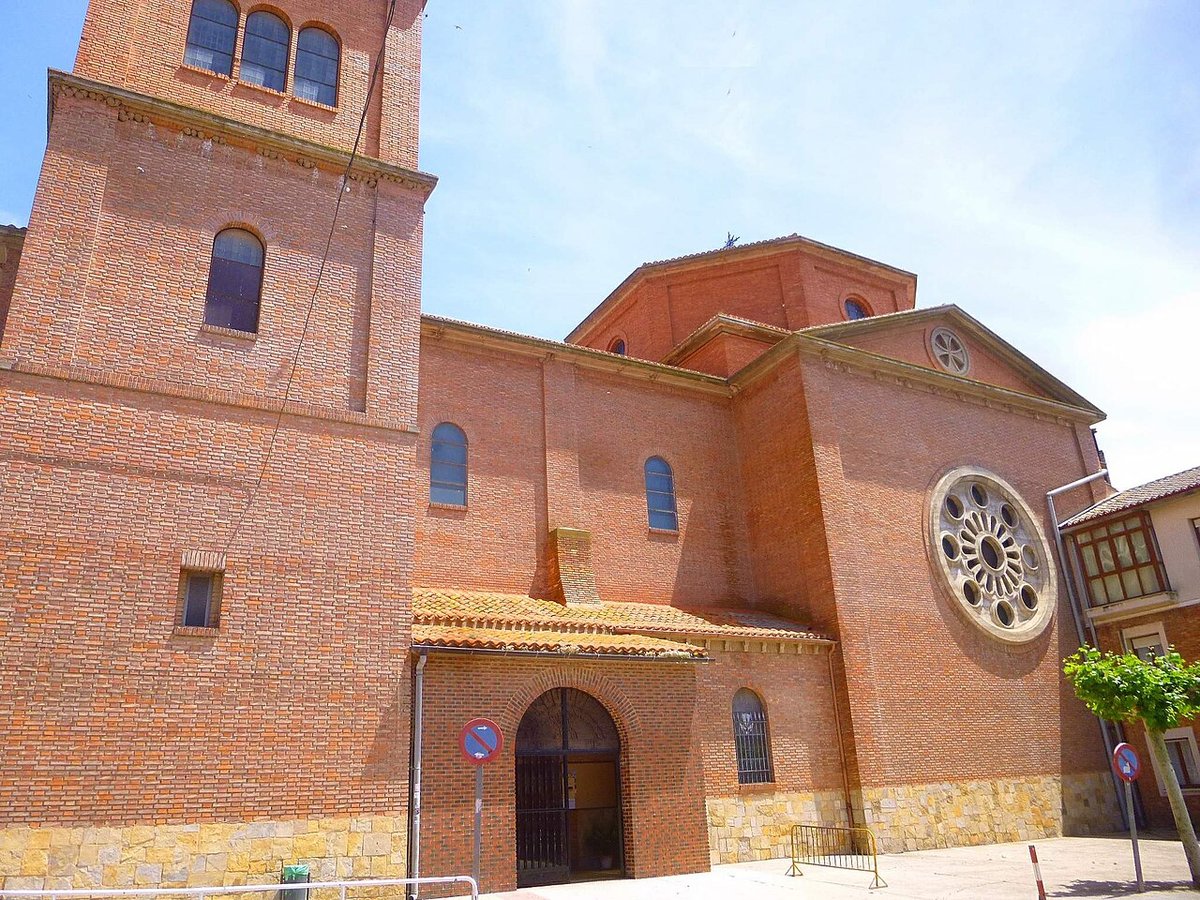
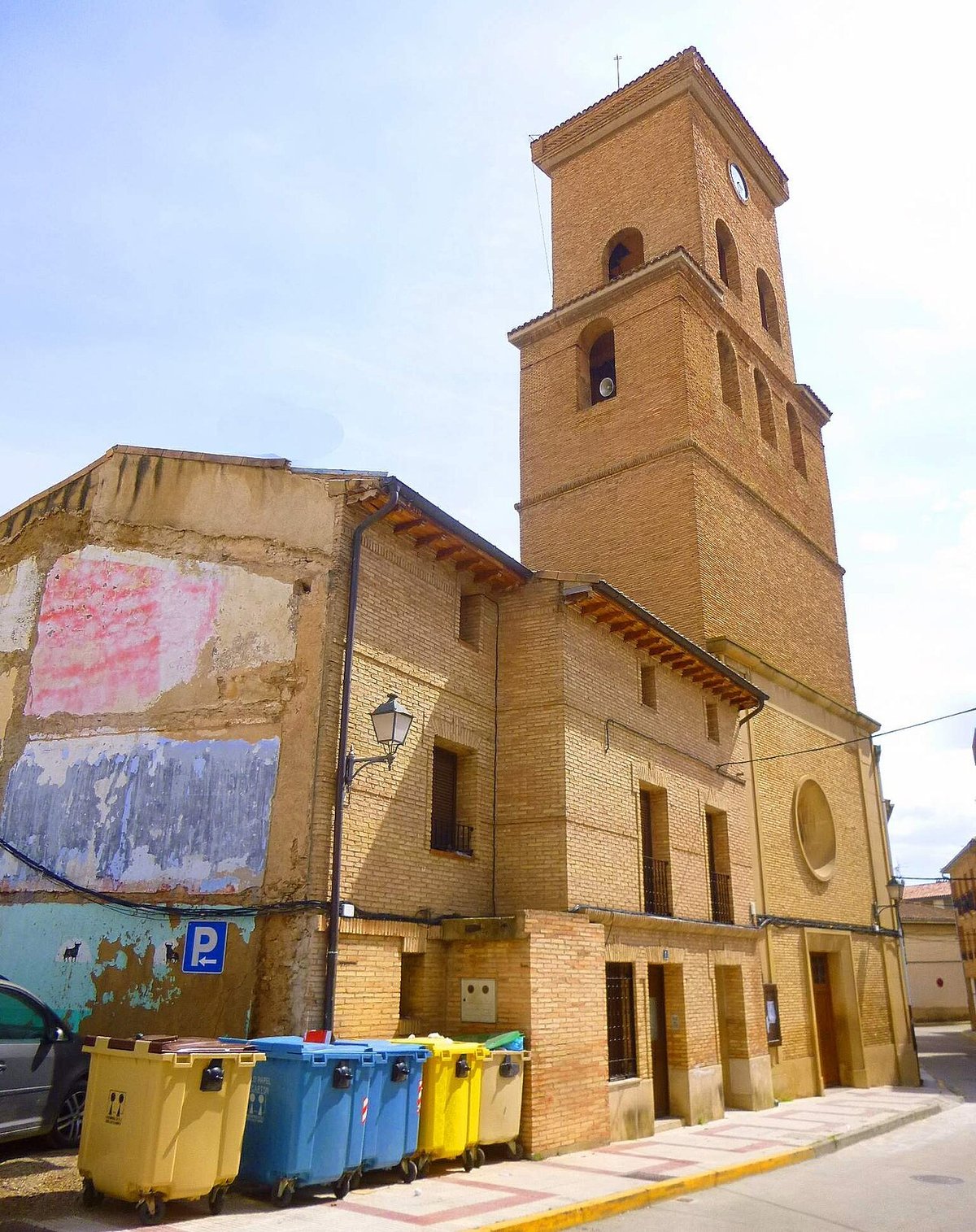
San Andrés church dominates the modest skyline, its 16th-century tower visible from any approach road. The interior rewards those who push open the heavy wooden doors: a gilded baroque altarpiece depicting local shepherd saints, their faces distinctly Navarrese rather than the standard Mediterranean ideal. The sacristy contains something genuinely unusual – a 17th-century processional cross whose base incorporates a Moorish astrolabe, recycled after the reconquest. Finding it open requires luck; morning services finish at 9:30, and the priest often locks up immediately afterwards.
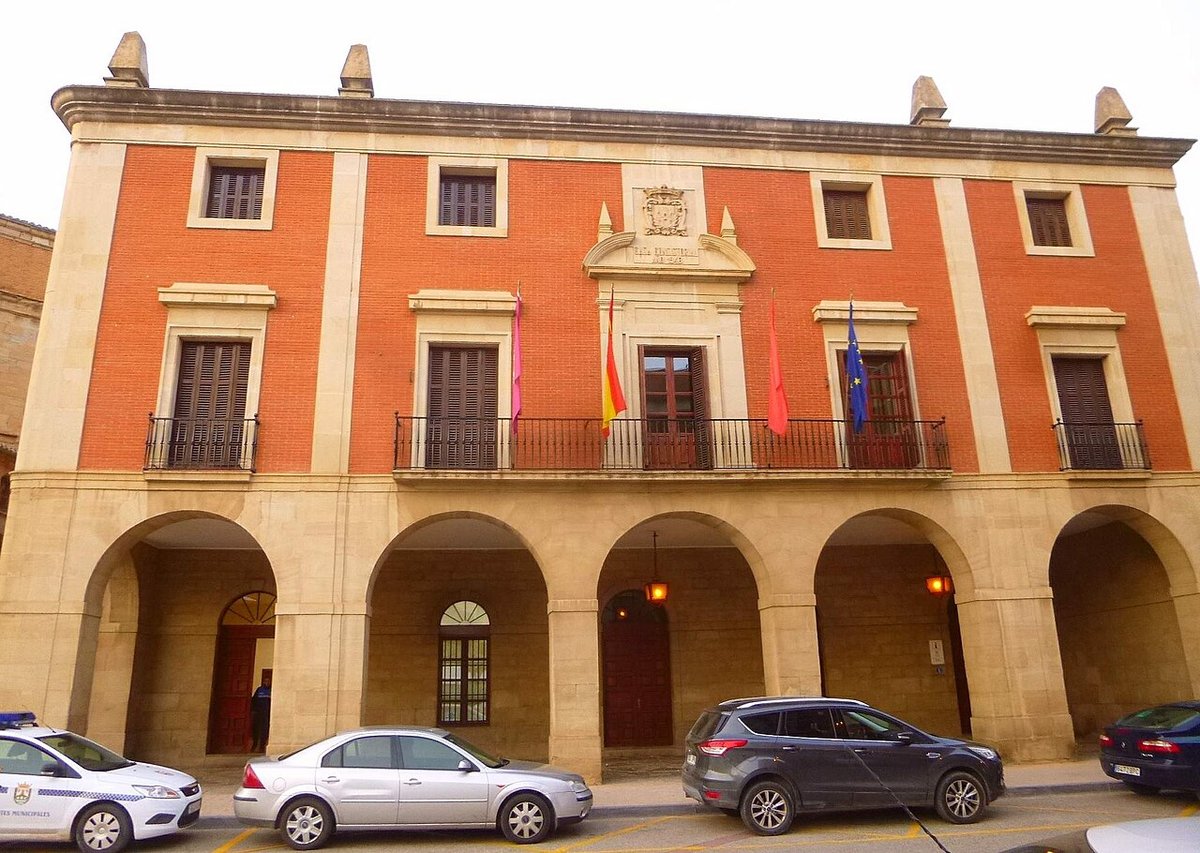
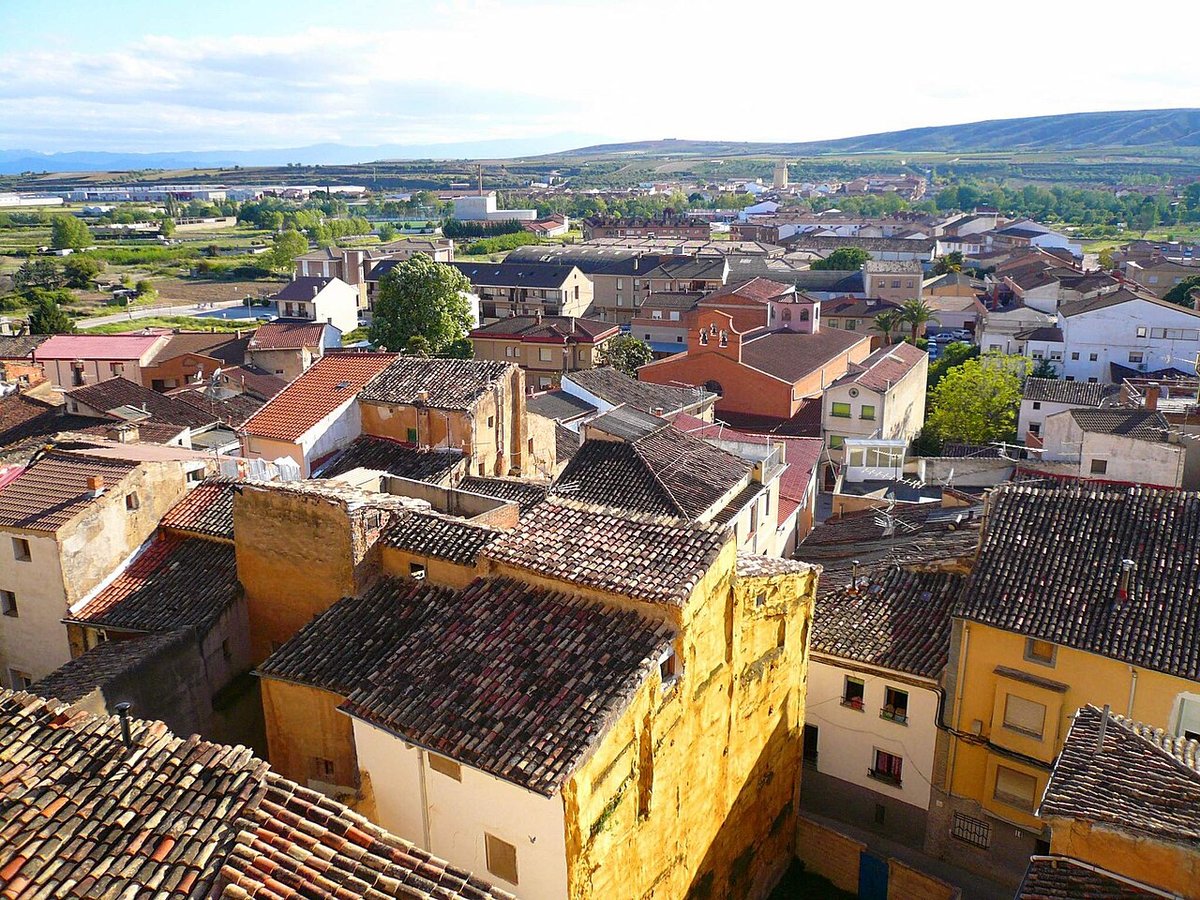
The village proper extends barely six streets in each direction from the plaza. Traditional houses mix ochre stone with more recent brick additions, their ground floors converted into garages for tractors rather than the wine cellars found in Rioja villages 30 kilometres west. Number 14 Calle Mayor displays the date 1897 carved above its doorframe, alongside wheat sheafs that commemorate the original owner's prosperity – he owned three of the threshing floors that once operated where the school playground now stands.
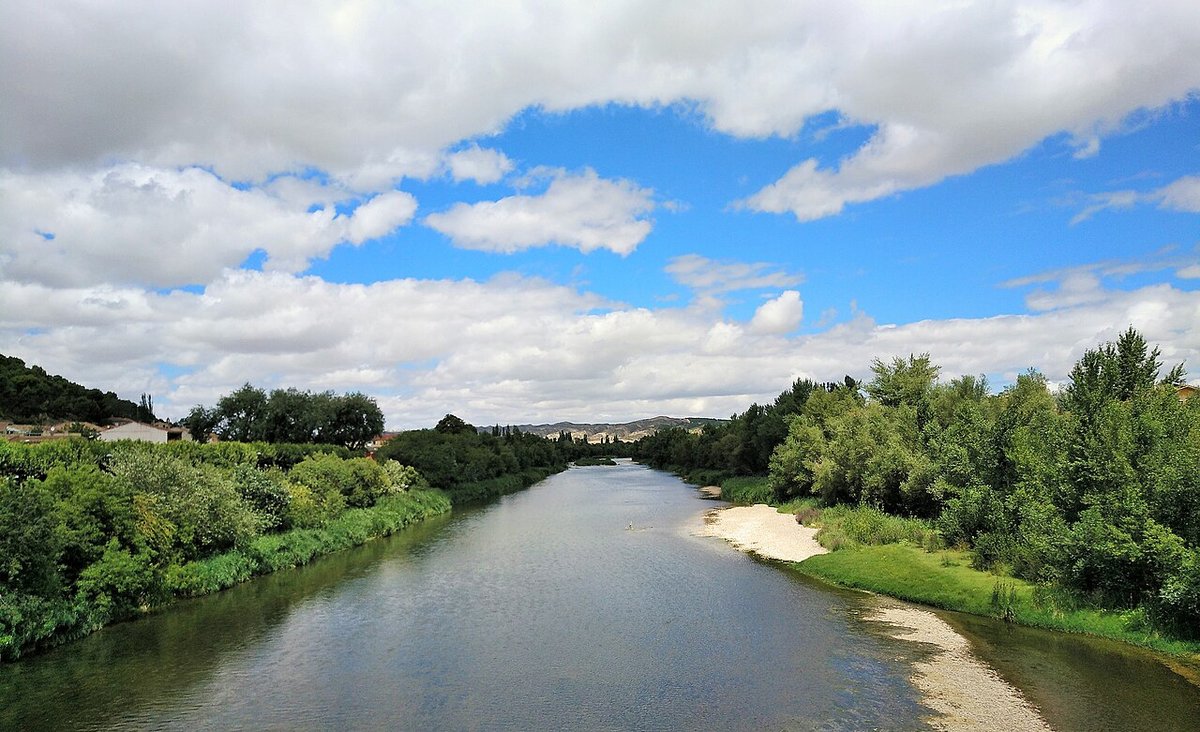
The Arga's banks offer the closest thing to organised recreation. A rough path follows the river for three kilometres upstream, passing irrigation weirs where herons wait for fish trapped by the current. The council installed three wooden benches in 2019; they're already weathering to silver, positioned where the river bends to frame the church tower between pollarded poplars. It's worth persevering beyond the initial 500 metres of nettles – the path improves where it enters the next municipality, their budget having stretched to gravel surfacing.
Eating Seasonally, Drinking Locally
Sartaguda's restaurants number exactly two, both on the main square. Neither accepts credit cards; cash comes from the ATM inside the supermarket that closes for siesta between 2:00 and 5:00. Menus change with the vegetable harvest: March means cardoon in almond sauce, May brings tiny tender artichokes fried whole, September features peppers roasted until they collapse into sweet strips. The local speciality is menestra, a spring vegetable stew that here includes wild asparagus foraged from the riverbanks – ask whether it's included, as supplies depend on someone having walked the paths that morning.
Wine lists extend to Navarra's usual suspects: rosado from nearby Olite, full-bodied reds from the Baja Montaña. More interesting is the clarete, somewhere between rosé and light red, served slightly chilled and perfect with the salt-cod croquettes that appear on every menu. A bottle costs €12-15, roughly half restaurant prices in Pamplona. Beer drinkers should try the regional Zaragozana brew rather than the national brands – it's €2.50 for a caña compared to €3.20 for Cruzcampo.
When the Village Lets Its Hair Down
San Andrés festival at the end of November transforms the sombre church dedication into three days of relative chaos. The highlight occurs at dusk on the Saturday: locals drag hay bales into the plaza, set them alight, and roast chestnuts while drinking communal calimocho (red wine mixed with cola, better than it sounds when temperatures drop towards freezing). Visitors are welcome but there's no tourist infrastructure – accommodation means sleeping in Pamplona and driving 45 minutes.
August's summer fiesta attracts returnees from Bilbao and Barcelona, their cars with city plates lining streets too narrow for such traffic. The programme mixes standard Spanish elements – paella for 500, children's foam party, midnight fireworks – with uniquely local touches. Sunday morning features a vegetable sculpture competition where teams transform produce into elaborate tableaux; recent winners included a life-sized tractor built entirely from pumpkins and aubergines. The judging happens in the plaza at 11:00, by which time participants have usually started drinking, leading to increasingly creative interpretations of the rules.
The Practicalities Nobody Mentions
Getting here without a car requires dedication. ALSA buses run twice daily from Pamplona, taking 70 minutes via unnecessary detours through three larger villages. The service operates Monday to Saturday; no buses run on Sunday, effectively marooning weekend visitors without wheels. Car hire from Pamplona airport costs £35 daily for a basic Fiat 500 – necessary transport rather than luxury, given the 50-kilometre distance.
Parking appears straightforward until you notice the blue zones. The council employs an elderly man who materialises at 9:00 sharp to ticket anyone exceeding the two-hour limit; his diligence funds the village's Christmas lights. The supermarket car park offers free parking beyond the signed period, but requires a €1 coin for the trolley – refunded, yet endlessly frustrating for unprepared visitors.
Accommodation presents the biggest challenge. Sartaguda itself offers no hotels, hostals, or official guesthouses. The nearest options lie 12 kilometres away in Alcanadre, La Rioja – technically a different province, though only a fifteen-minute drive. Hostal Rural Alcanadre provides clean, basic doubles for €55 including breakfast featuring their neighbour's exceptional marmalade. Booking ahead is essential; with only eight rooms, it fills with travelling salesmen during agricultural trade fairs.
Worth the Detour?
Sartaguda delivers exactly what it promises: an authentic slice of agricultural Navarra where tourism remains incidental rather than essential. The village makes no concessions to international visitors – menus stay in Spanish, opening hours follow Spanish rhythms, and nobody apologises for the Sunday bus situation. This honesty proves refreshing after the packaged experiences of coastal resorts, though it demands flexibility and reasonable Spanish.
Come for half a day en route between Pamplona and Logroño, time your visit for market gardening seasons, and pack walking boots for the river path. Expect nothing spectacular, and you'll leave understanding how most Spaniards actually live – growing vegetables, meeting friends in the plaza, maintaining traditions that predate cheap flights and TripAdvisor. Just remember to bring cash, patience, and enough Spanish to ask whether the artichokes are local.