Full Article
about Sesma
A farming village known for esparto grass and its monumental church; set on high ground overlooking the plain.
Hide article Read full article
A village shaped by its surroundings
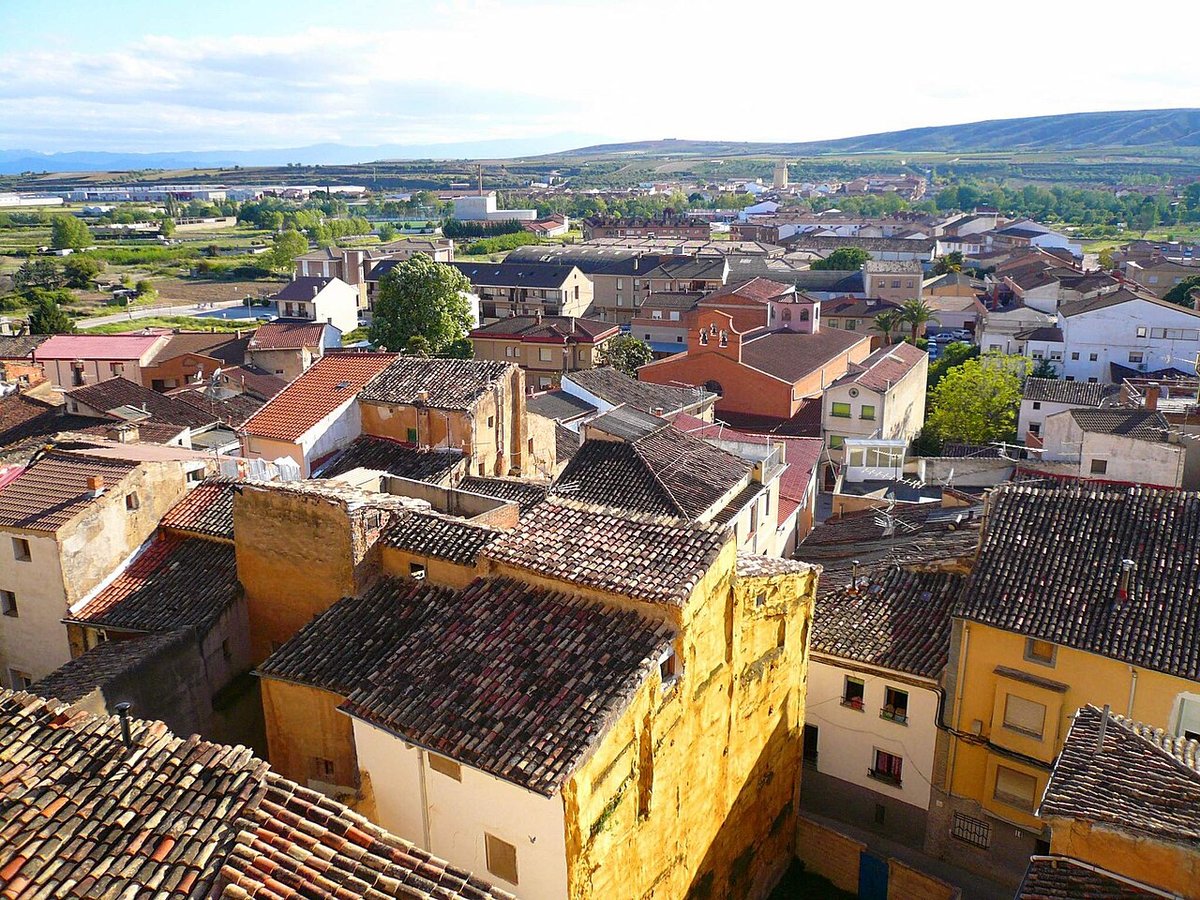
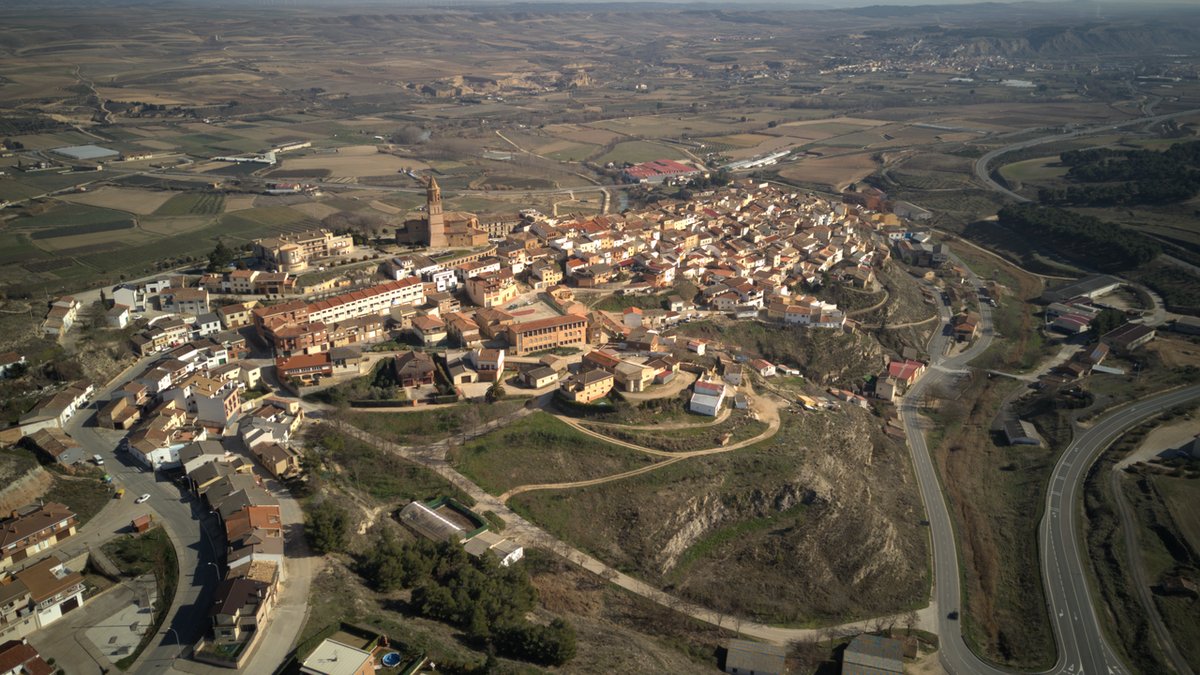
Tourism in Sesma begins with its setting. This village in the Ribera Alta of Navarra sits in a transition zone between the valley of the River Ega and gently rolling land given over to cereals and vineyards. That geography has left a clear mark on the town itself. Streets rise and fall without sharp changes, and the houses reflect different periods rather than a single plan.
There are no standout landmarks that dominate the experience. Instead, Sesma makes more sense as a whole. Daily agricultural life, vernacular architecture and small traces of the past come together in a way that feels continuous rather than curated. Walking through the streets is less about ticking off sights and more about noticing how the place has grown over time.
San Nicolás de Bari and the shape of the town
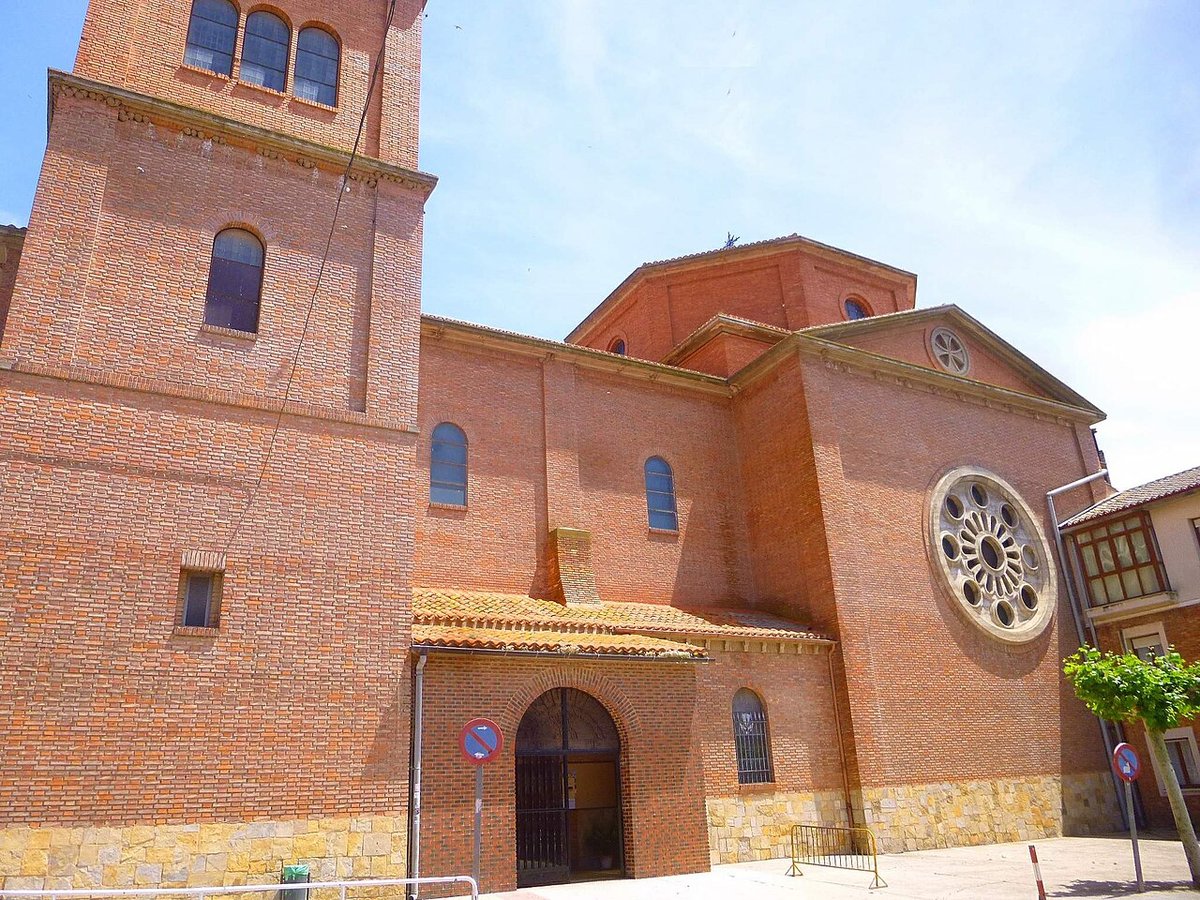
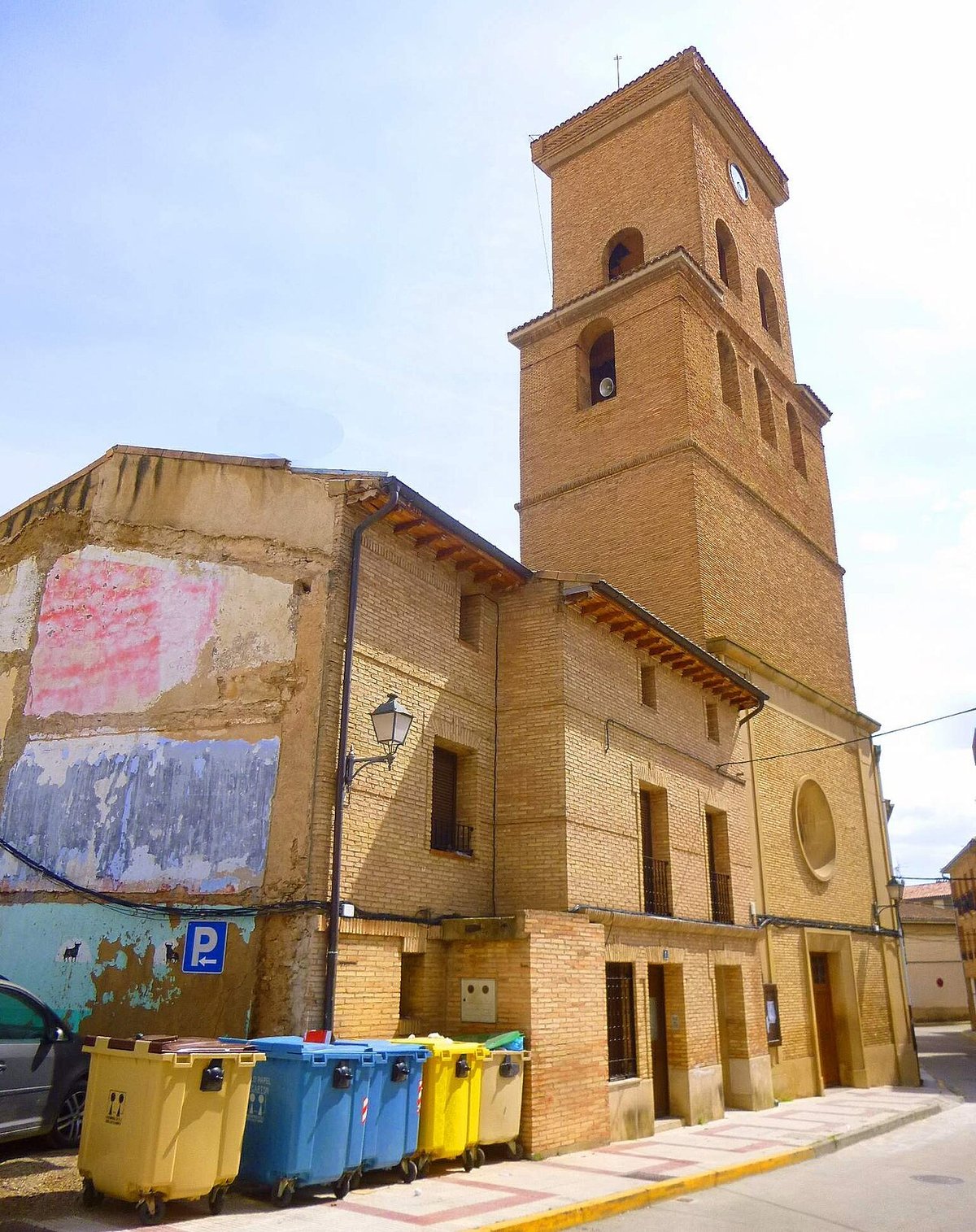
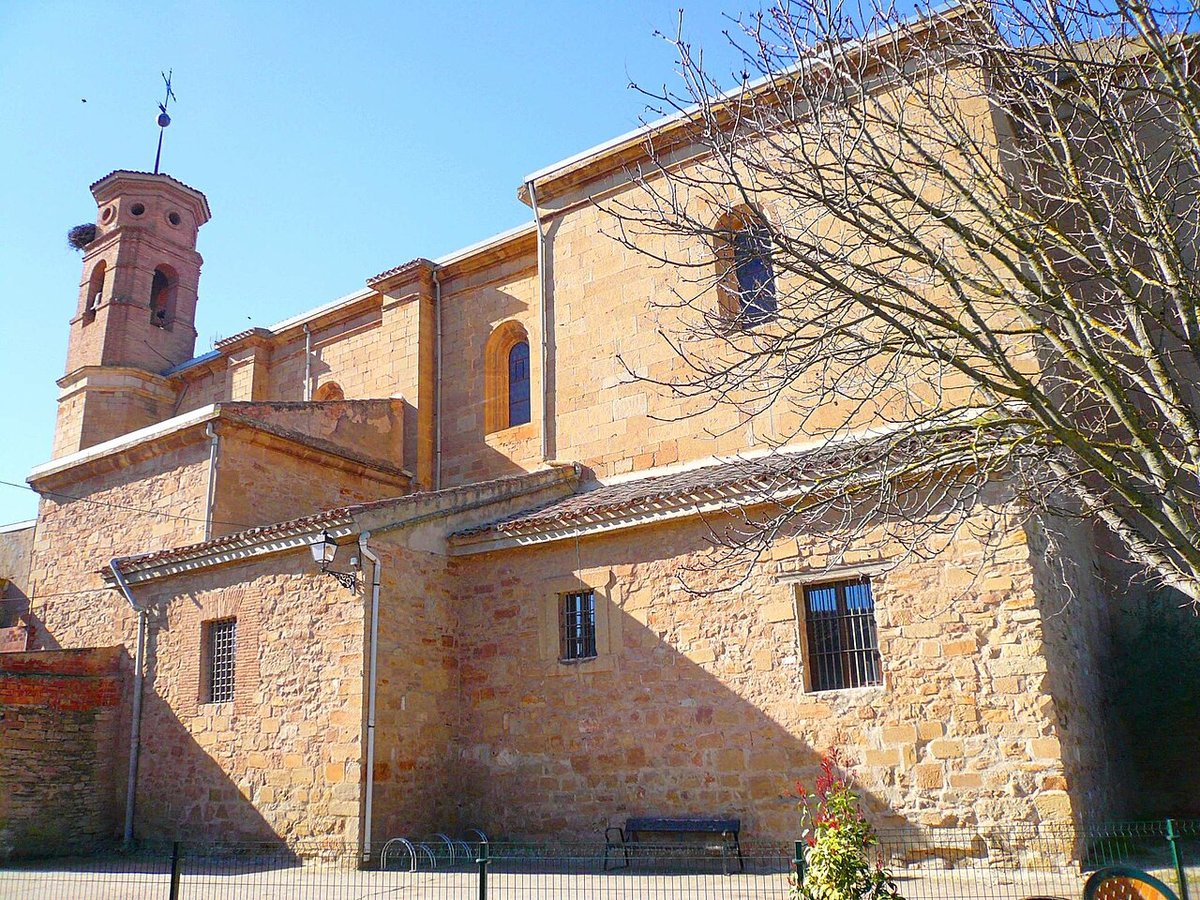
The parish church of San Nicolás de Bari occupies one of the most visible points in Sesma. Its position makes it a natural reference point, and the tower can be seen from several approaches to the village.
The building itself reflects different construction phases. A medieval origin is often mentioned, though most of what stands today comes from later alterations. Inside, baroque elements and devotional carvings show how the church has changed across the centuries. It is not a particularly large temple, but it helps explain the role the parish has played in local life.
Around it, the urban layout continues the same pattern seen elsewhere in Sesma. Streets adapt to the terrain rather than imposing order on it. The result is a centre that feels organic, shaped by gradual change rather than a single moment of planning.
Stone façades and underground wineries
A walk through the centre reveals older houses with coats of arms, large doorways and windows framed in stone. Many date back to the 16th and 17th centuries and once belonged to families of some standing. They do not form a continuous historic district. Instead, they appear here and there among more recent buildings.
Details matter. Dates carved into stone or heraldic symbols on a façade offer small clues about the village’s past. These fragments do not present a complete narrative, but they give a sense of continuity and local identity.
On one of the slopes near the village, another element of that past remains visible. Sesma preserves a group of wineries dug into the الأرض. From the outside, they are identified by modest प्रवेश structures and ventilation shafts that punctuate the hillside. For a long time, these spaces formed part of domestic life and were linked to wine production. Many are still privately owned, yet together they point to the importance of vineyards in the local economy.
The River Ega and nearby paths
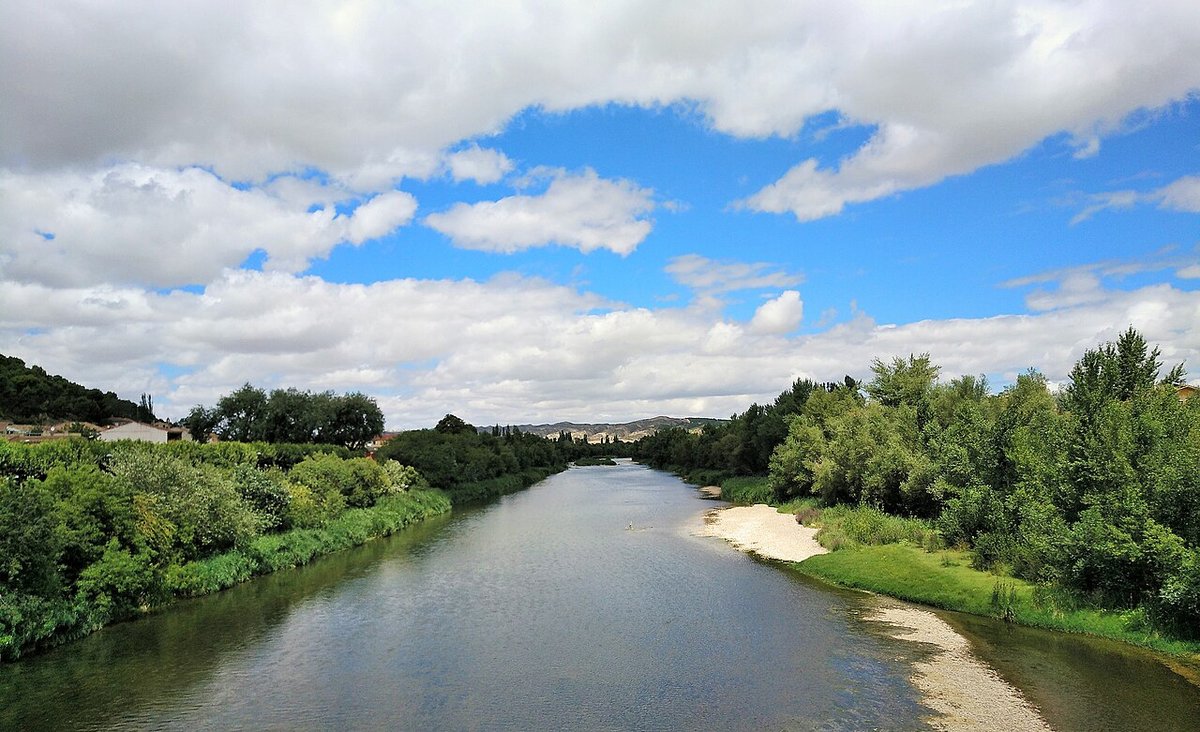
The River Ega runs relatively close to the village and shapes part of the surrounding agricultural landscape. There are no major marked routes, but there are paths used by farmers and local residents.
These tracks provide a simple way to understand the area. Fields under cultivation, irrigation channels and small stretches of riverside vegetation appear along the way. The experience is closer to a gentle walk than to hiking.
Spring and autumn tend to be more pleasant for exploring these paths. The countryside is active and temperatures are less intense than in the height of summer. Even without formal signposting, the landscape itself offers enough variety to make a short walk worthwhile.
Festivities and shared customs
The festive calendar in Sesma combines religious traditions with links to the agricultural cycle. The day of San Nicolás in December still includes church-based events that bring together part of the community.
Summer brings the patron saint festivities. These include encierros, where bulls run through the streets, along with other bull-related events that remain an important meeting point for residents.
Another long-standing tradition is the romería of San Marcos in spring. A romería is a communal outing, often with a religious origin. In this case, it is associated with the blessing of the fields and shared meals outdoors. It reflects a close relationship between the village and its land, where celebration and agriculture remain connected.
Visiting Sesma at an easy pace
Sesma does not require a long stay to understand its character. The centre can be explored on foot, and walking makes it easier to notice changes in elevation and the details of older façades.
The surrounding paths are best approached with some care in summer. The sun can be strong in this part of Navarra, particularly in the middle of the day. Choosing cooler hours makes a noticeable difference if you plan to walk beyond the village streets.
With limited time, a short route is enough to form a clear impression. A walk through the centre, a look at the church of San Nicolás de Bari and a visit to the area of underground wineries provide a good sense of Sesma. Together, they show how closely the village remains tied to the agricultural landscape that surrounds it.